
Beas River Rafting
Rafting near Kulu, Himachal Pradesh
200 m from Kulu
The nearest town, for stays, food and fuel.
Beas River Rafting in Kullu offers an exciting white-water journey through the heart of the Kullu Valley in Himachal Pradesh. Fed by Himalayan snows, the clear, fast-flowing river carves through pine-clad hills, providing alternating stretches of spirited rapids and calm glides. Travellers and outdoor enthusiasts visit to experience the thrill of the river while soaking in panoramic views of the surrounding Pir Panjal and lower Himalayan ranges.
Getting there
By road
- From KuluNearest town1 min · 200 m
- From Chandigarh4 hr 45 min · 219 km
- From Ludhiana5 hr 20 min · 260 km
- From Amritsar7 hr 20 min · 371 km
Typical drive times without traffic. Stations and airports from OLA Maps; distances and typical drive times from OpenStreetMap (© OpenStreetMap contributors); notes from creators' Reels.
About Beas River Rafting
Written with AI from map data and general knowledge. Check prices and timings locally before you go.
The Beas River Rafting Experience
The Beas River originates high in the Rohtang Pass region and gathers volume as it tumbles south through the Kullu Valley. Along the stretches around Kullu, the riverbed widens, creating classic white-water runs that balance excitement with natural beauty. Rafting here is a team effort where paddlers work under the instruction of a river guide to steer through bouncing wave trains, swift currents, and natural river features.
Between the rapid sections, the river slows into wide, reflective pools where paddlers can catch their breath and look up at the towering landscape. The valley walls are thick with deodar and pine forests, with traditional Himachali hamlets perched along the slopes. Splashes of icy glacial water and the crisp mountain air make the journey invigorating from the moment the raft pushes off from the gravel banks.
River Rapids and Landscape
The rafting sections on the Beas near Kullu typically feature Grade II and Grade III rapids, making them well-suited for beginners, families, and seasoned rafters alike. Grade II rapids introduce moving water with small waves and clear channels, while Grade III sections offer larger, irregular waves and narrow passages that require coordinated paddling to navigate successfully.
As you descend the river, the landscape shifts between rocky gorges and open riverbanks lined with pebble beaches. Apple orchards border several sections of the shoreline, and the sound of rushing water echoes against the valley walls. The clarity of the water varies throughout the year, shifting from turbulent milky-grey or turquoise during heavy snowmelt to deep emerald tones in the drier autumn months.
Read more
Best Time to Visit for Rafting
Rafting on the Beas River depends closely on the seasons and the volume of river discharge. The prime window runs from mid-March to June. During these spring and early summer months, rising temperatures melt the high-altitude snow, creating strong, consistent water levels and warm daytime weather that makes getting splashed comfortable.
The monsoon months of July and August bring heavy rains, muddy water, and unpredictable water surges. Rafting operations are usually suspended during this time for safety reasons as mandated by local authorities. Once the rains subside in mid-September, rafting resumes and stays pleasant through November. Autumn provides crisp sunny days, cooler water, and exceptionally clear views of the snow-dusted peaks in the distance.
Winter brings freezing water temperatures and significantly reduced water flow, and many river operators shut down for the coldest months. If you plan to visit in late autumn or early spring, be prepared for chillier temperatures on the water.
Safety and Preparation
Before heading out on the water, all rafters undergo a safety briefing covering paddling commands, body balance, and self-rescue techniques. Every participant is fitted with a certified personal flotation device and a sturdy helmet. It is essential to listen carefully to your river guide, who reads the river currents and directs the raft through the optimal lines.
Wear light, quick-drying synthetic clothing such as nylon t-shirts and shorts or track pants. Avoid heavy denim or thick cotton, which absorb water, become heavy, and take a long time to dry in cool weather. Secure strap-on sandals or old sneakers that you do not mind soaking are the best footwear choice. Bring a complete change of dry clothes, a towel, and a secure bag to keep your dry gear in your vehicle while you are on the river.
Keep valuables, mobile phones, and non-waterproof cameras stored away safely off the river unless you have a dedicated waterproof pouch firmly strapped to your life vest. Basic physical fitness is helpful since paddling through rapids requires energetic bursts of effort.
How to Reach Kullu
The starting points for Beas River Rafting are situated along the riverbanks near Kullu, making them easily accessible from major travel corridors in Himachal Pradesh. The nearest airport is Kullu-Manali Airport at Bhuntar, situated just a short drive south of Kullu town. Bhuntar connects with limited direct flights to regional hubs like Chandigarh and Delhi, though operations depend heavily on clear mountain weather.
By road, Kullu is well connected via National Highway 3. Regular state transport and private sleeper buses operate overnight routes between Delhi, Chandigarh, and Kullu. The road journey from Chandigarh typically takes around seven to nine hours depending on traffic and highway conditions. If driving your own vehicle or using a private taxi, the route through Mandi along the river gorge provides direct access to the rafting stretches.
Places to Visit Nearby
A trip for Beas River Rafting puts you in the center of numerous attractions throughout the Kullu Valley and neighboring tributary valleys. Just downstream near Mohal, the Nature Park offers peaceful riverside walking paths set under tall conifer trees, ideal for relaxing after an active morning on the water. Nearby viewpoints and old paths, such as the trails leading toward the historical Bhubbu Pass, offer day-hiking opportunities into quieter mountain terrain.
Further north along the highway, the historic village of Naggar is home to the ancient Naggar Castle, renowned for its classic wood-and-stone architecture and commanding views of the valley. For those willing to travel slightly further, the Parvati Valley branches off near Bhuntar, leading toward villages like Pulga and trailheads for the Kheerganga trek. To the south, the Sainj Valley houses the revered Shangchul Mahadev Temple in the meadowlands of Shangarh, offering an authentic glimpse of rural Himachali heritage.
Where to Stay around Kullu
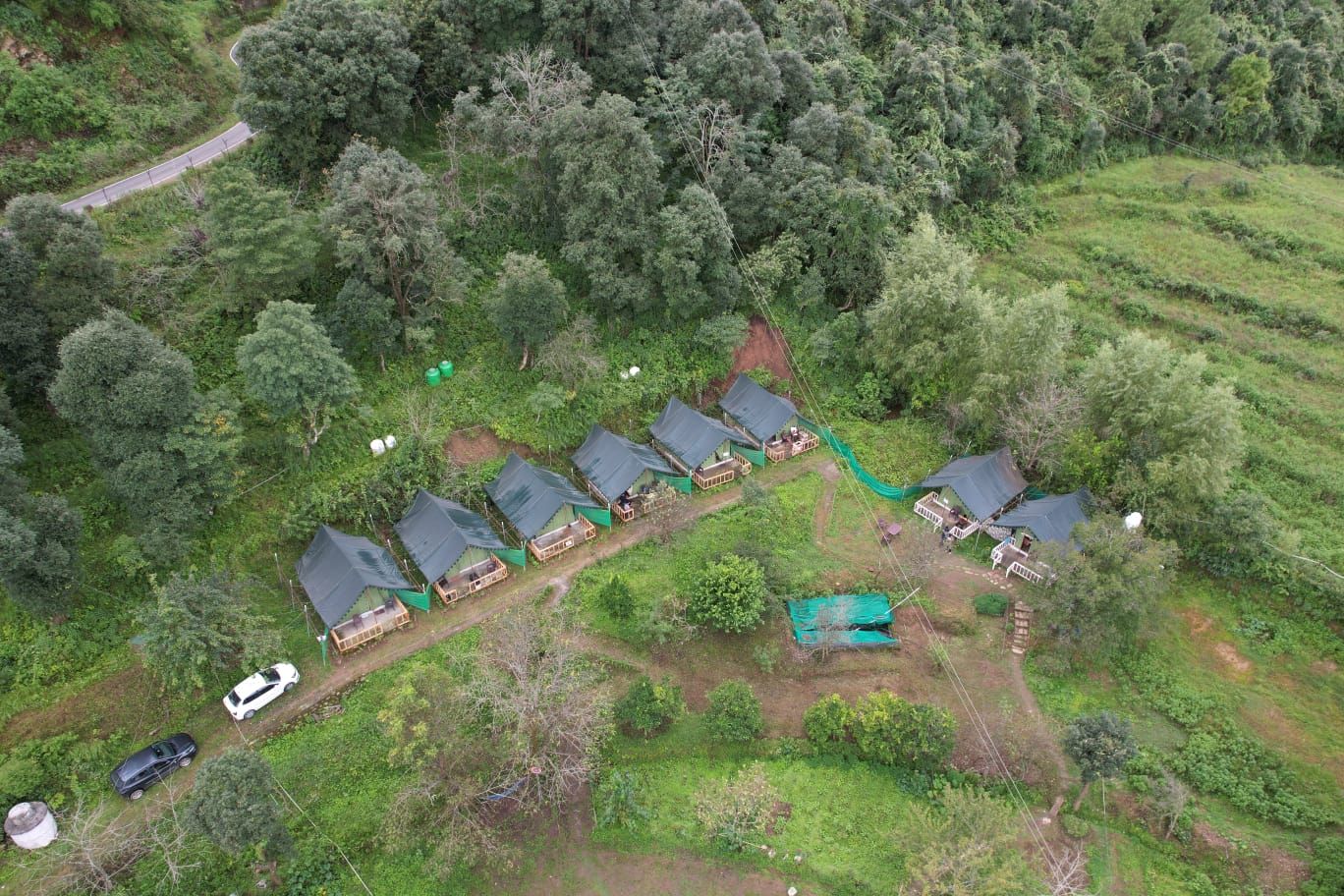
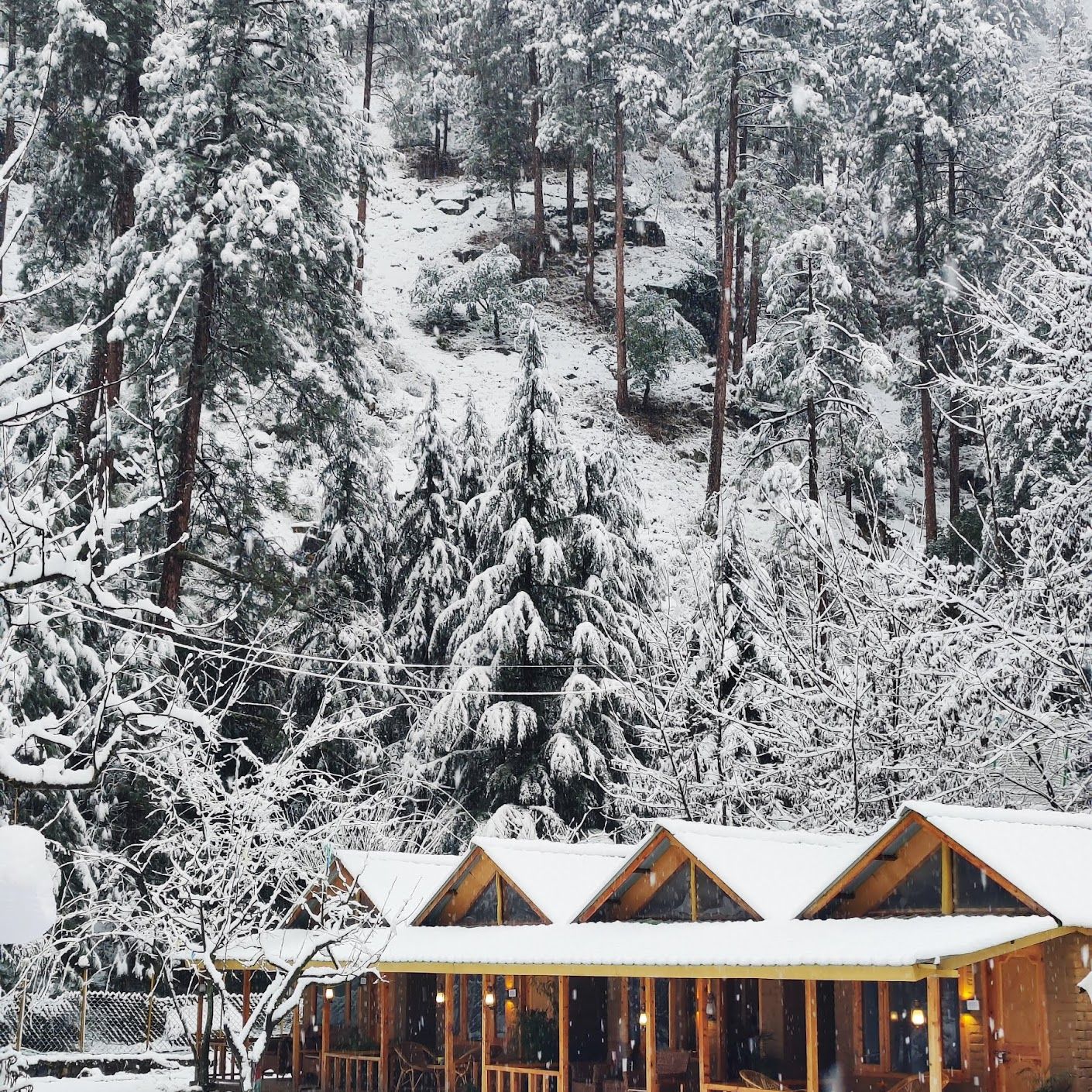
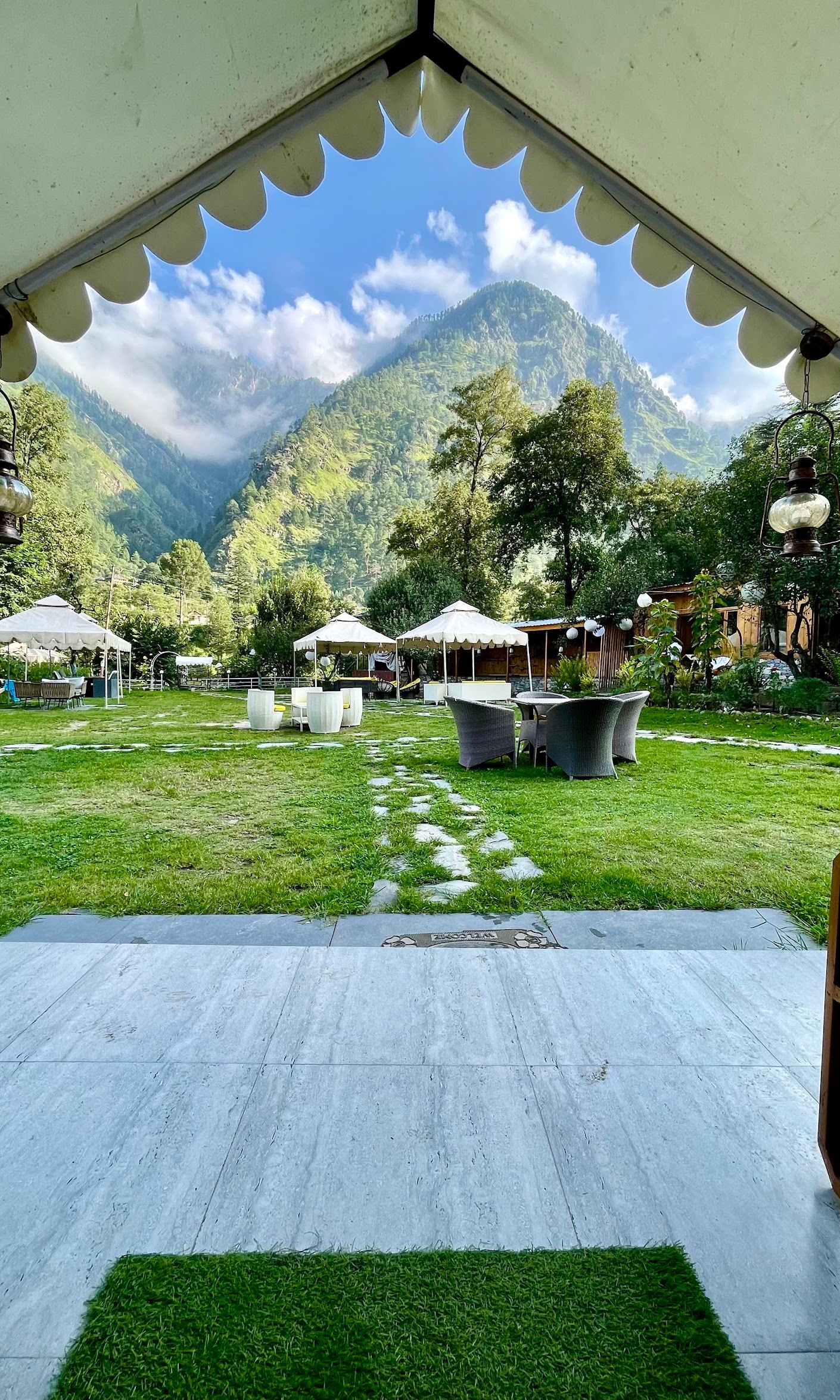
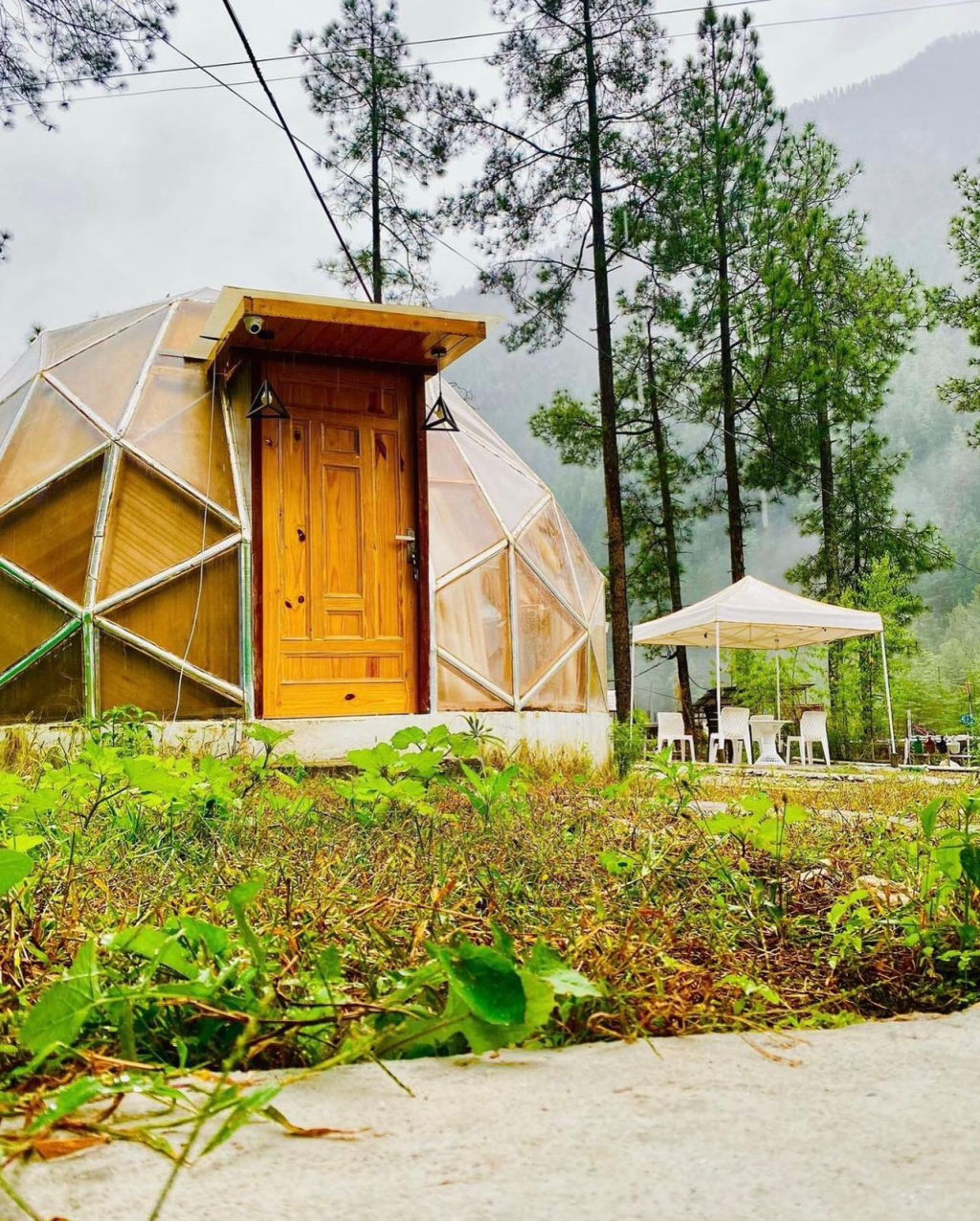
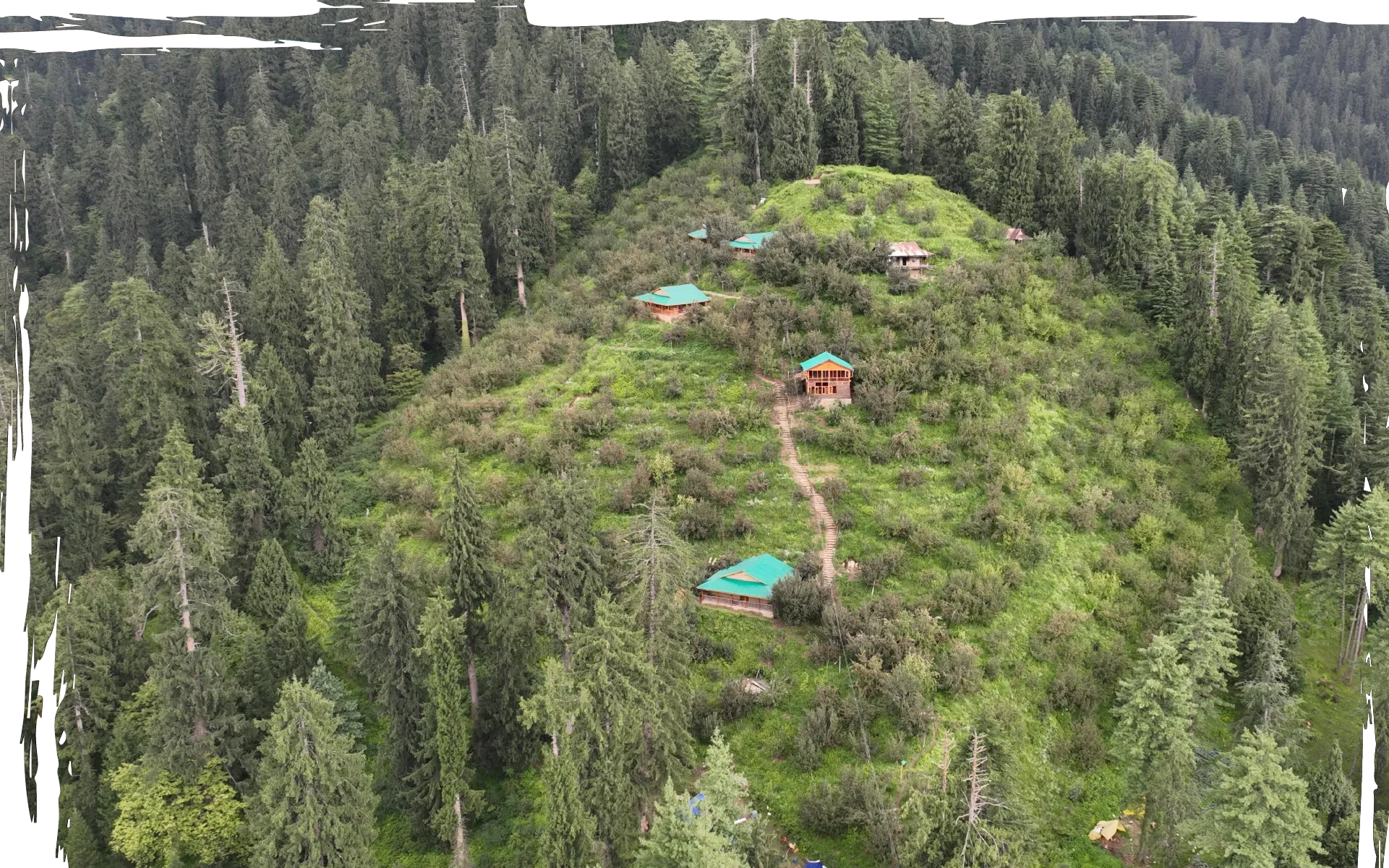
The area around Kullu offers a variety of accommodation options to suit different travel styles. Many visitors choose to stay in traditional wooden homestays nestled within apple orchards on the valley terraces, where home-cooked local meals and mountain hospitality are part of the stay.
Riverside campsites are another popular choice for outdoor lovers, offering the chance to sleep to the sound of flowing water and wake up directly near the adventure launch sites. If you are looking for verified campsites, rustic cottages, or comfortable homestays in and around Kullu, you can explore the listings on HireACamp to find a base that matches your itinerary.
Frequently asked questions
Do I need to know how to swim to go rafting on the Beas River?
Non-swimmers can usually participate because every rafter is required to wear a high-flotation life jacket that keeps you afloat in the water. However, it is essential to follow the guide's safety briefing and feel comfortable being in moving water.
What should I wear for Beas River Rafting?
Wear lightweight, quick-drying synthetic clothes like nylon shorts and a technical t-shirt, along with strapped sandals or secure sneakers. Avoid heavy cotton or denim, and always carry a complete change of dry clothes for after the run.
Is rafting on the Beas River open throughout the year?
No, rafting is typically closed during the monsoon months of July and August due to high water levels and turbulent currents. The most consistent operational months are from mid-March to June, with a second pleasant window from late September to November.
What is the age limit for river rafting in Kullu?
Children below a certain age or height are generally restricted from participating in the main rapid stretches for safety reasons. Check locally with on-site operators regarding current safety guidelines and age limits before booking a trip for younger family members.
Where you'll be
Beas River, Kullu, Himachal Pradesh 175101, India, Kullu · 5 stays nearby shown with prices
Stays near Beas River Rafting
Book a place to stay close by
More places near Beas River Rafting
Within 20 km
Built from 0 Instagram posts by 0 creators. Every tip links back to the post it came from, and where creators disagree we show both sides.






