
Raghunath Temple
Temple near Kullu, Himachal Pradesh
500 m from Kullu
The nearest town, for stays, food and fuel.
Raghunath Temple is one of the most revered spiritual sites in the Kullu Valley of Himachal Pradesh, dedicated to Lord Rama, known locally as Raghunath Ji. Situated in the heart of Kullu town, the temple serves as the focal point of the valley's distinct religious heritage and the famous week-long Kullu Dussehra festival. Travellers and pilgrims visit to admire its traditional Pahari architectural charm and to experience the living devotional traditions of the Western Himalayas.
Getting there
By road
- From KulluNearest town3 min · 1.3 km
- From Chandigarh4 hr 45 min · 218 km
- From Ludhiana5 hr 20 min · 259 km
- From Amritsar7 hr 20 min · 369 km
Typical drive times without traffic. Stations and airports from OLA Maps; distances and typical drive times from OpenStreetMap (© OpenStreetMap contributors); notes from creators' Reels.
About Raghunath Temple
Written with AI from map data and general knowledge. Check prices and timings locally before you go.
History and Legend of Raghunath Temple
The history of Raghunath Temple is deeply woven into the royal legacy and spiritual identity of the Kullu Valley. According to regional records and lore, the temple was established in the seventeenth century by Raja Jagat Singh, the ruler of Kullu. Seeking redemption for a grievous sin, the king was advised by a holy ascetic to install an idol of Lord Rama sourced directly from Ayodhya. A Brahmin was dispatched to bring the sacred deity, which was subsequently consecrated in Kullu as the presiding lord of the entire kingdom.
Upon enshrining the deity, Raja Jagat Singh abdicated his throne and dedicated his sovereign realm to Lord Raghunath, ruling thereafter solely as the deity's servant and regent. This historic transition reshaped the religious and social fabric of the valley. Even today, Lord Raghunath remains the nominal divine ruler of Kullu, revered not only by the direct descendants of the erstwhile royal family but also by hundreds of local village deities that populate the surrounding valleys.
Architecture and Temple Grounds
Perched on a raised terrace in Kullu, the Raghunath Temple complex reflects a harmonious blend of local Pahari stone-and-wood craftsmanship with traditional North Indian temple styles. The shrine stands as a modest, dignified structure constructed with regional materials that have withstood centuries of harsh mountain weather. Carved wooden pillars, stone plinths, and slate roofs offer a quiet glimpse into the vernacular building traditions characteristic of the mid-Himalayan valleys.
Inside the sanctum sanctorum sits the small, revered idol of Lord Raghunath along with accompanying representations of Sita and other deities. The inner courtyard provides an atmosphere of calm and solemn devotion, away from the bustling town bazaars that lie just a short walk below. Devotees often sit in the outer courtyard to absorb the serene mountain air, listen to the temple bells, and observe daily morning and evening worship rituals conducted by traditional temple priests.
Read more
The Focal Point of Kullu Dussehra
Raghunath Temple takes center stage during the internationally renowned Kullu Dussehra celebrations. Unlike the rest of India, where Dussehra concludes with the burning of effigies, the festival in Kullu commences on Vijayadashami and continues for seven full days. During this period, the idol of Lord Raghunath is brought out in an ornate chariot procession to the broad Dhalpur Maidan in Kullu town.
Hundreds of village deities, carried in elaborate wooden palanquins by their respective villagers from remote corners of the Kullu and Parvati valleys, gather to pay homage to Lord Raghunath. The atmosphere during this week is vibrant, charged with the rhythmic beats of traditional drums, the trumpeting of brass horns, and colorful folk dances. Visiting the temple and witnessing the festival offers travellers an extraordinary window into living Himachali traditions.
Best Time to Visit Raghunath Temple
The temple can be visited year-round, but each season brings a distinct atmosphere to the Kullu Valley. Autumn, spanning from September to November, is widely considered the finest time to travel. The post-monsoon skies remain exceptionally clear, the Himalayan air turns pleasantly cool, and the grand Kullu Dussehra festival typically takes place during October, drawing cultural enthusiasts and photographers from all over.
Spring and summer, from March through June, offer balmy weather and lush green landscapes, making it comfortable to explore the town and nearby riverside spots on foot. Winters, lasting from December to February, are quite cold with chilly mountain winds, though Kullu town rarely receives heavy snowfall compared to higher elevations upvalley. For those planning a winter visit, carrying adequate warm woolen layers is essential.
How to Reach Raghunath Temple
Raghunath Temple is located right within Kullu town, making it readily accessible by several modes of transit. The nearest airport is Kullu-Manali Airport at Bhuntar, situated roughly ten kilometers away. The airport handles seasonal flights connecting to major northern transit centers like Chandigarh and New Delhi, after which local taxis and state buses operate frequently into Kullu.
By road, Kullu is well connected via National Highway 21, which runs along the Beas River and connects the valley to Mandi, Bilaspur, and Chandigarh. Long-distance overnight buses run regularly from New Delhi, Chandigarh, and Shimla. Once in Kullu, the temple can be reached easily by hailing an auto-rickshaw or taking a short uphill walk through the town's market streets.
Places to Explore Nearby
A visit to Raghunath Temple pairs naturally with numerous outdoor and cultural spots across the central Kullu region. Right below the temple ridge, visitors can explore the Tibetan Market to browse handwoven shawls and Himalayan handicrafts, or spend an afternoon along the banks of the Beas River, where seasonal river rafting operators offer thrilling white-water runs.
Nature lovers can head out to the nearby Kais Wildlife Sanctuary, known for its dense temperate forests and bird species. Further up the valleys, short road trips lead into the lush expanses of Parvati Valley toward quiet villages like Pulga and trailheads such as Kheerganga. To the southeast lies the Sainj Valley, where the historic Shangchul Mahadev Temple and the idyllic meadows of Shangarh offer a tranquil escape from town life.
Tips for Your Temple Visit
When planning your visit to Raghunath Temple, keep in mind that it is an active and deeply revered sanctuary for the local community. Visitors should dress modestly, covering their shoulders and knees, and remove all footwear before entering the temple courtyard and inner sanctum. Leather items may also be restricted inside the shrine area, so it is best to leave belts or bags outside or check with the attendants.
Photography is typically not permitted inside the inner sanctum where the main deity resides, so always seek permission from the resident priests before taking photos around the complex. Attending the morning or evening aarti provides an authentic devotional experience, accompanied by regional prayers and traditional music. Always verify local timings on arrival, as daily rituals can shift slightly with the seasons.
Where to Stay near Raghunath Temple
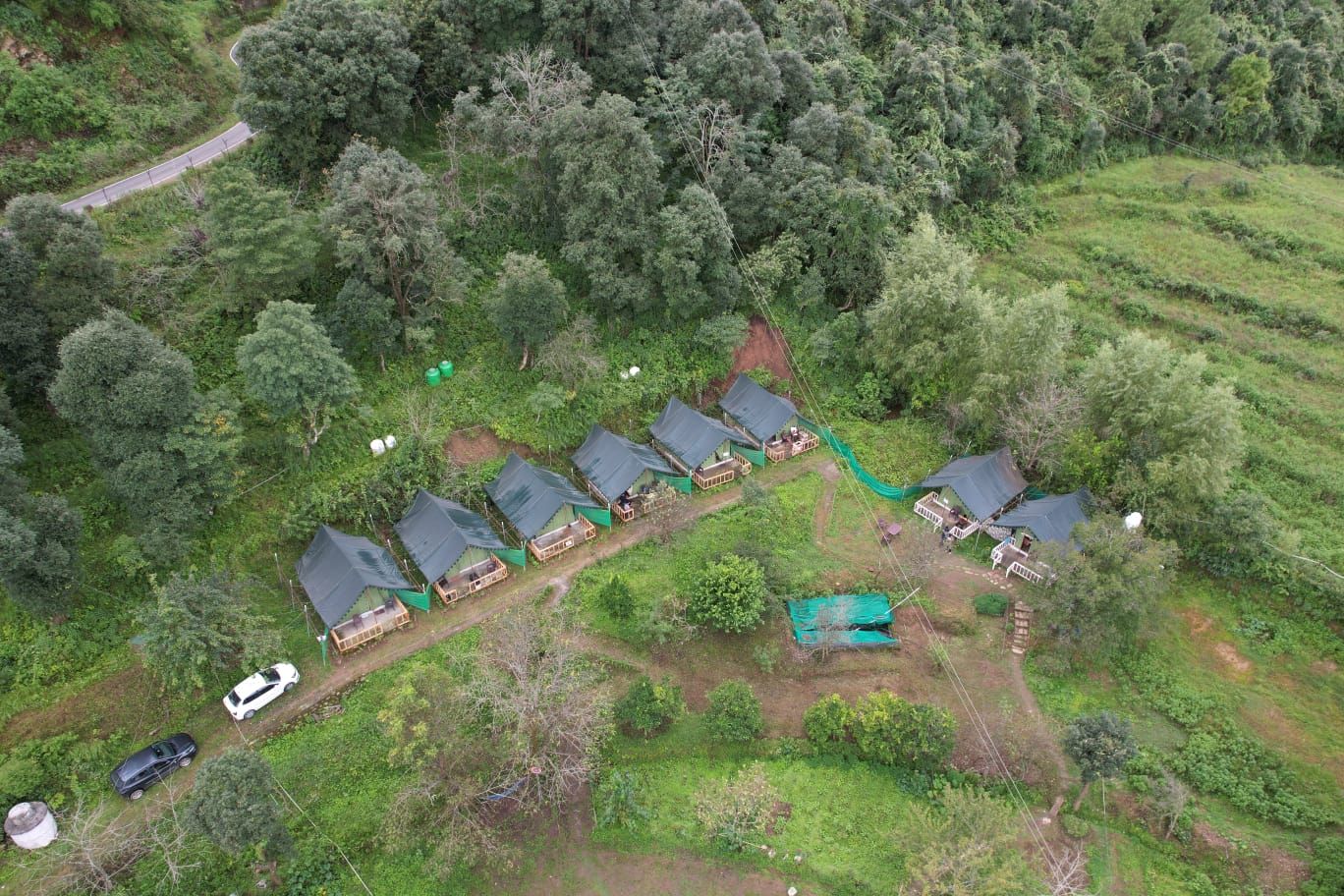
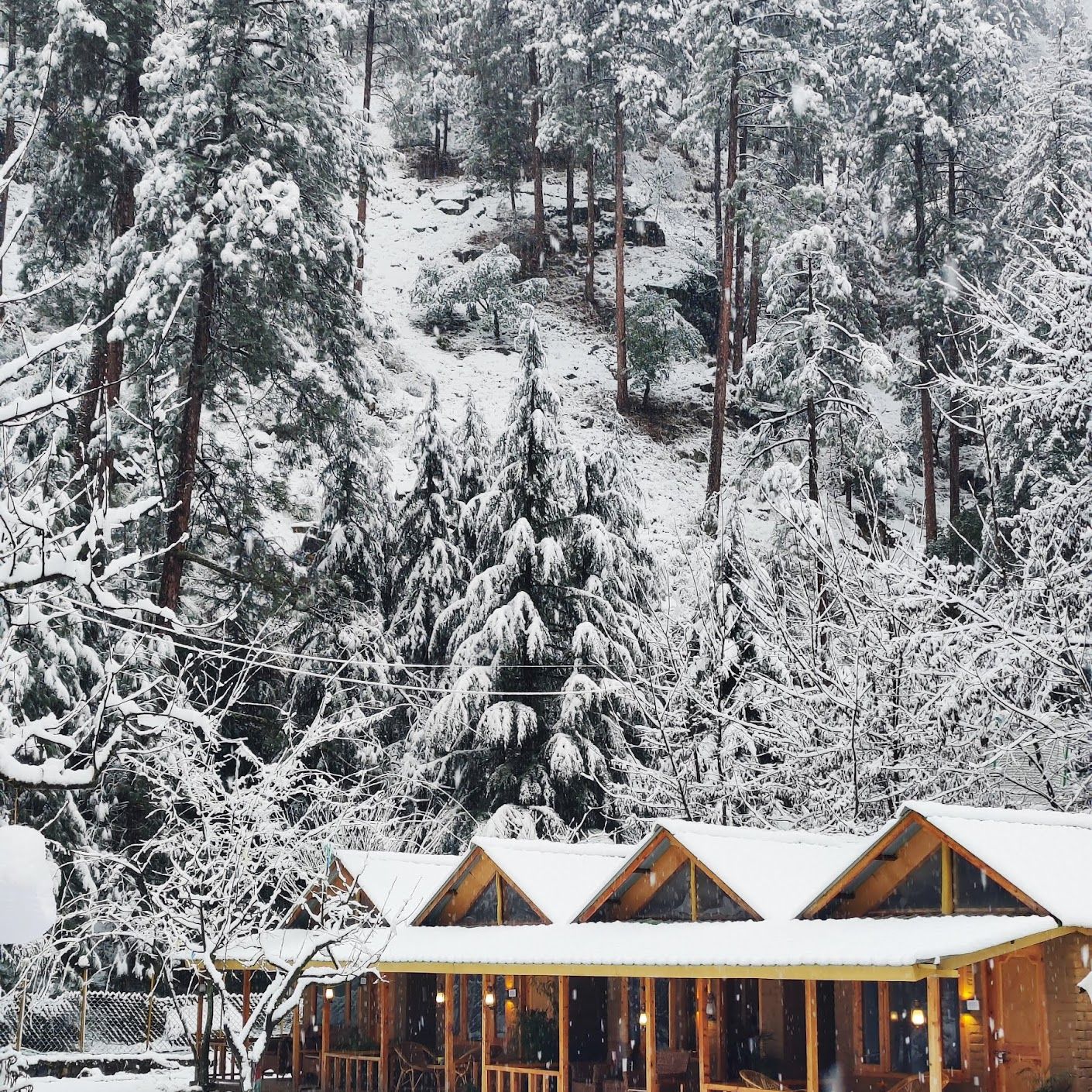
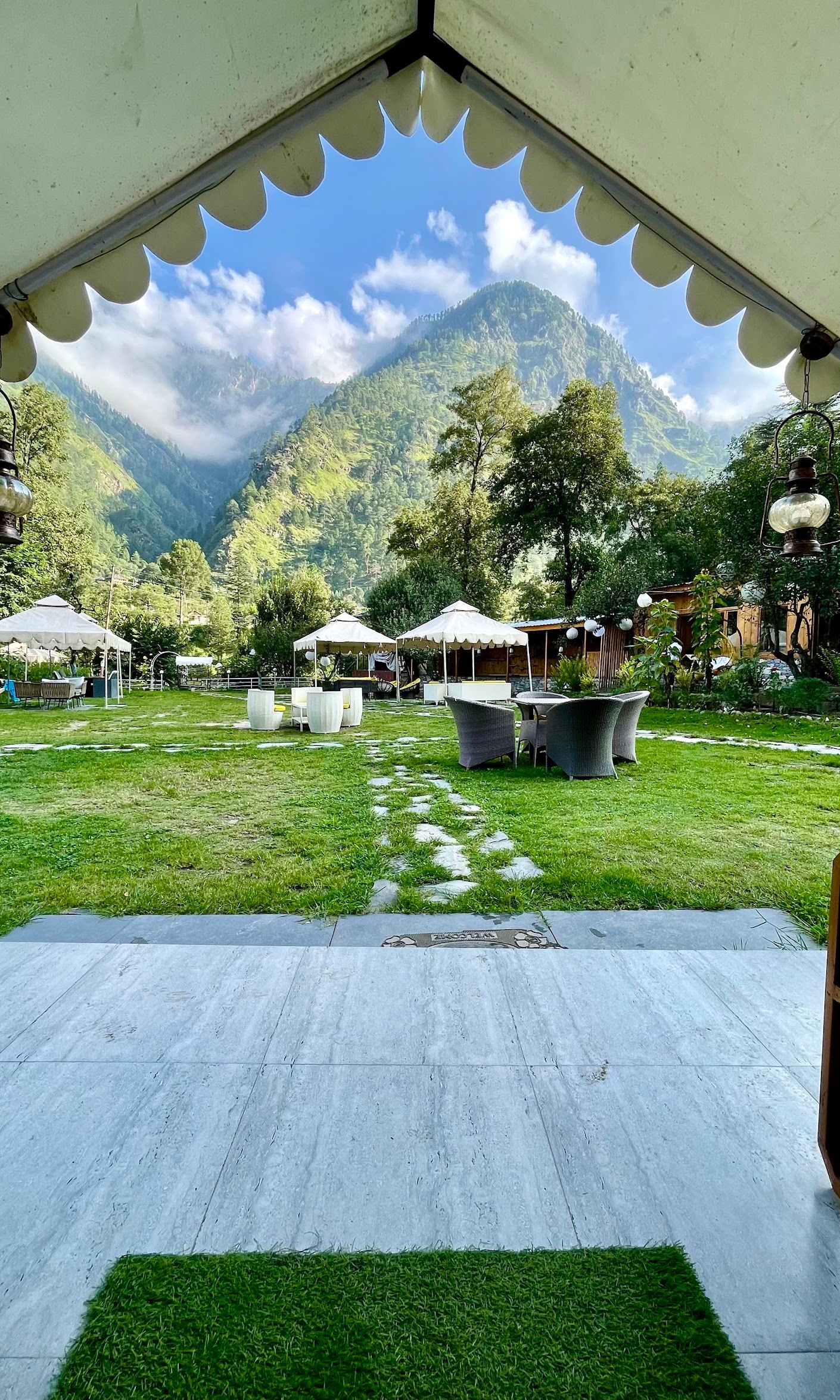
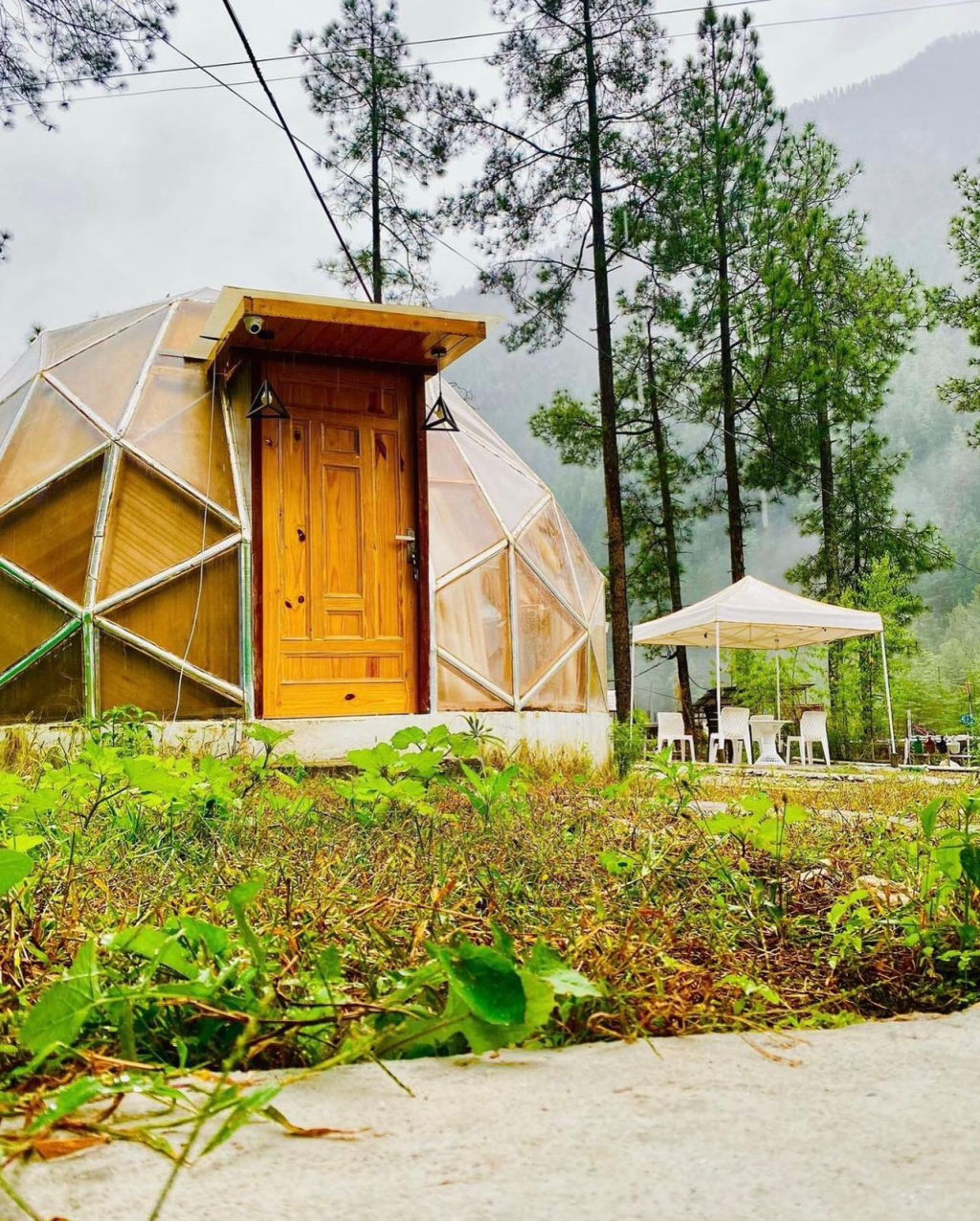
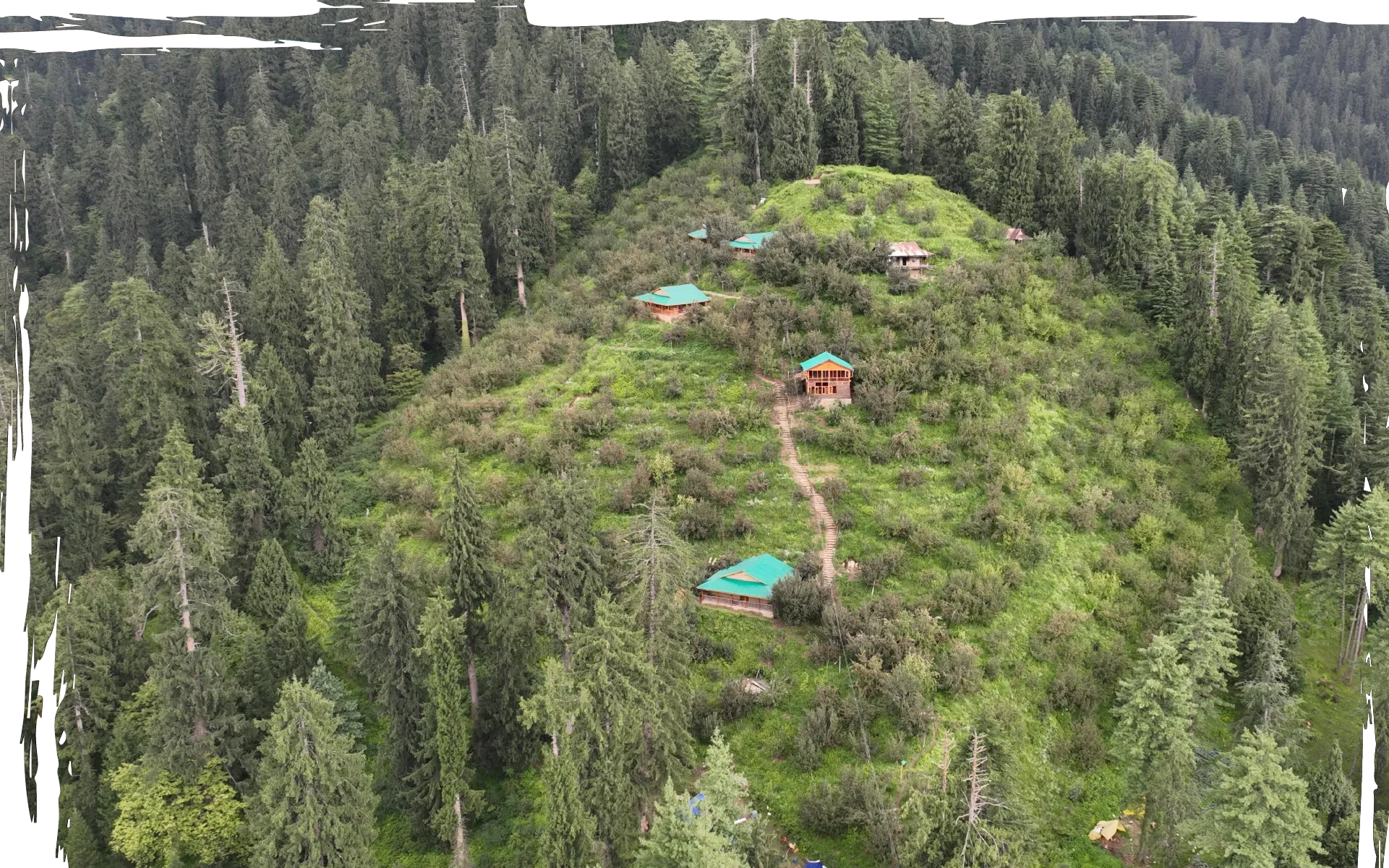
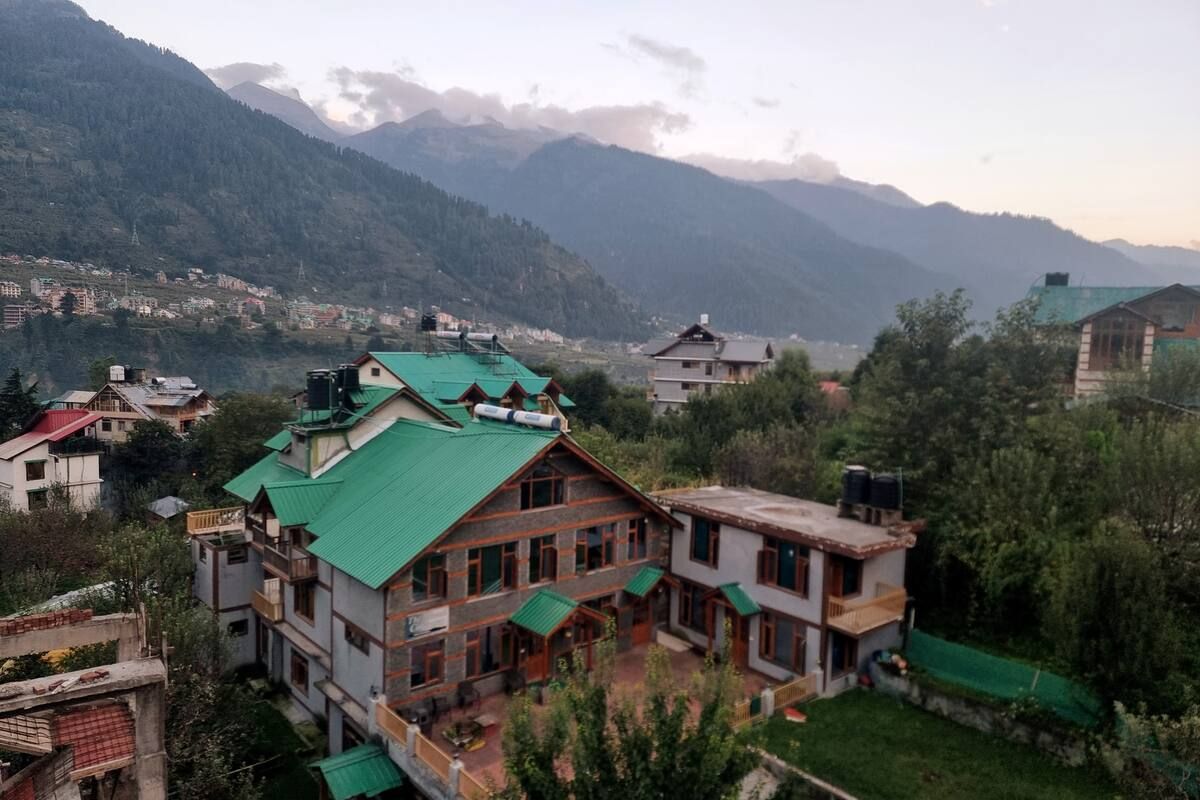
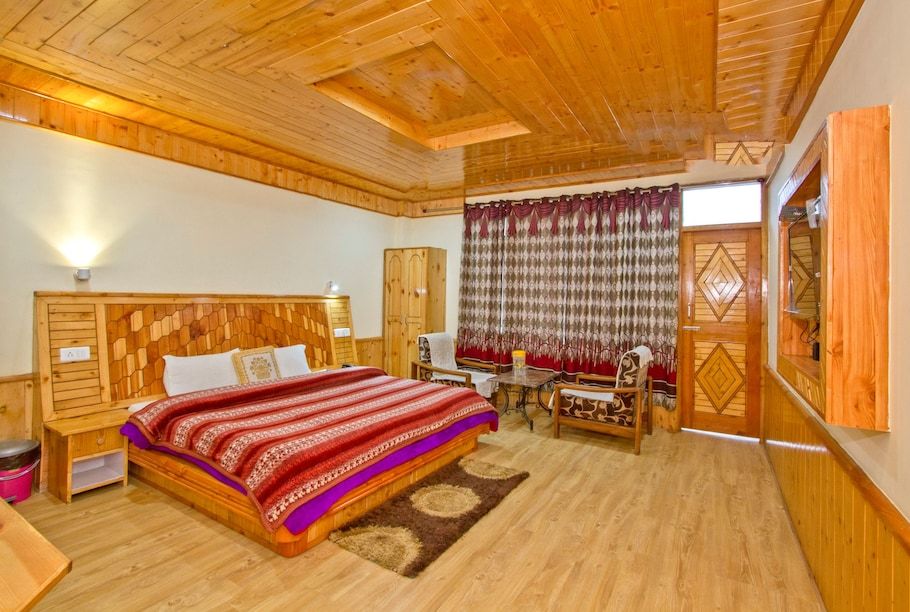
Travellers visiting Kullu have several stay styles available across the town and the surrounding mountainsides. For those seeking immersive nature stays, riverside camps, rustic cottages, and family-run village homestays can be found throughout the Kullu and Parvati valleys on HireACamp. Staying just outside the main town center allows you to enjoy peaceful orchard views and starry night skies while remaining close enough to visit Raghunath Temple and local markets during the day.
Frequently asked questions
Which deity is worshipped at Raghunath Temple in Kullu?
The temple is dedicated to Lord Rama, revered locally as Lord Raghunath, who is considered the chief presiding deity of the entire Kullu Valley.
What is the historical significance of the temple?
Established in the seventeenth century by Raja Jagat Singh, the temple became the seat of power when the king surrendered his kingdom to Lord Raghunath, establishing the deity as the spiritual sovereign of Kullu.
When does Kullu Dussehra take place at the temple?
Kullu Dussehra begins on Vijayadashami, usually in October, and continues for seven days with grand processions starting from Raghunath Temple to the Dhalpur Maidan.
How far is Raghunath Temple from the nearest airport?
The nearest airport is the Kullu-Manali Airport located in Bhuntar, approximately ten kilometers south of Kullu town.
Are there special dress codes or entry rules for visitors?
Visitors should dress modestly, remove footwear before entering the shrine, and refrain from taking photographs inside the inner sanctum.
Where you'll be
Kullu · 7 stays nearby shown with prices
Stays near Raghunath Temple
Book a place to stay close by
More places near Raghunath Temple
Within 20 km
Built from 0 Instagram posts by 0 creators. Every tip links back to the post it came from, and where creators disagree we show both sides.






