
Tibetan Market
Market near Kullu, Himachal Pradesh
400 m from Kullu
The nearest town, for stays, food and fuel.
Tibetan Market in Kullu is a vibrant outdoor bazaar renowned for its winter clothing, handcrafted textiles, and traditional Tibetan souvenirs. Located in the heart of Kullu Valley in Himachal Pradesh, it serves as a central shopping hub for both local residents and travellers passing through the region. Visitors come to browse through authentic woollens, silver jewellery, prayer wheels, and everyday mountain handicrafts while experiencing the lively pace of town life.
Getting there
By road
- From KulluNearest town3 min · 1.5 km
- From Chandigarh4 hr 45 min · 217 km
- From Ludhiana5 hr 15 min · 258 km
- From Amritsar7 hr 20 min · 369 km
Typical drive times without traffic. Stations and airports from OLA Maps; distances and typical drive times from OpenStreetMap (© OpenStreetMap contributors); notes from creators' Reels.
About Tibetan Market
Written with AI from map data and general knowledge. Check prices and timings locally before you go.
About Tibetan Market in Kullu
Tibetan Market in Kullu is one of the most familiar and colourful commercial hubs in the district. Set against the broader backdrop of the Beas River valley and pine-covered ridges, this market has evolved over several decades as Tibetan families and regional artisans brought their distinct crafts, weaving styles, and cultural artefacts to the valley. The market stalls are packed tightly alongside one another, creating an intimate lane format where bright textiles, winter coats, and rows of woollen accessories catch the eye from every direction.
Unlike modern enclosed shopping plazas, Tibetan Market retains the sensory appeal of a classic mountain bazaar. The smell of cedarwood souvenirs and fresh mountain air mingles with the cheerful hum of shoppers and stall owners in discussion. It is not solely a shopping space; it serves as a daily meeting point where visitors can engage directly with traders, learn about the origin of different handloom weaves, and take home practical goods tailored for the cold Himalayan climate.
What to buy at Tibetan Market
The primary draw of Tibetan Market is its extensive variety of cold-weather apparel and hand-knit textiles. Stalls here are renowned for stocking heavy jackets, windbreakers, fleece pullovers, cardigans, and thermal innerwear designed to withstand sub-zero conditions. Visitors heading up towards higher altitudes like the Rohtang axis, Parvati Valley, or Lahaul frequently stop here to purchase durable gloves, thick woollen socks, and hand-knitted caps decorated with regional patterns.
In addition to functional clothing, the market is an excellent place to browse traditional Himalayan crafts and decorative objects. You will come across stalls showcasing colourful Tibetan prayer flags, metallic prayer wheels, singing bowls of varied sizes, and beaded brass and turquoise jewellery. Handwoven Kullu shawls, recognizable by their geometric borders, and warm stoles made of mixed wool blends are also widely displayed, making the market a versatile one-stop destination for keepsakes and functional mountain gear alike.
Read more
Best time to visit
Tibetan Market operates throughout the year, but the atmosphere and stock change significantly depending on the season. The winter months from October to February are the liveliest period for woollen shopping. During this time, shopkeepers refresh their inventories with heavy winter coats, genuine wool items, and specialized winter wear. The crisp mountain chill during early winter makes strolling through the market particularly pleasant, especially during the sunny midday hours.
Spring and summer, spanning from March to June, offer comfortable weather across Kullu Valley, bringing pleasant daytime temperatures that are ideal for wandering through the market on foot. While the volume of heavy winter wear may be slightly lower during the warmer months, you will still find light cardigans, summer stoles, jewellery, and handicrafts in abundance. The monsoon months of July and August bring heavy rains to Himachal Pradesh, which can sometimes disrupt travel along valley roads, so visitors should plan accordingly and check weather advisories before making the journey.
How to reach Tibetan Market
Tibetan Market is conveniently situated within Kullu town, making it easy to reach from any part of the valley. The nearest airport is Bhuntar Airport, which sits a short drive south of Kullu town. Regular flights connect Bhuntar to regional transit hubs like Chandigarh and New Delhi, though flight schedules can be sensitive to mountain weather. The nearest broad-gauge railway stations are located down in the plains at Chandigarh and Kalka, from where travellers can hire cabs or board state transport buses.
Road connectivity into Kullu is well-established along the National Highway network connecting Chandigarh, Mandi, and Manali. Regular private and state-run deluxe and ordinary buses ply day and night along this corridor, dropping passengers at the main Kullu bus terminal. From the bus stand, the market can easily be accessed on foot or via locally hired auto-rickshaws and taxis. If you are driving your own vehicle, keep in mind that parking near the dense commercial pockets of Kullu can be constrained during peak holiday seasons, and using designated public parking areas is advisable.
Shopping tips for travellers
Polite bargaining is a regular feature of market shopping across mountain towns, and Tibetan Market is no exception. While some stalls maintain fixed rates, particularly for factory-made brand items, many independent sellers are open to friendly negotiation on shawls, handicrafts, and multiple-item purchases. A courteous and patient attitude goes a long way in securing reasonable prices while keeping interactions positive.
Cash remains useful, although many stallholders now accept digital payments through mobile QR codes. Because cellular connectivity inside dense market lanes can occasionally fluctuate, carrying an adequate supply of cash avoids payment delays. Take time to carefully inspect the stitching, zips, and fabric quality of garments before finalizing a purchase, particularly on delicate wool knits and traditional shawls. Wearing comfortable walking footwear is recommended, as the best finds often come from thoroughly exploring the inner stretches of the bazaar.
Attractions to explore nearby
A visit to Tibetan Market can easily be paired with other natural and cultural sights around the Kullu Valley. Nature Park at Mohal, situated just a few kilometres away along the riverbank, offers lush green lawns, tall deodar trees, and quiet riverside trails that provide a serene contrast to the bustling bazaar. Trekkers and nature lovers can venture further toward Bhubbu Pass, a historic trail connecting Kullu with the Kangra Valley, renowned for its panoramic alpine vistas.
Those interested in traditional architecture and heritage can make a day trip to Naggar Castle or venture into the Seraj region to visit Shangarh in Sainj Valley, famous for its sprawling meadows and the ancient Shangchul Mahadev Temple. Travellers heading up towards the Parvati Valley can also use Kullu as a provisioning base before continuing toward quiet villages like Pulga or embarking on the well-trodden Kheerganga trail. Each of these destinations showcases a distinct facet of the Himalayan landscape, from serene pine forests to rugged high-altitude ridgelines.
Where to stay around Kullu
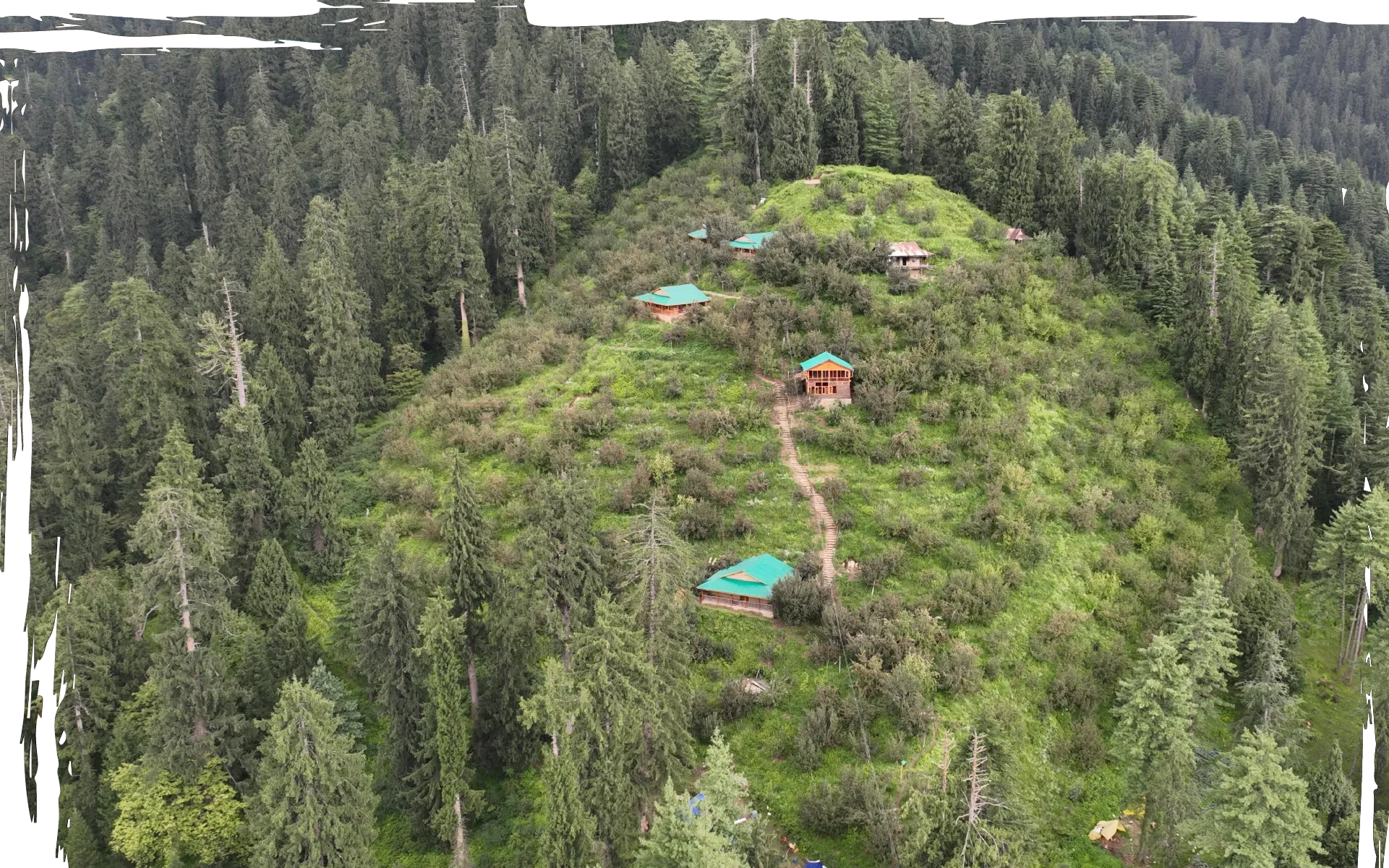
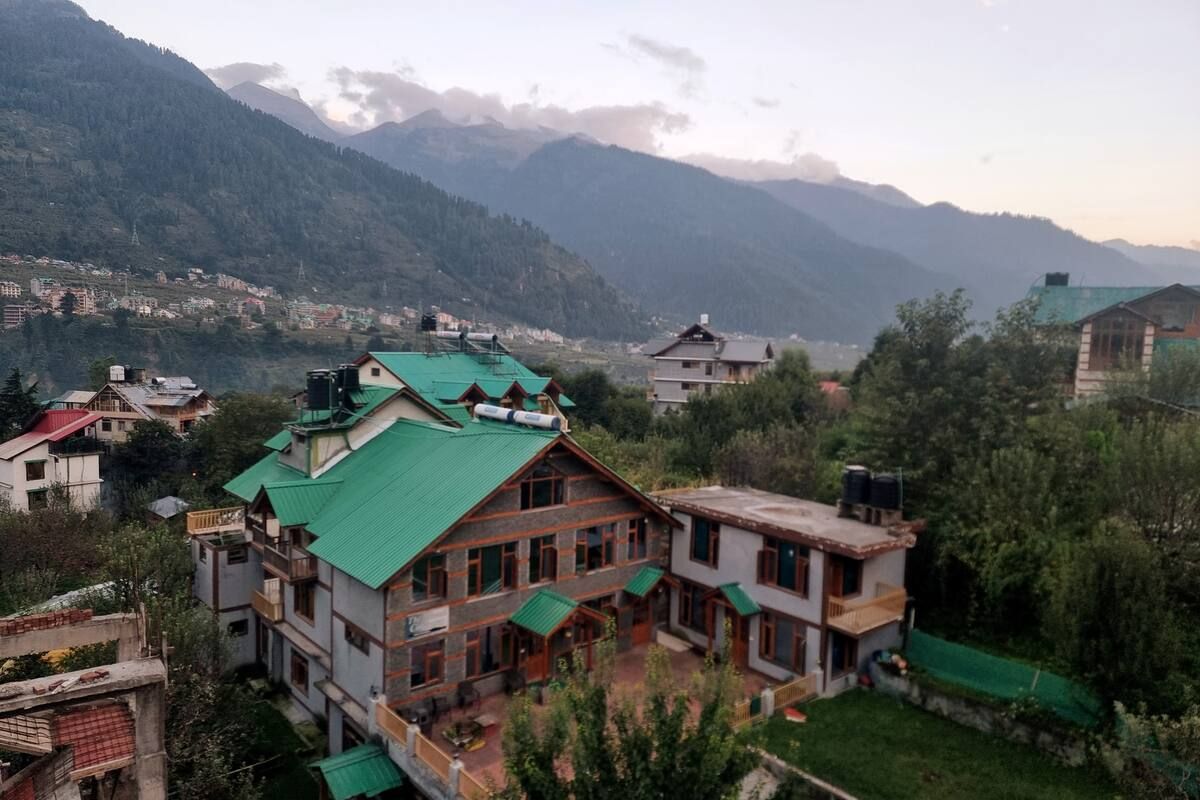
Kullu and its neighbouring hamlets offer diverse lodging choices to suit various travel styles, ranging from tranquil riverside orchards to scenic hill settlements. If you prefer to stay close to urban conveniences, markets, and regional transit hubs, the main town area provides accessible base options. For those seeking peaceful alpine settings, quiet villages in the surrounding valleys offer an authentic glimpse into Himachali mountain life.
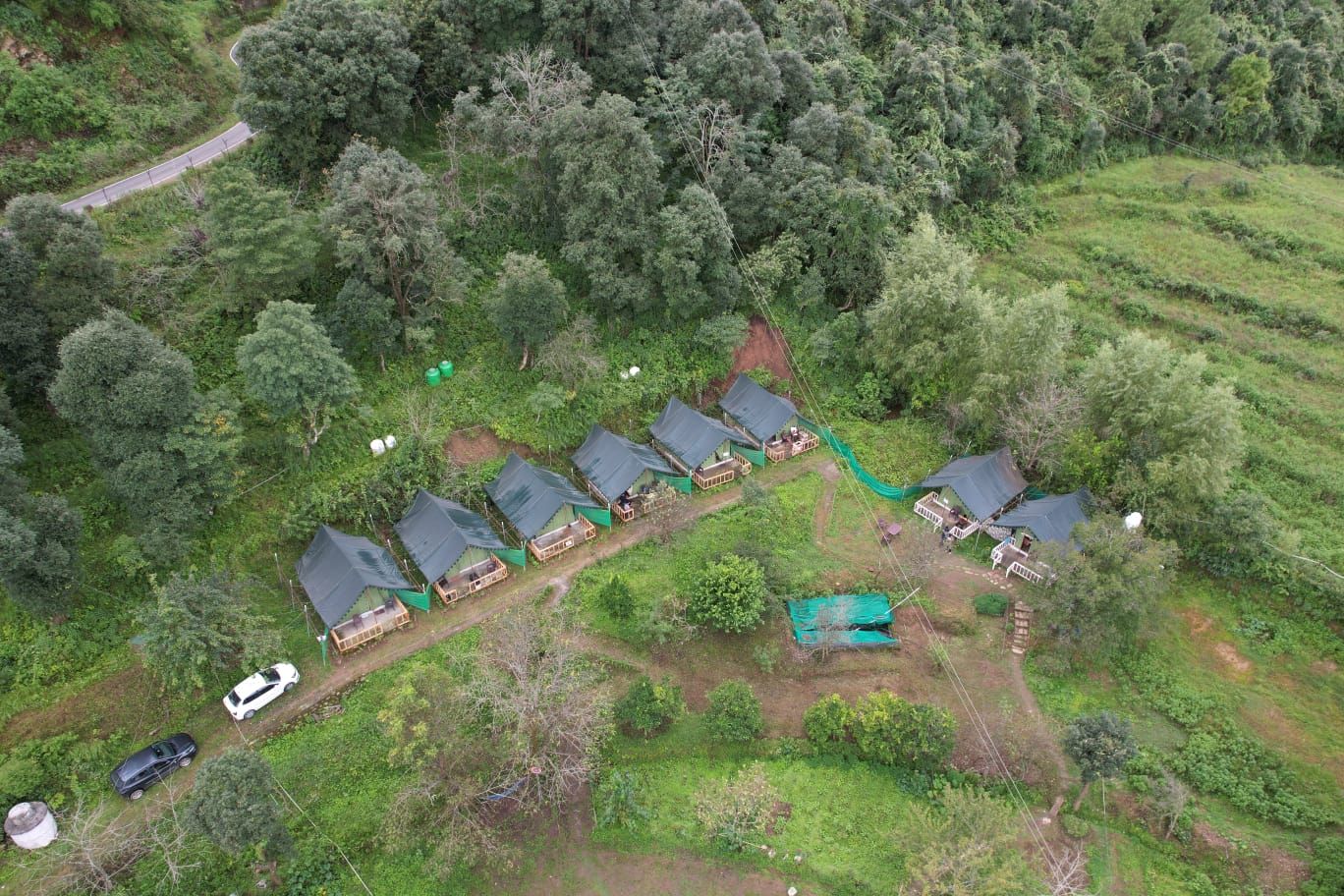
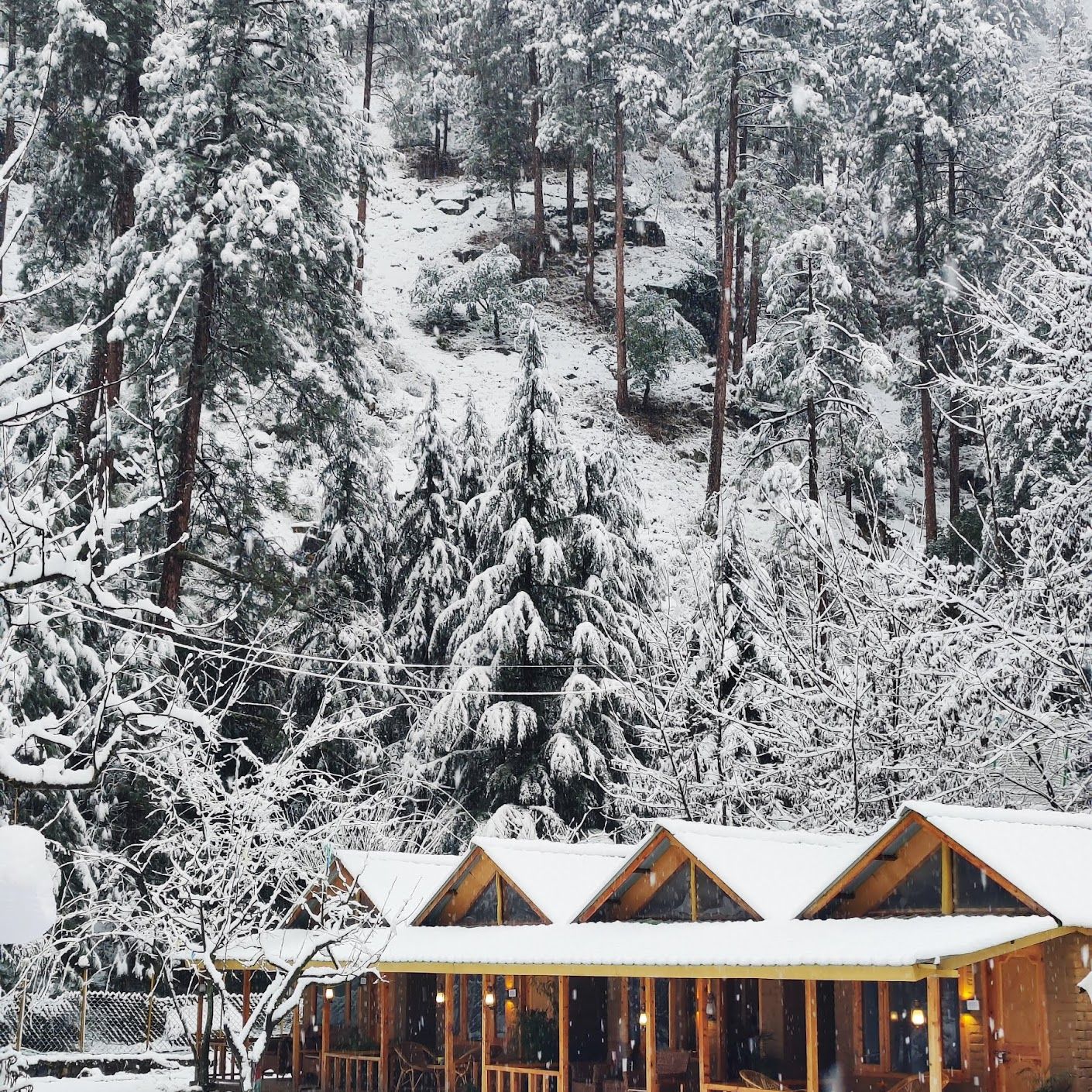
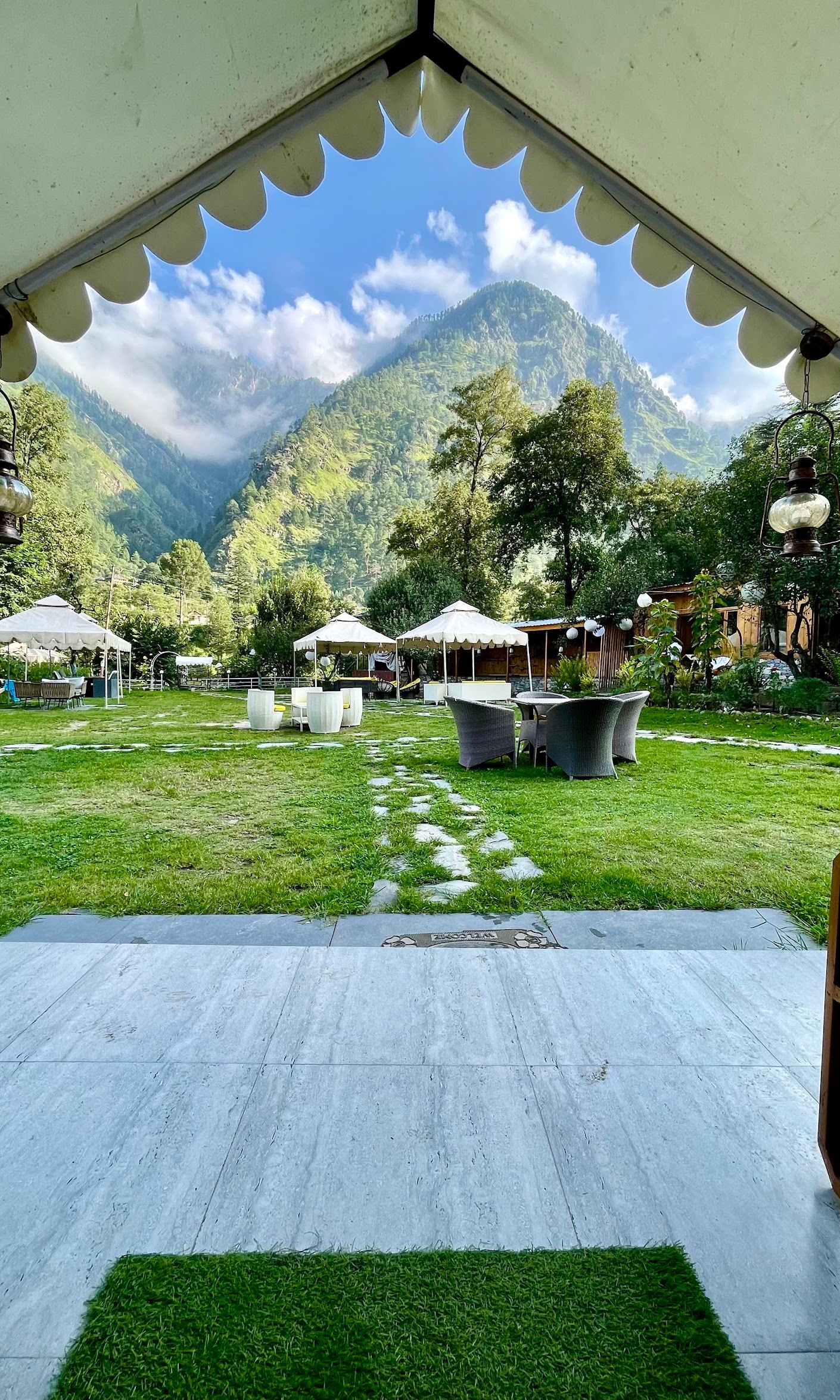
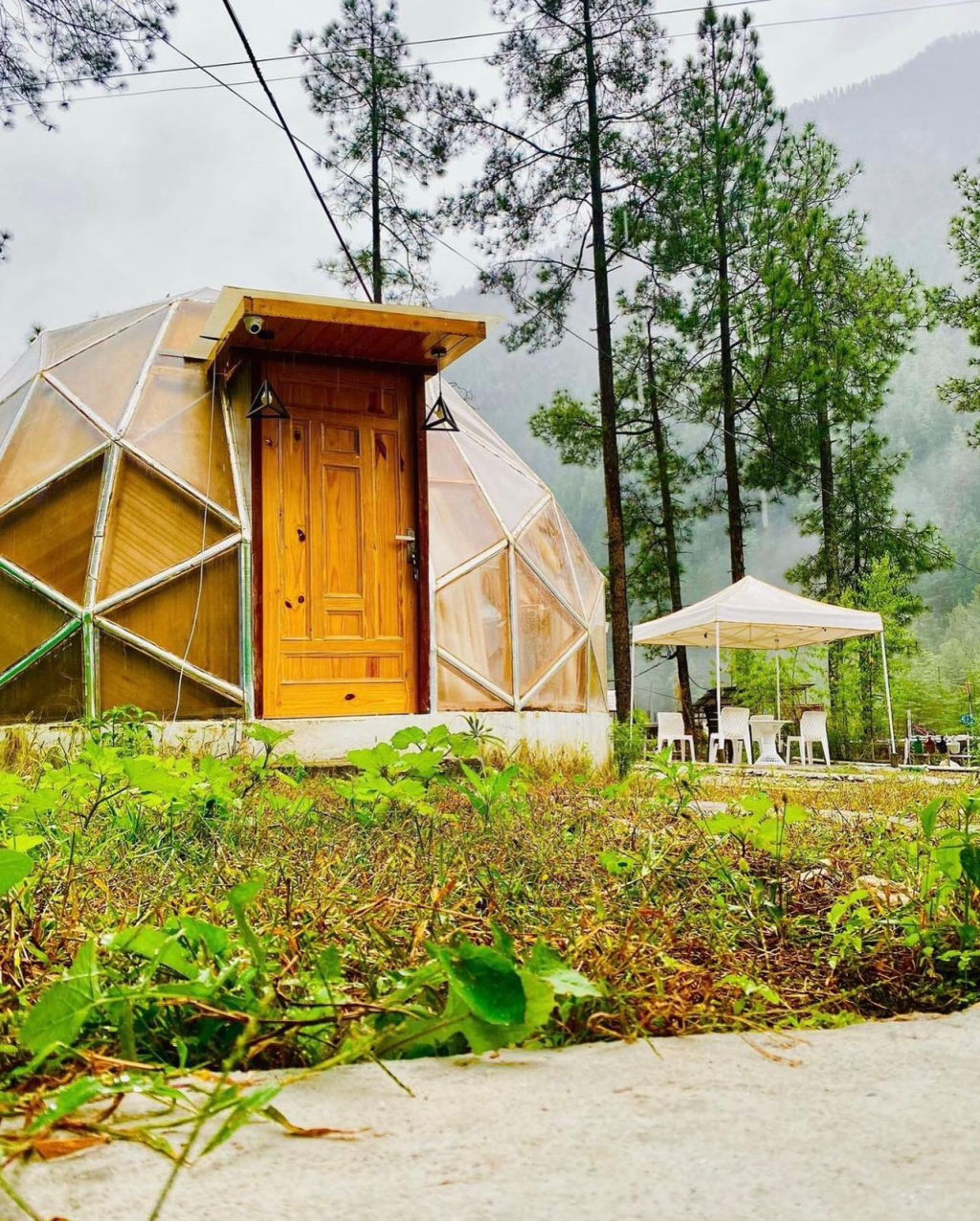
Travellers interested in outdoor experiences can find a variety of comfortable stays, riverside camps, and traditional homestays in and around Kullu listed on HireACamp. Staying slightly outside the town centre allows you to enjoy starry night skies, fresh mountain air, and peaceful mornings, with the market and other local sights remaining just a short drive away.
Frequently asked questions
What items is the Tibetan Market in Kullu best known for?
The market is best known for its wide selection of winter apparel, including heavy jackets, woollen caps, gloves, socks, and sweaters, alongside traditional Kullu shawls, prayer flags, singing bowls, and Tibetan jewellery.
Is bargaining acceptable at the Tibetan Market in Kullu?
Yes, polite negotiation is common at most independent stalls, particularly when purchasing multiple items or handicrafts, though some shops may maintain fixed prices.
Are digital payment methods accepted at the stalls?
Many shopkeepers accept digital payments via mobile apps, but mobile network signals can occasionally fluctuate in the lanes, so carrying sufficient cash is recommended.
How much time is needed to explore the market?
Most visitors spend between one and two hours browsing the stalls, shopping for woollens, and exploring the surrounding central streets of Kullu.
Is the Tibetan Market open throughout the year?
Yes, the market is open year-round, though the variety and volume of heavy woollens and winter clothing peak between October and February.
Where you'll be
Kullu · 6 stays nearby shown with prices
Stays near Tibetan Market
Book a place to stay close by
More places near Tibetan Market
Within 20 km
Built from 0 Instagram posts by 0 creators. Every tip links back to the post it came from, and where creators disagree we show both sides.






