
Kulu
Destination in Himachal Pradesh
Kulu is a scenic valley town set along the banks of the Beas River in Himachal Pradesh. Known historically as a central cultural crossroad and the Valley of the Gods, it is surrounded by deodar forests, terraced apple orchards, and rugged Himalayan ridgelines. Travellers visit Kulu to experience active outdoor adventures like river rafting, explore ancient temples, and use the town as a base for venturing into the Parvati and Sainj valleys.
Getting there
By road
- From Chandigarh4 hr 45 min · 219 km
- From Ludhiana5 hr 20 min · 260 km
- From Amritsar7 hr 20 min · 370 km
- From Dehradun8 hr 15 min · 412 km
Typical drive times without traffic. Stations and airports from OLA Maps; distances and typical drive times from OpenStreetMap (© OpenStreetMap contributors); notes from creators' Reels.
About Kulu
Written with AI from map data and general knowledge. Check prices and timings locally before you go.
An introduction to Kulu
Kulu rests in a wide river basin framed by towering hills in the Western Himalayas. For centuries, this valley served as an important hub connecting the lower hills of Himachal Pradesh to the high-altitude trade routes of Lahaul, Spiti, and Ladakh. The Beas River courses through the center of the town, shaping its geography and sustaining the lush greenery that blankets the valley floor.
Unlike higher-altitude settlements that cater almost exclusively to seasonal tourism, Kulu retains the character of an active regional center. It is widely revered for its deep-rooted cultural heritage, where local devtas, or village deities, dictate community rhythms and rituals. The open grounds in the heart of town serve as traditional gathering spots for cultural exchanges, celebrations, and regional craft exhibitions throughout the year.
Things to do in and around Kulu
A primary draw for adventure enthusiasts arriving in Kulu is river rafting along the Beas River. Stretch after stretch of white water provides an exciting way to experience the energy of the river against the backdrop of pine-clad hills. Rafting operates across designated spans of the river, with certified local river guides leading runs when seasonal water levels are safe.
Those looking to understand local arts and performance traditions can visit the Lal Chand Prarthi Kala Kendra. This open-air cultural center frequently hosts folk music performances, regional dramas, and seasonal gatherings celebrating the music and dance forms native to the surrounding valleys. Wandering through town also offers an opportunity to see regional artisans at work, particularly weavers crafting the intricate geometric borders of authentic Kullu woollen shawls.
Short excursions just outside the town center lead into quieter natural spots. Travelers often head up winding village roads to Jana Waterfall, where mountain streams cascade through dense deodar woods. The journey passes small settlements, quiet farms, and apple orchards that offer a clear picture of daily life in the mid-Himalayas.
Read more
Getaways and trails near Kulu
Kulu is the primary gateway to several side valleys, each with its own terrain and pace. To the east lies the Parvati Valley, famous for its deep gorges, roaring river, and forested villages. Quiet hamlets like Pulga offer winding lanes bordered by traditional timber-and-stone architecture, surrounded by dense pine groves and wooden bridges. Further up the trail, the route toward the high-altitude meadow of Kheerganga draws trekkers looking for sweeping views of rocky alpine ridges.
Heading southeast leads travellers into the Sainj Valley, part of the wider eco-sensitive belt bordering the Great Himalayan National Park. Here, the Shangarh valley opens into an expansive, gentle meadow untouched by commercial development. At its edge stands the historic Shangchul Mahadev Temple, an intricate multi-tiered wooden shrine held in deep reverence by local villagers. For those seeking solitary walks, smaller mountain falls such as the Lapas Waterfalls offer peaceful stopping points tucked away in the tributary folds of the hills.
Best time to visit Kulu
Spring and summer, running from March to June, bring comfortable daytime temperatures and pleasant mountain breezes. During these months, the valley is bright with blooming flowers and developing fruit crops. The weather is well suited for sightseeing, river activities on the Beas, and taking day hikes into neighboring valleys.
Monsoon arrives in July and lingers through August. Heavy rains can make mountain roads unstable and cause river levels to rise rapidly, so extra care is needed if travelling during these months. Once the rains subside in September, autumn arrives with dry, sunny days, crisp air, and golden foliage. This season lasts through November and is a favoured time for cultural festivities and photography.
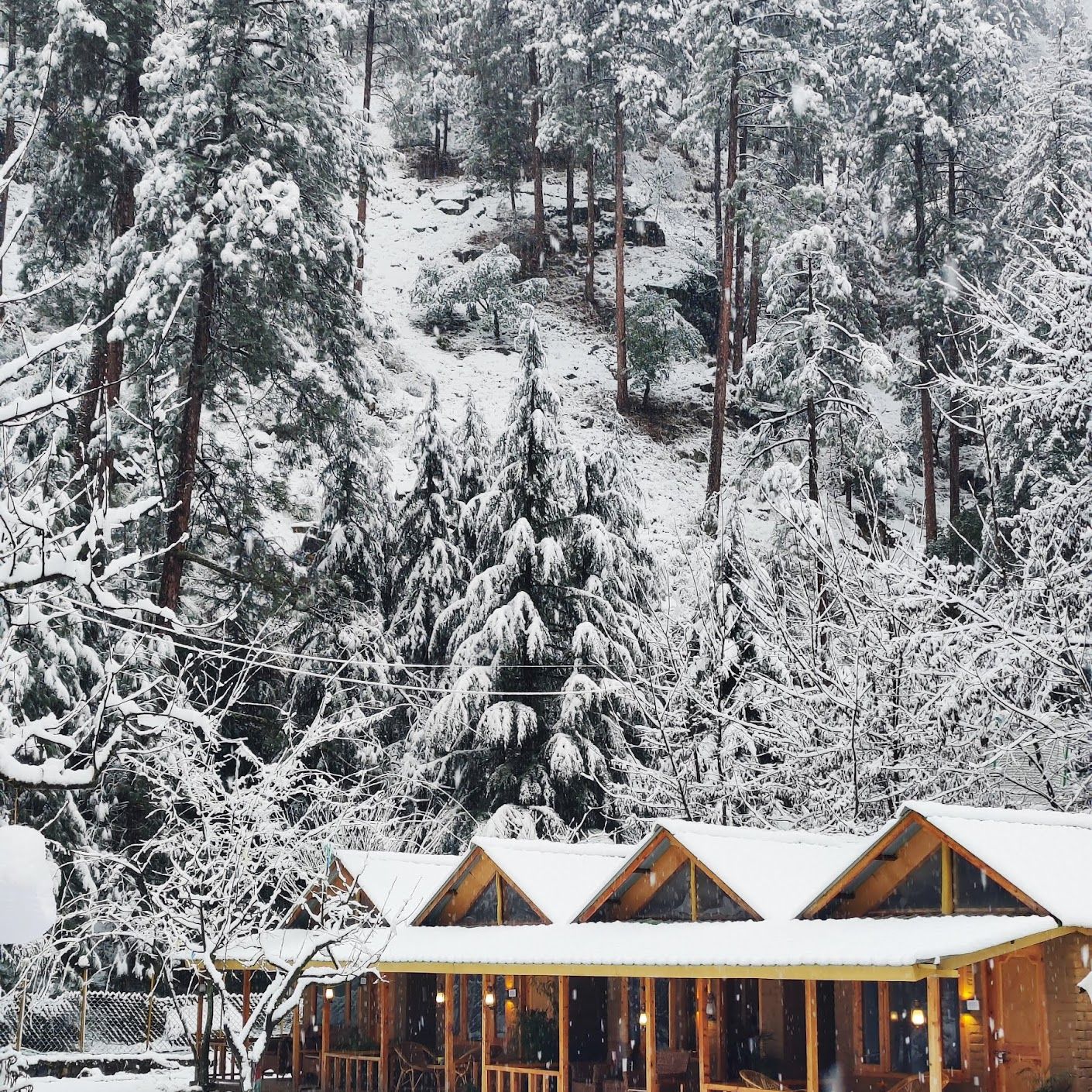
Winter stretches from December to February. While the town of Kulu sits at an elevation where heavy snowfall is occasional rather than continuous, nearby peaks and higher villages are blanketed in white. Temperatures drop substantially, especially after dark, appealing to travellers who enjoy cool mountain air and a quieter atmosphere.
How to reach Kulu
Kulu is among the most accessible mountain destinations in Himachal Pradesh. The regional airport at Bhuntar is located just a short drive south of the town, offering scheduled air connectivity from major northern cities, subject to clear mountain weather.
By road, Kulu is connected along National Highway 21, which links the valley to Chandigarh, Mandi, and Delhi. State-run transport buses, private overnight coaches, and taxis ply this route daily. The drive winds along the Beas River, offering scenic views as the highway climbs from the lower hills into the broader valley basin.
For those travelling by train, the nearest broad-gauge railway stations are located at Chandigarh and Una. From either station, onward travel to Kulu is completed by road. A narrow-gauge heritage train line also runs from Pathankot up to Joginder Nagar, followed by a road journey across the hills to enter the Kulu valley.
Tips for your visit
Even in late spring or summer, mountain weather can shift quickly, so carry a light fleece or windbreaker alongside daytime clothing. Sturdy walking shoes with good traction are recommended if you plan on visiting waterfalls or taking walks along village paths.
When exploring surrounding villages like Shangarh or hamlets in the Parvati Valley, take note of local customs. Traditional meadows, sacred trees, and temple complexes often carry strict local guidelines regarding footwear and entry. Always observe posted notices and ask villagers if you are unsure.
While Kulu town has reliable ATMs and mobile network coverage across major providers, connectivity and cash machines can become scarce as you head deeper into the tributary valleys. It is practical to withdraw necessary cash and download offline maps before setting out for remote villages.
Where to stay in Kulu
Kulu offers a versatile selection of accommodation depending on what kind of trip you want. You can stay close to town for easy access to markets and transport hubs, or settle along the riverbanks for open water views and soundscapes of running water.
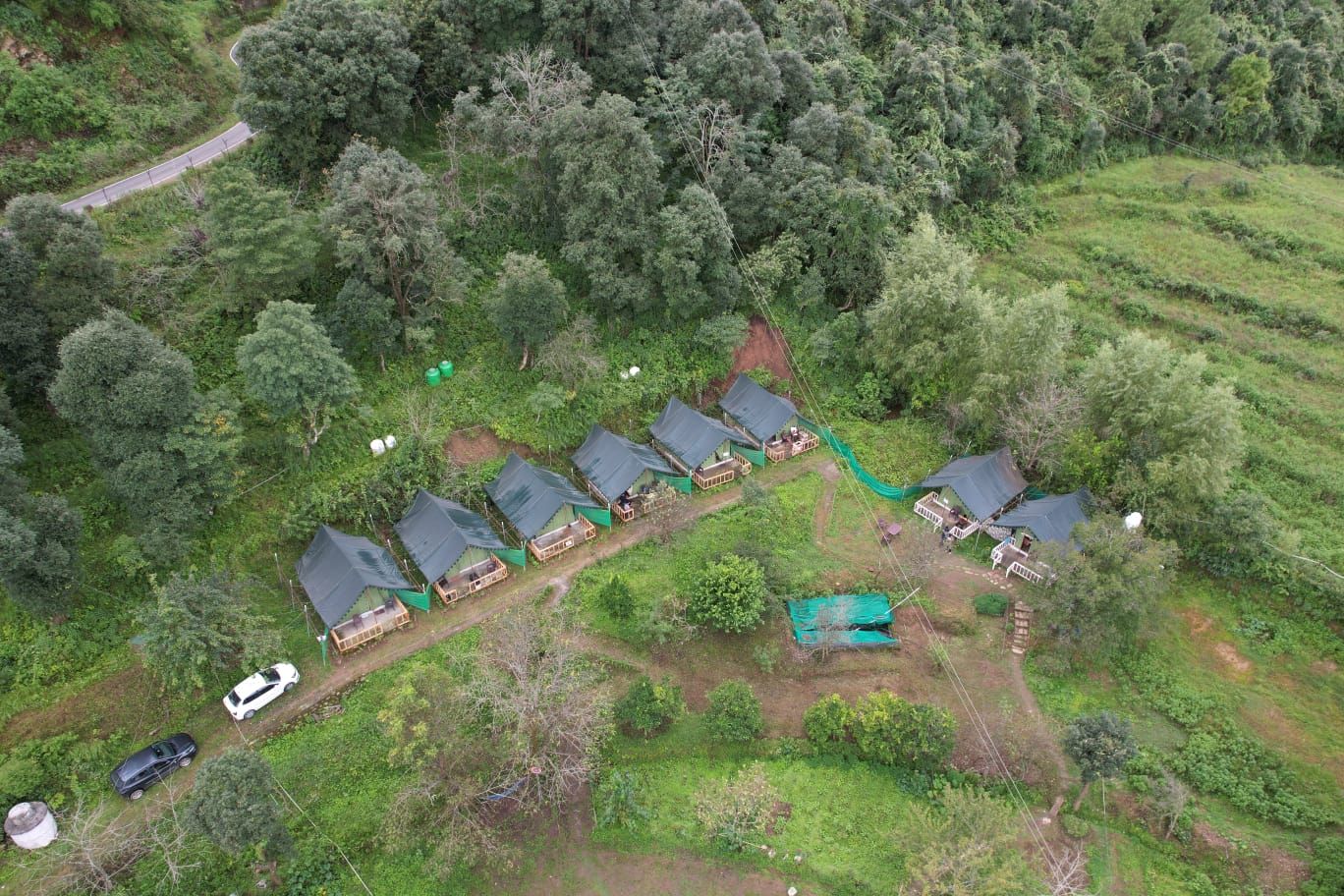
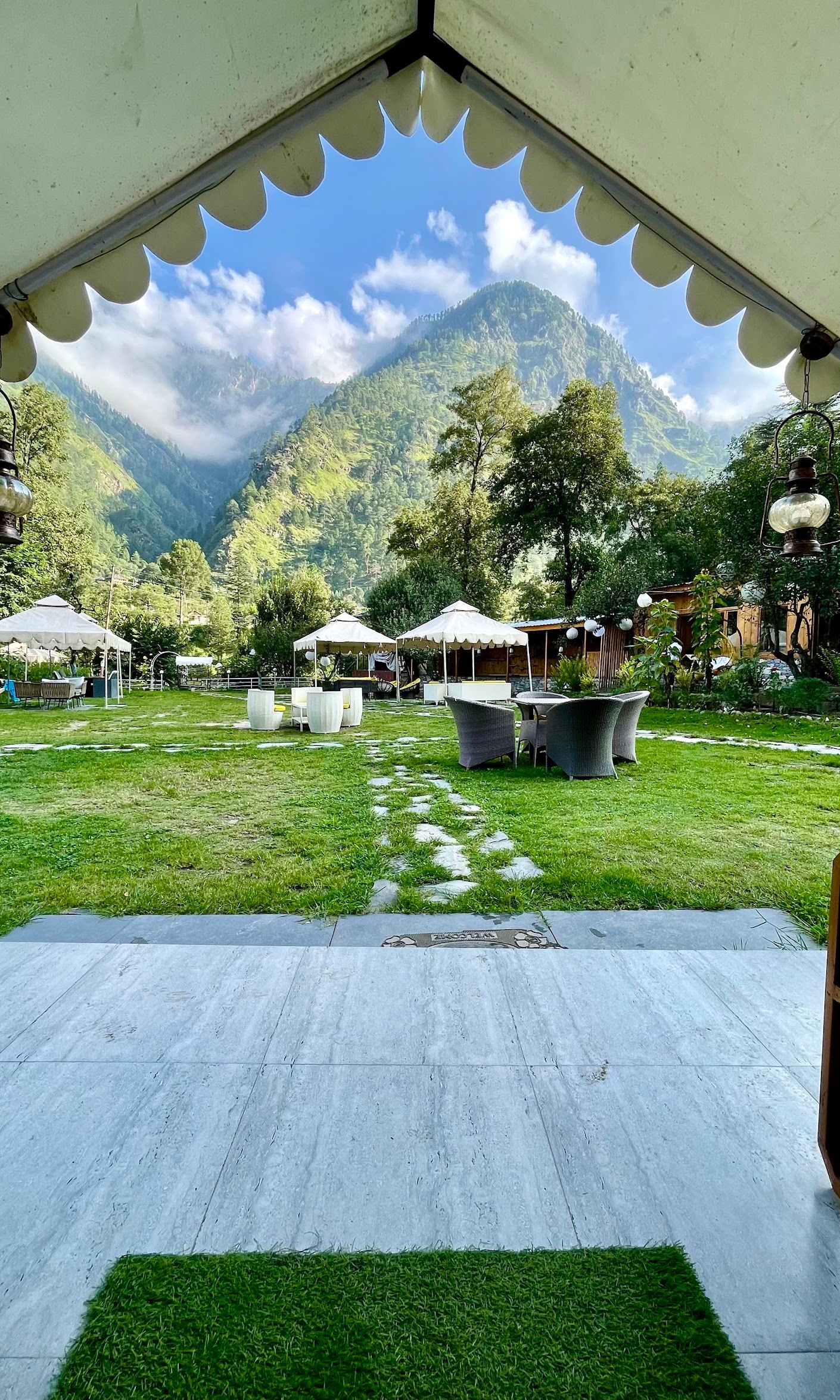
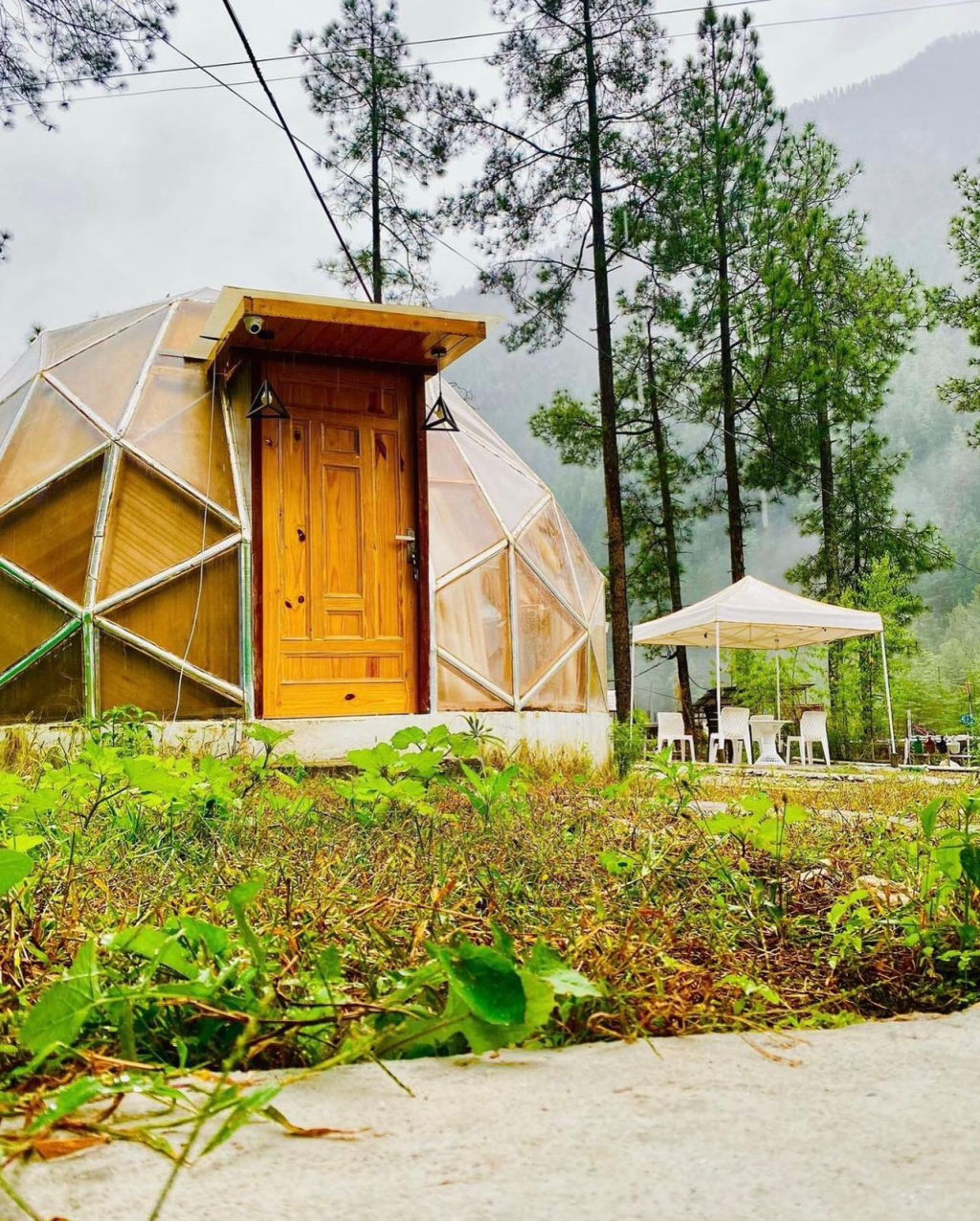
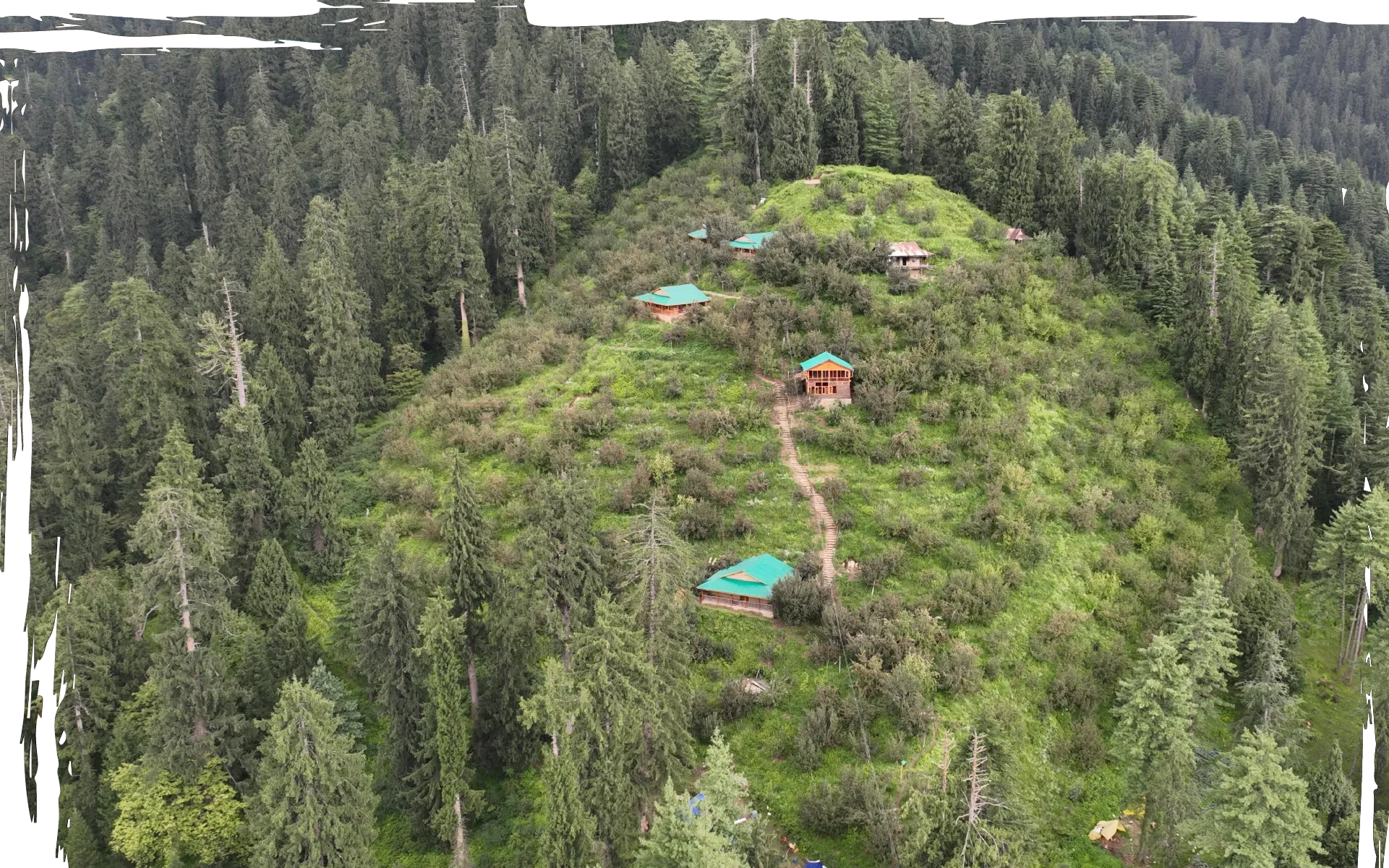
For an immersive outdoor experience, eco-camps and traditional homestays are located throughout the surrounding valley, nestled within fruit orchards and quiet village pockets. You can find and book vetted campsites, rustic cottages, and homestays around Kulu on HireACamp.
Frequently asked questions
What is Kulu best known for?
Kulu is renowned for its cultural traditions, handwoven Kullu shawls, riverside adventure sports like rafting, and as a starting point for exploring valleys like Parvati and Sainj.
Is river rafting available throughout the year in Kulu?
River rafting takes place primarily in spring, summer, and autumn. It is suspended during the monsoon season when water volumes in the Beas River rise to dangerous levels.
Can I visit Shangarh on a day trip from Kulu?
Yes, Shangarh valley and the Shangchul Mahadev Temple in the Sainj Valley can be reached as a day trip by road, though staying overnight offers a much better experience of the quiet meadow.
What should I pack for a trip to Kulu?
Pack layered clothing including a light warm jacket even during summer months, comfortable trekking shoes, rain protection during July and August, and adequate woollens if visiting during winter.
Where you'll be
5 stays nearby shown with prices
Stays near Kulu
Book a place to stay close by
Things to do in Kulu
48 places creators recommend within 30 km


Built from 0 Instagram posts by 0 creators. Every tip links back to the post it came from, and where creators disagree we show both sides.






