
Laxminarayan Temple
Temple near Karol Bagh, Delhi
1.6 km from Karol Bagh
The nearest town, for stays, food and fuel.
Laxminarayan Temple, popularly known as Birla Mandir, is a major Hindu temple situated in the heart of central Delhi near Karol Bagh. Dedicated to Lord Vishnu and the goddess Lakshmi, it draws devotees, pilgrims, and heritage enthusiasts from across the globe. Built in the 1930s, the shrine is admired for its striking red sandstone architecture, serene garden terraces, and historical significance in modern India.
Getting there
By road
- From Karol BaghNearest town8 min · 2.2 km
- From New Delhi18 min · 4.7 km
- From Dehradun3 hr 20 min · 224 km
- From Jaipur4 hr 25 min · 296 km
Typical drive times without traffic. Stations and airports from OLA Maps; distances and typical drive times from OpenStreetMap (© OpenStreetMap contributors); notes from creators' Reels.
About Laxminarayan Temple
Written with AI from map data and general knowledge. Check prices and timings locally before you go.
About Laxminarayan Temple
Laxminarayan Temple is one of Delhi's most prominent religious and cultural landmarks. Constructed by the industrialist Baldeo Das Birla and his sons between 1933 and 1939, the complex was conceived as an inclusive space of worship. When Mahatma Gandhi inaugurated the temple, he placed a firm condition that people of all castes and backgrounds must be allowed entry without discrimination. To this day, the temple stands as a testament to that egalitarian spirit, welcoming travellers and worshippers of every faith.
The presiding deities of the sanctum sanctorum are Lord Narayana, a form of Vishnu, and his consort Goddess Lakshmi, the deity of prosperity. Alongside the primary shrine, the temple complex houses subsidiary shrines dedicated to Lord Shiva, Lord Ganesha, and Lord Hanuman, as well as a hall dedicated to Lord Buddha. Walking through the complex offers visitors a comprehensive look into India's syncretic spiritual traditions, set against a quiet, reflective courtyard.
Architecture and Complex Layout
The architecture of Laxminarayan Temple is built in the traditional Nagara style, a classic school of North Indian temple design. The entire edifice was constructed using high-quality red sandstone sourced from Rajasthan, paired with pure white marble from Makarana. Elaborately carved pillars, high plinths, and ornamental arches define the external facade, while intricate friezes depict stories and motifs from classic Hindu epics like the Mahabharata and the Ramayana.
The tallest tower, or shikhara, rises above the main sanctum, accompanied by smaller spires that create a dramatic skyline. Renowned craftsmen and artisans from Varanasi and Rajasthan contributed to the stonework and iconography. Behind the main building lies an expansive terraced garden complete with small fountains, cascading waterfalls, and shaded stone pathways. This landscaped enclosure provides a restful retreat from the surrounding city bustle, allowing visitors to spend time in quiet contemplation.
Read more
Best Time to Visit
Delhi experiences distinct seasons, ranging from intense summer heat to chilly winter days. The best time to visit Laxminarayan Temple is during the winter and early spring months, spanning from October to March. During this period, daytime temperatures in the capital are pleasant and comfortable for exploring outdoor shrines, courtyards, and garden pathways on foot.
Summers between April and June can be exceptionally hot, with afternoon temperatures routinely climbing high. If you are travelling during the warmer months, plan your temple visit for early morning or late evening when the paved walkways are cooler and the ambient temperature drops. The monsoon season, from July through September, brings periodic rains and high humidity, which can make marble surfaces slippery, but also washes the red sandstone clean and fills the surrounding gardens with fresh greenery. Major Hindu festivals such as Janmashtami and Diwali see the temple elaborately illuminated and crowded with devotees.
How to Reach Laxminarayan Temple
Located centrally on Mandir Marg near Karol Bagh and Connaught Place, Laxminarayan Temple is easily accessible from all corners of the National Capital Region. If you are travelling via the Delhi Metro network, several stations lie within a short driving distance. RK Ashram Marg on the Blue Line and Patel Chowk on the Yellow Line are among the closest transit hubs, from where cycle rickshaws, auto-rickshaws, and app-based cabs are readily available.
Travellers arriving by train will find the New Delhi Railway Station only a short distance away. Delhi's Indira Gandhi International Airport is also well connected to central Delhi via the Airport Express Metro line and arterial roads. For those commuting by local bus, city buses connecting western and central Delhi halt right near the Mandir Marg gates. Given the central location, hiring an auto-rickshaw or taxi is generally the most straightforward way to reach the entrance.
Tips for Visiting Laxminarayan Temple
As with most functioning Hindu shrines, visitors must remove their footwear before entering the temple compound. A dedicated shoe storage counter is available near the entrance gate. It is advisable to dress modestly, keeping shoulders and knees covered out of respect for local customs and religious practices.
Photography and electronic devices are strictly regulated or prohibited inside the inner sanctums and main temple halls. You may be required to deposit mobile phones, large bags, and cameras in secure lockers provided at the entrance. Because the temple courtyard and walkways are paved with marble and stone, they can get very hot under direct midday sun, making visits in the early morning or evening hours far more comfortable.
Expect substantial security screening at the entry gates, particularly during festive occasions. If you plan to visit on Janmashtami or other auspicious days, arrive well in advance to account for long queues and heavy pedestrian traffic.
Places to Explore Nearby
Laxminarayan Temple's location puts you close to some of Delhi's most celebrated historic and cultural sights. Just two kilometres east lies Connaught Place, the iconic Georgian-style commercial circle packed with shopping arcades, bookshops, and heritage architecture. Central Park and the ancient sundial observatory at Jantar Mantar are also adjacent to Connaught Place.
Nearby heritage highlights include the deep, arched stepwell of Agrasen ki Baoli, roughly three kilometres away, and the extensive exhibits at the National Museum, located four kilometres south. Old Delhi's historic core, featuring the Red Fort, Chandni Chowk, and the grand Jama Masjid, lies approximately four to five kilometres to the northeast. To the south, you can explore the landscaped greenery of Lodhi Garden and the grand Mughal architecture of Humayun's Tomb, making it easy to assemble a full-day heritage itinerary.
Where to Stay
Central Delhi offers a vast spectrum of lodging options suited to all styles of travel, from historic neighbourhoods to lively urban pockets. Staying near Karol Bagh or Connaught Place provides seamless transit access to the temple as well as major railway junctions and metro corridors.
If you prefer a quieter retreat away from city streets, or want to combine your urban exploration with a scenic weekend escape in the broader National Capital Region and surrounding countryside, check HireACamp for nearby homestays, nature retreats, and outdoor getaways. Booking in advance is recommended during the peak winter travel season.
Frequently asked questions
Is there an entry fee for Laxminarayan Temple?
There is no entry fee to visit Laxminarayan Temple; entry is open and free to all visitors. Travellers should check locally for any specific guidelines regarding locker use or special worship offerings.
Are mobile phones and cameras allowed inside Laxminarayan Temple?
Photography is strictly prohibited inside the inner shrines, and visitors are typically required to deposit cameras and mobile phones at the secure locker counter near the main entrance.
What is the dress code for visiting the temple?
Visitors should dress modestly with shoulders and knees covered, as is customary in traditional Hindu shrines. Shoes must be removed and deposited at the footwear counter before entering.
Which metro station is closest to Laxminarayan Temple?
RK Ashram Marg on the Blue Line and Patel Chowk on the Yellow Line are the most convenient metro stations, both located within a short auto-rickshaw ride of the temple.
Why is Laxminarayan Temple called Birla Mandir?
The temple was funded and built by the prominent Birla industrialist family in the 1930s, which is why locals and travellers commonly refer to it as Birla Mandir.
Where you'll be
Delhi · 2 stays nearby shown with prices
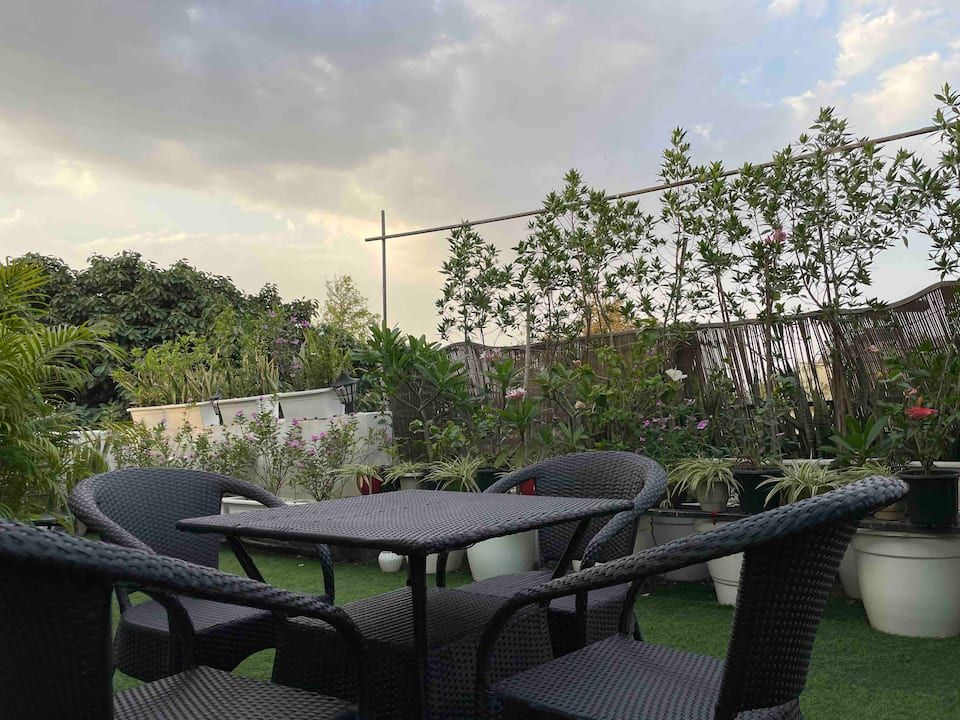
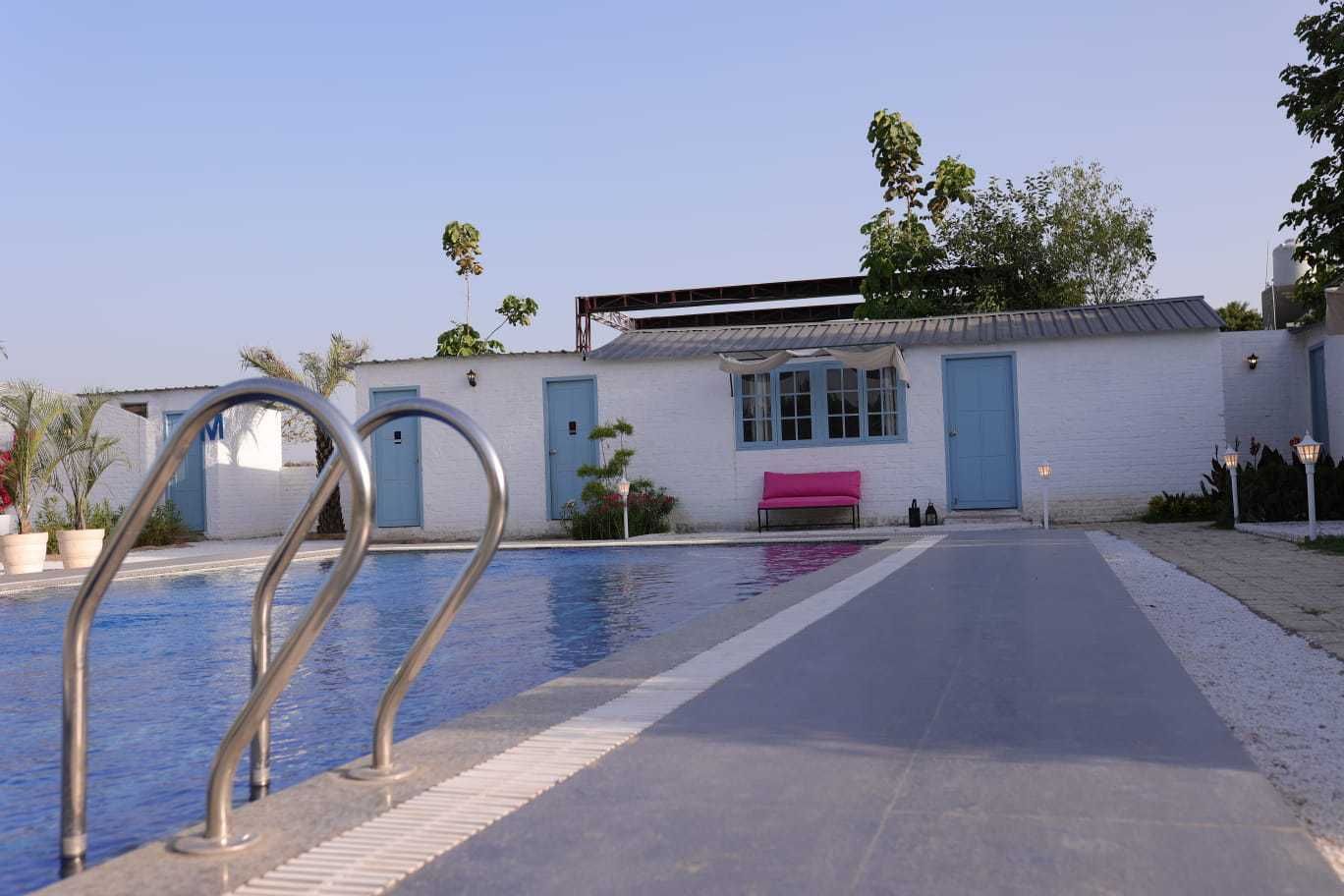
Stays near Laxminarayan Temple
Book a place to stay close by
More places near Laxminarayan Temple
Within 20 km


Lists for this area
Ranked by how many creators recommend each place


Built from 0 Instagram posts by 0 creators. Every tip links back to the post it came from, and where creators disagree we show both sides.






