
Lloyd's Botanical Garden
Garden near Darjeeling, West Bengal
600 m from Darjeeling
The nearest town, for stays, food and fuel.
Lloyd's Botanical Garden is a historic terraced reserve nestled below Chauk Bazaar in Darjeeling, West Bengal. Established in the late nineteenth century, it houses an extensive collection of temperate Himalayan flora, indigenous mountain orchids, and ancient plant species. Travellers and nature enthusiasts visit to experience a tranquil, green refuge showcasing the diverse plant life of the Eastern Himalayas.
Getting there
By road
- From DarjeelingNearest town7 min · 2.1 km
Typical drive times without traffic. Stations and airports from OLA Maps; distances and typical drive times from OpenStreetMap (© OpenStreetMap contributors); notes from creators' Reels.
About Lloyd's Botanical Garden
Written with AI from map data and general knowledge. Check prices and timings locally before you go.
About Lloyd's Botanical Garden
Lloyd's Botanical Garden occupies a sloping expanse below the busy streets of central Darjeeling. Spanning several acres of hillside terrain, the garden was founded in 1878 when land was provided by William Lloyd to establish a mountain outpost for the Royal Botanic Garden in Calcutta. Its primary purpose was the study, preservation, and display of flora native to the Darjeeling district, Sikkim, and the wider sub-Himalayan belt.
Today, the sanctuary remains one of the premier botanical sites in the Eastern Himalayas. Cobblestone and dirt pathways wind through terraced hillside sections, guiding visitors past tall stands of conifer trees, ancient cryptomeria, rhododendron thickets, and beds of exotic and native herbaceous plants. It presents a quiet, reflective setting that feels worlds apart from the urban energy of the town uphill.
Flora and Highlights
The garden is home to a varied assemblage of flora divided broadly into indigenous Himalayan plants, exotic species from across the globe, and specialised horticultural collections. A dedicated conservatory shelters rare and indigenous orchid varieties native to the Eastern Himalayas, blooming in bursts of colour depending on the season. Fern houses and glasshouses preserve fragile alpine ferns, begonias, and delicate highland epiphytes.
Among the outdoor terraces, you will encounter towering magnolia trees, bamboo groves, weeping cypresses, and varieties of Himalayan oak. The living collection also features ancient gymnosperms and living fossils like the ginkgo biloba, alongside foreign species introduced from regions such as Japan, China, Australia, and the Americas. Seasonal borders come alive with perennials, primroses, and hydrangeas during the warmer months, creating vibrant accents against the deep forest greens.
Read more
Best Time to Visit
The garden can be enjoyed throughout the year, with each season offering a different atmosphere. Spring, which runs from March through May, is widely considered the best time for plant lovers. During this period, the garden comes alive with flowering magnolias, rhododendrons, and various Himalayan orchids in full bloom. The weather is generally pleasant and cool, making walking the steep paths comfortable.
Autumn, from October to November, provides clear skies, crisp mountain air, and glimpses of the surrounding peaks through the tree canopies. The summer monsoon from June to September brings heavy rains and thick mountain mists. While paths can be slick during the monsoon, the vegetation is at its most lush, with ferns, mosses, and lichens carpeting every surface. Winters from December to February are chilly and dormant, but the quiet solitude has its own charm.
How to Reach Lloyd's Botanical Garden
Lloyd's Botanical Garden is located just downhill from Chauk Bazaar in Darjeeling. Because it is situated close to the town centre, most visitors staying in central Darjeeling can reach the garden gates on foot. The walk down is straightforward, though the return requires climbing back up steep hill paths and stairways.
For those travelling to Darjeeling from further away, the nearest broad-gauge railway hub is New Jalpaiguri, and the closest domestic airport is Bagdogra, both located in the plains below Siliguri. From Bagdogra or New Jalpaiguri, shared taxis, private cabs, and bus services run up into the hills, typically taking between three to four hours depending on mountain road conditions. Local taxis within Darjeeling can also drop you near the upper or lower approaches to the garden.
Tips for Exploring the Garden
Because the botanical garden is laid out along a steep hillside, sturdy walking shoes with good traction are essential. The network of winding paths includes uneven stone steps, dirt tracks, and occasional damp patches that can become slippery after rain. Pacing yourself is advisable, especially when ascending back towards the bazaar level at higher altitude.
Carry a light jacket or layers, as Darjeeling weather changes rapidly and mountain mists can quickly bring a chill beneath the dense canopy. Birdwatchers will benefit from bringing a pair of binoculars, as the mature trees attract various Himalayan songbirds, thrushes, and flycatchers. Please remember that Lloyd's Botanical Garden is a conservation and research reserve; visitors should refrain from plucking flowers, collecting plant cuttings, or leaving any litter behind.
Places to Visit Nearby
A visit to Lloyd's Botanical Garden pairs easily with exploring the cultural and natural attractions of Darjeeling. Right above the garden, the town centre features historic bakeries, tea shops, and handicraft boutiques where travellers can sample local Darjeeling tea and pick up regional woollens and curios.
A short drive or walk away, you will find the serene Japanese Buddhist Temple and the Peace Pagoda, offering calm grounds and valley vistas. Wildlife enthusiasts can visit the Padmaja Naidu Himalayan Zoological Park to learn about regional conservation programmes for high-altitude animals. Other iconic local stops include the historic Darjeeling Himalayan Railway, the scenic Batasia Loop, and the dawn viewpoint at Tiger Hill.
Where to Stay
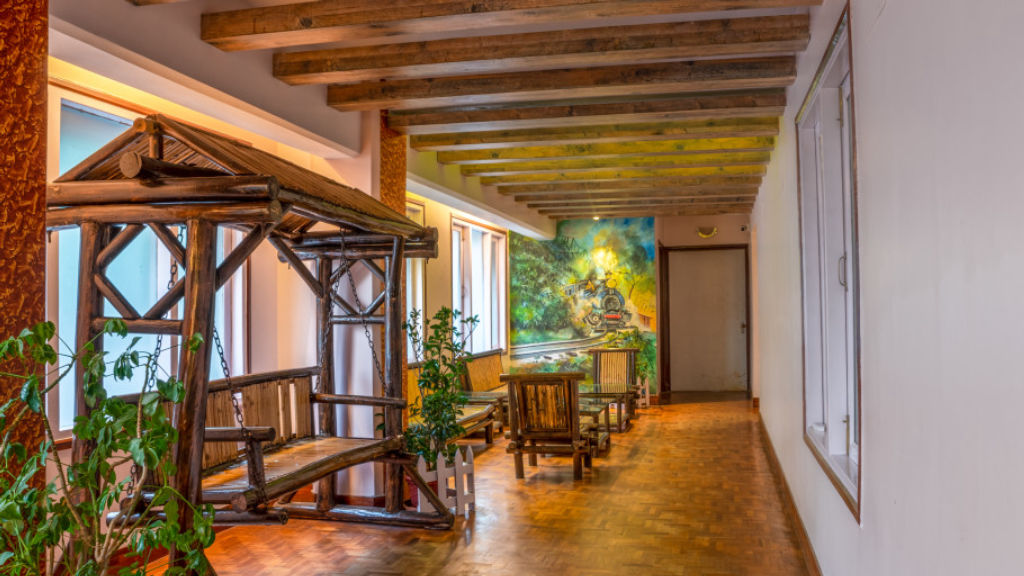
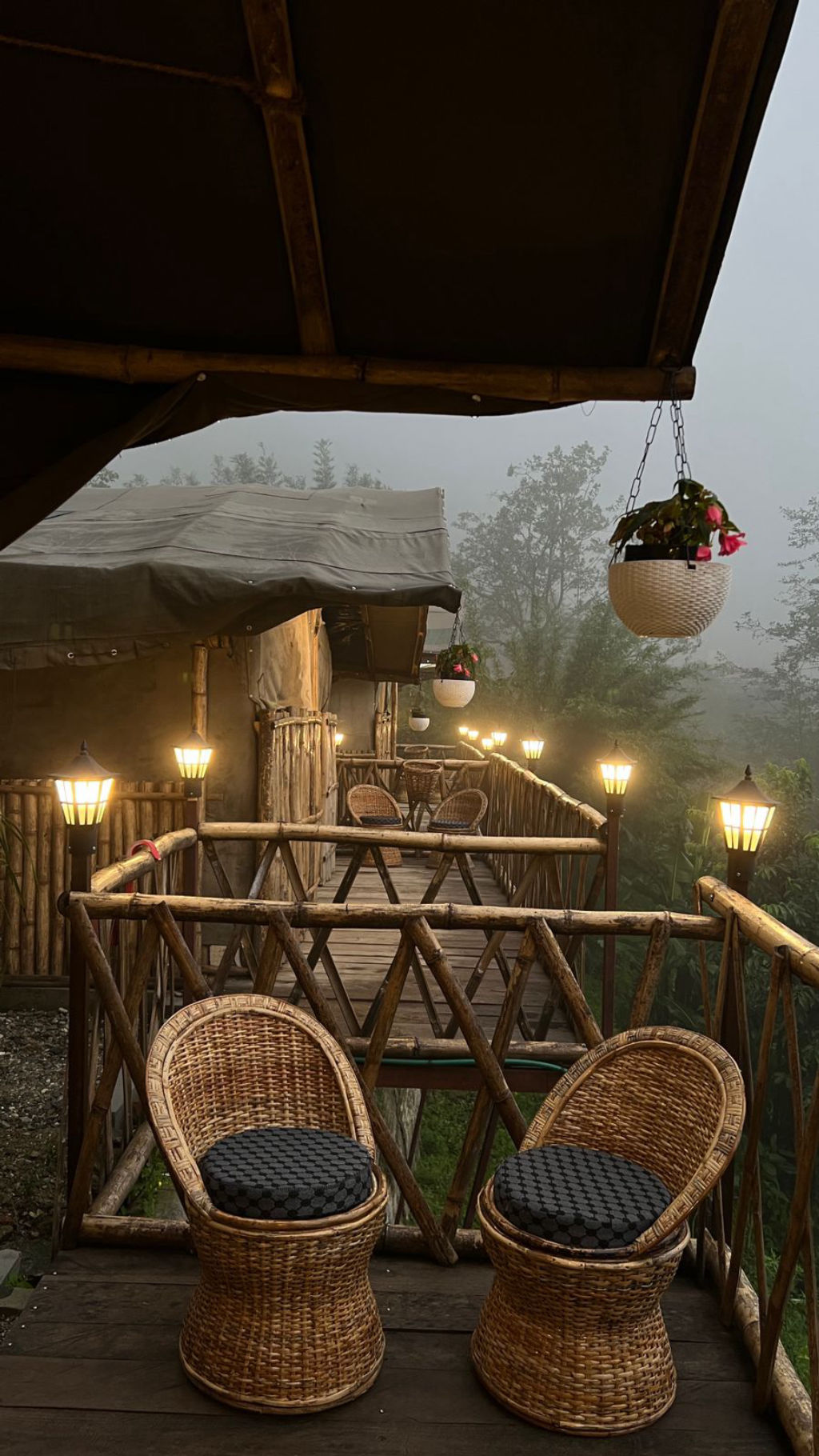
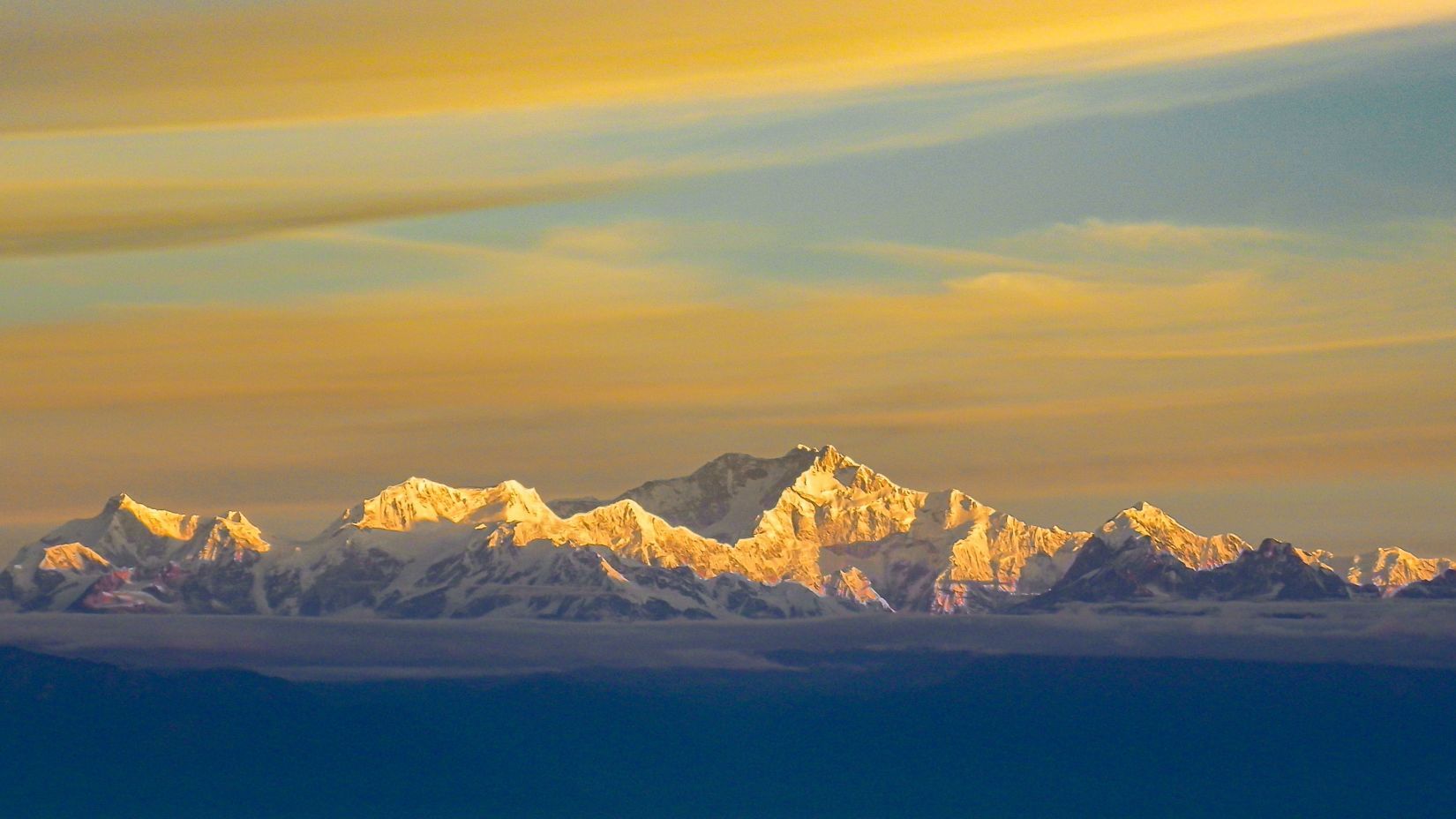
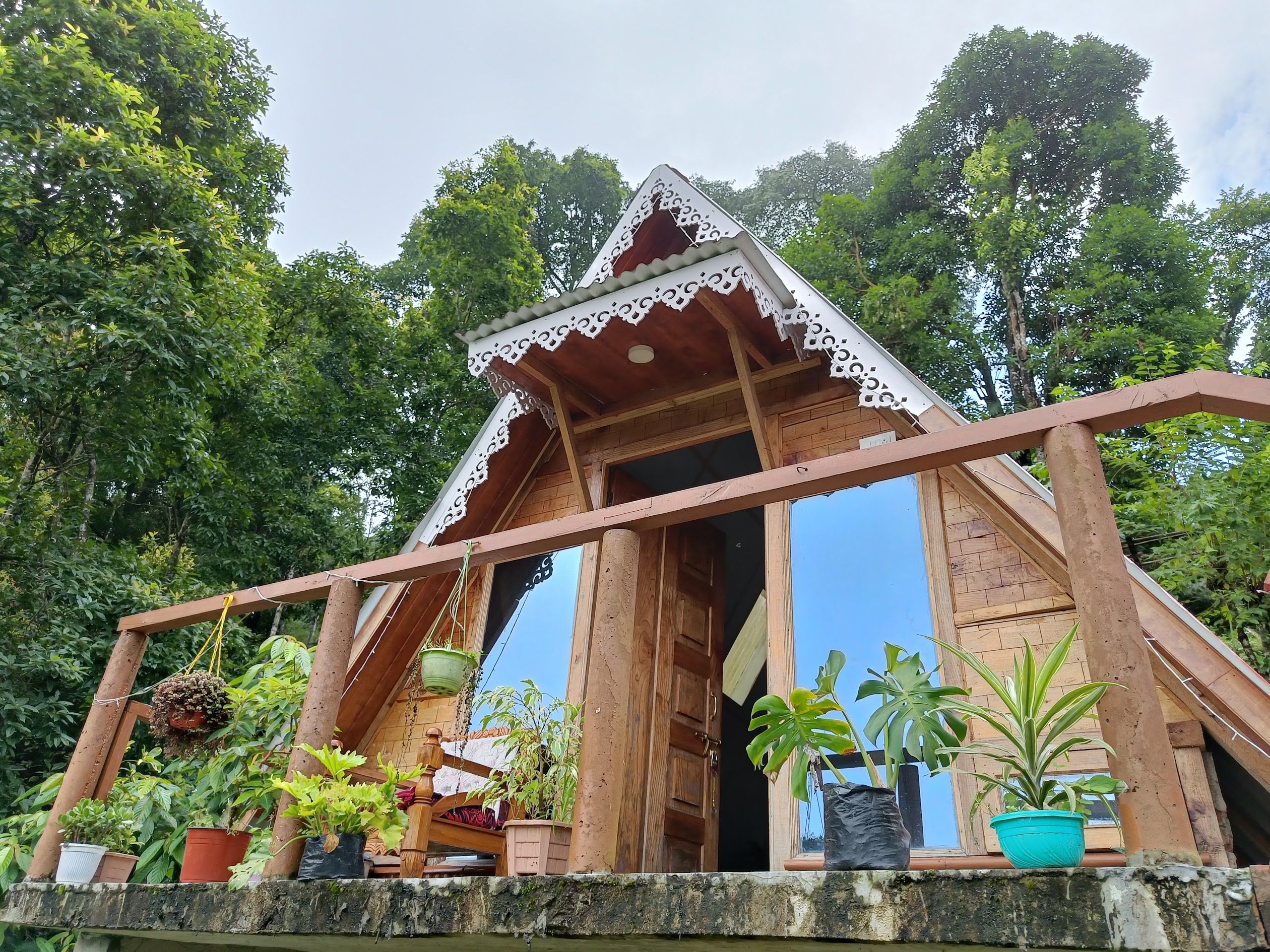
Darjeeling and its surrounding hills offer a broad selection of accommodations, ranging from historic town properties to peaceful village homestays and rural retreats overlooking tea estates. If you prefer quiet surroundings away from the bustle of town, staying in nearby ridge villages or tea hamlets offers peaceful nature walks and clear views.
Travellers looking to book eco-friendly camps, charming village homestays, or hillside cabins around Darjeeling can explore verified listings on HireACamp. Staying locally provides a convenient base to explore regional gardens, tea gardens, and mountain trails at your own pace.
Frequently asked questions
Where is Lloyd's Botanical Garden located?
Lloyd's Botanical Garden is situated just below Chauk Bazaar in the hill town of Darjeeling, West Bengal.
What kind of plants can you see at the garden?
The garden features a rich collection of Eastern Himalayan flora, including native orchids, rhododendrons, magnolias, alpine ferns, bamboo groves, and ancient tree species like the ginkgo biloba.
Is the walk inside Lloyd's Botanical Garden difficult?
The garden is laid out across terraced hillside slopes, so exploring it involves walking along graded paths and staircases. While manageable for most visitors, the terrain can be moderately steep and requires comfortable walking shoes.
What is the best season to see orchids in bloom here?
Spring, particularly from March to May, is generally the best time to see the orchids and flowering trees in full bloom.
How do I find accommodation near Lloyd's Botanical Garden?
You can find and book homestays, camps, and nature retreats in and around Darjeeling through HireACamp.
Where you'll be
Chauk Bazaar, Darjeeling, WB · 6 stays nearby shown with prices
Stays near Lloyd's Botanical Garden
Book a place to stay close by

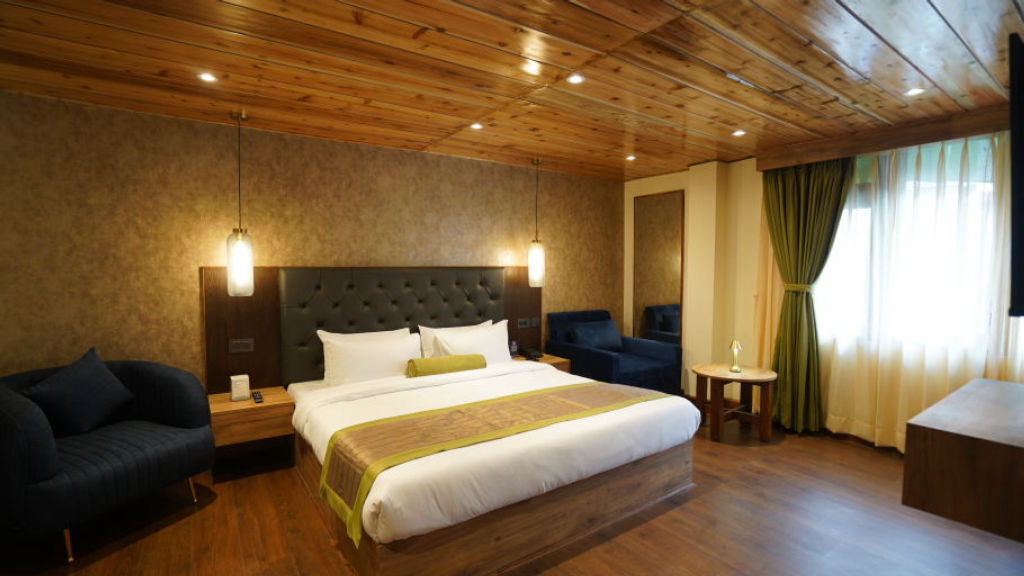
More places near Lloyd's Botanical Garden
Within 20 km


Lists for this area
Ranked by how many creators recommend each place


Built from 0 Instagram posts by 0 creators. Every tip links back to the post it came from, and where creators disagree we show both sides.






