
Malana
Destination in Himachal Pradesh
Malana is an ancient, self-contained village set high in a side gorge of Himachal Pradesh's Parvati Valley in the Kullu district. Known for its distinct democratic system, sacred customs, and deep-rooted traditions, it sits beneath the towering peaks of Deo Tibba and Chandrakhani. Travellers and hikers journey here to experience its dramatic landscape, striking Kath-Kuni architecture, and unique cultural isolation.
Getting there
By road
- From Chandigarh6 hr · 257 km
- From Ludhiana6 hr 30 min · 286 km
- From Amritsar8 hr 30 min · 397 km
- From Dehradun9 hr 25 min · 438 km
Typical drive times without traffic. Stations and airports from OLA Maps; distances and typical drive times from OpenStreetMap (© OpenStreetMap contributors); notes from creators' Reels.
About Malana
Written with AI from map data and general knowledge. Check prices and timings locally before you go.
The ancient heritage of Malana
Malana holds a distinct position among the villages of Himachal Pradesh. Shadowed by steep mountain slopes and cradled in the Malana River valley, the settlement remained geographically isolated for centuries. This seclusion allowed its residents to preserve a social system that operates largely independently of the outside world. The community functions under the spiritual and judicial authority of its presiding deity, Jamlu Rishi, whose decisions are interpreted and enforced by an indigenous bicameral council.
Locals speak Kanashi, an independent dialect not understood in the neighboring settlements of Parvati Valley. While popular myth often links the lineage of the villagers to the lost soldiers of Alexander the Great, local belief centers firmly on their sacred connection to Jamlu Rishi. The architecture throughout the older parts of the village showcases traditional Kath-Kuni craft, which alternates dry stone and heavy timber beams to create structures capable of withstanding the harsh alpine climate.
Things to do in and around Malana
A visit to Malana centers around outdoor exploration and observing a way of life deeply intertwined with the seasons. The journey begins with the hike up from the valley floor, winding through pine groves, past roaring glacial streams, and up stone-paved stairs that test your endurance while offering sweeping views of the surrounding crags. Reaching the village rewards you with vantage points overlooking terraced fields and snow-capped ridges.
Walking the designated pedestrian paths allows you to admire the intricate woodcarvings on ancient shrines and homes from a respectful distance. For those looking for extended mountain days, the trails around the valley lead deeper into alpine pastures. Seasoned trekkers often use Malana as a transit point or starting zone for crossings over the high-altitude Chandrakhani Pass, which connects the valley to the Kullu side through wildflower-strewn meadows and dense forests.
Read more
Important customs and visitor etiquette
Visitors to Malana must understand and honor the strict local code of conduct. The community maintains traditional notions of ritual purity, meaning that outsiders are not permitted to physically touch the villagers, their homes, or their sacred shrines. Signs are posted throughout the settlement indicating areas where entry is restricted, and touching temple walls or sacred artifacts can result in a fine levied by the village council to pay for purification rites.
When buying goods or food from village shops, visitors will notice that money and goods are exchanged without direct physical contact, typically by placing items on counters or on the ground. Travellers should always ask before photographing residents, particularly elders and children. Furthermore, as an ecologically sensitive high-altitude zone, visitors must carry all plastic and non-biodegradable waste back down to lower collection points to preserve the pristine valley.
Getaways and trails nearby
The broader Parvati and Kullu region offers diverse outdoor getaways within easy reach of the Malana roadhead. Down in the main Parvati Valley, towns like Kasol provide riverside walking paths, bustling flea markets, and access to trails leading to quieter settlements such as Pulga, famous for its wooden houses and serene apple orchards. Further up the valley, the popular trail to Kheerganga takes trekkers through deep pine woods to thermal springs.
Travellers interested in exploring further afield can venture toward the Tirthan and Sainj valleys. The village of Shangarh, situated in the Sainj Valley, is celebrated for its wide open meadow and the ancient Shangchul Mahadev Temple. Nature lovers and wildlife enthusiasts can also plan expeditions into the Great Himalayan National Park, a UNESCO World Heritage site known for its dramatic alpine ecosystems, pristine glacial rivers, and rare Himalayan fauna.
Best time to visit Malana
The best months to visit Malana are from April to June and from September to November. Spring and early summer bring comfortable temperatures, melting snow, and flourishing greenery across the slopes, making the steep ascent far more manageable. Daytime temperatures during these months are pleasant for hiking, though evenings remain brisk.
Autumn brings clear blue skies, crisp mountain air, and unhindered views of the high peaks, with dry trails ideal for trekking. The monsoon months of July and August carry significant risks of landslides, falling rocks, and washed-out roads along the Parvati Valley route, making travel unpredictable. Winter, stretching from December to March, cloaks the village in heavy snow, often freezing water sources and cutting off road access, which appeals primarily to experienced winter trekkers equipped for sub-zero conditions.
How to reach Malana
Reaching Malana requires a combination of road travel and uphill hiking. The nearest airport is at Bhuntar near Kullu, which also serves as a major transit hub for interstate buses arriving from Delhi and Chandigarh. From Bhuntar, travellers proceed by road into Parvati Valley past Jari. Near Jari, a diversion branches off the main valley road toward the Malana power project and dam.
The motorable road terminates near the base of the mountain, where a designated parking area marks the start of the trekking route. From the roadhead, visitors must hike on foot across the Malana stream and climb a steep trail of dirt paths and stone steps. The hike generally takes between one and two hours depending on individual fitness and trail conditions, so sturdy footwear and adequate drinking water are essential.
Where to stay around Malana
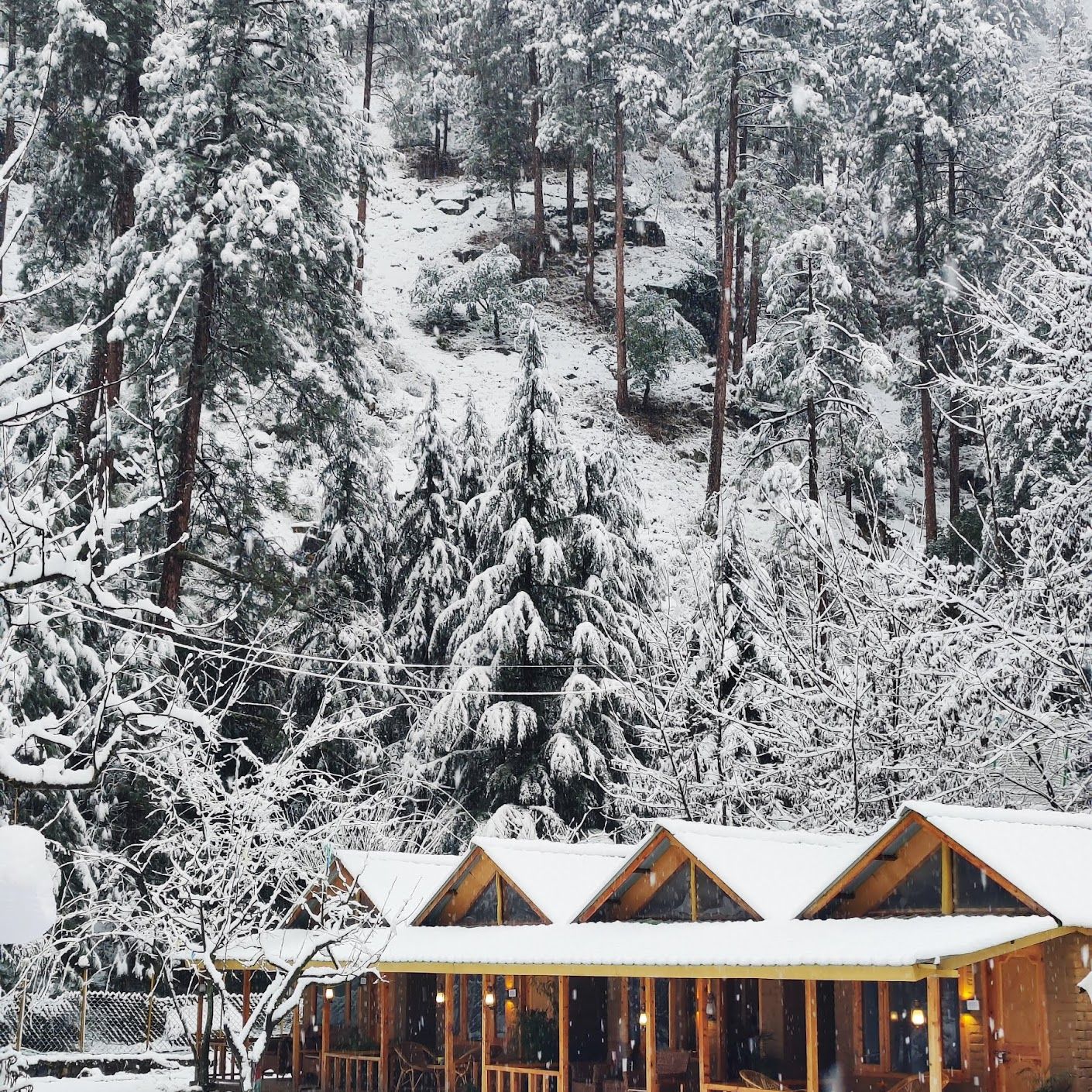
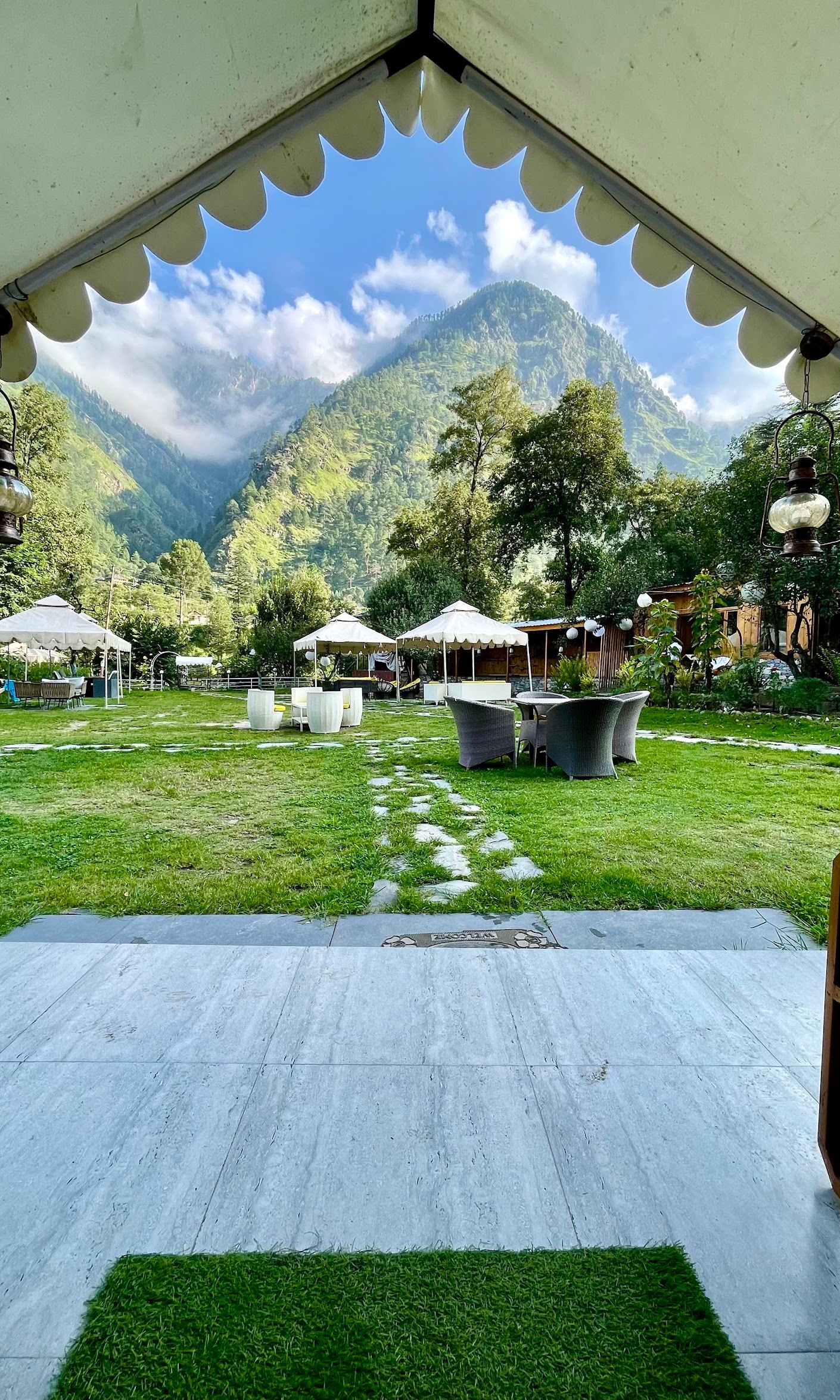
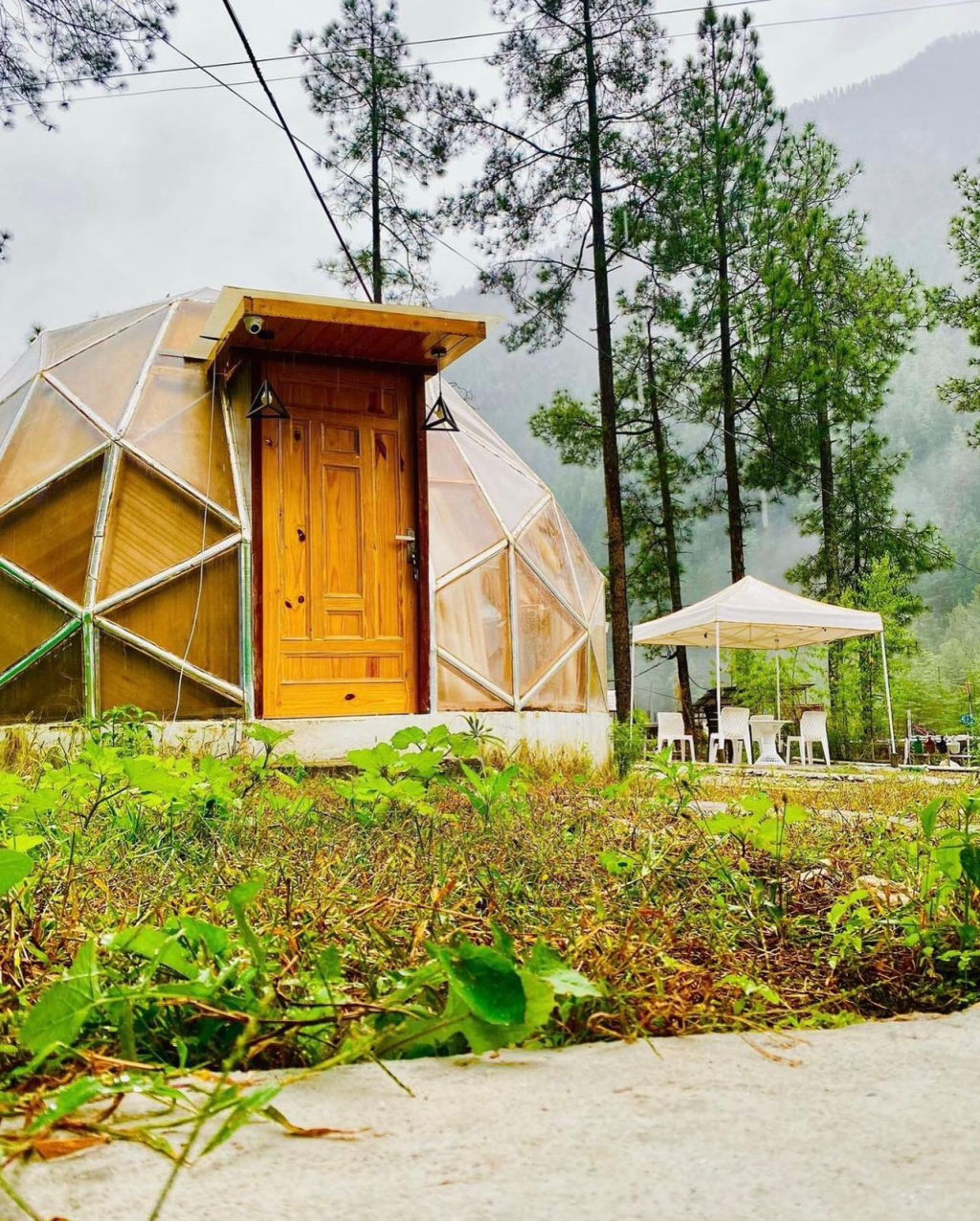
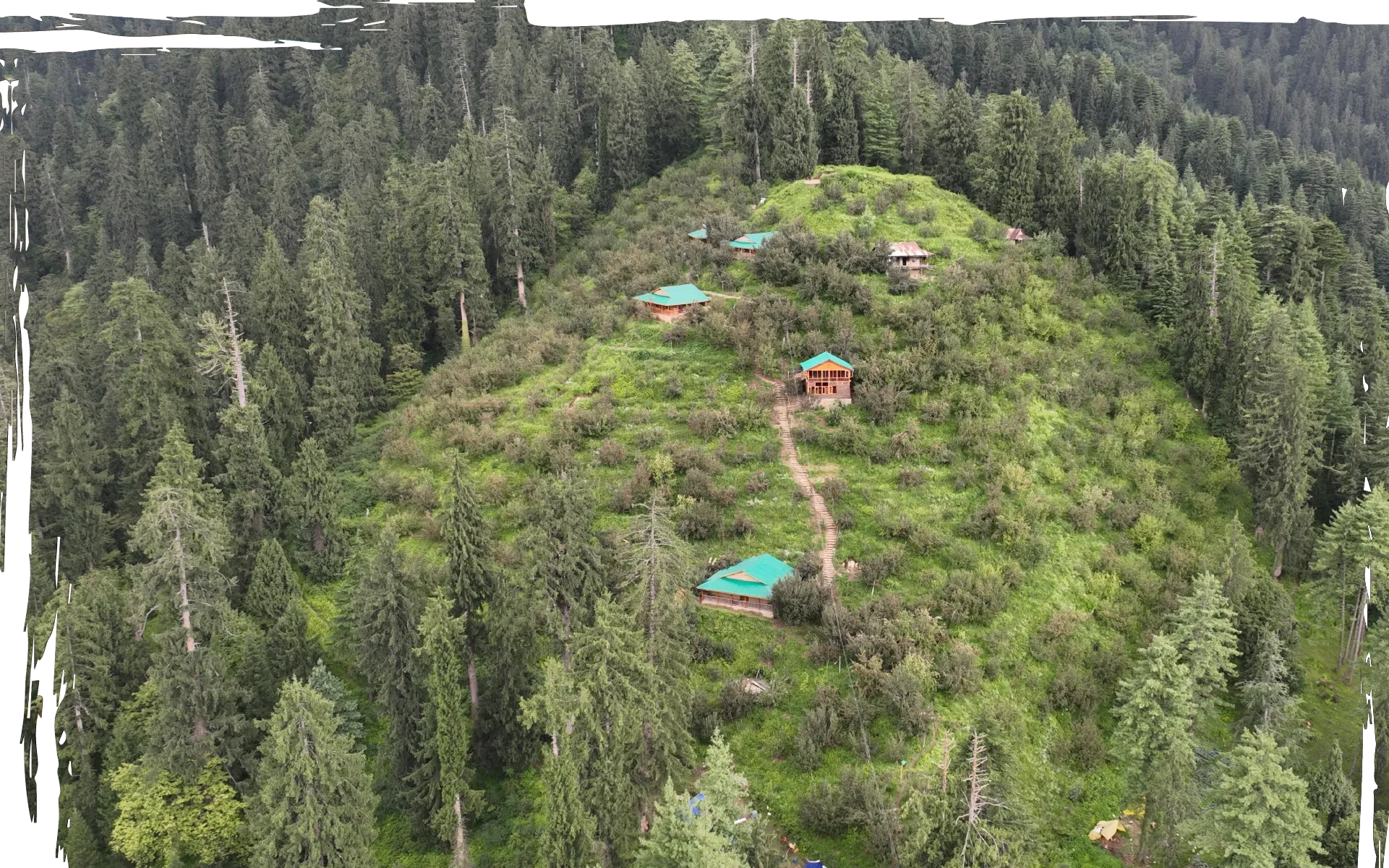
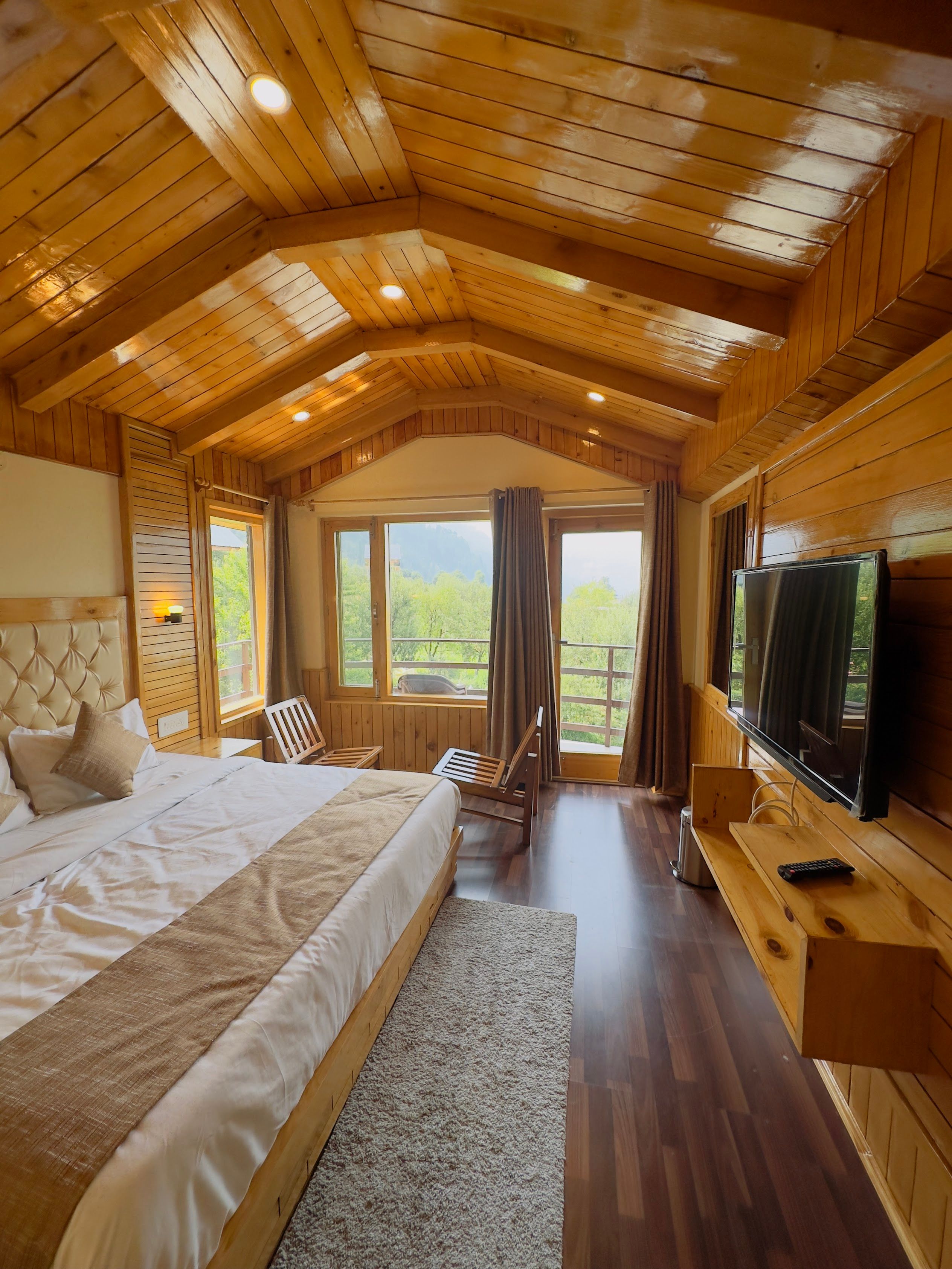
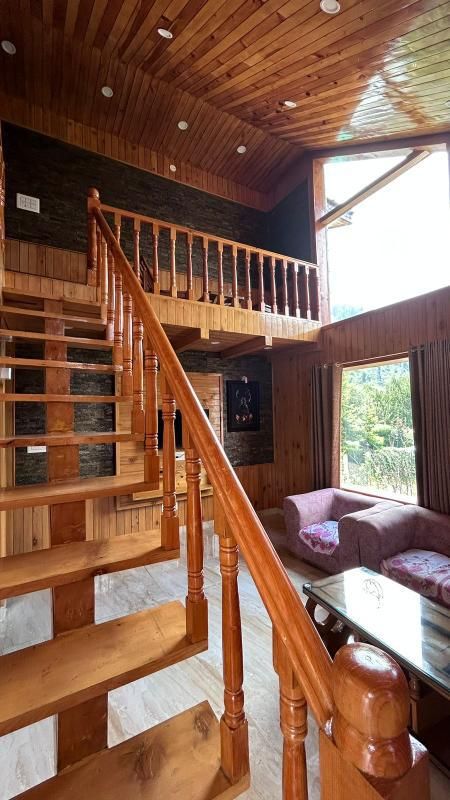
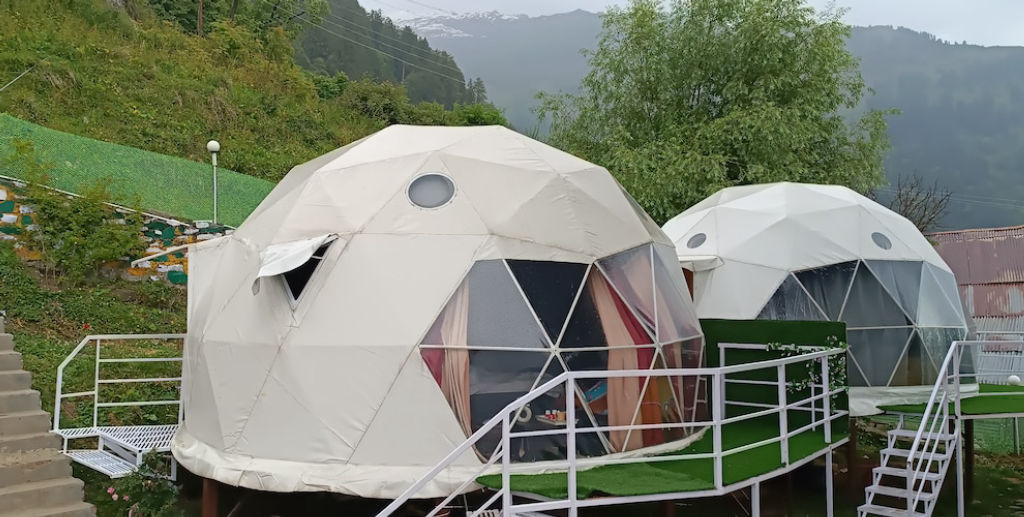
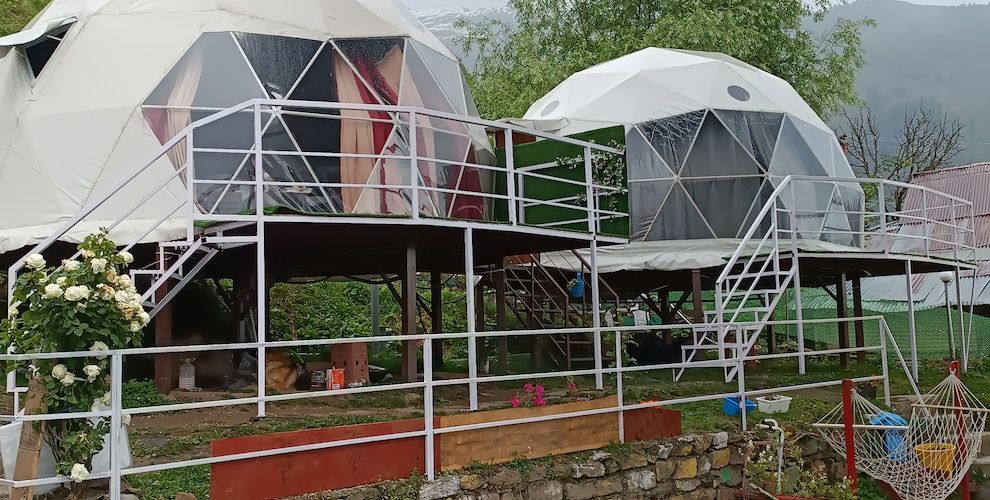
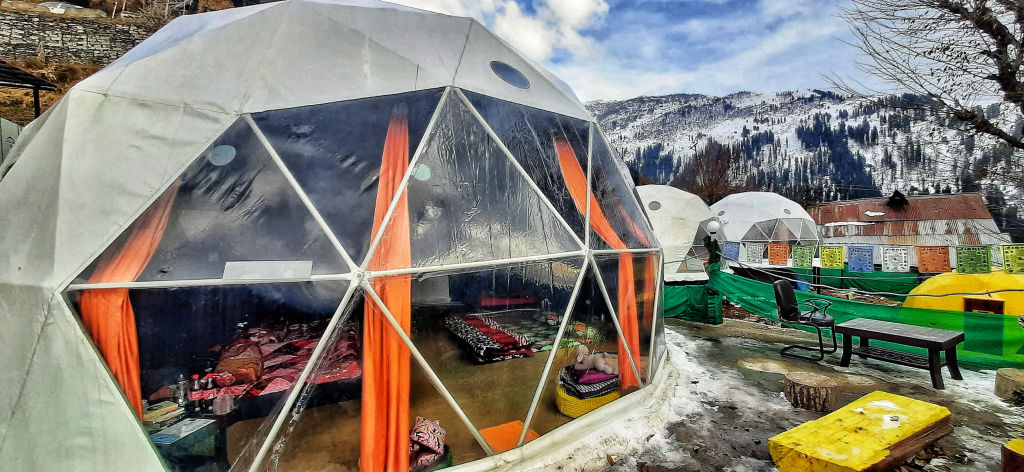
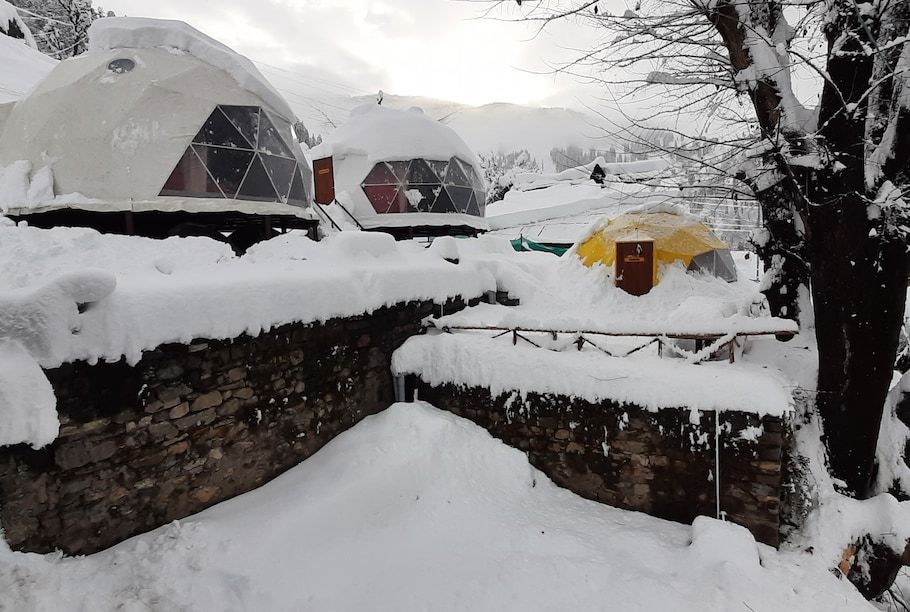
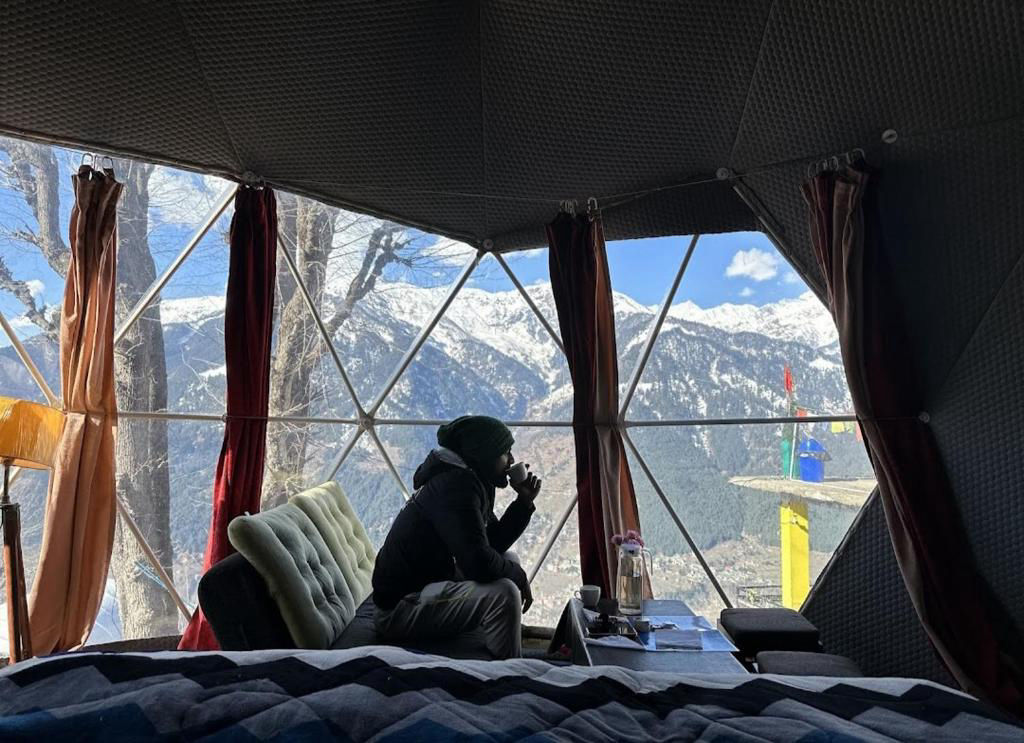
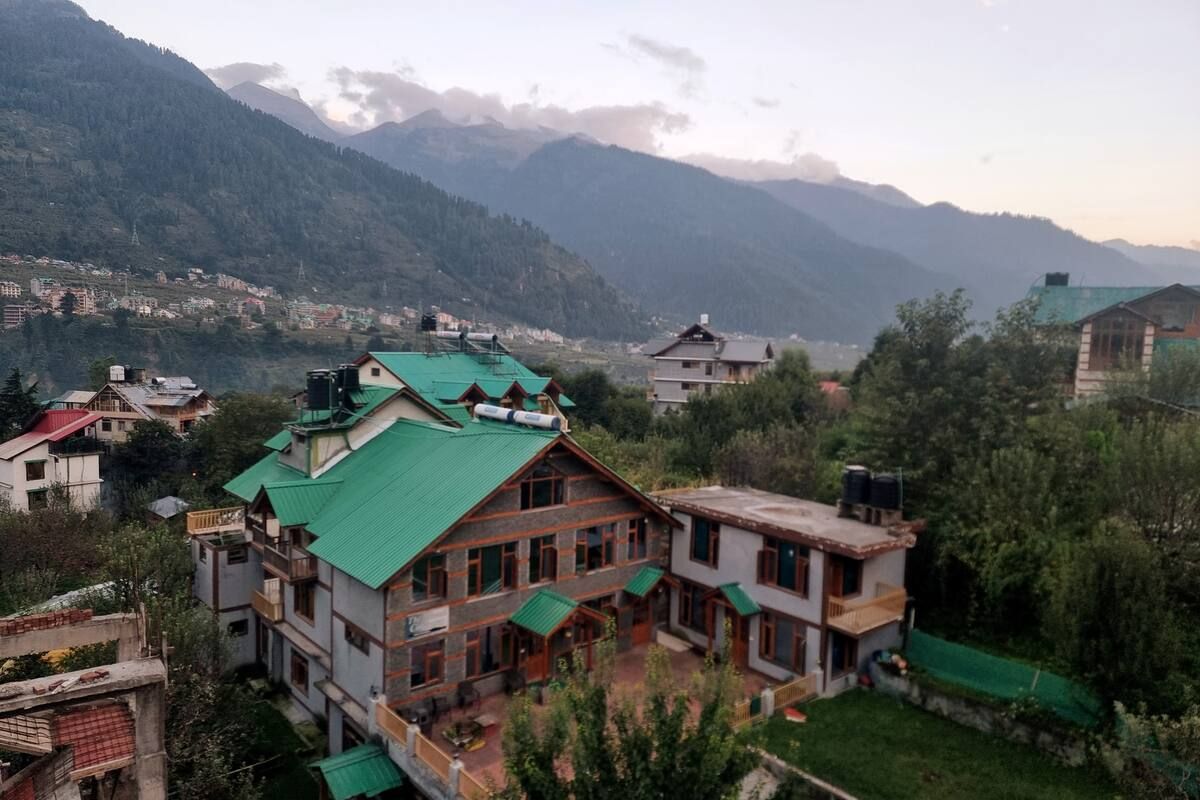
Due to local customs and village council regulations, overnight stays inside the core residential area of Malana are typically restricted for non-locals. However, simple guesthouses, riverside settlements, and established camps operate on the outskirts of the village, down in the gorge near the roadhead, and across neighboring corners of Parvati Valley.
Staying slightly outside the main village allows travellers to experience the quiet beauty of the mountain landscape while respecting local community rules. For those planning a getaway to this region, outdoor camps, homestays, and scenic retreats in the surrounding valleys can be booked through HireACamp.
Frequently asked questions
Can visitors touch buildings or people in Malana?
No, local customs forbid outsiders from touching villagers, their homes, and sacred temple walls. Doing so is considered a violation of ritual purity and can result in monetary fines imposed by the village council.
How long is the hike to Malana village?
The trek from the roadhead near the dam up to the village takes approximately one to two hours, depending on your pace and fitness level. The route involves a steady, steep climb along stone steps and mountain paths.
Can you stay overnight inside Malana?
Overnight stays inside the historic core of the village are generally not permitted for tourists. Most visitors stay at guesthouses or campsites located on the valley outskirts, near the base of the trail, or in nearby towns across Parvati Valley.
What is the best way to reach Malana from Delhi?
Take an overnight bus from Delhi to Bhuntar in Himachal Pradesh, hire local transport to the Malana roadhead via Jari, and then complete the remaining distance on foot via the uphill trail.
Is Malana accessible during the winter?
Malana receives heavy snowfall from December through February, which often blocks the trail and freezes water pipes. While accessible to prepared winter hikers, standard travel is difficult, and local facilities remain limited.
Where you'll be
12 stays nearby shown with prices
Stays near Malana
Book a place to stay close by
Things to do in Malana
48 places creators recommend within 30 km


Built from 0 Instagram posts by 0 creators. Every tip links back to the post it came from, and where creators disagree we show both sides.






