
Jamlu Rishi Temple
Temple near Malana, Himachal Pradesh
400 m from Malana
The nearest town, for stays, food and fuel.
Jamlu Rishi Temple is an ancient mountain shrine dedicated to the sage Jamdagni, located amidst the rugged cedar ridges of Himachal Pradesh's Kullu district. Revered as the guardian deity of the surrounding valleys, the temple stands as a cultural touchstone showcasing traditional Himalayan craftsmanship and autonomous village governance. Travellers and pilgrims make their way here to witness its distinct timber architecture, peaceful high-altitude setting, and centuries-old folk traditions.
Getting there
By road
- From MalanaNearest town5 min · 1.6 km
- From Chandigarh5 hr 55 min · 255 km
- From Ludhiana6 hr 25 min · 285 km
- From Amritsar8 hr 25 min · 395 km
Typical drive times without traffic. Stations and airports from OLA Maps; distances and typical drive times from OpenStreetMap (© OpenStreetMap contributors); notes from creators' Reels.
About Jamlu Rishi Temple
Written with AI from map data and general knowledge. Check prices and timings locally before you go.
About Jamlu Rishi Temple
Jamlu Rishi Temple is dedicated to Jamlu Devta, who is identified in Hindu tradition with the Vedic sage Jamdagni, father of Lord Parashurama. In the high valleys of Kullu and the adjacent Parvati basin, Jamlu Rishi is not treated merely as an abstract mythological figure, but as the living spiritual protector and supreme arbiter of the community. Village matters, customs, and disputes have historically been settled under the authority of his oracle, giving the shrine a distinct sociopolitical status within the district.
The shrine compound reflects the austere lifestyle of the Himalayan highlands. Perched high above steep valley floors, the temple oversees traditional wooden houses and small terraced fields. Its peaceful surroundings carry an aura of ancient isolation, giving travellers a glimpse into the animist and Vedic syncretism that characterizes mountain communities throughout Himachal Pradesh.
Architecture and Cultural Significance
The construction of Jamlu Rishi Temple follows the indigenous Kathkuni architectural style typical of the Kullu region. This technique alternates heavy courses of dressed stone with thick, interlocking beams of deodar cedar without the use of cement or mortar. The wood-and-stone framework provides flexibility during seismic activity while keeping the interiors insulated against extreme winter frost.
Elaborate wood carvings adorn the facade, window brackets, and eaves of the temple. These carvings often feature stylized animals, floral arabesques, and protective deities carved by local artisans over successive generations. Antlers and horns of mountain animals are traditionally affixed to the exterior beams as offerings of reverence and protection, adding to the visual legacy of the site.
Read more
Best Time to Visit Jamlu Rishi Temple
The ideal period to visit Jamlu Rishi Temple is during the spring and summer months from April to June, when temperatures remain mild and mountain roads are generally clear. Daytime highs during this window are comfortable for walking, and the alpine pastures and terraced valleys are in full bloom.
Autumn, from late September through November, offers another excellent window. As monsoon clouds dissipate, the air becomes crisp and the skies over the Kullu peaks turn remarkably clear, creating optimal visibility for hiking. Winters from December to February bring freezing conditions and occasional heavy snowfall to the higher reaches. While the snow transforms the landscape into a stark white expanse, access roads and trails can become slippery or temporarily blocked, requiring warm gear and flexible travel schedules.
How to Reach Jamlu Rishi Temple
The temple is accessible from the district hub of Kullu. Travellers arriving by air typically land at Bhuntar Airport, which sits at the confluence of the Beas and Parvati rivers. From Bhuntar or Kullu, you can travel along the scenic valley corridors by local state-run buses or private taxis. Rail travellers often disembark at major railheads like Chandigarh or Una before continuing to Kullu by road.
Depending on the specific village route taken, reaching the temple grounds usually involves navigating narrow mountain switchbacks followed by a pedestrian ascent along stone stairs or beaten trails. Visitors should be prepared for a modest walk through village alleys and stepped paths to reach the temple square.
Local Customs and Etiquette
Shallow curiosity should be balanced with deep respect when visiting shrines dedicated to Jamlu Rishi. Temples devoted to this deity enforce strict customary protocols. Visitors are strictly prohibited from touching the temple walls, outer carvings, or inner sanctum. Touching consecrated structures can incur traditional fines levied by village councils, meant to fund purification rituals.
Always ask for local permission before photographing religious buildings, ritual ceremonies, or residents. Modest clothing is expected when walking through the temple precinct, and footwear must be removed where indicated. Keep your voice low, avoid littering, and carry all personal plastic waste back with you to ensure these remote heritage hamlets remain clean.
Places to Explore Nearby
The wider region around Jamlu Rishi Temple offers a wide range of natural and cultural highlights. The riverside town of Kasol and the trail networks around Pulga introduce travellers to lush pine forests, wooden village hamlets, and views of rushing glacial streams. Further east along the valley, the walking path to Kheerganga leads up to natural hot sulfur springs set against steep mountain amphitheaters.
Those interested in traditional architecture and broader alpine vistas can head towards the Shangarh valley to admire the meadow surrounding the Shangchul Mahadev Temple. Nature enthusiasts can also organize excursions towards the outer trails of the Great Himalayan National Park, a UNESCO World Heritage site known for its intact biodiversity, alpine flora, and rugged mountain wildlife.
Where to Stay
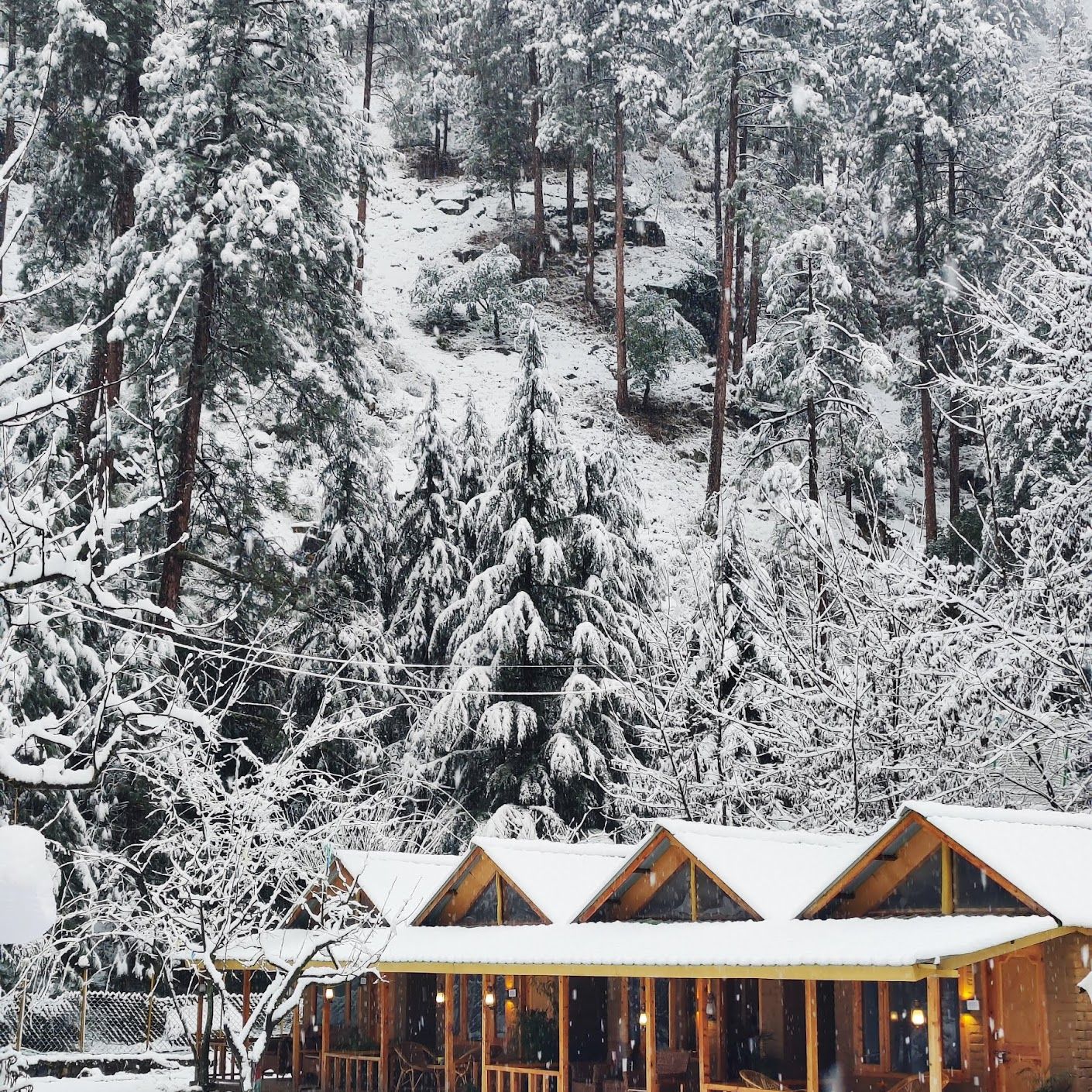
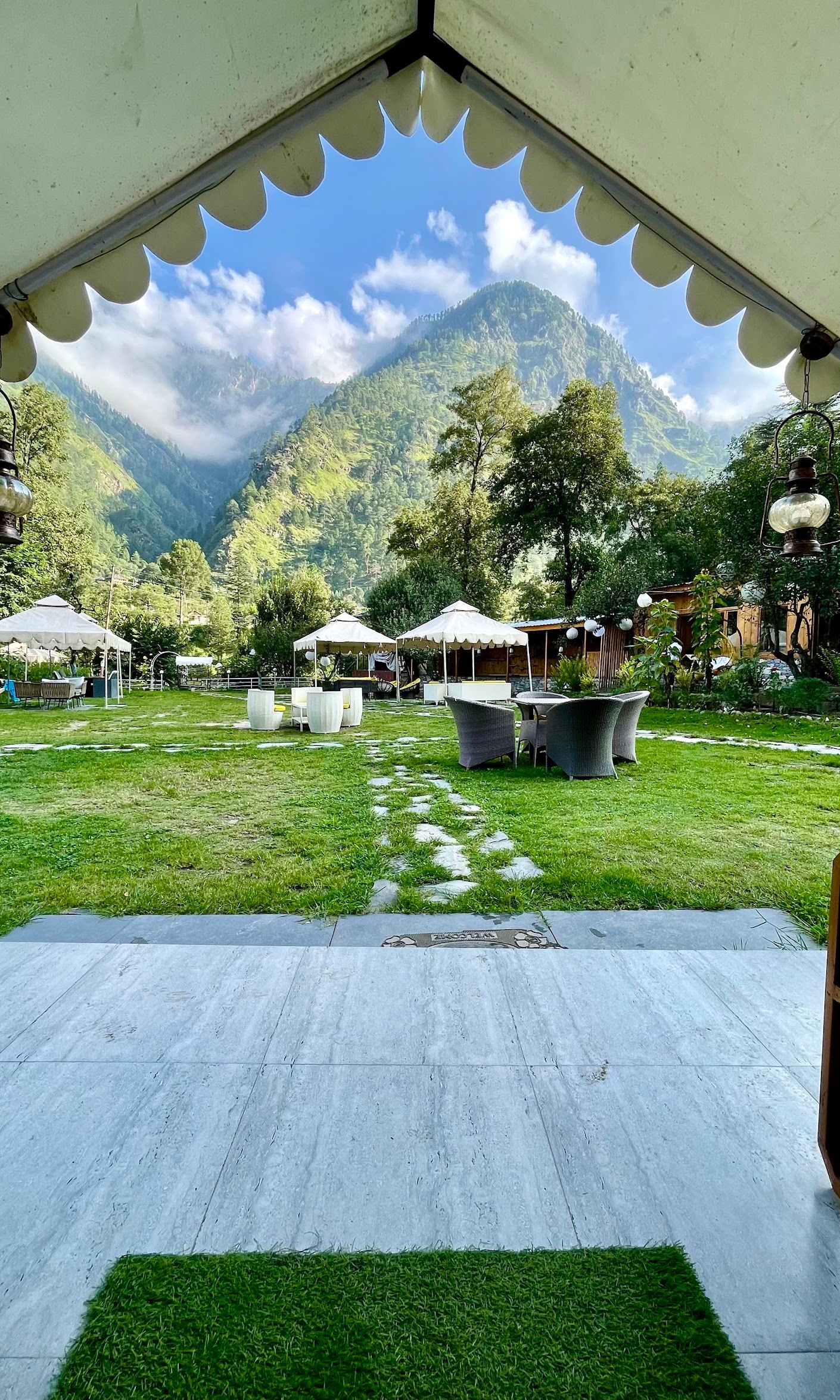
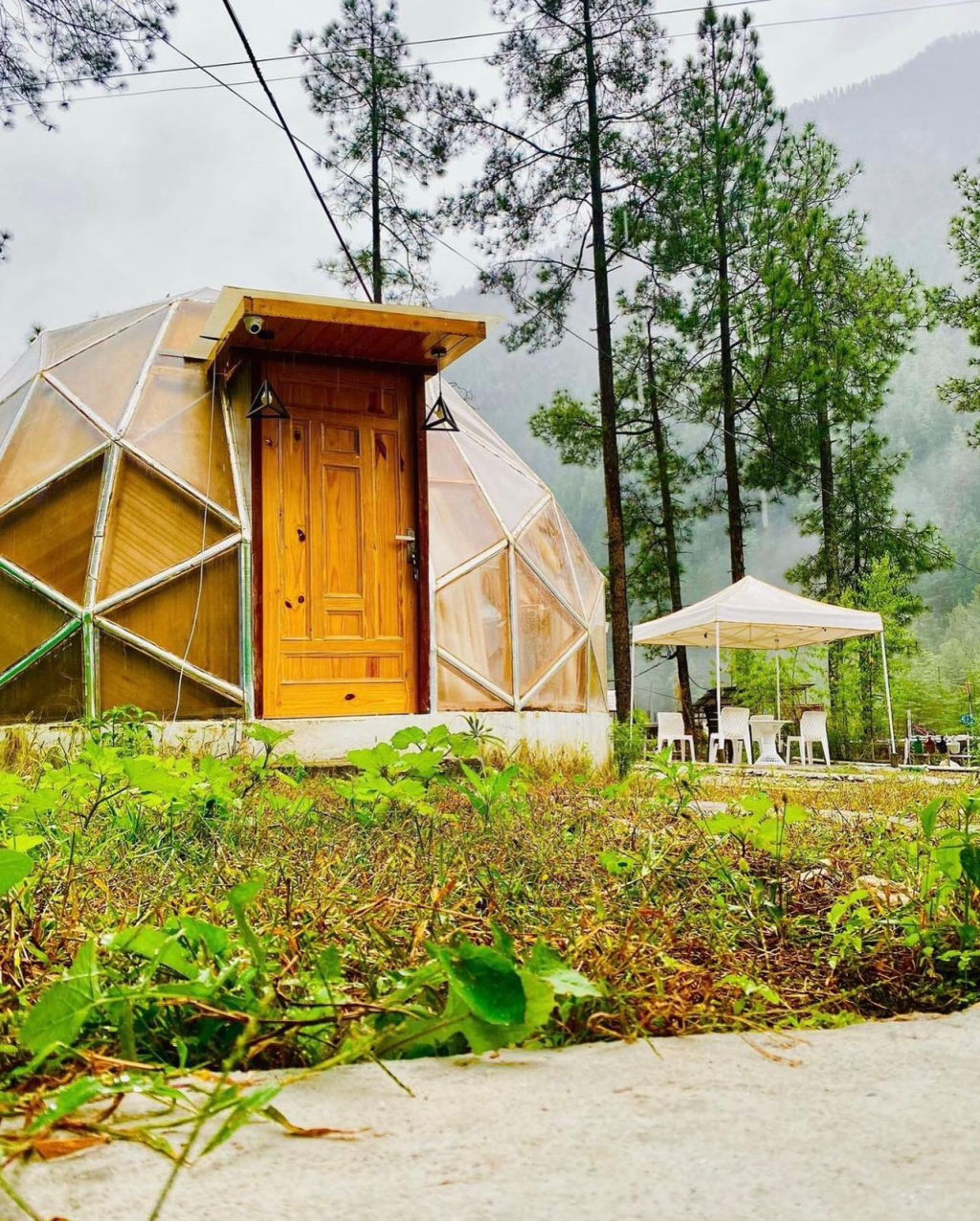
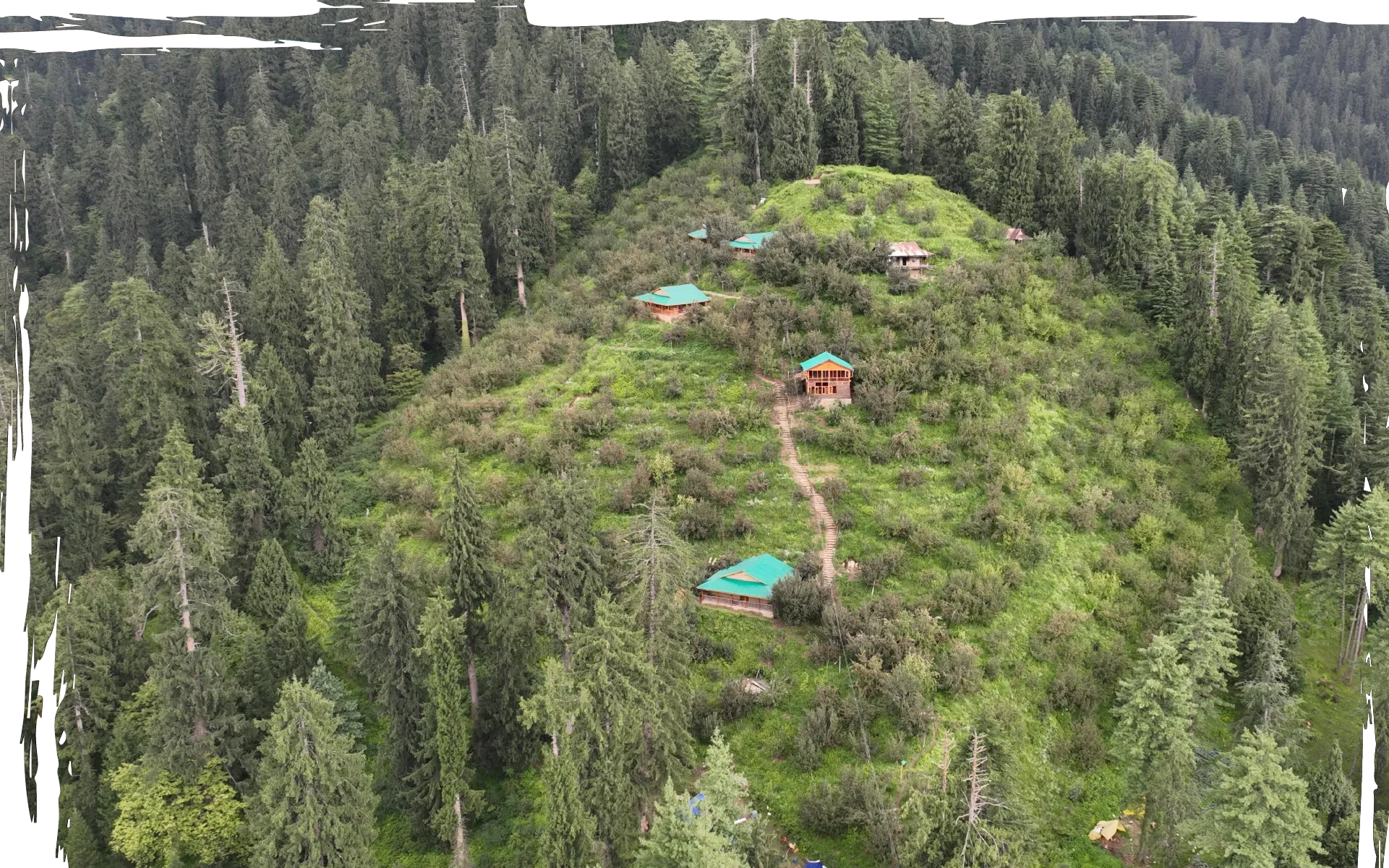
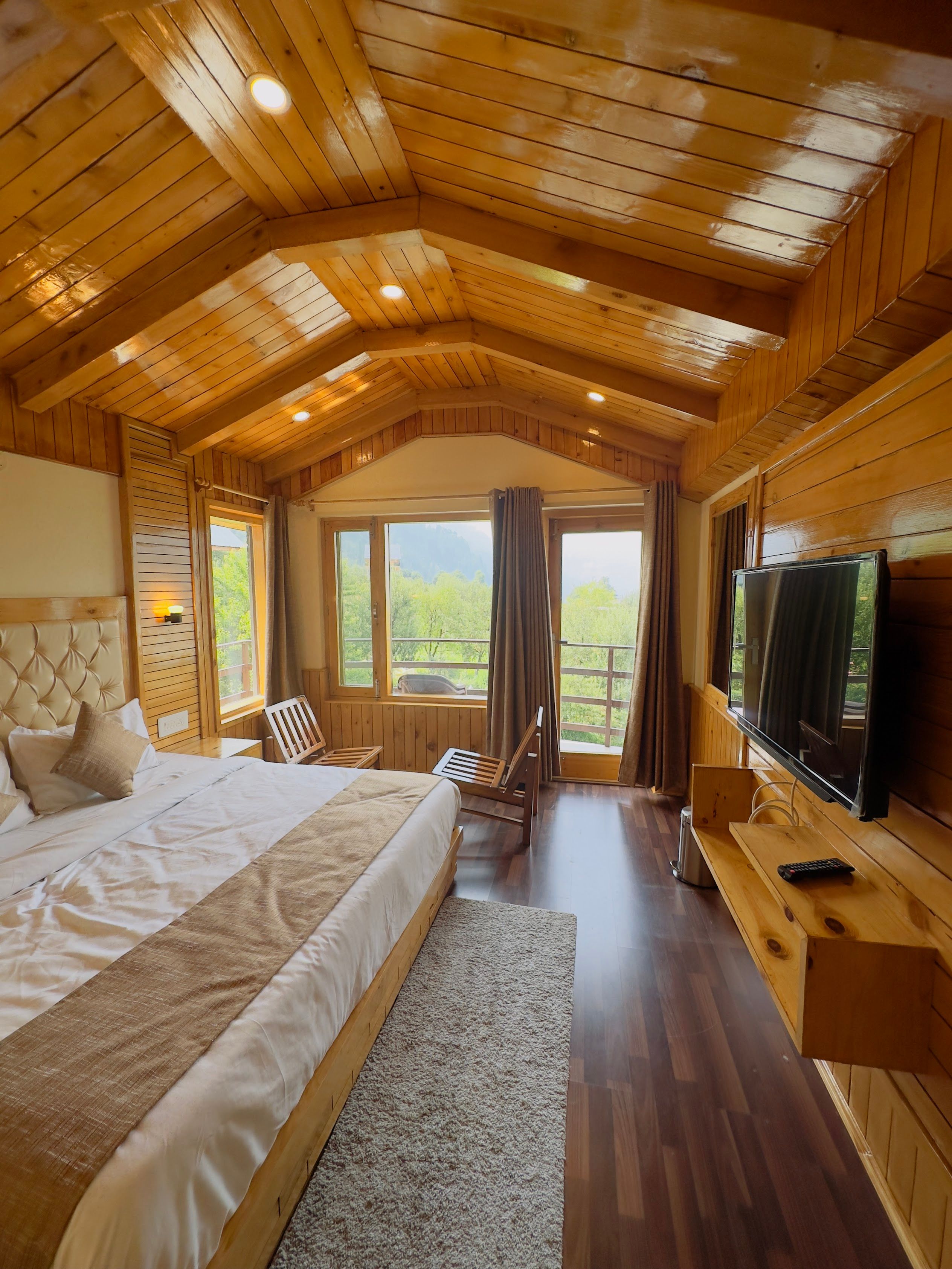
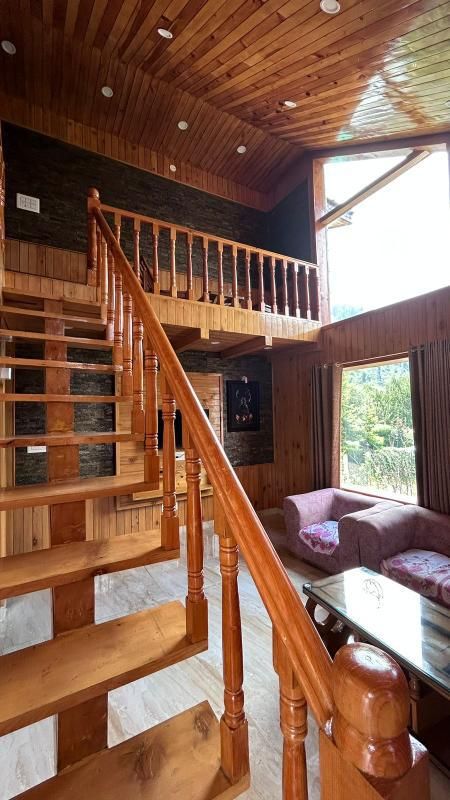
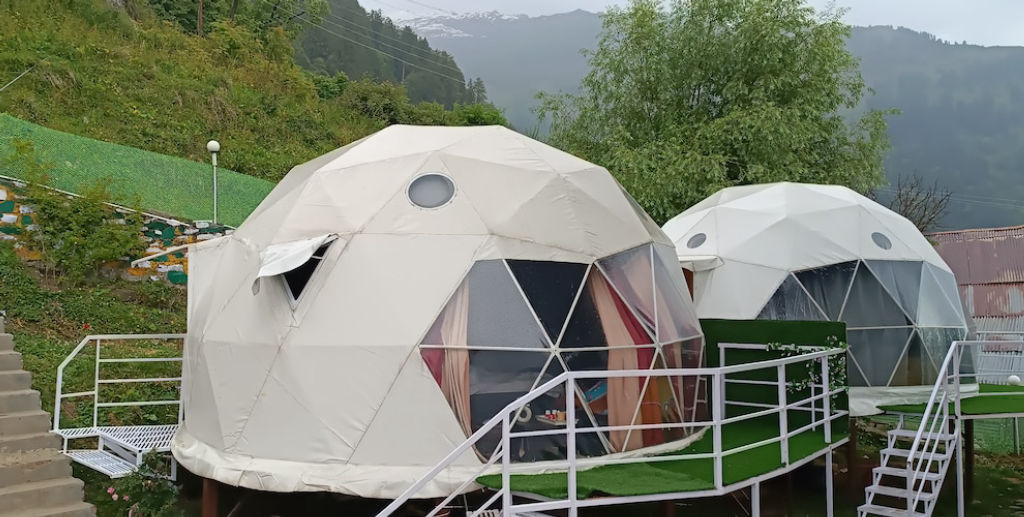
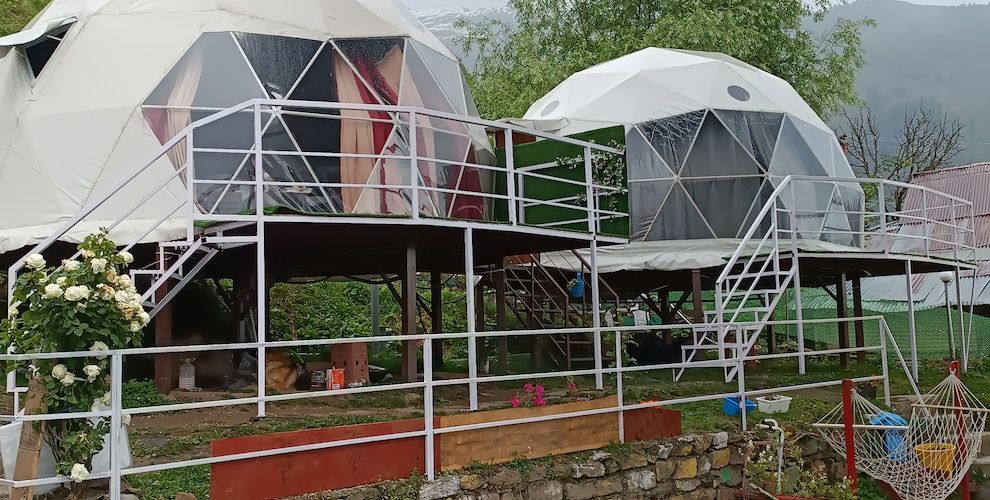
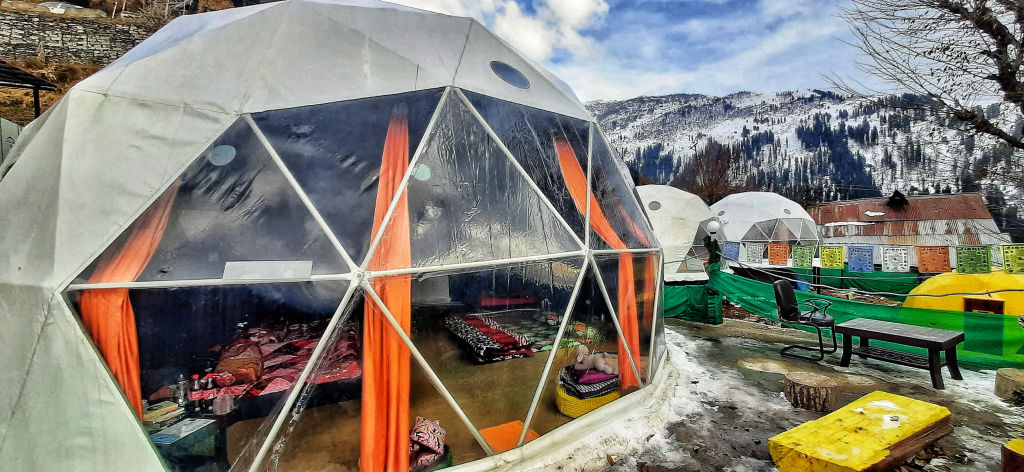
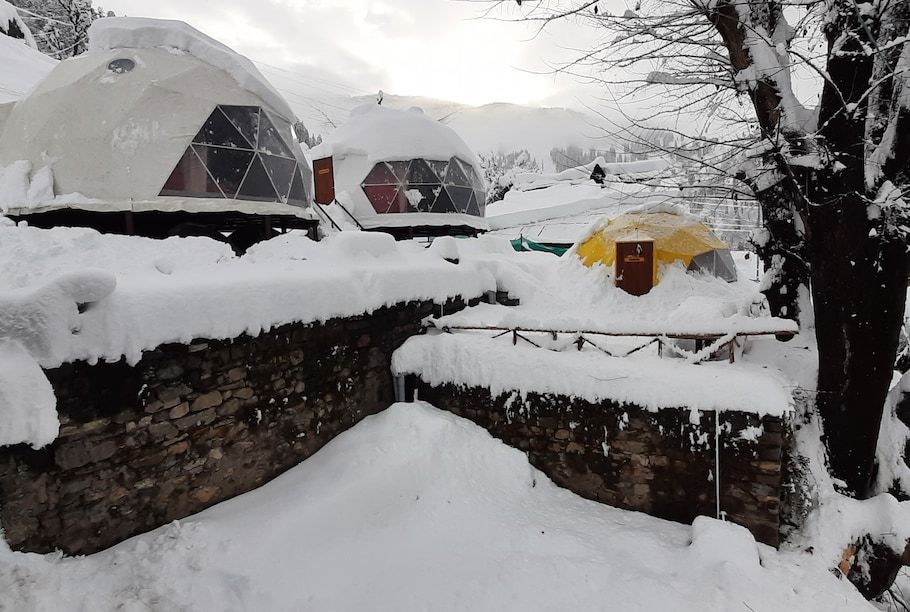
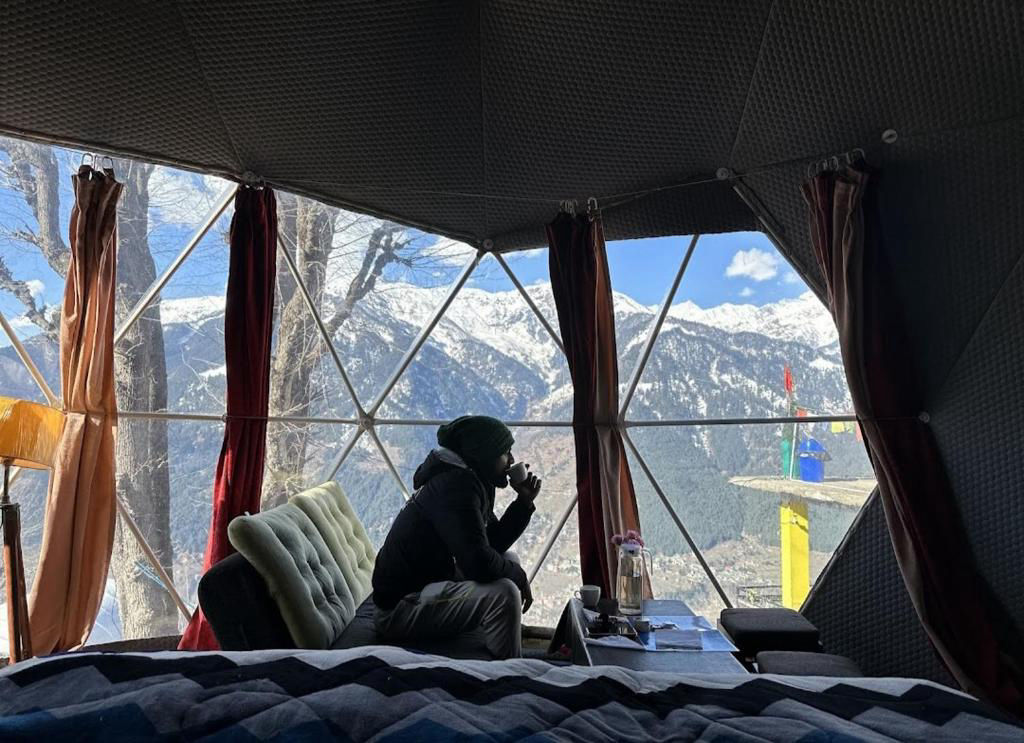
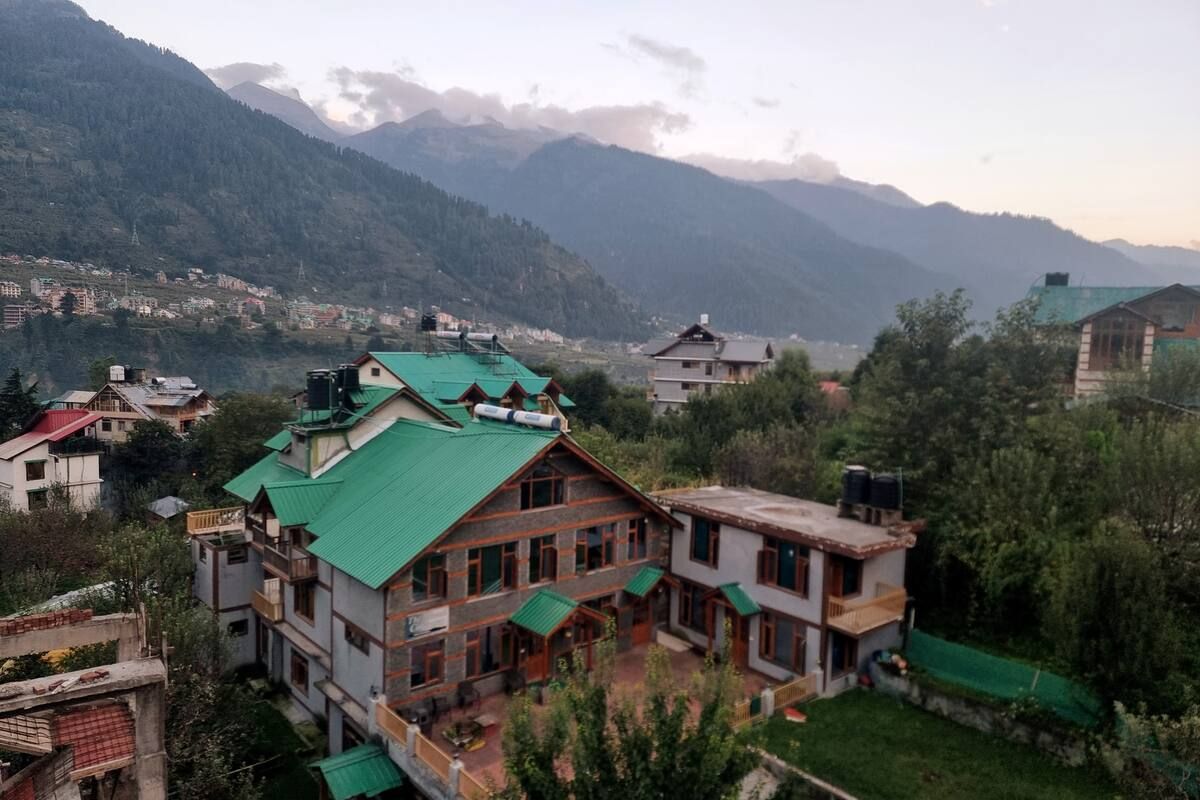
Accommodation options in the vicinity range from tranquil riverside campsites along mountain streams to cozy village homestays built from local timber and slate. Staying in a homestay allows travellers to experience authentic Himachali hospitality and taste local cuisine while supporting the rural economy. You can browse and book verified outdoor camps, secluded cabins, and homestays near the temple and surrounding valleys on HireACamp.
Frequently asked questions
Who is Jamlu Rishi?
Jamlu Rishi is the local Pahari name for the Vedic sage Jamdagni, who is revered throughout the Kullu Valley as an ancestral guardian deity and spiritual head of several mountain villages.
Can tourists enter the interior of Jamlu Rishi Temple?
Tourists may observe the temple from marked outdoor perimeters, but strict local traditions forbid outsiders from touching the wooden structure or entering the sanctum.
What should I wear when visiting the temple?
Visitors should dress modestly with their shoulders and knees covered, and remove their shoes whenever entering sacred courtyard areas.
Are there places to stay close to the temple?
Yes, you can find traditional village homestays, guesthouses, and scenic mountain campsites nearby on HireACamp.
Where you'll be
Kullu, HP · 12 stays nearby shown with prices
Stays near Jamlu Rishi Temple
Book a place to stay close by
More places near Jamlu Rishi Temple
Within 20 km


Built from 0 Instagram posts by 0 creators. Every tip links back to the post it came from, and where creators disagree we show both sides.






