
Chanderkhani Pass
Viewpoint near Malana, Himachal Pradesh
2.1 km from Malana
The nearest town, for stays, food and fuel.
Chanderkhani Pass is a high mountain pass in Himachal Pradesh that bridges the Kullu Valley near Naggar with the remote village of Malana. Sitting at an altitude of over 3,600 metres, it offers expansive panoramic viewpoints across the Pir Panjal, Dhauladhar, and Parvati mountain ranges. Trekkers and nature lovers visit the ridge to experience its alpine meadows, thick forests of deodar and oak, and sweeping views of snow-draped Himalayan crests.
Getting there
By road
- From MalanaNearest town10 min · 2.7 km
- From Chandigarh6 hr 10 min · 259 km
- From Ludhiana6 hr 40 min · 289 km
- From Amritsar8 hr 40 min · 400 km
Typical drive times without traffic. Stations and airports from OLA Maps; distances and typical drive times from OpenStreetMap (© OpenStreetMap contributors); notes from creators' Reels.
About Chanderkhani Pass
Written with AI from map data and general knowledge. Check prices and timings locally before you go.
About Chanderkhani Pass
Chanderkhani Pass sits high in the Kullu district of Himachal Pradesh, serving as a historic footpath between the Kullu Valley and the secluded settlement of Malana. According to local folklore, the pass holds sacred significance in regional belief systems, associated with Jamlu Devta, the presiding deity of Malana. Legend holds that the deity carried a basket containing images of various gods and opened it atop the pass, allowing strong winds to scatter them across the surrounding valleys, thereby designating Kullu as the valley of gods.
Geographically, the pass rises to approximately 3,660 metres above sea level. From the summit ridge, visitors can look out across several major ranges, catching glimpses of peaks such as Deo Tibba, Indrasan, and the high ridges of the Bara Bhangal chain. The pass transitions from dense woodlands in its lower tiers to wide open sub-alpine and alpine grazing grounds called thach, which turn vibrant green during warmer months before being buried in deep winter snow.
Landscape and natural setting
The journey up towards Chanderkhani Pass moves through remarkably diverse ecological zones. Beginning above Naggar, the trail passes through dense forests dominated by Himalayan cedar, blue pine, golden oak, and wild walnut. As the elevation climbs, these woodlands give way to thickets of rhododendron, which burst into shades of crimson and pink during the spring blooming season.
Above the tree line, the terrain opens into sweeping alpine meadows carpeted with native wildflowers, herbs, and low shrubs during the monsoon and post-monsoon months. Birdlife in this belt is rich, with chances to spot Himalayan monals, koklass pheasants, and various birds of prey gliding along the thermal updrafts. The pass itself is a broad, windswept saddle flanked by rocky crags and patches of late-melting snowfields, offering an unobstructed 360-degree panorama of the surrounding peaks.
Read more
Trekking to Chanderkhani Pass
The standard route to Chanderkhani Pass begins from the heritage village of Naggar or the nearby hamlet of Rumsu. From Rumsu, the footpath weaves upward past traditional wooden Himachali homes and apple orchards before entering deep conifer woods. Trekkers often break the journey at intermediate alpine meadows such as Sterling or Stelling, and higher up at Chaklani, which serve as picturesque overnight halting grounds.
The ascent requires moderate physical stamina, as the elevation gain is steady and significant over a few days of hiking. Approaching the pass, the gradient steepens over rocky trails and scree slopes that demand sure footing. Many hikers make Chanderkhani Pass a round-trip day hike from a high camp, while others cross over the ridge completely to descend down toward Malana and the Parvati Valley on the other side.
Best time to visit Chanderkhani Pass
The most favourable window to visit Chanderkhani Pass spans from mid-May to late June, and again from September through October. During early summer, the snow starts to retreat from the higher reaches, leaving dramatic snow corridors alongside newly exposed green pastures. The daytime temperatures during these months are pleasant for trekking, though nights at high camp remain crisp and chilly.
Monsoon season in July and August brings heavy downpours to Himachal Pradesh, which can make steep forest paths muddy and increase the likelihood of landslides along mountain roads. Autumn, starting in September, brings crystal-clear blue skies, crisp air, and the highest visibility for viewing surrounding peaks. By November, early winter storms coat the pass in heavy snow, closing the trail to casual hiking until the following spring thaw.
How to reach Chanderkhani Pass
To reach the trailheads for Chanderkhani Pass, travellers first need to travel to Naggar or Kullu. The Kullu-Manali airport at Bhuntar is the nearest air terminal, situated along the valley floor. Taxis and local buses connect Bhuntar and Kullu town directly to Naggar. If travelling by rail, the major broad-gauge stations are located at Chandigarh and Pathankot, from where road transport connects upwards into the Kullu Valley.
From Naggar, an unpaved road leads uphill toward the village of Rumsu, where the main hiking path commences. Private taxis can take you up to Rumsu, while energetic walkers can begin directly on foot from Naggar. Because weather conditions in high-altitude passes can change abruptly, it is advisable to hire local mountain guides from Naggar or Rumsu who understand the terrain, water sources, and sudden weather shifts.
Tips for your visit
High-altitude hiking requires careful preparation. Even during the peak summer months, winds at Chanderkhani Pass can be biting, so carrying windproof outer layers, thermal innerwear, a warm fleece, and a sturdy rain jacket is essential. Reliable trekking boots with deep tread and ankle support will help you navigate loose scree and rocky pathways safely.
Stay well hydrated throughout the ascent to assist with altitude acclimatisation, and ascend at a measured, steady pace. Carry a refillable water bottle alongside purification tablets or a portable filter, as clear mountain streams become less frequent higher up the ridge. Remember to carry all non-biodegradable waste back down to town, as high alpine meadows are fragile ecosystems that cannot process left-behind trash.
Where to stay near Chanderkhani Pass
Most travellers base themselves in the lower village of Naggar before and after attempting the trek. Naggar offers an authentic mountain setting with traditional Himachali timber architecture, terraced orchards, and peaceful surroundings away from busy highway hubs.
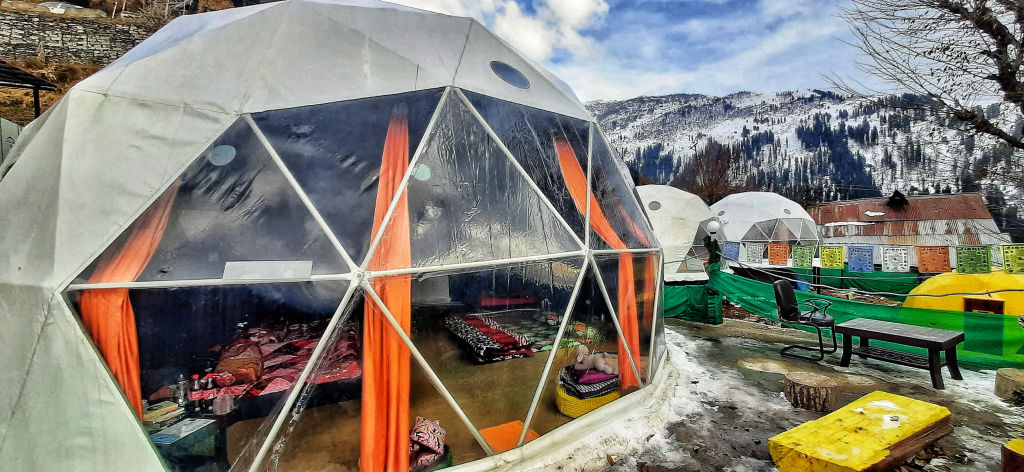
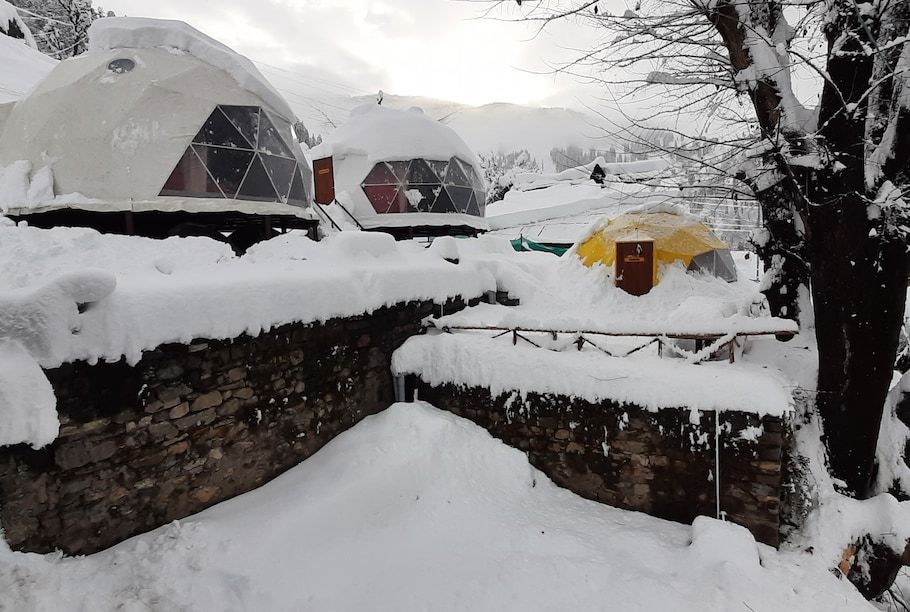
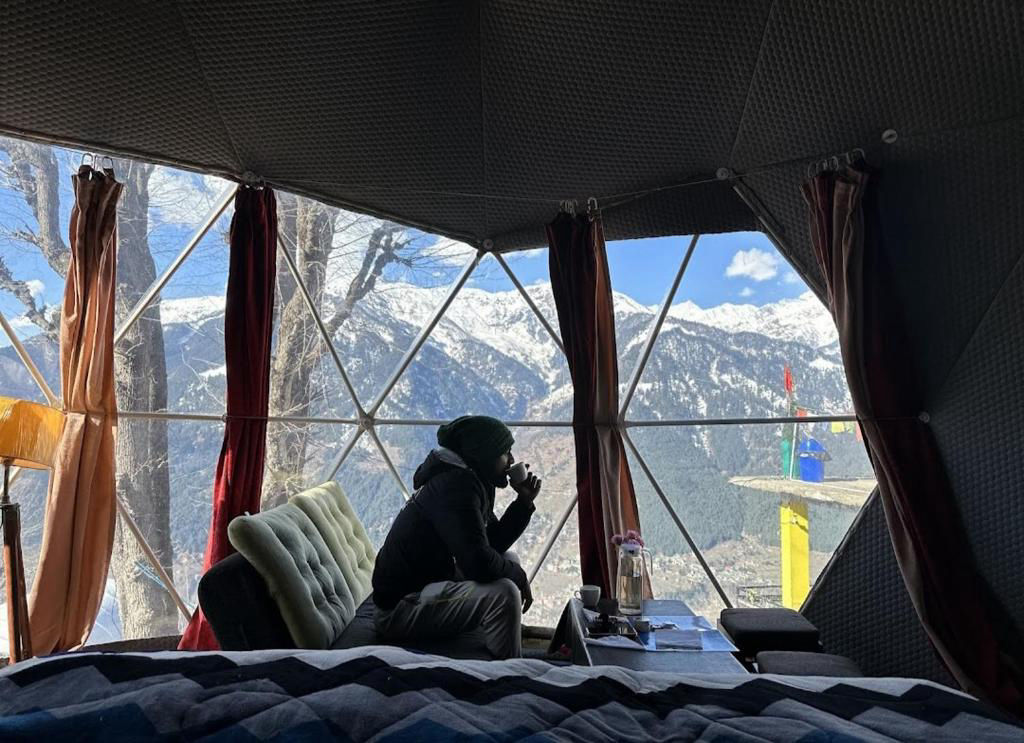
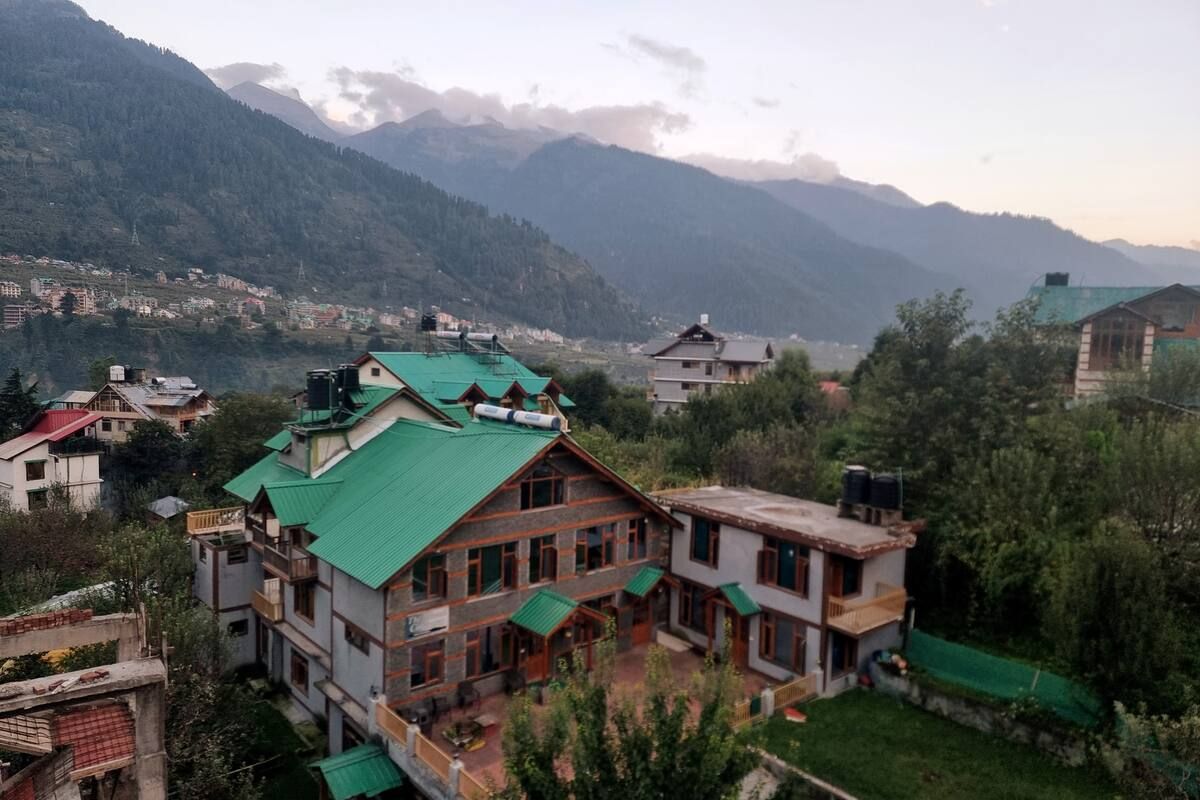
During the trek itself, accommodation is largely based around pitching wilderness tents at designated alpine camping clearings along the path. You can browse and book verified campsites, rustic homestays, and characterful cottages around Naggar and the Kullu Valley directly on HireACamp before heading out on the trail.
Frequently asked questions
How difficult is the trek to Chanderkhani Pass?
The trek is generally considered moderate in difficulty. It involves steady elevation gain over a few days, requiring reasonable physical fitness, comfortable hiking boots, and basic acclimatisation.
Where does the Chanderkhani Pass trek begin?
The trek typically starts from the village of Naggar or the adjacent hamlet of Rumsu in the Kullu Valley.
Can Chanderkhani Pass be visited in winter?
During the winter months from December to April, the pass is buried under heavy snow, making it inaccessible for regular trekking. High-altitude winter expeditions require specialist equipment and extreme mountaineering experience.
Do I need a local guide for Chanderkhani Pass?
Hiring a local guide from Naggar or Rumsu is strongly recommended because high-altitude weather changes quickly and trails across the meadows can become indistinct in cloud cover.
Can you cross over to Malana from Chanderkhani Pass?
Yes, Chanderkhani Pass historically connects the Kullu Valley with Malana village, allowing experienced hikers to cross over from Naggar into the Parvati Valley watershed.
Where you'll be
Himachal Pradesh · 12 stays nearby shown with prices
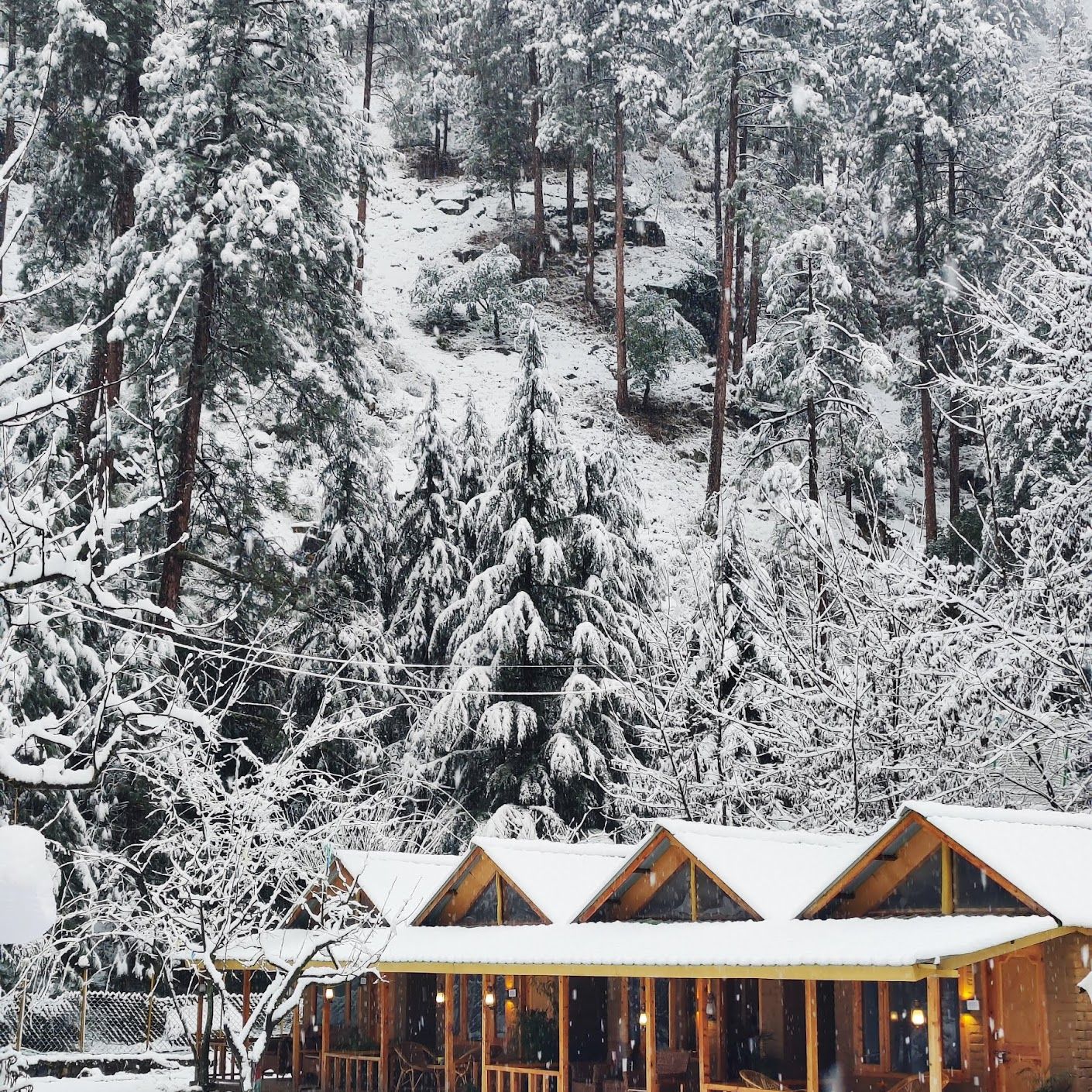
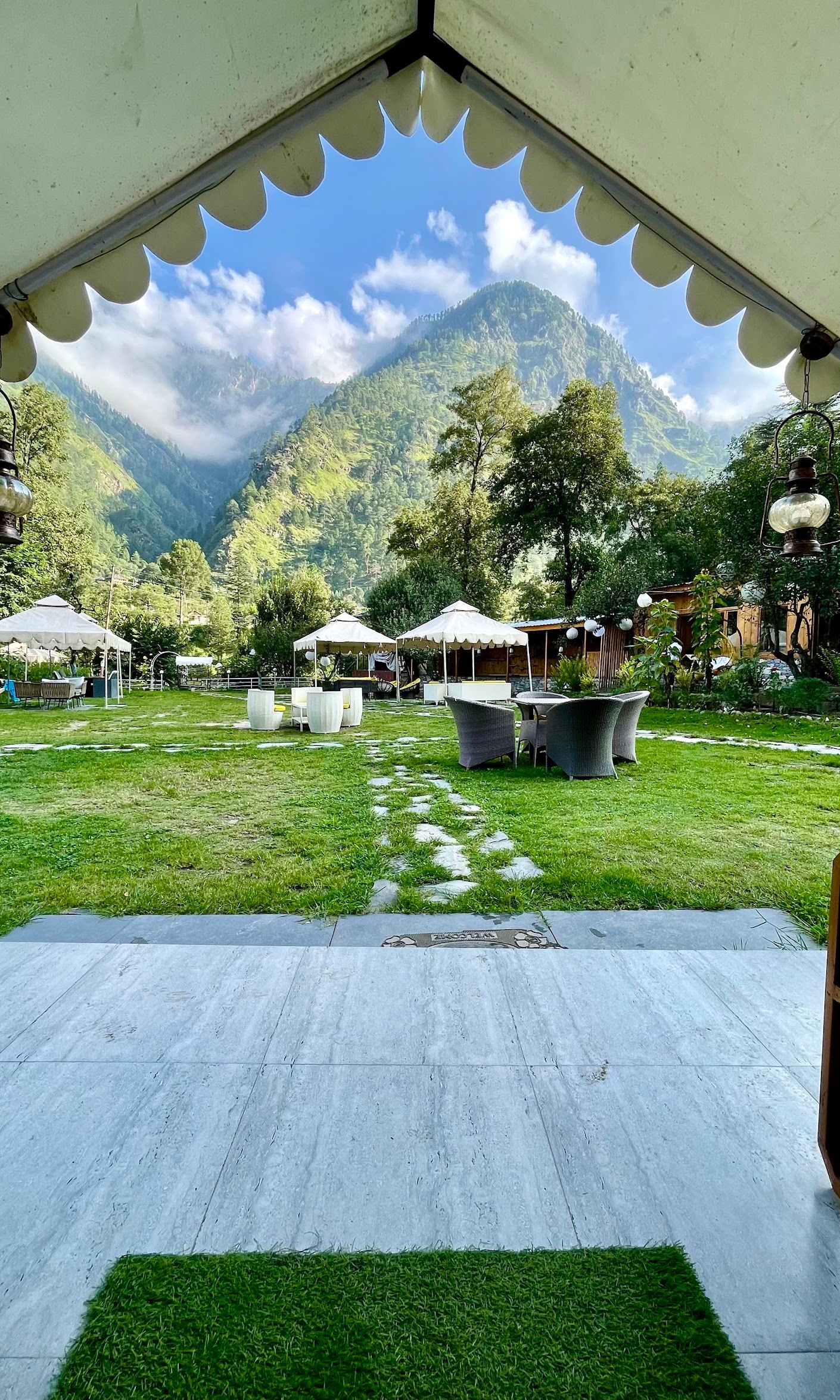
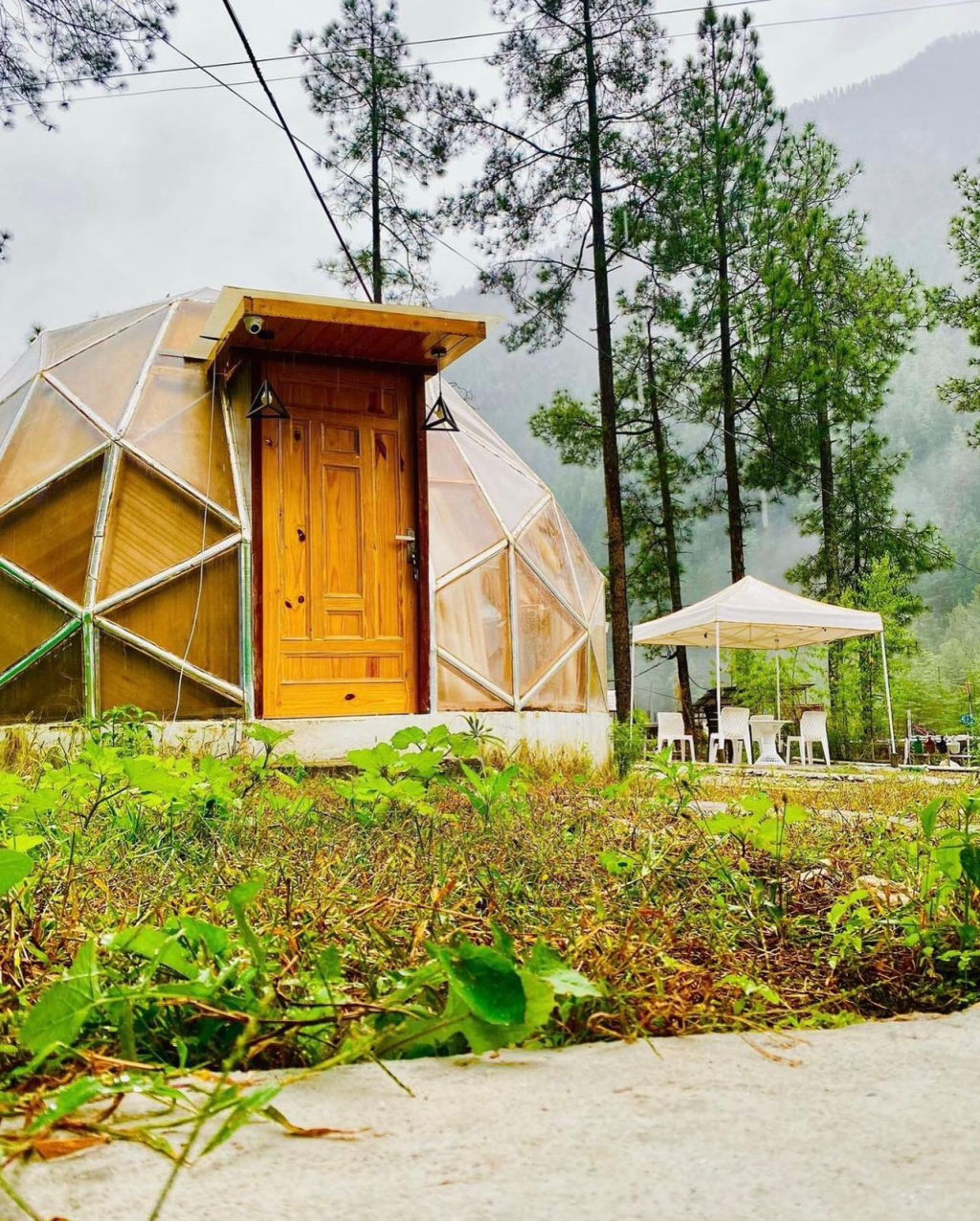
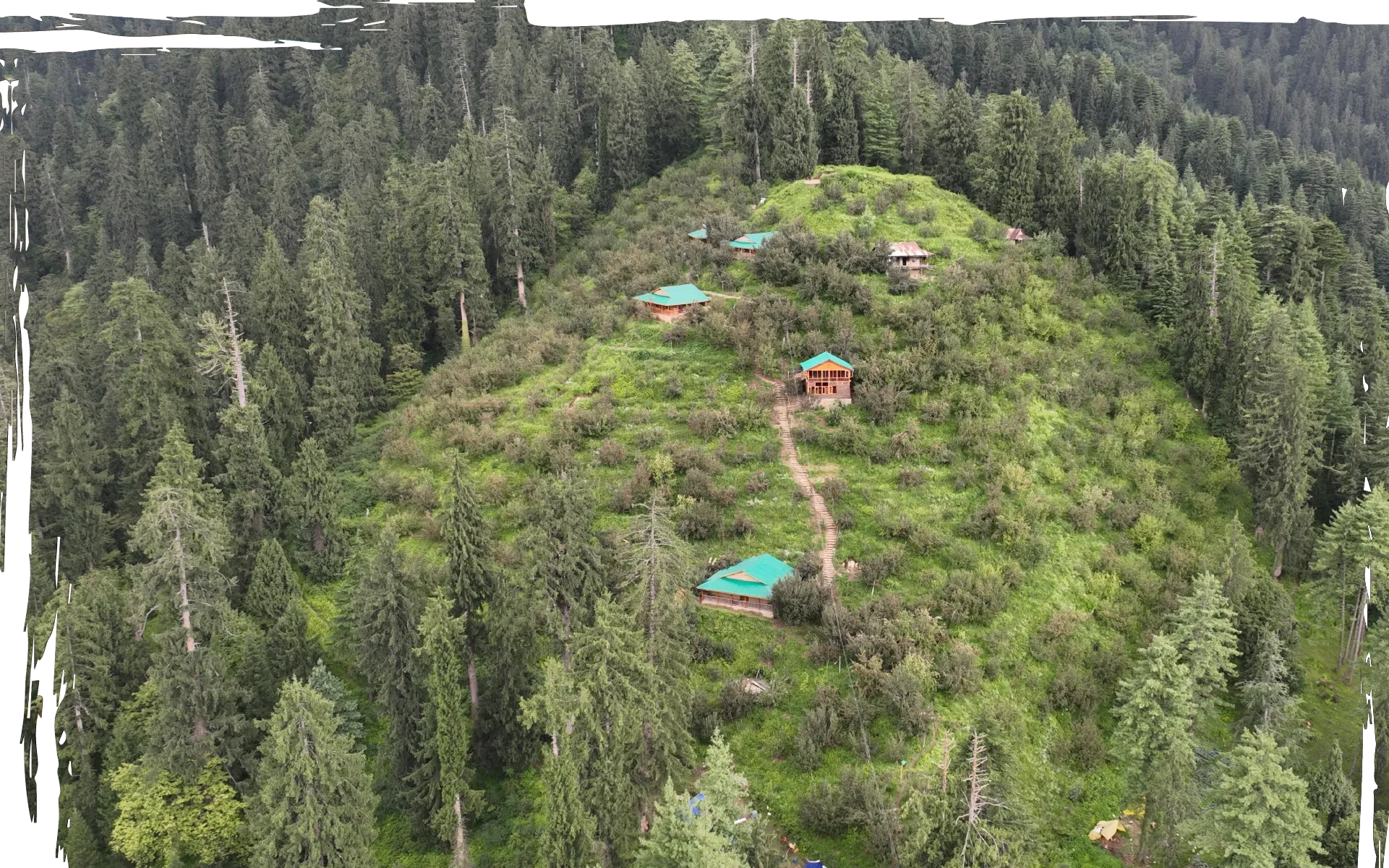
Stays near Chanderkhani Pass
Book a place to stay close by
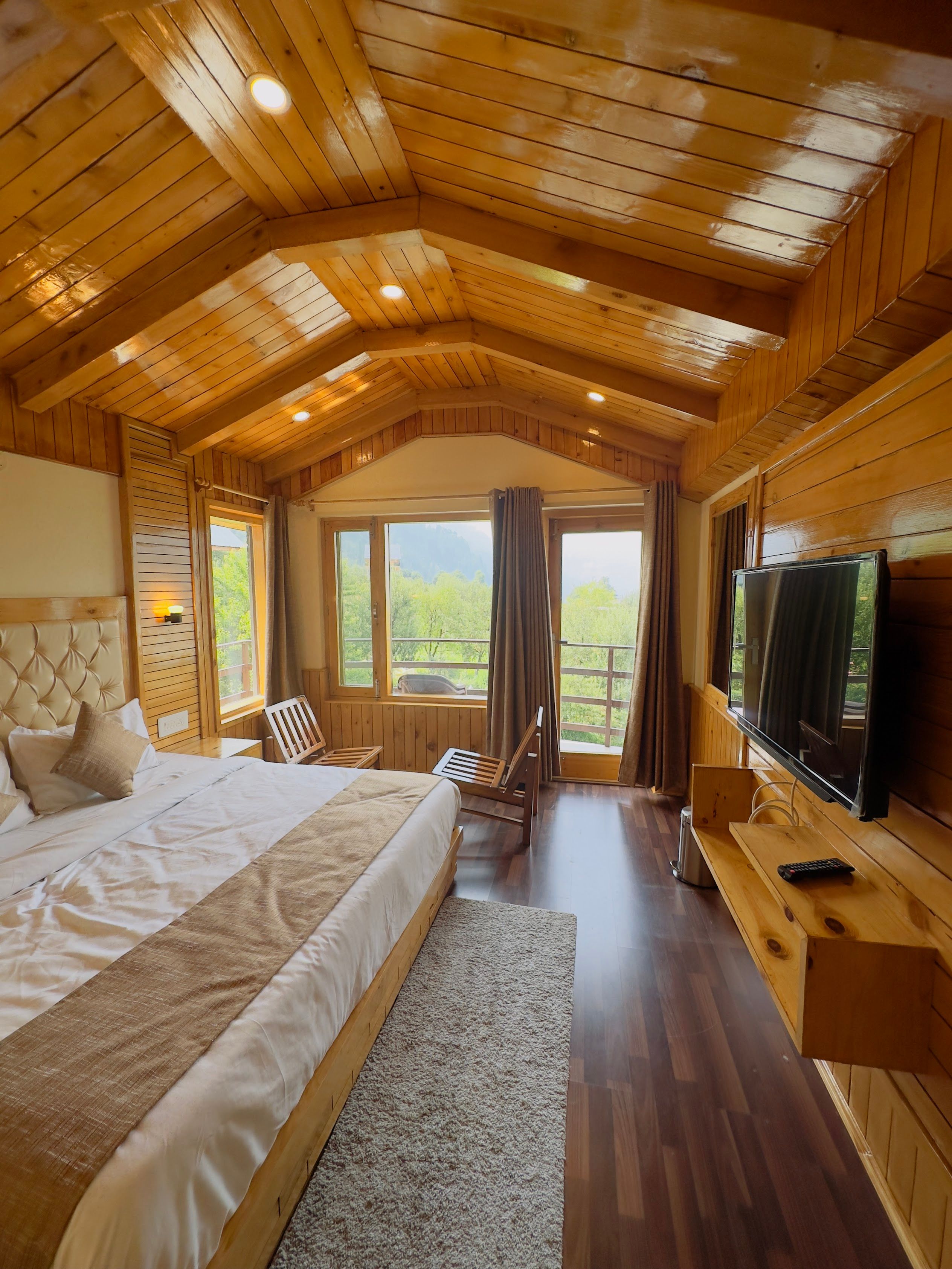
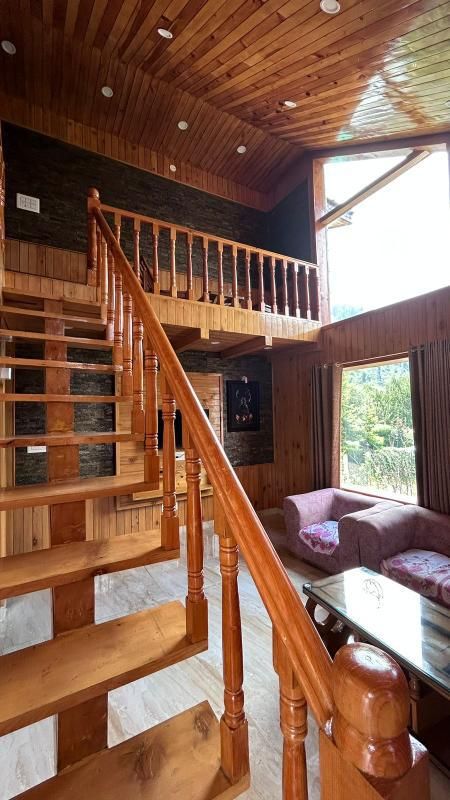
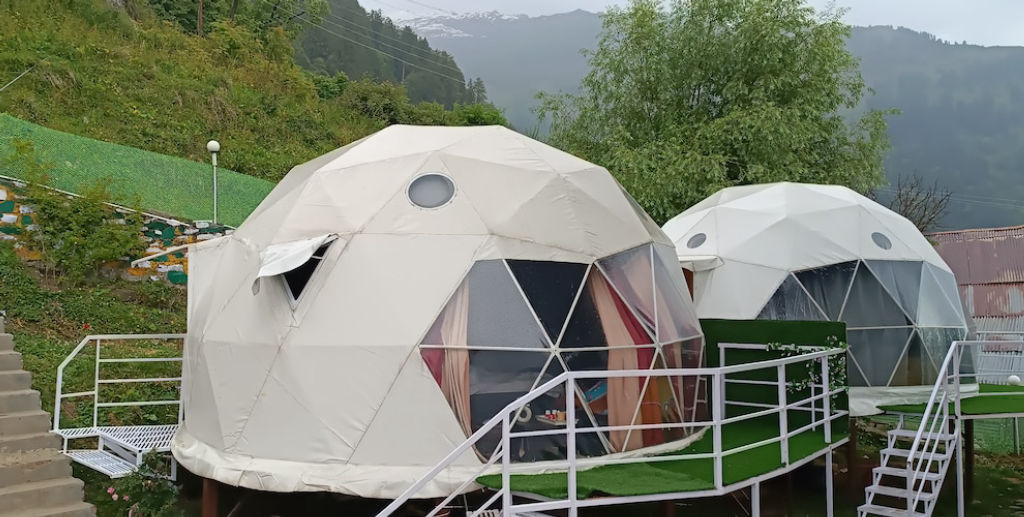
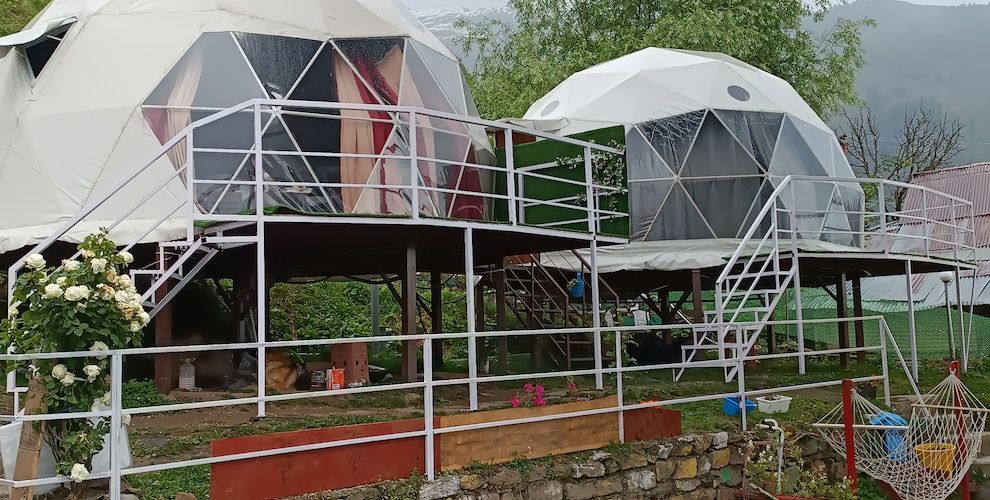
More places near Chanderkhani Pass
Within 20 km


Built from 0 Instagram posts by 0 creators. Every tip links back to the post it came from, and where creators disagree we show both sides.






