
Manibandh Shakti Peeth
Temple near Ganahera, Rajasthan
2.8 km from Ganahera
The nearest town, for stays, food and fuel.
Manibandh Shakti Peeth is a revered Hindu pilgrimage shrine situated along Kharekhari Road near Pushkar in Rajasthan. According to sacred tradition, it marks the spot where the wrists of Goddess Sati fell, drawing devotees and spiritual travellers from across India. Set against the rugged backdrop of the ancient Aravalli hills, the temple offers a quiet, contemplative atmosphere just a short distance from the bustling ghats of Pushkar.
Getting there
By road
- From GanaheraNearest town13 min · 4.6 km
- From Jaipur3 hr 15 min · 145 km
- From Jodhpur4 hr 20 min · 187 km
- From New Delhi7 hr 25 min · 459 km
Typical drive times without traffic. Stations and airports from OLA Maps; distances and typical drive times from OpenStreetMap (© OpenStreetMap contributors); notes from creators' Reels.
About Manibandh Shakti Peeth
Written with AI from map data and general knowledge. Check prices and timings locally before you go.
About Manibandh Shakti Peeth
Manibandh Shakti Peeth holds a distinctive position among the fifty-one sacred Shakti Peethas celebrated across the subcontinent. Rooted deeply in Hindu mythology, the shrine marks the legendary site where the wrists, or Manibandha, of Goddess Sati descended to earth following Lord Shiva's celestial dance of grief and destruction. In the sacred texts, the presiding goddess here is revered under forms such as Gayatri or Chamunda, flanked by the protective energy of Lord Bhairava, often worshipped in this region as Sarvananda.
While Pushkar is universally celebrated for its sacred lake and rare Brahma shrine, Manibandh Shakti Peeth provides an essential counterpart for pilgrims dedicated to Devi worship. It represents the primordial feminine energy, serving as a peaceful sanctuary where devotees arrive to offer prayers, fulfil vows, and experience the quiet sanctity of Rajasthan's traditional religious heritage. The temple's modest scale belies its profound spiritual weight, making it an essential stop for pilgrims mapping the geography of divine feminine power.
The Landscape and Rural Setting
Situated on the outskirts of Pushkar Rural along Kharekhari Road, Manibandh Shakti Peeth is immersed in a quintessentially semi-arid Rajasthani terrain. The surrounding landscape is characterized by gentle sandy rises, thorny acacia scrub, and the weathered granite ridges of the ancient Aravalli range. Unlike the crowded lanes surrounding Pushkar's central bazaars, this stretch retains a tranquil, rustic disposition.
Travellers visiting the site will observe pastoral life unfolding alongside spiritual routines. Grazing camels, wandering herds of goats, and local villagers in vibrant traditional attire are common sights along the approach. The temple complex itself is built with regional architectural sensibilities, harmonizing with the dry, sunny environment. The open skies and surrounding wilderness amplify the feeling of space and stillness, offering visitors a moment of calm away from heavy urban noise.
Read more
Best Time to Visit
The optimal time to plan a journey to Manibandh Shakti Peeth is during the cooler months from October to March. During this period, daytime temperatures across the Pushkar region remain pleasantly temperate, hovering between comfortable warmth and crisp evening coolness. This season provides ideal weather for exploring outdoor shrines, walking rural roads, and combining temple visits with desert exploration.
The periods of Chaitra Navratri in spring and Sharad Navratri in autumn are especially significant at this Shakti Peeth. During these nine-day observances, special prayers and spiritual rituals take place, bringing an enhanced devotional energy to the temple grounds. Conversely, the summer months from April to June bring intense desert heat with temperatures frequently soaring above forty degrees Celsius, making mid-day visits physically taxing. If travelling during early summer or late monsoon, early mornings and late afternoons are the best times to visit to avoid direct sun exposure.
How to Reach Manibandh Shakti Peeth
Manibandh Shakti Peeth is located roughly two kilometres outside the core town of Pushkar, making it easily accessible by regional transport. The most common gateway is the historic city of Ajmer, situated approximately fifteen kilometres away across the scenic Nag Pahar hill pass. Ajmer Junction is a major railway hub with frequent train links connecting to Delhi, Jaipur, Ahmedabad, and Mumbai. From Ajmer, regular local buses, shared taxis, and private cabs make the climb over the pass to Pushkar in roughly thirty to forty minutes depending on traffic.
For air travellers, Jaipur International Airport is the nearest major aviation facility, situated roughly one hundred and fifty kilometres to the northeast. From Pushkar's town centre, visitors can hire an auto-rickshaw, rent a local two-wheeler, or take a leisurely walk along Kharekhari Road to reach the temple. The route is straightforward and paved, passing through quiet rural stretches.
Places to Visit Nearby
A visit to Manibandh Shakti Peeth can be easily integrated into a broader exploration of the Pushkar and Ajmer belt. Just two kilometres from the shrine lies the sacred Pushkar Lake, ringed by fifty-two bathing ghats where evening aarti ceremonies create a vibrant atmosphere of light and chanted hymns. Adjacent to the lake sits the famous Jagatpita Shri Brahma Mandir, one of the very few dedicated temples to Lord Brahma in the world, renowned for its red spire and marble architecture.
For those interested in unique landscapes, the dumping yard at Kishangarh lies roughly thirty-five kilometres away. This vast expanse of snow-white marble slurry creates an unusual, stark white desert terrain that has become a popular viewpoint for photography and sightseeing. Additionally, the historic city of Ajmer features the grand Ajmer Sharif Dargah and the hilltop fortress of Taragarh, offering deeper insights into the layered cultural history of central Rajasthan.
Tips for Your Visit
When visiting Manibandh Shakti Peeth, it is important to observe regional cultural customs. Dress modestly, covering shoulders and knees, as is customary when entering Hindu places of worship. Shoes must be removed before stepping into the inner sanctum, so wear slip-on footwear that is easy to take off and put on.
Rajasthan's sun can be strong even in the winter, so carrying drinking water, a wide-brimmed hat, and sun protection is recommended. If you plan to attend early morning or evening prayers, carry a light shawl or sweater during the winter months, as temperatures drop noticeably once the sun sets over the desert. Check locally for any specific daily aarti timings or festival schedules, as rituals may vary according to the traditional Hindu lunar calendar.
Where to Stay
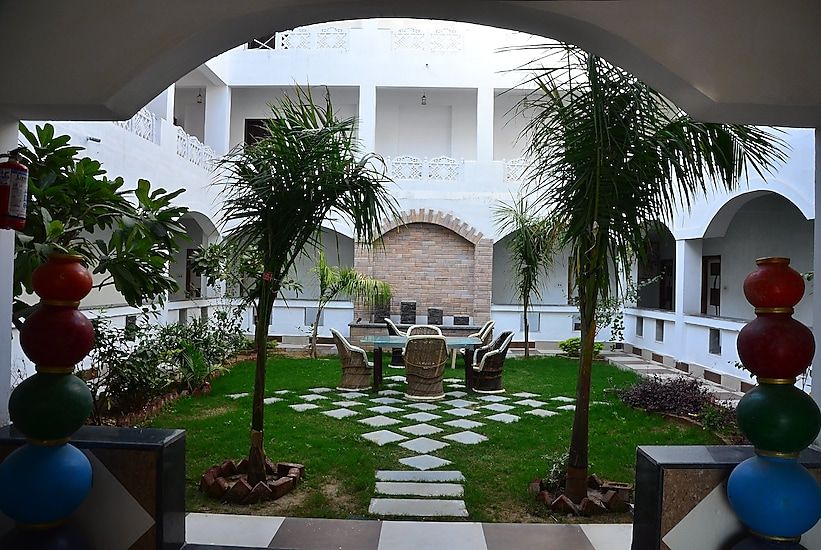
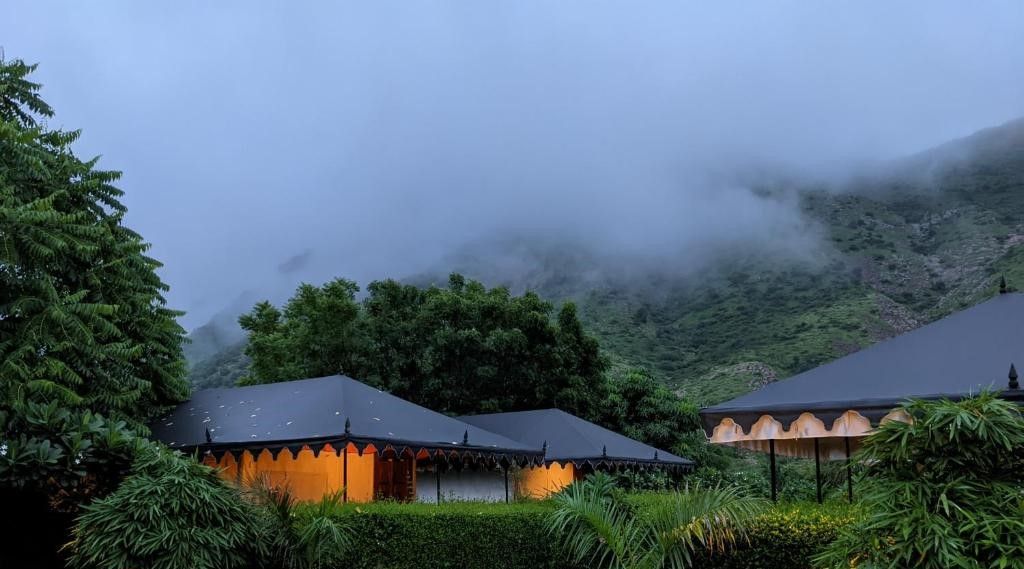
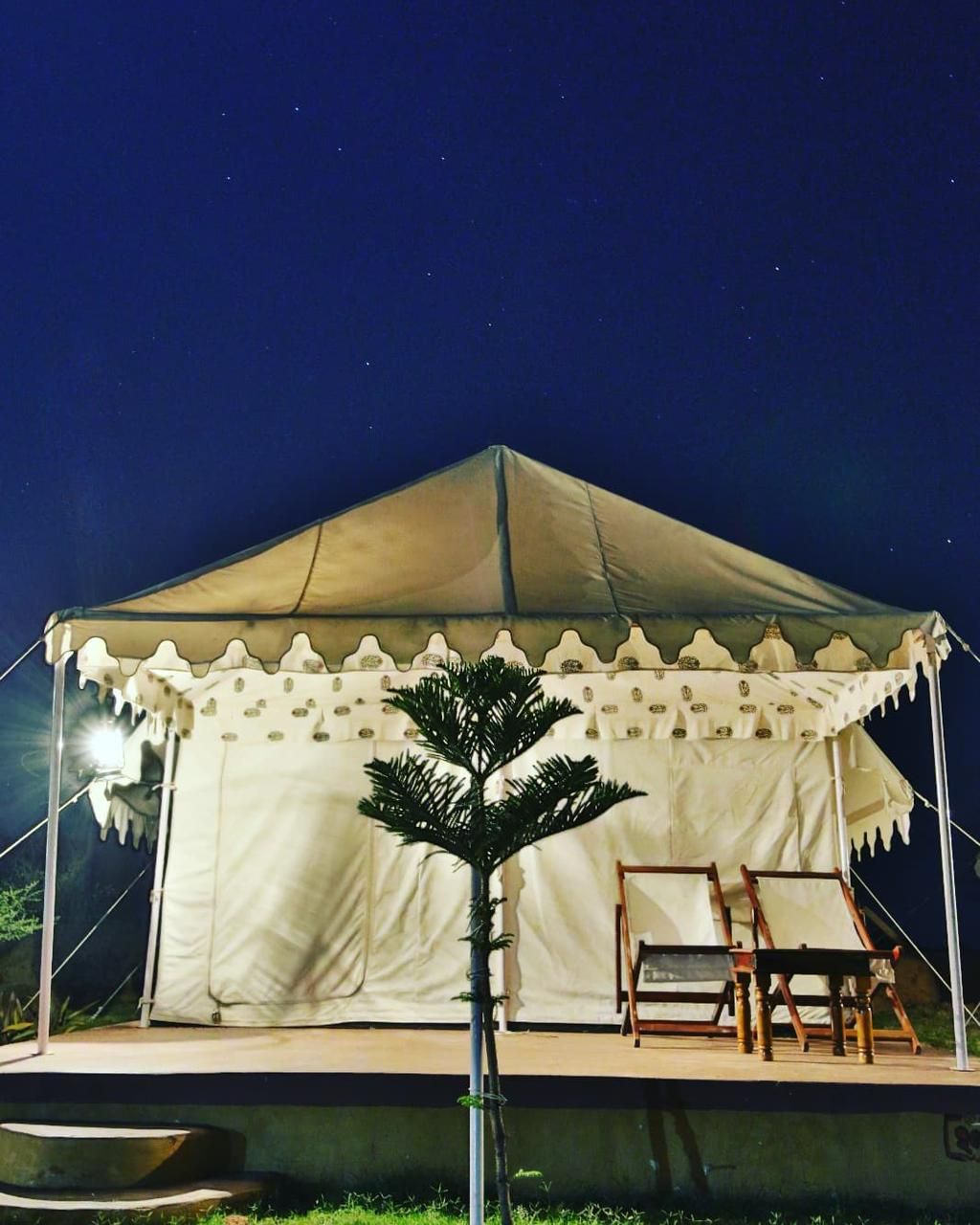
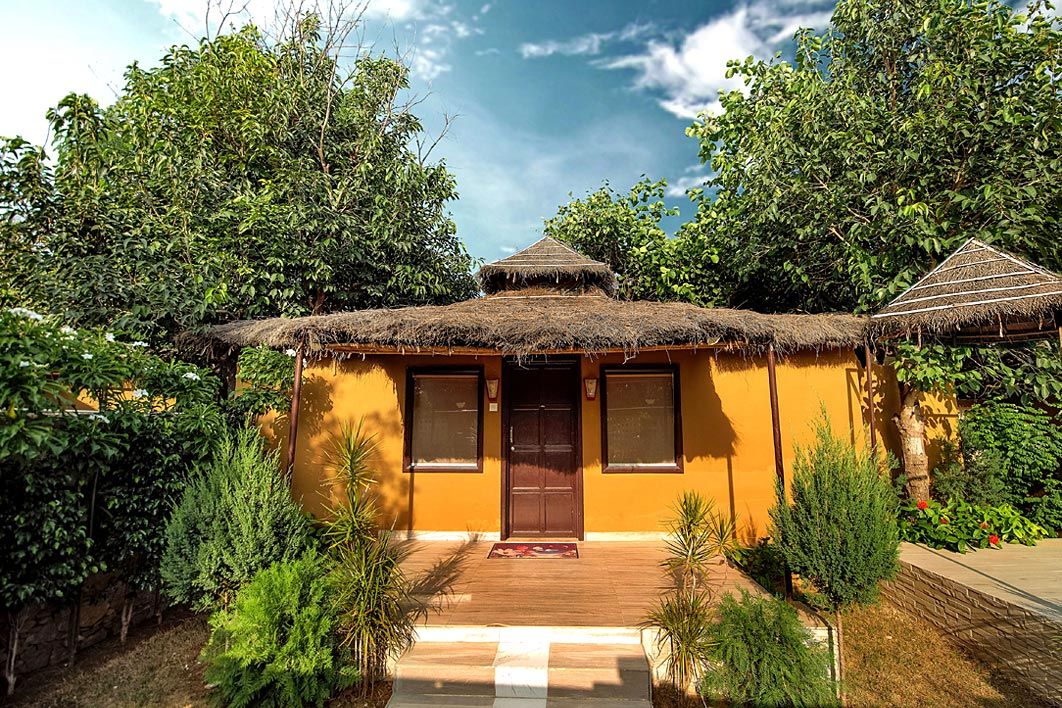
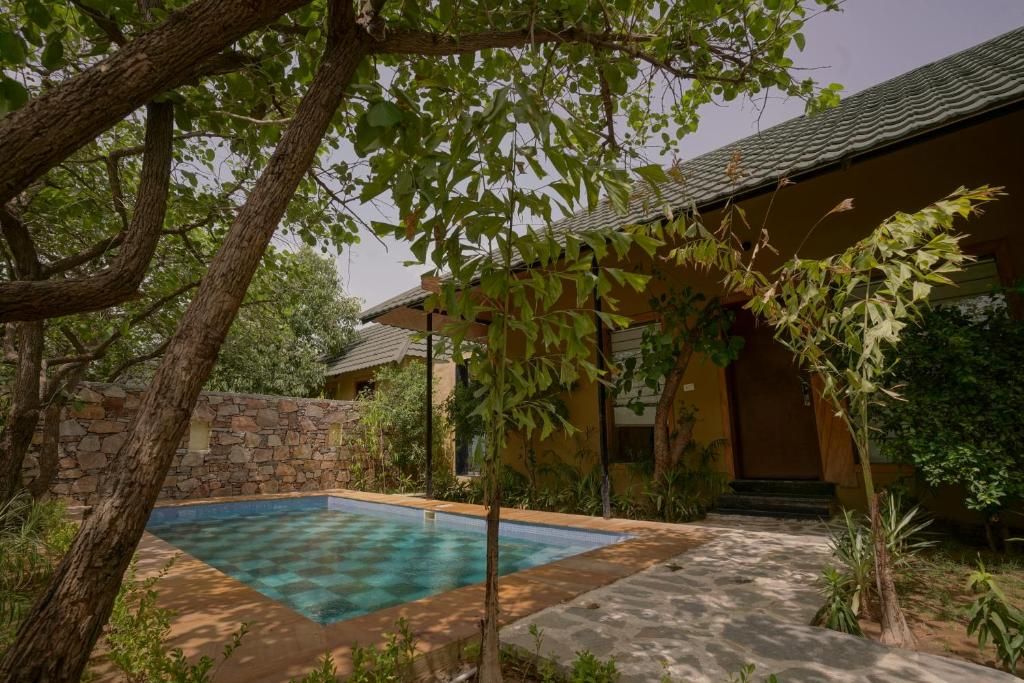
Pushkar offers a versatile range of accommodation styles, from tranquil desert campsites nestled in sandy valleys to traditional village homestays and heritage havelis. Staying slightly outside the town centre allows travellers to appreciate the silence of the desert night and the sweeping silhouettes of the Aravalli hills.
You can discover and book atmospheric campsites, eco-friendly rural lodges, and characterful homestays in and around Pushkar through HireACamp, ensuring a memorable base for your spiritual and cultural journeys in Rajasthan.
Frequently asked questions
What is the mythological significance of Manibandh Shakti Peeth?
Manibandh is recognized as one of the fifty-one sacred Shakti Peethas where Goddess Sati's wrists fell to earth, making it an important pilgrimage site for devotees of divine feminine energy.
How far is Manibandh Shakti Peeth from Pushkar town centre?
The temple is located approximately two kilometres from the main town centre and Pushkar Lake, making it an easy trip by auto-rickshaw, scooter, or a short walk along Kharekhari Road.
Are there specific festivals celebrated at the temple?
The temple witnesses heightened activity during the bi-annual Navratri celebrations, when special prayers and rituals are conducted in honor of the Goddess.
What is the best time of day to visit the temple?
Early mornings and late afternoons are the best times to visit to experience the daily aarti, enjoy cooler temperatures, and avoid the mid-day desert heat.
Where you'll be
Kharekhari Road, Pushkar Rural, Pushkar · 12 stays nearby shown with prices
Stays near Manibandh Shakti Peeth
Book a place to stay close by







More places near Manibandh Shakti Peeth
Within 20 km

Built from 0 Instagram posts by 0 creators. Every tip links back to the post it came from, and where creators disagree we show both sides.






