
Mulkharka Lake
Lake near Lingsey, Sikkim
2.9 km from Lingsey
The nearest town, for stays, food and fuel.
Mulkharka Lake is a tranquil Himalayan lake situated on the forested ridge connecting East Sikkim and the northern hills of Kalimpong in West Bengal. Revering it as a sacred wishing lake, travellers and pilgrims trek up through dense oak and rhododendron woods to reach its tranquil waters. It is widely visited for its peaceful atmosphere and the clear reflection of Mount Kanchenjunga visible across its surface on clear mornings.
Getting there
By road
- From LingseyNearest town17 min · 5.5 km
Typical drive times without traffic. Stations and airports from OLA Maps; distances and typical drive times from OpenStreetMap (© OpenStreetMap contributors); notes from creators' Reels.
About Mulkharka Lake
Written with AI from map data and general knowledge. Check prices and timings locally before you go.
About Mulkharka Lake
Mulkharka Lake is an alpine freshwater lake positioned high on the border dividing East Sikkim and the northern frontiers of Kalimpong district in West Bengal. Situated amidst lush pine, oak, and rhododendron forests, this serene water body is deeply revered by surrounding Lepcha and Nepali communities. Local legend considers it a sacred wishing lake, where travellers and pilgrims come to offer quiet prayers and seek blessings in the lap of nature.
Unlike more heavily commercialised lakes in the Eastern Himalayas, Mulkharka retains a raw, undisturbed atmosphere. Its banks are unpaved, bordered by native highland grasses, moss-draped branches, and vibrant prayer flags that flutter in the mountain breeze. A small shrine sits near the water edge, marking the sanctity of the site. For trekkers and nature lovers, the journey to the lake offers an immersive experience of rural Himalayan culture, passing through peaceful hamlets, terraced farmland, and dense temperate wilderness.
Trekking to Mulkharka Lake
Reaching Mulkharka Lake involves a scenic trek that is accessible to beginners while remaining thoroughly engaging for seasoned hikers. The walking trail usually commences from small settlement hubs such as Lingsey or Mulkharka village, winding steadily upward through mixed temperate woods and cardamom plantations. The ascent features gradual inclines along dirt footpaths, traditional stone steps, and winding forest tracks that reveal expansive valley vistas at every clearing.
Along the trail, hikers experience the warm hospitality of remote hill settlements where traditional wooden houses and kitchen gardens dot the landscape. As you gain elevation, the surrounding vegetation transitions into thick stands of oak, bamboo, and pine. The final stretch leading up to the lake crosses damp forest floors blanketed in ferns and lichen before the trees suddenly give way to the calm perimeter of the lake basin. Walking at an unhurried pace allows visitors to fully absorb the quiet beauty of the forest and listen to the abundant bird calls echoing through the canopy.
Read more
Best time to visit Mulkharka Lake
The climate around Mulkharka Lake is shaped by its elevation and proximity to the high Himalayan ranges, resulting in distinct seasonal changes throughout the year. The most popular periods to visit are during the spring season from March to May and the post-monsoon autumn months from October to November.
Spring brings pleasant temperatures during the daytime and marks the blooming season across the surrounding hills. During these months, the forested paths burst with brilliant red, pink, and white rhododendrons, accompanied by wild orchids and fresh mountain foliage. The weather remains mostly dry, making trekking conditions comfortable and trails secure underfoot.
Autumn, spanning October and November, is characterised by crystalline blue skies and remarkable atmospheric clarity. This is the prime window for witnessing the sharp, mirror-like reflection of Mount Kanchenjunga upon the lake surface in the early dawn hours. Winters from December to February bring biting cold and occasional frost along the upper ridges, offering striking solitude for well-prepared travellers. The monsoon months from June to September bring heavy downpours, slippery trails, and leeches, meaning outdoor excursions during this period require caution and local guidance.
Flora and fauna of the region
Mulkharka Lake rests within an ecological transition zone adjacent to the biodiverse tracts of Pangolakha Wildlife Sanctuary and the adjoining Neora Valley ecosystem. The surrounding forest canopy is rich and layered, dominated by Himalayan oaks, rhododendrons, magnolias, and bamboo thickets that thrive in the cool, moist mountain air.
This dense wilderness serves as a vital sanctuary for an array of wildlife species adapted to the sub-alpine environment. The forests provide habitat for mammals such as the red panda, Himalayan black bear, barking deer, and various species of civets and flying squirrels. Birdwatchers will find the region particularly rewarding, as the canopy shelters vibrant avifauna including blood pheasants, laughingthrushes, flycatchers, sunbirds, and minivets. Observing these birds often requires patience, as the mist frequently weaves through the tall branches, creating an atmospheric woodland setting.
How to reach Mulkharka Lake
Travel to Mulkharka Lake generally begins from the transport hubs of Siliguri, New Jalpaiguri, or Bagdogra in West Bengal. From these transit points, travellers can take shared or reserved mountain vehicles heading toward Kalimpong or up toward the border town of Rhenok. Rhenok serves as an important junction town, linking East Sikkim with the neighbouring hills.
From Rhenok or nearby entry points like Pedong, secondary mountain roads lead toward base villages such as Lingsey. These roads can be narrow and steep, winding through dense mountain terrain. Once at the roadhead or base village, the remainder of the journey to the lake is completed on foot via the uphill walking trail. Because mountain road conditions can change depending on rainfall and maintenance, it is advisable to check local road status and weather reports before heading out.
Places to visit nearby
The region around Mulkharka Lake offers several worthwhile detours for travellers exploring East Sikkim and upper Kalimpong. Outdoor enthusiasts can undertake treks toward Richi La, a prominent high peak located along the forested ridgeline that delivers panoramic vistas spanning Sikkim, West Bengal, and the plains of North Bengal. Tiffin Dara, another elevated vantage point in the area, offers sweeping sunset and sunrise perspectives over the eastern Himalayas.
For those interested in regional heritage and Buddhist culture, the surrounding area is dotted with historic gompas. Sangchen Dorjee Gonpa and Kagyu Thekchen Ling Monastery showcase colourful Tibetan architectural traditions, intricate murals, and peaceful prayer halls. Further afield, Rumtek Monastery stands as one of Sikkim's grandest monastic complexes, renowned for its golden stupa and deep spiritual heritage. Exploring these nearby sites provides a well-rounded itinerary combining highland nature and local cultural traditions.
Tips for your visit
When planning a trek to Mulkharka Lake, preparing appropriate clothing and gear is essential for a safe and comfortable trip. Weather in the Eastern Himalayas can shift rapidly, bringing sudden fog, wind, or drop in temperature even on days that begin bright and sunny. Dressing in layers, carrying a dependable windproof and waterproof jacket, and wearing sturdy trekking shoes with good grip are strongly recommended.
Mulkharka is considered a sacred lake by local residents, so visitors are expected to maintain respectful behaviour. Avoid littering, do not throw objects or waste into the water, and refrain from bathing or washing clothes in the lake. It is best to carry reusable water bottles and pack all non-biodegradable waste back down to the nearest town for proper disposal. Additionally, carrying a small basic medical kit, a flashlight, and sufficient cash is sensible, as digital payment connectivity can be unreliable in high-altitude hamlets.
Where to stay near Mulkharka Lake
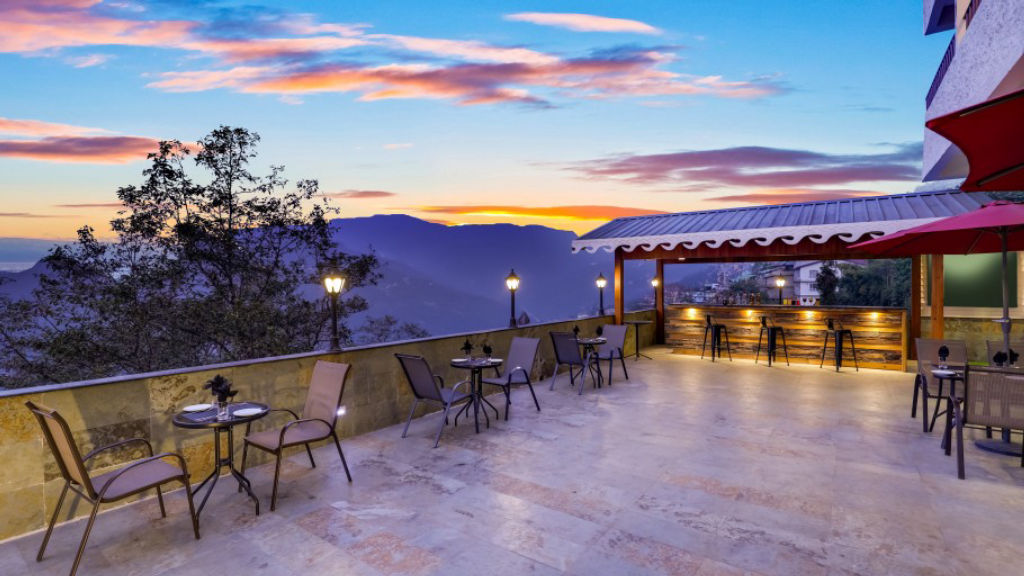
Accommodation near Mulkharka Lake primarily consists of community-run homestays and rustic mountain camps situated in the surrounding villages such as Lingsey and Mulkharka. Staying in a local homestay offers travellers a warm and authentic glimpse into village life, featuring home-cooked meals prepared with locally sourced ingredients and genuine mountain hospitality.
For those who wish to spend their nights closer to nature under open skies, outdoor camping setups can be found in designated areas along the trekking circuit. Travellers can find and book vetted homestays, wilderness retreats, and scenic campsites across Sikkim and the Kalimpong hills directly on HireACamp. Booking in advance is recommended during the peak trekking months of spring and autumn.
Frequently asked questions
Where is Mulkharka Lake located?
Mulkharka Lake is located along the forested border ridge between East Sikkim and the Kalimpong district of West Bengal, near the town of Rhenok.
Can you see Mount Kanchenjunga from Mulkharka Lake?
Yes, on clear mornings, particularly during the autumn months of October and November, Mount Kanchenjunga is visible and reflects directly onto the surface of the lake.
How difficult is the trek to Mulkharka Lake?
The trek is generally considered moderate and suitable for beginners, passing through village trails, terraced slopes, and forested paths from base points like Lingsey or Mulkharka village.
What is the best time of year to visit Mulkharka Lake?
The best times to visit are during spring from March to May for blooming rhododendrons and mild weather, and autumn from October to November for the clearest mountain views.
Are there places to stay near Mulkharka Lake?
Yes, traditional village homestays and camping options are available in the base settlements and surrounding hamlets, and reservations can be explored on HireACamp.
Where you'll be
East Sikkim, Kalimpong - II, WB · 2 stays nearby shown with prices
Stays near Mulkharka Lake
Book a place to stay close by
More places near Mulkharka Lake
Within 20 km

Lists for this area
Ranked by how many creators recommend each place


Built from 0 Instagram posts by 0 creators. Every tip links back to the post it came from, and where creators disagree we show both sides.






