
Mankhim Rai Temple
Temple near Aritar, Sikkim
1.5 km from Aritar
The nearest town, for stays, food and fuel.
Mankhim Rai Temple is a hilltop sacred shrine of the indigenous Rai community situated above Aritar in East Sikkim. Set amidst quiet pine forests with expansive views across Lampokhari Lake and the Eastern Himalayan peaks, it attracts visitors interested in indigenous heritage and mountain vistas. The temple grounds provide a serene vantage point to pause, take in Sikkim's forested valleys, and experience the cultural traditions of the region.
Getting there
By road
- From AritarNearest town4 min · 3.4 km
Typical drive times without traffic. Stations and airports from OLA Maps; distances and typical drive times from OpenStreetMap (© OpenStreetMap contributors); notes from creators' Reels.
About Mankhim Rai Temple
Written with AI from map data and general knowledge. Check prices and timings locally before you go.
About Mankhim Rai Temple
Mankhim Rai Temple stands on a high ridge in Hattiphire near Aritar, within the Rongli subdivision of East Sikkim. It is an important place of worship for the Kirat Rai community, one of the oldest indigenous groups of the eastern Himalayas. The temple represents the age-old nature-venerating customs of the Rais, whose spiritual beliefs are rooted in ancestral reverence and an intimate relationship with earth, water, and forests.
Unlike traditional tiered pagoda or shikhara shrines, Mankhim is architecturally simple, open, and attuned to its natural environment. The structure rests on a cleared terrace enveloped by tall trees, offering a peaceful space for prayer and quiet reflection. Devotees visit throughout the year to offer prayers for good harvest, health, and family well-being, while travellers come to learn about Sikkim's diverse living traditions.
The Viewpoint and Landscape
One of the most compelling aspects of Mankhim Rai Temple is its commanding geographical position. From the edge of the temple compound, visitors can gaze down upon the emerald waters of Lampokhari Lake, also known as Aritar Lake, which sits nestled in the bowl of the valley below. The contrast between the dark pine-fringed lake and the surrounding terraced village slopes makes for an exceptional visual treat.
On mornings with clear skies, the horizon opens up to reveal dramatic panoramas of the snow-crowned peaks of the Kanchenjunga range. Even when mountain mist drifts in from the Teesta and Rongli valleys, the temple knoll takes on an ethereal quality as clouds brush across the canopy and wrap the shrine in quiet seclusion.
Read more
Cultural Heritage and Festivals
The Rai culture practiced here is deeply tied to the natural calendar of the hills. Central to their spiritual practice is Sakewa, the agricultural festival celebrated with traditional dances, songs, and communal offerings. During festival periods, the temple premises come alive with locals dressed in colourful traditional attire, including handwoven fabrics and distinctive ornaments.
Priests, known locally as Bijuwas or Mangpas, conduct nature-centred rituals invoking protection from natural elements and expressing gratitude for bountiful crops. For visitors fortunate enough to visit during these occasions, Mankhim Rai Temple provides a genuine window into the folk heritage and resilient customs that have shaped the rural communities of Sikkim for generations.
Best Time to Visit Mankhim
The optimal time to visit Mankhim Rai Temple is between October and December, when post-monsoon skies are clear, the mountain air is fresh, and views of distant Himalayan ranges are at their sharpest. Daytime temperatures are pleasant for walking around the ridge, though evenings can turn cold quickly.
Spring, running from March through May, is another wonderful period to plan a trip. During these months, the surrounding forests burst with seasonal blooms, including orchids and wild rhododendrons, and the temperatures remain mild. The monsoon season from June to September brings heavy rains and occasional landslides along mountain roads, making travel slower and obscuring mountain panoramas, though the hillsides become remarkably lush and green.
How to Reach Mankhim Rai Temple
To reach Mankhim Rai Temple, travellers typically head towards the village of Aritar or the nearby sub-divisional town of Rongli. The nearest major railway hub is New Jalpaiguri, and the nearest commercial airport is Bagdogra, both located in West Bengal. From these transit hubs, you can hire vehicles or take shared taxis that wind up through the Teesta River valley via Rangpo and Rorathang towards Rongli and Aritar.
From the village centre of Aritar, a short uphill motorable road leads towards the temple ridge. Travellers who enjoy walking can also take a well-trodden walking trail that ascends from near Lampokhari Lake up to Mankhim, winding through quiet forest patches and small hillside hamlets.
Tips for Your Visit
Mankhim Rai Temple is a functioning place of worship, so modest clothing and respectful conduct are expected. Remove your footwear before stepping onto the primary sanctum areas, and always seek permission before photographing worshippers or ritual items during ceremonies.
Because the temple is perched on an exposed hilltop, winds can pick up unexpectedly, so carrying a windbreaker or a light woollen layer is advisable even on sunny days. If you plan to walk up the trail from the lake, sturdy footwear with good grip will help you navigate uneven steps and gravel. Carry a reusable water bottle, and take care to carry any personal trash back down to keep the sacred grounds clean.
Places to Explore Nearby
A visit to Mankhim Rai Temple is easily paired with other natural and cultural sites in East Sikkim. Just below the hill lies Lampokhari Lake, an ancient natural lake that is one of the oldest in the state, offering gentle walking paths around its rim. The surrounding village of Aritar offers peaceful paths through cardamom plantations and pine groves.
Further up the valley towards Rongli and beyond, the terrain climbs toward the high-altitude forests of Pangolakha Wildlife Sanctuary and historic trading tracks leading to viewpoints like Lungthung. These surrounding highlands are rich in birdlife and alpine flora, making the entire circuit a rewarding destination for slow travel.
Where to Stay near Mankhim
Accommodation options in and around Aritar and Rongli lean towards intimate, community-run stays that let travellers experience warm Sikkimese hospitality. You will find family-run homestays, hillside cottages, and rural retreats situated within walking distance of local trails and orange orchards.
For travellers seeking peaceful campsites, traditional wooden homestays, or scenic hill getaways throughout the Aritar and Rongli area, you can discover and reserve verified stays directly on HireACamp.
Frequently asked questions
What is Mankhim Rai Temple known for?
Mankhim Rai Temple is known as an indigenous sacred shrine of the Kirat Rai community and for its panoramic hilltop views overlooking Lampokhari Lake and the Himalayan mountain ranges.
Where is Mankhim Rai Temple located?
The temple is located on the ridge above Aritar village, near the town of Rongli in East Sikkim, India.
Can I walk to Mankhim Rai Temple from Lampokhari Lake?
Yes, there is a dedicated uphill walking path that connects Lampokhari Lake to the temple ridge, as well as a motorable road for vehicles.
What is the best time of year to visit Mankhim?
The best months to visit are from October to December for crisp air and panoramic mountain views, and from March to May for mild weather and forest flowers.
Do I need any special permits to visit Mankhim Rai Temple?
Aritar and Mankhim generally do not require special inner line permits for Indian citizens, though foreign nationals should check current Sikkim entry regulations locally, as some border-adjacent parts of Rongli subdivision have permit requirements.
Where you'll be
Aritar, Rongli · 2 stays nearby shown with prices
Stays near Mankhim Rai Temple
Book a place to stay close by
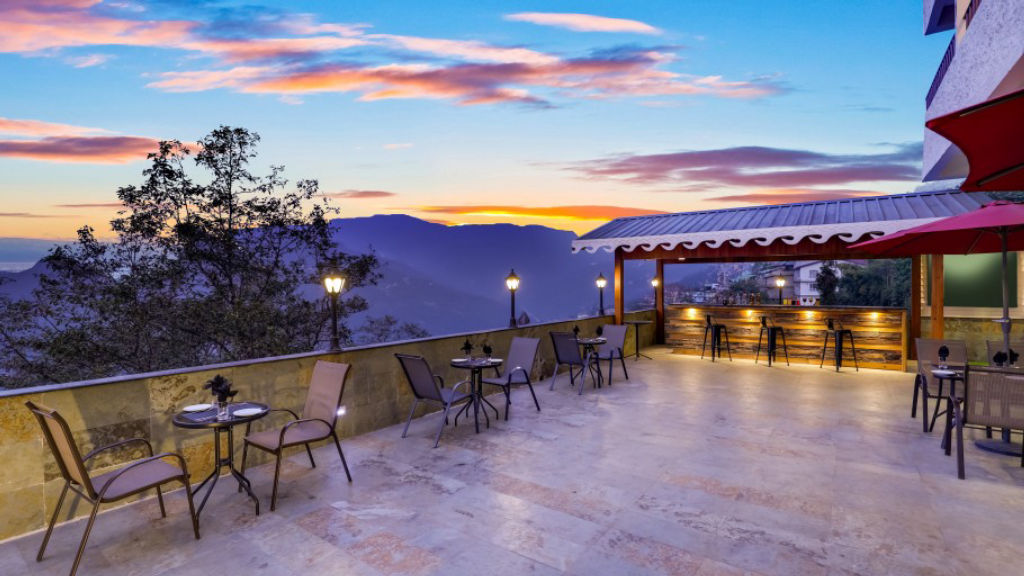
More places near Mankhim Rai Temple
Within 20 km

Lists for this area
Ranked by how many creators recommend each place


Built from 0 Instagram posts by 0 creators. Every tip links back to the post it came from, and where creators disagree we show both sides.






