
Pangolakha Wildlife Sanctuary
Forest near Padamchen, Sikkim
4.4 km from Padamchen
The nearest town, for stays, food and fuel.
Pangolakha Wildlife Sanctuary is a protected high-altitude forest reserve situated in the East Sikkim district near the town of Rhenok. Spanning varied elevations that transition from dense temperate woods to alpine scrub, it serves as an essential wildlife corridor connecting Sikkim, Bhutan, and North Bengal. Travellers visit to explore its serene rhododendron-covered trails, observe diverse Eastern Himalayan birdlife, and take in dramatic mountain views.
Getting there
By road
- From PadamchenNearest town6 min · 5.2 km
Typical drive times without traffic. Stations and airports from OLA Maps; distances and typical drive times from OpenStreetMap (© OpenStreetMap contributors); notes from creators' Reels.
About Pangolakha Wildlife Sanctuary
Written with AI from map data and general knowledge. Check prices and timings locally before you go.
About Pangolakha Wildlife Sanctuary
Pangolakha Wildlife Sanctuary covers a scenic swath of eastern Sikkim, sitting right along the geographic tri-junction between Sikkim, Bhutan, and West Bengal's Neora Valley. The terrain spans steep vertical gradients, which means that within relatively short distances, the habitat changes from temperate broadleaf forests to subalpine coniferous forests and rugged alpine meadows.
Characterized by misty ridges, deep ravines, and high-altitude lakes that freeze over during winter, the sanctuary is an untouched natural landscape. For travellers venturing into East Sikkim through Rhenok and the adjoining mountain corridors, the forest provides a quiet retreat deep into the Eastern Himalayan wilderness.
Flora and Fauna of Pangolakha
Due to its varying altitude and untouched canopy, the sanctuary shelters an exceptional range of plant and animal life. The lower belts are filled with oak, bamboo, and magnolia trees, providing a critical feeding ground for the elusive red panda, the state animal of Sikkim. Come spring, vast swathes of rhododendrons bloom across the ridges in shades of pink, white, and red.
Higher up, fir and pine forests shelter mammals such as the Himalayan black bear, musk deer, barking deer, leopard cat, and the occasional takin moving along border ridges. The sanctuary is also a haven for birdwatchers, who come to look for high-altitude species including the blood pheasant, Himalayan monal, kalij pheasant, and several varieties of laughingthrushes and warblers.
Read more
Best Time to Visit Pangolakha Wildlife Sanctuary
The high elevation of the sanctuary brings noticeable seasonal shifts, making timing an important part of your travel planning. Spring, from mid-March through May, is one of the most rewarding times to travel here. During these months, the forest slopes are bright with wild rhododendrons, day temperatures remain pleasant, and birds are active throughout the canopy.
Autumn, from October to late November, is another favored window. The monsoon rains subside, leaving behind clear blue skies and sharp, sweeping views of distant mountain ranges. Winter brings heavy snowfall to the upper elevations, creating picturesque white landscapes, though road conditions can become difficult due to black ice. The monsoon season between June and September brings heavy rainfall and a heightened risk of landslides, so travel is generally less recommended during these months.
Things to Do at Pangolakha Wildlife Sanctuary
Experiences here focus on gentle immersion in the natural environment. Birdwatching and wildlife spotting along the forest edges are popular pastimes. Carrying a good pair of binoculars and taking early morning walks along designated paths will give you the best chance of spotting native Himalayan birds.
Landscape and nature photography is another highlight. The shifting mist, moss-draped branches, cascading mountain streams, and vast ridge lines offer continuous inspiration for photographers. Beyond the natural trails, visiting nearby high-elevation passes and rural hamlets allows you to observe traditional village life and enjoy panoramic vistas over the surrounding valleys.
How to Reach Pangolakha Wildlife Sanctuary
The main access point toward Pangolakha Wildlife Sanctuary is the foothill settlement of Rhenok in East Sikkim. From Rhenok, winding mountain roads lead upwards into the forest belt. Travellers arriving by air can fly to Pakyong Airport in Sikkim or Bagdogra Airport in West Bengal. The nearest major railway hubs are Siliguri and New Jalpaiguri, from which shared or private taxis run to East Sikkim.
Because the sanctuary lies along an international border region, access is regulated. Indian travellers and foreign visitors generally need special travel permits to enter parts of this area. It is important to check the latest permit regulations with local Sikkim tourism offices or local administration before setting out. Mountain roads can be narrow and rough in sections, so travel in a high-clearance vehicle with an experienced local driver is advisable.
Places to Visit Nearby
A trip to the sanctuary can easily be combined with exploring cultural and natural sights across the wider East Sikkim region. Further north and west along the hill routes, prominent spiritual sites like Rumtek Monastery offer a peaceful look into Tibetan Buddhist architecture, housing historic prayer halls, colorful murals, and panoramic views of the hills.
The adjoining countryside is dotted with small mountain hamlets, terraced fields, and quiet streams that reveal the gentle pace of rural life in Sikkim. Pausing in these small settlements gives travellers a chance to sample authentic local food and learn about regional traditions.
Where to Stay near Pangolakha
Because the core sanctuary is a protected ecosystem, lodging options within the reserve itself are minimal. However, several welcoming homestays and community-run guesthouses are scattered in the surrounding villages and border hamlets near Rhenok.
Staying in a village homestay allows you to enjoy freshly prepared local meals, wood-fired hearths, and warm mountain hospitality. You can explore a variety of scenic homestays, nature retreats, and outdoor campsites situated near Pangolakha Wildlife Sanctuary on HireACamp.
Frequently asked questions
Where is Pangolakha Wildlife Sanctuary located?
Pangolakha Wildlife Sanctuary is situated in the East Sikkim district of Sikkim, India, near the border town of Rhenok and adjacent to Bhutan and West Bengal.
Do I need a permit to visit the sanctuary?
Yes, because the sanctuary sits in a sensitive border belt, travel permits are generally required for visitors. You should check current entry guidelines with local Sikkim authorities before your journey.
What wildlife can you see in Pangolakha Wildlife Sanctuary?
The sanctuary is home to red pandas, Himalayan black bears, musk deer, and various high-altitude birds such as the blood pheasant and Himalayan monal.
When is the best time of year to visit?
The best periods to visit are spring from mid-March to May for blooming rhododendrons, and autumn from October to November for clear skies and crisp mountain vistas.
Are there accommodations available near the sanctuary?
Accommodations inside the protected zone are restricted, but homestays, village lodges, and nature camps are available in nearby hamlets and can be booked on HireACamp.
Where you'll be
Sikkim, SK · 1 stay nearby shown with prices
Stays near Pangolakha Wildlife Sanctuary
Book a place to stay close by
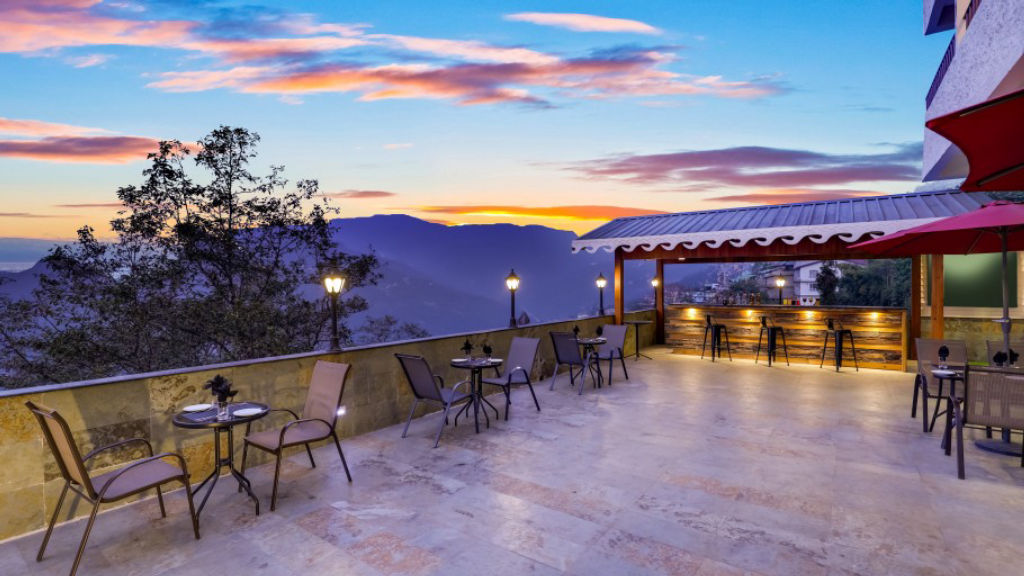
More places near Pangolakha Wildlife Sanctuary
Within 20 km
Lists for this area
Ranked by how many creators recommend each place


Built from 0 Instagram posts by 0 creators. Every tip links back to the post it came from, and where creators disagree we show both sides.






