
Nagarhole National Park
National park near Hunasekuppe
14 km from Hunasekuppe
The nearest town, for stays, food and fuel.
Nagarhole National Park, also known as Rajiv Gandhi National Park, spans the scenic forest corridors of Mysuru and Kodagu districts in southern Karnataka. Forming an integral part of the Nilgiri Biosphere Reserve, the park is celebrated for its dense teak and rosewood canopies, riverine habitats, and rich wildlife populations that include Bengal tigers, leopards, and large herds of Asian elephants.
Getting there
By road
- From HunasekuppeNearest town3 hr · 51 km
- From Mysuru3 hr 55 min · 85 km
- From Bengaluru6 hr 15 min · 233 km
- From Mangaluru7 hr 20 min · 268 km
Typical drive times without traffic. Stations and airports from OLA Maps; distances and typical drive times from OpenStreetMap (© OpenStreetMap contributors); notes from creators' Reels.
About Nagarhole National Park
Written with AI from map data and general knowledge. Check prices and timings locally before you go.
About Nagarhole National Park
Nagarhole National Park takes its name from the Kannada words 'naga' meaning snake and 'hole' meaning stream, referring to the winding serpentine streams that carve through its moist deciduous forests. Originally maintained as an exclusive hunting ground by the rulers of the Kingdom of Mysore, the region was declared a wildlife sanctuary in the mid-twentieth century before gaining national park status and eventual designation under Project Tiger.
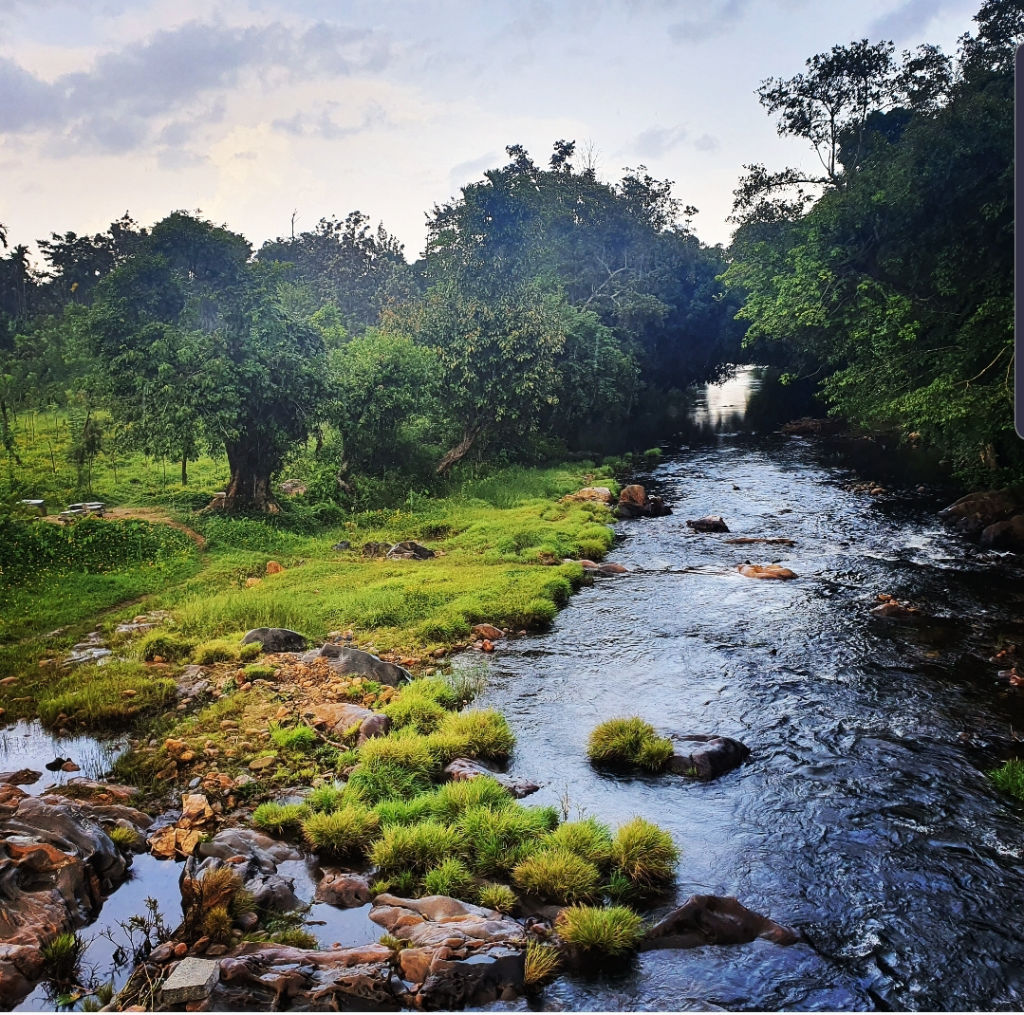
Today, Nagarhole represents one of the most critical habitats for major carnivores and herbivores in southern India. Bordered by the Bandipur Tiger Reserve to the southeast and Wayanad Wildlife Sanctuary across the Kerala state border, this interconnected landscape creates a contiguous forest sanctuary that allows wildlife to migrate across traditional corridors without human barriers. The park is gently framed by the Kabini River, whose reservoir forms a perennial lifeline for the flora and fauna across the drier months.
Wildlife and Safaris at Nagarhole
The park supports a remarkably high density of large herbivores and apex predators. Visitors venturing on safari tracks commonly encounter chital, sambar deer, Indian muntjac, and large troops of bonnet macaques and grey langurs. The park is particularly famous for harbouring healthy breeding populations of Bengal tigers, leopards, and the elusive black panther that occasionally roams the Kabini forest range. Wild dogs, or dholes, also hunt in well-coordinated packs across the forest clearings.
Safaris into Nagarhole are conducted through designated forest ranges, primarily divided between the Nagarahole side towards Virajpet and the Kabini side bordering H.D. Kote. Both vehicle safaris and boat safaris on the Kabini River are operated under forest department management. A boat safari offers quiet views of aquatic birds, marsh crocodiles basking along mud banks, and vast herds of elephants grazing peacefully along the shoreline as the sun lowers.
Read more
Best Time to Visit Nagarhole
Nagarhole experiences distinct seasonal shifts that dramatically alter forest conditions and animal movement. The winter months from November to February bring mild temperatures, cool mornings, and relatively clear skies, making this the most comfortable time for morning and afternoon safaris. The landscape stays lush following the monsoon rains, offering scenic backdrops for photography.
From March to May, summer sets in and the forest canopy gradually thins out. While daytime temperatures can be warm, this season is widely considered ideal for wildlife enthusiasts because animals gather in large numbers around receding waterholes and along the banks of the Kabini reservoir. The monsoon season from June to September brings torrential rainfall that revitalises the foliage and refills streams, though heavy rain can sometimes lead to temporary route closures or muddy safari conditions. Checking seasonal weather conditions locally before finalising travel plans is always recommended.
How to Reach Nagarhole National Park
Nagarhole National Park is well connected by roadway to major cities across Karnataka and northern Kerala. Mysore is the nearest major railhead and domestic airport hub, situated approximately eighty kilometres away. The drive from Mysore takes between two and two and a half hours, passing through pleasant rural countryside and quiet forest fringe roads.
From Bengaluru, the park is roughly two hundred and twenty kilometres away, with typical driving times ranging between four and a half to five and a half hours depending on traffic along the highway corridors. Travelers visiting from Kannur in Kerala can reach the southern entry gates in about two and a half to three hours. Regular state transport buses connect Mysore and Virajpet to towns near the forest border, though hiring a private cab or self-driving allows greater flexibility when attending early morning safari schedules.
Places to Visit Nearby
A trip to Nagarhole pairs naturally with several scenic and cultural landmarks in the surrounding taluks. Nearby, the Nugu Dam and its adjoining Nugu Wildlife Sanctuary offer quiet water views and undisturbed forest stretches away from mainstream tourist traffic. The reservoir backwaters here are scenic and popular with birdwatchers looking for peaceful photography spots.
A short drive towards the Hunsur and Periyapatna regions leads to historic Tibetan settlements, where you can visit monuments such as the Dzongkar Choede Monastery and Chowkur Tibetan Monastery. These centers offer peaceful courtyards, vivid Tibetan murals, and an opportunity to explore unique craft shops and traditional Tibetan culinary flavours. You can also head deeper into the coffee-growing estates of Kodagu to explore temple heritage sites such as Chikka Devamma Temple perched on nearby ridges.
Tips for Your Visit
Because safari entries into the national park are regulated to protect wildlife, planning your permits and safari registrations well in advance is essential, particularly on weekends and holiday periods. Always carry valid government photo identification, which is checked at the entry gates before departures.
Dress in muted, earthy colours such as olive green, khaki, brown, or beige to blend into the forest surroundings. Bright clothing can startle wild animals and draw unwanted attention. Pack a light jacket or shawl for early morning safaris, as forest air can be crisp even in warmer months. Respect park regulations by maintaining silence, remaining seated inside safari vehicles, and strictly refraining from littering or carrying single-use plastic inside protected zones.
Where to Stay Near Nagarhole
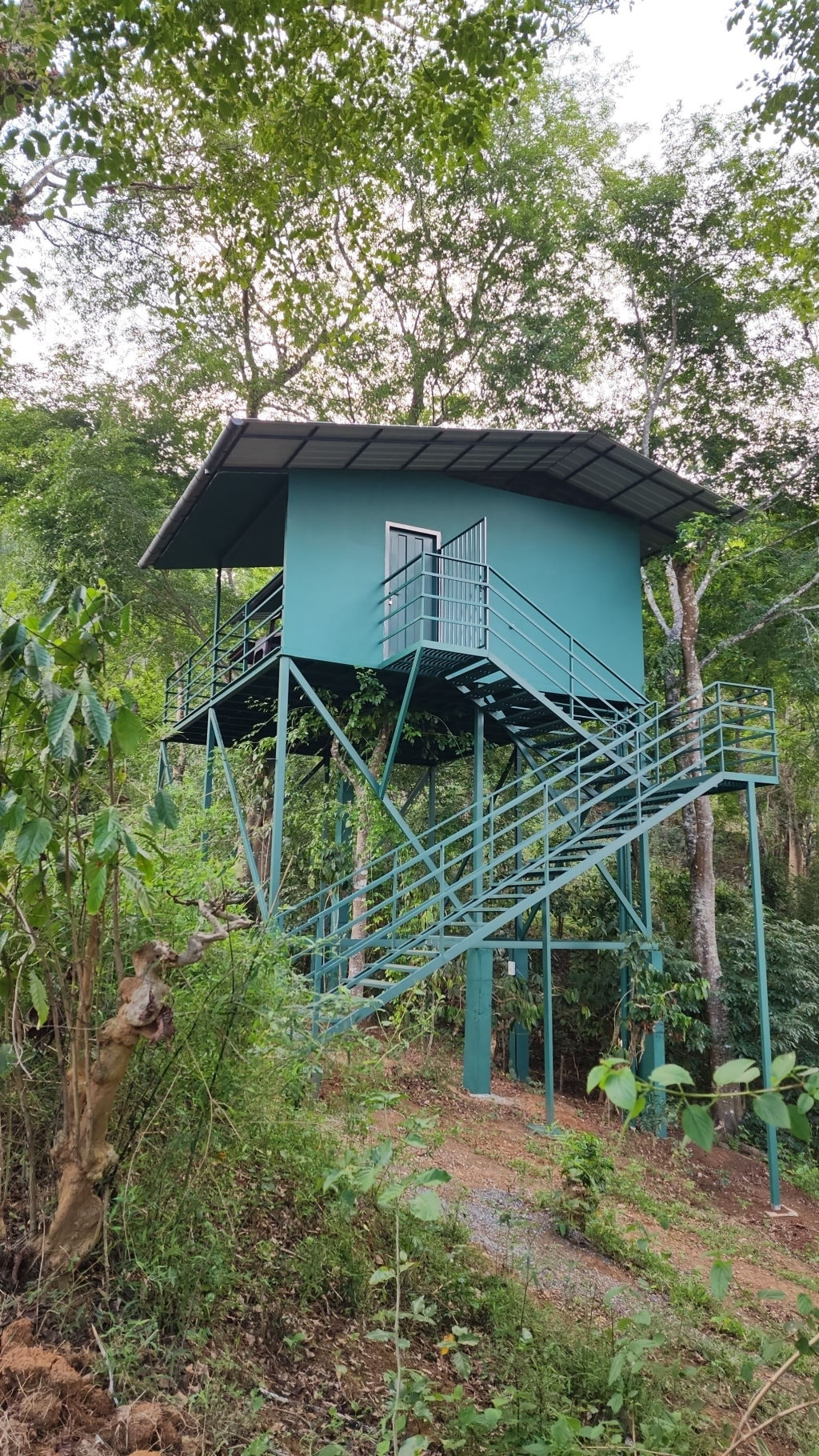
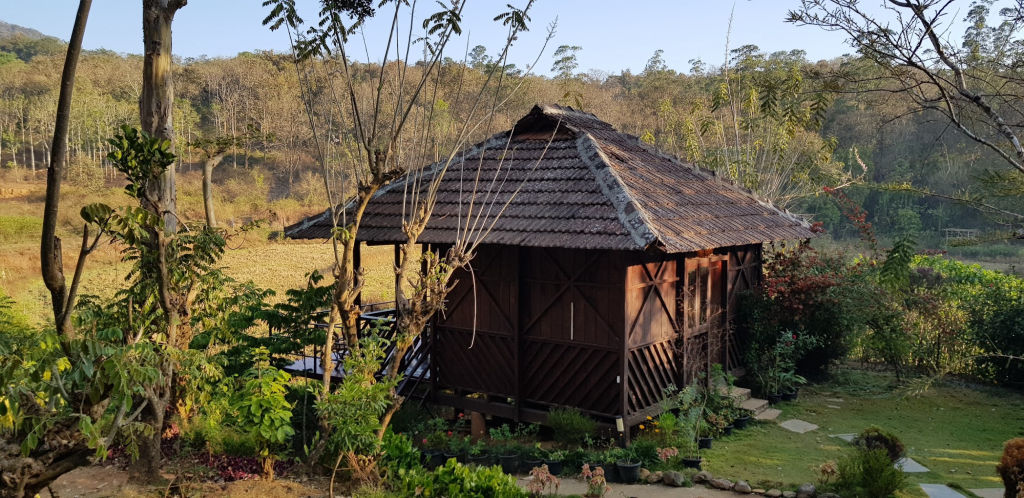
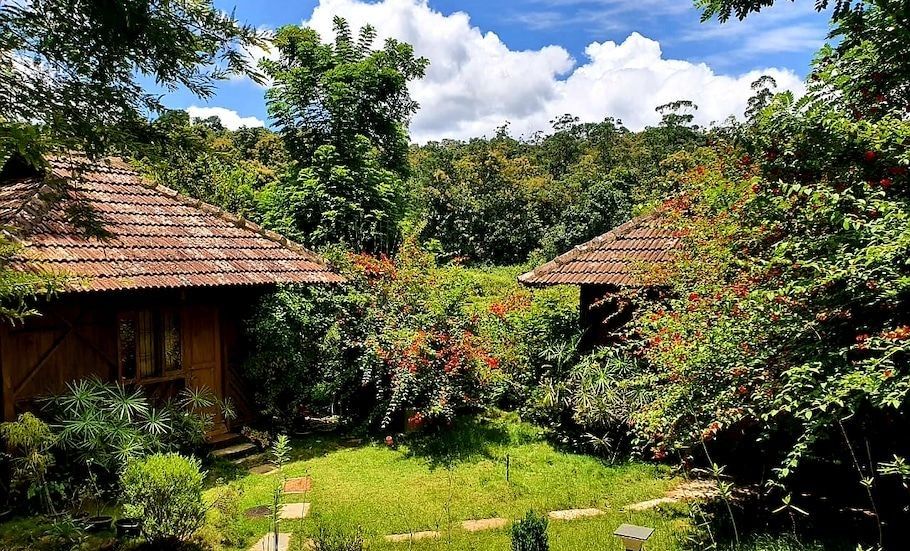
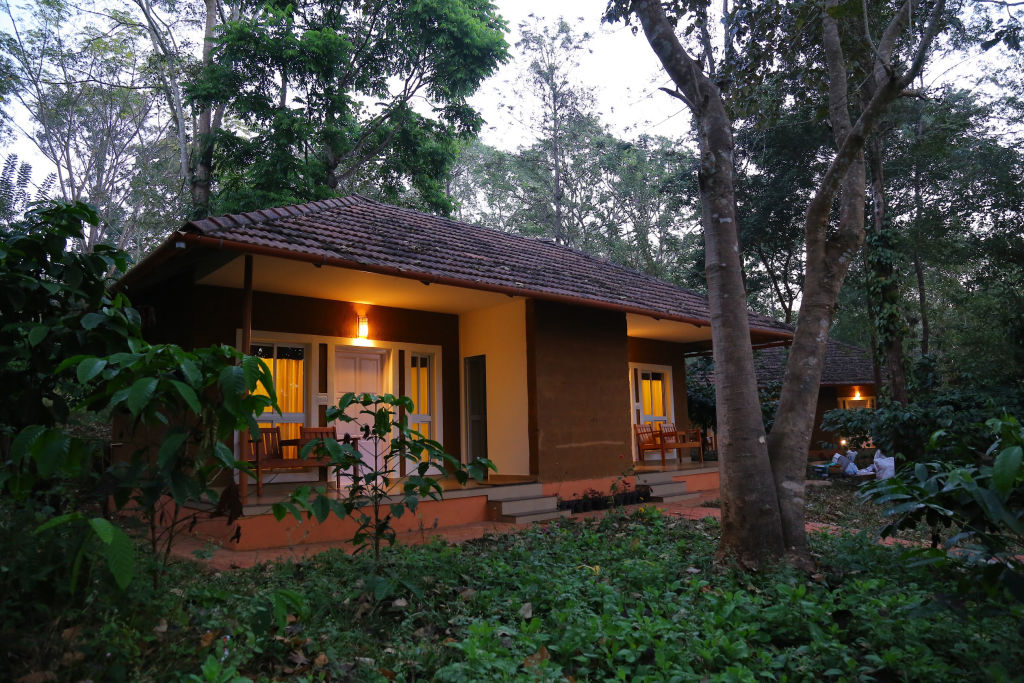
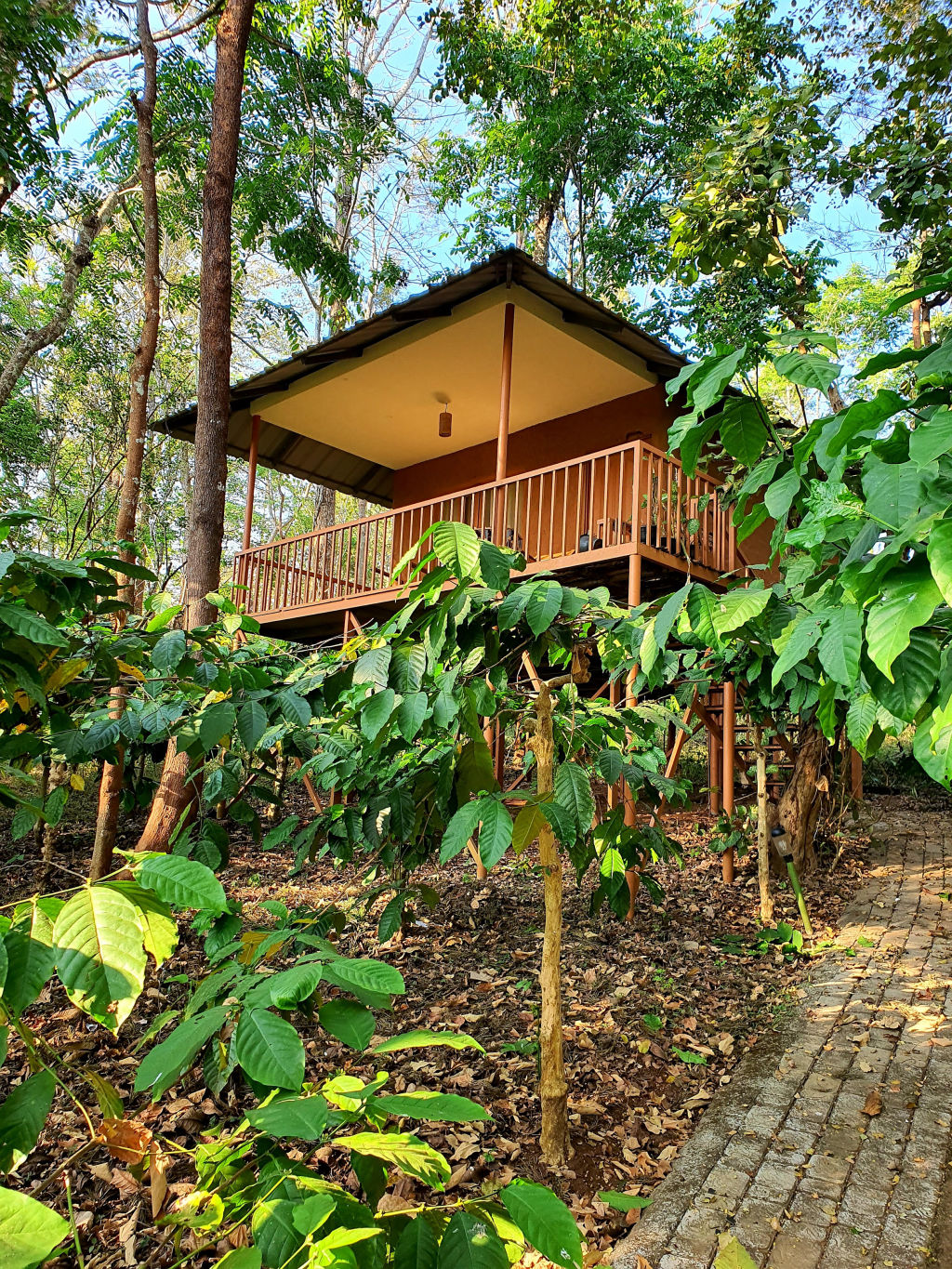
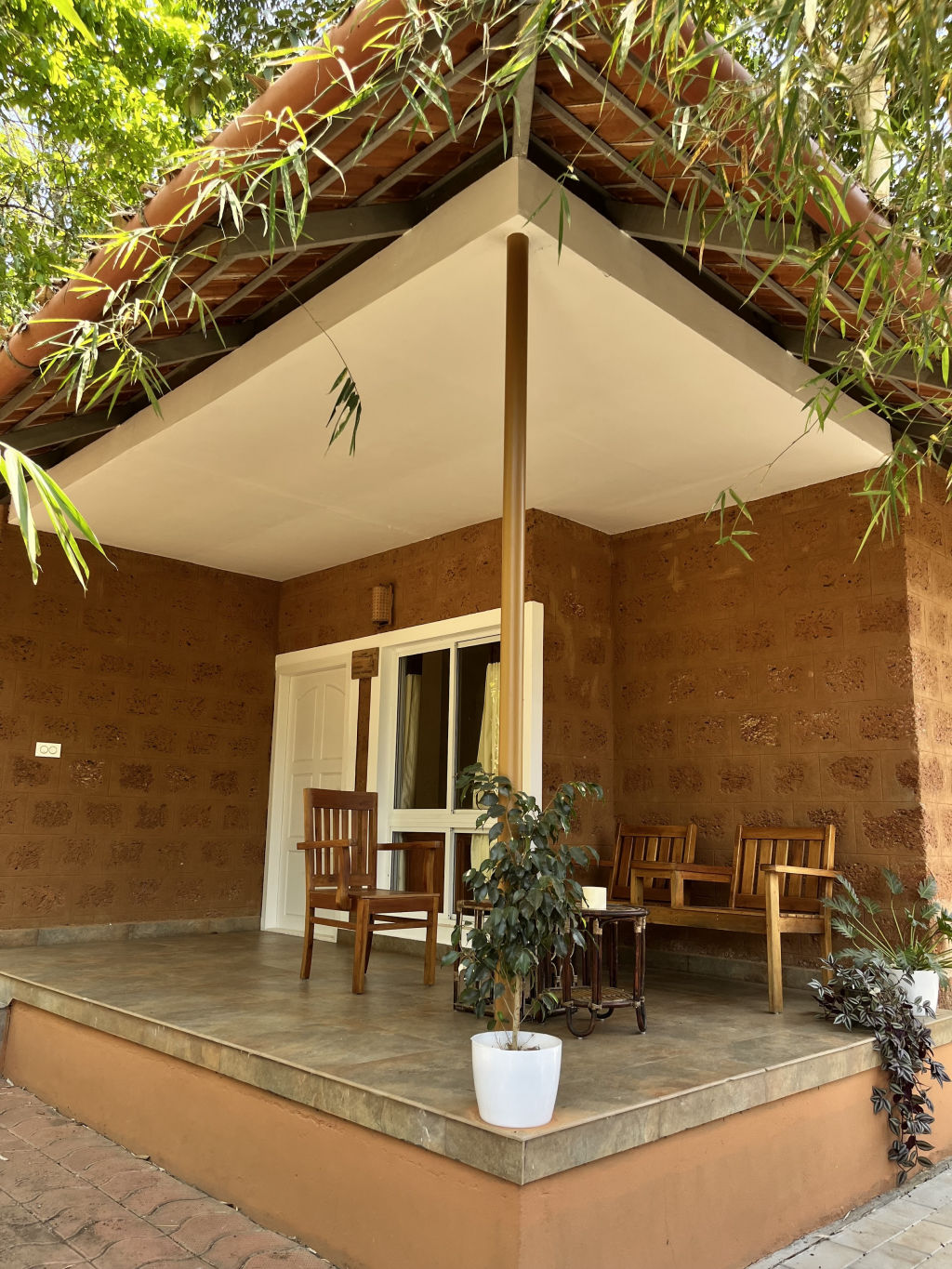
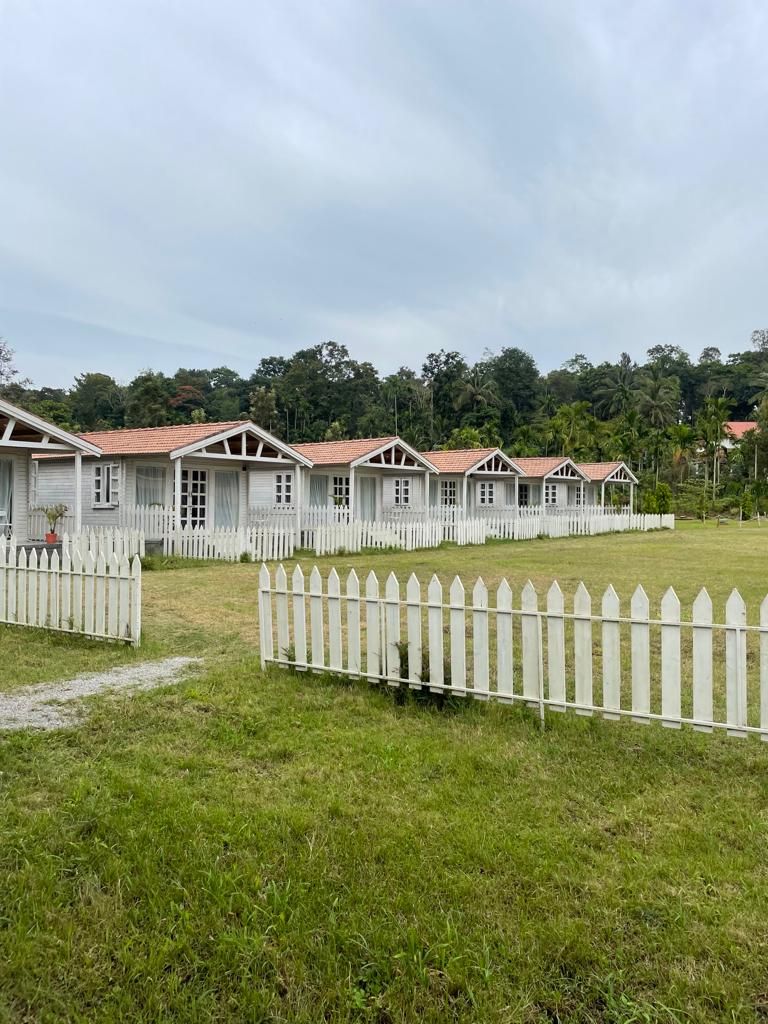
Because commercial construction is restricted inside the core protected forest, most accommodation options are situated along the buffer boundaries, adjacent river edges, and nearby coffee estates in Virajpet and Kutta. Staying near the forest fringe allows you to wake up to birdsong and reach the safari boarding gates quickly in the mornings.
Whether you are looking for rustic riverside campsites, eco-friendly nature cottages, or family-run Kodava homestays set amidst sprawling pepper and coffee plantations, you can explore vetted options on HireACamp to suit your travel style.
Frequently asked questions
Which animals can you see in Nagarhole National Park?
Nagarhole is home to Bengal tigers, Indian leopards, Asian elephants, dholes (wild dogs), sloth bears, gaur, and various species of deer. It also supports over two hundred and fifty bird species, including hornbills and birds of prey.
How do you book safaris at Nagarhole?
Forest department safaris, including jeep, bus, and boat safaris, are conducted from dedicated forest entry counters and online government platforms. It is best to check locally or via official government safari portals ahead of time as slots fill quickly.
How far is Nagarhole National Park from Mysore and Bangalore?
Nagarhole is approximately eighty kilometres from Mysore, taking about two to two and a half hours by car. From Bangalore, it is roughly two hundred and twenty kilometres away, which typically takes four and a half to five and a half hours of driving.
Can private vehicles drive through Nagarhole National Park?
Public roads pass through sections of the park buffer, but strict forest transit rules apply, including speed limits, travel window timings, and bans on stopping or honking. Safaris into core wildlife zones must be undertaken in official forest department vehicles.
What should I wear on a safari in Nagarhole?
Wear earth-toned clothes in khaki, green, grey, or tan that blend with the forest environment. Morning drives can be chilly, so bring a light warm layer, along with a wide-brimmed hat, sunscreen, and binoculars.
Where you'll be
Nagarahole, Virajpet taluk, KA · 8 stays nearby shown with prices
Stays near Nagarhole National Park
Book a place to stay close by
More places near Nagarhole National Park
Within 20 km


Built from 0 Instagram posts by 0 creators. Every tip links back to the post it came from, and where creators disagree we show both sides.






