
Nagarahole National Park
National park near Kakankote, Karnataka
5.6 km from Kakankote
The nearest town, for stays, food and fuel.
Nagarahole National Park, also known as Rajiv Gandhi National Park, is a prominent tiger reserve spanning the lush foothills of the Western Ghats across Mysuru and Kodagu districts in Karnataka. Formed around the Kabini River basin, the park is celebrated for hosting one of the densest populations of Asian elephants, Bengal tigers, and diverse forest wildlife in Southern India. Travellers and nature enthusiasts visit to experience guided jungle safaris, birdwatching along the backwaters, and peaceful retreats amidst pristine deciduous woods.
Getting there
By road
- From KakankoteNearest town19 min · 10 km
- From Mysuru1 hr 55 min · 75 km
- From Bengaluru4 hr 10 min · 224 km
- From Mangaluru5 hr 35 min · 271 km
Typical drive times without traffic. Stations and airports from OLA Maps; distances and typical drive times from OpenStreetMap (© OpenStreetMap contributors); notes from creators' Reels.
About Nagarahole National Park
Written with AI from map data and general knowledge. Check prices and timings locally before you go.
The landscape and wildlife of Nagarahole
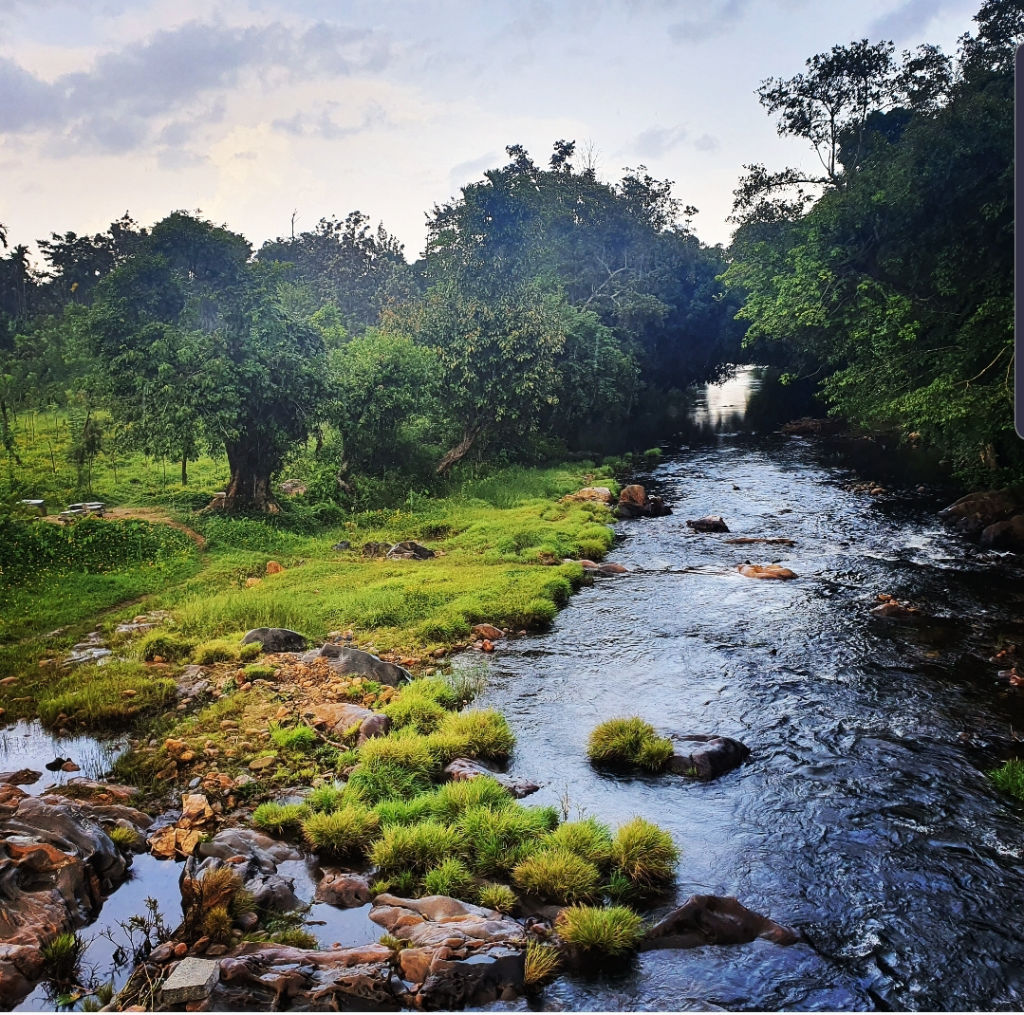
Nagarahole National Park forms a critical wildlife corridor within the larger Nilgiri Biosphere Reserve, connecting contiguous forest belts with neighboring sanctuaries in Karnataka, Kerala, and Tamil Nadu. The landscape is a picturesque blend of moist and dry deciduous forests, interspersed with thick bamboo groves, swampy valleys known as hadlus, and the winding streams of the Kabini and Taraka river basins.
This fertile habitat supports an extraordinary concentration of large mammals. Nagarahole is widely recognized for harboring healthy numbers of Bengal tigers, Indian leopards, dhole (wild dogs), and sloth bears. Vast herds of spotted deer and sambar graze openly in the grassy clearings, while the Kabini backwaters become an internationally famous congregation ground for Asian elephants during drier seasons. For birdwatchers, the canopy and wetlands shelter over three hundred avian species, including Malabar pied hornbills, crested serpent eagles, and several kinds of kingfishers.
Things to do in and around Nagarahole National Park
The primary way to experience the biodiversity of Nagarahole is through organized wildlife safaris run by the forest department. Visitors can head out in designated vehicles early in the morning or during the late afternoon hours when animal activity peaks along the watercourses and jungle trails. Safari routes wind through deep forest sections where sightings of herds of gaur, wild boars, and langurs are common.
Boat safaris along the Kabini backwaters offer a completely different vantage point. Gliding silently over the reservoir waters allows travellers to witness marsh crocodiles sunning themselves on mudflats, river terns nesting on dry tree stumps, and herds of wild elephants drinking and bathing along the banks. Beyond vehicle and water safaris, photography and nature walks along regulated border buffer zones provide peaceful avenues to take in the serene forest atmosphere.
Read more
Best time to visit Nagarahole
The climate around Nagarahole varies noticeably between seasons, and each period gives the jungle a distinctive character. The post-monsoon and winter months, spanning from October to February, bring comfortable temperatures, crisp morning mists, and lush green foliage. This is an idyllic window for birdwatching and scenic drives, as the waterholes remain full and the forests are vibrant.
Between March and May, rising temperatures cause the dense undergrowth to dry out and forest pools to recede. While the afternoons can be warm, the summer months are considered prime for large mammal tracking. Wildlife tends to congregate near permanent water sources, particularly around the Kabini reservoir and river margins. The monsoon arrives between June and September, drenching the Western Ghats with heavy rainfall. During the peak rains, forest trails can become waterlogged, and safaris may face disruptions, though the countryside turns into an intensely green landscape.
How to reach Nagarahole National Park
Nagarahole is well connected by road from major cities in Karnataka and neighboring states. The cultural hub of Mysuru serves as the nearest major city with comprehensive rail and road connectivity, located around two hours away by road depending on which park entrance you intend to visit. From Bengaluru, travellers can drive via the Bengaluru-Mysuru highway and then proceed along state highways through Hunsur or H.D. Kote.
The nearest international airport with extensive flight options is Kempegowda International Airport in Bengaluru, while the domestic airport at Mysuru accommodates select regional flights. Calicut and Kannur in Kerala also offer viable entry points for travellers approaching the southern zones of the park. State-run buses and private taxis ply regularly to nearby transit towns such as Hunsur and Antharasanthe, from where local transport can be arranged to reaching specific safari gates.
Places to visit near Nagarahole
The surrounding landscape offers numerous cultural and natural attractions that complement a wildlife safari. Bandipur National Park lies just across the contiguous forest tract, separated by the Kabini reservoir and forested buffer zones, making a combined wildlife itinerary very convenient for travellers wanting to double their chances of big cat sightings.
Closer to the eastern and southern edges of the park, Nugu Wildlife Sanctuary and the scenic backwaters of Nugu Dam present quiet spots for birdwatching and tranquil lake views. For a cultural and spiritual excursion, the hilltop Chikka Devamma Temple provides panoramic vistas across rural Karnataka and adjacent wooded ranges. Further west towards Gurupura and Hunsur, travellers can visit the Dzongkar Choede Monastery, home to a serene Tibetan settlement where traditional Buddhist architecture and reflective temple halls offer a peaceful interlude.
Tips for your visit
Visiting a national park requires respect for the wilderness and attention to local regulations. Safari slots fill quickly, especially during weekends and national holidays, so it is best to check departure schedules and permit requirements in advance with official regional forest authorities before setting out.
Dress in muted, earth-toned colors such as khaki, olive, or brown to blend into the natural surroundings, and avoid bright garments or synthetic fabrics that make rustling sounds. Because early mornings and open-top safaris can feel chilly even in warmer months, packing a light fleece or windbreaker is recommended alongside sun protection. Always stay inside designated vehicles, maintain silence near animals, avoid littering single-use plastics, and never attempt to feed or call out to wildlife.
Where to stay around Nagarahole
Because the core area of Nagarahole National Park is strictly conserved, all accommodations are situated along the peripheral buffer zones and nearby agrarian settlements. The Kabini riverside and the fringe villages around Hunsur, Kutta, and Antharasanthe offer an array of peaceful retreats.
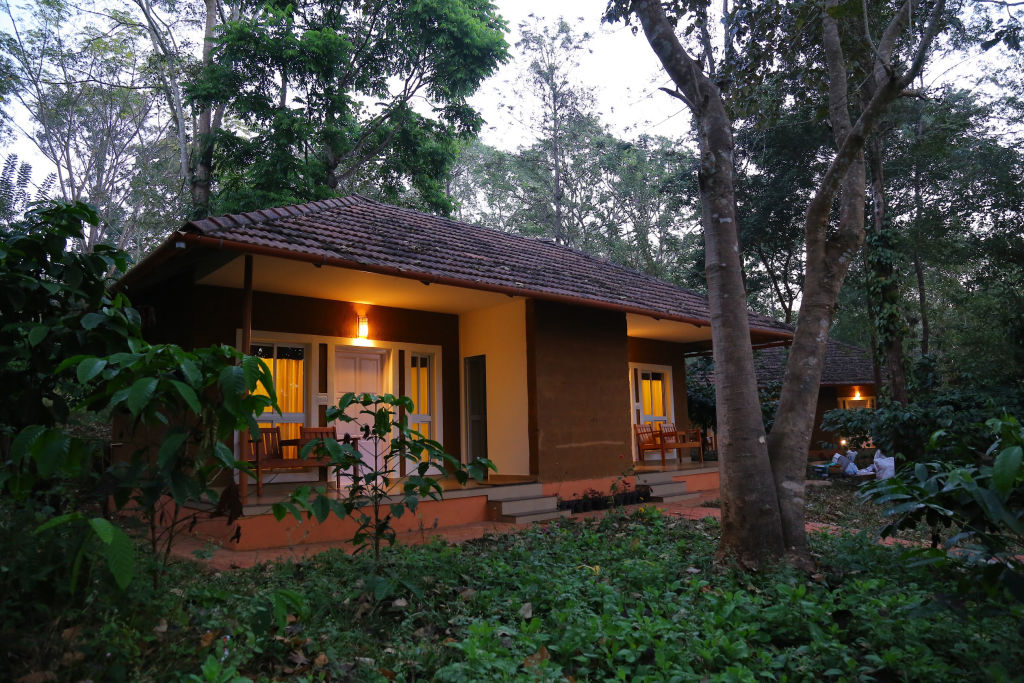
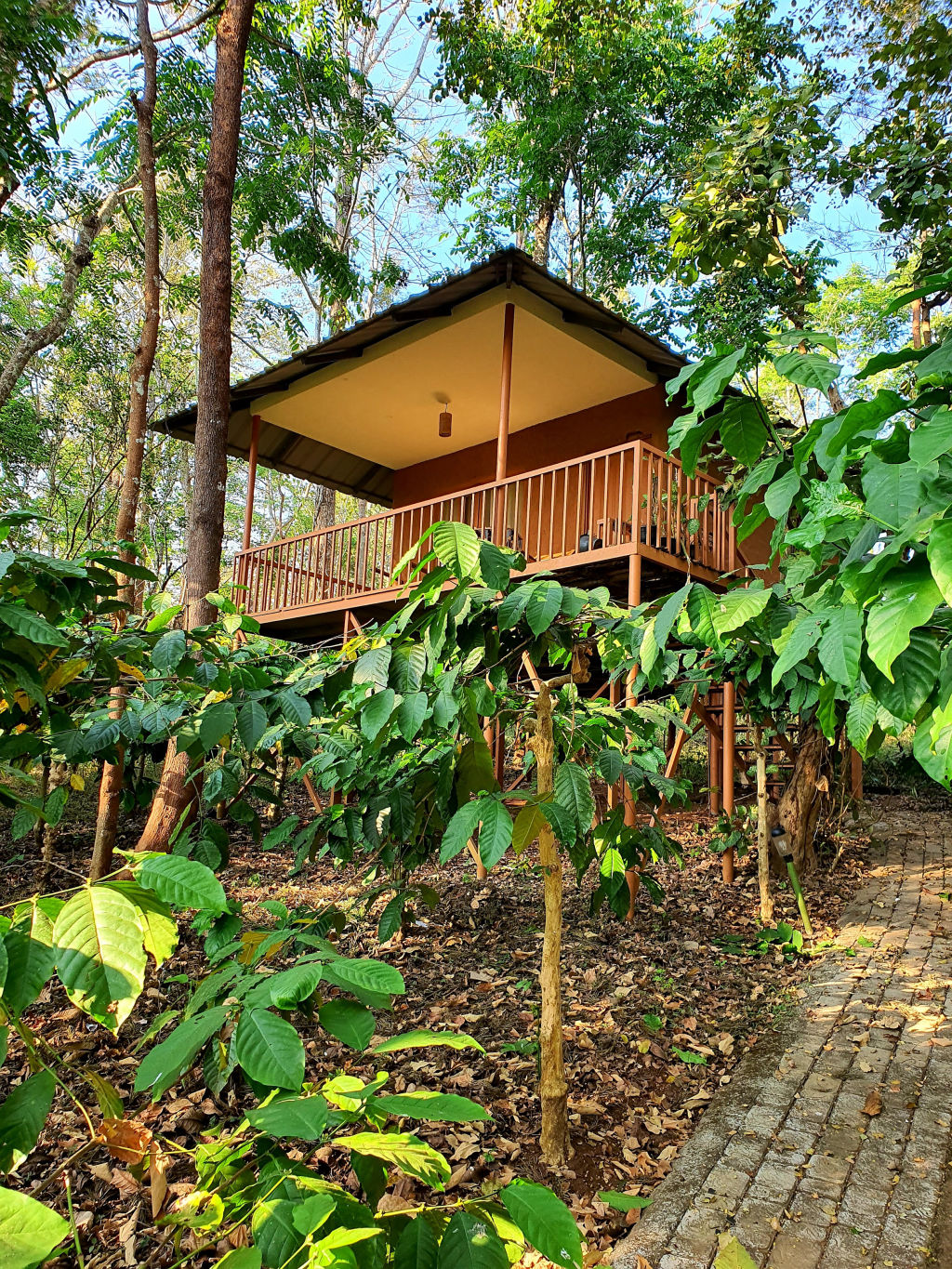
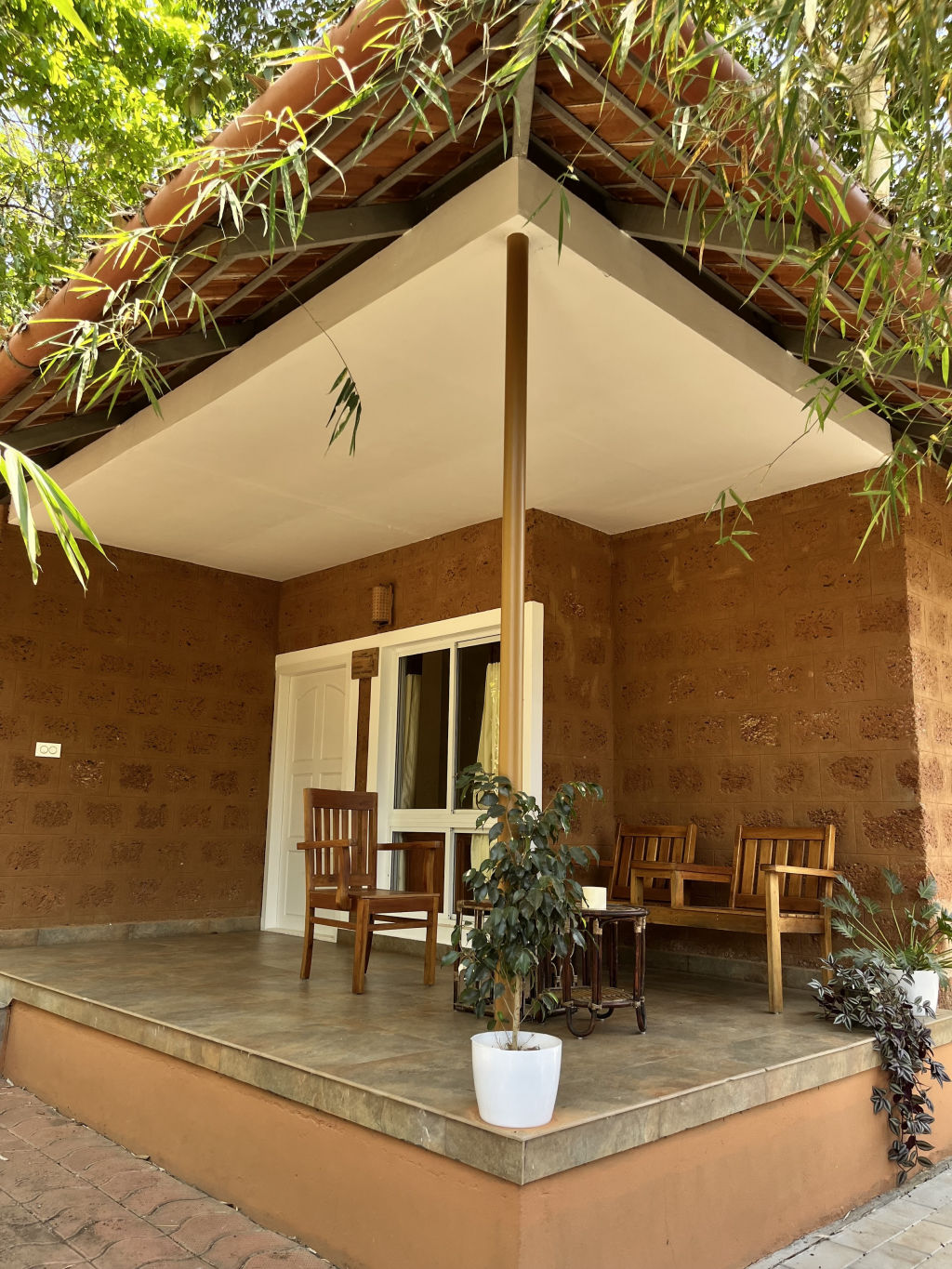
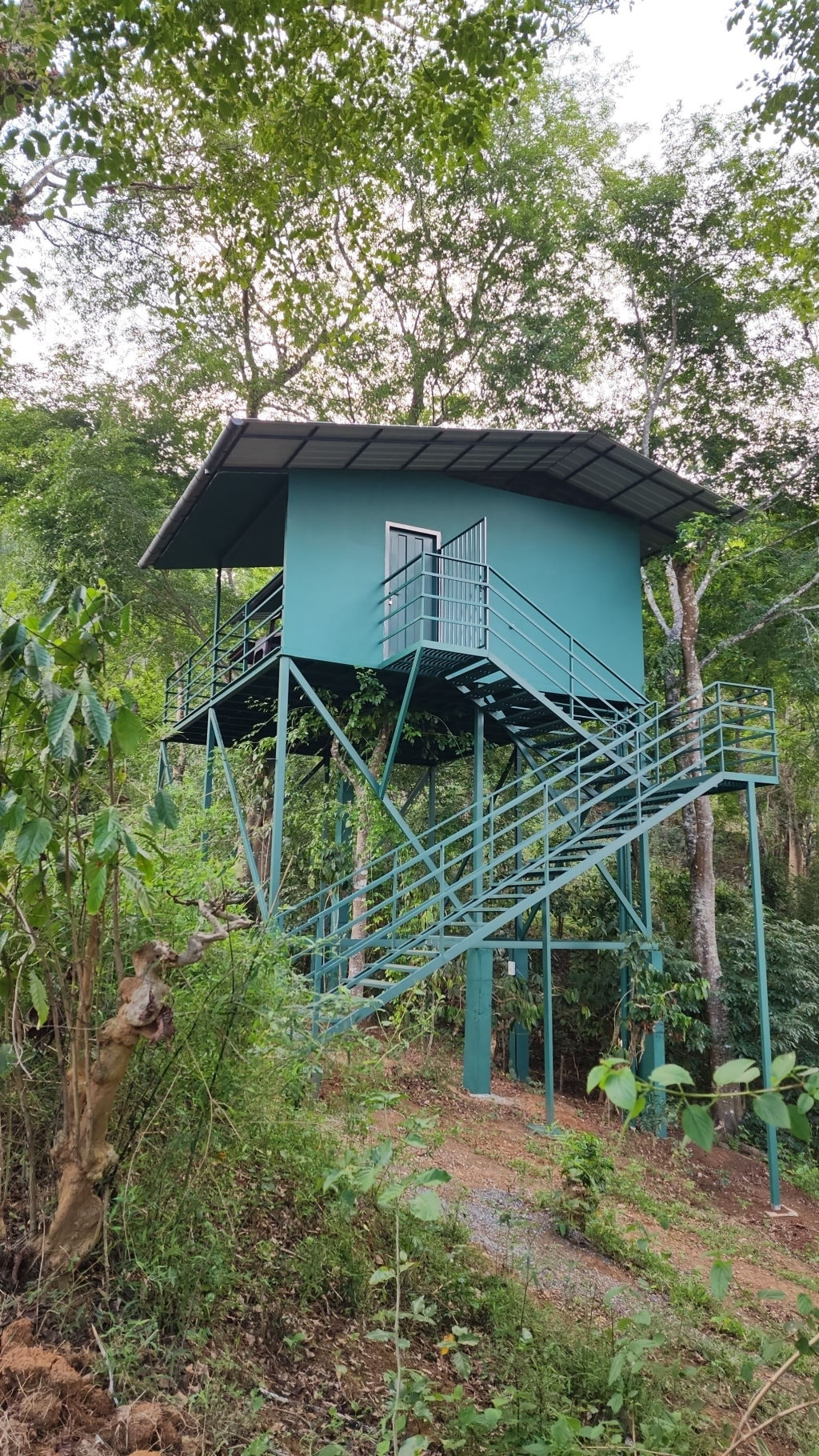
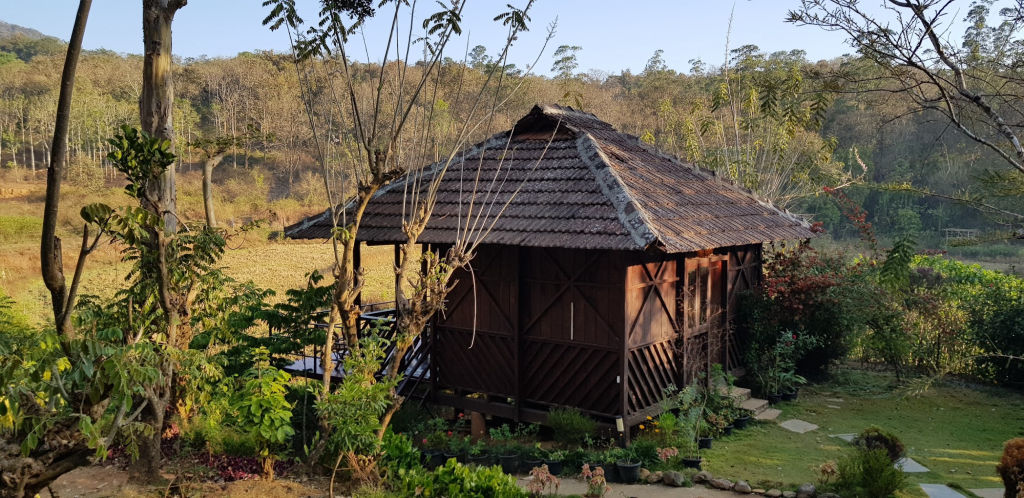
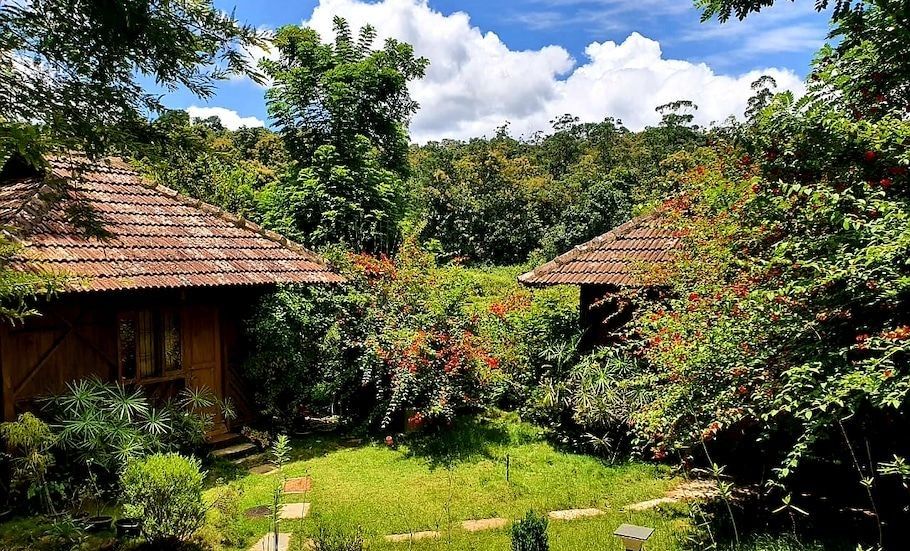
Travellers can explore rustic nature camps, traditional coffee and spice estate homestays, and farm stays on HireACamp. Staying near the park boundaries provides the benefit of hearing forest sounds at night, catching spectacular sunrises over agricultural tracts, and enjoying easy access to morning safari boarding gates.
Frequently asked questions
What animals can I expect to see at Nagarahole National Park?
Visitors commonly spot Asian elephants, spotted deer, sambar, Indian gaur, wild boars, and gray langurs. The park is also renowned for sightings of Bengal tigers, leopards, and packs of Asiatic wild dogs.
How are wildlife safaris conducted in the park?
Safaris are conducted by the forest department using regulated safari buses, open jeeps, and boat rides on the Kabini reservoir, operating during scheduled morning and late afternoon windows.
Is Nagarahole National Park open during the monsoon season?
The park generally remains open year-round, but safari timings and specific tracks can be impacted or temporarily suspended during bouts of heavy monsoon rains. Travellers should check local forest department notices ahead of travel.
Which airport is closest to Nagarahole National Park?
Mysuru Airport is the closest regional airport, while Kempegowda International Airport in Bengaluru and Kannur International Airport in Kerala serve as the primary hubs for broader domestic and international flight connections.
Can I drive my private vehicle inside the core safari area?
Private vehicles are strictly prohibited inside the core safari tracks of Nagarahole. Visitors must board official forest department safari vehicles from designated entry gates.
Where you'll be
7 stays nearby shown with prices
Stays near Nagarahole National Park
Book a place to stay close by
More places near Nagarahole National Park
Within 20 km


Built from 0 Instagram posts by 0 creators. Every tip links back to the post it came from, and where creators disagree we show both sides.






