
Nagarahole National Park
Forest near Kutta, Karnataka
3.2 km from Kutta
The nearest town, for stays, food and fuel.
Nagarahole National Park, also known as Rajiv Gandhi National Park, is a prominent tiger and elephant reserve spread across the Kodagu and Mysuru districts of Karnataka. Bounded by the Kabini River and adjacent to the Western Ghats, the park is celebrated for its dense deciduous woodlands and thriving populations of large mammals. Travellers visit through entry points like Kutta to experience forest safaris, observe wildlife in their natural habitat, and enjoy the tranquil coffee country surroundings.
Getting there
By road
- From KuttaNearest town9 min · 4.6 km
- From Mysuru3 hr · 121 km
- From Mangaluru4 hr 35 min · 206 km
- From Bengaluru5 hr 15 min · 268 km
Typical drive times without traffic. Stations and airports from OLA Maps; distances and typical drive times from OpenStreetMap (© OpenStreetMap contributors); notes from creators' Reels.
About Nagarahole National Park
Written with AI from map data and general knowledge. Check prices and timings locally before you go.
The landscape and wildlife of Nagarahole National Park
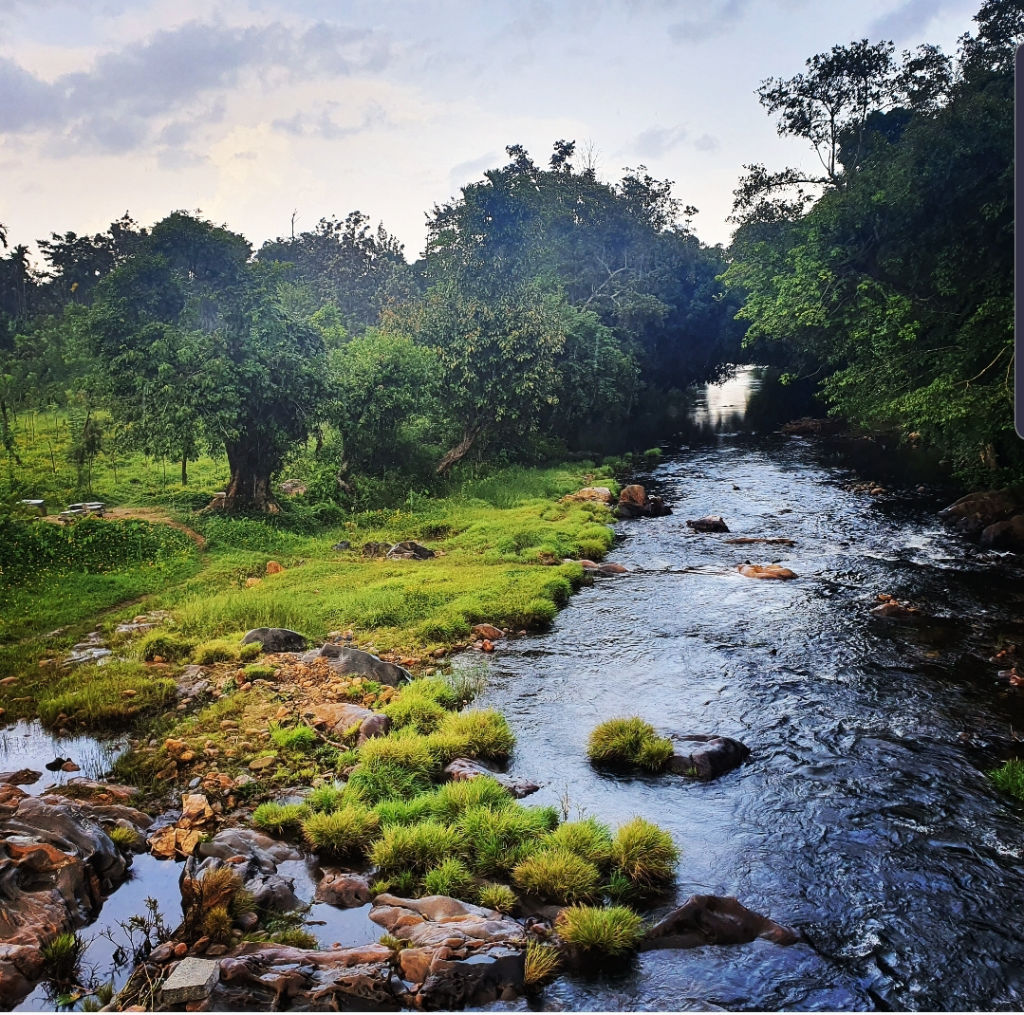
Nagarahole National Park occupies a critical ecological corridor within the Nilgiri Biosphere Reserve, bridging the moist deciduous forests of the Western Ghats with the drier plains of southern Karnataka. The terrain is marked by gentle hills, meandering streams, natural marshes known locally as hadlus, and open water bodies fed by the Kabini River. Towering stands of rosewood, teak, silver oak, and bamboo dominate the canopy, creating a rich multi-tiered forest that provides food and shelter for a diverse spectrum of fauna throughout the year.
The reserve is internationally recognized for supporting a high density of apex predators and large herbivores. Bengal tigers, leopards, and Asiatic wild dogs, or dholes, share territory within the reserve. Dense herds of spotted deer, sambar, barking deer, four-horned antelopes, and hefty Indian gaur graze across the open clearings. Nagarahole is particularly famed for its Asian elephant population, which congregates in large herds along riverbanks and watering points during drier months. Birdwatchers will also find a rewarding habitat home to over two hundred and fifty avian species, including Malabar pied hornbills, crested serpent eagles, and several endemic woodland birds.
Things to do in Nagarahole National Park
The principal activity at Nagarahole National Park is taking part in wildlife safaris conducted by the Karnataka Forest Department. Safaris are organized into core and buffer zones across designated morning and afternoon windows. Exploring the forest tracks in authorized vehicles offers visitors the opportunity to track predator footprints, watch wild elephants browsing among bamboo groves, and observe diverse bird communities perched along forest water bodies. Depending on the zone and operational conditions, boat safaris along the reservoir edge may also be available, providing a different perspective on animals coming to the water to drink.
Outside of the regulated safari zones, the surrounding countryside invites slow, peaceful exploration. Taking leisurely walks around the perimeter of plantation estates near Kutta exposes visitors to coffee and pepper farming traditions. The buffer regions also serve as fertile ground for self-guided birdwatching along quiet village lanes, where flycatchers, parakeets, and woodpeckers can often be spotted in the mixed canopy of shade trees.
Read more
Best time to visit Nagarahole National Park
The park can be visited for most of the year, but the experience changes considerably with the seasons. The winter months from October to February are generally considered the most comfortable. During this period, the air is crisp, early morning mists hang over the forest, and day temperatures remain moderate. The vegetation remains green following the rainy season, making landscapes visually stunning and birdlife exceptionally active.
From March through May, temperatures rise and the forest undergrowth dries out significantly. While days can become quite warm, the summer months offer some of the highest chances for wildlife sightings. As smaller interior forest streams dry up, animals consistently move toward remaining waterholes and the Kabini River, allowing for clear and frequent views. The monsoon season extends from June to September, bringing torrential downpours that rejuvenate the forest. Safari operations can occasionally be curtailed or forest tracks made impassable due to rain, so visitors planning travel during these months should verify conditions locally.
How to reach Nagarahole National Park
Nagarahole National Park can be approached from several directions depending on the specific safari gate you plan to access. The town of Kutta serves as an important gateway on the southern edge, situated right next to the Kodagu border and close to Wayanad in neighboring Kerala. For those visiting this side, Kutta provides direct road access to forest checkpoints and ticket counters.
Mysuru is the nearest major railhead, located roughly ninety kilometers away, and connects smoothly with long-distance trains from across the country. Kannur International Airport in Kerala is often the most convenient air link for the Kutta side of the park, while Kempegowda International Airport in Bengaluru serves travellers flying from farther away. Driving from Bengaluru typically takes between five and six hours depending on traffic and the chosen highway, passing through scenic agricultural belts and coffee-covered hills.
Tips for your visit to Nagarahole National Park
Planning ahead is essential when visiting Nagarahole, particularly regarding safari reservations. Forest department safaris have limited seat allocations per shift to minimize ecological disturbance, so securing permits through official forest department channels ahead of your travel date is highly recommended. Check locally or through official portals for updated departure schedules and vehicle options.
When packing, choose muted clothing in shades of khaki, olive green, brown, or beige, as bright colors can distress wildlife and stand out unnaturally in the bush. Carry a reliable pair of binoculars and a camera with a telephoto lens to observe animals from a respectful distance. It is vital to maintain quiet during game drives, follow all instructions given by forest guides, and refrain from using flash photography. Nagarahole is an entirely plastic-free zone, so bring reusable water bottles and take all personal waste back with you to your accommodation.
Places to visit near Nagarahole National Park
The area around Nagarahole offers an appealing combination of cultural landmarks, plantation towns, and tranquil wilderness. Just a short drive south into Kerala leads to the dense, hilly forests and scenic viewpoints of the Wayanad region. North of the park, travellers can visit the prominent Chikka Devamma Temple, perched on a scenic hill that provides expansive views over the surrounding rural landscapes and dry deciduous valleys.
To the northeast, in the settlement areas of Hunsur and Bylakuppe, lie remarkable centers of Tibetan heritage. Monasteries such as Dzongkar Choede Monastery and Chowkur Tibetan Monastery provide a serene setting to observe traditional Buddhist architecture, prayer halls, and peaceful monastic life. Combining a morning forest safari with an afternoon spent exploring Tibetan settlements or wandering through the shaded coffee estates of southern Coorg makes for a varied and rewarding travel itinerary.
Where to stay near Nagarahole National Park
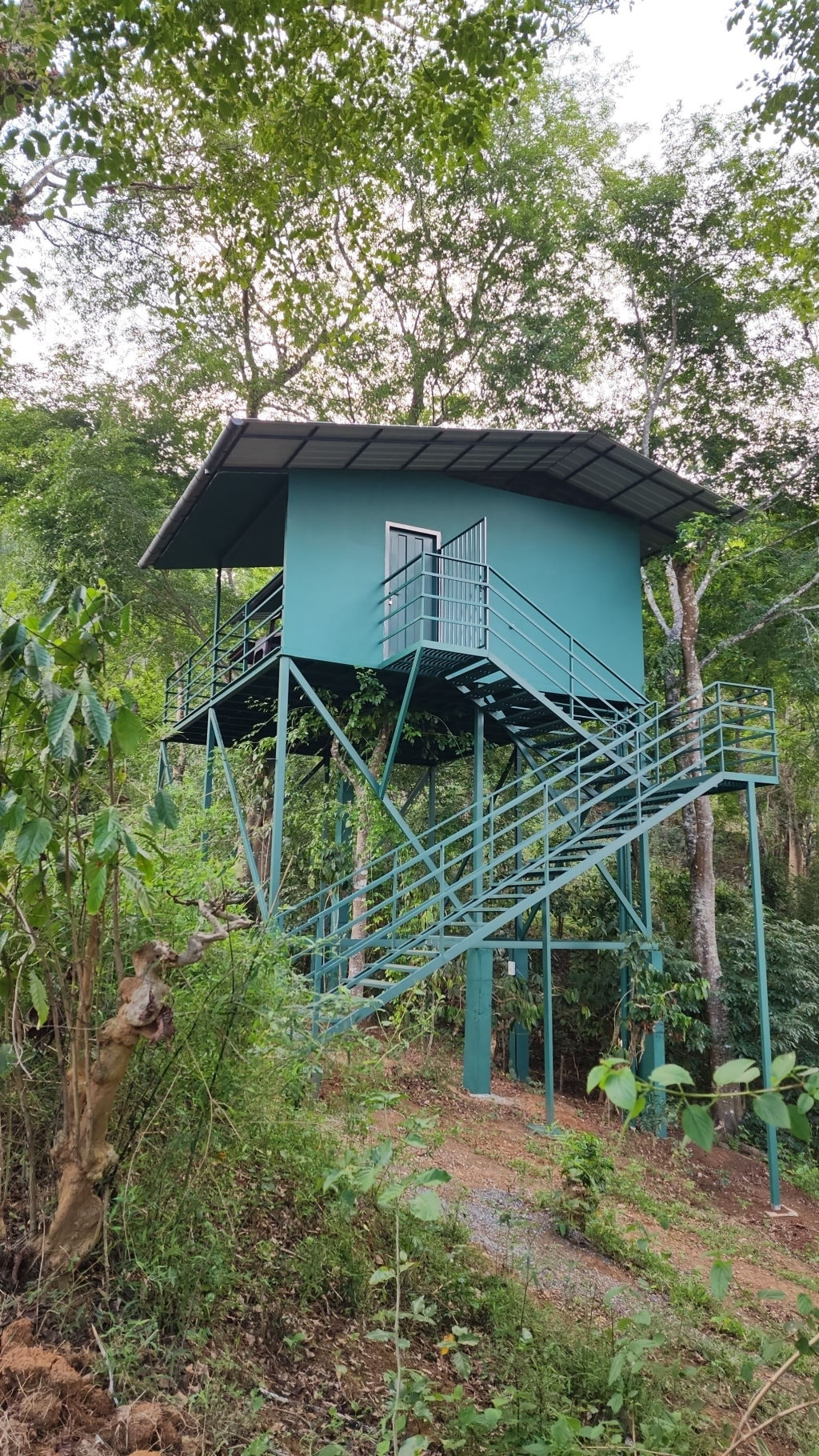
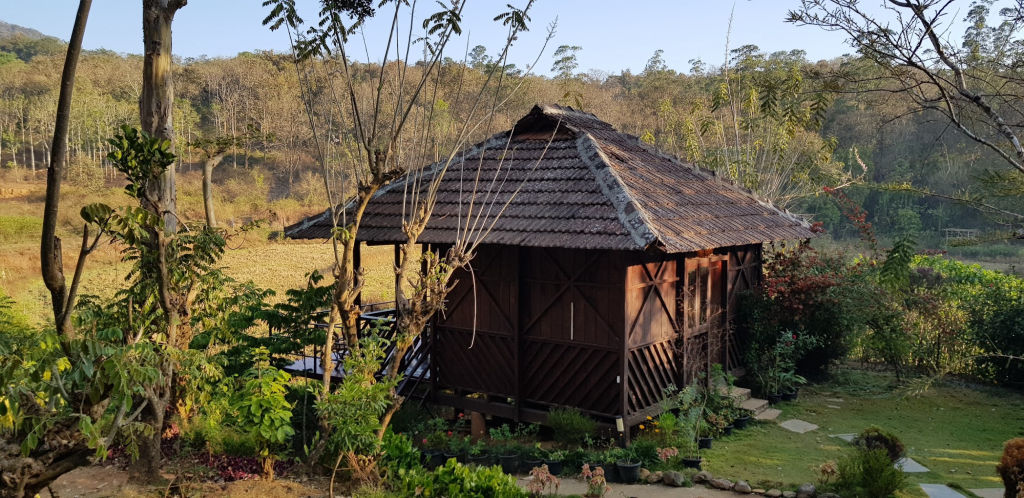
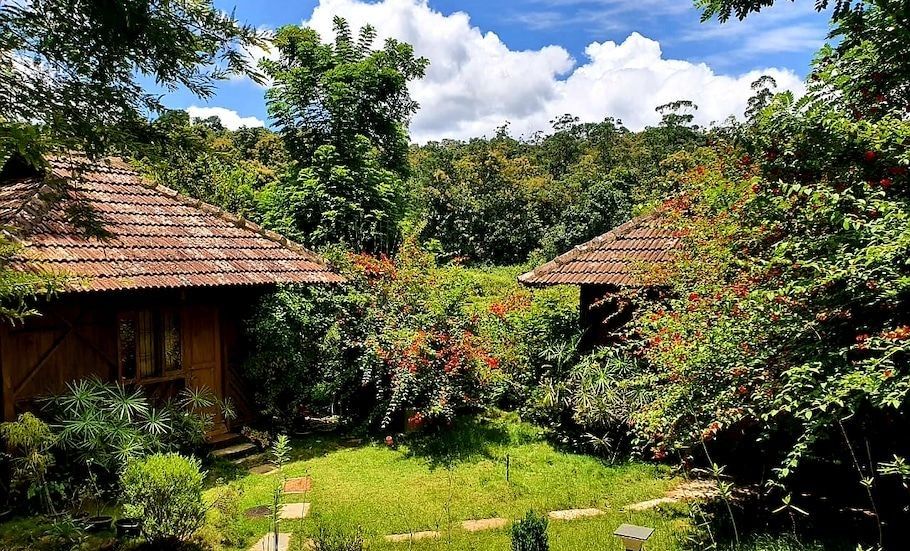
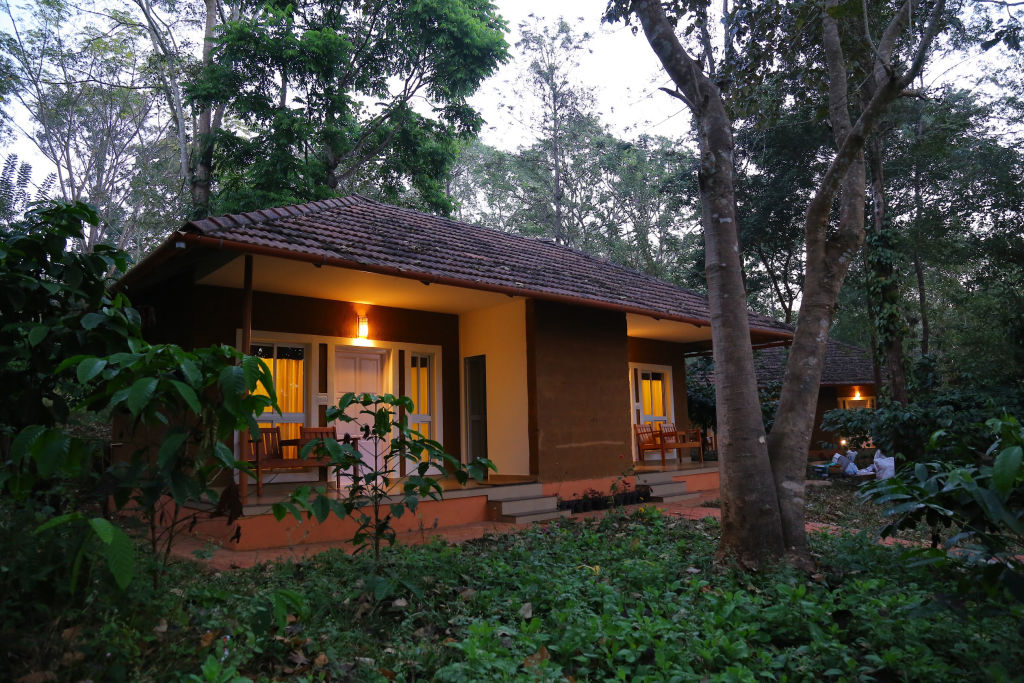
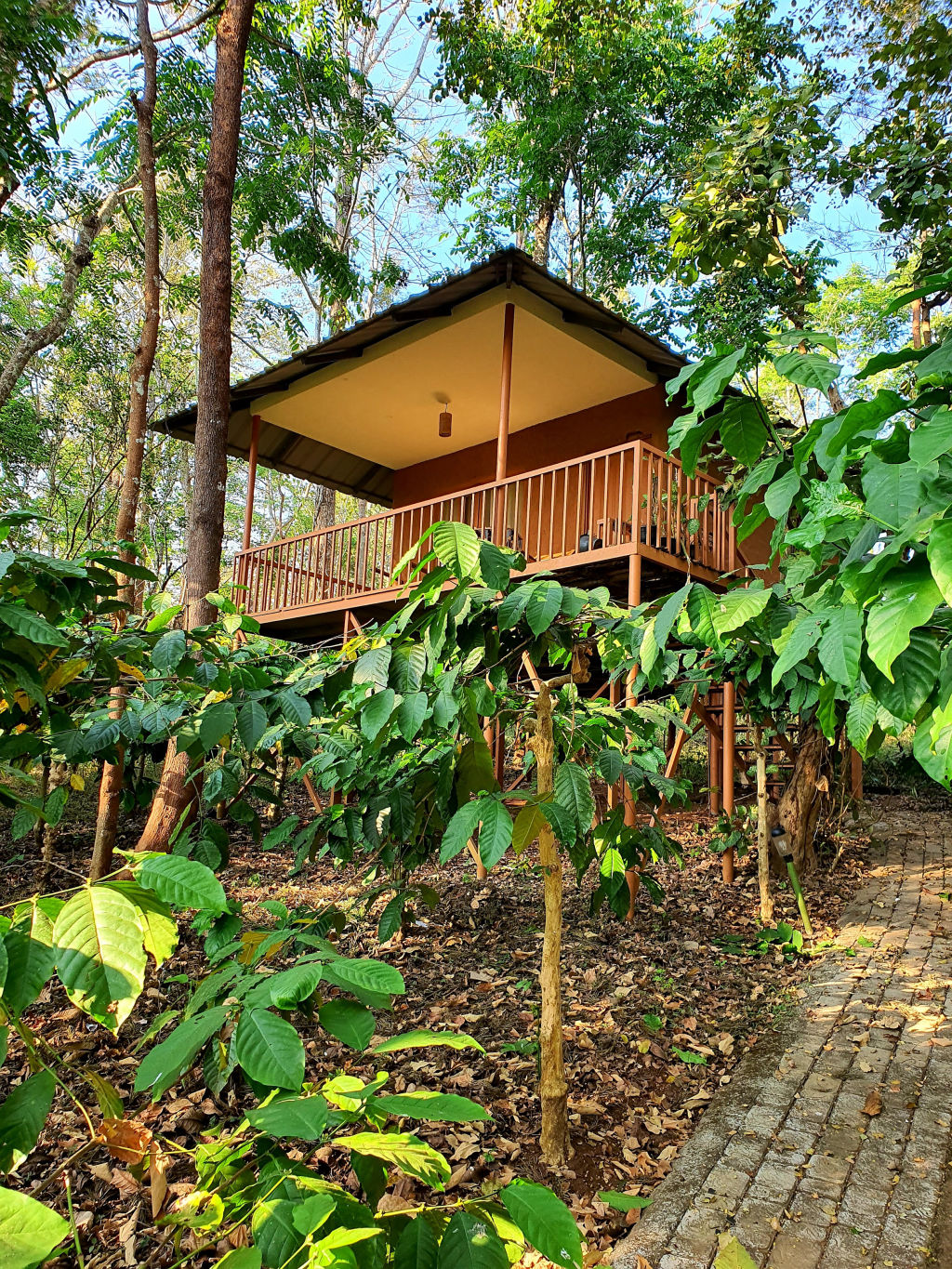
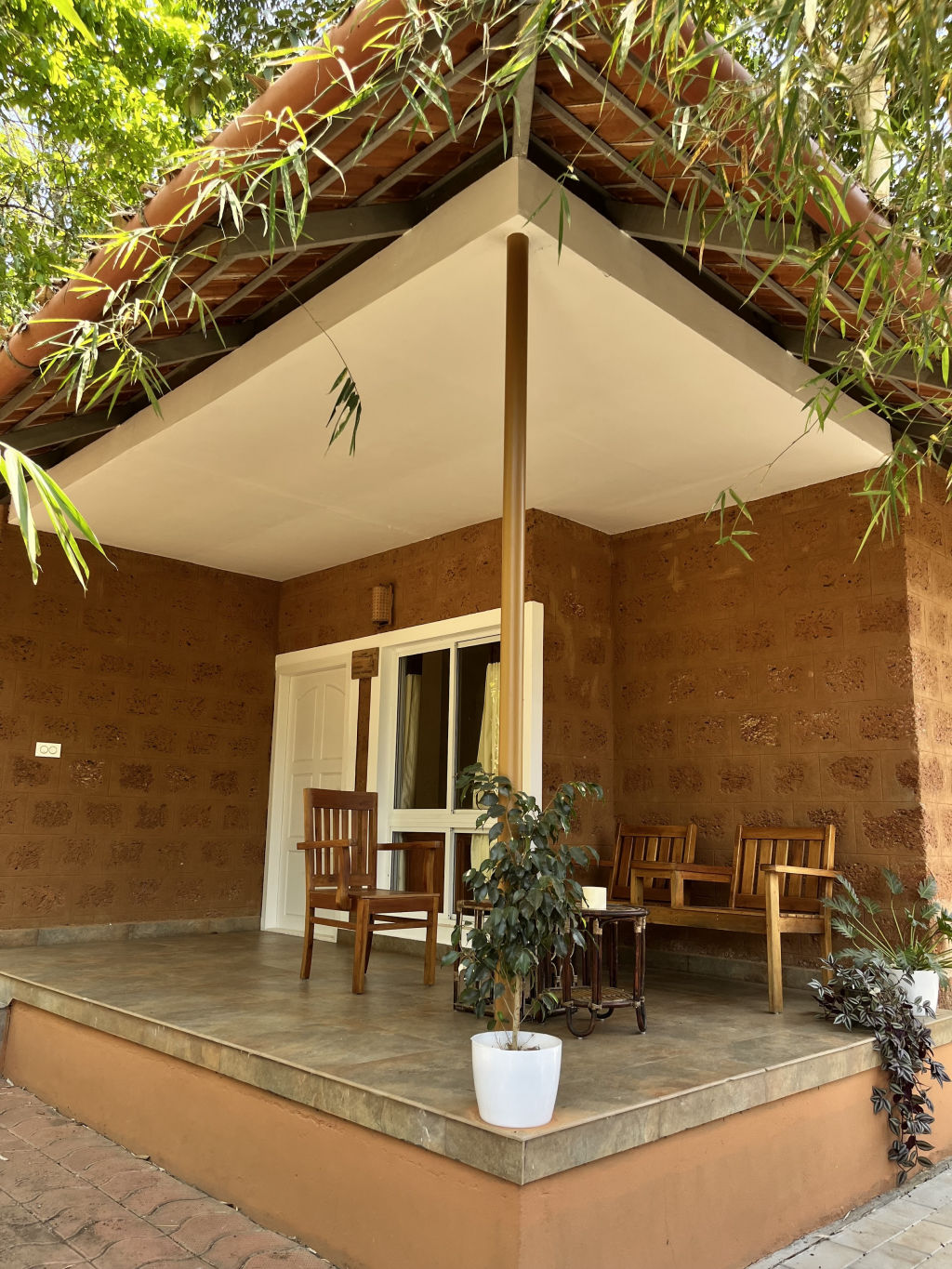
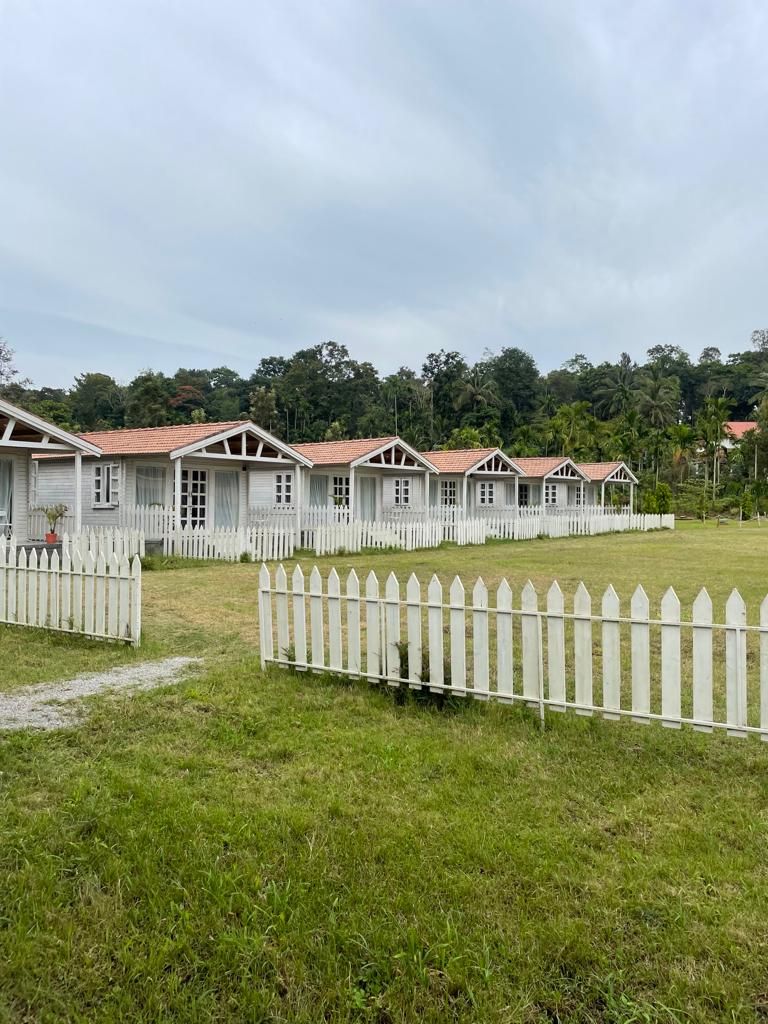
Accommodations around Nagarahole National Park are clustered along the park fringes, particularly around the Kutta border, near the Kabini backwaters, and in the surrounding plantation estates of south Kodagu. Staying in these rural belts allows visitors to wake up to birdsong and forest sounds while staying within convenient driving distance of early morning safari entry points.
You can find authentic coffee plantation homestays, eco-friendly nature lodges, and outdoor campsites on HireACamp. These properties let you experience local Kodava hospitality, home-cooked regional meals, and peaceful natural settings without compromising the quiet ambiance of the forest boundary.
Frequently asked questions
Which safari gate should I use for Nagarahole National Park?
Nagarahole has multiple entry gates depending on where you stay, including the Kutta or Nanachi gate on the Kodagu side and the Veeranahosahalli or Dammanakatte gates near Hunsur and Antharasanthe. It is best to choose your entry gate based on the location of your accommodation and check locally for current operational routes.
Can I drive my private vehicle inside the national park?
Private vehicles are only permitted on designated public transit roads that pass through the park, subject to strict speed limits, daytime transit hours, and a complete ban on stopping. Safaris inside the designated tourism zones can only be undertaken in authorized forest department vehicles.
Is Nagarahole National Park open during the monsoon season?
The park generally remains accessible throughout the year, but heavy monsoon downpours between June and September can cause localized track damage and periodic cancellations of safari drives. Visitors travelling during these months should check the local weather and forest department updates before arrival.
What wildlife can I expect to see in Nagarahole?
Visitors regularly spot Asian elephants, spotted deer, gaur, wild boars, and langurs along forest tracks. Elusive predators like Bengal tigers, Indian leopards, and dholes are also present in good numbers, though sightings depend on season, time of day, and wildlife movements.
Where you'll be
Kutta · 8 stays nearby shown with prices
Stays near Nagarahole National Park
Book a place to stay close by
More places near Nagarahole National Park
Within 20 km


Built from 0 Instagram posts by 0 creators. Every tip links back to the post it came from, and where creators disagree we show both sides.






