
Wayanad Wildlife Sanctuary
Wildlife sanctuary near Kutta, Kerala
3.5 km from Kutta
The nearest town, for stays, food and fuel.
Wayanad Wildlife Sanctuary is a premier conservation haven in Kerala's Western Ghats, located near the town of Mananthavady. Contiguous with protected reserves across Karnataka and Tamil Nadu, it safeguards vital elephant corridors, lush deciduous woodlands, and diverse wildlife. Travellers visit to experience guided jeep safaris and observe species such as Asian elephants, gaurs, and rare forest birds in their native environment.
Getting there
By road
- From KuttaNearest town8 min · 4.5 km
- From Mysuru3 hr 5 min · 129 km
- From Mangaluru4 hr 40 min · 214 km
- From Bengaluru5 hr 20 min · 276 km
Typical drive times without traffic. Stations and airports from OLA Maps; distances and typical drive times from OpenStreetMap (© OpenStreetMap contributors); notes from creators' Reels.
About Wayanad Wildlife Sanctuary
Written with AI from map data and general knowledge. Check prices and timings locally before you go.
The wilderness of Wayanad Wildlife Sanctuary
Wayanad Wildlife Sanctuary forms an integral part of the Nilgiri Biosphere Reserve, occupying an expansive tract of protected forest in the Western Ghats of northern Kerala. Sharing continuous forest boundaries with Nagarhole and Bandipur in Karnataka and Mudumalai in Tamil Nadu, this sanctuary serves as a critical wildlife corridor for large mammals, especially Asian elephants and tigers.
The terrain consists of undulating hills, moist deciduous forests, and extensive bamboo thickets interspersed with seasonal streams and swampy pastures known locally as vayals. Divided into the Tholpetty Range in the north near Mananthavady and the Muthanga Range in the south, the sanctuary preserves a resilient ecosystem where the canopy shifts from dense jungle to open scrub.
Flora and fauna to look out for
Wayanad Wildlife Sanctuary is celebrated for supporting a substantial population of Asian elephants, which roam freely through the bamboo groves and gather at forest watering holes. Sizable herds of gaur, spotted deer, and sambar graze in the grassy openings, while predators like the Bengal tiger, Indian leopard, and wild dogs patrol the woodland tracks.
Canopy dwellers and smaller mammals are equally common across the reserve. Travellers often spot the Malabar giant squirrel, bonnet macaques, and the endemic Nilgiri langur moving through the treetops. The sanctuary is also a haven for birdwatchers, offering sightings of the Malabar grey hornbill, crested serpent eagle, emerald dove, and various vibrant woodpeckers.
Read more
Best time to visit Wayanad Wildlife Sanctuary
The best time to visit Wayanad Wildlife Sanctuary is from October to March, when post-monsoon weather brings pleasant temperatures and comfortable conditions for morning and afternoon safaris. Forest greenery remains rich through early winter, while thinning vegetation from February onwards improves wildlife visibility around waterholes.
The summer months from March to May can be warm, but this period often rewards visitors with frequent sightings as animals gather near remaining water sources. The monsoon arrives in June and lasts through September, drenching the Western Ghats in heavy rainfall. While the landscape turns lush and green, safari tracks may be affected by mud and rain, so checking local weather and park conditions beforehand is advisable.
How to reach Wayanad Wildlife Sanctuary
Wayanad Wildlife Sanctuary lies in northern Wayanad, with the Tholpetty Range situated close to the town of Mananthavady. Mananthavady serves as the principal transit hub for visitors and is linked by state highways to nearby regional centres. Regular local buses and taxis run between the town and the Tholpetty forest post.
The nearest major railway station and international airport are located in Kozhikode, about three to four hours away by road via the scenic Western Ghats passes. Travellers driving from Karnataka can reach the sanctuary through Mysore, following interstate highways through border forests and farmland in approximately two and a half to three hours.
Safari practicalities and visitor tips
Safaris into Wayanad Wildlife Sanctuary are regulated by the Kerala Forest Department to preserve the natural habitat and minimise disturbance to wildlife. Forest safaris in department-approved jeeps cover designated routes during fixed morning and afternoon hours. Visitors must secure entry permits and safari slots at the Tholpetty forest office on arrival.
To maximise your chances of good sightings, wear subdued, earth-toned clothing like greens and browns, and bring binoculars for spotting distant animals. Visitors must maintain silence, stay inside vehicles at all times, and strictly adhere to reserve regulations prohibiting littering, feeding animals, or disturbing wildlife.
Places to visit around Wayanad Wildlife Sanctuary
The area surrounding Wayanad Wildlife Sanctuary offers several captivating cultural and natural stops. Across the state border in Karnataka lies Nagarhole National Park, an iconic reserve famed for its teak forests, rich wildlife, and river safaris along the Kabini.
For cultural exploration, travellers can visit the Chikka Devamma Temple, positioned atop a hillock with wide views over the forested countryside. Further towards Periyapatna and Hunsur, Tibetan settlements house remarkable spiritual landmarks, including Dzongkar Choede Monastery and Chowkur Tibetan Monastery, where ornate prayer halls and serene courtyards provide a quiet retreat.
Where to stay near Wayanad Wildlife Sanctuary
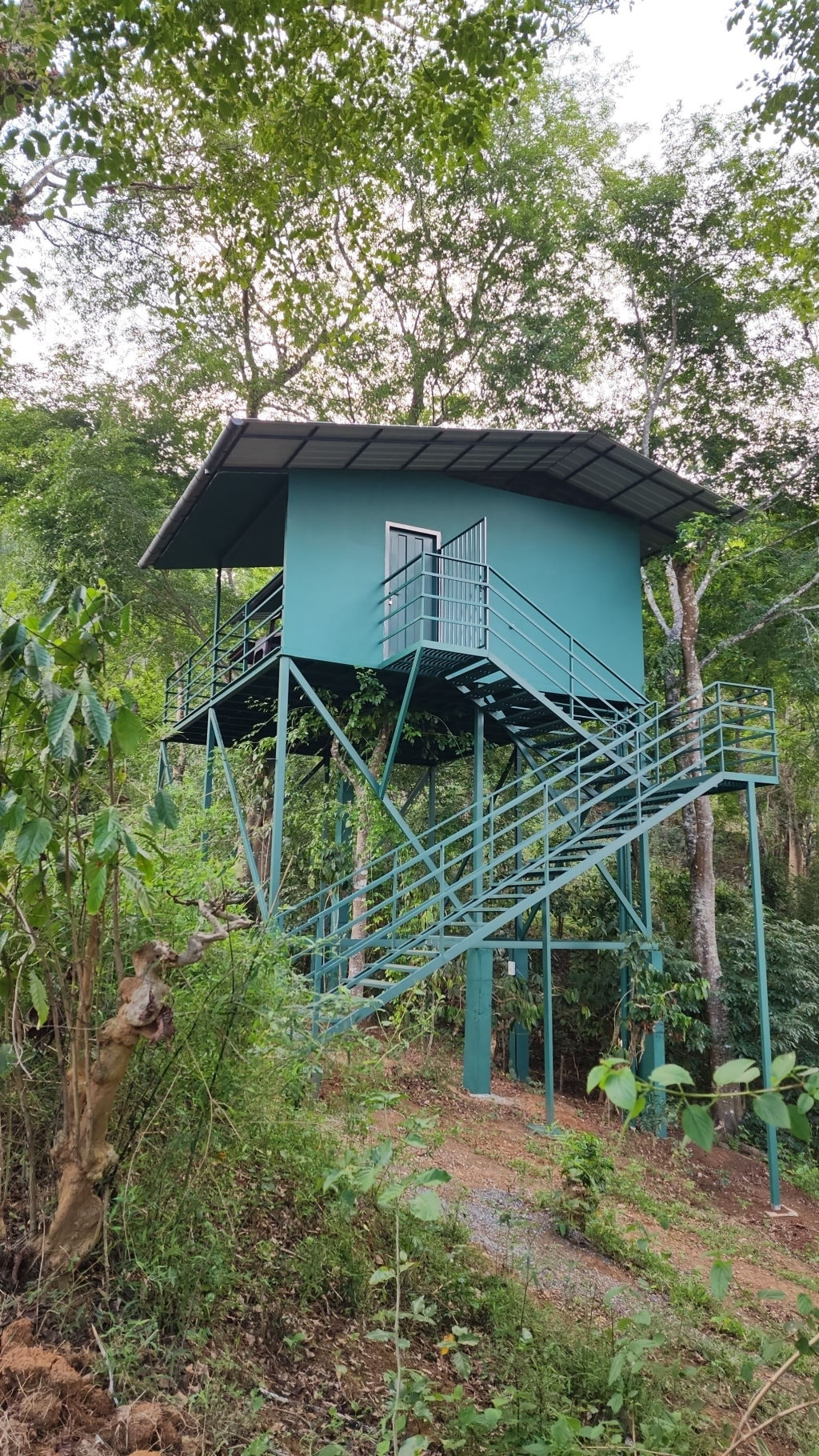
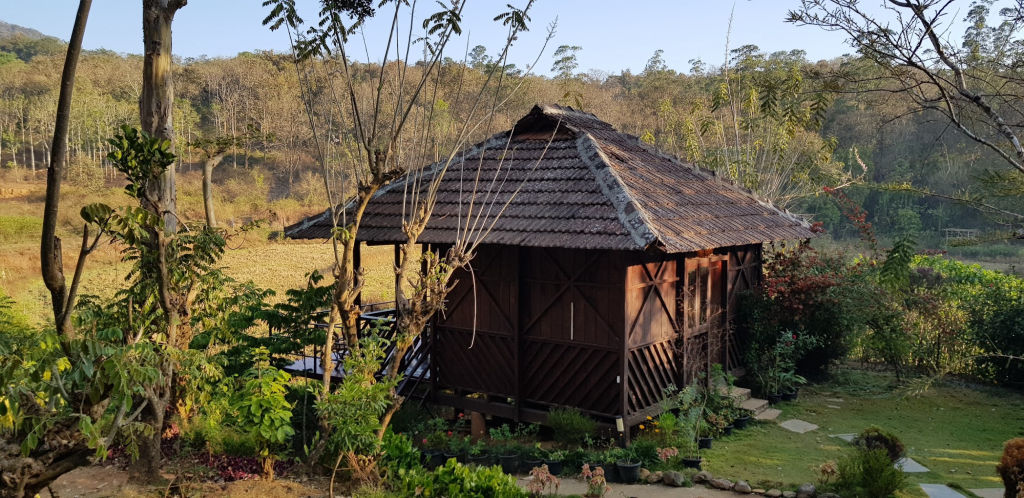
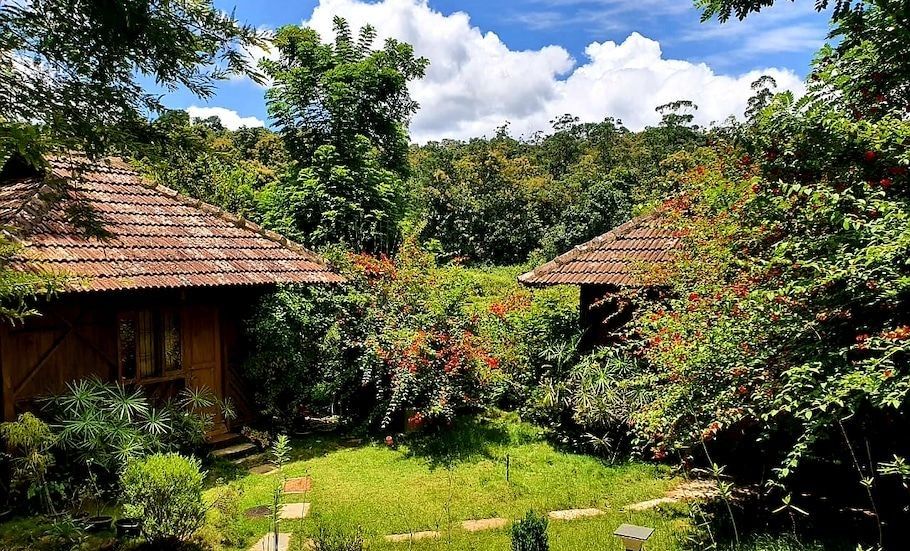
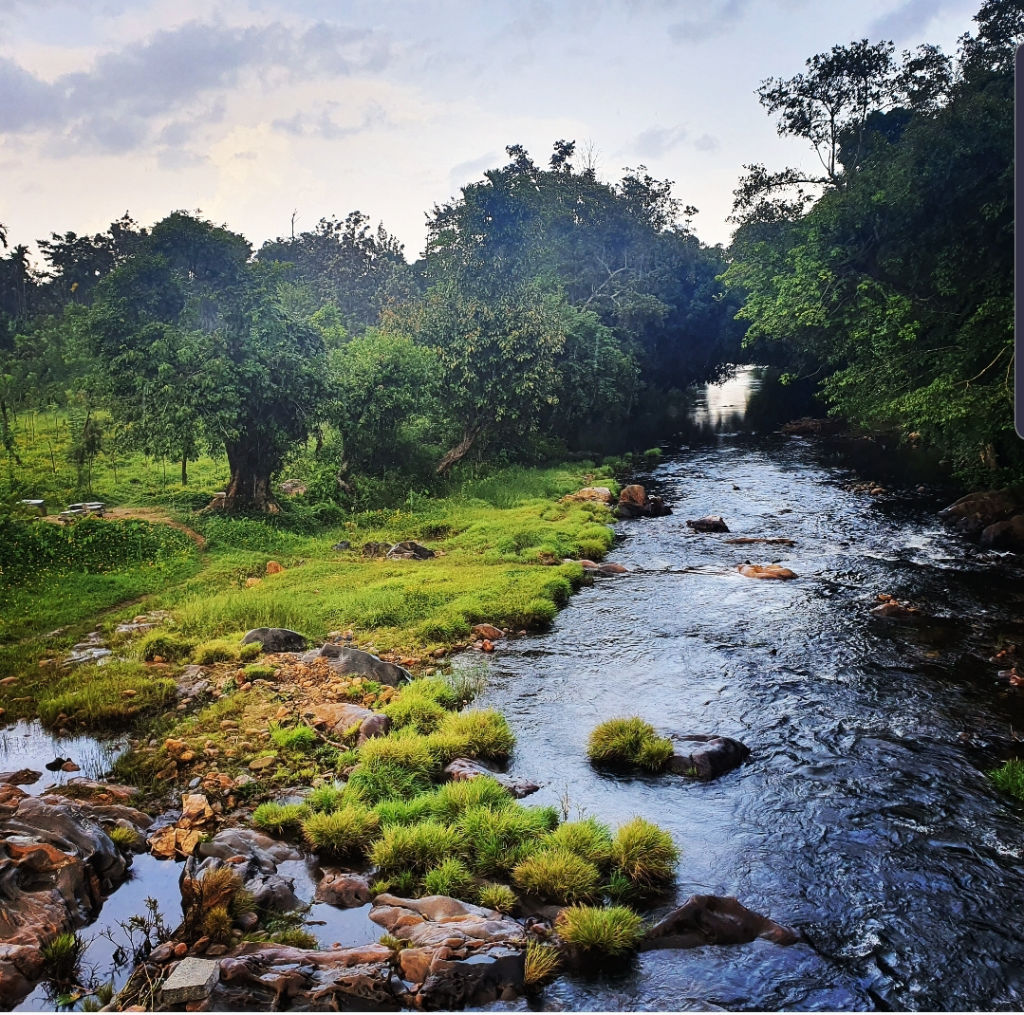
Choosing a base close to Wayanad Wildlife Sanctuary makes attending early morning safaris convenient and unhurried. The countryside around Mananthavady and Tholpetty features scenic stays that blend into the surrounding coffee, pepper, and tea estates.
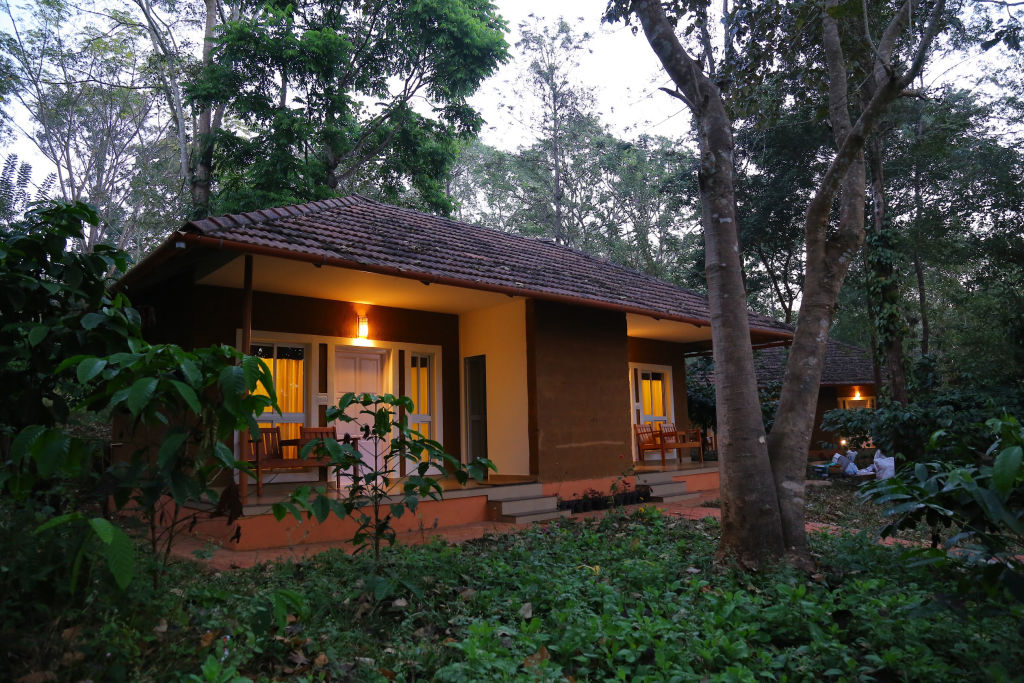
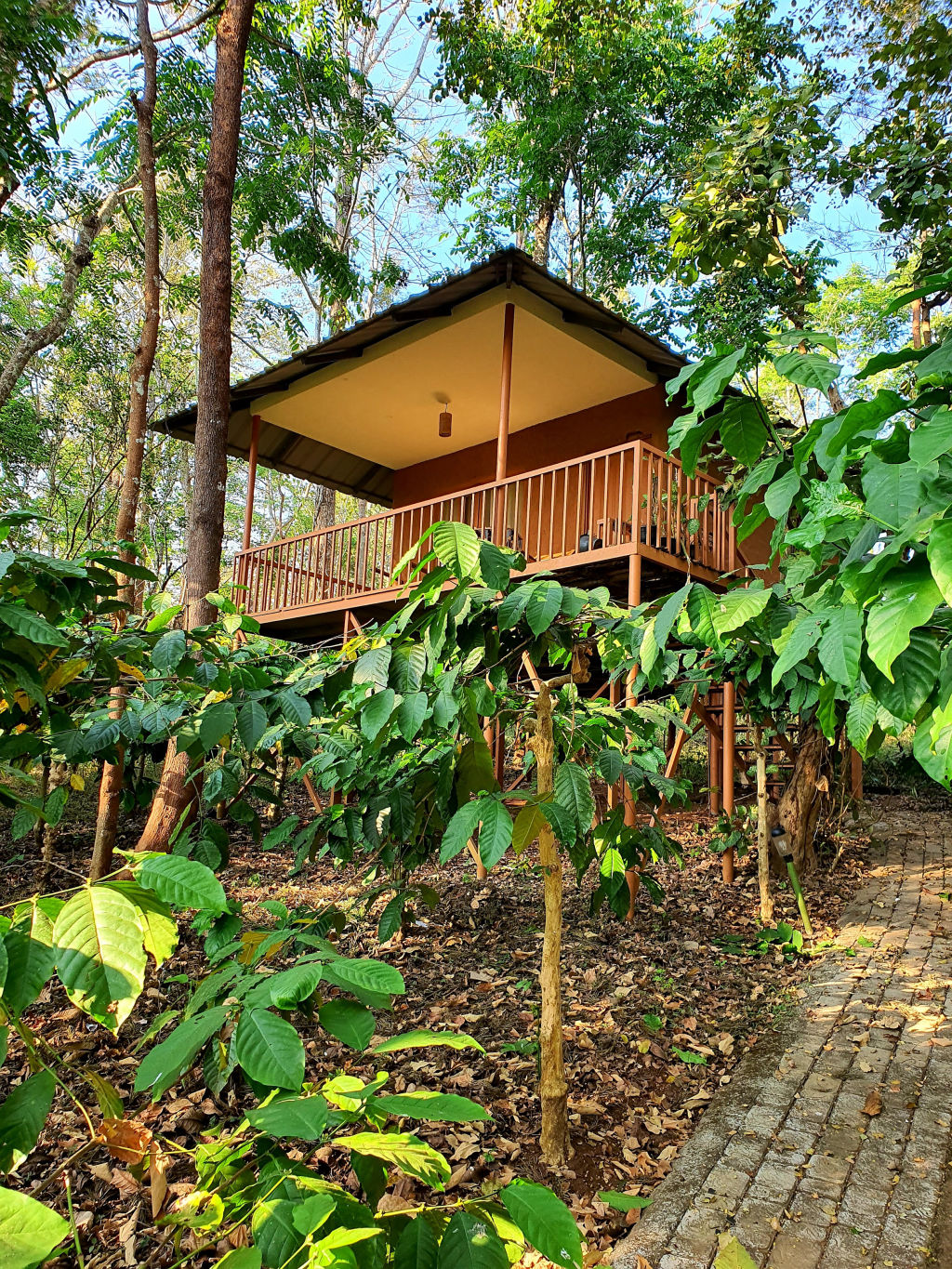
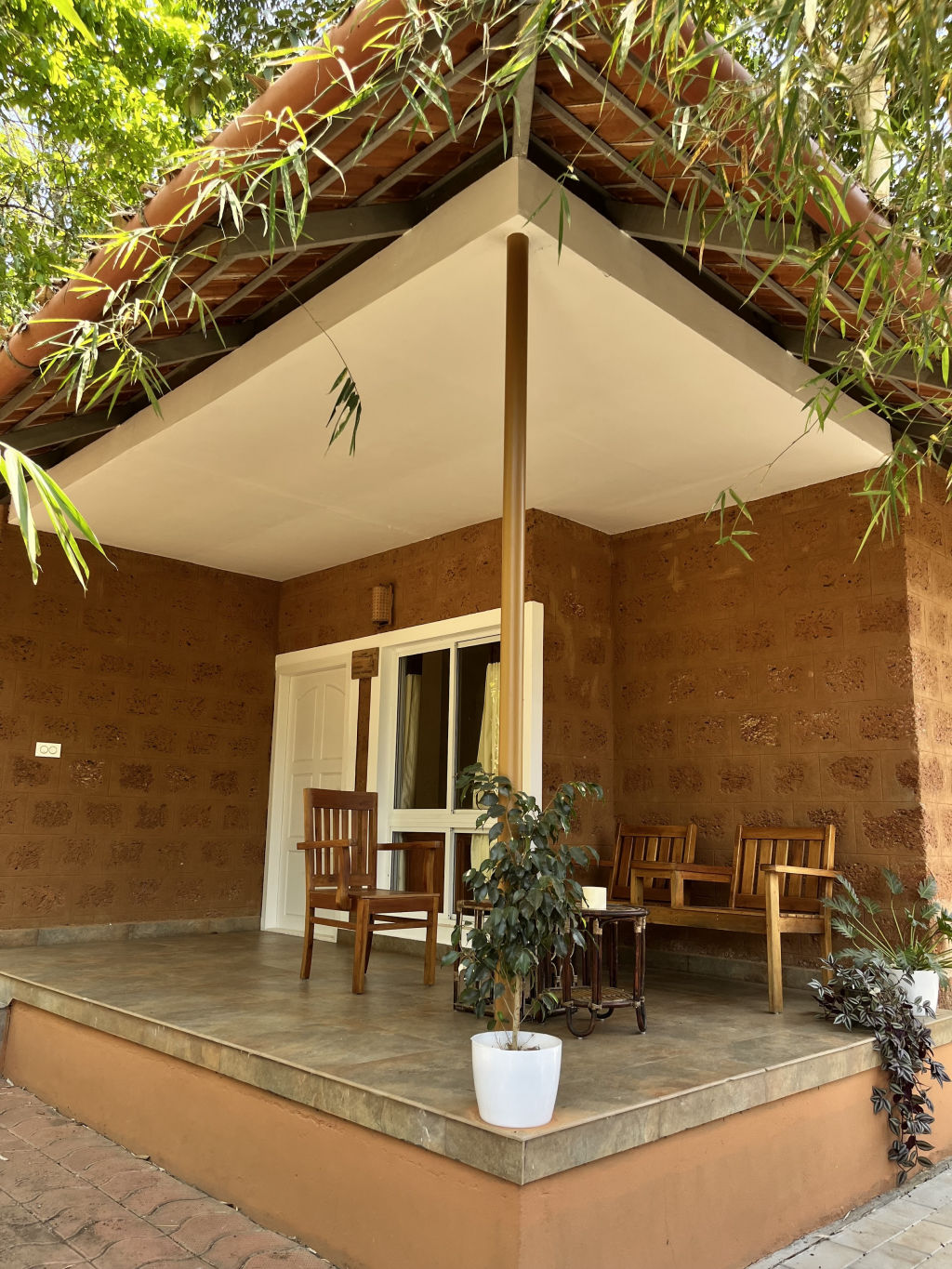
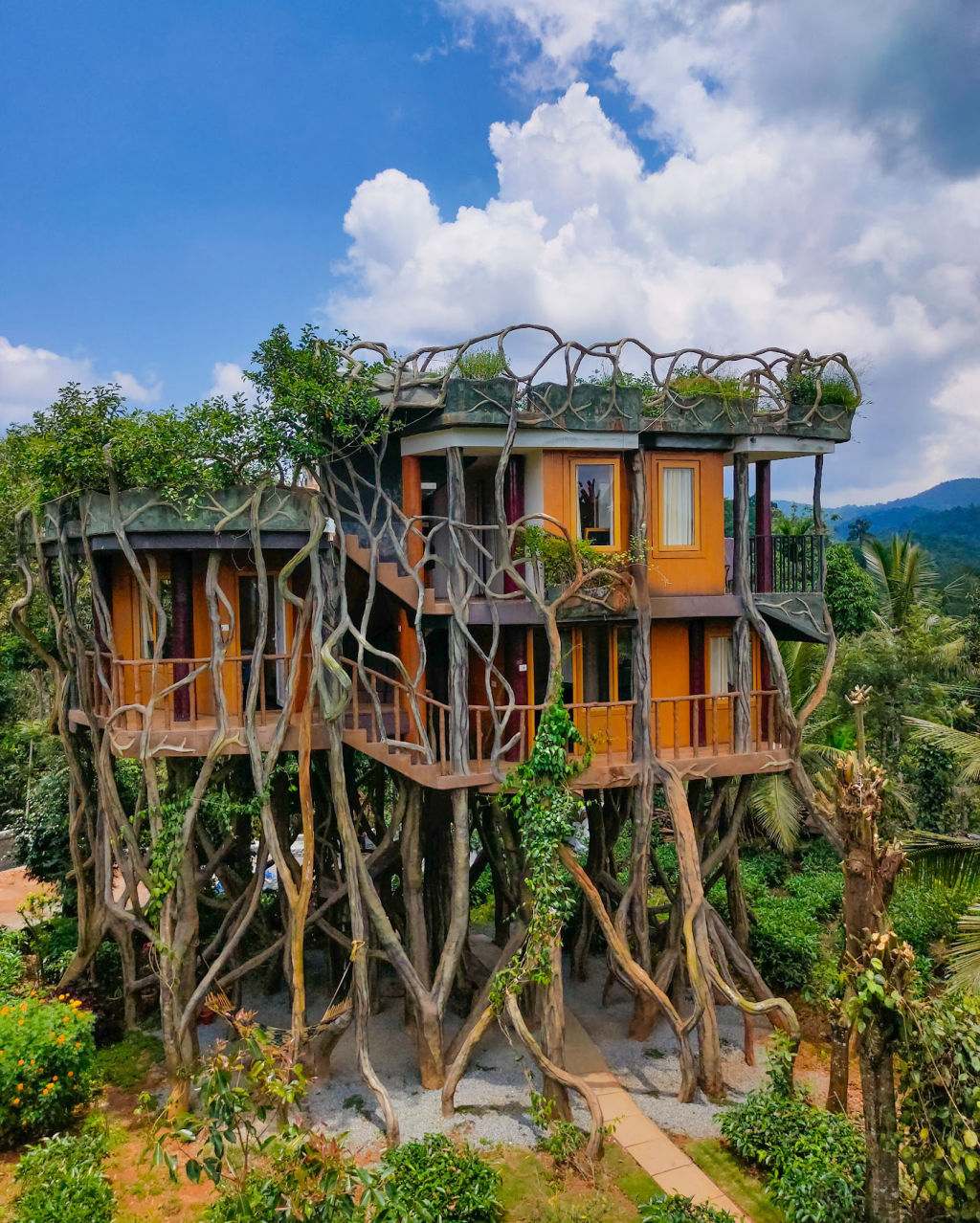
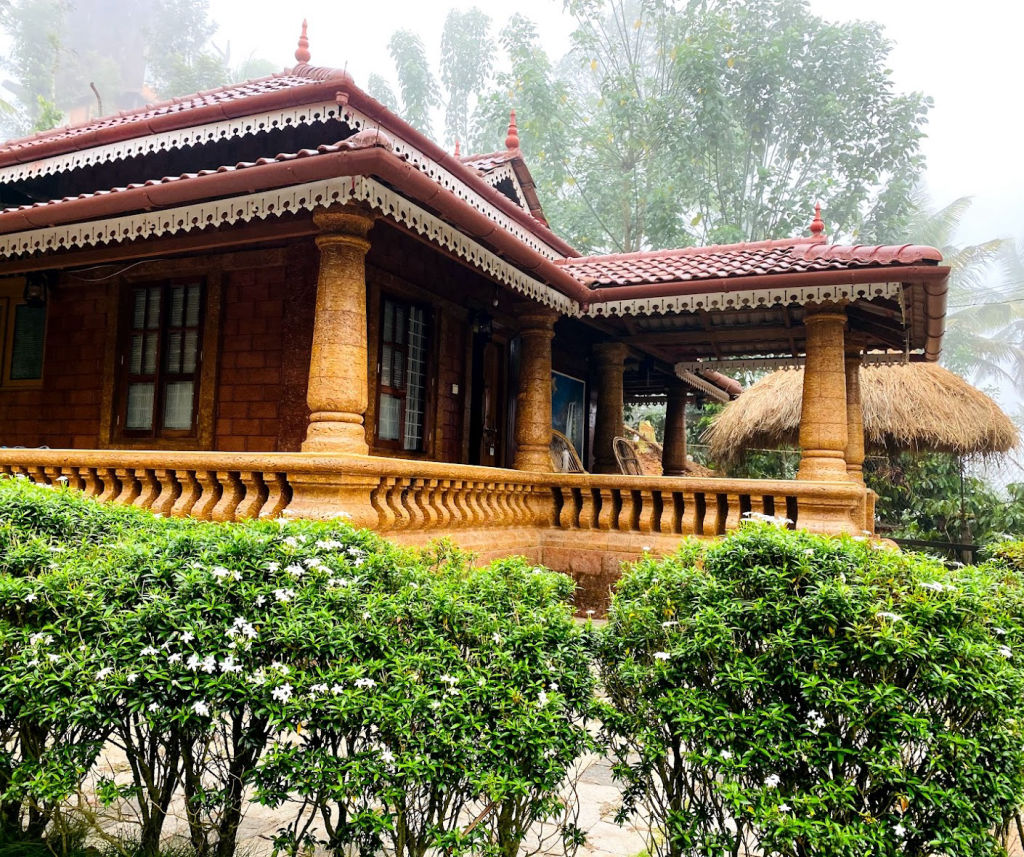
Options include nature-focused campsites, welcoming family homestays serving authentic Kerala dishes, and quiet plantation lodges. These stays allow travellers to wake up to birdsong, explore tranquil estate trails, and learn about the local landscape. A variety of homestays, eco-lodges, and campsites around Wayanad can be discovered and reserved on HireACamp.
Frequently asked questions
What is Wayanad Wildlife Sanctuary famous for?
Wayanad Wildlife Sanctuary is renowned for its large population of Asian elephants and its role as a vital corridor connecting major national parks in Kerala, Karnataka, and Tamil Nadu. It also shelters tigers, leopards, gaurs, and a rich diversity of birds.
How can I book a safari at Wayanad Wildlife Sanctuary?
Forest safaris are conducted in department vehicles and managed directly by the Kerala Forest Department. Visitors can obtain safari tokens and entry permits in person at the Tholpetty range office on a first-come, first-served basis.
Which town is closest to Wayanad Wildlife Sanctuary?
Mananthavady is the closest town to the Tholpetty Range of the sanctuary. It offers regional transport links, local markets, and road access to the forest entrance.
When is the best season to visit the sanctuary?
The ideal time to visit is from October to March, when the weather is mild and pleasant for outdoor safaris. Drier months towards late winter also bring excellent wildlife viewing near water holes.
Are there other attractions near Wayanad Wildlife Sanctuary?
Yes, nearby places to explore include Nagarhole National Park across the state border, the scenic Chikka Devamma Temple, and Tibetan monasteries such as Dzongkar Choede and Chowkur.
Where you'll be
Tholpetty Range, Mananthavady · 9 stays nearby shown with prices
Stays near Wayanad Wildlife Sanctuary
Book a place to stay close by
More places near Wayanad Wildlife Sanctuary
Within 20 km


Built from 0 Instagram posts by 0 creators. Every tip links back to the post it came from, and where creators disagree we show both sides.






