
Neora Valley National Park
National park near Lava, West Bengal
400 m from Lava
The nearest town, for stays, food and fuel.
Neora Valley National Park is a pristine protected wilderness situated in the Kalimpong district of West Bengal, sprawling across rugged Himalayan slopes and deep forested gorges. Renowned for its rich biodiversity, the park is one of the key habitats for the endangered red panda and hundreds of rare bird species. Travellers and outdoor enthusiasts visit to experience untouched cloud forests, panoramic mountain views, and quiet trekking trails.
Getting there
By road
- From LavaNearest town1 min · 700 m
Typical drive times without traffic. Stations and airports from OLA Maps; distances and typical drive times from OpenStreetMap (© OpenStreetMap contributors); notes from creators' Reels.
About Neora Valley National Park
Written with AI from map data and general knowledge. Check prices and timings locally before you go.
The Wilderness of Neora Valley National Park
Tucked away in the eastern Himalayan foothills of West Bengal, Neora Valley National Park represents one of the most intact and biologically rich ecosystems in the region. Established in the late twentieth century, the park spans a dramatic range of altitudes, climbing from subtropical valleys to high subalpine ridges that meet the borders of Sikkim and Bhutan. Its rugged topography, marked by sharp ravines, clear mountain streams, and dense thickets, has historically sheltered the landscape from large-scale human encroachment.
Because significant portions of the valley remain dense and difficult to access, the forest functions as a vital ecological corridor. The cool, mist-shrouded climate fosters thick moss carpets, tangled bamboo clusters, and towering tree canopies that filter out direct sunlight. For travellers seeking raw nature away from paved promenades and crowded hill stations, the primeval geography of Neora Valley offers a genuine mountain wilderness experience.
Wildlife and Forest Flora
Neora Valley National Park supports an impressive variety of wildlife, with its most celebrated resident being the elusive red panda. The park's bamboo-rich understory and temperate broadleaf forests provide a secure habitat for this endangered mammal, though catching a glimpse requires patience, quiet movement, and sharp observation. Other mammals recorded in the park include the clouded leopard, Himalayan black bear, barking deer, leopard cat, and the Asiatic wild dog.
The park is equally renowned among birdwatchers as an Important Bird Area. Its distinct vertical vegetation zones shelter hundreds of avian species, ranging from the rufous-throated partridge and satyr tragopan to vibrant laughingthrushes, flycatchers, sunbirds, and warblers. The botanical diversity is just as striking, shifting from sal and oak groves at lower elevations to dense rhododendrons, magnolias, and conifers higher up. During spring, the canopy comes alive with flowering blooms in shades of crimson, pink, and white.
Read more
Trekking Trails and Exploring the Park
Exploring Neora Valley National Park is fundamentally a journey on foot. The terrain is demanding, defined by steep climbs, slippery forest pathways, and thick vegetation, making designated trails the safest and most rewarding way to experience the area. Peripheral hamlets and forest outposts near Kalimpong serve as the natural starting points for both day-long nature walks and challenging multi-day wilderness treks.
Among the longer routes, trails that head up toward the Rachela Pass ridge offer an unforgettable backcountry experience where the borders of West Bengal, Sikkim, and Bhutan converge. Trekkers ascending this high ridgeline witness dramatic shifts in forest composition, cross mountain streams, and camp under expansive starry skies. For casual visitors, guided day walks along the forest fringes provide excellent opportunities to watch birds, study endemic plants, and admire distant views of snow-dusted Himalayan peaks.
Best Time to Visit Neora Valley
The climate in Neora Valley is shaped by its elevation and the powerful monsoon winds of the Eastern Himalayas. The most comfortable and scenic times to visit are from October to December and from March to May. The autumn months bring crisp mountain air and clear skies, offering optimal conditions for hiking and wide panoramic views of the surrounding ranges.
Spring is another delightful window, marked by mild daytime temperatures and the blooming of wild orchids, primulas, and rhododendrons across the mountainsides. In contrast, the monsoon season from June to September brings torrential rainfall, heavy fog, and frequent landslides along hill roads. Forest paths become slick and infested with leeches, leading authorities to close or strictly restrict forest entry during peak monsoon weeks.
How to Reach Neora Valley National Park
Reaching Neora Valley National Park typically begins with travel to the plains of northern West Bengal. The nearest primary railhead is New Jalpaiguri, while the closest airport with regular domestic flight connections is Bagdogra, near Siliguri. Both hubs provide straightforward access to regional road transport heading into the hills.
From Siliguri or New Jalpaiguri, visitors can travel by road toward Kalimpong. From the town of Kalimpong, mountain roads continue upward toward the eastern villages and checkposts that border the national park. The drive winds through scenic river valleys, tea slopes, and quiet forest stretches. Because mountain weather and road conditions can vary, it is wise to plan your travel during daylight hours.
Tips for Your Visit
Because Neora Valley is an ecologically sensitive and remote wilderness, visiting requires thoughtful preparation. Entry into the national park is monitored by the state forest department, which requires visitors to secure official entry permits before crossing forest checkpoints. Check local guidelines and obtain current permit information upon arrival in the nearest gateway town.
Hiring a certified local guide is essential for exploring the interior trails. Guides are familiar with changing weather patterns, navigation through dense foliage, and tracking wildlife safely. Wear sturdy trekking shoes with reliable traction to handle damp stones and muddy trails. Carrying layered warm clothing, waterproof outerwear, a personal first-aid kit, and leech guards during damp seasons will ensure a far safer and more comfortable journey.
Places to Visit Nearby
A trip to Neora Valley can easily be combined with exploring the cultural and scenic highlights of the wider Kalimpong and Darjeeling hills. In Kalimpong, travellers can explore vibrant local markets, colonial-era architecture, and hilltop sanctuaries like Durpin Monastery, which commands sweeping views over the Teesta River valley.
Further along the mountain ridges, Lamahatta features serene pine forest walkways, manicured gardens, and peaceful vantage points facing Mount Kanchenjunga. Travellers with extra time can venture toward the classic viewpoints around Darjeeling or head into the quiet agricultural valleys of Sittong, known for orange groves and peaceful village life.
Where to Stay around Neora Valley
Accommodation near Neora Valley National Park is concentrated in the small villages and hill hamlets dotted along the park's periphery, as well as in the larger hub of Kalimpong. Staying in these quiet settlements offers close proximity to nature and an authentic glimpse into local Himalayan village life.
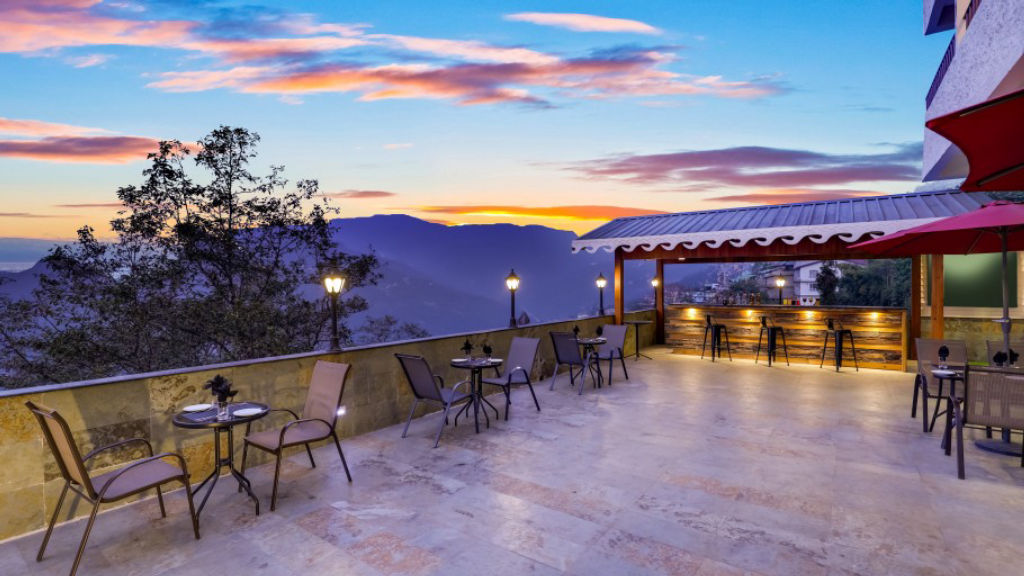
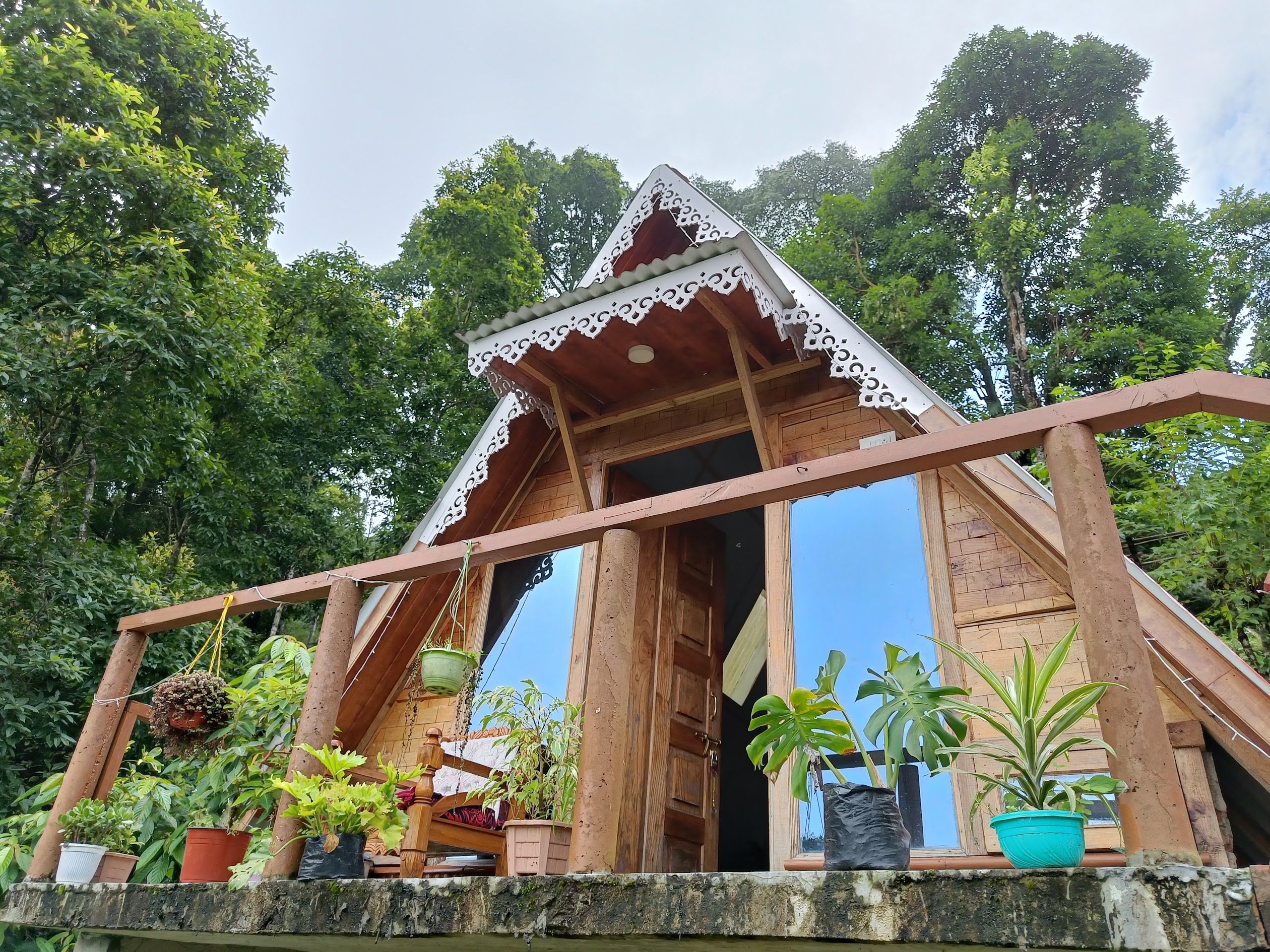
Travellers can choose from welcoming family-run homestays, rustic nature cottages, and eco-friendly campsites, all of which provide home-cooked meals and tranquil surroundings. You can browse and book verified homestays, nature retreats, and outdoor campsites in the area through HireACamp to find a stay that suits your travel style.
Frequently asked questions
Where is Neora Valley National Park located?
Neora Valley National Park is located in the Kalimpong district of West Bengal, India, bordering the state of Sikkim and the country of Bhutan.
What wildlife can you see in Neora Valley National Park?
The park is home to the rare red panda, clouded leopard, Himalayan black bear, barking deer, and an extraordinary variety of Himalayan birds including tragopans and laughingthrushes.
Do I need a permit to visit Neora Valley National Park?
Yes, permits issued by the West Bengal Forest Department are mandatory for entering the national park. You should check the current procedure and arrange permits at the local forest office or checkpost.
When is the best time of year to visit Neora Valley?
The best months to visit are from October to December for clear views and dry trails, and from March to May when the forests are alive with blooming rhododendrons.
Is Neora Valley National Park suitable for beginners?
Short guided walks along the park's fringes are manageable for most fitness levels, but multi-day interior treks involve steep, demanding terrain that requires moderate endurance and proper gear.
Where you'll be
Kalimpong-II Sub-District, WB · 3 stays nearby shown with prices
Stays near Neora Valley National Park
Book a place to stay close by

More places near Neora Valley National Park
Within 20 km
Lists for this area
Ranked by how many creators recommend each place


Built from 0 Instagram posts by 0 creators. Every tip links back to the post it came from, and where creators disagree we show both sides.






