
Lava
Destination in West Bengal
Lava is a quiet hill town set amidst dense pine forests in the Kalimpong district of West Bengal. Situated at an altitude of over 2,100 metres, it serves as the entry point to the Neora Valley National Park. Travellers visit Lava for its mist-shrouded mountain landscapes, peaceful Buddhist heritage, and rich birdwatching opportunities.
Getting there
About Lava
Written with AI from map data and general knowledge. Check prices and timings locally before you go.
What Lava is known for
Lava is renowned for its tranquil environment, dense pine and fir woods, and crisp mountain atmosphere. Perched high on the outer ridges of the Eastern Himalayas, it offers a stark contrast to busier regional hubs. The town is frequently enveloped in thick rolling mists, which lend an ethereal, atmospheric quality to its winding roads and hillside cottages.
The town is also widely recognized as one of the major gateways to the Neora Valley National Park, an ecologically pristine wilderness home to dense virgin forests, elusive wildlife, and exceptional biodiversity. For birdwatchers and naturalists, Lava is an essential halt in North Bengal, as its forest edges provide a natural habitat for dozens of rare Himalayan bird species. Its cultural landmark, the Lava Jamgyong Kongtrul Monastery, gives the settlement a serene, contemplative character.
Things to do in and around Lava
Exploring the Lava Monastery, officially known as Kagyu Thegchen Ling Monastery, is one of the most rewarding experiences in town. The monastery complex features colorful Tibetan architecture, intricate murals, prayer wheels, and a central courtyard surrounded by forested slopes. Visitors can spend quiet hours listening to the chanting of monks and observing traditional monastic routines.
Nature walks along the forested trails radiating from the town centre allow you to immerse yourself in the local ecosystem. Walking towards the forest check-posts often yields sightings of laughingthrushes, minlas, sunbirds, and broadbills. For those interested in regional biodiversity, the local Nature Interpretation Centre provides helpful exhibitions on the flora, fauna, and geography of Neora Valley.
On clear mornings, particularly just after daybreak, walking up to high ridges on the outskirts reveals wide panoramas of snow-covered peaks against an open sky. Taking unhurried strolls through the small bazaar area allows you to sample local snacks, browse everyday mountain goods, and observe quiet daily life in the hills.
Read more
Getaways and places to visit nearby
Lava functions as a base for exploring several picturesque mountain hamlets scattered across the surrounding slopes. Rishyap, located just a few kilometres away, is famous for its panoramic, unobstructed views of the Kanchenjunga range and its rustic forest trails. A walking trail connects Lava to Rishyap through mixed pine, oak, and rhododendron woods for those who enjoy hiking.
Kolakham is another popular getaway nearby, situated on the fringes of Neora Valley National Park. It serves as an access point to Changey Falls, a scenic waterfall cascading down steep rock faces amidst dense foliage. Lolegaon, situated further along the ridge, is celebrated for its heritage forest trails and quiet viewpoints overlooking the hills.
Travellers interested in wider regional excursions can head down towards Kalimpong town to visit Durpin Monastery, historic colonial-era architecture, and hillside nurseries. Further afield across the Teesta valley, serene destinations like Lamahatta and the orange-growing settlements of Sittong offer scenic alternatives for extended itineraries.
Best time to visit Lava
The ideal months to visit Lava are from October to May, divided into two distinct travel seasons. Autumn, spanning October and November, is characterized by clear blue skies, crisp mountain breezes, and the highest probability of catching unobstructed views of the Himalayan peaks. This is the peak period for outdoor walks and photography.
Spring, lasting from March to May, brings pleasant daytime temperatures and blooming wild flora, including rhododendrons and orchids along forest fringes. It is also an active season for birdlife, making it especially appealing for naturalists. Winter months from December through February are dry but very cold, with temperatures dropping sharply after sunset and occasional morning frost.
The monsoon season from June to September brings heavy downpours to the Eastern Himalayas. While the forests become lush and green, heavy rains frequently lead to leeches along wet footpaths, dense visibility-limiting fog, and potential road blockages caused by mudslides.
How to reach Lava
Lava is well connected by road from the plains of North Bengal as well as neighbouring hill towns. The nearest major railway junction is New Jalpaiguri, and the nearest commercial airport is Bagdogra. Both transit hubs are connected to major Indian cities through regular train and flight services.
From New Jalpaiguri or Bagdogra, road journeys typically take between three and four hours depending on route conditions. One popular route climbs via Gorubathan and Damdim, meandering through lush tea gardens before entering the higher pine forests. Alternatively, travellers can drive via Kalimpong town, following the ridge route eastward to Lava.
Private taxis can be chartered from the airport, railway station, or Siliguri junction. Shared jeeps also operate regularly between Kalimpong, Siliguri, and Lava, though departures are usually concentrated in the morning and early afternoon hours.
Tips for travellers visiting Lava
Because of its elevation, Lava is significantly colder than lower-altitude towns like Kalimpong and Darjeeling. Pack layered woollen clothing even during spring and autumn, as evenings and early mornings are chilly. If visiting during peak winter, heavy jackets, thermal innerwear, gloves, and warm caps are essential.
Walking shoes with firm grip are advisable for uneven village trails and forest paths. If you plan to walk through nature tracks right after the monsoon, carrying salt or insect repellent is helpful against forest leeches. Mobile network connectivity is generally available in the central town area but can be intermittent on rural forest tracks.
Carry sufficient cash for local expenses, taxi fares, and small dining stalls, as automated teller machines in small mountain hamlets can occasionally face technical downtime. If you intend to trek deeper into Neora Valley, always consult local forest authorities regarding permit requirements before venturing beyond designated boundary lines.
Where to stay in Lava
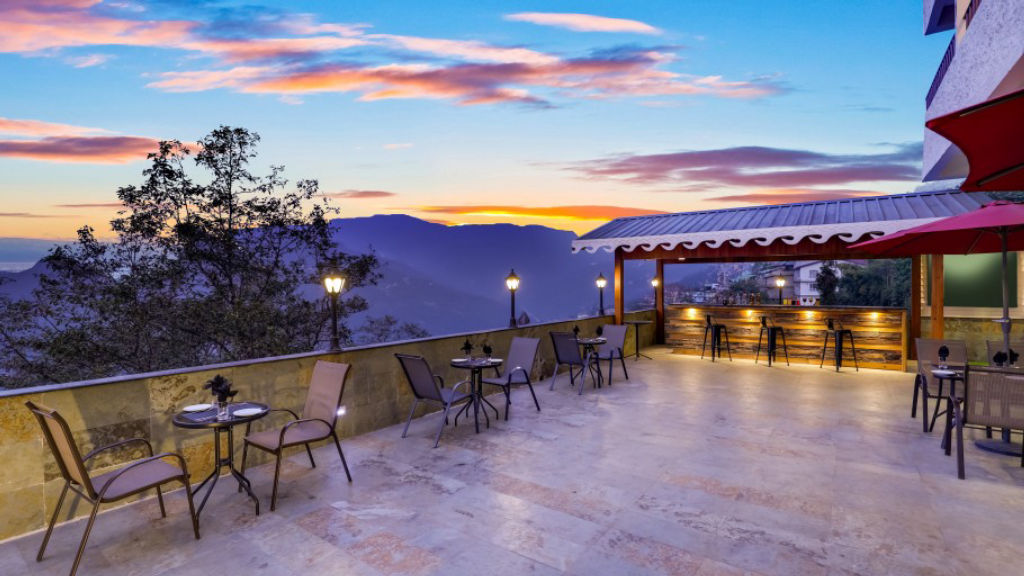
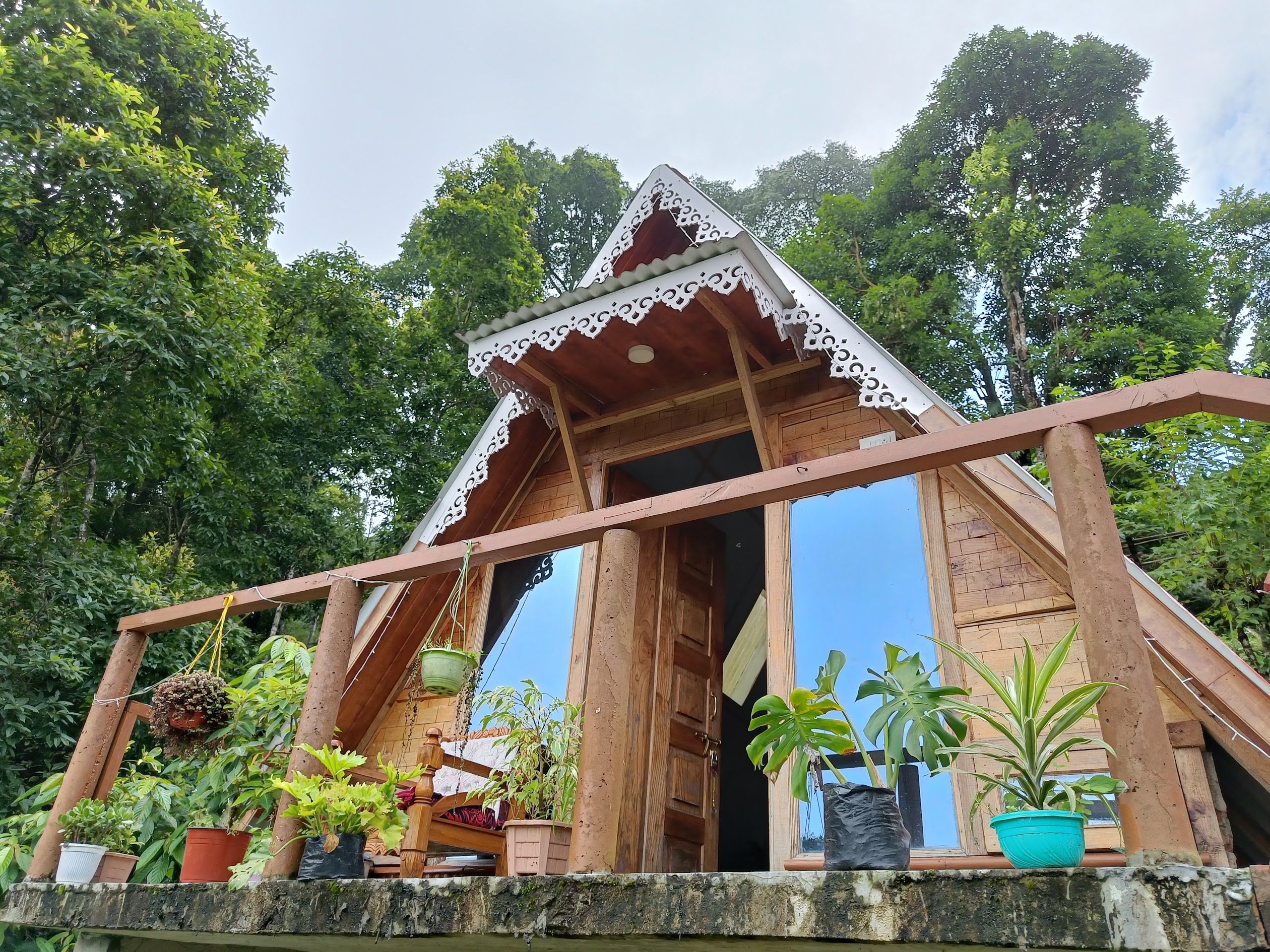
Accommodation around Lava tends to be simple, comfortable, and focused on natural surroundings. Options include traditional wooden village homestays run by local families, small guesthouses, and scenic hillside lodges scattered along the ridge towards Rishyap and Kolakham.
Staying in a homestay provides an opportunity to experience warm local hospitality and authentic regional home-cooked meals prepared with seasonal ingredients. For outdoor enthusiasts seeking open skies, peaceful campsites and comfortable nature stays can be booked around Lava and the adjacent hills on HireACamp.
Frequently asked questions
Does it snow in Lava?
Snowfall in Lava is infrequent and unpredictable, though light snow or sleet can occur during harsh winter cold snaps between late December and January. Heavy frost and freezing nighttime temperatures are common during the winter months.
How far is Lava from Kalimpong?
Lava is located roughly 30 to 35 kilometres by road from Kalimpong town. The scenic drive typically takes around one and a half to two hours depending on road and traffic conditions.
What kind of birds can be seen in Lava?
Lava is renowned for montane birdlife, with common sightings including laughingthrushes, minlas, sunbirds, barwings, rusty-bellied shortwings, and broadbills along the forest fringes.
How many days are needed to explore Lava?
A stay of two to three days is generally sufficient to explore Lava Monastery, take nature walks, and visit nearby hamlets like Rishyap and Kolakham.
Are permits required to visit Lava?
No special permits are required to stay in or travel through Lava town. However, entering protected core areas of Neora Valley National Park requires formal permission from local forest department offices.
Where you'll be
3 stays nearby shown with prices
Stays near Lava
Book a place to stay close by

Things to do in Lava
47 places creators recommend within 30 km


Lists for this area
Ranked by how many creators recommend each place


Built from 0 Instagram posts by 0 creators. Every tip links back to the post it came from, and where creators disagree we show both sides.






