
Neora Valley National Park
National park near Darjiling, West Bengal
100 m from Darjiling
The nearest town, for stays, food and fuel.
Neora Valley National Park is a rugged wilderness in the Kalimpong district of West Bengal, spanning steep montane forests in the Eastern Himalayas. Bordering Sikkim and Bhutan, the park is celebrated for its dense canopy, high-altitude ridges, and rare wildlife such as the red panda and clouded leopard. Nature enthusiasts and trekkers visit to experience untouched mountain trails, diverse birdlife, and sweeping forest landscapes.
Getting there
About Neora Valley National Park
Written with AI from map data and general knowledge. Check prices and timings locally before you go.
About Neora Valley National Park
Neora Valley National Park is one of the most ecologically intact forest reserves in the Eastern Himalayas, situated in the Kalimpong district of West Bengal. Established in 1986, the park covers a rugged terrain ranging from low river valleys to high Himalayan ridges that border Sikkim and Bhutan. Its geography features steep hillsides, deep gorges, and meandering perennial streams that feed into the Neora River, giving the park its name.
The park is celebrated for its dense forest canopy, which remains largely untouched due to the challenging topography. Elevation rises sharply across the park, creating a striking transition from subtropical broadleaf forests at lower levels to temperate mixed forests, bamboo groves, and rhododendron thickets at higher reaches. In spring, the undergrowth erupts with blooming orchids, primulas, and wild ferns, creating a lush sanctuary for native plants and animals.
Wildlife and Birdwatching in Neora Valley
The dense and uninterrupted forest cover of Neora Valley National Park makes it a critical biodiversity hotspot and refuge for several rare and endangered species. Among its most famous residents is the endangered red panda, which finds a natural habitat in the dense bamboo thickets and high-altitude canopies. The park is also home to clouded leopards, Himalayan black bears, barking deer, leopards, wild dogs, and goral, though many of these animals remain elusive within the thick understory.
For birdwatchers, Neora Valley is an exceptional destination. The diverse altitudes host a spectacular variety of Himalayan and sub-Himalayan birds. Species such as the satyr tragopan, rufous-throated partridge, kalij pheasant, broadbills, sunbirds, and various babblers and flycatchers are frequently recorded here. The park's varied elevation allows both resident and migratory birds to thrive across different seasons, making early mornings along the forest fringes deeply rewarding for quiet observation.
Read more
Trekking and Forest Trails
Exploring Neora Valley National Park is primarily an on-foot wilderness experience. Because roads do not cut deep into the core areas, trekking is the only way to venture into its interior ridges. Popular access points for treks into the park periphery include the hill villages of Lava, Kolakham, and Rishyap. Treks often lead through winding forest tracks, crossing clear mountain streams, dense stands of bamboo, and moss-draped oak trees.
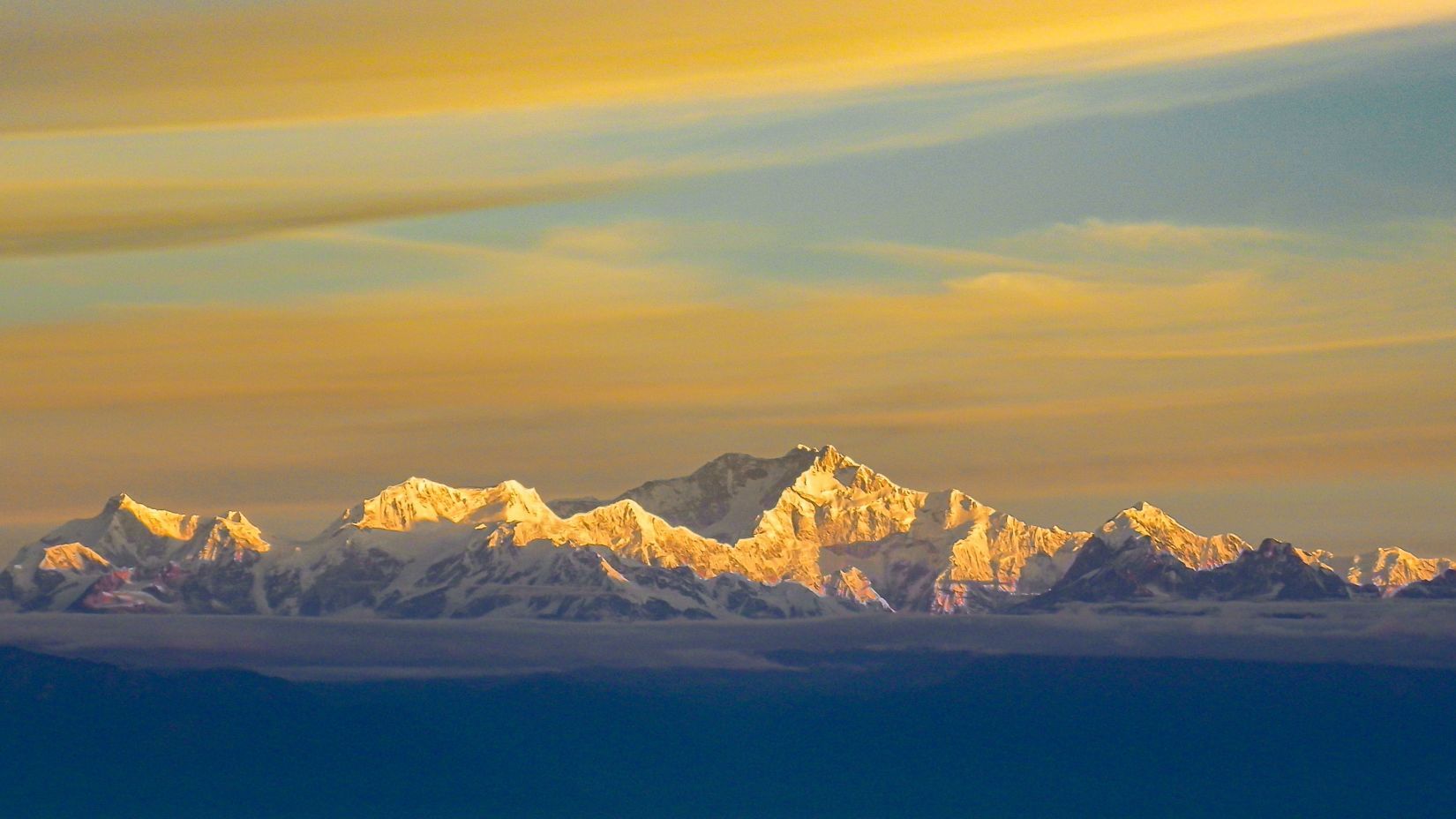
One of the most notable high-altitude trails leads toward Rachela Danda, the highest point in the park, which marks the tri-junction boundary of West Bengal, Sikkim, and Bhutan. On clear mornings, viewpoints along these ridgelines offer sweeping panoramas of the snow-clad Kanchenjunga range as well as the plains below. Because the terrain is steep and the wilderness dense, walking with authorized local guides is essential to navigate the trails safely and minimize environmental impact.
Best Time to Visit Neora Valley
The climate of Neora Valley National Park is defined by high rainfall, cool mountain air, and rapid seasonal shifts. The best time to visit is during the post-monsoon and autumn months, from October through December, as well as the spring season from March to May.
Autumn brings clear blue skies, crisp mountain breezes, and the highest visibility for enjoying mountain vistas and bird photography. The forest trails are relatively dry and stable during this period. Spring brings warmer daytime temperatures and bursts of color across the forest floor as rhododendrons, wild magnolias, and orchids burst into bloom.
Winter, running from late December through February, is cold, with night temperatures dropping significantly at higher elevations, though daytime trekking under the sun remains pleasant. The monsoon season, extending from June to September, brings intense rainfall, dense cloud cover, and heavy fog. During these months, trails become slippery, leeches proliferate, and landslides can disrupt mountain roads, leading to temporary trail closures and difficult travel.
How to Reach Neora Valley National Park
Reaching Neora Valley National Park typically involves traveling first to the nearby hill town of Kalimpong or the quiet settlement of Lava, which serves as the primary gateway to the park entrance.
The nearest broad-gauge railway junction is New Jalpaiguri, and the nearest commercial airport is Bagdogra Airport, both situated in the plains near Siliguri. From Siliguri, New Jalpaiguri, or Bagdogra, shared taxis, private cabs, and state transport buses run up into the hills toward Kalimpong and Lava. The mountain drive winds through scenic river valleys and tea gardens before ascending into cooler pine forests.
From Lava or Kalimpong, local four-wheel-drive vehicles can take you toward the forest checkposts and edge settlements such as Kolakham. Road conditions on the last stretches into the forest fringe can be rough and unpaved, making high-clearance mountain vehicles the preferred mode of transit. Always allow extra travel time, especially during foggy or wet conditions.
Tips for Your Visit
Visiting an untouched wilderness like Neora Valley requires thoughtful preparation to ensure both personal safety and conservation. You must check locally for current permit requirements, forest entry formalities, and guide regulations at the regional forest department offices in Lava or Kalimpong before setting out.
Packing appropriately is vital for a comfortable experience. Sturdy, broken-in trekking boots with good ankle support are essential for the uneven and frequently damp trails. Layered clothing helps you adjust to sudden temperature drops as you gain altitude, while a dependable windproof and waterproof jacket should always be in your pack.
If you visit just after the rainy season or in damp months, carrying leech guards or a small pouch of salt is highly advisable. Carry sufficient water, light energy snacks, and a personal first-aid kit, as basic amenities are absent deep inside the park. Practice Leave No Trace principles strictly by packing out all non-biodegradable waste and respecting the quiet stillness of the forest.
Where to Stay Near Neora Valley
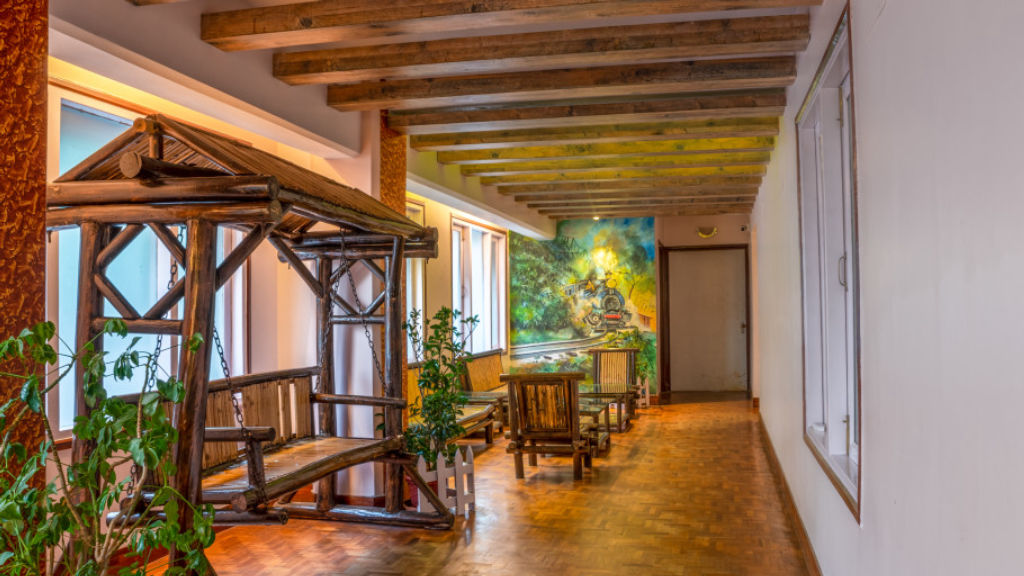
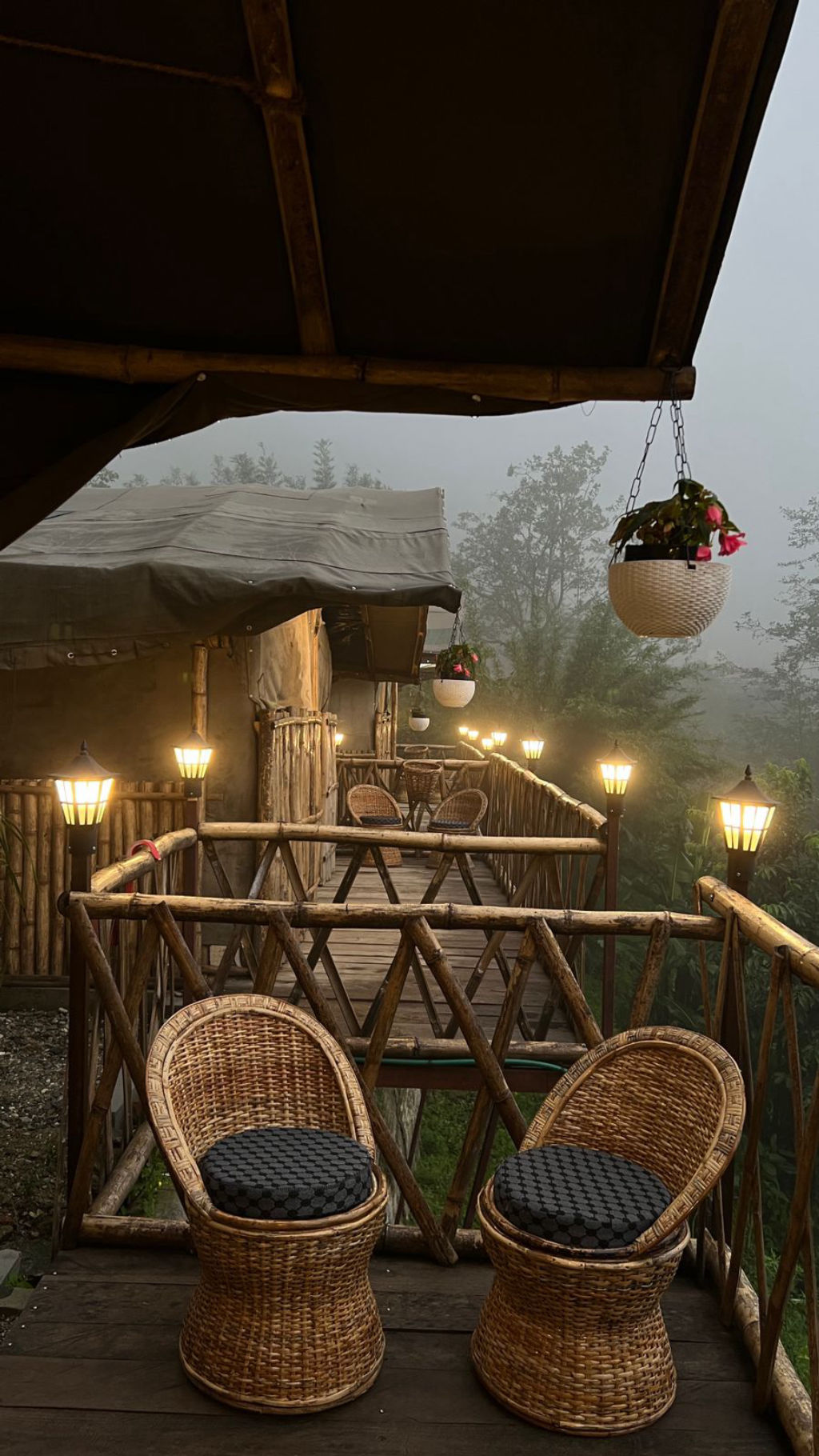
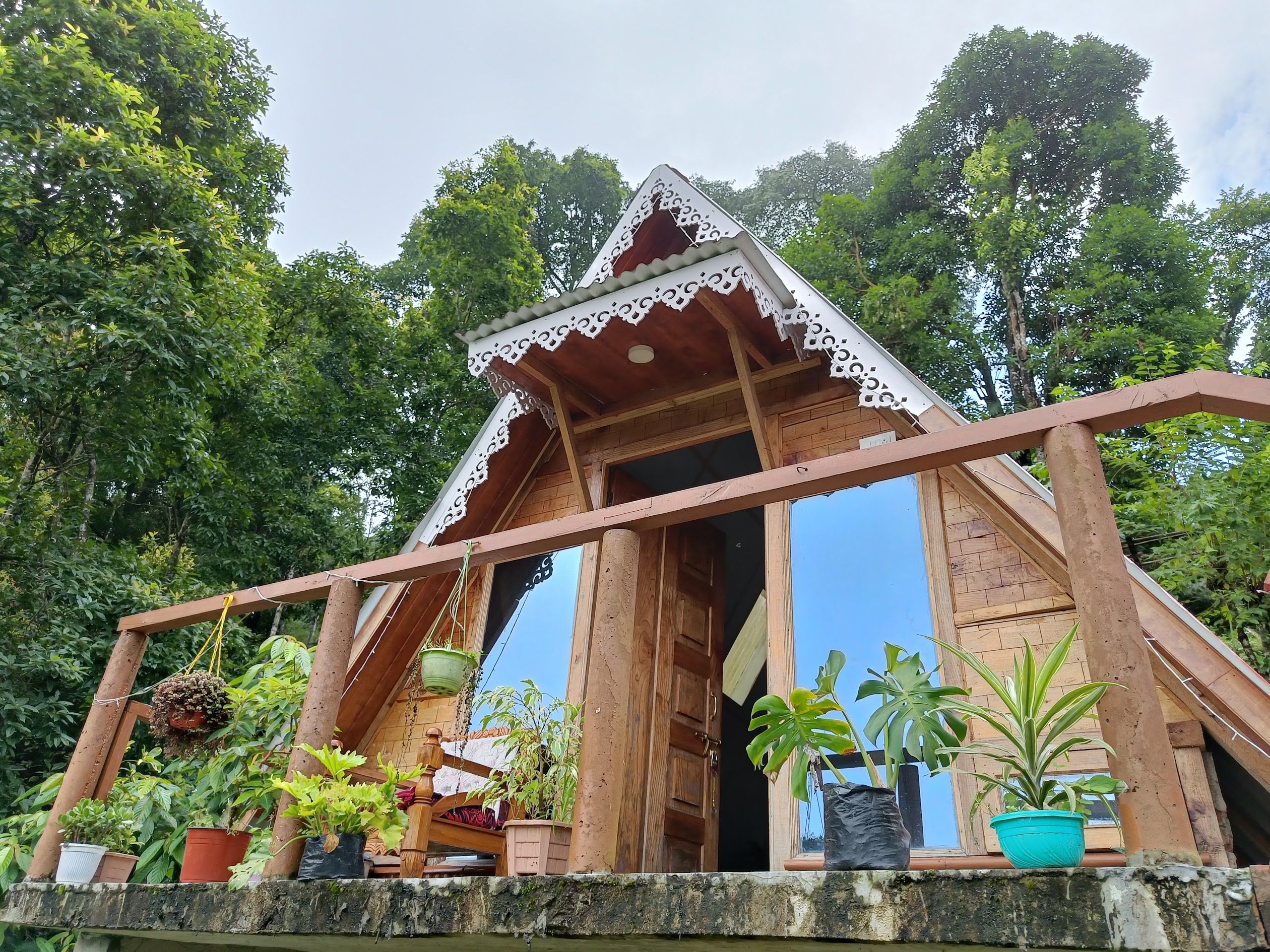
There are no commercial accommodation options within the core zones of Neora Valley National Park to preserve its natural state. Most visitors choose to stay in nearby fringe villages such as Lava, Kolakham, Rishyap, or the town of Kalimpong. These settlements offer tranquil surroundings overlooking forested valleys and distant mountain ranges.
Travellers looking for immersive nature retreats, rustic homestays run by local families, and eco-friendly campsites close to the park boundaries can discover authentic options on HireACamp. Booking in these border villages provides easy morning access to trailheads while supporting community-based local tourism.
Frequently asked questions
Where is Neora Valley National Park located?
Neora Valley National Park is situated in the Kalimpong district of West Bengal, India, bordering the state of Sikkim and the kingdom of Bhutan in the Eastern Himalayas.
What wildlife can be seen at Neora Valley National Park?
The park provides habitat for rare animals such as the red panda, clouded leopard, Himalayan black bear, and barking deer, alongside hundreds of Himalayan bird species like the satyr tragopan and kalij pheasant.
Do I need a permit to visit Neora Valley National Park?
Yes, permits are required to enter the national park. Visitors should confirm current permit formalities, fees, and guide rules directly with the local forest department offices in Lava or Kalimpong.
When is the best time to visit Neora Valley National Park?
The best months to visit are from October to December for clear views and crisp weather, and from March to May to see blooming rhododendrons, magnolias, and orchids.
How do I reach Neora Valley National Park?
You can reach the park by traveling from Bagdogra Airport or New Jalpaiguri railway station to Kalimpong or Lava by road, after which local mountain vehicles take you to the forest entrance.
Where you'll be
Kalimpong Subdivision, Darjeeling, Kalimpong, WB · 5 stays nearby shown with prices
Stays near Neora Valley National Park
Book a place to stay close by

More places near Neora Valley National Park
Within 20 km


Lists for this area
Ranked by how many creators recommend each place


Built from 0 Instagram posts by 0 creators. Every tip links back to the post it came from, and where creators disagree we show both sides.






