
Nizamuddin West
Destination in Delhi
Nizamuddin West is a historic neighbourhood in South Delhi, renowned across the subcontinent for its living Sufi heritage and centuries-old cultural traditions. Situated along the historic Grand Trunk corridor and bordered by grand medieval monuments, the locality draws pilgrims, history lovers, and food enthusiasts seeking an authentic experience of Delhi's layered past.
Getting there
By road
- From New Delhi26 min · 7.7 km
- From Dehradun3 hr 20 min · 228 km
- From Jaipur4 hr 20 min · 294 km
- From Chandigarh5 hr 15 min · 326 km
Typical drive times without traffic. Stations and airports from OLA Maps; distances and typical drive times from OpenStreetMap (© OpenStreetMap contributors); notes from creators' Reels.
Nizamuddin West and Delhi Heritage Itinerary
Centred around Nizamuddin West, this itinerary explores significant Mughal monuments, manicured heritage parks, central avenues, and historic Old Delhi landmarks using verified transit notes and visiting recommendations.
Nizamuddin and Lodhi Heritage Highlights
Best for travellers with limited time wanting to see iconic Mughal architecture and heritage gardens
Day 1
Mughal Monuments and Historic Gardens
morning
Humayun’s TombAbout 2 hr
Arrive early to avoid crowds and the midday heat between 12:00 PM and 3:00 PM. Wear flat shoes or sneakers and carry drinking water to explore the full complex and Charbagh gardens. Outside food is strictly prohibited.
midday
Sunder NurseryAbout 1 hr 30 min · 600 m from the last stop
Stroll through the landscaped parklands and historic monuments adjacent to Nizamuddin.
afternoon
Safdarjung TombAbout 1 hr 15 min · 3.4 km from the last stop
Visit during the golden hour before sunset for optimal viewing and photography of the tomb.
evening
Lodhi GardenAbout 1 hr 30 min · 1 km from the last stop
Take an evening walk along the paths to view illuminated historical tombs and murals.
- Avoid visiting Humayun’s Tomb between 12:00 PM and 3:00 PM due to intense heat, and skip peak weekend late mornings to prevent crowded photos.
- Wear comfortable flat footwear and bring your own drinking water when exploring Humayun’s Tomb; outside food is strictly prohibited across the grounds.
- Time your visit to Safdarjung Tomb for the golden hour right before sunset for the best lighting and photography.
- Visit Lodhi Garden after dark to observe historical tombs and murals illuminated along the walking trails.
- Budget accordingly when heading to Connaught Place, as food and retail spots in the colonnades lean upscale.
Visit lengths are suggestions; distances are straight-line between stops.
About Nizamuddin West
Written with AI from map data and general knowledge. Check prices and timings locally before you go.
The heritage and culture of Nizamuddin West
Nizamuddin West is one of the most culturally significant enclaves in Delhi, bearing witness to more than seven centuries of continuous habitation. At the core of the neighbourhood stands the shrine of the revered 14th-century Sufi saint Hazrat Nizamuddin Auliya. Surrounding the dargah is a dense medieval settlement known as Nizamuddin Basti, which grew organically around the shrine over generations.
The neighbourhood carries an unmatched musical and literary legacy, largely due to its association with Hazrat Amir Khusrau, the iconic poet, scholar, and disciple of Nizamuddin Auliya, whose tomb also rests within the complex. Walking through the narrow, bustling alleys of Nizamuddin West offers a sensory transition from the manicured modern avenues of New Delhi into a realm of aromatic street kitchens, flower sellers weaving fragrant rose petals, and echoes of devotional music.
Things to do in Nizamuddin West
A visit to the Hazrat Nizamuddin Dargah is central to any journey here. Pilgrims and visitors from all faiths gather within its marble courtyard to pay homage, tie sacred threads of petition, and experience the quiet devotion that defines the space. On select evenings, particularly Thursday nights, traditional qawwals sing devotional poetry set to harmoniums and dholaks, continuing an oral musical tradition that has endured for centuries.
Beyond spiritual contemplation, Nizamuddin West is celebrated for its historic culinary scene. The lanes branching out from the central shrine are filled with historic eateries serving rich Mughlai fare, including slow-cooked nihari, seekh kebabs grilled over charcoal embers, mutton korma, and layered rotis like rumali and sheermal. Concluding a culinary walk with local desserts, such as hot jalebis, kheer, or seasonal halwas, is an essential part of wandering through the basti.
Heritage enthusiasts can also explore the lesser-known historical structures embedded in the residential fabric, such as the 14th-century stepwell known as Nizamuddin Baoli, the tomb of the poet Mirza Ghalib, and the historic Chaunsath Khamba, an intricate 64-pillared white marble pavilion.
Read more
Places to visit around Nizamuddin West
Nizamuddin West sits at the epicenter of some of the most remarkable architectural landmarks in Delhi. Just across Mathura Road lies Humayun’s Tomb, a UNESCO World Heritage site that served as the grand architectural precursor to the Taj Mahal. Set amidst symmetrical Persian-style Charbagh gardens, the red sandstone and marble mausoleum is an essential visit.
Directly adjacent to Humayun's Tomb is Sunder Nursery, a vast 16th-century heritage park that has been meticulously restored. The nursery contains numerous protected monuments, serene water channels, sprawling lawns, and diverse birdlife, making it an ideal outdoor retreat after exploring the dense lanes of the basti. A short distance away is Baansera Park along the Yamuna floodplain, offering landscaped bamboo groves and wide walking paths.
Within a short radius, travellers can visit Lodhi Garden, celebrated for its 15th-century Sayyid and Lodhi dynasty tombs set within lush greenery, as well as the stately Safdarjung Tomb. Art and culture seekers can head towards India Gate to visit the National Gallery of Modern Art and the National Museum, while the distinctive architecture of the Bahá’í Lotus Temple is also easily accessible nearby.
Best time to visit Nizamuddin West
The best time to visit Nizamuddin West is during the autumn and winter months, stretching from October through March. Delhi experiences pleasant, cool weather during this period, with daytime temperatures comfortable enough for leisurely walking tours and courtyard explorations. Evenings can become quite chilly between December and January, adding to the charm of warm street foods and open-air qawwali gatherings.
Summer in Delhi lasts from April through June and is characterized by intense heat and dry winds, with afternoon temperatures routinely crossing forty degrees Celsius. If visiting during the summer months, plan outdoor visits and shrine explorations during early mornings or after sunset. The monsoon season, running from July to September, brings intermittent heavy rainfall and humid conditions, which can make navigating the narrow inner lanes of the basti somewhat muddy and crowded.
How to reach Nizamuddin West
Nizamuddin West enjoys prime connectivity with the rest of the National Capital Region. The locality is directly served by the Hazrat Nizamuddin Railway Station, one of Delhi's primary railway junctions hosting long-distance express and Rajdhani trains connecting northern, western, and southern India.
For those travelling within the city, the Delhi Metro provides convenient access. Nearby metro stations on the Pink and Violet lines offer seamless connections to central hubs such as Connaught Place, as well as suburban centres like Noida and Gurugram. Taxis, auto-rickshaws, and ride-hailing services operate constantly throughout the area. Indira Gandhi International Airport is situated towards the southwest of Delhi, from where visitors can reach Nizamuddin West via taxi or through express metro routes.
Tips for your visit to Nizamuddin West
When visiting Nizamuddin West, particularly the dargah and surrounding sacred premises, dressing modestly is essential. Both men and women should wear clothing that covers their shoulders and knees. Visitors are required to cover their heads before entering the inner shrine courtyards, so carrying a scarf, handkerchief, or stole is advisable, though simple caps are also available for purchase outside.
Footwear must be deposited at designated shoe stands before entering the religious compounds. The inner alleys of the basti are narrow and pedestrian-only, so wearing comfortable, easily removable slip-on footwear will make your exploration smoother. Keep in mind that Thursdays, festive occasions, and annual Sufi Urs celebrations draw very large crowds; keeping personal belongings secure and remaining mindful of your surroundings is recommended during peak gathering hours.
Where to stay near Nizamuddin West
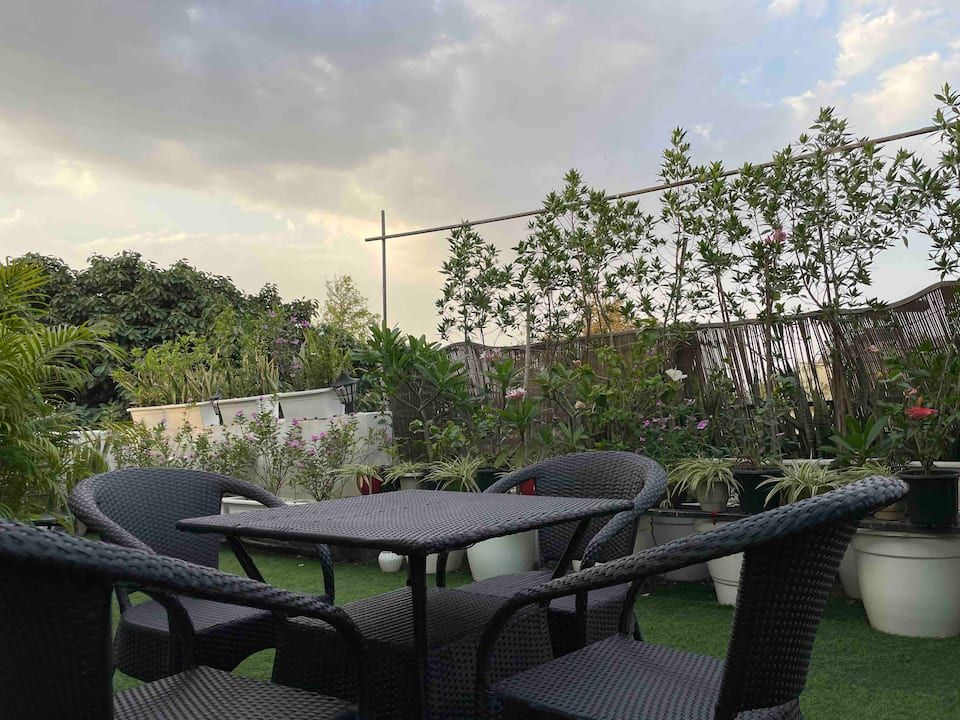
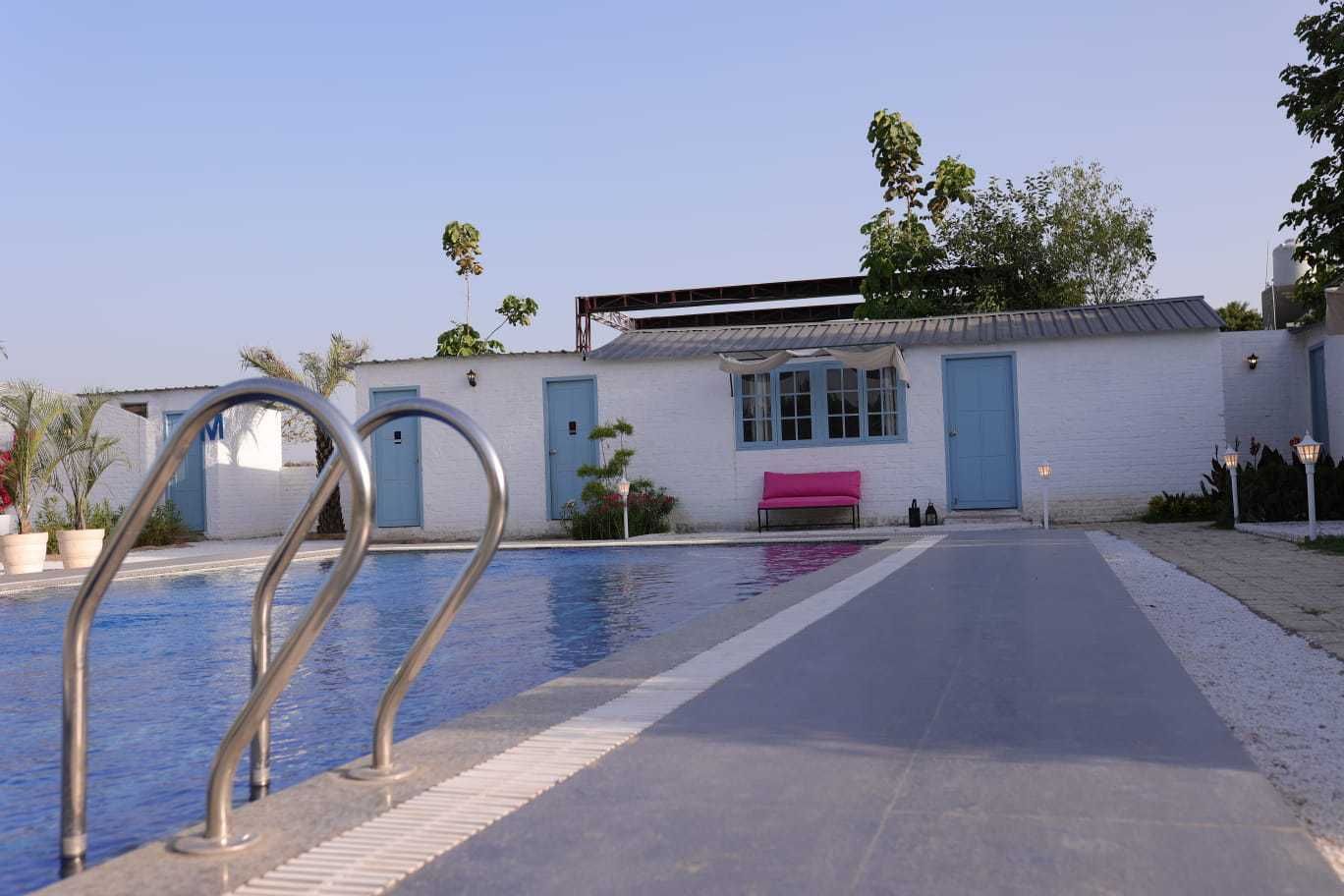
Staying in or around Nizamuddin West places travellers within easy reach of central Delhi's cultural attractions, major transit points, and historic green spaces. The wider South Delhi area features a broad range of accommodation options, ranging from heritage homestays to modern apartments and quiet residential guest homes.
If you prefer outdoor getaways, riverside breaks, or nature-focused retreats while visiting Delhi and its neighbouring states, you can discover verified camps, cottages, and rural homestays on HireACamp to complement your urban itinerary.
Frequently asked questions
What is Nizamuddin West famous for?
Nizamuddin West is world-famous for the Hazrat Nizamuddin Dargah, the historic shrine of Sufi saint Nizamuddin Auliya, along with its weekly qawwali sessions, rich Mughlai street food, and close proximity to Humayun's Tomb.
When can you hear qawwali at Hazrat Nizamuddin Dargah?
Devotional qawwali performances are traditionally held on Thursday evenings and during special Islamic celebrations. Schedules can vary depending on prayers and festival dates, so checking local timings on the day of your visit is recommended.
Is there a dress code for visiting Hazrat Nizamuddin Dargah?
Visitors must dress modestly with their shoulders and knees covered, and both men and women are required to cover their heads before entering the shrine. Shoes must also be removed before entering the courtyard.
Which metro station is closest to Nizamuddin West?
Sarai Kale Khan - Nizamuddin Metro Station on the Pink Line and Jangpura Metro Station on the Violet Line are the closest stations, both located within a short auto-rickshaw ride from the neighbourhood.
Can people of all religions visit Nizamuddin Dargah?
Yes, people of all faiths, backgrounds, and nationalities are welcomed into the shrine complex to experience the spiritual atmosphere, pay respects, and listen to devotional music.
Where you'll be
2 stays nearby shown with prices
Stays near Nizamuddin West
Book a place to stay close by
Things to do in Nizamuddin West
48 places creators recommend within 30 km


Lists for this area
Ranked by how many creators recommend each place


Built from 0 Instagram posts by 0 creators. Every tip links back to the post it came from, and where creators disagree we show both sides.






