
Pakyong
Destination in Sikkim
Pakyong is a peaceful sub-Himalayan town set amid terraced slopes and pine-covered ridges in eastern Sikkim. Best known as the home of Sikkim's first greenfield airport, it functions both as a quiet rural retreat and a gateway to the broader mountainous region. Travellers visit Pakyong to experience slow-paced village life, wander through ginger and cardamom fields, and take in panoramic views of the surrounding hills.
Getting there
About Pakyong
Written with AI from map data and general knowledge. Check prices and timings locally before you go.
About Pakyong and its landscape
Pakyong sits in the gentle lower ranges of the Eastern Himalayas, surrounded by lush green valleys and agricultural slopes. Historically a cluster of farming hamlets, the town gained wider recognition following the construction of Pakyong Airport, an engineering feat carved into the hillside. Despite this modern addition, Pakyong retains much of its traditional charm, where daily life unfolds at an unhurried pace among forested hillsides and mountain brooks.
The terrain around Pakyong is predominantly agricultural, renowned throughout Sikkim for its large-scale cultivation of large cardamom, ginger, and seasonal vegetables. Patches of native broadleaf and pine forest cover the steeper ridges, providing quiet trails for walking and birdwatching. From several vantage points around the town, on clear mornings you can see deep valleys opening toward the Teesta River basin and sweeping mountain contours stretching into the distance.
Things to do in Pakyong
Exploring Pakyong is best done on foot along its rural roads and trails. Morning walks take you past terraced farmland, traditional Sikkim homes framed with flower gardens, and pockets of pine woodland. The air is remarkably clean, and the town's position on a ridge offers scenic viewpoints where you can watch mist rolling through the valleys below.
Birdwatching and nature photography are particularly rewarding in the quieter pockets on the fringes of the settlement. The mixed vegetation supports a variety of Himalayan birds, including flycatchers, laughingthrushes, and sunbirds. Visitors interested in local life can visit village markets where farmers bring fresh hill produce, honey, and handmade bamboo crafts. The town also serves as a peaceful base for unwinding with a book or simply soaking in the mountain atmosphere away from heavier tourist crowds.
Read more
Places to visit near Pakyong
Pakyong's location makes it a practical base for exploring eastern and central Sikkim. One of the most significant sites nearby is Rumtek Monastery, located just a short drive across the valley. Perched on a hill facing Gangtok, Rumtek is the seat of the Karma Kagyu lineage and houses remarkable Tibetan murals, sacred relics, and a vibrant community of monks going about their daily chants and rituals.
Beyond Rumtek, travellers can easily make excursions into neighbouring districts and hill stations. The forested village of Lamahatta, known for its tall pine gardens and eco-park, is within excursion distance across the border in West Bengal. Nearby monastic hubs such as Durpin Monastery in Kalimpong can also be folded into a wider travel itinerary. For those heading toward Darjeeling, day trips can extend to historic teahouses, tea estates, and high-altitude nature parks.
Best time to visit Pakyong
The ideal time to visit Pakyong is during the autumn and spring months. From late September to November, the post-monsoon skies clear up, offering crystal-clear vistas across the valleys and pleasant daytime temperatures. The landscape remains vibrant green from the departed rains, making it an excellent season for photography and day hikes.
Spring, running from March through May, is another delightful period. The hillsides come alive with blossoming wildflowers and fresh foliage, and the weather is generally mild and comfortable. Winter, spanning December through February, is chilly, particularly in the mornings and evenings, but days are usually crisp and sunny. The monsoon months between June and early September bring intense rainfall to this part of the Eastern Himalayas, which often leads to road blockages and misty conditions that limit outdoor exploration.
How to reach Pakyong
Pakyong has its own airport, which offers seasonal direct air connections to select regional cities, though flights are subject to weather conditions. Travellers should check local flight schedules before relying solely on air connectivity to the town.
For most overland travellers, the primary access point is Bagdogra Airport or New Jalpaiguri Railway Station in West Bengal. From there, taxis and shared transport travel up through the foothills along National Highway 10 via Rangpo before ascending toward Pakyong. The road journey takes several hours depending on traffic and weather along the Teesta corridor. Shared jeeps and private cabs also run regularly between Pakyong and Gangtok, making the transit between the two towns straightforward.
Tips for travelling to Pakyong
Because Pakyong experiences rapid weather shifts typical of Himalayan foothill regions, packing layers is essential throughout the year. Even in warm months, evenings can turn cool, and a lightweight windproof jacket or fleece is handy. Sturdy walking shoes with good grip are recommended if you plan to walk along wet village paths or unpaved dirt tracks.
Carry sufficient cash during your visit, as smaller shops, local eateries, and village transport operators may not always have reliable digital payment connectivity. Additionally, check local guidelines and road conditions during the transition seasons, particularly if travelling through areas prone to hill slips after heavy rain.
Where to stay in Pakyong
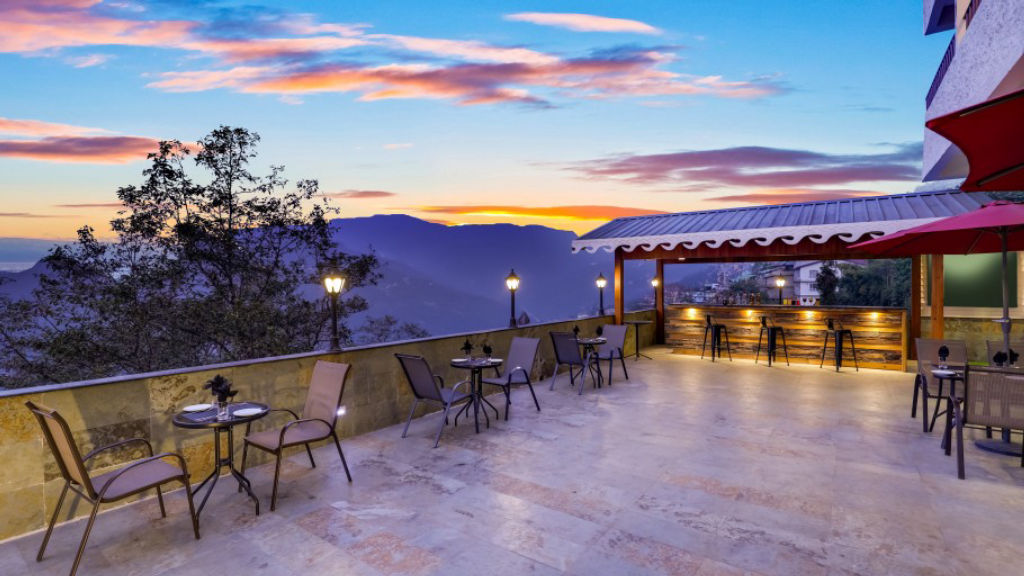
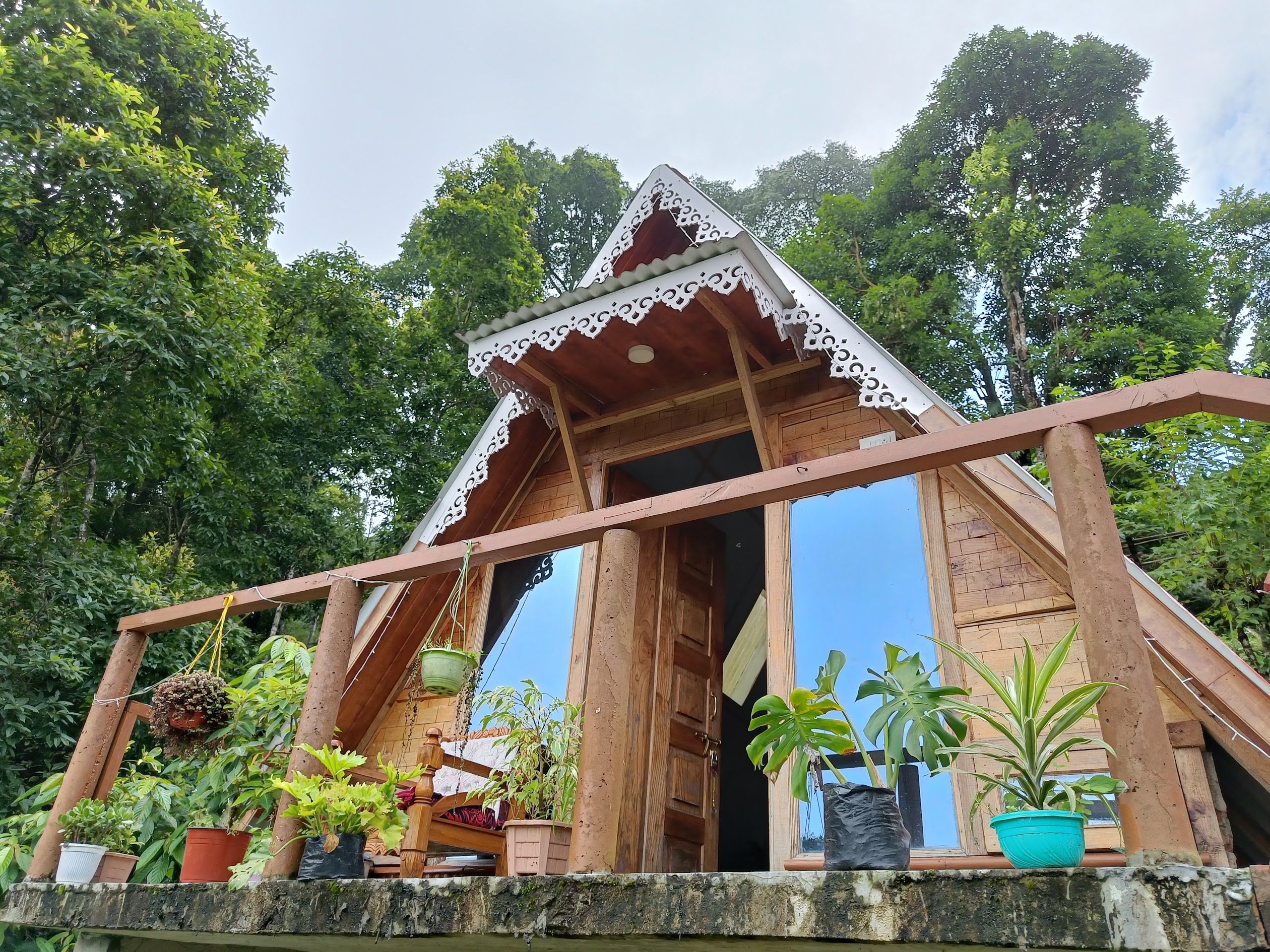
Accommodation options in and around Pakyong centre on relaxed, community-rooted experiences. Traditional homestays run by local families are especially popular, offering guests home-cooked Sikkimese meals made with farm-fresh ingredients and warm regional hospitality. Staying with a local host also provides direct insight into rural mountain customs and agricultural rhythms.
For those who prefer a more outdoor-focused retreat, there are rustic cottages, boutique hillside retreats, and campsites scattered across the surrounding slopes and nearby valleys. You can discover and book verified homestays, nature retreats, and outdoor stays around Pakyong on HireACamp.
Frequently asked questions
Is Pakyong worth visiting?
Yes, Pakyong is an excellent destination for travellers seeking a quieter, scenic alternative to busy tourist hubs, with pleasant walking trails, rural farming landscapes, and easy access to major cultural sites like Rumtek Monastery.
How far is Pakyong from Gangtok?
Pakyong is located roughly thirty kilometres south of Gangtok. The drive typically takes between one and two hours depending on local traffic and road conditions.
Does Pakyong Airport have regular flights?
Flight operations at Pakyong Airport depend heavily on seasonal weather and visibility conditions. It is advisable to check current schedules and airline status when planning your journey.
What should I pack for a trip to Pakyong?
Bring comfortable walking shoes, warm layers for chilly evenings, a rain jacket or umbrella if visiting near the monsoon, and adequate cash for local purchases in smaller villages.
Can I visit Rumtek Monastery from Pakyong?
Yes, Rumtek Monastery is located across the valley and can easily be visited from Pakyong as a short half-day or full-day excursion.
Where you'll be
3 stays nearby shown with prices
Stays near Pakyong
Book a place to stay close by

Things to do in Pakyong
47 places creators recommend within 30 km


Lists for this area
Ranked by how many creators recommend each place


Built from 0 Instagram posts by 0 creators. Every tip links back to the post it came from, and where creators disagree we show both sides.






