
Karsog Valley
Valley near Karsog, Himachal Pradesh
400 m from Karsog
The nearest town, for stays, food and fuel.
Karsog Valley is a wide, fertile basin in Himachal Pradesh situated in the lower Himalayas near Shimla and Mandi. Surrounded by pine and deodar forests, stepped agricultural fields, and sprawling apple orchards, it is known for its rural pace and historic wood-and-stone temples. Travellers visit Karsog Valley to enjoy quiet nature walks, experience traditional Himachali village life, and explore trails winding across the ridge lines.
Getting there
By road
- From KarsogNearest town1 min · 400 m
- From Chandigarh5 hr 5 min · 219 km
- From Ludhiana6 hr · 268 km
- From Dehradun7 hr 10 min · 335 km
Typical drive times without traffic. Stations and airports from OLA Maps; distances and typical drive times from OpenStreetMap (© OpenStreetMap contributors); notes from creators' Reels.
About Karsog Valley
Written with AI from map data and general knowledge. Check prices and timings locally before you go.
Understanding Karsog Valley
Karsog Valley rests in the Pir Panjal foothills within the Mandi district of Himachal Pradesh, sitting at an average elevation between 1,400 and 1,800 metres above sea level. Unlike narrow, steep gorges common in the higher Himalayas, Karsog expands into an open, undulating floor flanked by gentle ridgelines. The valley is intensely agricultural, covered in step terraces cultivating maize, wheat, seasonal vegetables, and large tracts of apple orchards that dominate the higher slopes.
Culturally, the valley has deep roots in regional folk tradition and Mahabharata folklore. Villages here retain distinct vernacular architecture, marked by Kath-Kuni construction where alternating layers of stone and wood provide resilience against seismic shifts and weather. The rhythm of daily life is dictated by seasonal farming and pastoral routines, offering travellers an honest look into mountain communities living in tune with the land.
Things to do in Karsog Valley
Walking through the countryside is the primary way to experience the area. Small walking trails crisscross the valley floor, connecting traditional settlements where stone-roofed houses stand beside terraced crops. Strolling through these hamlets gives visitors a close view of rural daily life, from seasonal weeding and irrigation to the drying of pulses and grains under the sun.
Karsog is also a hub for day hikes and temple visits. The region is dotted with historic shrines dedicated to local guardian deities, Nag Devtas, and traditional forms of Durga. Hikers can follow uphill paths towards vantage points like Shikari Devi or the nearby ridge paths that look out over the Sutlej river catchment. The paths are generally quiet and free from heavy foot traffic, making them ideal for travellers seeking unhurried outdoor exploration.
For those interested in local agriculture, farm visits during harvest times provide an engaging afternoon. Farmers are often open to conversations about traditional cropping patterns, natural springs that water the terraces, and the transition of the valley's higher belts into profitable apple production over recent decades.
Read more
Best time to visit Karsog Valley
Karsog Valley experiences four distinct seasons, each bringing a different feel to the landscape. Spring, from March through April, brings mild temperatures and vibrant orchard blossoms across the lower terraces. Days are clear and comfortable for outdoor walking, while nights remain cool enough to require warm woollens.
Summer, spanning May and June, is pleasantly warm and provides relief from the intense heat of the northern Indian plains. Daytime temperatures rarely exceed comfortable limits, making it a reliable period for family trips and leisurely hiking.
Monsoon arrives in July and extends through early September. The valley turns deep green, mountain streams swell, and clouds settle low across the hills. However, travelling on Himalayan roads during the monsoon carries risks of roadblocks and small landslides, so transport routes require careful tracking. Autumn, from late September through November, offers crisp mountain air, brilliant blue skies, and the golden hues of drying crops, marking one of the most reliable windows for walking and photography. Winters, between December and February, are cold and quiet, with frost blanketing the fields and higher ridges receiving occasional snowfall.
Places to visit around Karsog
Several interesting destinations lie within driving distance of Karsog Valley. The revered Mahu Naag Temple is an important pilgrimage site set atop a scenic hillock, dedicated to the serpent deity and famous for its wooden craftsmanship and pastoral surroundings. To the south, Shali Tibba represents the highest peak in the vicinity of the Shimla ridge, featuring a demanding uphill trail and panoramic views of the central Himalayan crest.
Further outward, travellers can plan excursions toward Jalori Pass and the village of Gadagushaini, which link the outer Seraj belt with the higher Kullu reaches. Nature enthusiasts can explore the edges of Majathal Wildlife Sanctuary, an area known for rugged terrain and scrub forest habitats that support populations of mountain ungulates, pheasants, and leopard species. Day trips towards the historic colonial ridge of Shimla or Hatu Peak above Narkanda are also manageable along scenic interior mountain routes.
How to reach Karsog Valley
Karsog Valley is accessible by road from two primary corridors in Himachal Pradesh: via Shimla or via Mandi. The route from Shimla proceeds northward via Mashobra, Sunni, and the Sutlej river crossing at Tattapani, gradually climbing up through dense forests toward the valley basin. The driving time from Shimla typically takes between four and five hours depending on road maintenance and traffic.
If approaching from Mandi or Bilaspur, roads wind through rural hillside passes, passing smaller market settlements before descending into Karsog. Public state transport buses run regular services connecting Karsog with major transit points like Shimla, Mandi, and Chandigarh. The nearest broad-gauge railway hub and commercial airport are located in Chandigarh, while local toy train connections end at Shimla. For road journeys, private cabs or personal vehicles with good ground clearance are recommended to navigate occasional rough patches.
Tips for your visit
When visiting Karsog Valley, carry sufficient cash because automated teller machines in small mountain towns can run dry or experience network failures during weather interruptions. Mobile network reception is decent in the main town area, but data connectivity may fluctuate as you move deeper into smaller villages and ridgelines.
Respect local customs, particularly when entering village temples. Himachali shrines often have specific rules regarding dress, entry of non-locals into inner sanctums, and the handling of sacred items made of leather. Always ask permission before photographing individuals, private homes, or community gatherings. Since nights can drop sharply in temperature even during early autumn, packing layered clothing and sturdy walking shoes is strongly advised.
Where to stay in Karsog Valley
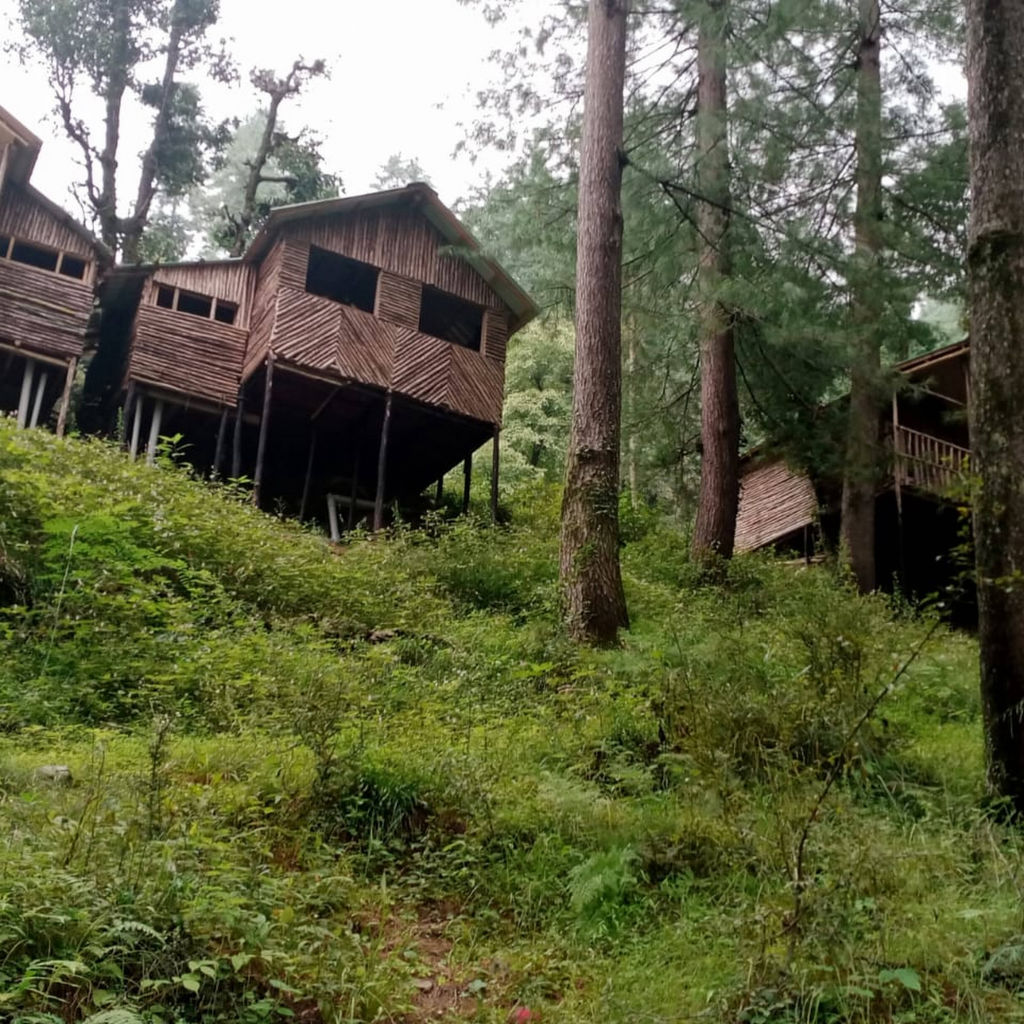
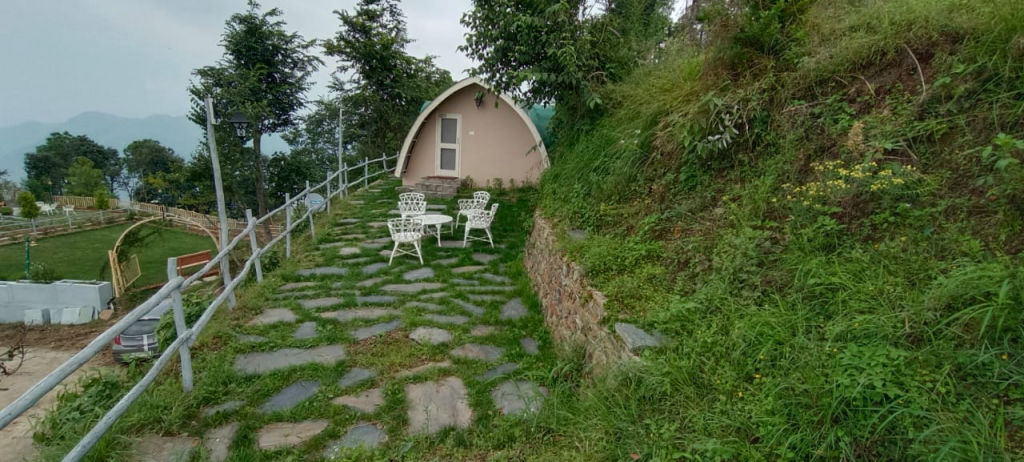
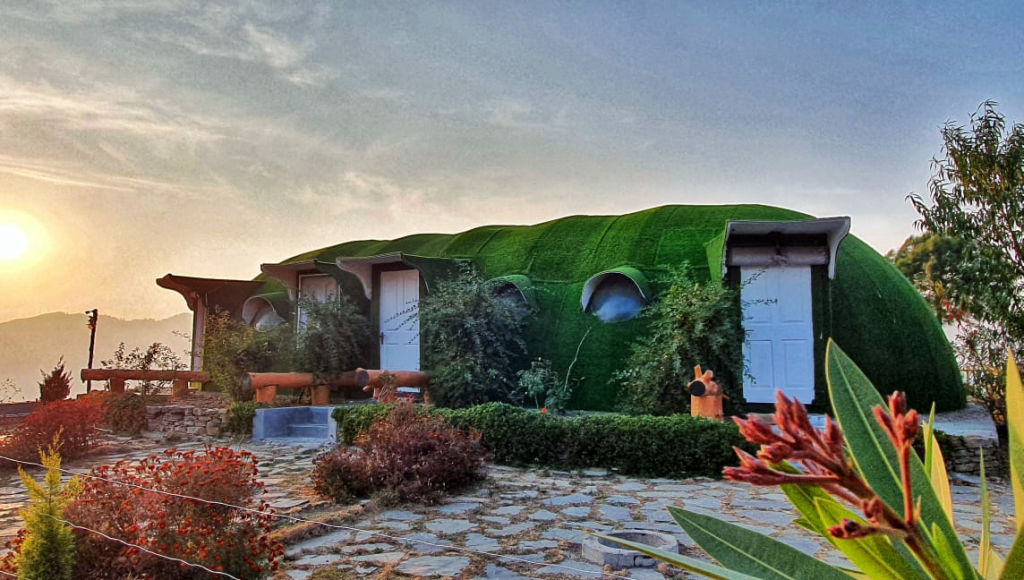
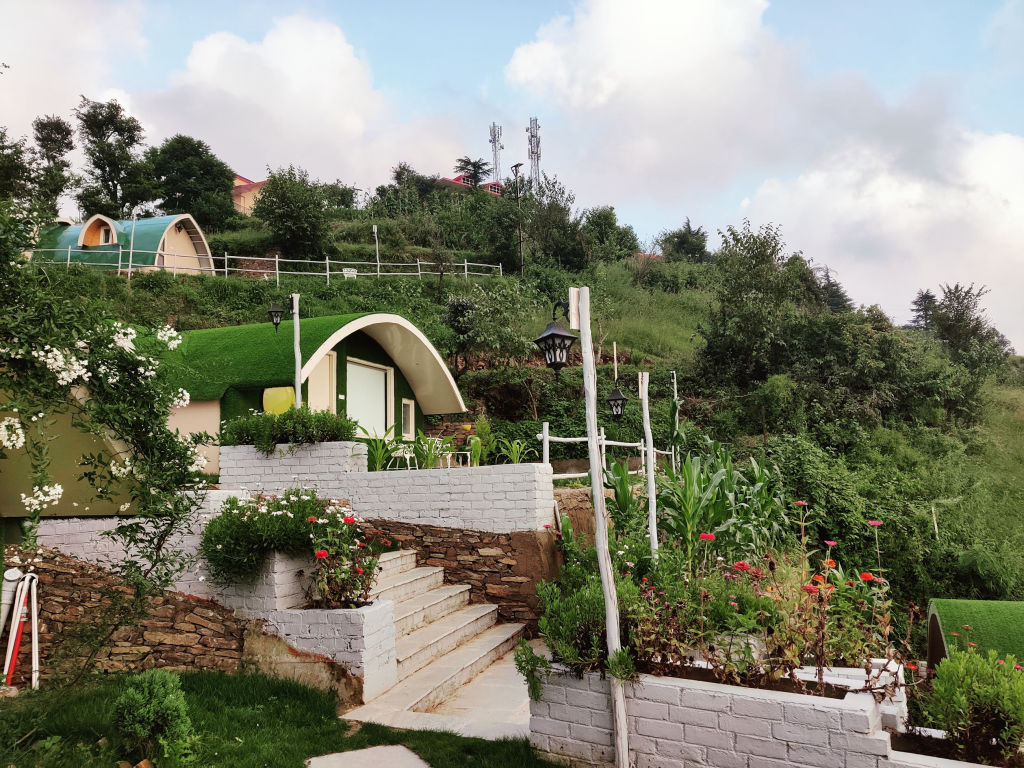
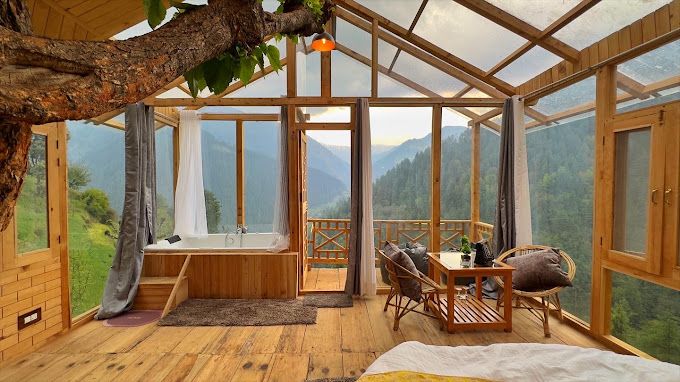
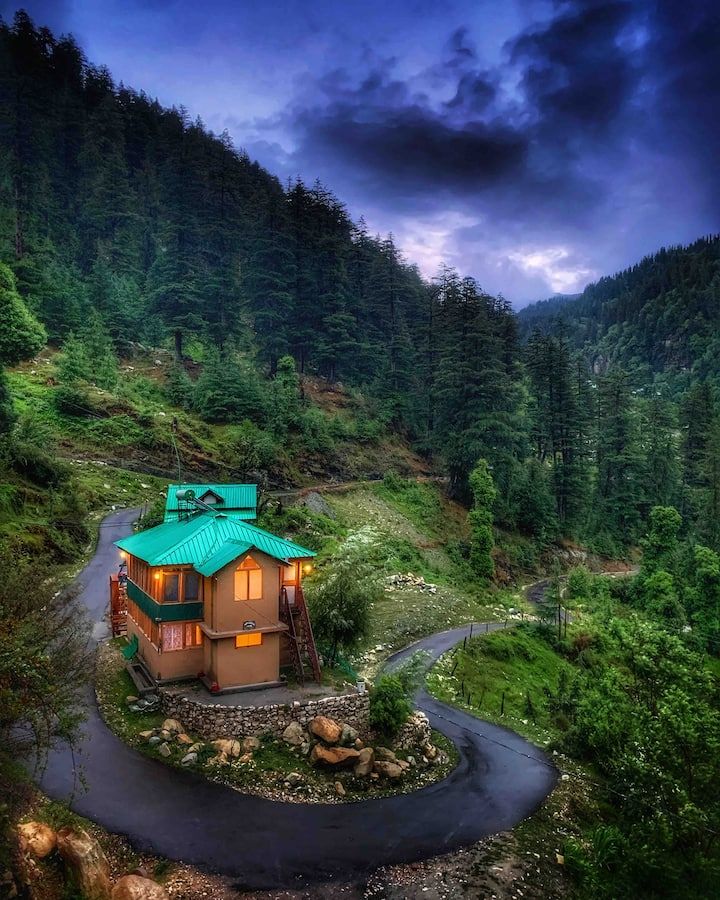
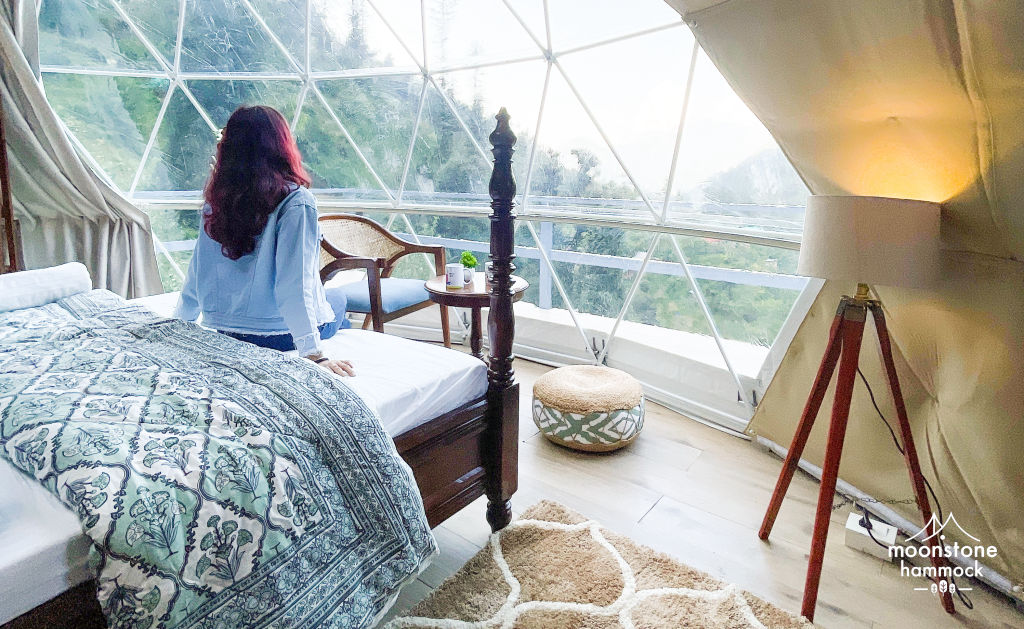
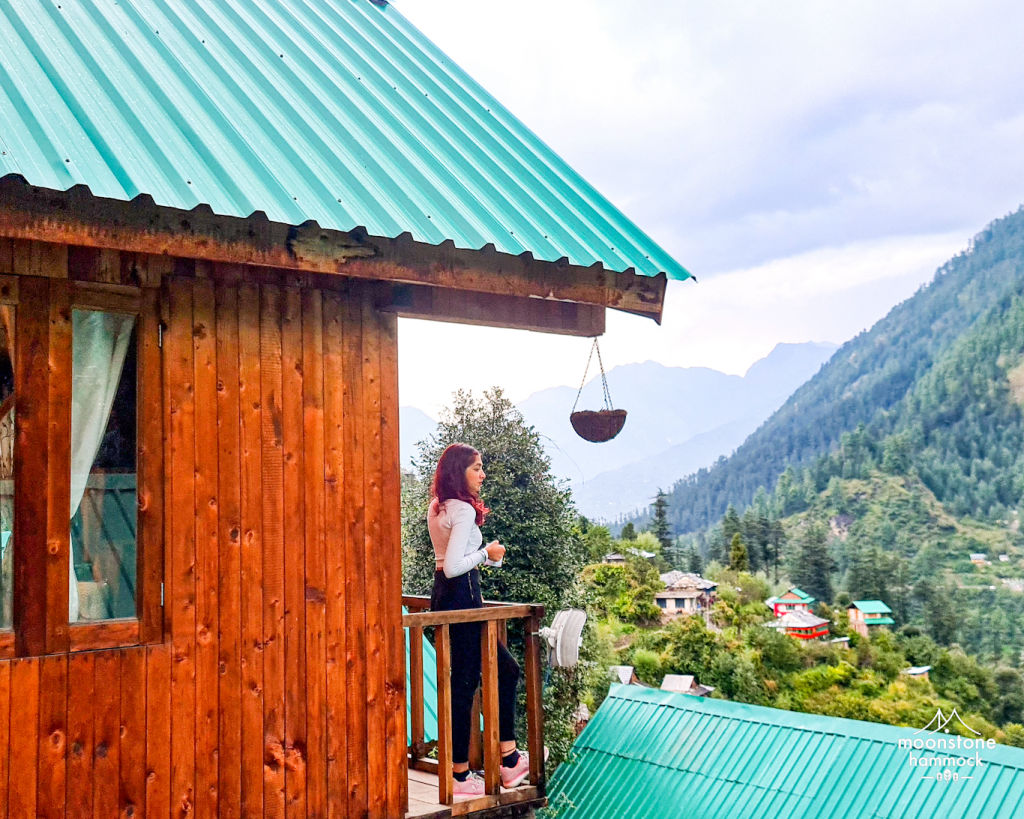
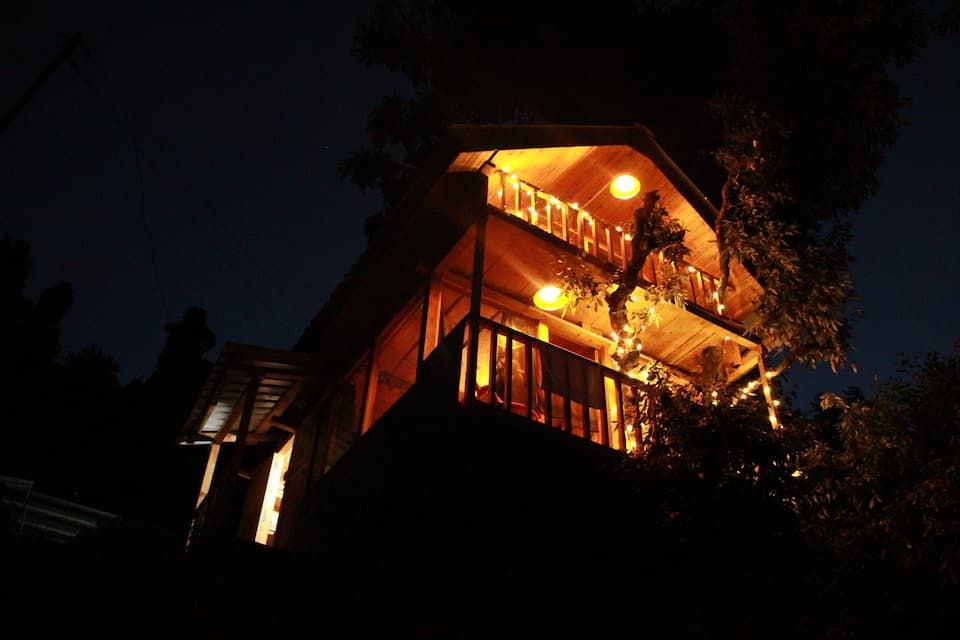
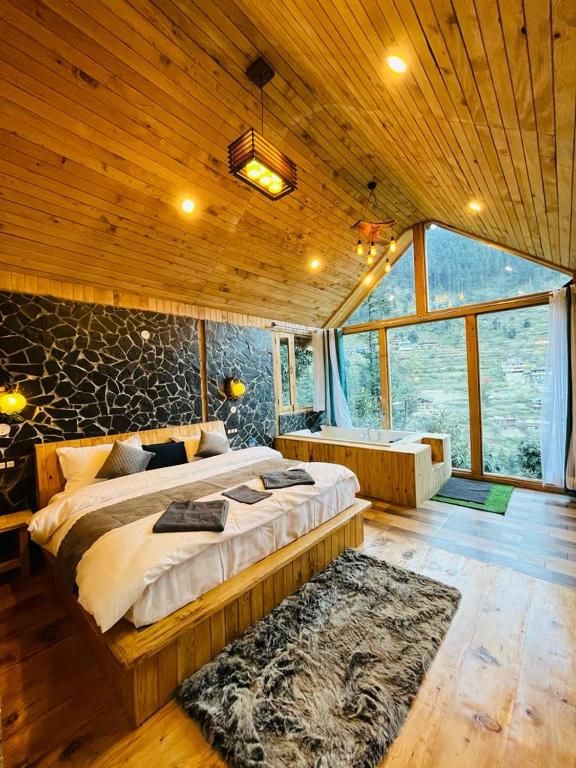
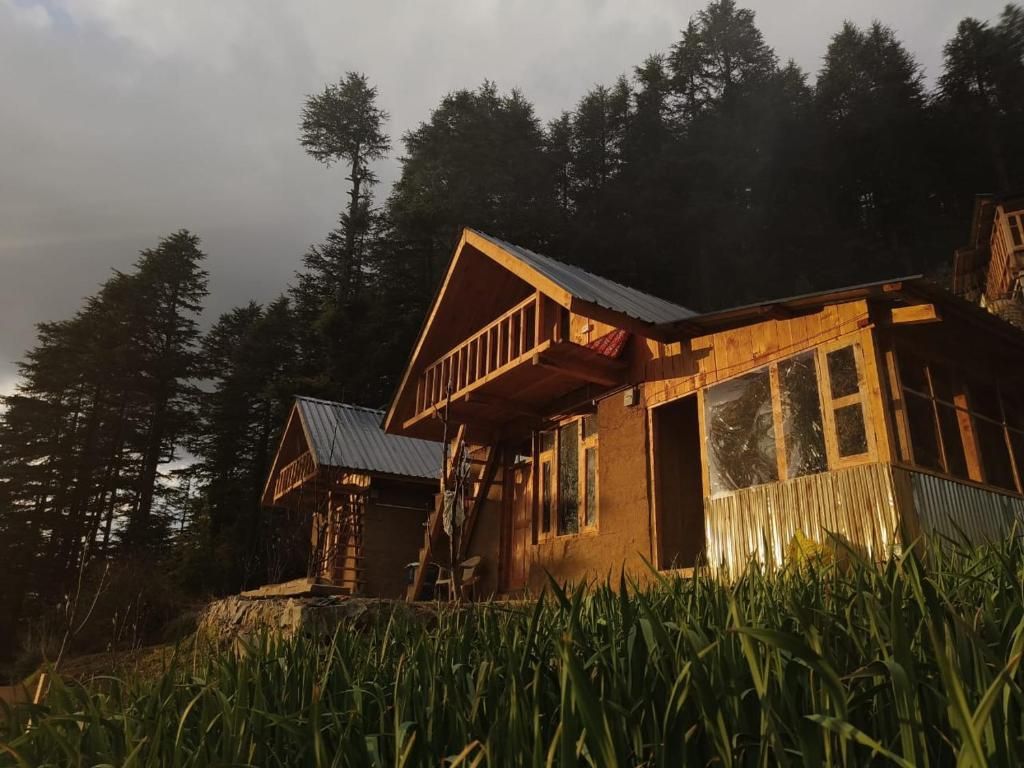
Accommodation options in and around Karsog Valley are focused primarily on small family-run homestays, simple village guesthouses, and designated rural retreats. Staying in an authentic village homestay allows travellers to experience home-cooked regional food, prepared using freshly harvested grains, seasonal greens, and homemade dairy.
Travellers interested in outdoor stays, riverside clearings, and verified rural homestays across Karsog and surrounding valleys can browse and book suitable options on HireACamp. Booking in advance is recommended during peak spring and autumn travel weeks.
Frequently asked questions
Which district is Karsog Valley located in?
Karsog Valley is situated in the Mandi district of Himachal Pradesh, close to the borders of the Shimla district.
Does it snow in Karsog Valley?
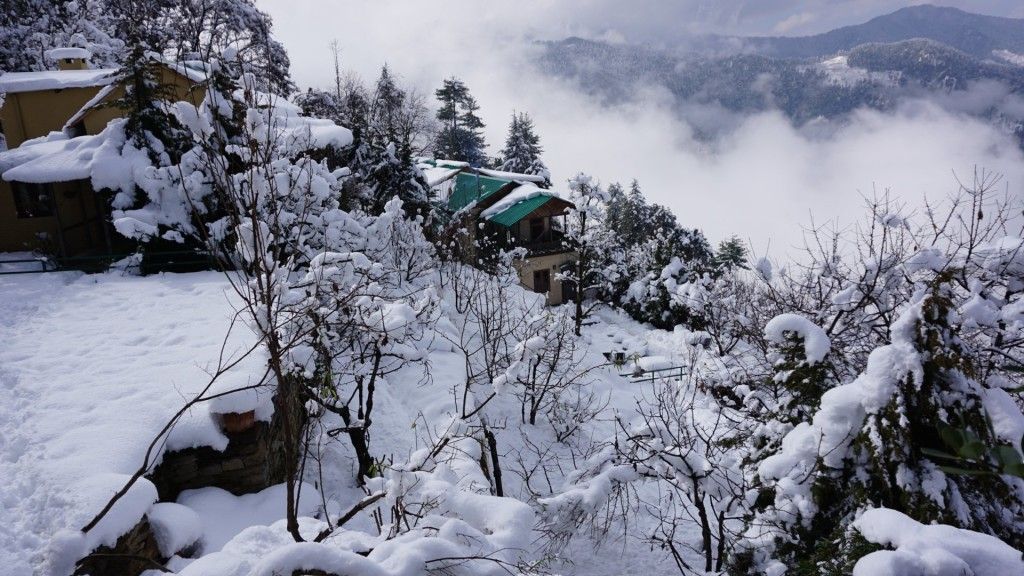
The main valley floor receives rare, light snowfall during peak winter, while the higher ridges and surrounding peaks such as Shikari Devi and Shali Tibba regularly experience heavy snow between December and February.
How far is Karsog Valley from Shimla?
Karsog is approximately 100 to 110 kilometres by road from Shimla, usually taking around four to five hours to drive depending on road conditions.
What is Karsog Valley famous for?
Karsog is known for its wide terraced fields, extensive apple orchards, and centuries-old wooden temples built in traditional regional architecture.
Is Karsog Valley suitable for a family holiday?
Yes, the valley offers a peaceful, scenic environment with accessible countryside walks, comfortable day hikes, and authentic rural culture that suits travellers of all ages.
Where you'll be
Karsog · 12 stays nearby shown with prices
Stays near Karsog Valley
Book a place to stay close by
More places near Karsog Valley
Within 20 km


Built from 0 Instagram posts by 0 creators. Every tip links back to the post it came from, and where creators disagree we show both sides.






