
Poladpur
Destination in Maharashtra
Poladpur is a quiet town situated in the Raigad district of Maharashtra, set against the backdrop of the rugged Western Ghats along the Konkan highway corridor. Known as a vital crossroads connecting the coastal plains with the elevated Sahyadri plateau, it serves as the threshold to the winding Ambenali Ghat. Travellers are drawn to the region for its proximity to historic Maratha hill forts, ancient rock-cut Buddhist caves, and peaceful riverine countryside.
Getting there
By road
- From Pune2 hr 50 min · 133 km
- From Mumbai 3 hr 20 min · 176 km
- From Nashik6 hr 35 min · 373 km
Typical drive times without traffic. Stations and airports from OLA Maps; distances and typical drive times from OpenStreetMap (© OpenStreetMap contributors); notes from creators' Reels.
About Poladpur
Written with AI from map data and general knowledge. Check prices and timings locally before you go.
The setting and charm of Poladpur
Tucked away in the fertile belt between the Arabian Sea coastline and the high peaks of the Sahyadri range, Poladpur offers a quintessential taste of rural Konkan life. The town is flanked by rolling green foothills and small rivers that swell during the rainy season. Because of its location along the national highway network, it has long functioned as a restful waypoint for travellers crossing between the Konkan coast and the higher Deccan plateau.
Unlike bustling tourist hubs, Poladpur maintains an unhurried pace of life. Narrow lanes, local fruit and vegetable markets, and traditional tiled-roof houses shape the town core, while the immediate outskirts give way to paddy terraces, betel nut plantations, and quiet rural hamlets. It provides an authentic base for those who want to avoid crowded destinations while staying within short driving distance of major historical and natural landmarks.
Historic caves and ancient landmarks nearby
The landscape surrounding Poladpur holds a rich historical past dating back centuries. A short drive north brings you to the Gandharpale and Pale Buddhist Caves, perched on hill slopes near Mahad. Excavated between the second and third centuries CE, this collection of rock-cut viharas, stupas, and chaitya halls offers a fascinating glimpse into early Buddhist monastic life and the ancient trade routes that crossed the Sahyadris.
Closer to the town and along nearby riverbanks, you can visit local temples such as the Vireshwar Maharaj Mandir. These shrines have served as focal points of rural community life for generations, featuring traditional wooden and stone architecture typical of the Konkan region. Wandering around these sacred grounds provides a calm, reflective break amidst surrounding nature.
Read more
Fortresses of the Sahyadris near Poladpur
Poladpur is an ideal staging point for trekkers and history enthusiasts looking to explore the grand fortifications of Maharashtra. Raigad Fort, the historic capital of the Maratha Empire, lies within accessible driving distance to the north. Perched atop an imposing plateau, Raigad features expansive stone ramparts, historic gateways, the ruins of the royal palace, and panoramic views across the deep river valleys below.
Other notable hill forts dot the surrounding ridges. Fort Dasgaon commands strategic views over the Savitri river valley, while further inland towards the mountain passes stand fortifications such as Kenjalgad, Kamalgad, and the towering ramparts of Torna Fort. These forts offer rewarding trekking routes with varying difficulty levels, leading through dense forest paths, steep rock steps, and expansive summit plateaus.
Scenic getaways and mountain drives
One of the most scenic journeys from Poladpur is the climb up the Ambenali Ghat, a serpentine mountain pass that ascends the steep escarpment into the hill stations of the upper Sahyadris. The road winds through dense forest canopies, crossing seasonal streams and dramatic viewpoints that overlook mist-shrouded gorges.
Continuing past the ghat leads towards the expansive plateau of Mahabaleshwar and the elevated viewpoints of Panchgani, including the vast volcanic plateau known as Table Land. Travellers can also explore the tranquil waters of Dhom Lake, where wide-open skies and placid waters create an ideal setting for lakeside relaxation, picnics, and photography away from city bustle.
Best time to visit Poladpur
The winter months from November to February offer the most comfortable climate for visiting Poladpur. During this season, temperatures remain moderate during the day and pleasantly cool at night, making it ideal for hiking to nearby forts, exploring outdoor ruins, and driving along the mountain passes.
The monsoon season, extending from late June through September, brings intense rainfall that completely transforms the landscape. The surrounding hills erupt in vivid shades of green, dozens of seasonal waterfalls tumble down the ghat roads, and mountain streams fill to the brim. While monsoon travel is breathtakingly beautiful, visitors should take care on slippery mountain paths and watch out for highway conditions. The summer months from March to May can be hot and humid, typical of the Konkan lowlands, and are best suited for early morning or evening outings.
How to reach Poladpur
Poladpur is well connected by road via National Highway 66, which links Mumbai to Goa. Regular state-run transport buses and private vehicles ply this route, making Poladpur easily accessible from major urban centers in Maharashtra. The drive from Mumbai or Pune typically takes several hours depending on traffic and the chosen mountain pass route.
For those travelling by train, the Konkan Railway network provides convenient access. The nearest railway stations are located in neighbouring towns such as Veer and Mangaon, from where local taxis and state buses run regularly to Poladpur. The nearest major domestic and international airports are located in Pune and Mumbai, from where travellers can hire private cabs or take express buses to complete the journey.
Where to stay in and around Poladpur
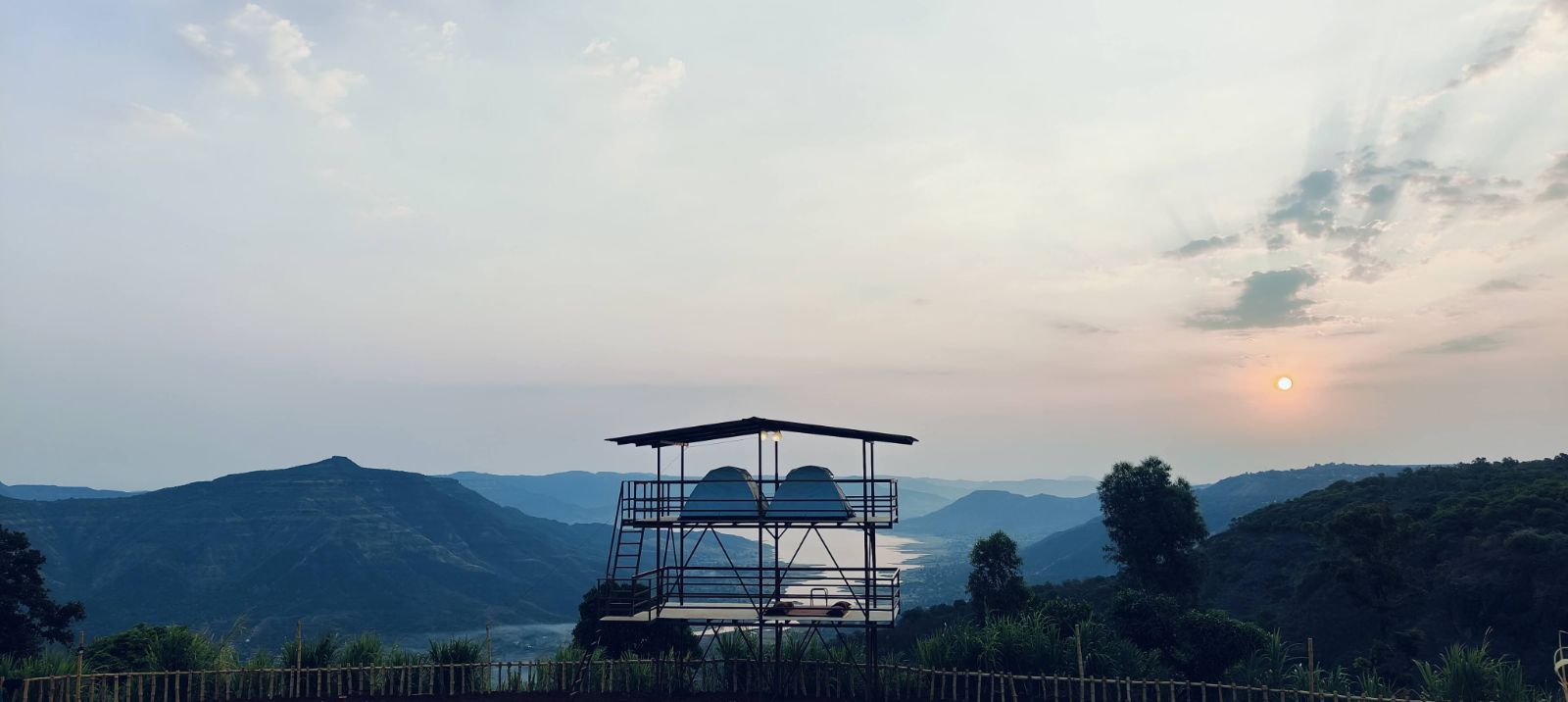
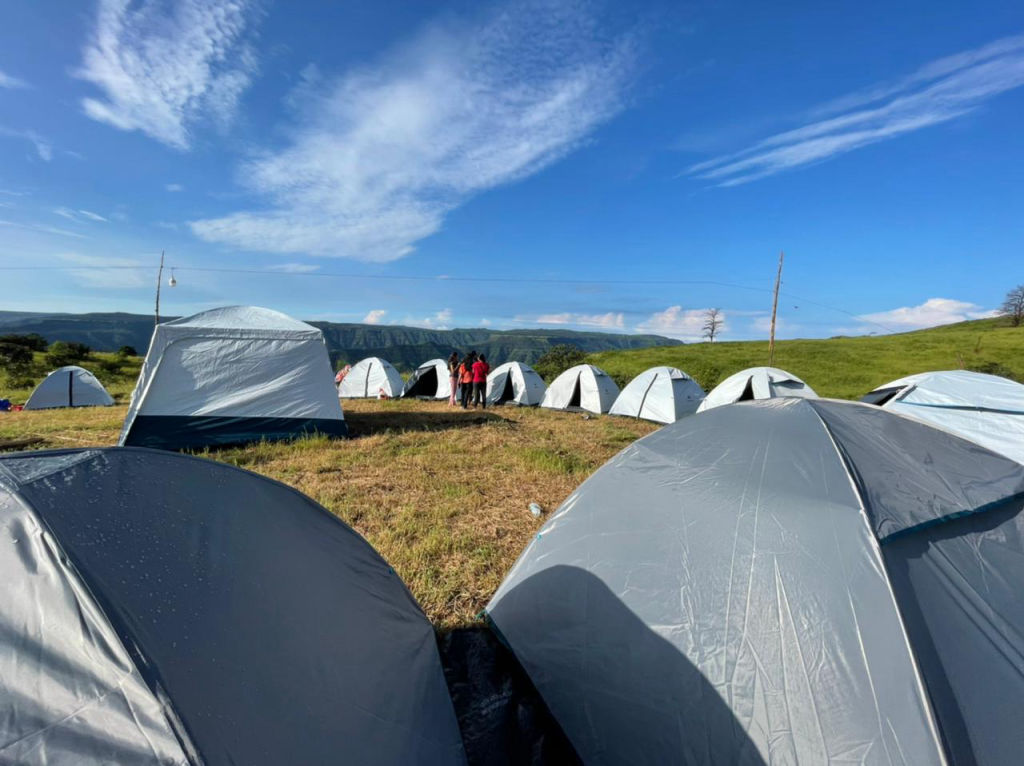
Poladpur and its surrounding valleys offer peaceful lodging options for travellers who appreciate natural surroundings over urban density. The countryside surrounding the town is home to welcoming village homestays, farm retreats, and rustic campsites tucked into river valleys and foothill clearings.
Staying in a rural setting allows you to wake up to birdsong, sample freshly prepared regional Konkan meals, and enjoy clear, starlit night skies. If you are looking for outdoor getaways, riverside tents, or characterful homestays in this region, you can browse and book verified options directly on HireACamp.
Frequently asked questions
What is Poladpur famous for?
Poladpur is well known as a strategic gateway linking the Konkan lowlands to the Western Ghats via the scenic Ambenali Ghat, as well as for its proximity to historic forts like Raigad and ancient Buddhist rock caves.
Which are the best historical places to visit near Poladpur?
Nearby historical landmarks include Raigad Fort, the Gandharpale and Pale Buddhist Caves near Mahad, and Fort Dasgaon overlooking the river valley.
What is the best season to plan a trip to Poladpur?
Winter between November and February is the most pleasant time for trekking and sightseeing, while the monsoon months from July to September are ideal for experiencing lush green scenery and roaring waterfalls.
What is the nearest railway station to Poladpur?
The closest railheads are along the Konkan Railway route at stations such as Veer and Mangaon, which are connected to Poladpur by local taxis and buses.
Where can I book homestays or camps around Poladpur?
You can explore and book verified nature camps, riverside stays, and authentic local homestays in and around the Poladpur region on HireACamp.
Where you'll be
2 stays nearby shown with prices
Stays near Poladpur
Book a place to stay close by
Things to do in Poladpur
48 places creators recommend within 30 km


Lists for this area
Ranked by how many creators recommend each place

Built from 0 Instagram posts by 0 creators. Every tip links back to the post it came from, and where creators disagree we show both sides.


