
Pulga
Destination in Himachal Pradesh
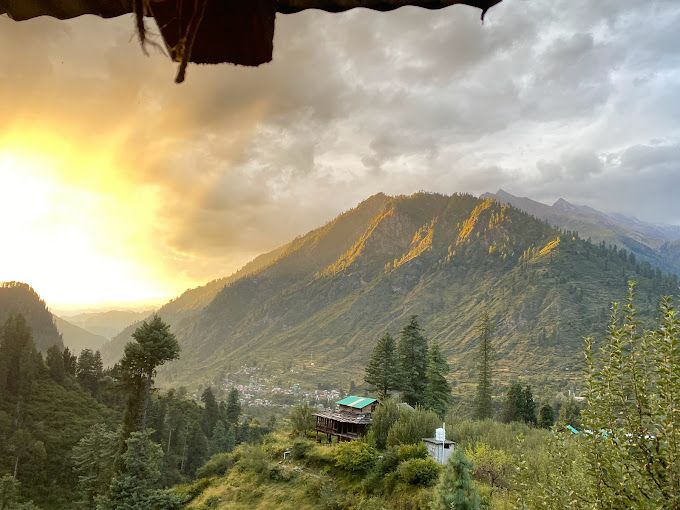
Pulga is a peaceful mountain village perched on the forested slopes of the Parvati Valley in Himachal Pradesh. Known for its traditional wooden houses, dense deodar forests, and dramatic Himalayan views, it offers a quieter alternative to the busier hubs of the valley. Travellers come here to walk amid ancient pine trees, explore scenic hiking trails, and unwind in an unhurried pastoral setting.
Getting there
By road
- From Chandigarh7 hr 10 min · 264 km
- From Ludhiana7 hr 45 min · 294 km
- From Amritsar9 hr 15 min · 407 km
- From Dehradun10 hr 45 min · 436 km
By train, bus or air
- Inter State Bus Terminal Sarvari KulluNearest bus stand2 hr · 60 km
- Bhuntar AirportNearest airport1 hr 50 min · 51 km
Typical drive times without traffic. Places, distances and typical drive times from OLA Maps; notes from creators' Reels.
Itinerary for Pulga and Surrounding Valleys
A day itinerary connecting destinations in the valleys south of Pulga, focusing on the scenic areas of Shangarh and Tirthan.
Sainj and Tirthan Valley Excursion
Best for travellers seeking scenic valleys and quiet rural landscapes
Day 1
Meadows and Valley Drives
morning
Shangarh valleyAbout 3 hr
Shangarh is an offbeat location that receives relatively few visitors.
afternoon
Tirthan Valley RoadAbout 3 hr · 14 km from the last stop
Connects into Tirthan Valley, which sits roughly 280 km from Chandigarh.
- Shangarh is an offbeat destination with few visitors.
- Expect a 30 to 40 minute wait for meals at Wind Cafe By The Pine & Pour, as food is prepared fresh from scratch.
- Travelling by road to Tirthan Valley from Chandigarh covers around 280 km and takes roughly 6 to 7 hours.
Visit lengths are suggestions; distances are straight-line between stops.
About Pulga
Written with AI from map data and general knowledge. Check prices and timings locally before you go.
What Pulga is known for
Pulga sits high on the terraced mountain flanks above the Parvati River, surrounded by thick evergreen woodlands and towering Himalayan peaks. The village is part of the well-known trio of settlements in the upper valley alongside Kalga and Tulga. Unlike roadside destinations, Pulga retains an authentic village rhythm, defined by traditional Himachali architecture featuring stone and timber homes, slate roofs, and quiet flagstone paths.
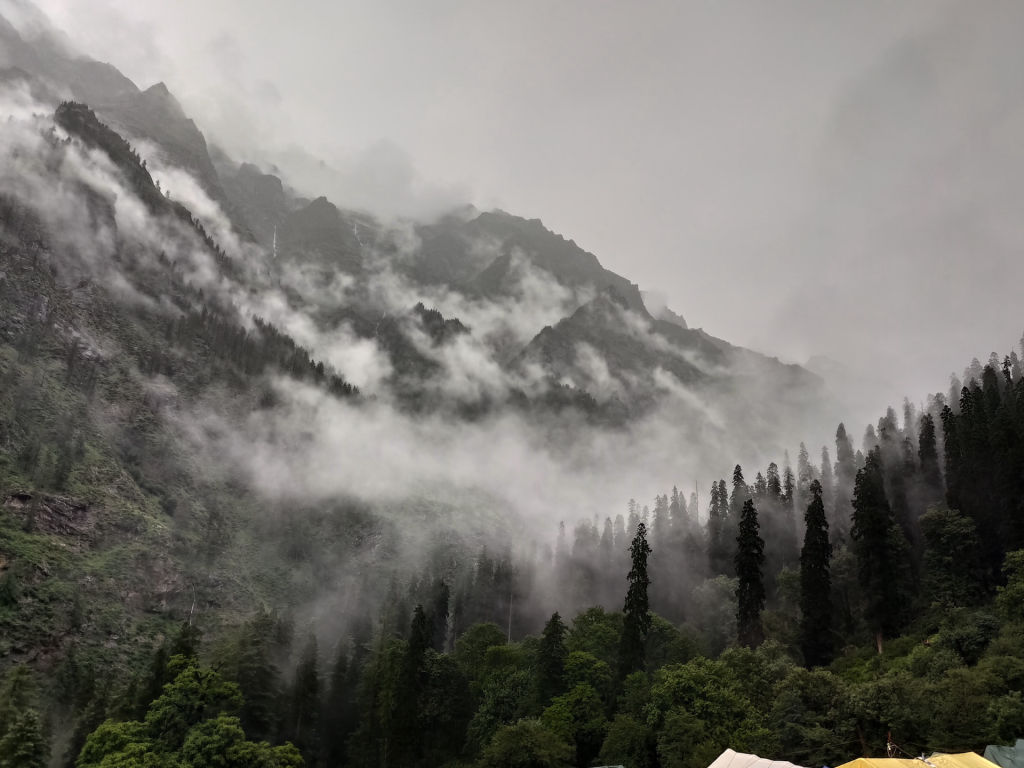
The settlement is widely celebrated for its immediate proximity to the Fairy Forest, an expanse of deodar and pine trees carpeted with moss and fallen needles. The woodland extends directly behind the village houses, offering visitors easy access to serene wilderness walks right from their doorstep. Pulga is also known for its apple orchards, terraced fields, and panoramic vistas of snow-dusted ridges across the valley.
Things to do in Pulga
The primary appeal of Pulga lies in its unhurried pace and natural setting. A walk through the Fairy Forest is essential; walking paths weave between towering deodar trunks, mossy boulders, and trickling mountain streams. It is an ideal space for quiet reflection, reading, or nature photography, with the morning sun filtering softly through the evergreen canopy.
Strolling through the village lanes provides a glimpse into the everyday life of the local community. You will see residents tending to apple groves, drying herbs, and gathering firewood. Photography enthusiasts will find endless subjects in the carved wooden balconies, grazing cattle, and snow-capped peaks framing the background. For those who enjoy walking, easy day trails connect Pulga to its neighbouring hamlets, Kalga and Tulga, each offering distinct viewpoints and unique charm.
Read more
Trekking and getaways near Pulga
Pulga serves as a convenient base for exploring several prominent hiking routes and scenic spots in the region. Located just about 7 kilometres away is the start of the Kheerganga trek, one of the most famous multi-hour alpine hikes in Himachal Pradesh. The trail winds through dense forests, past cascading waterfalls, and climbs to a high meadow renowned for its natural hot water spring.
Nature enthusiasts can plan excursions towards the Great Himalayan National Park, situated approximately 23 kilometres away as the crow flies. The park is a UNESCO World Heritage site known for its pristine temperate and subalpine forests, home to rare Himalayan fauna such as the western tragopan, musk deer, and blue sheep.
Further down the region, roughly 26 to 27 kilometres away across the mountains, lies the tranquil Shangarh valley in Sainj, famous for the historic Shangchul Mahadev Temple set within an expansive meadow. A wider circuit also opens access towards Tirthan Valley, located approximately 40 kilometres away, celebrated for its trout streams, river walks, and quiet villages.
Best time to visit Pulga
Pulga experiences distinct seasonal transitions, making it accessible and attractive for most of the year depending on your preferences.
Spring and summer, from April to June, bring pleasant daytime temperatures and clear skies. The forest trails are dry, wildflowers emerge on the hillsides, and the weather is ideal for trekking, camping, and walking between villages. Daytime is warm and comfortable, though nights can still carry a noticeable chill.
The monsoon months of July and August bring heavy rainfall across Himachal Pradesh. While the forests become lush and green, mountain roads in the Parvati Valley are prone to landslides and delays. Travel during this season requires careful planning and regular weather monitoring.
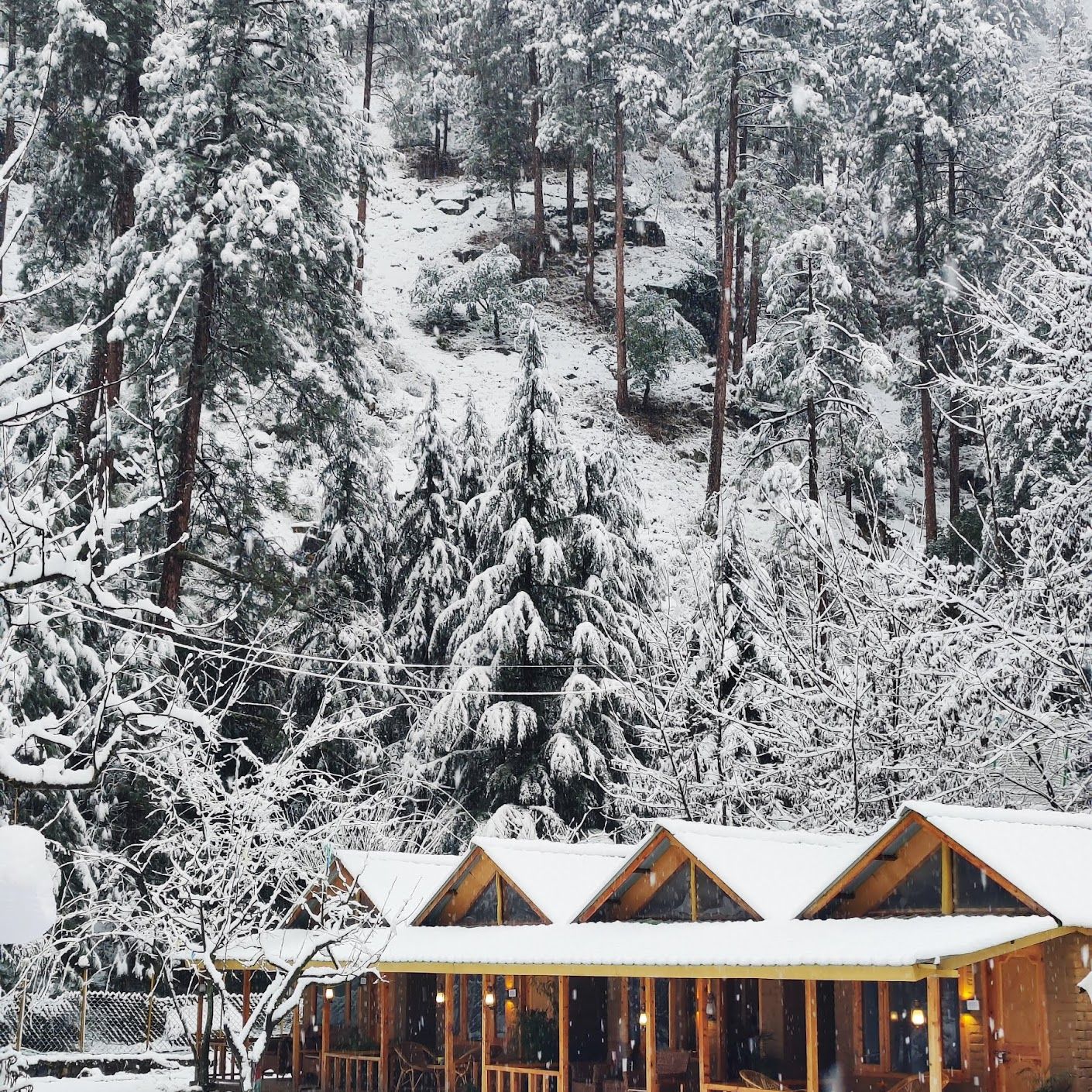
Autumn, from September through November, offers crisp mountain air, brilliant visibility, and golden light filtering through the pine forests. It is one of the best windows for hiking and outdoor photography. Winter sets in from December to February, blanketing the village in snow. Temperatures drop well below freezing, drawing winter travellers who want to experience a quiet, snowbound Himalayan hamlet.
How to reach Pulga
Pulga is reached by travelling into Himachal Pradesh's Parvati Valley, typically via Bhuntar and Kasol, followed by a short uphill walk. While motorable roads lead up to the dam site near Barshaini, the final stretch to Pulga is traversed on foot across a bridge and up a gentle mountain trail.
If you are driving or taking private transport from major northern cities, typical traffic-free road journeys require around 7 hours and 10 minutes from Chandigarh, covering roughly 264 kilometres. The route from Ludhiana is about 294 kilometres and takes approximately 7 hours and 40 minutes.
Travellers starting from Amritsar have a drive of roughly 407 kilometres, which usually takes around 9 hours and 20 minutes under normal conditions. From Dehradun, the road journey covers approximately 436 kilometres and takes about 10 hours and 40 minutes. If you are travelling from New Delhi, the road distance is roughly 523 kilometres, taking around 11 hours and 20 minutes.
Public buses connect major transit hubs to Bhuntar, from where local buses and shared taxis run to Barshaini. Always factor in extra time for mountain driving, road conditions, and weather delays.
Where to stay in Pulga
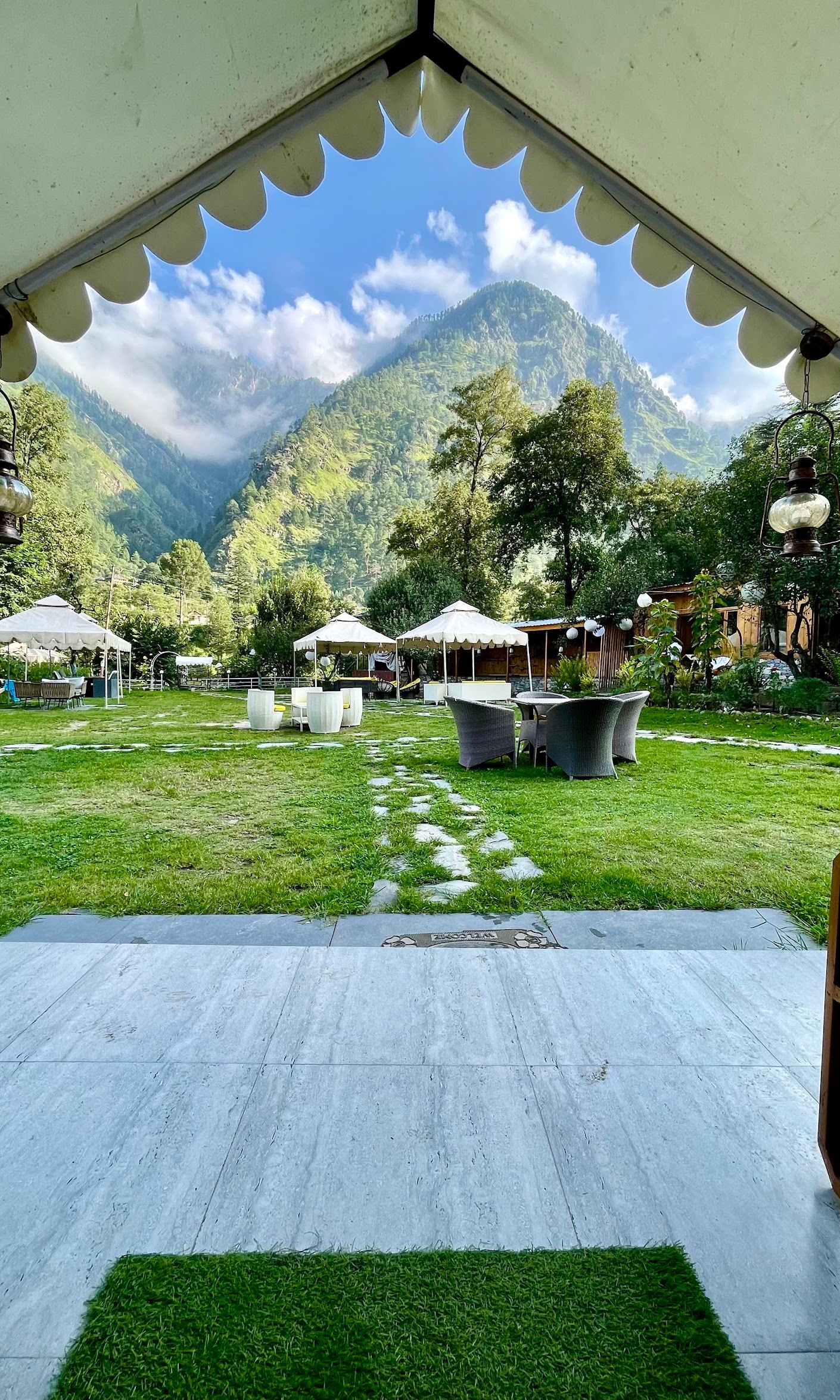
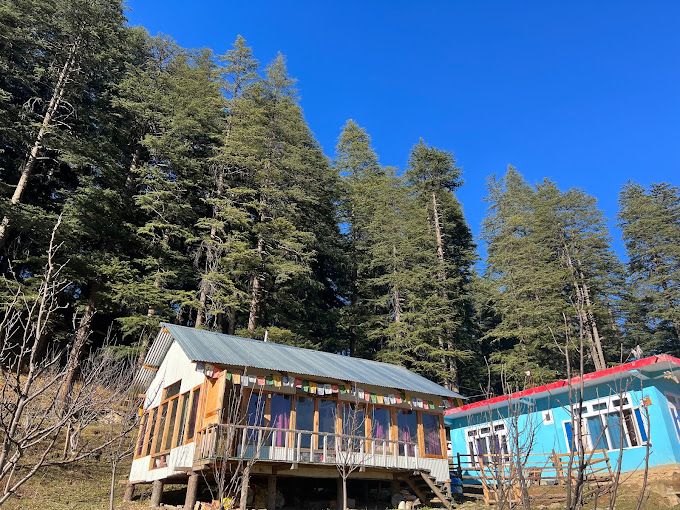
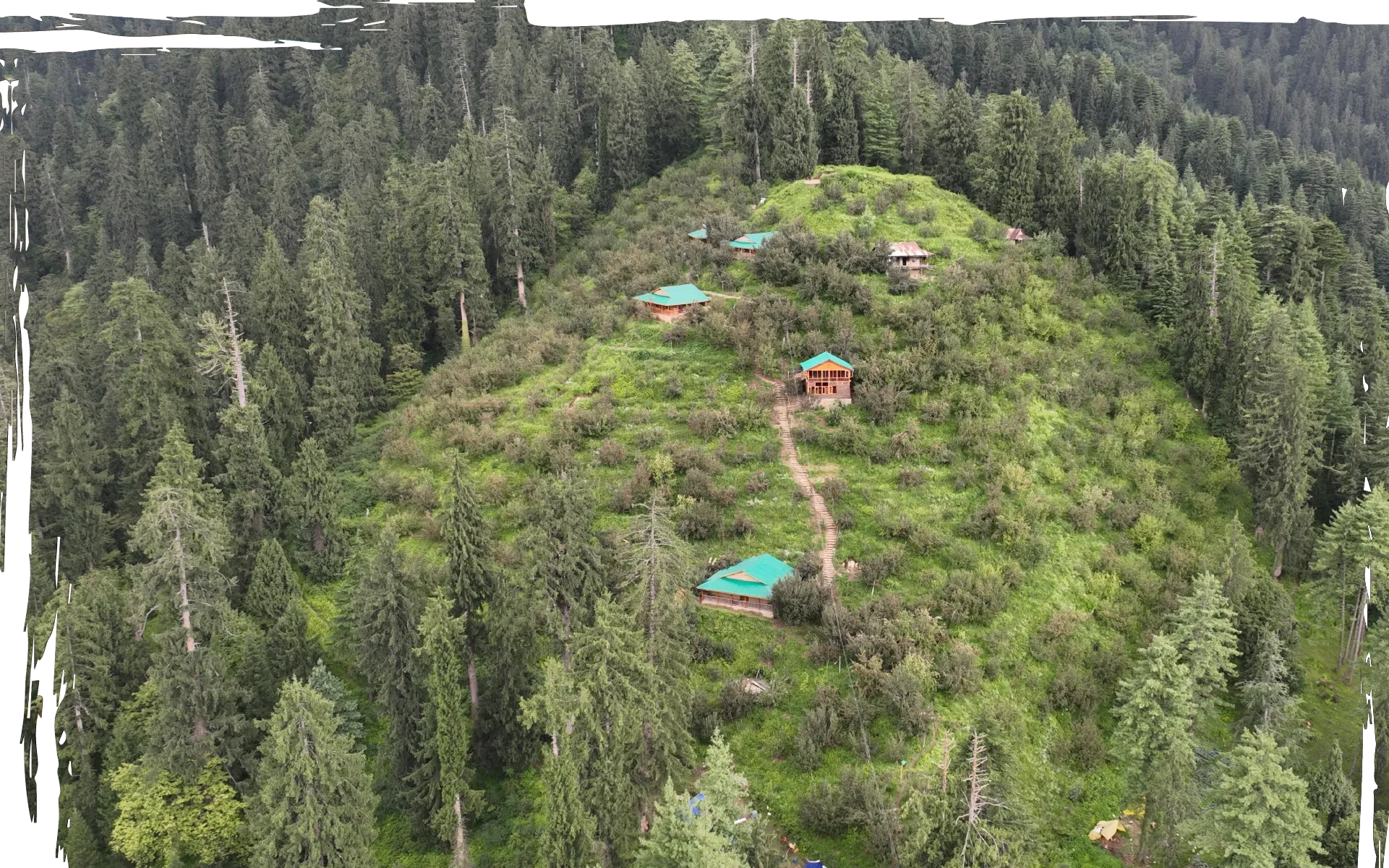
Accommodations in Pulga reflect its rustic and down-to-earth character. Stays are primarily family-run homestays, traditional wooden houses converted for guests, and simple guesthouses scattered throughout the village and along the edge of the forest.
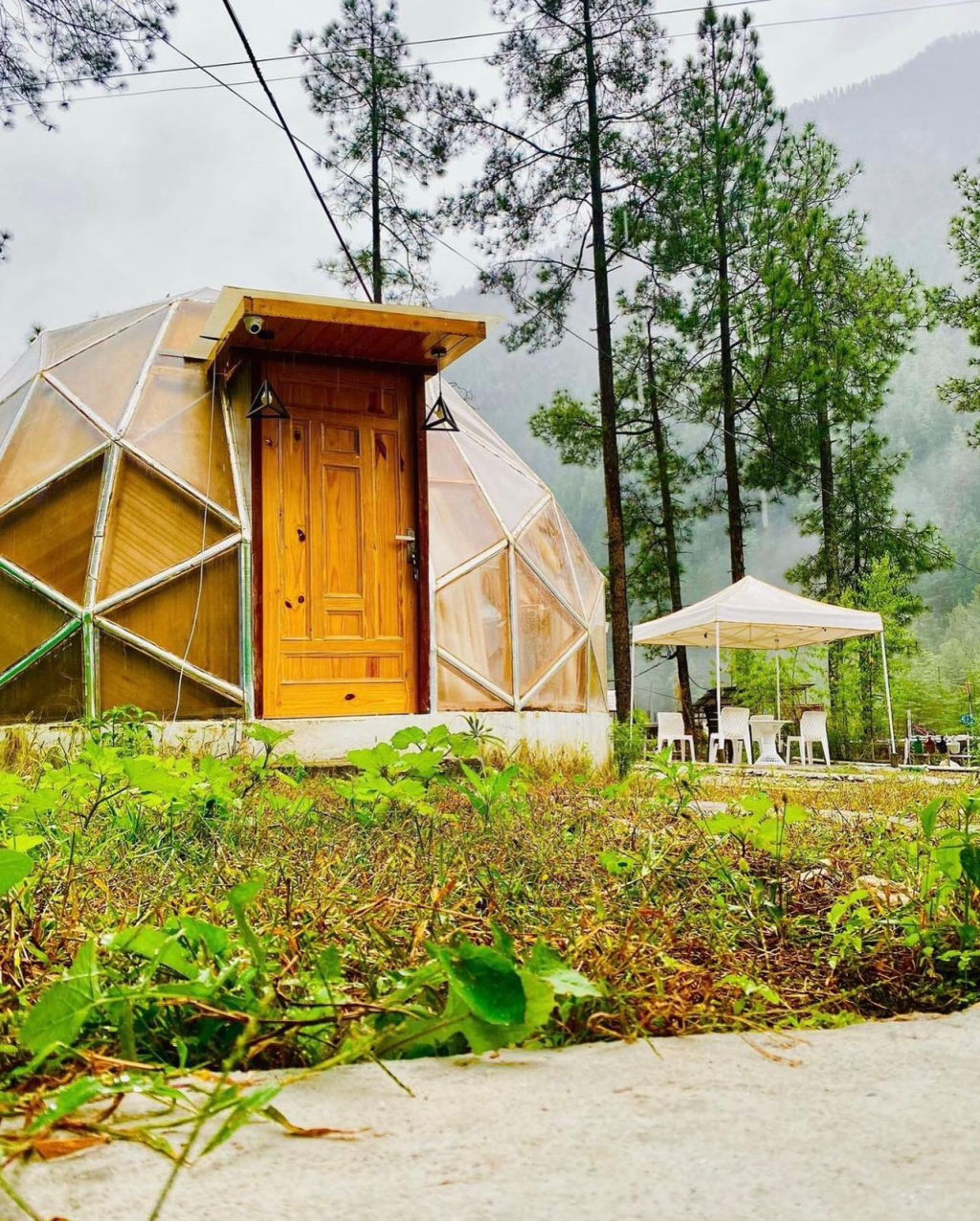
Staying in a homestay allows you to experience warm Himachali hospitality and enjoy home-cooked regional meals made from locally sourced ingredients. For travellers who prefer spending their nights closer to nature, seasonal campsites and rustic cottages can also be found in and around the village. You can discover and book verified homestays, outdoor cottages, and camps in Pulga through HireACamp.
Tips for visiting Pulga
Because reaching Pulga requires walking the final stretch from the roadhead, it is advisable to pack light and use a backpack rather than wheeled luggage. Sturdy walking shoes with reliable traction are essential for navigating the stone stairways, unpaved tracks, and forest trails.
ATMs in the upper valley are sparse and often run out of cash, so withdraw sufficient money in larger towns such as Bhuntar or Kasol before heading up. Mobile network connectivity can be intermittent, particularly deep in the forest, so download offline maps and keep your loved ones informed in advance.
Respect the local community by dressing modestly, keeping noise levels low at night, and avoiding photography inside residential courtyards without permission. Pulga has limited waste disposal infrastructure, so carry all non-biodegradable waste back down to the main road for responsible disposal.
Frequently asked questions
Can I drive directly into Pulga village?
No, motorable vehicles can only go as far as the roadhead near the Barshaini dam. From there, you must walk across a footbridge and follow an uphill trail for about 20 to 30 minutes to enter Pulga.
What is the Fairy Forest in Pulga?
The Fairy Forest is a dense woodland of ancient deodar and pine trees located right behind Pulga village. It is known for its moss-covered ground, peaceful streams, and quiet walking paths.
Does it snow in Pulga during winter?
Yes, Pulga receives significant snowfall between late December and February. Temperatures drop below freezing, turning the village and surrounding forests into a quiet winter landscape.
Are there ATMs available in Pulga?
There are no ATMs inside Pulga village. It is recommended to withdraw adequate cash in major transit towns like Bhuntar or Kasol before travelling further up the valley.
Can I visit Kalga and Tulga from Pulga on foot?
Yes, Pulga, Kalga, and Tulga are neighbouring villages connected by well-trodden walking trails. You can easily hike between them during a day trip.
Where you'll be
7 stays nearby shown with prices
Stays near Pulga
Book a place to stay close by
Things to do in Pulga
48 places creators recommend within 30 km


Built from 0 Instagram posts by 0 creators. Every tip links back to the post it came from, and where creators disagree we show both sides.






