
Parvati Valley
Trek near Khir Ganga, Himachal Pradesh
2.4 km from Khir Ganga
The nearest town, for stays, food and fuel.
Parvati Valley is a steep river basin in the Kullu district of Himachal Pradesh, formed by the rushing waters of the Parvati River as it cuts through the Western Himalayas. Travellers and hikers head here to explore pine-fringed alpine trails, riverside settlements, and some of the region's most iconic trekking routes. It serves as both a tranquil highland retreat and an energetic base for mountain adventures.
Getting there
By road
- From Khir GangaNearest town4 min · 600 m
- From Chandigarh6 hr 15 min · 266 km
- From Ludhiana6 hr 40 min · 295 km
- From Amritsar8 hr 40 min · 406 km
Typical drive times without traffic. Stations and airports from OLA Maps; distances and typical drive times from OpenStreetMap (© OpenStreetMap contributors); notes from creators' Reels.
About Parvati Valley
Written with AI from map data and general knowledge. Check prices and timings locally before you go.
The landscape of Parvati Valley
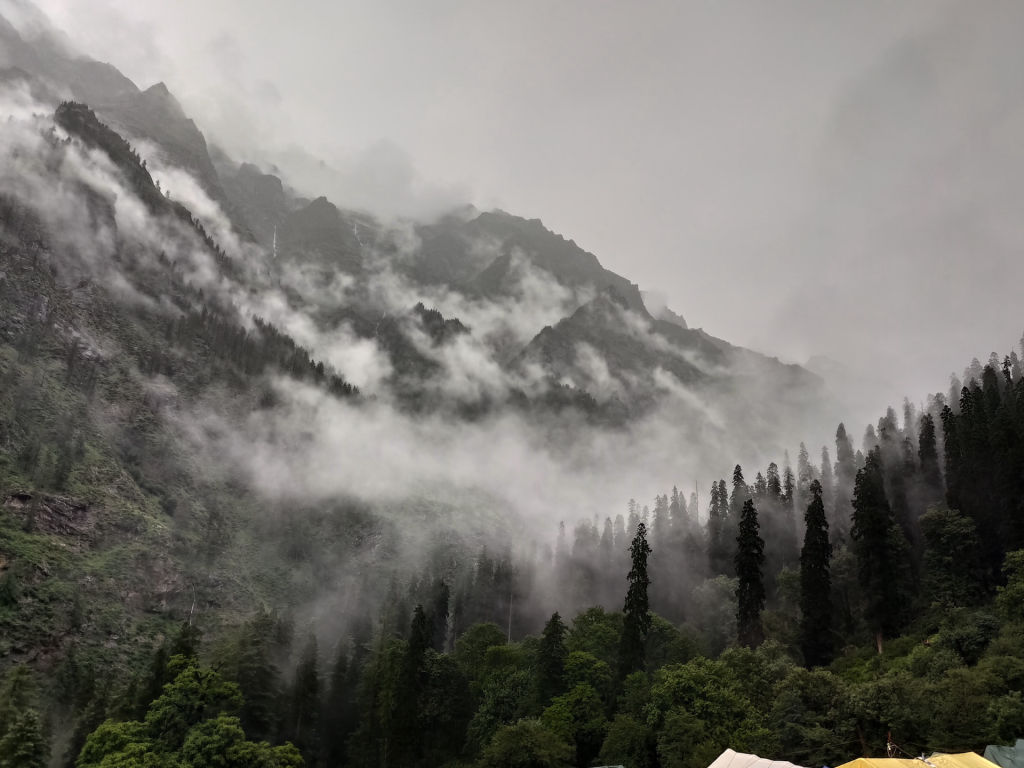
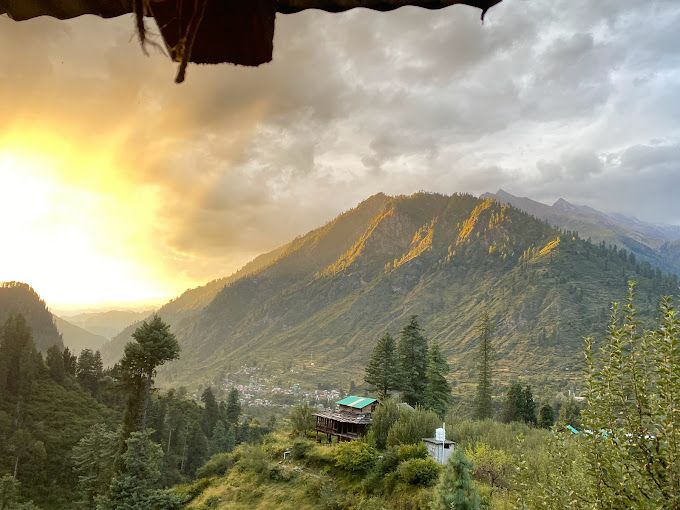
Parvati Valley carves a dramatic eastward corridor from the confluence of the Parvati and Beas rivers near Bhuntar, climbing steadily towards towering alpine passes and glaciated peaks. The lower reaches are densely forested with fragrant deodar and blue pine trees, framed by sheer granite cliffs and cascading waterfalls that plunge directly into the river below.
As the elevation rises towards upper settlements, the geography shifts into broad alpine pastures, terraced apple orchards, and rugged scree slopes. Throughout the valley, the roaring glacial river remains a constant presence. Mountain streams intersect the main gorge at multiple points, creating micro-valleys that each shelter distinct settlements and farming communities.
Trekking and outdoors in Parvati Valley
Outdoor exploration is the primary draw for visitors to Parvati Valley. The region is laced with traditional walking paths that have connected highland villages for centuries, offering everything from leisurely half-day forest walks to challenging multi-day wilderness expeditions. Popular trails climb through dense woodlands towards Kheerganga, known for its highland meadow and natural hot springs, and onwards to remote glacial reaches.
For those seeking longer journeys, paths lead across high mountain passes towards Spiti Valley or deeper into the surrounding sanctuary forests. Day hikers can explore the forested paths linking small hamlets, crossing wooden bridges and navigating rustic stone trails. The varied terrain accommodates casual ramblers looking for scenic riverside strolls as well as seasoned backpackers prepared for steep ascents.
Read more
Villages and cultural landmarks to explore
The valley is home to a series of distinctive villages, each retaining its own character and traditional timber-and-stone architectural heritage. Settlements like Pulga and nearby hamlets showcase the traditional Kathkuni style of wooden construction, surrounded by ancient deodar groves and stepped farming plots where locals cultivate corn, barley, and apples.
Further down the gorge lies Manikaran, famous for its revered riverside gurudwara, ancient temples, and natural geothermal springs that bubble up along the riverbank. Taking the time to walk between villages allows travellers to observe everyday mountain life, local folklore, and traditional woodcraft that have stood the test of time.
Best time to visit Parvati Valley
The valley undergoes marked changes throughout the year, making seasonal timing an essential factor when planning a visit. Spring and summer, stretching from April through June, offer pleasant daytime temperatures and lush green landscapes. Wildflowers bloom across the forest floor, and higher trekking trails become accessible as winter snow gradually recedes.
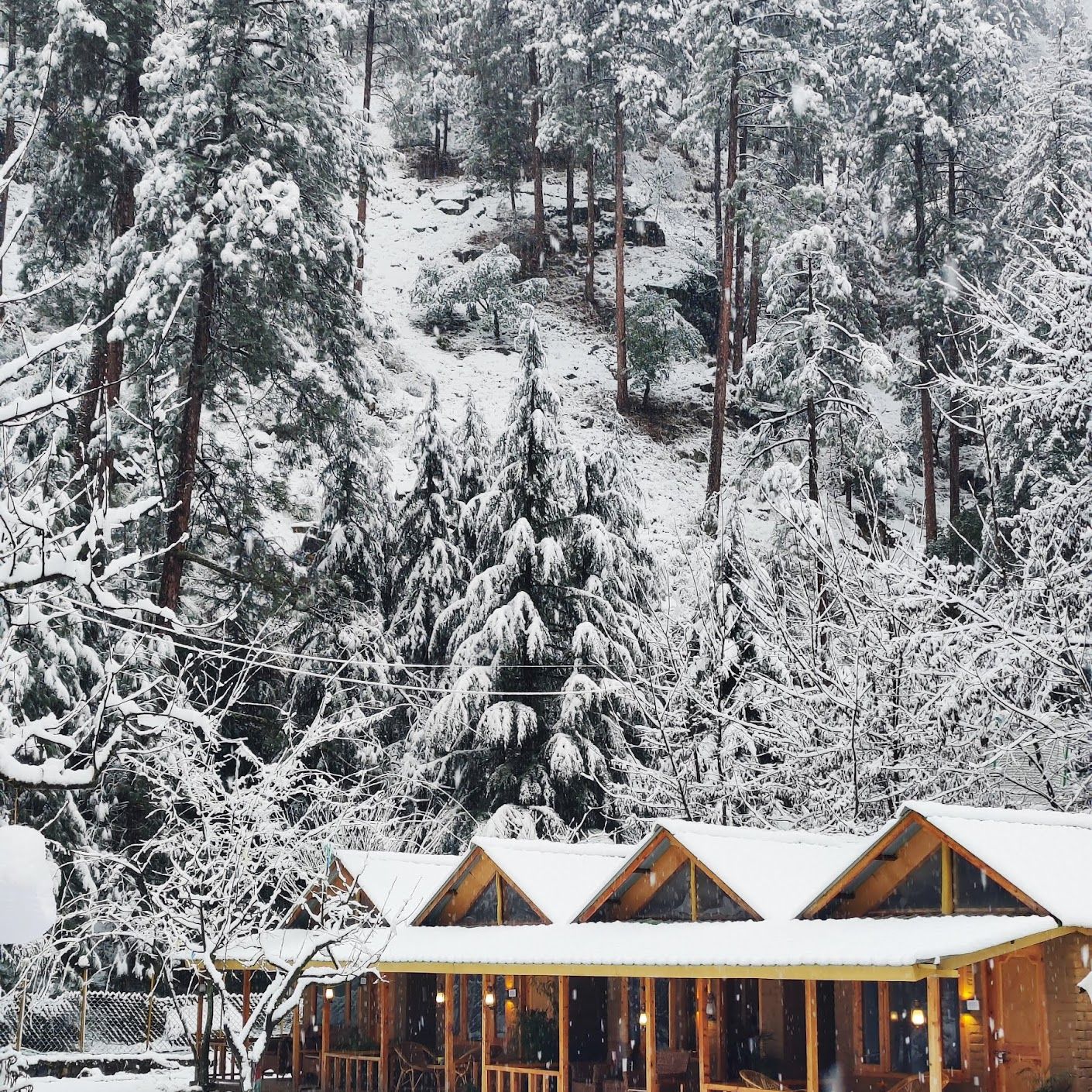
The monsoon months of July and August bring heavy downpours, increasing the danger of landslides, falling rocks, and swollen river crossings, which can disrupt travel and trail access. Autumn, spanning September to November, brings settled weather, crisp air, and exceptionally clear mountain views as foliage shifts to warm amber tones. Winter arrives by December, blanketing upper villages in deep snow and offering a quiet, frosty environment for those equipped to handle sub-zero conditions.
How to reach Parvati Valley
Kullu is the primary urban gateway to Parvati Valley. The nearest airport is situated at Bhuntar, just outside Kullu, offering limited regional flight connectivity depending on weather conditions. From Bhuntar or Kullu, local buses, shared vehicles, and private taxis run regularly along the valley road toward Manikaran and beyond.
Travellers arriving by train typically disembark at broad-gauge railheads in Chandigarh or Pathankot before completing the remaining distance by road. Long-distance overnight buses connect major northern cities, including New Delhi and Chandigarh, directly to Bhuntar. From there, mountain roads follow the course of the river eastward into the heart of the valley.
Tips for your visit
Terrain in Parvati Valley can be steep and rocky, so sturdy walking boots with reliable ankle support are essential even for brief hikes. Weather conditions in mountain gorges change swiftly; pack a waterproof shell, thermal layers, and fleece clothing regardless of the season you choose to visit.
Cash is vital throughout the upper valley, as automated teller machines are sparse and often run out of money, while network connectivity can be erratic in smaller villages. Carry a reusable water bottle and bring all your personal litter back down to major roadheads, as waste management infrastructure in highland settlements is limited.
Where to stay in Parvati Valley
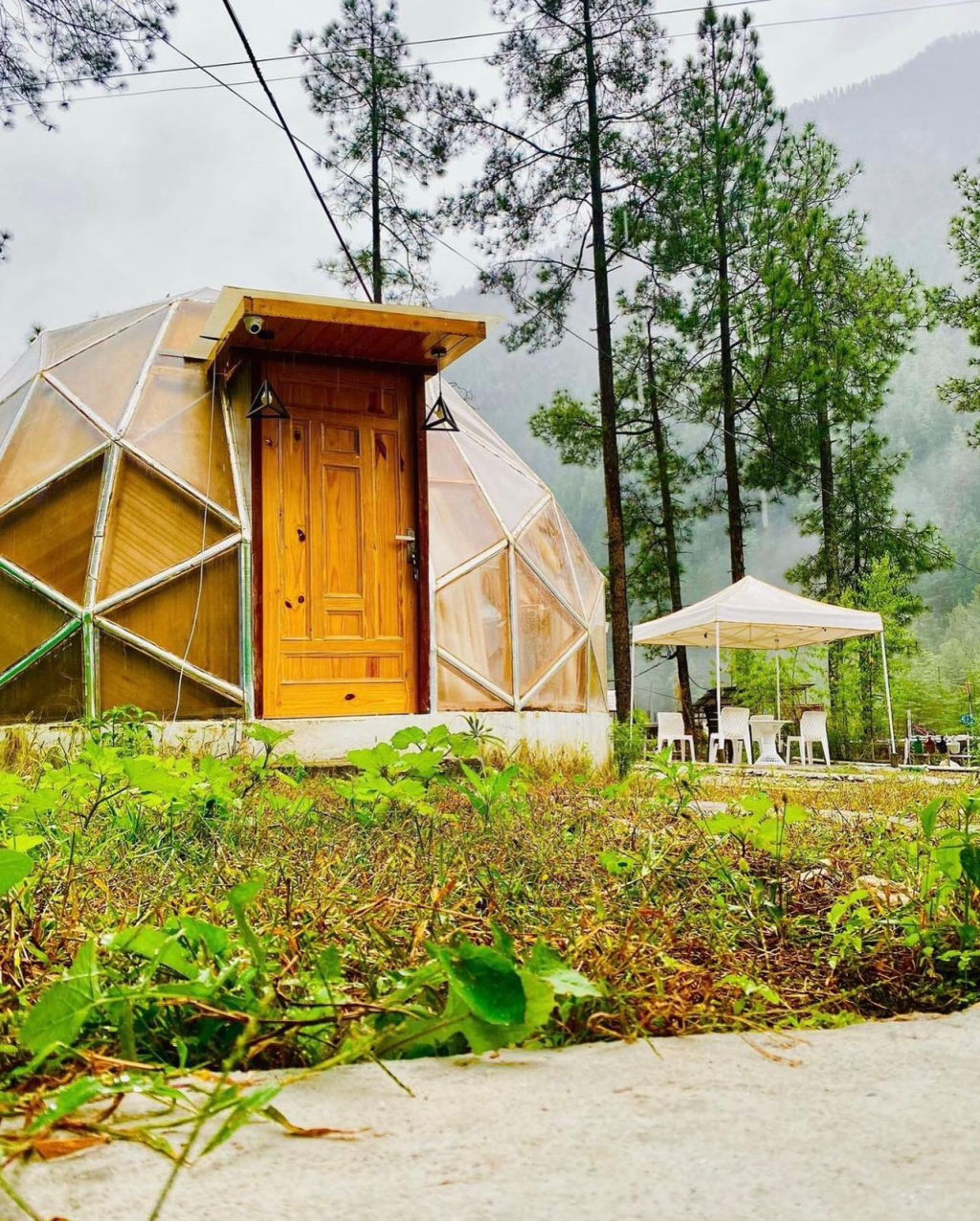
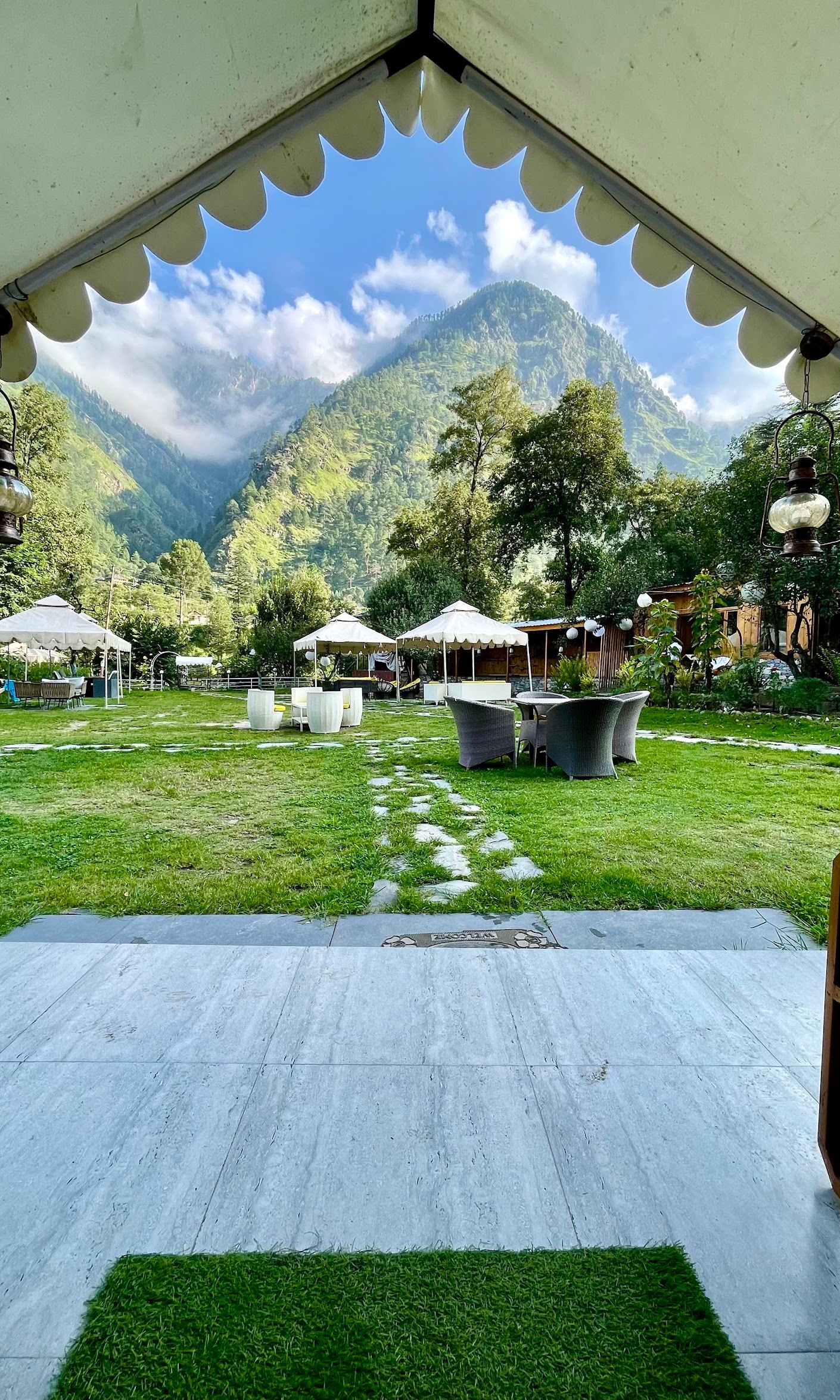
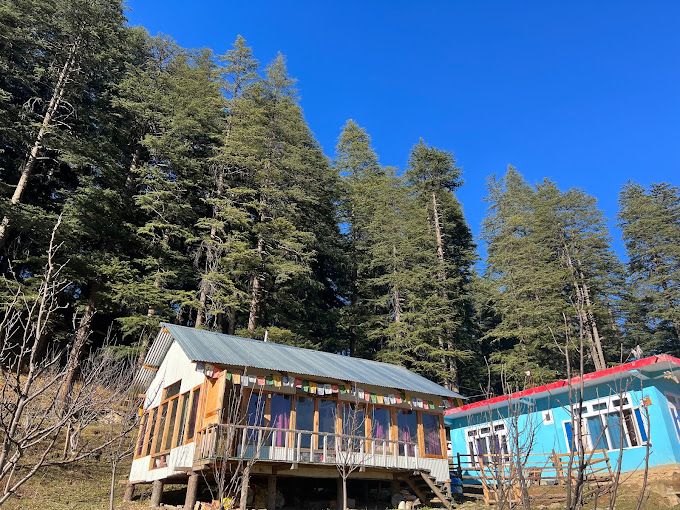
Accommodation across the valley varies widely depending on how deep you venture into the mountains. Riverside bases, quiet hamlets, and trailheads offer a mixture of rustic wooden homestays, simple village guest rooms, and riverside campsites.
Staying in village homes provides a warm look into local Himachali hospitality and regional home cooking, while designated campgrounds allow you to sleep under starlit mountain skies. You can discover and book verified campsites, peaceful homestays, and outdoor getaways across Parvati Valley on HireACamp.
Frequently asked questions
What is the best time of year to trek in Parvati Valley?
The most favourable trekking months are from April to June for mild weather and green meadows, and from September to November for clear skies and dry trails. The monsoon months of July and August carry high risks of landslides and are best avoided.
How do I reach Parvati Valley from Delhi?
You can take an overnight bus from Delhi toward Manali and alight at Bhuntar, near Kullu. From Bhuntar, local buses and private taxis operate frequently into Parvati Valley along the river route.
Are mobile networks reliable in Parvati Valley?
Major telecom providers generally work in larger settlements like Manikaran and surrounding transit hubs. Signal strength tends to drop significantly or disappear entirely once you trek into upper villages and high-altitude trails.
Do I need prior trekking experience to explore Parvati Valley?
No, the valley features a wide range of trails suitable for beginners, including easy walks between lower villages. However, higher treks like Kheerganga involve steep ascents and require basic physical fitness.
Are ATMs easily available across the valley?
ATMs are available at lower roadheads like Bhuntar and Manikaran, but they can occasionally be out of service. It is strongly advised to withdraw sufficient cash in Kullu or Bhuntar before heading deeper into the valley.
Where you'll be
Kullu, HP · 6 stays nearby shown with prices
Stays near Parvati Valley
Book a place to stay close by
More places near Parvati Valley
Within 20 km


Built from 0 Instagram posts by 0 creators. Every tip links back to the post it came from, and where creators disagree we show both sides.






