
Qila Rai Bithora
Fort near Saiyad-ul-ajaib, Delhi
800 m from Saiyad-ul-ajaib
The nearest town, for stays, food and fuel.
Qila Rai Bithora represents the earliest fortified settlement among the historic seven cities of Delhi, dating back to the twelfth century. Located in South Delhi near Saiyad-ul-ajaib and Mehrauli, its surviving stone ramparts and quiet landscaped grounds attract history enthusiasts, walkers, and travellers eager to trace the medieval origins of the capital. Visitors come to explore the ancient defensive walls, walk the peaceful green lawns, and understand the deep layers of Delhi's pre-Sultanate past.
Getting there
By road
- From Saiyad-ul-ajaibNearest town7 min · 2.1 km
- From New Delhi35 min · 13 km
- From Dehradun3 hr 40 min · 239 km
- From Jaipur4 hr 25 min · 289 km
Typical drive times without traffic. Stations and airports from OLA Maps; distances and typical drive times from OpenStreetMap (© OpenStreetMap contributors); notes from creators' Reels.
About Qila Rai Bithora
Written with AI from map data and general knowledge. Check prices and timings locally before you go.
History and heritage of Qila Rai Bithora
Qila Rai Bithora holds a foundational place in the story of Delhi. In the late twelfth century, the Chahamana ruler Prithviraj Chauhan, also known as Rai Pithora, dramatically enlarged the pre-existing eighth-century citadel of Lal Kot, which had been founded by the Tomar king Anangpal. By extending the stone ramparts across several kilometres, he converted the stronghold into a heavily fortified city designed to withstand external raids.
The fortification walls were built using massive dressed quartzite stones typical of the Delhi Ridge. Within these ramparts stood gates, residential quarters, and barracks. When Muhammad of Ghor defeated Prithviraj Chauhan at the Second Battle of Tarain in 1192, the fort was captured by Qutb-ud-din Aibak, paving the way for the Delhi Sultanate. Many subsequent monuments in the neighbouring Mehrauli area, including the Qutab complex, were built directly within or adjacent to the footprint of this ancient fortress.
What to see at Qila Rai Bithora
Today, remnants of Qila Rai Bithora are scattered across South Delhi, with a well-maintained conservation area known as Qila Rai Pithora Cultural Complex serving as the focal point. Within the park, visitors can observe prominent segments of the ancient defensive walls and semi-circular bastions that once protected the city against mounted cavalry and siege engines.
The grounds feature wide manicured lawns dotted with indigenous trees, interpretive displays detailing the history of the Chauhan dynasty, and a commanding equestrian statue of Prithviraj Chauhan. Walking paths trace along the preserved masonry, offering a tactile sense of the scale of early medieval Indian military architecture. Dispersed wall fragments can also be spotted lining adjacent roadways and wooded groves throughout the surrounding neighbourhood.
Read more
Best time to visit
The optimal time to visit Qila Rai Bithora is during the cooler months between October and March. During this period, daytime temperatures in Delhi remain comfortable for outdoor exploration, with crisp mornings and mild afternoons that make walking along the open ramparts thoroughly pleasant.
Summers from April through June are characterized by extreme heat, with midday temperatures regularly climbing past forty degrees Celsius. If you are travelling during the hotter months, plan your visit for the earliest part of the morning or late afternoon before sunset. The monsoon season between July and September brings intermittent rain and high humidity, turning the parklands lush and green, though stone surfaces along unpaved paths can become slick after heavy downpours.
How to reach Qila Rai Bithora
Qila Rai Bithora is located in South Delhi, bordering the localities of Saiyad-ul-ajaib, Saket, and Mehrauli. Thanks to Delhi's comprehensive transport infrastructure, reaching the complex is straightforward from almost anywhere in the National Capital Region.
Travellers using the Delhi Metro can alight at the Saket or Qutab Minar metro stations, both located on the Yellow Line. From either station, the complex is just a short auto-rickshaw or taxi ride away. For those arriving by road from central Delhi, the route follows Sri Aurobindo Marg southward toward Mehrauli-Badarpur Road. App-based cabs and local autorickshaws can drop you directly at the main entrance gate.
Tips for your visit
Because the complex consists primarily of outdoor gardens and unshaded stone masonry, comfortable walking shoes are essential. Sun protection, such as a hat and sunglasses, is highly recommended during all seasons, along with a reusable water bottle to stay hydrated while walking the perimeter.
Local opening hours and entry regulations can vary, so it is sensible to verify access details locally before you arrive. Keep your camera or smartphone charged, as the weathered stone textures, architectural silhouettes, and expansive lawns provide excellent subjects for photography. To experience the tranquil atmosphere at its best, try visiting on a weekday morning when foot traffic is low.
Historic sites to explore nearby
A visit to Qila Rai Bithora pairs naturally with several other major heritage destinations in South Delhi. Just about one kilometre away lies the Qutab Minar and the sprawling Mehrauli Archaeological Park, which together house hundreds of years of architectural history ranging from early Sultanate tombs to colonial-era folly structures. Nearby, The Garden of Five Senses in Saiyad-ul-ajaib offers creative landscape design, rock gardens, and walking trails.
Within a short drive, visitors can reach the medieval waterside ruins of Hauz Khas Fort, roughly four kilometres to the north, as well as the serene landscapes of Lodhi Garden and Safdarjung Tomb further toward central Delhi. Exploring this cluster of sites provides a complete narrative of Delhi's evolution from a regional Rajput stronghold to an imperial seat.
Where to stay near Qila Rai Bithora
South Delhi offers a wide variety of accommodation choices, ranging from urban boutique homestays in leafy residential colonies to comfortable city apartments. Staying in or around the South Delhi district allows easy access to metro lines, dining hubs, and cultural monuments.
If you are planning an extended trip across the capital or looking to combine city sightseeing with tranquil outdoor experiences on the periphery of the National Capital Region, browse HireACamp for curated homestays, nature retreats, and rural stays nearby.
Frequently asked questions
Who built Qila Rai Bithora?
Qila Rai Bithora was constructed by the Rajput ruler Prithviraj Chauhan in the late twelfth century by heavily expanding the eighth-century fortress of Lal Kot, which was originally built by the Tomar king Anangpal.
Where is Qila Rai Bithora located?
The fort complex is situated in South Delhi, adjacent to the Saiyad-ul-ajaib and Saket neighbourhoods, very close to the Mehrauli heritage precinct.
Which is the nearest metro station to Qila Rai Bithora?
The nearest metro stations are Saket and Qutab Minar on the Yellow Line, both of which are a quick auto-rickshaw or cab ride from the entrance.
How much time is needed to visit Qila Rai Bithora?
Most visitors spend between one and two hours strolling along the preserved ramparts, viewing the central statue, and relaxing in the surrounding gardens.
Is Qila Rai Bithora considered Delhi's first city?
Yes, historic tradition regards Qila Rai Bithora, built on and extending the earlier Tomar stronghold of Lal Kot, as the first of the historic seven cities of Delhi.
Where you'll be
Delhi · 4 stays nearby shown with prices
Stays near Qila Rai Bithora
Book a place to stay close by
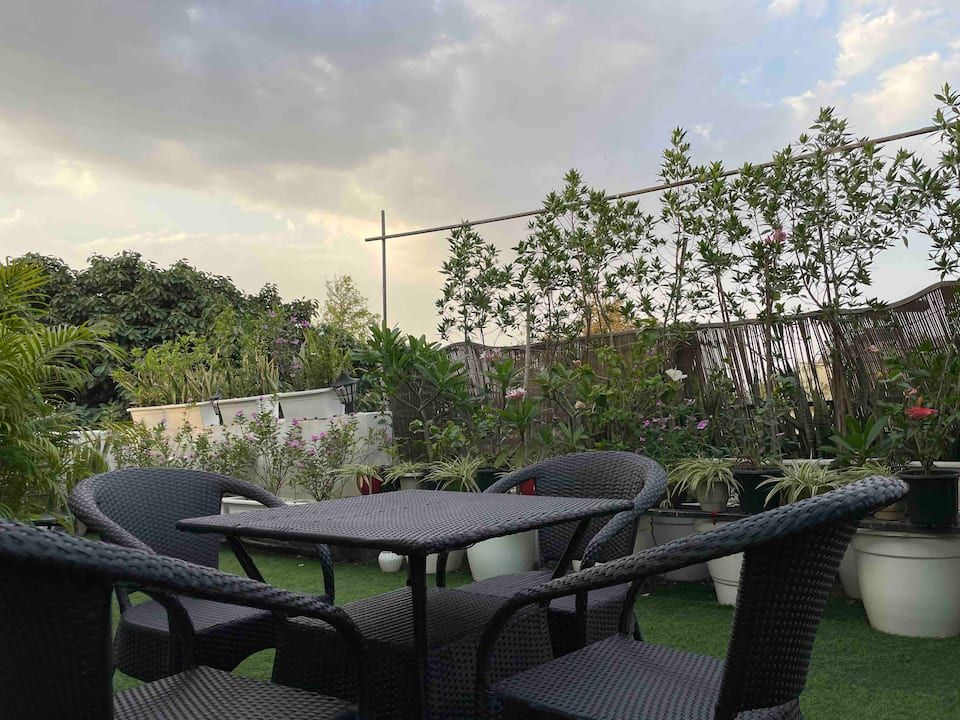
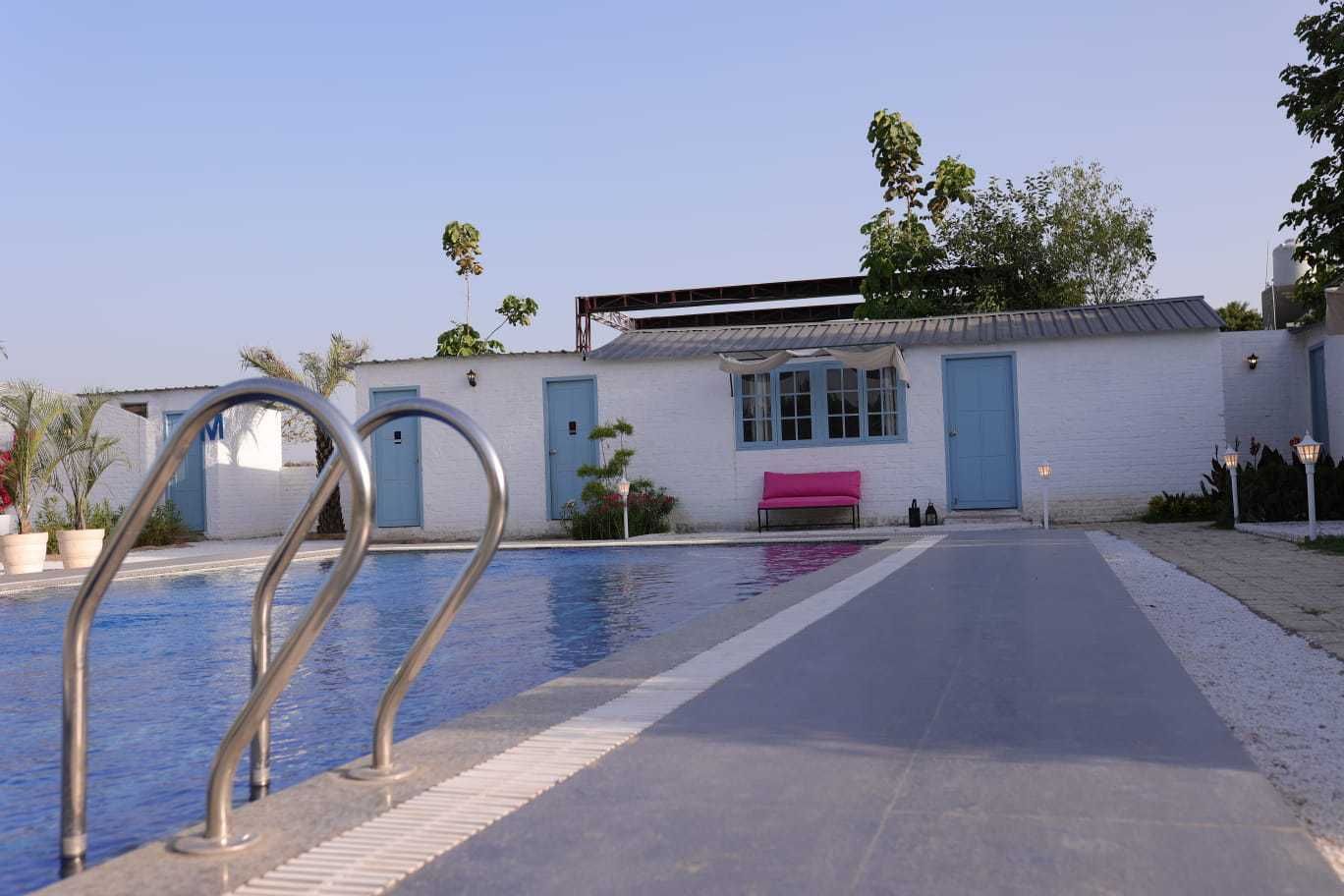
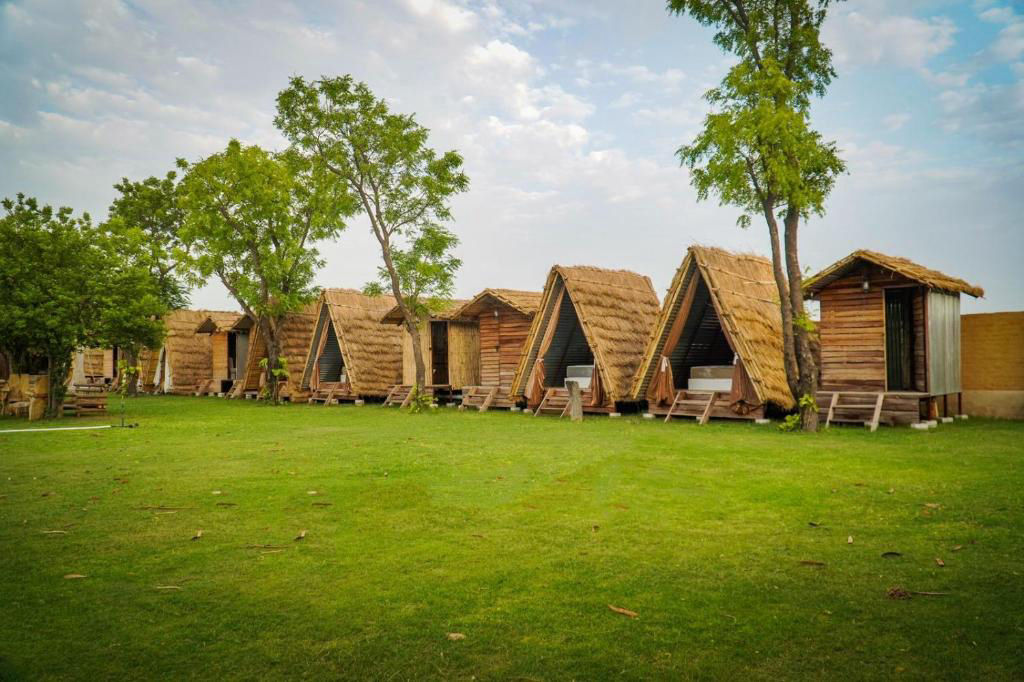
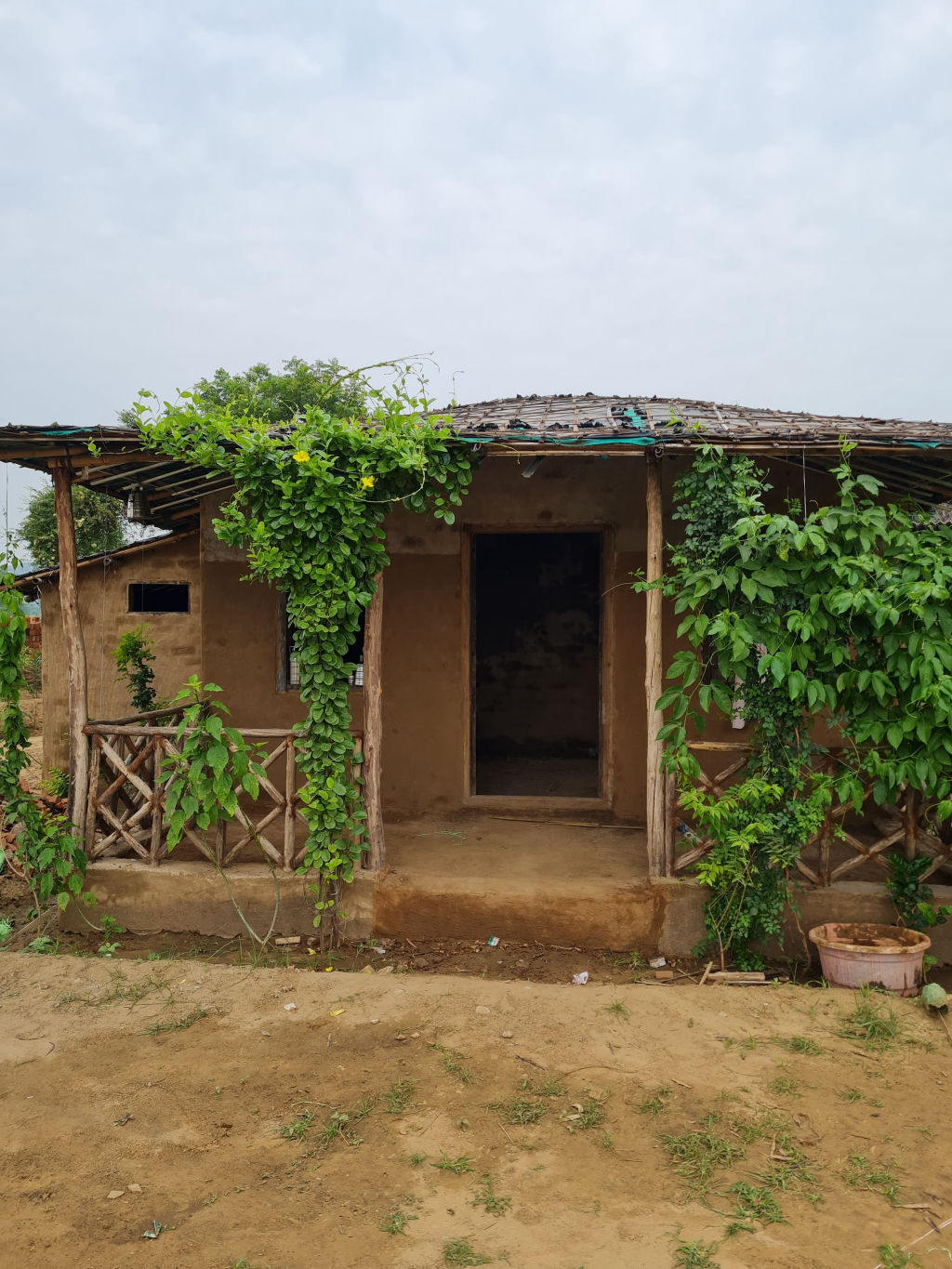
More places near Qila Rai Bithora
Within 20 km


Lists for this area
Ranked by how many creators recommend each place


Built from 0 Instagram posts by 0 creators. Every tip links back to the post it came from, and where creators disagree we show both sides.






