
Mehrauli
Destination in Delhi
Mehrauli is one of Delhi's oldest continuously inhabited neighbourhoods, rooted in the foundational history of the Delhi Sultanate and older Rajput settlements. Located in South Delhi along the rocky spurs of the northern Aravalli Ridge, it draws travellers, history enthusiasts, and walkers seeking medieval monuments, ancient stepwells, and expansive green heritage parks.
Getting there
By road
- From New Delhi38 min · 13 km
- From Dehradun3 hr 40 min · 240 km
- From Jaipur4 hr 25 min · 288 km
- From Chandigarh5 hr 40 min · 343 km
Typical drive times without traffic. Stations and airports from OLA Maps; distances and typical drive times from OpenStreetMap (© OpenStreetMap contributors); notes from creators' Reels.
Mehrauli and Delhi Heritage Itinerary
Practical itineraries centered on the historical monuments, archaeological landscapes, and public gardens of Mehrauli and greater Delhi, connecting South Delhi ruins with central Mughal landmarks and historic bazaars.
1-Day Mehrauli and Hauz Khas Heritage Trail
Best for travellers wanting a focused exploration of south Delhi's archaeological parks and lakeside fortresses.
Day 1
South Delhi Parks and Medieval Ruins
morning
Mehrauli Archaeological Park WalkAbout 2 hr
Operates from 6:00 AM to 6:30 PM with ₹50 entry. Visitors can photograph the grounds and observe freely roaming deer. Nearest metro is Qutub Minar.
midday
The Garden of Five SensesAbout 1 hr 30 min · 1.2 km from the last stop
Open from 9:00 AM to 6:00 PM with entry tickets priced at ₹50. Accessible via Saket Metro Station on the Yellow Line.
afternoon
Hauz Khas FortAbout 1 hr 15 min · 4.4 km from the last stop
Explore the medieval fort complex, which turns lush green during the monsoon season.
afternoon
Hauz Khas LakeAbout 1 hr · 100 m from the last stop
Take a walk along the paved pedestrian promenade that rims the edge of the lake.
- Avoid visiting Humayun’s Tomb between 12:00 PM and 3:00 PM due to harsh sunlight and heat; aim for opening time or golden hour instead.
- Wear flat shoes or sneakers and bring your own drinking water when visiting Humayun's Tomb, as exploring the vast exposed grounds involves extensive walking.
- Outside food is strictly barred inside Humayun’s Tomb complex; ensure you eat before entering.
- At Red Fort, plan sufficient time to explore Chatta Chowk, the Naubat Khana drum house, and the on-site military and freedom fighter museums rather than rushing directly to the courtyards.
- Visit Safdarjung Tomb during the golden hour before sunset for the best lighting and photography conditions.
- Connaught Place shops and dining venues lean upscale; plan your budget accordingly if seeking low-cost meals.
Visit lengths are suggestions; distances are straight-line between stops.
About Mehrauli
Written with AI from map data and general knowledge. Check prices and timings locally before you go.
The Heritage and Character of Mehrauli
Mehrauli stands as one of the earliest historic cities that compose modern Delhi, holding layers of continuous human habitation that stretch back nearly a millennium. Established initially during the reign of the Tomar Rajputs who founded the citadel of Lal Kot, the area later became the capital of the early Delhi Sultanate under the Mamluk dynasty. As successive rulers shifted their imperial capitals across the northern plains, Mehrauli never lost its cultural gravity, retaining an intimate mix of residential quarters, revered Sufi shrines, defensive fortifications, and later Mughal-era summer retreats.
The physical terrain of Mehrauli is characterized by the rocky outcroppings of the Aravalli Ridge, imparting a distinct topography of gentle elevation, stony soils, and native acacia woodland. This scrub forest historically provided natural defense as well as building stone for the sprawling citadels and tombs that now punctuate the neighborhood. Today, Mehrauli presents a rare dialogue between dense urban village life and expansive open-air heritage grounds, making it a compelling destination for anyone seeking to understand Delhi's origins.
Things to Do in Mehrauli
The soaring minaret of Qutab Minar serves as the focal point for most visitors arriving in Mehrauli. Commissioned at the end of the twelfth century, the fluted sandstone tower rises alongside the Quwwat-ul-Islam mosque, the enigmatic fifth-century iron pillar, and the unfinished Alai Minar. Walking through this complex offers an introduction to early Indo-Islamic architecture, characterized by intricate calligraphy, geometric stonework, and recycled structural elements from earlier eras.
Just beyond the primary monument complex lies the Mehrauli Archaeological Park, a vast green expanse containing over a hundred historically significant structures dispersed across wooded paths. Among its most prominent landmarks are the Jamali Kamali mosque and tomb, noted for their fine plasterwork and blue tile ceilings, and the imposing tomb of Balban. The park is also famous for its stepwells, most notably Rajon ki Baoli, an elaborate multi-tiered water reservoir built during the Lodi period, and Gandhak ki Baoli, an older sulfur spring stepwell nestled deeper within the village. Wandering through the forested trails allows visitors to observe these centuries-old ruins in quiet seclusion, surrounded by native trees, birds, and ancient masonry.
Read more
Places to Visit Nearby
Mehrauli is well situated for exploring several other major historical and recreational landmarks across South Delhi. Just two kilometers away, The Garden of Five Senses offers twenty acres of landscaped leisure grounds, public art installations, and flowering gardens designed to stimulate sensory experiences through sound, fragrance, and visual textures. The grounds frequently host seasonal flower displays and cultural exhibitions, providing an open green retreat adjacent to the old settlement.
Heading north toward central Delhi, travellers can explore the medieval reservoir and stone pavilions at Hauz Khas Fort, located about four kilometers away, or venture toward the manicured lawns of Lodhi Garden and Safdarjung Tomb. Further afield, within an eleven-kilometer radius, lie the sprawling Mughal gardens of Humayun's Tomb and Sunder Nursery, both renowned for landscape restoration and rich birdlife. For visitors interested in contemporary architecture, the Bahá’í Lotus Temple is also easily accessible, making Mehrauli an ideal base for a broader architectural itinerary across Delhi.
Best Time to Visit Mehrauli
The best time to visit Mehrauli is during the cooler months from October to March. During late autumn and winter, Delhi experiences clear skies and comfortable daytime temperatures that are ideal for outdoor walking, exploring expansive archaeological complexes, and wandering through the open greens of the surrounding parks. Early winter mornings often bring a picturesque mist over the ruins, though visitors should carry warm layers for the chillier evenings in December and January.
Summer, lasting from April to June, brings intense heat and dry conditions, with midday temperatures routinely climbing high. While early mornings during summer can still permit brief visits, prolonged outdoor explorations can be challenging. The monsoon arrives in July and extends through September, revitalizing the dry scrub vegetation of the Aravalli spurs and turning the parklands lush and green. Walking during the monsoon can be pleasant between rain showers, though high humidity requires light clothing and appropriate footwear.
How to Reach Mehrauli
Mehrauli is situated in South Delhi and benefits from extensive public transportation connections. The Delhi Metro Yellow Line serves the neighborhood directly, with the Qutab Minar and Saket metro stations offering convenient access points for travellers arriving from central hubs such as Connaught Place or northern parts of the city. From either metro station, autorickshaws and cycle rickshaws are readily available to navigate the final short stretch into the historical parks and village markets.
For those travelling by road, Mehrauli is linked to central and southern parts of the National Capital Region via major arteries including Sri Aurobindo Marg, the Mehrauli-Badarpur Road, and the Mehrauli-Gurgaon Road. Indira Gandhi International Airport is located relatively close to South Delhi, making Mehrauli easily reached by taxi after landing. Major railway terminals, including New Delhi Railway Station and Hazrat Nizamuddin, connect to the neighborhood via direct metro lines or road transfers.
Tips for Your Visit
Exploring Mehrauli involves extensive walking over uneven ground, stone staircases, and dirt trails, particularly inside the archaeological park and around the stepwells. Sturdy, comfortable walking shoes are essential. Because the heritage grounds span large, open areas with limited shade during midday hours, carrying a reusable water bottle, sun protection, and a hat is recommended throughout the year.
Mehrauli also contains living places of worship, including the revered Sufi dargah of Hazrat Qutbuddin Bakhtiar Kaki and active neighborhood temples. When visiting these sacred sites, travellers should dress modestly, covering their shoulders and knees, and be prepared to remove footwear at the entrance. To experience the monuments without crowds and to catch soft morning light on the sandstone masonry, planning your visits for the early hours shortly after sunrise is strongly advised.
Where to Stay
Travellers looking to stay near Mehrauli will find a variety of residential neighbourhoods and quiet enclaves across South Delhi that serve as convenient bases. Staying in the vicinity allows easy access not only to Mehrauli's monuments but also to the surrounding cultural institutions, quiet urban forests, and heritage gardens.
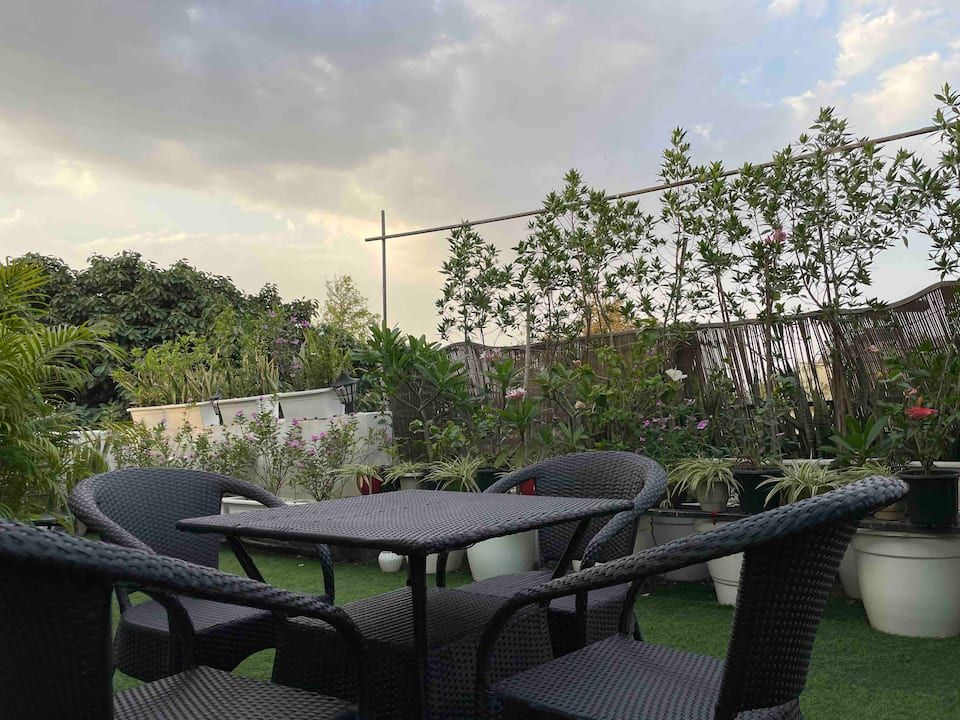
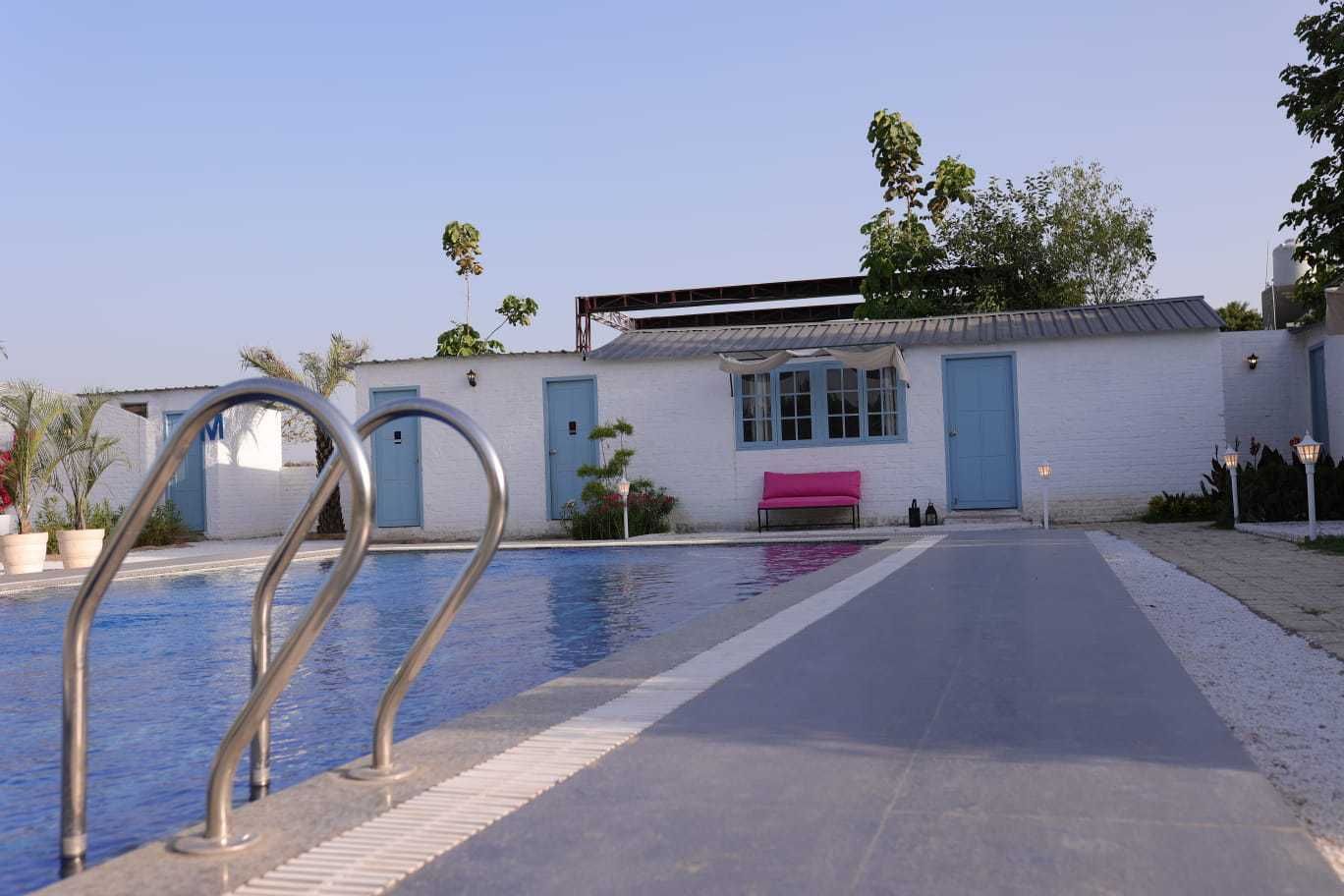
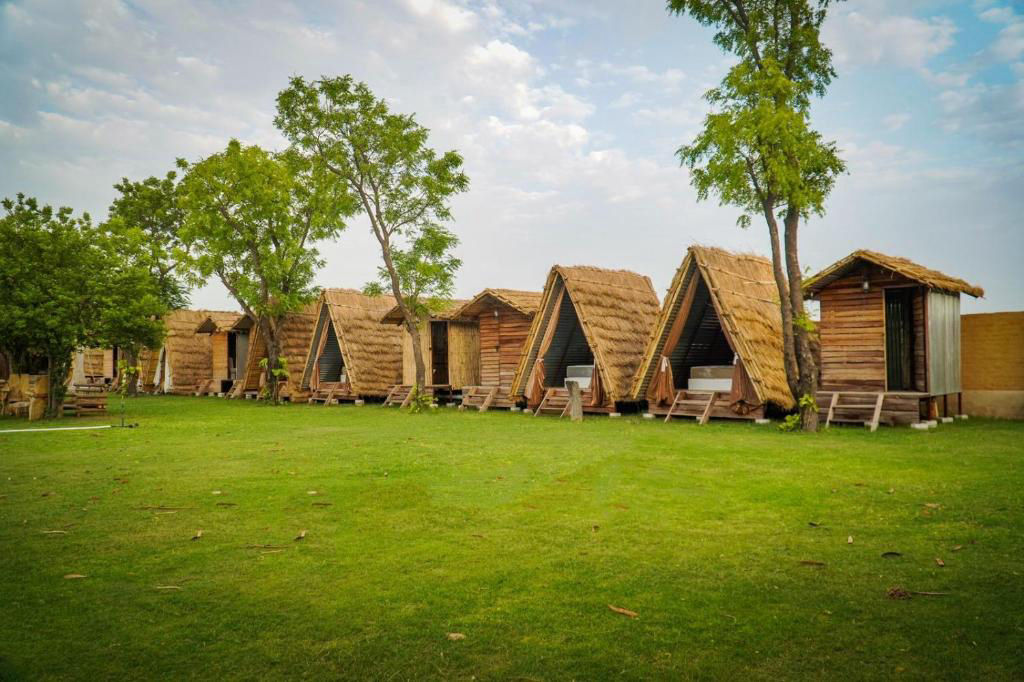
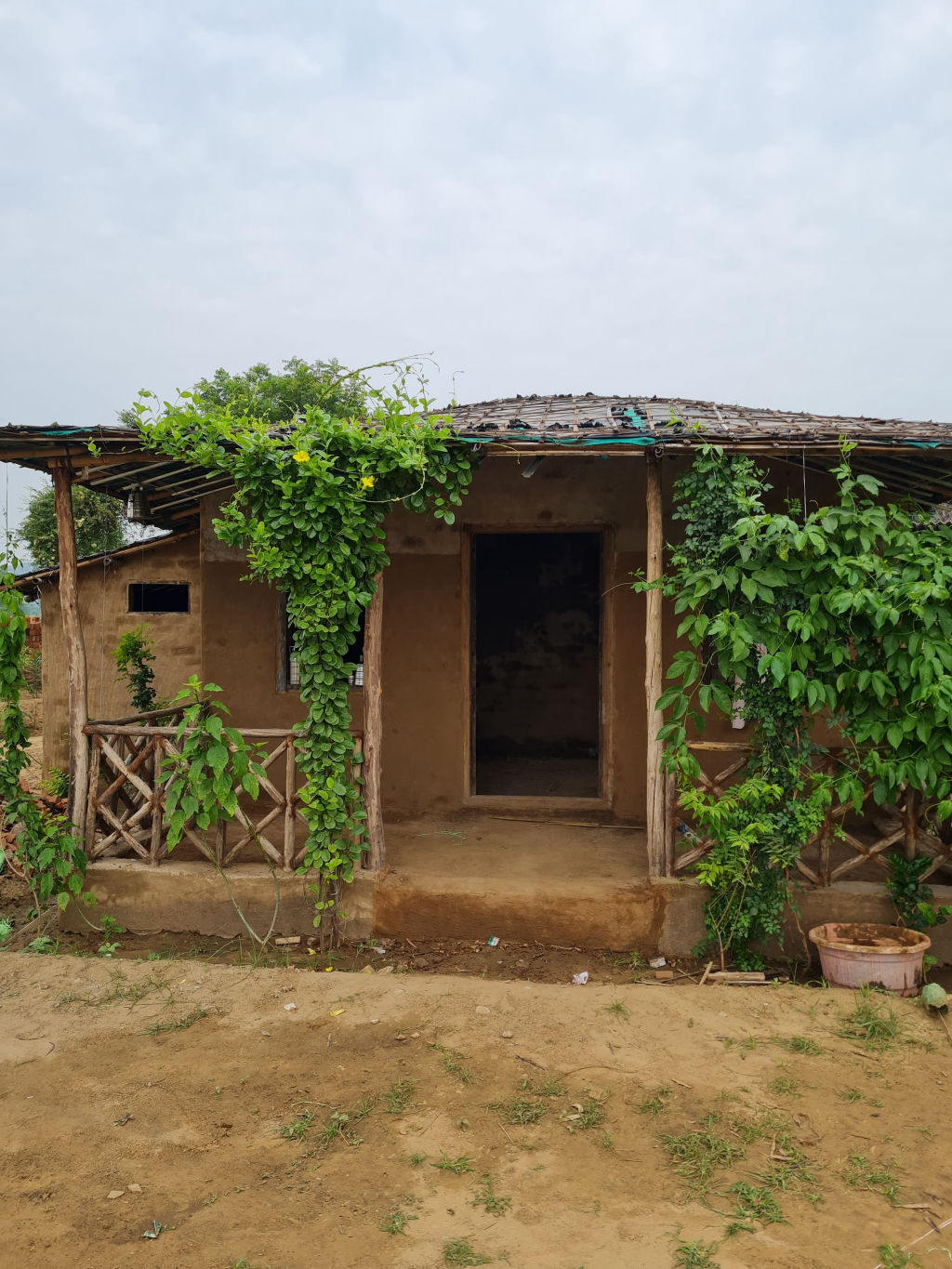
For those seeking unique accommodations, options ranging from heritage-inspired urban homestays to peaceful farm stays on the city outskirts can be found on HireACamp. Whether you are looking for a tranquil base near the green corridors of the southern ridge or a comfortable weekend getaway close to Delhi's historical heart, you can discover suitable stays on the platform.
Frequently asked questions
Why is Mehrauli famous?
Mehrauli is famous for its rich concentration of medieval history, being home to the UNESCO World Heritage Site of Qutab Minar, the sprawling Mehrauli Archaeological Park, and numerous historic stepwells and shrines dating back to the Tomar, Mamluk, and Mughal periods.
Which metro station is closest to Mehrauli?
Qutab Minar metro station on the Yellow Line is the closest station to Mehrauli, with Saket metro station also offering easy access to different parts of the neighbourhood and surrounding parks.
How much time is needed to explore Mehrauli?
A fulfilling visit to Mehrauli typically requires half a day to a full day, which allows sufficient time to tour the Qutab Minar complex, walk through the Mehrauli Archaeological Park, and visit nearby stepwells and historic lanes.
What should visitors wear when visiting monuments and shrines in Mehrauli?
Visitors should wear modest, breathable clothing that covers shoulders and knees, particularly when entering active shrines like the Dargah of Qutbuddin Bakhtiar Kaki. Comfortable walking shoes are also essential for navigating uneven paths and stone stairs.
Can you walk between Qutab Minar and Mehrauli Archaeological Park?
Yes, the entrance to the Mehrauli Archaeological Park is located within easy walking distance from the Qutab Minar complex, making it convenient to visit both sites consecutively on foot.
Where you'll be
4 stays nearby shown with prices
Stays near Mehrauli
Book a place to stay close by
Things to do in Mehrauli
48 places creators recommend within 30 km


Lists for this area
Ranked by how many creators recommend each place


Built from 0 Instagram posts by 0 creators. Every tip links back to the post it came from, and where creators disagree we show both sides.






