
Qutb Minar
Monument near Saiyad-ul-ajaib, Delhi
400 m from Saiyad-ul-ajaib
The nearest town, for stays, food and fuel.
Qutb Minar is a towering red sandstone minaret located in the Mehrauli area of South Delhi, India. Built starting at the turn of the thirteenth century, it stands as one of the earliest and most prominent examples of Indo-Islamic architecture in the country. Travellers and heritage enthusiasts visit to admire its intricate carvings, historical inscriptions, and the surrounding ensemble of ancient monuments.
Getting there
By road
- From Saiyad-ul-ajaibNearest town8 min · 2.1 km
- From New Delhi40 min · 14 km
- From Dehradun3 hr 40 min · 241 km
- From Jaipur4 hr 30 min · 291 km
Typical drive times without traffic. Stations and airports from OLA Maps; distances and typical drive times from OpenStreetMap (© OpenStreetMap contributors); notes from creators' Reels.
About Qutb Minar
Written with AI from map data and general knowledge. Check prices and timings locally before you go.
History and Architecture of Qutb Minar
The construction of Qutb Minar began under Qutb-ud-din Aibak, the founder of the Delhi Sultanate, in the late twelfth century, with further storeys added by his successor Shams-ud-din Iltutmish and later repairs carried out by Firuz Shah Tughlaq. The tower rises through five distinct storeys, tapering gradually toward the top. Its lower storeys are constructed primarily from fluted red sandstone, while the upper storeys incorporate bands of white marble along with sandstone.
Each storey of the minaret is demarcated by a projecting balcony supported by delicate stalactite-like corbelling. Elaborate inscriptions in Arabic, containing verses from the Quran alongside details of the tower's construction and repairs, wrap around its exterior shafts in graceful bands of calligraphy. The architecture represents a transitional moment where local stone-carving traditions merged with Islamic geometrical motifs and structural forms, setting a precedent for monumental design across northern India.
Key Highlights within the Complex
The archaeological enclosure surrounding Qutb Minar contains several significant historical structures spanning multiple centuries. Immediately beside the tower stands the Quwwat-ul-Islam Mosque, recognized as one of the earliest mosques built in northern India. Its courtyard is flanked by colonnaded cloisters composed of carved pillars, showing structural reuse and stylistic fusion from earlier structures.
Standing in the courtyard of the mosque is the famous Iron Pillar of Delhi, dating back to the Gupta period in the fourth or fifth century. Revered by historians and metallurgists worldwide, this ancient pillar is celebrated for its remarkable resistance to rust and corrosion despite centuries of open-air exposure. Other notable structures within the grounds include the Tomb of Iltutmish, known for its intricate interior stonework, and the Alai Darwaza, an ornate red sandstone gateway built by Alauddin Khalji featuring fine latticed stone screens and horse-shoe arches.
Read more
Best Time to Visit Qutb Minar
The most pleasant time to visit Qutb Minar is during the cooler months from October to March. During this period, Delhi experiences mild, sunny days and cool evenings, making outdoor exploration across the expansive stone courtyards comfortable. Temperatures during mid-winter can drop considerably in the mornings and evenings, so carrying a light jacket or shawl is advisable.
Summers from April to June are characterized by extreme heat, with daytime temperatures often rising sharply. If visiting during summer, early mornings or late afternoons are preferable to avoid direct sun exposure. The monsoon season from July to September brings frequent rain showers and heightened humidity, which lends lush green surroundings to the complex lawns but also makes paths slick underfoot.
How to Reach Qutb Minar
Qutb Minar is located in South Delhi, adjacent to Saiyad-ul-ajaib and the historic Mehrauli settlement. It is well integrated into the city's transport network and easily reachable by road, public bus, app-based cabs, and the Delhi Metro system. Dedicated metro stations serve the surrounding area, allowing convenient access from central railway hubs and commercial nodes.
Travellers arriving from other parts of the National Capital Region or Indira Gandhi International Airport can take road routes directly toward Mehrauli. Traffic conditions across Delhi can vary significantly during peak office hours, so visitors are encouraged to budget adequate transit time when planning a journey.
Tips for Your Visit to Qutb Minar
Because the monument grounds are broad and predominantly open to the sky, wearing comfortable walking shoes is essential. The stone pathways and paved courts absorb heat quickly on bright days, so carrying a reusable water bottle, sunscreen, and a wide-brimmed hat or umbrella will make your walk much more pleasant.
Visitors should allow at least two to three hours to explore the central minaret, adjacent tombs, and courtyard ruins without rushing. Check current visiting guidelines, ticketing arrangements, and opening schedules locally before heading out, as these are subject to operational changes. Photography is popular throughout the complex, but visitors should adhere to posted notices regarding restricted zones around ancient walls.
Places to Visit Nearby
The Mehrauli and South Delhi belt contains an extraordinary density of cultural attractions. Just a short walk away lies the Mehrauli Archaeological Park, which encompasses dozens of lesser-known tombs, mosques, and stepwells set within a peaceful woodland setting. Nearby, The Garden of Five Senses in Saiyad-ul-ajaib offers sprawling landscaped grounds designed for leisurely walks.
Within a short drive, visitors can explore the medieval reservoir and ruins of Hauz Khas Fort, the serene marble architecture of the Bahá’í Lotus Temple, and the classical Mughal proportions of Safdarjung Tomb and Humayun’s Tomb. Those looking for sprawling greenery can pair their trip with a visit to Lodhi Garden, Sunder Nursery, or Baansera Park along the Yamuna riverfront.
Where to Stay Near Qutb Minar
South Delhi offers a wide variety of accommodation choices, ranging from urban neighbourhoods with lively cafes to quieter residential enclaves near Mehrauli. Staying in this part of the city allows travellers easy access to major heritage circuits while remaining well connected to transport corridors.
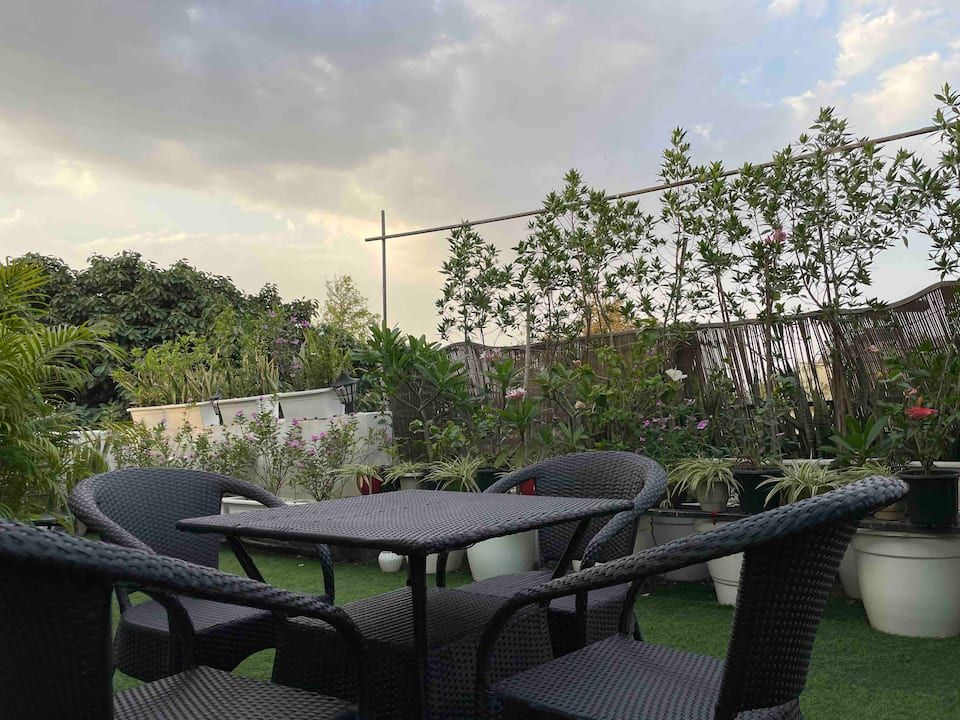
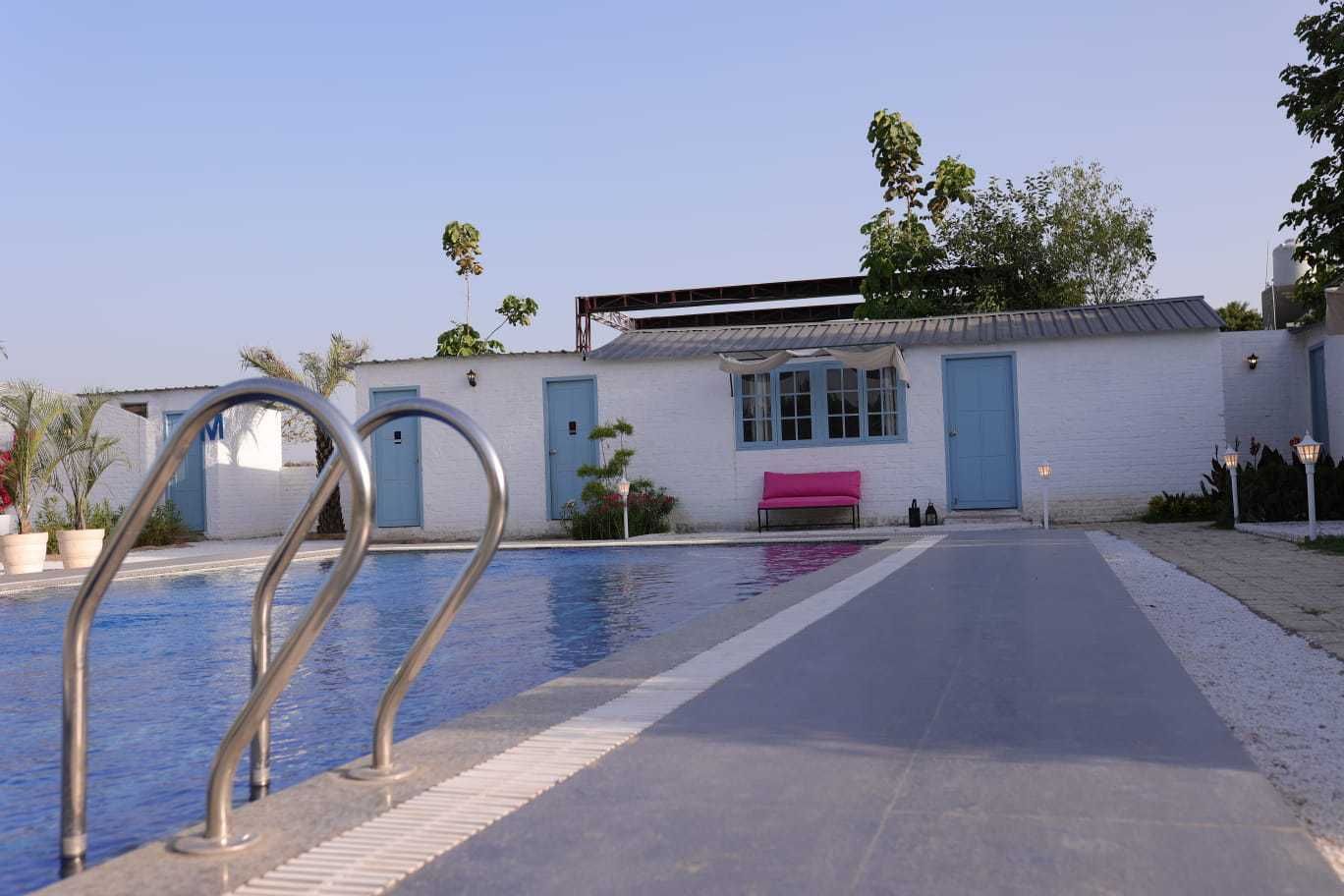
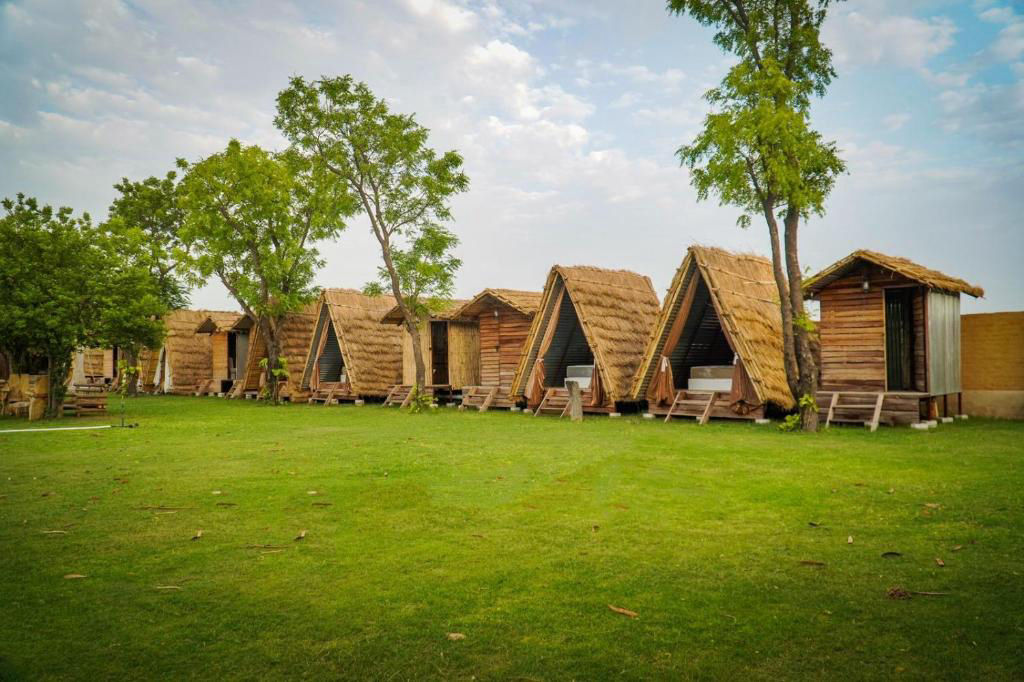
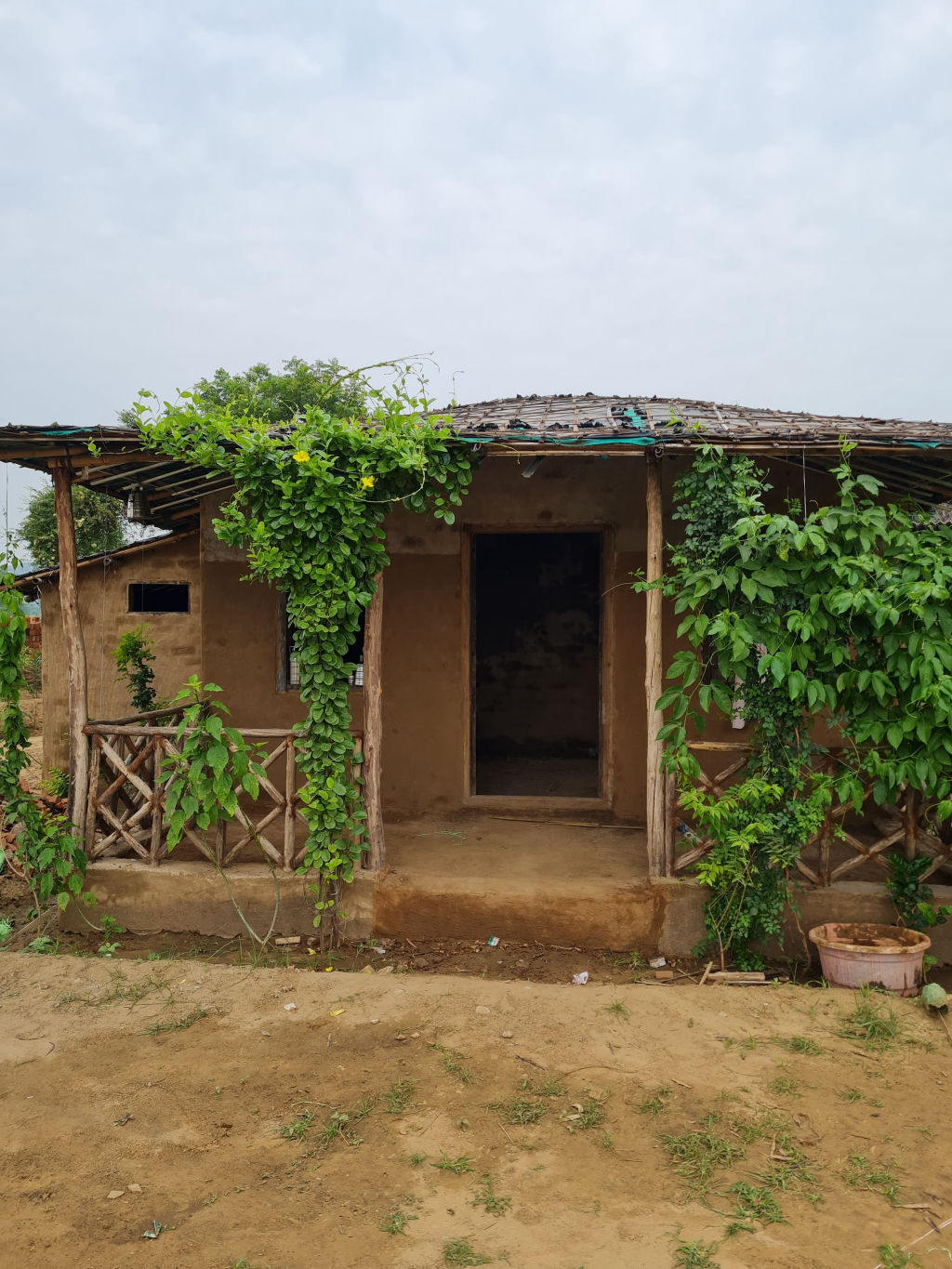
For travellers seeking characterful homestays, nature retreats, or peaceful outdoor camps in the surrounding countryside and peripheral green spaces of the National Capital Region, options can be browsed and reserved through HireACamp.
Frequently asked questions
Can visitors climb inside Qutb Minar?
No, climbing inside Qutb Minar is not permitted for the general public due to safety and heritage preservation regulations. Visitors can admire the tower's detailed architecture and inscriptions from its base and surrounding courtyards.
What is the Iron Pillar located near Qutb Minar?
The Iron Pillar is a fourth- or fifth-century metal column situated inside the complex courtyard. It is famous worldwide because its composition has resisted rust and corrosion despite standing outdoors for more than a millennium.
How much time is needed to see Qutb Minar?
Most visitors spend between two to three hours exploring the minaret, the Quwwat-ul-Islam Mosque, the Iron Pillar, the Tomb of Iltutmish, and the surrounding gardens.
Is Qutb Minar accessible via the Delhi Metro?
Yes, Qutb Minar is easily reachable via the Delhi Metro network, with stations on the yellow line located close to the complex entrance.
Where you'll be
Delhi · 4 stays nearby shown with prices
Stays near Qutb Minar
Book a place to stay close by
More places near Qutb Minar
Within 20 km


Lists for this area
Ranked by how many creators recommend each place


Built from 0 Instagram posts by 0 creators. Every tip links back to the post it came from, and where creators disagree we show both sides.






