
Rajaji National Park, Chilla Range
Forest near Haridwar, Uttarakhand
3.9 km from Haridwar
The nearest town, for stays, food and fuel.
The Chilla Range is an expansive wildlife zone within Rajaji National Park, situated along the eastern banks of the Ganges near Haridwar in Uttarakhand. Renowned for its population of wild Asian elephants, leopards, and diverse bird species, it offers an authentic wilderness experience in the rugged Shivalik foothills. Travellers visit to explore untouched sal forests, scenic riverbeds, and rich wildlife tracks away from the bustle of nearby pilgrimage towns.
Getting there
By road
- From HaridwarNearest town23 min · 11 km
- From Dehradun1 hr 10 min · 48 km
- From New Delhi4 hr 5 min · 235 km
- From Chandigarh4 hr 50 min · 219 km
Typical drive times without traffic. Stations and airports from OLA Maps; distances and typical drive times from OpenStreetMap (© OpenStreetMap contributors); notes from creators' Reels.
About Rajaji National Park, Chilla Range
Written with AI from map data and general knowledge. Check prices and timings locally before you go.
Landscape and ecology of Chilla Range
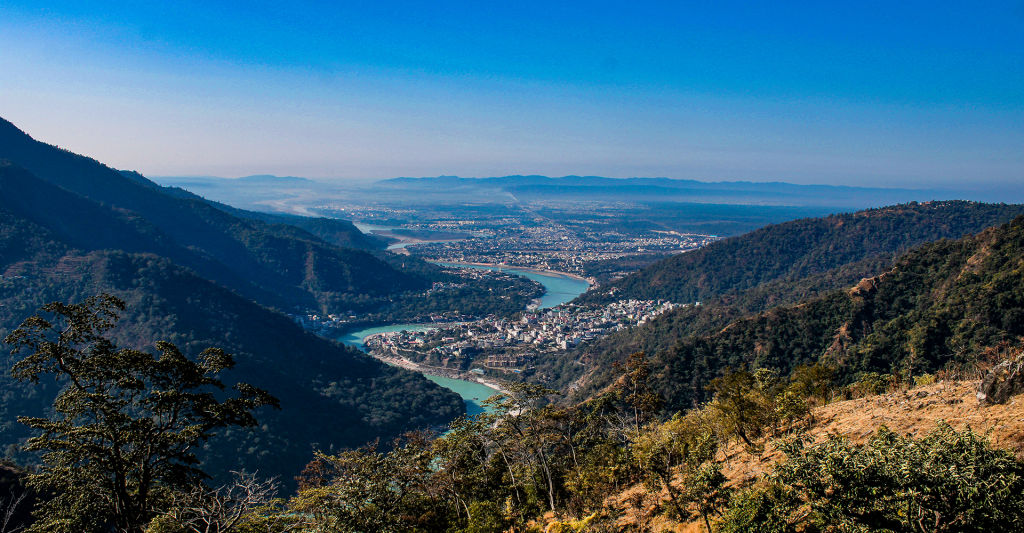
The Chilla Range represents one of the most prominent zones of Rajaji National Park, sprawling across the rugged foothills of the Shivalik range where the mountains meet the Indo-Gangetic plains. Bordered by the Ganges on one side and dissected by seasonal riverbeds locally referred to as raus, the terrain is characterized by a mix of sal forests, open scrublands, riverine grasslands, and alluvial river floodplains. This diverse topography provides distinct habitats that sustain a wide spectrum of flora and fauna.
The presence of perennial water sources and vast migratory corridors allows large animals to move freely across the landscape. The open grasslands and wide boulder-strewn dry streams contrast with the dense tree canopies found deeper inside the reserve. Visiting the Chilla Range provides a direct look into the raw wilderness of northern India, where ancient wildlife routes still cut through rugged terrain and river shores.
Wildlife and birdwatching in Chilla
The Chilla Range is especially celebrated for its thriving population of wild Asian elephants, which frequently traverse the mixed deciduous woodlands and dry riverbeds in family groups. Alongside elephants, the forest is home to big cats including leopards and Bengal tigers, though sightings depend on quiet patience, seasonal conditions, and luck. Sambar, chital, barking deer, wild boars, and langurs are regularly spotted grazing along forest tracks or drinking near natural waterholes.
For birdwatchers, the ecosystem of the Chilla Range is exceptionally rewarding. Hundreds of avian species find shelter across the park, drawn by the convergence of woodland, scrub, and riverine habitats. Visitors often spot great hornbills, oriental pied hornbills, crested kingfishers, crested serpent eagles, and several woodpecker varieties. During the cooler winter months, the water bodies and adjoining riverbanks attract migratory waterfowl, making it a productive area for bird photography.
Read more
Things to do at Chilla Range
The primary activity in the Chilla Range is taking a guided forest safari along designated tracks that wind through woodlands, grasslands, and seasonal river channels. Driving through these routes offers visitors the opportunity to observe wildlife in an undisturbed setting and appreciate the shifting landscape as light filters through the Shivalik forest. Early morning and late afternoon are generally the most active periods for wild animals moving between grazing grounds and water sources.
Beyond safaris, travellers can spend time exploring the serene edges of the park and river banks, which offer a peaceful setting for photography and birdwatching. Observing the transition zones where the wilderness borders traditional villages offers insight into regional pastoral life existing alongside nature. Visitors can also explore quiet walking trails outside core forest zones to study local plant life and the unique geological features of the Shivalik belt.
Best time to visit
The tourism zone of the Chilla Range typically opens to visitors from mid-November through mid-June, closing during the monsoon months when heavy rains flood forest trails and cause seasonal streams to swell unpredictably. The winter season, extending from November to February, features cool, crisp weather with chilly mornings and pleasant daytime temperatures. This period is generally considered the most comfortable time for forest drives and birdwatching, as migratory birds arrive in significant numbers.
As spring transitions into summer from March through June, temperatures across the plains increase substantially. While the afternoons can become quite warm, the thinning foliage and drying waterholes draw animals closer to remaining water channels and rivers, noticeably increasing the likelihood of wildlife sightings. Travellers visiting during winter should bring warm clothing for early morning safaris, while summer visitors should prepare for direct heat.
How to reach Chilla Range
The Chilla Range is conveniently located and easily accessible from Haridwar and Rishikesh. Haridwar is the closest major rail hub, connected by regular train services to Delhi, Dehradun, Lucknow, and other major cities. From Haridwar railway station, local taxis and private vehicles can cross the Ganges and reach the park entry gates in an approximate drive of under an hour, depending on traffic.
For air travel, Jolly Grant Airport in Dehradun is the nearest terminal, located roughly an hour to an hour and a half away by road. The highway network connecting national capital regions to Haridwar is well established, making road journeys by private car or bus straightforward. Rishikesh is also located nearby, offering an alternative base for travellers heading south into the forest gate.
Places to visit nearby
A trip to the Chilla Range can easily be paired with cultural and natural attractions around Haridwar and Rishikesh. In Haridwar, travellers can witness the historic bathing ghats and the evening Ganga Aarti. Just upriver, Rishikesh offers a blend of heritage sites and scenic viewpoints, including the historic suspension bridges of Ram Jhula and Janki Setu, along with the tranquil grounds of The Beatles Ashram.
Those interested in local heritage and peaceful riverside spots can visit Triveni Ghat, Parmarth Niketan Ashram, or travel further into the wooded hills toward Neelkanth Mahadev Temple. Other points of interest within driving range include Tani waterfall, scenic riverside stretches along the Ganga, and Mindrolling Monastery situated closer to Dehradun.
Tips for your visit
Because Chilla is a protected natural reserve, visitors should adhere strictly to park rules and maintain quiet behavior during forest visits. Avoid wearing bright colors, do not throw litter or plastic within park boundaries, and never attempt to feed or approach wild animals. Engaging a local guide is beneficial for learning about animal tracks, bird calls, and the broader ecology of the forest.
Check locally in advance for current park opening dates, permit procedures, and designated safari shift times, as entry is regulated by the forest department. It is wise to carry binoculars, extra camera batteries, insect repellent, sun protection, and a refillable water bottle for your journey.
Where to stay near Chilla Range
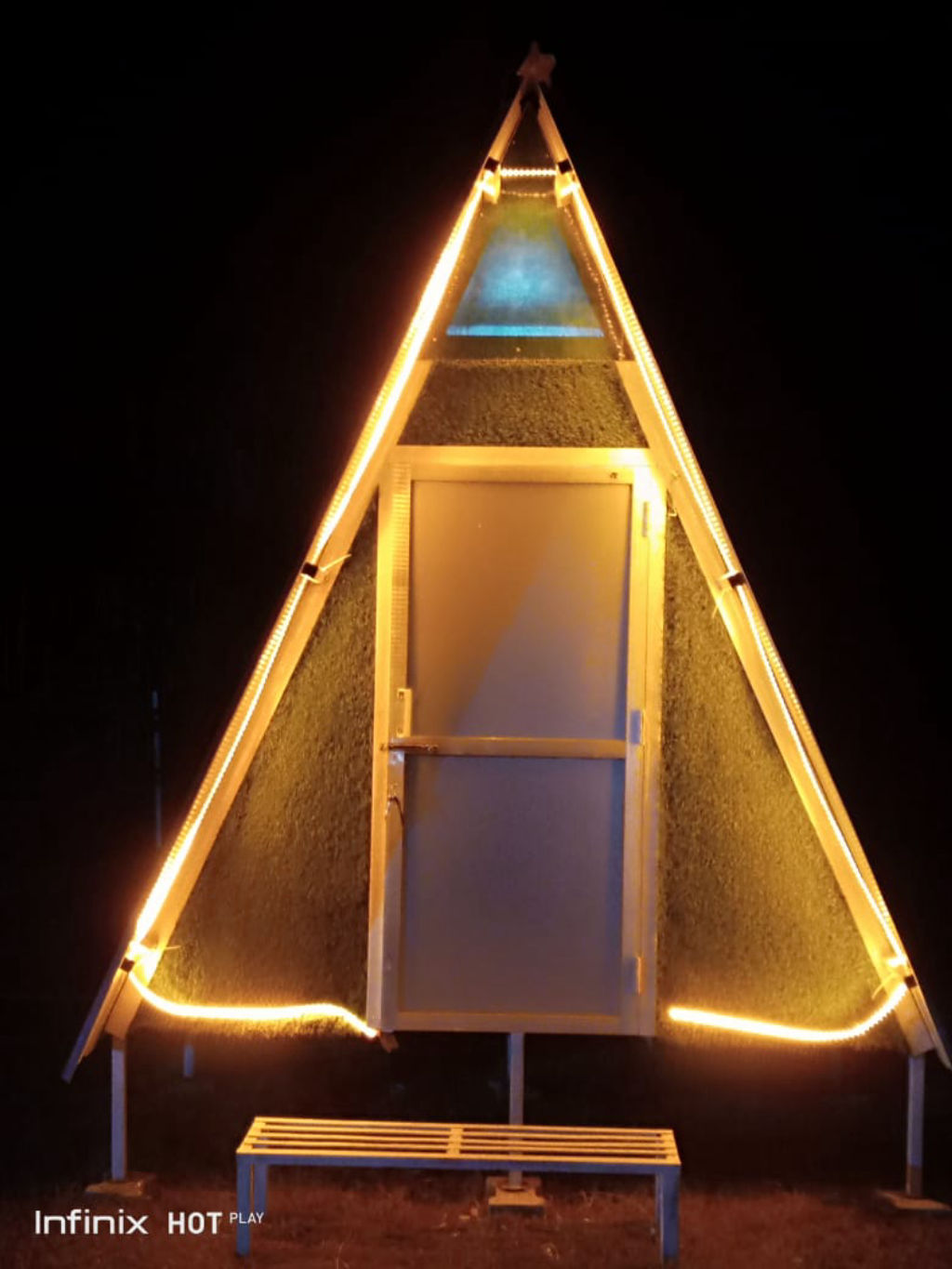
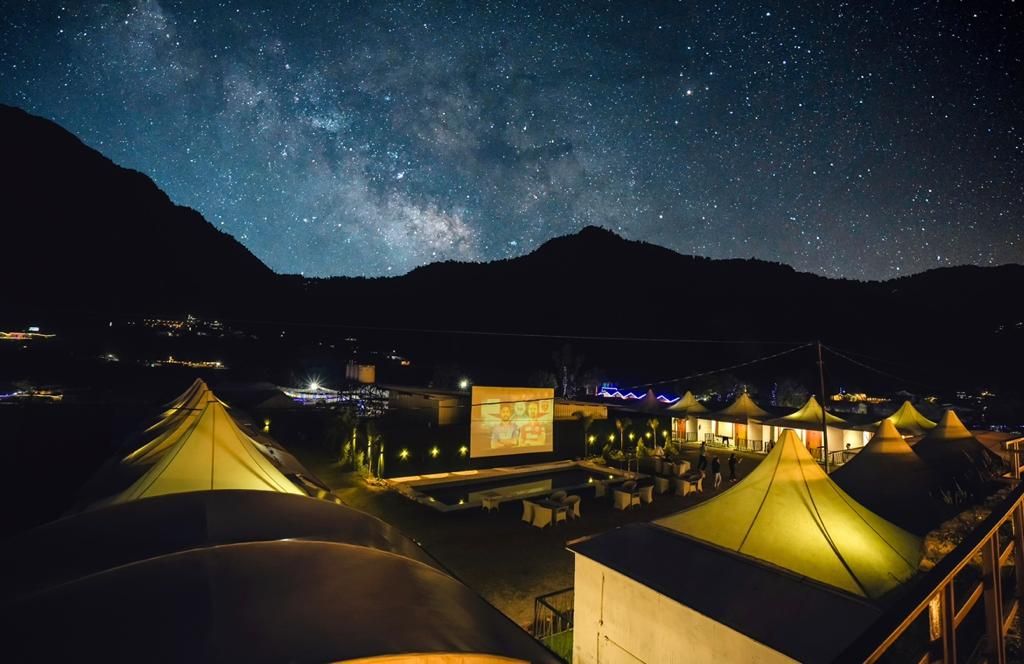
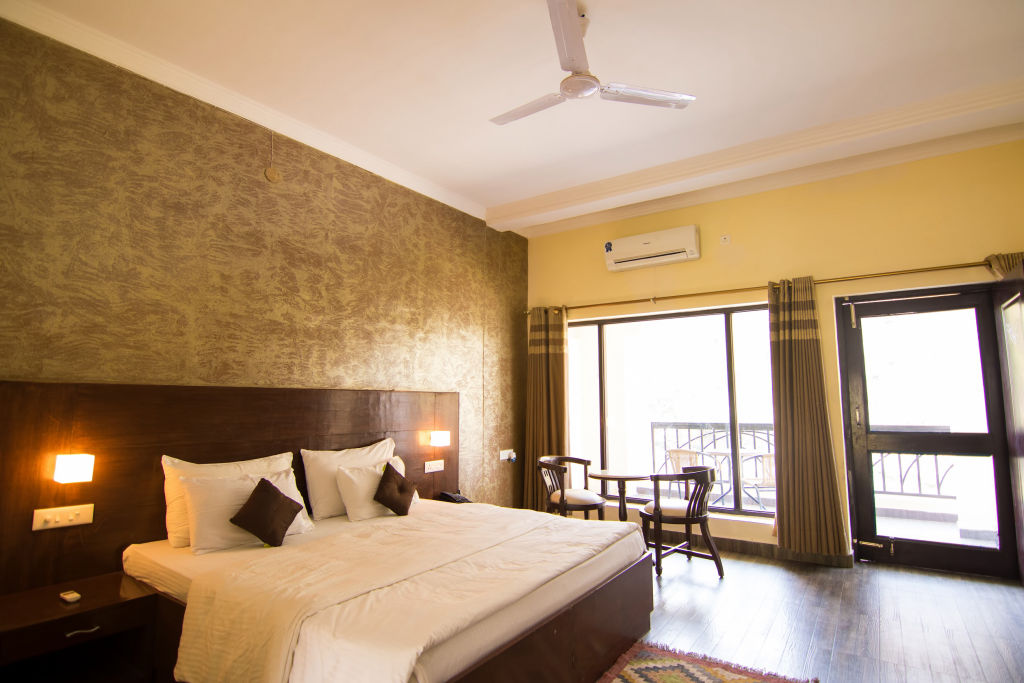
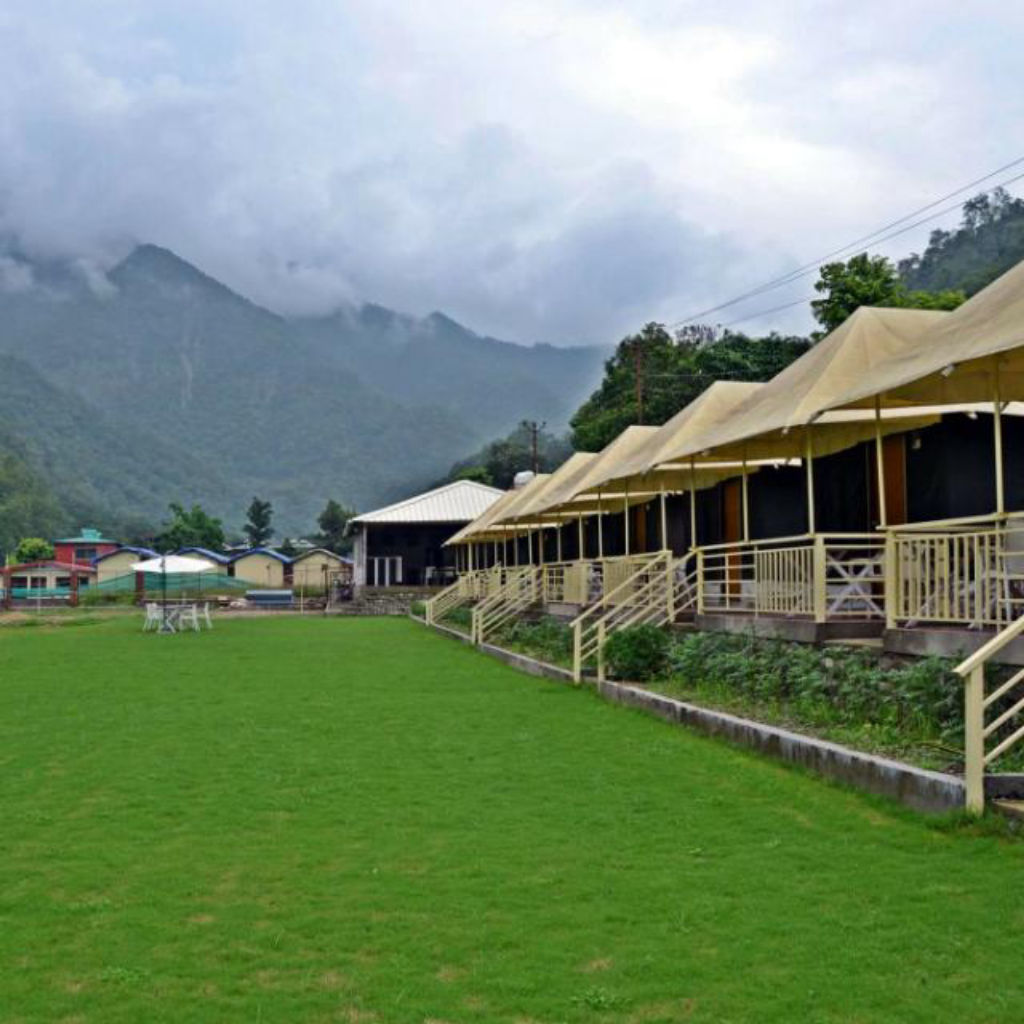
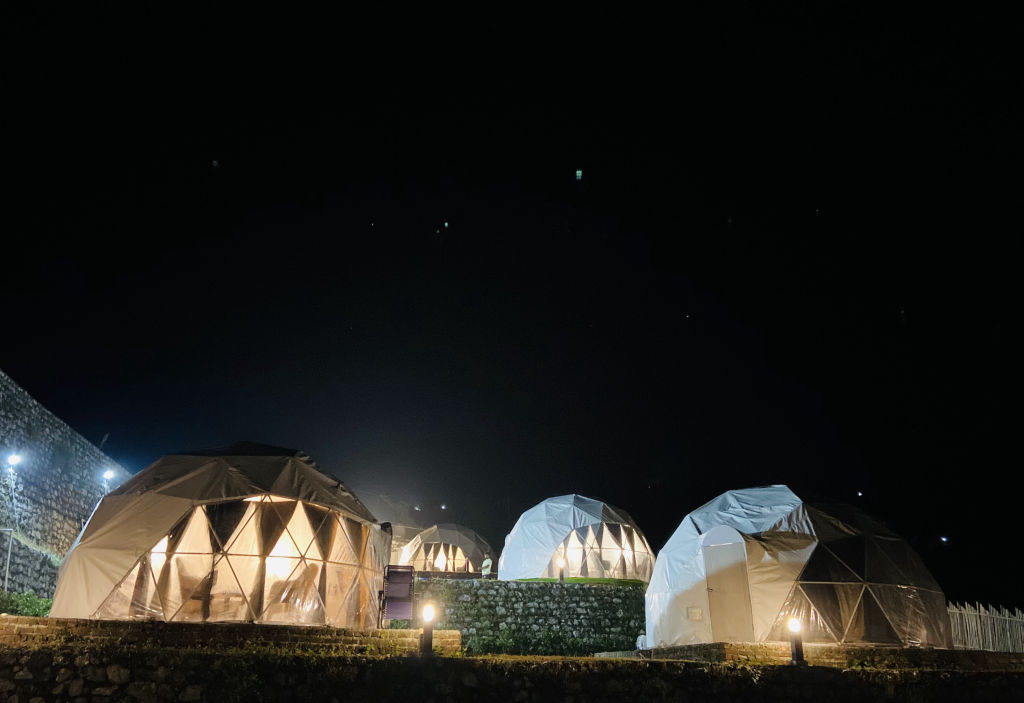
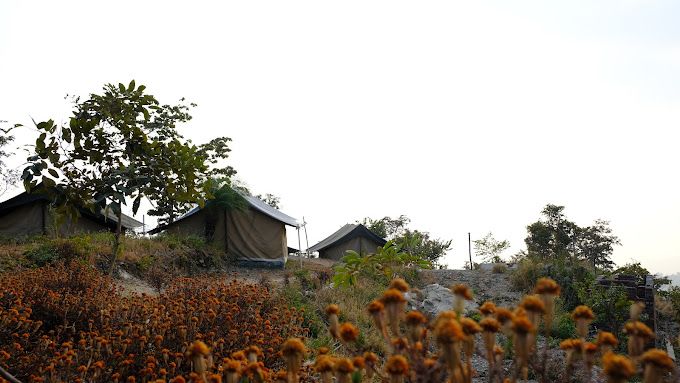
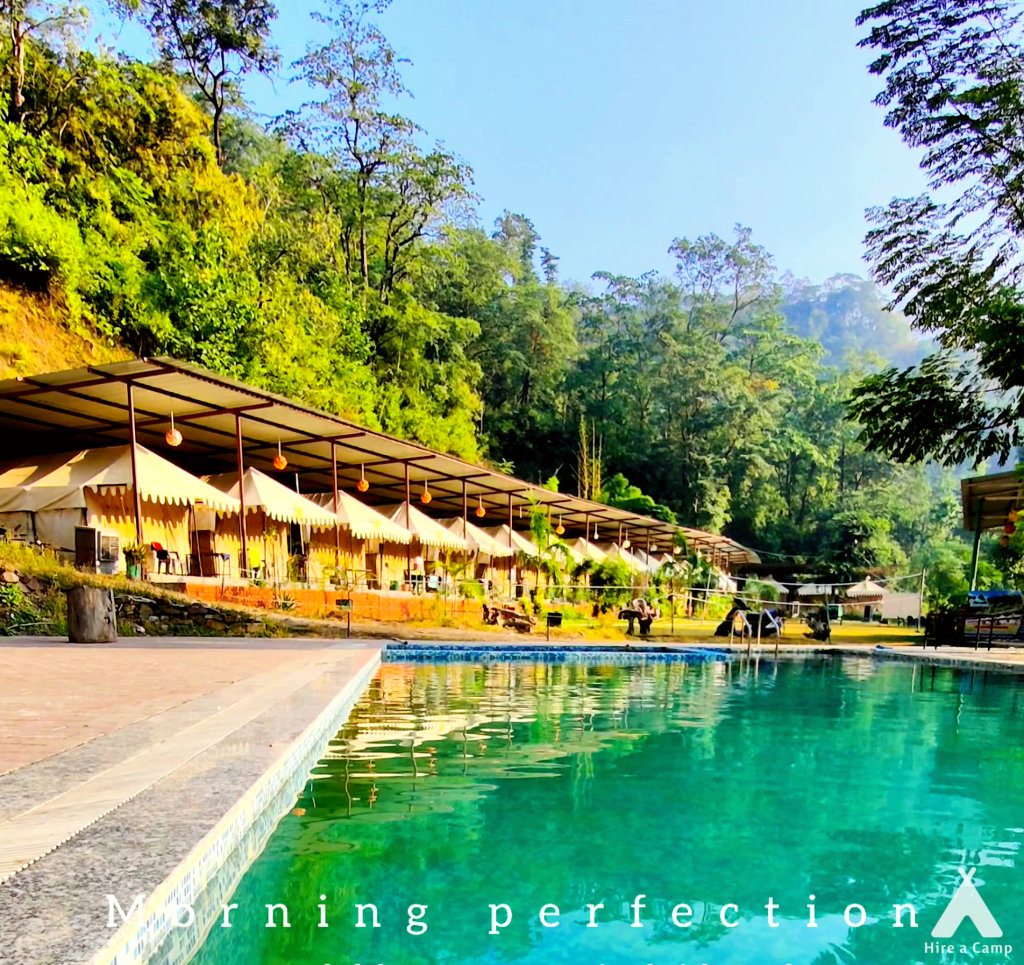
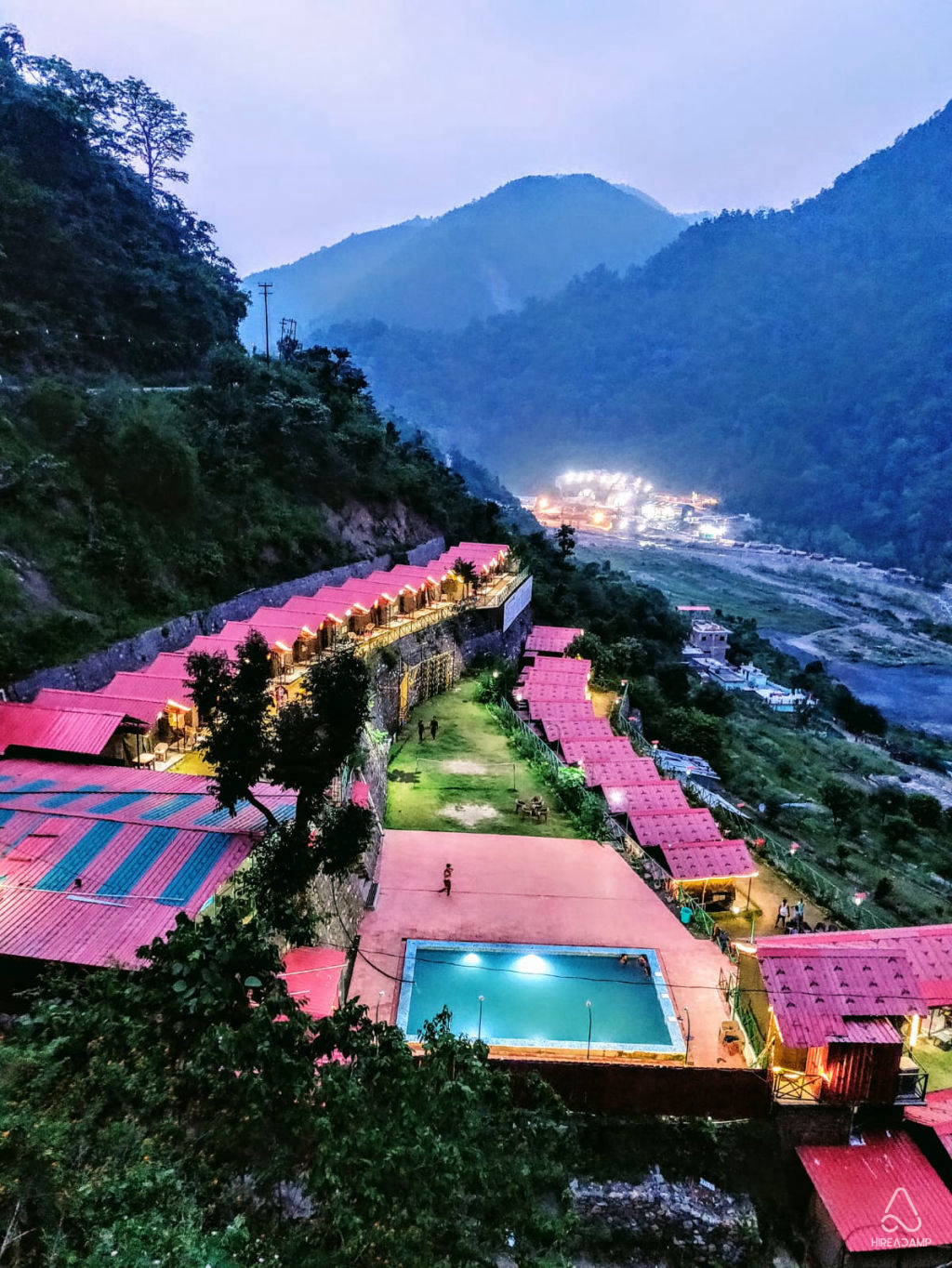
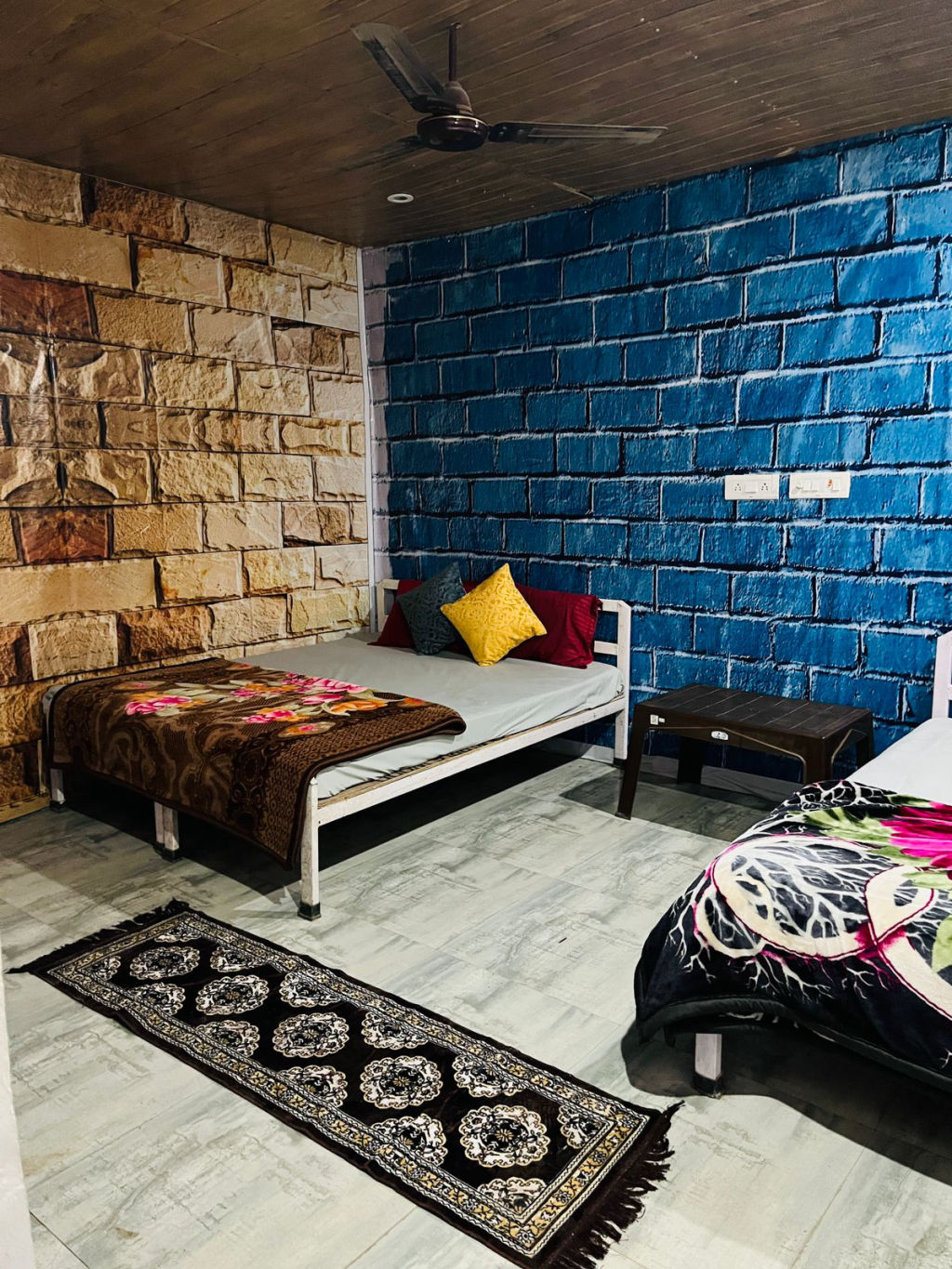
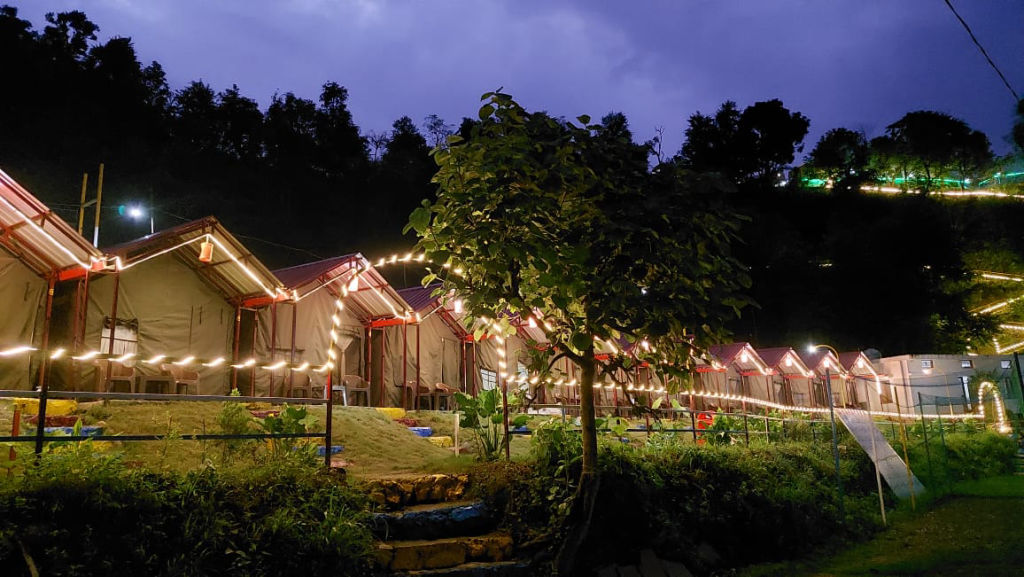
A variety of nature-oriented accommodation options are available near the periphery of the Chilla Range and along the outskirts of Haridwar and Rishikesh. Travellers can find eco-friendly cottages, riverside camps, and quiet village homestays that allow for an unhurried, natural setting close to the forest boundary.
To discover and book verified nature stays, riverside retreats, and experiential homestays around the park, explore the listings available on HireACamp. Staying near the reserve entrance makes it easier to attend early morning safari departures right as the wildlife begins its day.
Frequently asked questions
When does Chilla Range remain open for visitors?
The Chilla Range generally opens to tourists from mid-November to mid-June and remains closed during the monsoon months due to high rainfall and forest flooding. Always check locally with park authorities for exact opening and closing dates for the season.
What wildlife can you spot in Chilla Range?
The range is well known for wild Asian elephants, leopards, sambar deer, spotted deer, wild boars, and langurs, alongside occasional tiger sightings. The area also hosts over three hundred bird species, including hornbills, raptors, and kingfishers.
How far is the Chilla Range from Haridwar?
The Chilla entry gate is located just across the Ganges from Haridwar, typically taking under an hour to reach by road depending on local traffic.
Are private vehicles allowed inside the safari zone?
Private vehicles are generally restricted from entering the inner forest trails. Safaris are conducted in authorized safari vehicles accompanied by registered guides; check locally at the gate for current booking rules.
What should I wear for a safari in Chilla?
Wear earth-toned clothing such as olive, khaki, brown, or green to blend into the forest surroundings. If visiting during winter, carry heavy layers, as open safari vehicles can feel very cold in the early morning.
Where you'll be
Haridwar · 12 stays nearby shown with prices
Stays near Rajaji National Park, Chilla Range
Book a place to stay close by

More places near Rajaji National Park, Chilla Range
Within 20 km


Lists for this area
Ranked by how many creators recommend each place


Built from 0 Instagram posts by 0 creators. Every tip links back to the post it came from, and where creators disagree we show both sides.






