
Vaishno Devi Temple
Temple near Haridwar, Uttarakhand
4.7 km from Haridwar
The nearest town, for stays, food and fuel.
Vaishno Devi Temple in Haridwar is a revered Hindu shrine designed as an architectural replica of the celebrated cave sanctuary in Jammu and Kashmir. Situated along Sapt Sarovar Road in Bhuptpur, the temple draws pilgrims and travellers who walk through artificial caves, tunnels, and stone corridors to seek the blessings of the Mother Goddess. It offers visitors an immersive pilgrimage atmosphere within the sacred river city of Haridwar.
Getting there
By road
- From HaridwarNearest town22 min · 10 km
- From Dehradun1 hr 10 min · 46 km
- From New Delhi4 hr 5 min · 235 km
- From Chandigarh4 hr 50 min · 218 km
Typical drive times without traffic. Stations and airports from OLA Maps; distances and typical drive times from OpenStreetMap (© OpenStreetMap contributors); notes from creators' Reels.
About Vaishno Devi Temple
Written with AI from map data and general knowledge. Check prices and timings locally before you go.
About Vaishno Devi Temple in Haridwar
Vaishno Devi Temple in Haridwar is one of the city's most distinctive modern temples, built to mirror the sacred shrine of Mata Vaishno Devi in Katra. Located along Sapt Sarovar Road in the Bhuptpur area, this temple complex allows devotees who cannot travel to the high Himalayas of Jammu to experience a similar pilgrimage setting in the plains of Uttarakhand.
The complex is dedicated to Goddess Vaishno Devi, a manifestation of the divine mother combining the powers of Mahakali, Mahalakshmi, and Mahasaraswati. The architectural highlight of this temple is its network of simulated caverns, narrow rock-cut pathways, and shrines set within an engineered hill structure. As visitors make their way inside, the sound of flowing water, soft spiritual chants, and the cool environment recreate the sacred aura of mountain caves.
The Cave Walk and Shrine Architecture
The primary attraction of the Vaishno Devi Temple is the experiential journey it offers inside its man-made mountain structure. Rather than walking across an open courtyard, visitors navigate a series of low-ceiling tunnels, winding corridors, and stone steps that mimic the natural cave routes of the Trikuta Hills. Along the way, small openings and recessed alcoves house idols and depictions of various Hindu deities.
The journey through these artificial tunnels leads pilgrims towards the sanctum sanctorum. Devotees often bend or walk single file through tight sections, invoking the sensation of the famous Ardhkuwari cave in Jammu. At the culmination of the path, worshippers reach the primary sanctum housing the three sacred Pindis representing the Mother Goddess, adorned with flowers, traditional red drapery, and ceremonial offerings.
Read more
Spiritual Significance and Festivals
Vaishno Devi Temple holds a meaningful place in the local devotional landscape of Haridwar. The city has long been revered as a gateway to the gods, attracting seekers who come to bathe in the holy Ganga and worship at traditional shrines. This temple expands that circuit by providing a space dedicated specifically to the Shakti tradition of northern India.
During the auspicious period of Navratri, celebrated twice a year in spring and autumn, the temple experiences an immense surge of energy. Special prayers, floral adornments, and community bhajans continue throughout the nine days. The atmosphere during these festivals is vibrant and devotional, with long lines of worshippers carrying coconuts, chunris, and sweets to present at the sanctum.
Best Time to Visit
The temple can be visited throughout the year, but the winter and post-monsoon months from October to March offer the most pleasant weather in Haridwar. During this period, the days are bright and crisp, while evenings turn chilly, making walking along Sapt Sarovar Road and exploring the city comfortable.
Summers from April to June are typically hot and dry in the northern plains, with temperatures often climbing high during midday. If you visit in summer, mornings and late evenings are the most suitable hours for temple darshan. The monsoon season from July to September brings frequent downpours and humid conditions, though the surrounding Shivalik foothills turn lush and verdant. Visitors should be prepared for heavy crowds during Navratri and major festival holidays.
How to Reach Vaishno Devi Temple
Vaishno Devi Temple is conveniently situated in the northern part of Haridwar, just off the route that connects Haridwar to Rishikesh. The nearest major railhead is Haridwar Junction, which maintains regular train connectivity to major Indian cities such as Delhi, Lucknow, Varanasi, and Kolkata. From the railway station, local auto-rickshaws, battery-operated e-rickshaws, and private taxis easily ferry passengers along the Sapt Sarovar corridor.
For air travellers, Jolly Grant Airport in Dehradun is the closest operational airport, located roughly an hour away by road. Haridwar is also well connected by a network of state and national highways, with frequent interstate buses arriving from Delhi and adjacent northern states. From the temple, you can also easily continue northward towards Rishikesh, which lies less than an hour away by road.
Tips for Travellers and Pilgrims
Visiting the Vaishno Devi Temple involves walking through enclosed spaces and climbing narrow steps. Travellers with severe claustrophobia, breathing difficulties, or acute knee problems should take note of the cave-like layout before stepping in. Inquire locally with temple volunteers about easier bypass routes if someone in your group has restricted mobility.
Dress modestly and respectfully, keeping shoulders and knees covered in accordance with temple traditions. Footwear must be deposited outside before entering the inner complex. Photography may be restricted in specific sanctum areas, so look for signage or ask the attendants before taking pictures. Visiting early in the morning on weekdays usually allows for a quieter, more unhurried darshan.
Places to Visit Nearby
A trip to Vaishno Devi Temple can be combined with several prominent cultural and natural landmarks in the Haridwar and Rishikesh region. Just a short journey north into Rishikesh, you will find iconic suspension bridges like Ram Jhula and Janki Setu, along with peaceful riverbanks along the Ganga River. Pilgrims often head to Triveni Ghat in Rishikesh to witness the grand evening Ganga Aarti or visit Parmarth Niketan Ashram for spiritual discourses and river views.
Those interested in nature and architecture can visit the historic Beatles Ashram located near the edge of the Rajaji National Park forest, or make the scenic drive up to the mountain shrine of Neelkanth Mahadev Temple. Further towards Dehradun, spots such as Mindrolling Monastery and the Maldevta Valley offer quiet retreats for culture enthusiasts and nature lovers.
Where to Stay
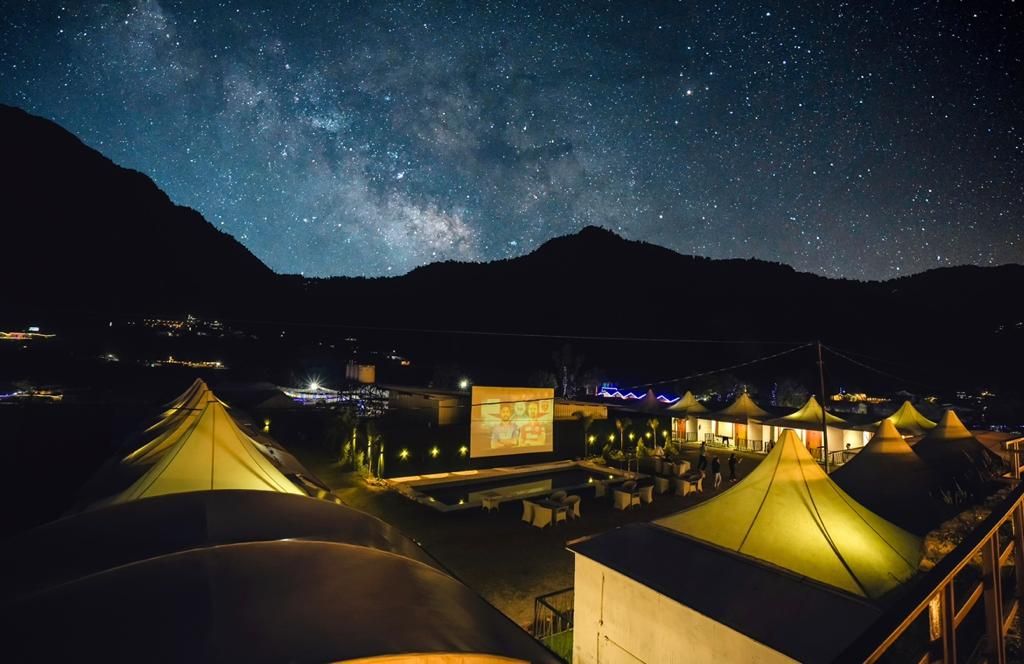
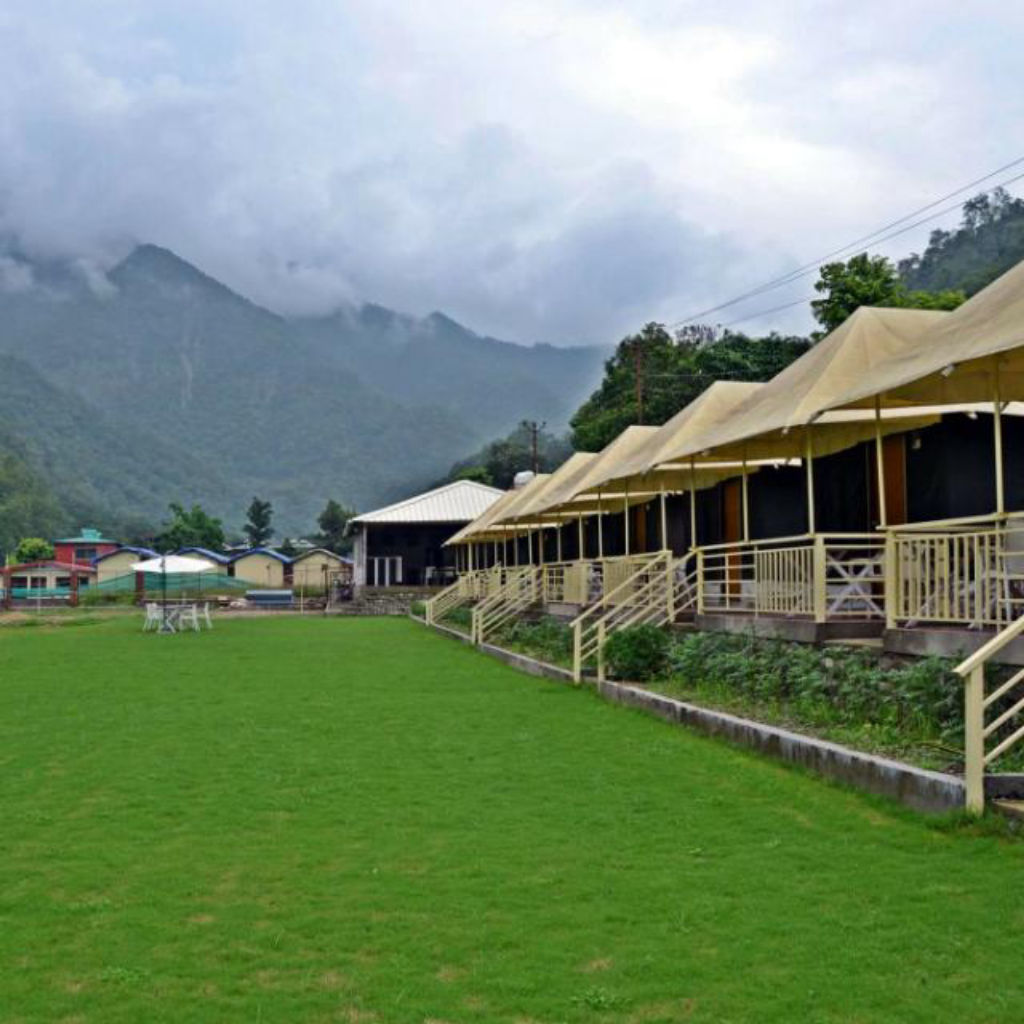
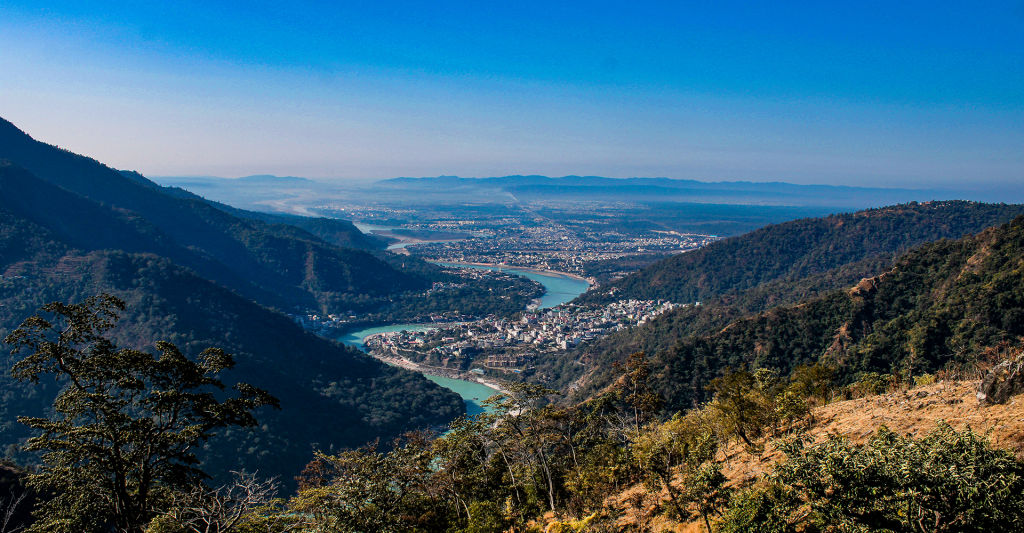
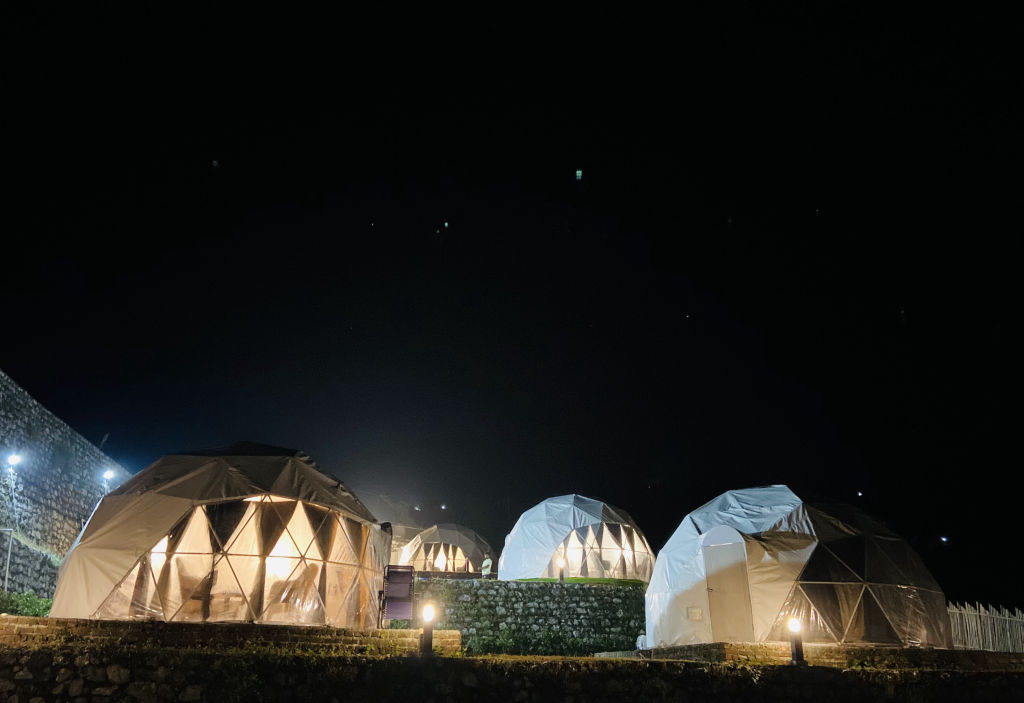
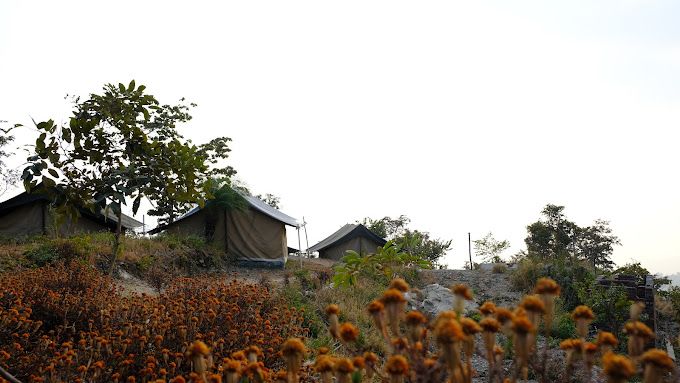
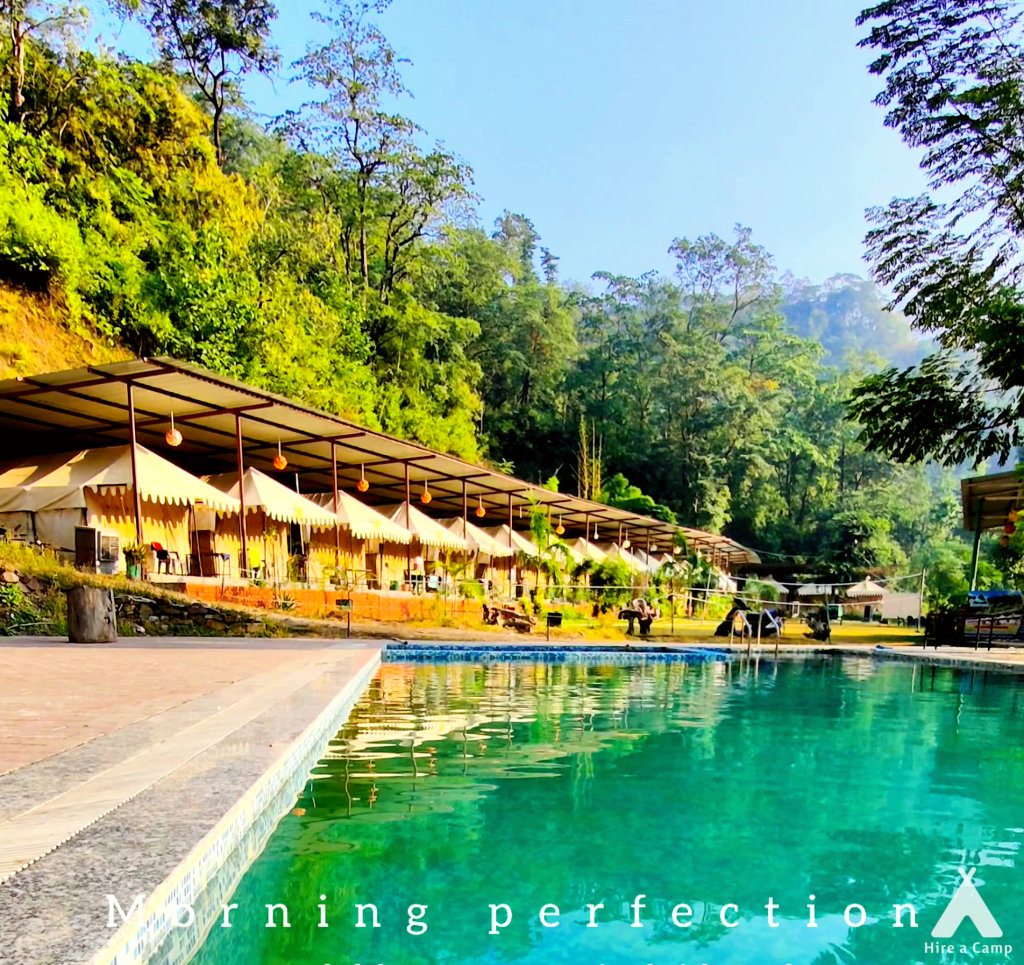
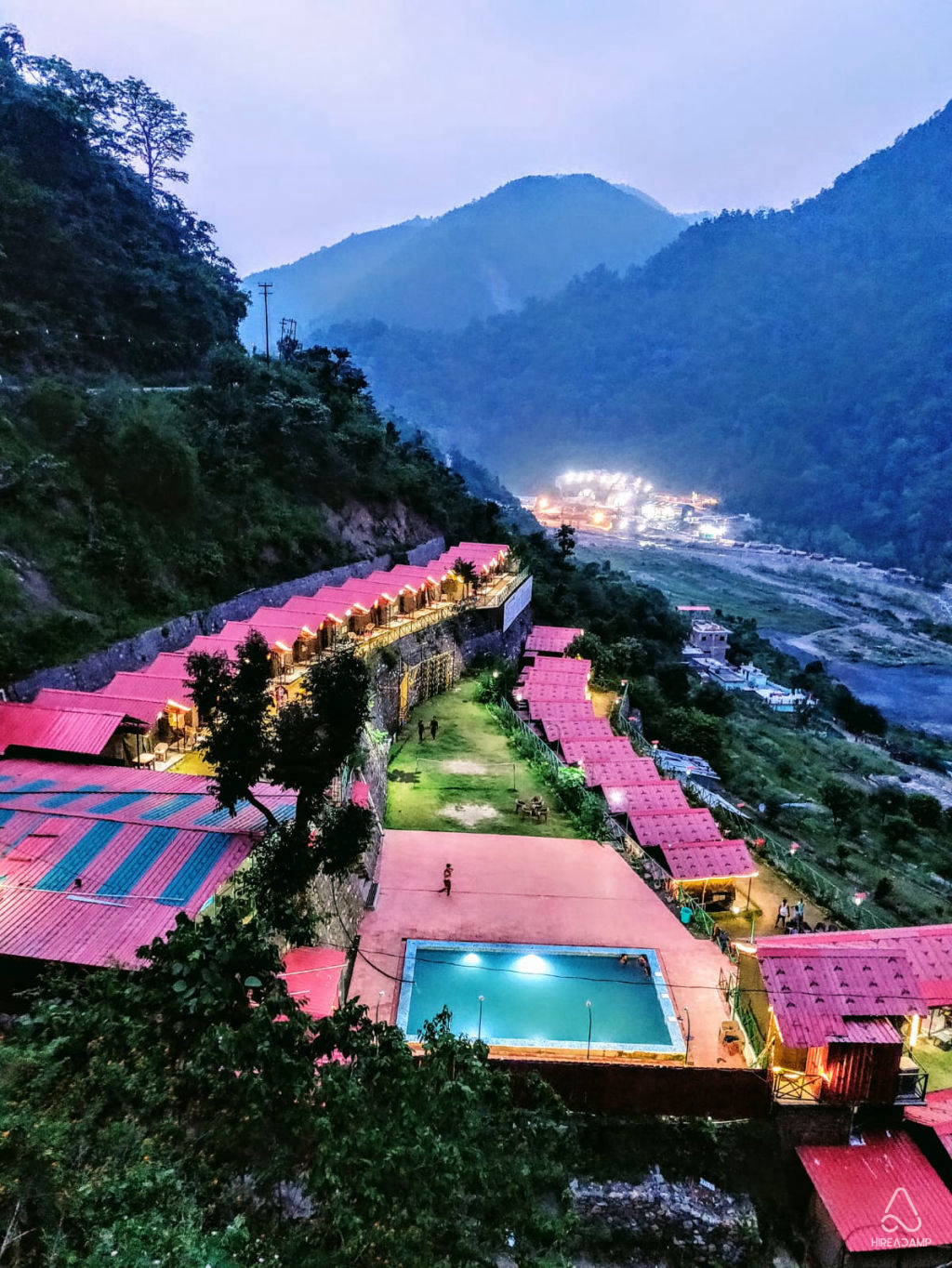
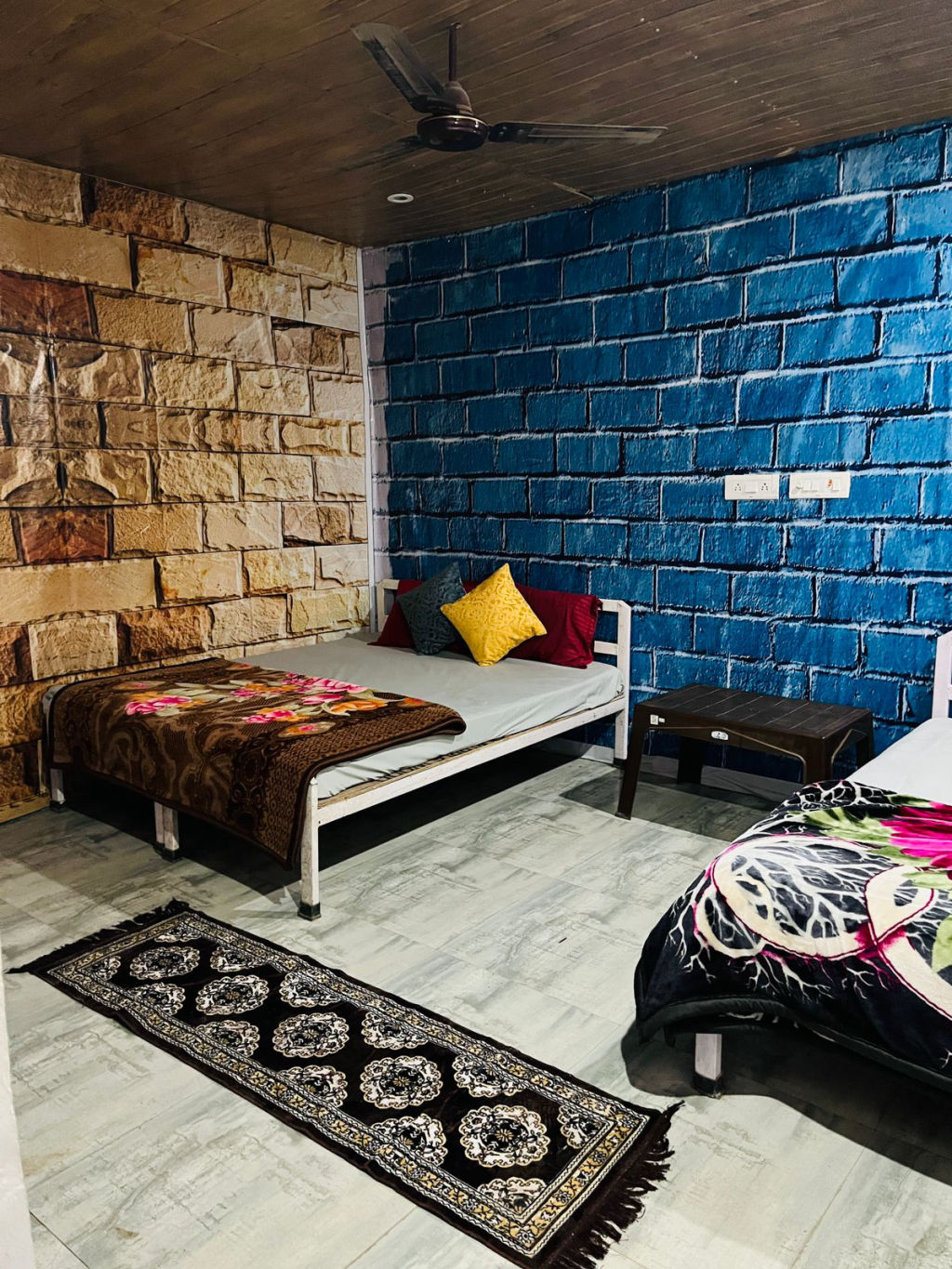
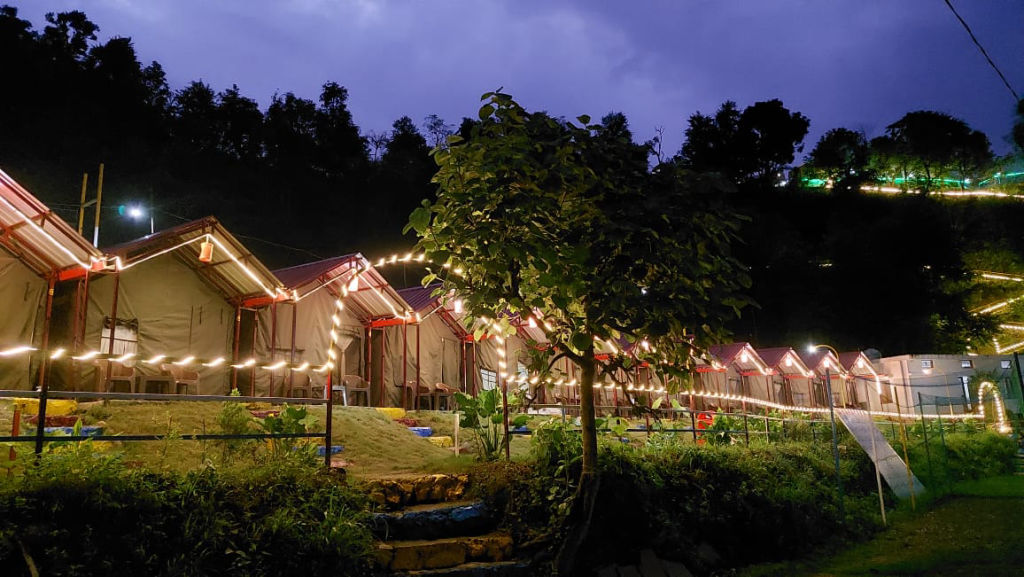
Haridwar and the neighbouring valley of Rishikesh provide a broad range of accommodation choices to suit every travel style. Whether you are seeking riverside camps, serene valley homestays, or peaceful boutique retreats close to nature, you can discover and reserve your ideal stay on HireACamp. Staying near the river or in the foothills just outside the busy city centre allows you to enjoy quiet mornings while remaining within easy reach of the temples and ghats.
Frequently asked questions
Where is Vaishno Devi Temple located?
The temple is located along Sapt Sarovar Road in the Bhuptpur neighbourhood of Haridwar, Uttarakhand, along the road leading towards Rishikesh.
What is unique about Vaishno Devi Temple in Haridwar?
It is built as an architectural replica of the original Vaishno Devi shrine in Katra, featuring artificial caves, tunnels, and pathways that lead to representations of the sacred Pindis.
Is the cave pathway suitable for senior citizens?
The cave pathway has narrow corridors and low-clearance sections that require bending and stepping over stone surfaces. Devotees with restricted mobility or joint issues should check locally for alternative darshan arrangements.
How far is the temple from Rishikesh?
The temple is situated roughly 18 to 20 kilometres south of Rishikesh, making it an easy stop when travelling between Haridwar and Rishikesh.
When is the best time of year to visit?
The cooler months from October to March offer the most pleasant weather for exploring the temple and the surrounding heritage sites.
Where you'll be
Sapt Sarovar Road, Bhuptpur, Haridwar · 12 stays nearby shown with prices
Stays near Vaishno Devi Temple
Book a place to stay close by



More places near Vaishno Devi Temple
Within 20 km


Lists for this area
Ranked by how many creators recommend each place


Built from 0 Instagram posts by 0 creators. Every tip links back to the post it came from, and where creators disagree we show both sides.






