
Rajaji National Park
National park near Kimsari, Uttarakhand
7.3 km from Kimsari
The nearest town, for stays, food and fuel.
Rajaji National Park spans the dense Shivalik foothills across Uttarakhand, bordering the holy towns of Haridwar and Rishikesh. Renowned for its thriving population of wild Asian elephants, leopards, and diverse riverine habitats along the Ganga, the park offers an immersive wilderness escape. Travellers and nature enthusiasts visit to experience classic Terai-bhabar forests, seasonal bird migrations, and open-jeep jungle safaris.
Getting there
By road
- From KimsariNearest town28 min · 13 km
- From Dehradun1 hr 45 min · 60 km
- From New Delhi4 hr 40 min · 253 km
- From Chandigarh5 hr 25 min · 229 km
Typical drive times without traffic. Stations and airports from OLA Maps; distances and typical drive times from OpenStreetMap (© OpenStreetMap contributors); notes from creators' Reels.
About Rajaji National Park
Written with AI from map data and general knowledge. Check prices and timings locally before you go.
About Rajaji National Park
Rajaji National Park represents one of northern India's most significant conservation landscapes, nestled where the fertile Gangetic plains rise to meet the rugged Shivalik ranges. Named in honour of the prominent freedom fighter C. Rajagopalachari, the park was created by merging three historic sanctuaries: Chilla, Motichur, and Rajaji. Today, it forms a vast, unbroken ecological belt that also holds tiger reserve status, playing a crucial role in safeguarding wildlife corridors between the Yamuna and Sharda rivers.
The terrain inside the park is dramatic and varied. Deep valleys, steep ridges, and expansive river terraces support a vibrant mix of broadleaf sal forests, mixed deciduous woodlands, scrublands, and open grasslands. Broad seasonal riverbeds, locally known as raus, cut across the landscape, remaining dry through most of the winter and swelling during heavy monsoon rains. This diversity of ecosystems provides food, shelter, and water for a wide spectrum of wildlife.
Wildlife and birdwatching
The park is best known for its magnificent herds of wild Asian elephants. Observing these gentle giants foraging among tall grasslands or crossing riverbeds in family groups is one of the quintessential wildlife experiences of the region. In addition to elephants, the park is home to elusive predators including Bengal tigers and leopards, alongside jungle cats and striped hyenas.
Herbivores roam in abundance across the different ranges. Visitors frequently encounter spotted deer (chital), sambar, barking deer, nilgai, and wild boars grazing along the edges of the forest tracks. Common langurs and rhesus macaques keep watch from the tree canopy, often alerting grazing herds to the movement of large predators.
Bird life is equally exceptional, with several hundred species recorded within the park boundaries. The dense riverine corridors and canopies shelter great hornbills, oriental pied hornbills, crested kingfishers, and various species of woodpeckers, parakeets, and flycatchers. During the winter months, migratory waterfowl and raptors arrive from northern latitudes, congregating near waterbodies and along the banks of the Ganga River.
Read more
Safari zones and visiting practicalities
Rajaji National Park is managed across several distinct tourism zones, with Chilla and Motichur being the most commonly visited. Chilla, located along the eastern bank of the Ganga near Haridwar and Rishikesh, is favoured for its open riverine meadows and higher chances of spotting wild elephants. The Motichur range features deeper sal canopies, winding forest paths, and scenic hillside backdrops.
Jungle safaris are generally conducted in registered open-top four-wheel-drive vehicles accompanied by certified forest guides. The safaris usually run twice a day, once in the early morning as the forest wakes up, and again in the late afternoon before sunset. Forest authorities strictly regulate vehicle numbers to maintain ecological balance and ensure a quiet wilderness environment. You should verify local permit rules, gate assignments, and vehicle arrangements directly at official tourism counters or park entry gates before planning your outing.
Best time to visit Rajaji National Park
The tourist zones of the park typically welcome visitors from mid-November through mid-June, closing during the monsoon season when torrential rains submerge riverbeds and wash out earthen forest tracks.
Winter, lasting from November to February, brings crisp morning chills, pleasant daytime sunshine, and mist hanging over the Shivalik ridges. This season is ideal for general sightseeing and birdwatching, as migratory birds settle across the wetlands and the weather stays comfortable for long safari drives. Carrying warm layers is essential, as early mornings in an open vehicle can be intensely cold.
From March to June, the weather warms steadily, turning hot and dry by late spring. Deciduous trees shed their leaves and water sources dry up, which often drives elephants and deer out toward the main rivers and waterholes, creating excellent conditions for wildlife observation.
How to reach Rajaji National Park
Rajaji National Park enjoys exceptional connectivity due to its proximity to major transit hubs in Uttarakhand. The nearest rail hubs are in Haridwar, Rishikesh, and Dehradun, all of which connect directly to major Indian cities such as Delhi, Lucknow, and Kolkata. Haridwar railway station is particularly convenient for visitors entering through the Chilla or Ranipur gates.
If you prefer flying, the Jolly Grant Airport in Dehradun is the closest air hub, situated just a short drive from several park entry points. Taxis and private rentals are readily available at the airport to ferry travellers straight to their accommodation or park entry gates.
For road travellers, National Highway 334 provides a smooth drive from Delhi and neighbouring regions in northern India. Driving from Delhi to the Haridwar and Rishikesh boundary generally takes around four to six hours depending on traffic conditions, making the park an accessible nature retreat for short weekend breaks.
Places to explore nearby
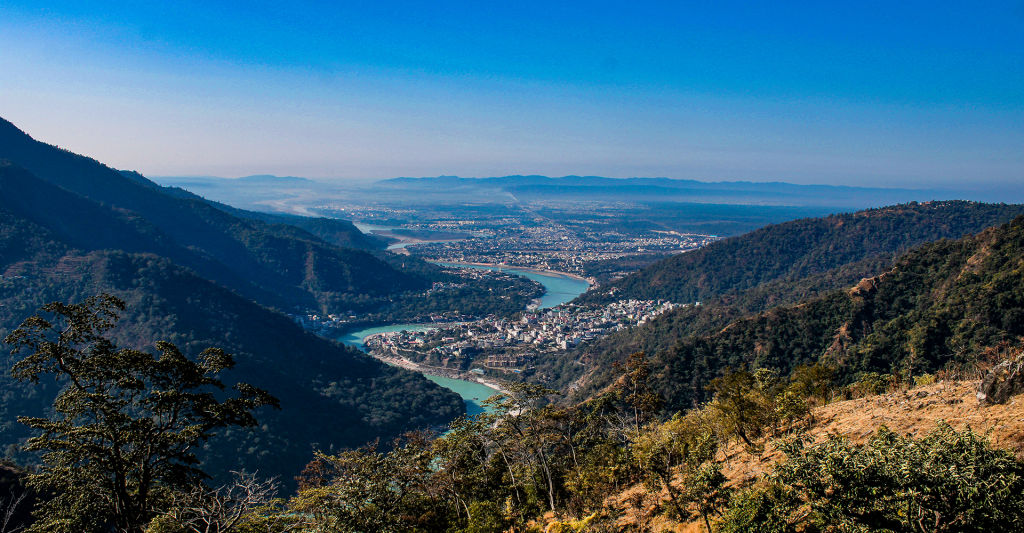
Because the park sits right on the threshold of Rishikesh and Haridwar, travellers can easily combine wilderness exploration with cultural and spiritual landmarks. Just a short journey away lies the historic Triveni Ghat, where evening prayer ceremonies bring the banks of the Ganga alive with floating oil lamps and chants. Further upstream along the river, Ram Jhula, Janki Setu, and the glass Bajrang Setu bridge link vibrant markets, walking promenades, and cultural centres.
Travellers interested in peaceful retreats can visit the heritage-rich Parmarth Niketan Ashram, The Beatles Ashram with its distinctive graffiti-covered meditation domes, or Vashishtha Gufa, a historic cave sanctuary set alongside quiet river rapids. Nature lovers can head out toward Tani waterfall or hike around Neelkanth Mahadev Temple, perched high in the forested mountains overlooking the valley.
Where to stay around the park
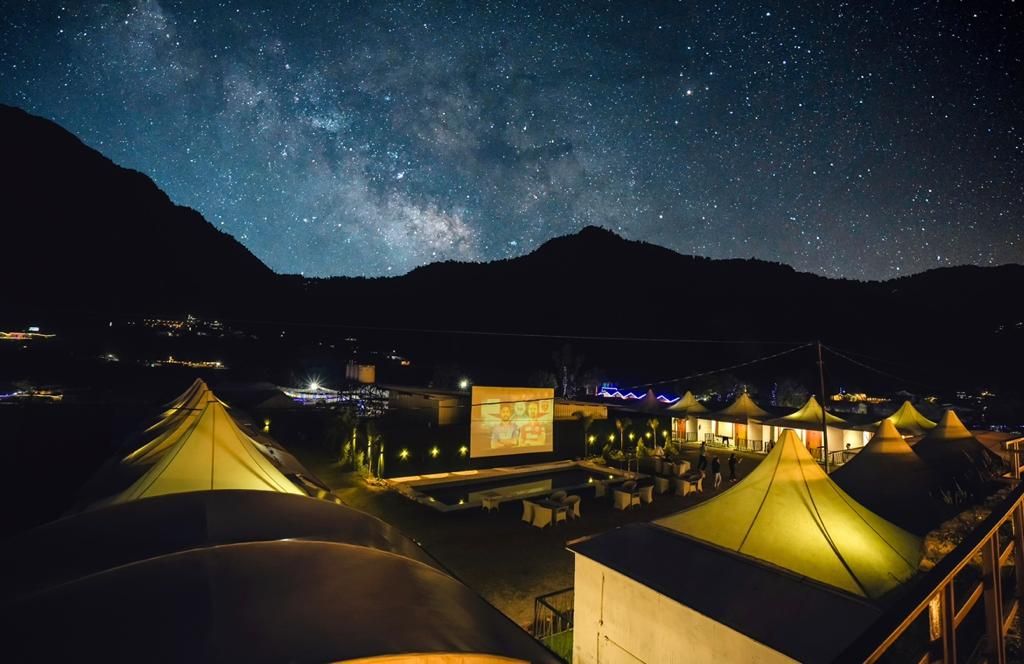
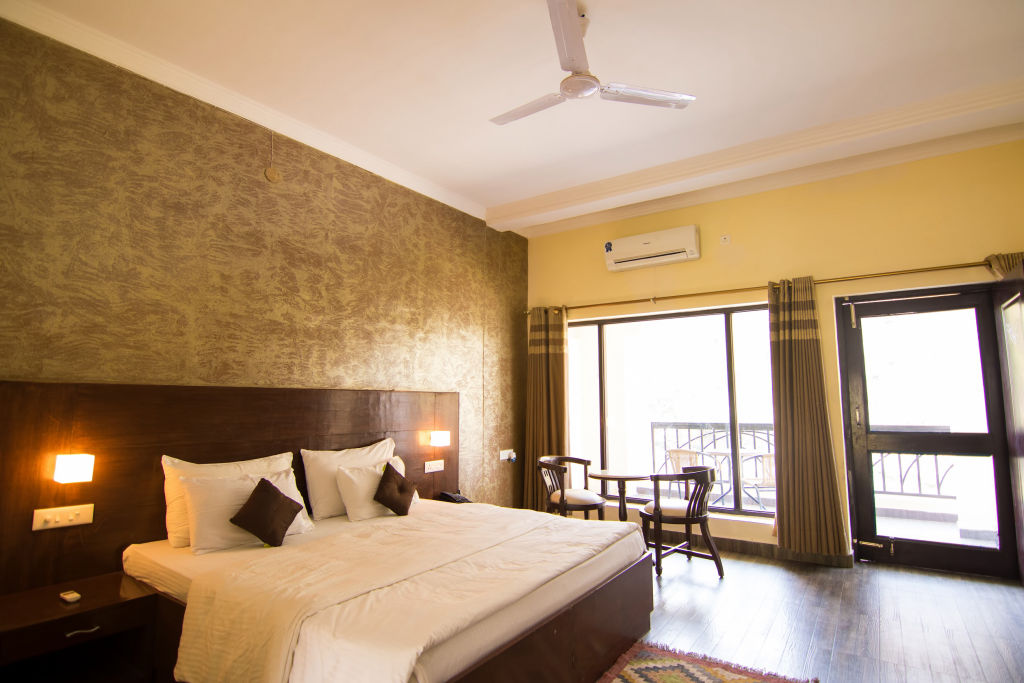
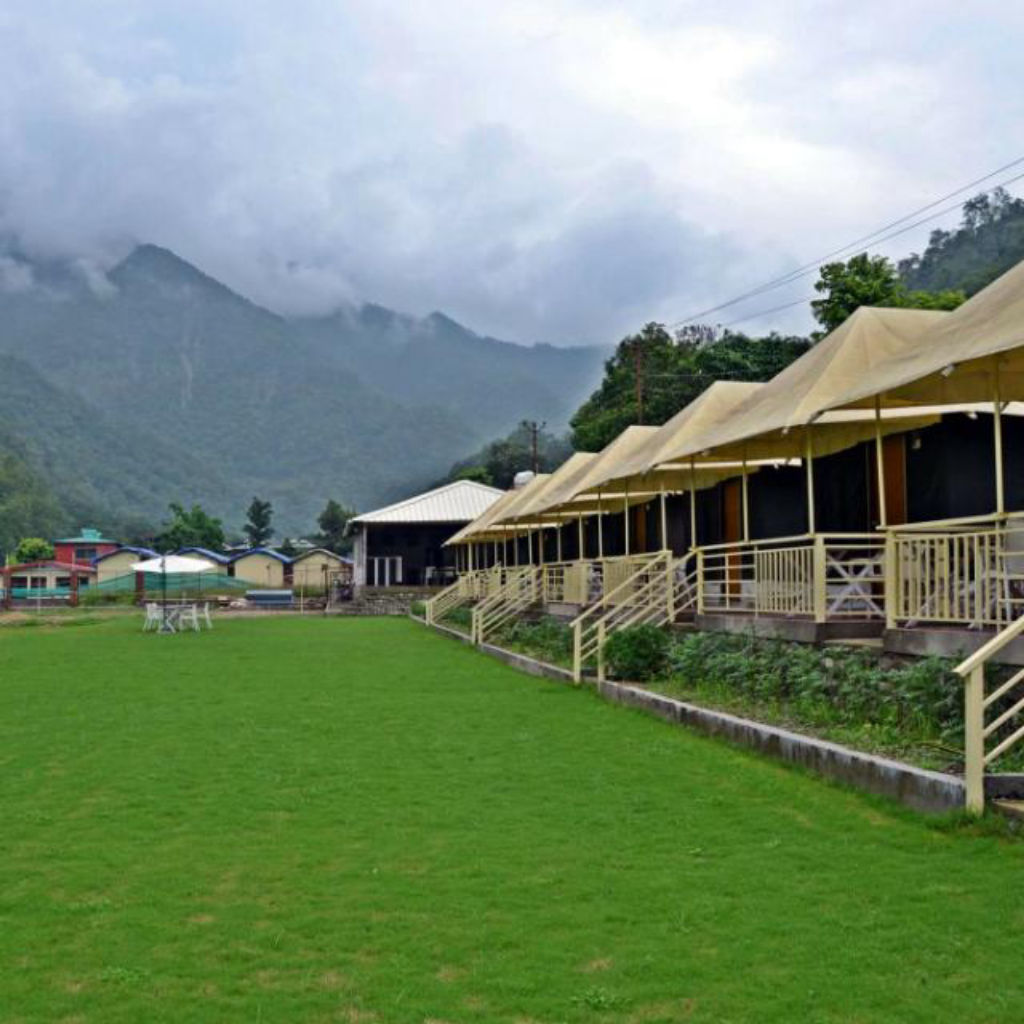
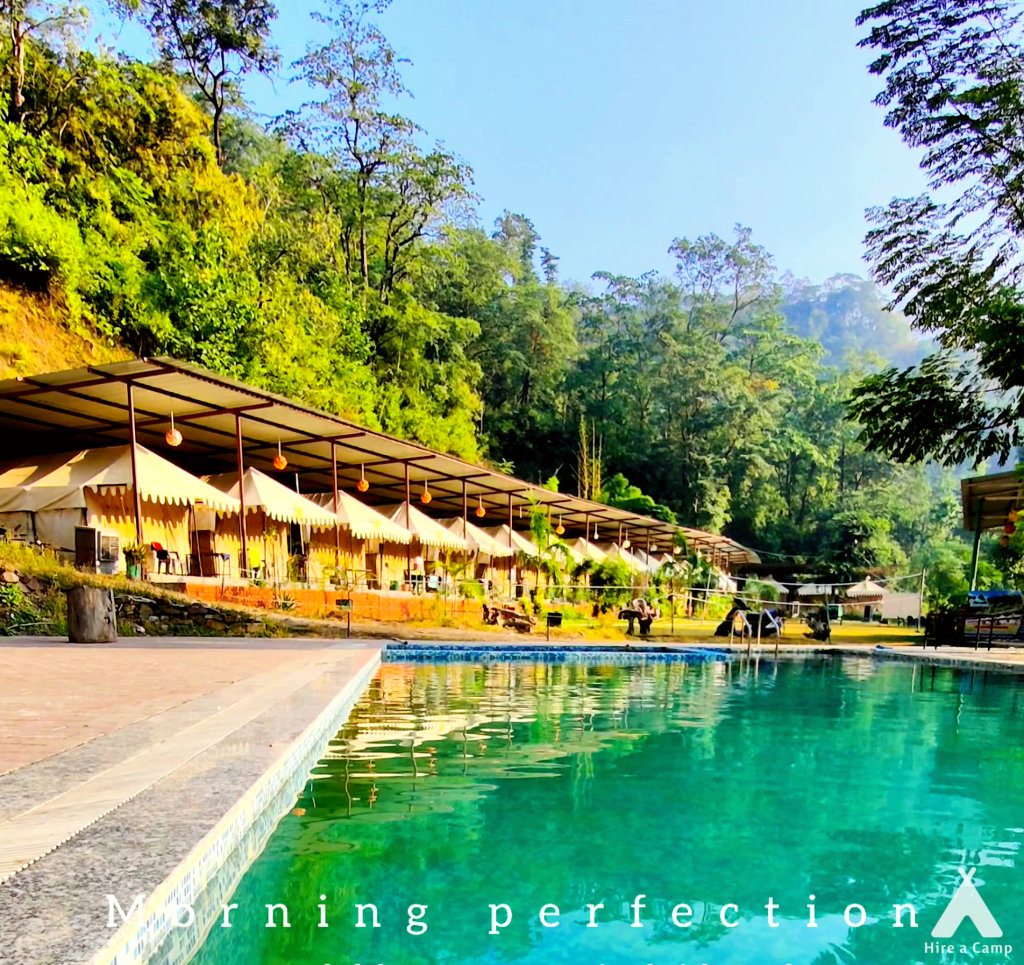
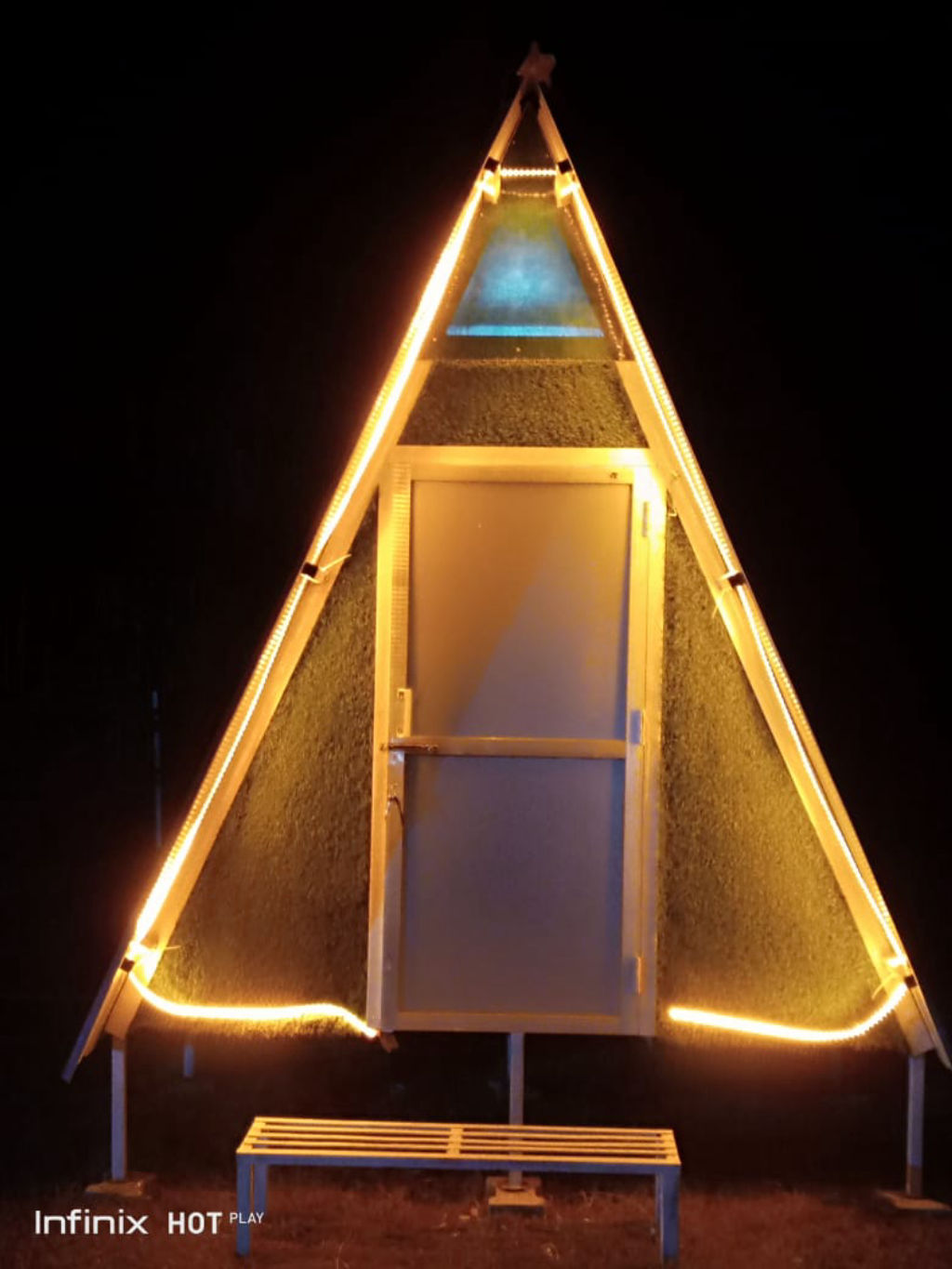
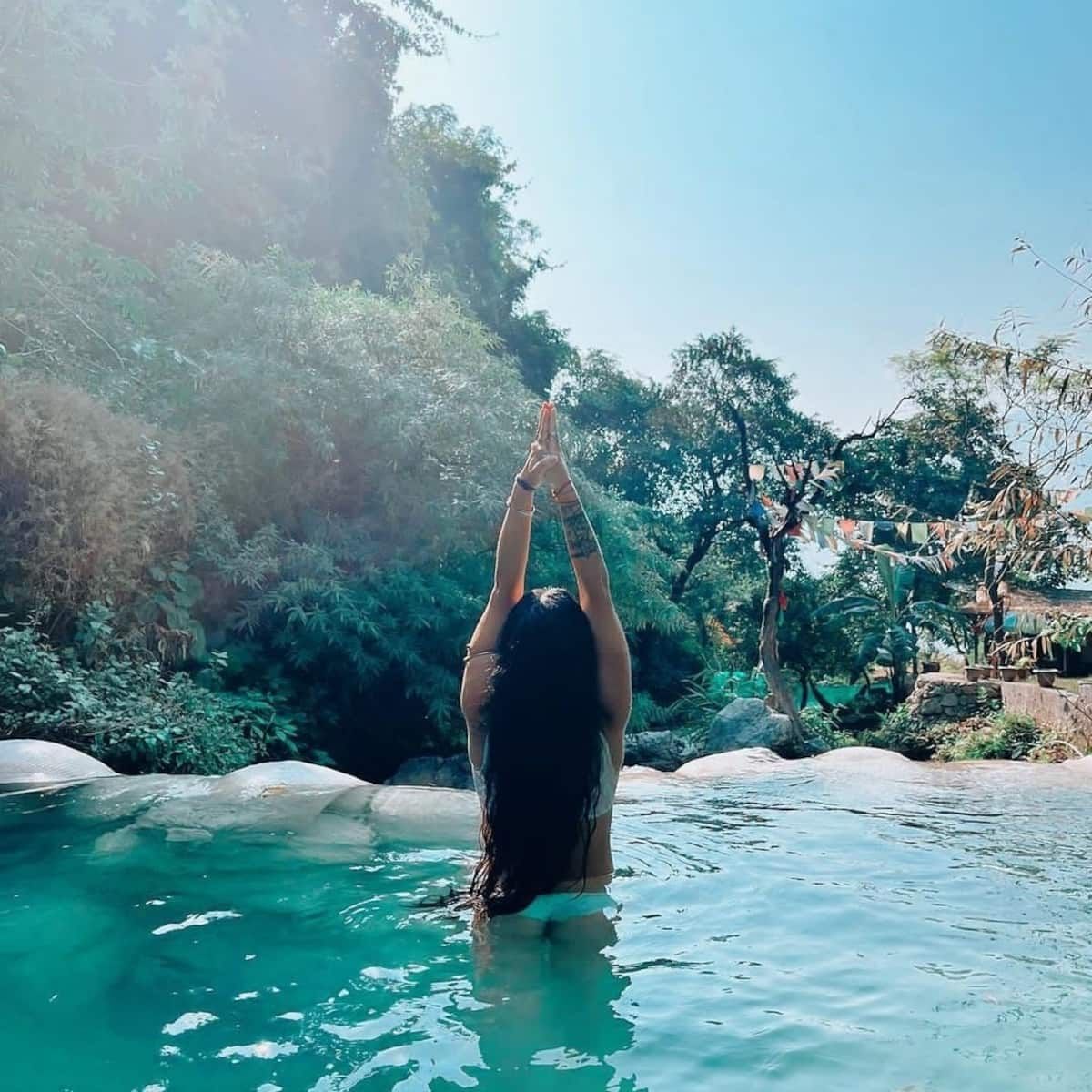
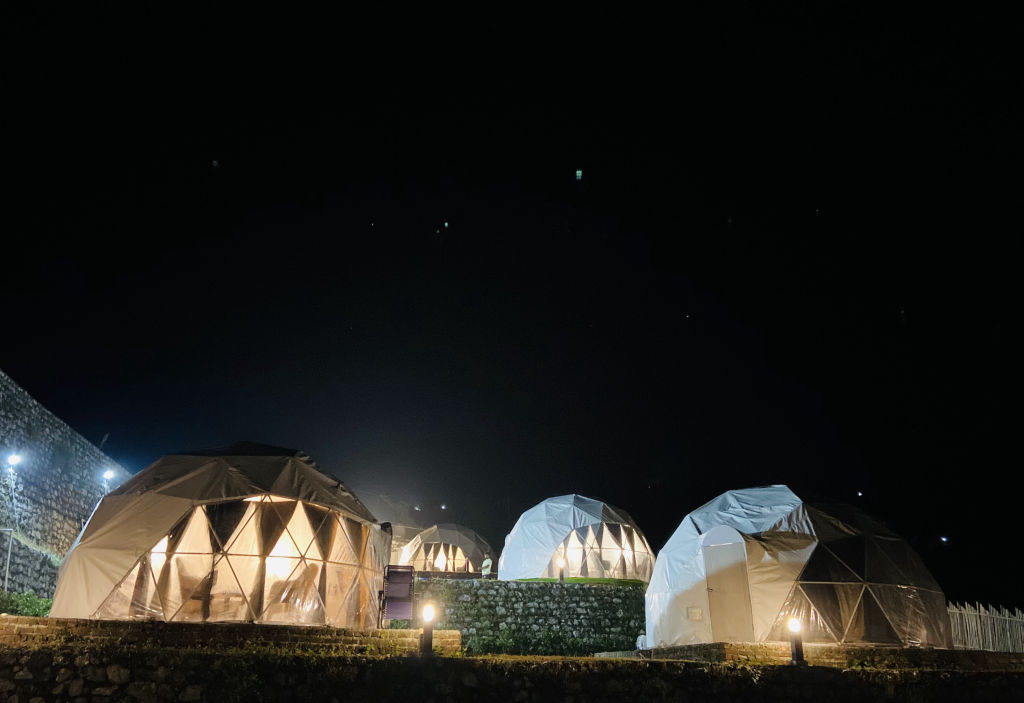
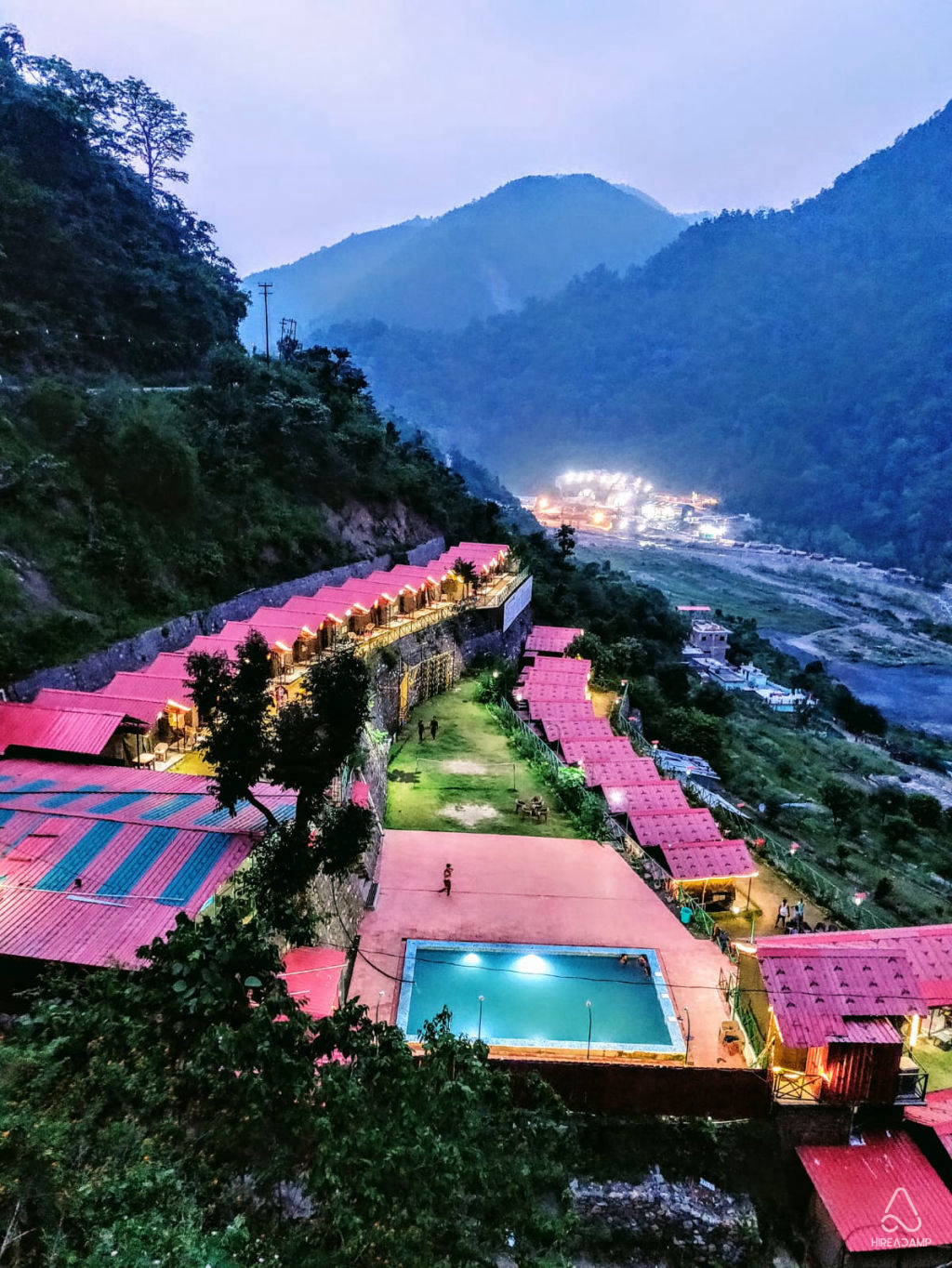
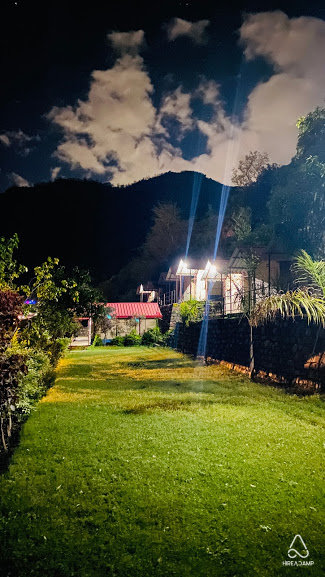
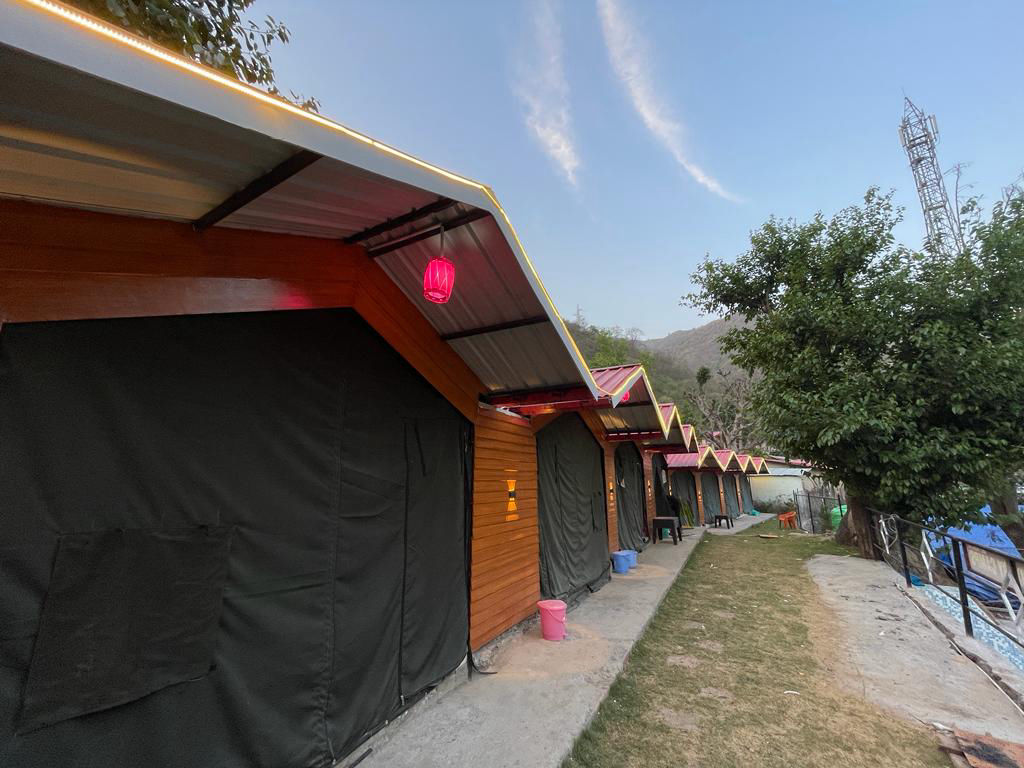
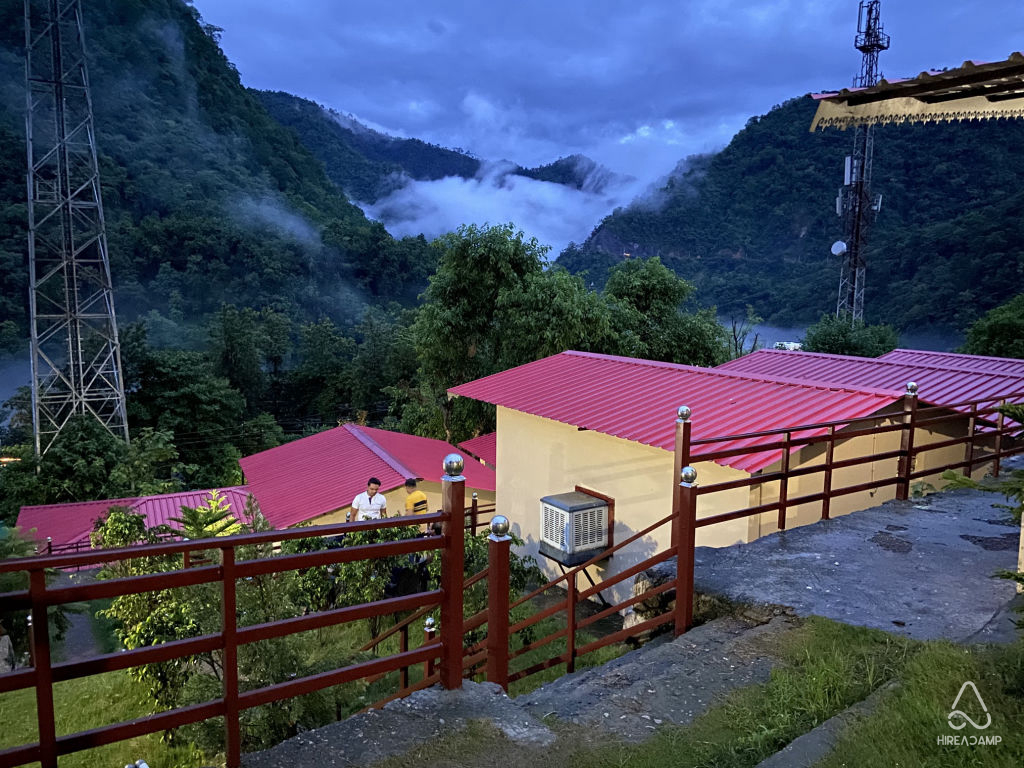
Accommodations around Rajaji National Park range from rustic riverside wilderness camps to family-run homestays and quiet eco-retreats tucked into forest villages. Staying on the periphery of the park allows you to experience quiet rural life, stargazing, and morning bird calls away from town traffic.
You can browse and book verified camps, cottages, and nature-friendly homestays around Haridwar and Rishikesh directly through HireACamp to suit your travel style and itinerary.
Frequently asked questions
What wildlife can I expect to see at Rajaji National Park?
The park is famous for its wild Asian elephants, alongside leopards, spotted deer, sambar, barking deer, wild boars, and langurs. It also hosts hundreds of resident and migratory bird species, including hornbills, raptors, and kingfishers.
When does Rajaji National Park remain open for tourists?
The safari zones are generally open from mid-November to mid-June each year. The park closes to tourists during the monsoon months due to heavy rains and damaged dirt tracks.
Which railway station is closest to Rajaji National Park?
Haridwar Junction is the most convenient railway station, situated just a short drive from major entry points like the Chilla and Ranipur gates. Rishikesh and Dehradun railway stations also offer good rail access.
How are safaris conducted inside Rajaji National Park?
Safaris are conducted in registered four-wheel-drive safari vehicles accompanied by mandatory local forest guides during designated morning and afternoon time slots. Check locally at the forest department booking counters or official portals for current permit rules and timings.
Can I visit Rishikesh and Rajaji National Park on the same trip?
Yes, Rishikesh is located directly adjacent to the northern edges of the park, making it very easy to combine forest safaris with rafting, cafe visits, and ashram explorations over a two- or three-day stay.
Where you'll be
Rajaji National Park, Uttarakhand, Haridwar · 12 stays nearby shown with prices
Stays near Rajaji National Park
Book a place to stay close by
More places near Rajaji National Park
Within 20 km


Lists for this area
Ranked by how many creators recommend each place


Built from 0 Instagram posts by 0 creators. Every tip links back to the post it came from, and where creators disagree we show both sides.






