
Salt march Statue
Monument near Chanakyapuri, Delhi
1.2 km from Chanakyapuri
The nearest town, for stays, food and fuel.
The Salt March Statue, widely known as Gyarah Murti, is a striking bronze sculpture in New Delhi commemorating Mahatma Gandhi's historic 1930 Dandi March. Set along a landscaped traffic island near the President's Estate, it depicts Gandhi striding forward followed by ten diverse followers representing India's united struggle for freedom. Travellers and history enthusiasts visit the site to admire its powerful public art and reflect on a defining chapter of the Indian independence movement.
Getting there
By road
- From ChanakyapuriNearest town7 min · 1.9 km
- From New Delhi10 min · 2.5 km
- From Dehradun3 hr 30 min · 231 km
- From Jaipur4 hr 20 min · 293 km
Typical drive times without traffic. Stations and airports from OLA Maps; distances and typical drive times from OpenStreetMap (© OpenStreetMap contributors); notes from creators' Reels.
About Salt march Statue
Written with AI from map data and general knowledge. Check prices and timings locally before you go.
History and significance of the Salt March Statue
The Salt March Statue stands as one of the most recognisable public memorials in Delhi. Created by the celebrated Indian sculptor Devi Prasad Roy Choudhury, the black bronze ensemble commemorates the 1930 Salt Satyagraha, also known as the Dandi March. During this landmark civil disobedience campaign, Mahatma Gandhi led a 240-mile journey from Sabarmati Ashram to the coastal village of Dandi in Gujarat to make salt from seawater, peacefully protesting the oppressive British salt monopoly.
The sculpture is popularly known in the capital as Gyarah Murti, meaning eleven figures. It portrays Gandhi marching with purposeful determination at the front, followed in single file by ten men, women, and youths from various social, economic, and religious backgrounds. The figures include a farmer, an intellectual, a woman, and a turbaned villager, visualising how the message of nonviolent resistance bridged divides across caste, creed, and class to unite the Indian subcontinent.
The artistic composition and setting
Situated at the junction of Sardar Patel Marg and Mother Teresa Crescent, the Salt March Statue occupies a prominent vantage point amid the leafy avenues of Lutyens' Delhi. The figures are sculpted in dramatic, fluid poses that convey motion, exhaustion, and unwavering resolve. As you walk along the perimeter of the installation, the varied postures of the marching companions tell personal stories of sacrifice and collective purpose.
The sculpture rests on an elongated earth-toned pedestal, framed by manicured lawns, seasonal flowerbeds, and classic Delhi trees such as neem and amaltas. Because it is an open-air public installation positioned near wide central boulevards, it can be viewed from adjacent footpaths or approached for closer inspection on foot. The juxtaposition of green parkland against the dark bronze makes it an evocative sight, particularly in the quiet hours of early morning when city traffic is minimal.
Read more
Best time to visit
The best time to visit the Salt March Statue is during the winter months, from October through March. Delhi's weather during this period is pleasant, with crisp mornings and mild daytime temperatures that make outdoor sightseeing comfortable. Crisp winter sunshine enhances the details of the bronze cast, and the surrounding trees and landscaped borders are usually in full bloom.
Delhi experiences intense heat during the summer months from April to June, with afternoon temperatures frequently crossing 40 degrees Celsius. If you are travelling during summer, it is best to plan your visit very early in the morning or around sunset to avoid the direct sun. The monsoon season between July and September brings intermittent showers and lush greenery to the central avenues, though humidity can be high. Early mornings throughout the year are ideal for quiet contemplation and photography without crowds.
How to reach the Salt March Statue
The Salt March Statue is located in central New Delhi and is easily accessible from any part of the capital. The nearest major transport hub is the New Delhi Railway Station, situated roughly five to six kilometres to the northeast. Indira Gandhi International Airport lies approximately ten to twelve kilometres to the southwest, accessible via road through Dhaula Kuan.
Travellers using public transit can rely on the Delhi Metro network, with nearby stations situated on the Yellow and Blue lines just a short auto-rickshaw or taxi ride away. City buses also operate along Sardar Patel Marg and Mother Teresa Crescent. If you are arriving by car or hired cab, follow the arterial roads toward the President's Estate and Diplomatic Enclave. Pedestrians should use designated crossings along the busy boulevards to reach the pavement bordering the monument.
Tips for visiting the memorial
Because the Salt March Statue is an open public monument situated on an island along major avenues, there are a few practical considerations to ensure a smooth trip. Comfortable walking shoes are recommended, as you may wish to walk around the perimeter to view all eleven figures from different angles. Bring a hat, sunglasses, and a reusable water bottle, especially if you plan to visit on warmer days.
Photography is generally permitted from the public pavements and walkways surrounding the statue, though visitors should remain mindful of moving road traffic nearby. Keep to the pedestrian paths and avoid crossing mid-block on the wide roads. To gain a deeper appreciation of the memorial, consider pairing your stop with an early morning walk through the shaded avenues of Central Delhi.
Places to visit nearby
Its central location makes the Salt March Statue an excellent starting point for exploring the heritage of New Delhi. Within three kilometres lie Lodhi Garden, famous for its historic tombs of the Sayyid and Lodi dynasties set amidst serene parkland, and Safdarjung Tomb, a late Mughal garden tomb built in the eighteenth century. Art and history enthusiasts can head three kilometres east to the National Museum to explore centuries of South Asian sculpture and artefacts.
Other notable attractions within four to six kilometres include Connaught Place with its colonial colonnades and vibrant commercial life, Jantar Mantar observatory, and the stepped reservoir of Agrasen ki Baoli. A short drive further east takes you to Sunder Nursery, Humayun's Tomb, and the National Gallery of Modern Art, allowing travellers to assemble a comprehensive day of art, architecture, and open green spaces.
Where to stay
New Delhi provides an extensive variety of accommodations to suit every style of travel, ranging from centrally located urban lodgings to peaceful green escapes on the city's outskirts. Stays around Central and South Delhi offer quick transit to major monuments, transit hubs, and markets.
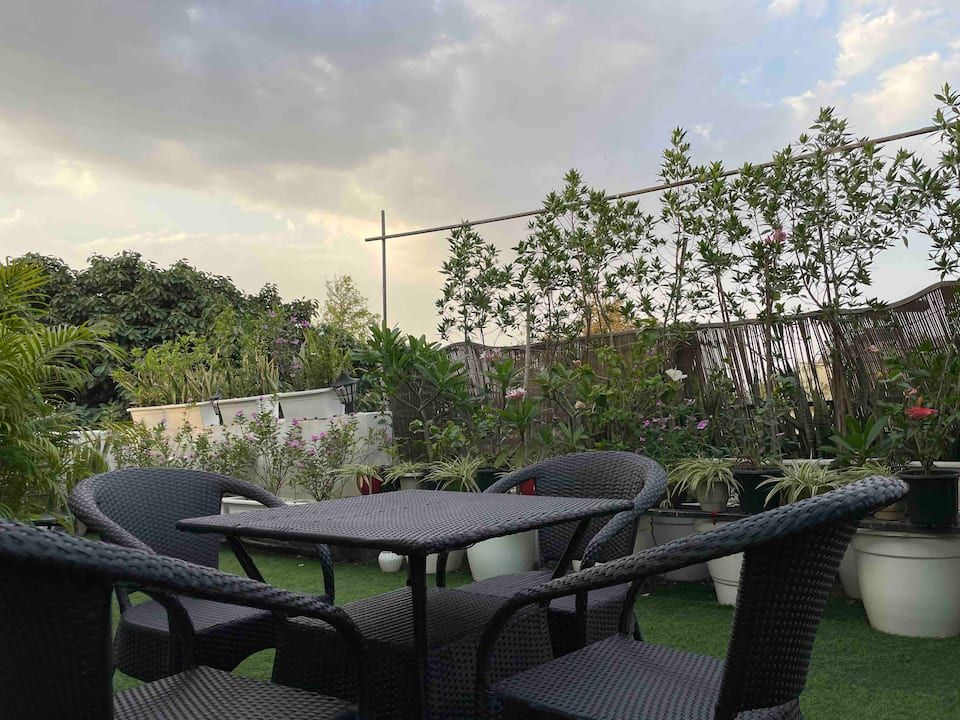
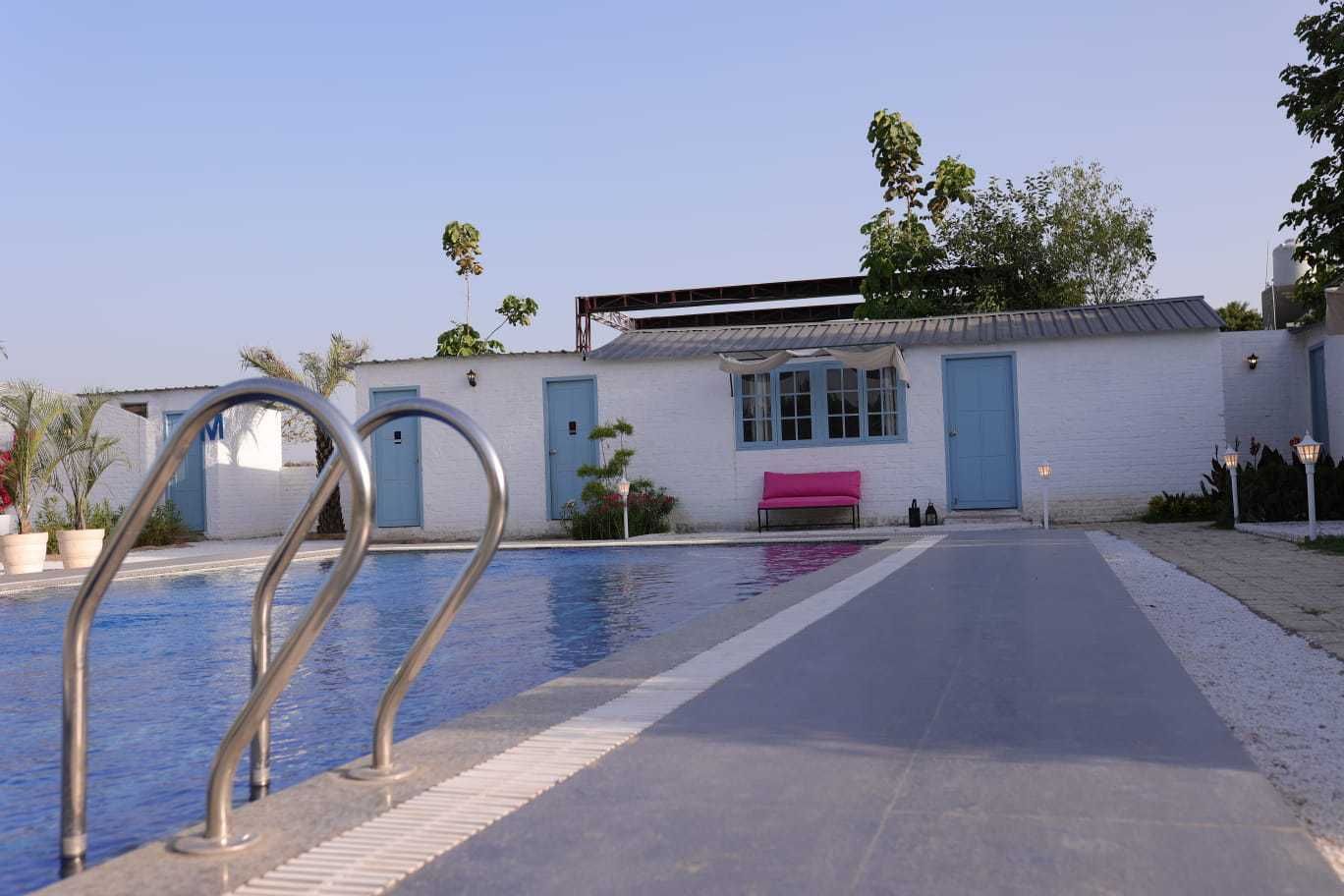
Travellers who prefer nature-focused accommodations, boutique farmstays, or quiet retreats can discover diverse options on HireACamp. Exploring stays across the National Capital Region and neighbouring rural belts allows you to combine sightseeing in the historic core with peaceful, open-air living during your travels.
Frequently asked questions
What does the Salt March Statue represent?
The statue commemorates the 1930 Salt March led by Mahatma Gandhi, portraying him alongside ten followers from different walks of life to symbolise the unity and resolve of India's freedom struggle.
Where is the Salt March Statue located in Delhi?
It is located at the intersection of Sardar Patel Marg and Mother Teresa Crescent in New Delhi, close to the President's Estate.
Is there an entry fee to see the Salt March Statue?
The statue is an open public art installation situated along the roadway, so you can view it from the surrounding public pathways. Travellers can check locally for any site-specific access guidelines.
What is the best time of day to view the statue?
Early morning is the ideal time to visit, as traffic along the surrounding avenues is light and the soft morning light highlights the detail of the bronze figures.
Can I visit other monuments nearby on the same day?
Yes, several prominent sites including Lodhi Garden, Safdarjung Tomb, the National Museum, and Connaught Place are located within three to four kilometres of the statue.
Where you'll be
Delhi · 2 stays nearby shown with prices
Stays near Salt march Statue
Book a place to stay close by
More places near Salt march Statue
Within 20 km


Lists for this area
Ranked by how many creators recommend each place


Built from 0 Instagram posts by 0 creators. Every tip links back to the post it came from, and where creators disagree we show both sides.






