
Sanskriti Museums
Museum near Chhatarpur, Delhi
5.6 km from Chhatarpur
The nearest town, for stays, food and fuel.
Sanskriti Museums, located within the peaceful Sanskriti Kendra complex at Anandagram along Mehrauli-Gurgaon Road, is a dedicated cultural haven celebrating Indian traditional arts, crafts, and heritage. The complex houses three distinct museums focusing on everyday art, Indian terracotta, and Indian textiles, all set amidst lush gardens and serene courtyards. Visitors travel here to escape the fast pace of urban Delhi and connect deeply with the indigenous craftsmanship and artistic traditions of rural India.
Getting there
By road
- From ChhatarpurNearest town15 min · 6.9 km
- From New Delhi47 min · 25 km
- From Dehradun3 hr 55 min · 249 km
- From Jaipur4 hr 15 min · 281 km
Typical drive times without traffic. Stations and airports from OLA Maps; distances and typical drive times from OpenStreetMap (© OpenStreetMap contributors); notes from creators' Reels.
About Sanskriti Museums
Written with AI from map data and general knowledge. Check prices and timings locally before you go.
About Sanskriti Museums
Sanskriti Museums is situated inside Anandagram, a sprawling cultural retreat along the Mehrauli-Gurgaon Road in South Delhi. Established under the aegis of the Sanskriti Pratishthan, this cultural centre was envisioned as a quiet sanctuary where artists, scholars, craftspeople, and the public could engage directly with Indian creative traditions. Rather than serving as an austere, sterile gallery, the museum grounds combine open-air pathways, shaded groves, lily ponds, and brick pavilions that blend seamlessly with nature.
The complex holds three individual collections: the Museum of Everyday Art, the Museum of Indian Terracotta, and the Museum of Indian Textiles. Each space explores how aesthetic beauty has historically permeated ordinary life across regional communities in India. Instead of elite royal artifacts, the exhibits celebrate functional art and the dignity of everyday utilitarian craftsmanship.
Exploring the Three Museums
The Museum of Everyday Art is home to a fascinating array of functional household objects transformed by human ingenuity and artistic impulse. Walking through this wing reveals brass utensils, traditional betel nut cutters, iron locks, kitchen tools, rolling pins, oil lamps, and measuring vessels. Each object reflects how common domestic objects across different Indian states were shaped with deep decorative sensibility, spiritual symbolism, and ergonomic precision.
The Museum of Indian Terracotta displays regional earthen traditions from varied corners of the subcontinent. Terracotta has been one of the most accessible creative mediums in Indian civilization since ancient times. This museum exhibits life-sized tribal sculptures, votive figures, rooftop tiles, and cult objects, many arranged in outdoor courtyards under mature trees. The open-air setting allows the natural terracotta hues to interact with sunlight, rain, and foliage, mirroring how these items are used in village shrine settings.
The Museum of Indian Textiles provides insight into the intricate weaving, dyeing, and embroidery techniques developed across centuries. The collection displays block-printed fabrics, ikat weaves, brocades, and regional folk embroideries like kantha and phulkari. This wing serves as an educational repository for students, designers, and lovers of handcrafted cloth, tracing the evolution of regional looms and dye practices.
Read more
Best Time to Visit Sanskriti Museums
The climate in Delhi experiences strong seasonal variations, and the experience of visiting Sanskriti Museums depends heavily on the weather because much of the complex is designed to be explored outdoors among gardens and walkways. The ideal time to visit is during the cooler months from October to March. During this period, the days are comfortable, pleasant, and crisp, making it wonderful to stroll leisurely across the lawns, explore the open-air terracotta courtyards, and sit by the lily ponds.
From April to June, summer temperatures across the capital can become very intense, with hot afternoon winds. If you plan a trip during the summer months, it is best to visit during morning hours to avoid the midday heat. The monsoon season, which usually arrives in July and extends through September, brings reviving rains that turn the grounds exceptionally lush and green, though occasional heavy downpours may require carrying an umbrella when moving between open galleries.
How to Reach Sanskriti Museums
Sanskriti Museums is situated in Anandagram on Mehrauli-Gurgaon Road in South Delhi, right opposite Metro Pillar Number 165. The site is easily accessible from various parts of the National Capital Region through public transport, metro trains, and road links.
The most convenient way to reach the museum is by taking the Delhi Metro Yellow Line. The nearest station is Arjangarh Metro Station, which is located nearby. From the metro station, one can easily walk or take a brief auto-rickshaw ride directly to the museum gate.
If you are driving or arriving by cab from Central Delhi or Connaught Place, the journey takes you southward through Mehrauli onto the Mehrauli-Gurgaon corridor. Those commuting from Gurgaon or nearby areas will find it directly accessible via the main MG Road. Ample signage along the corridor makes Anandagram easy to locate.
Tips for Your Visit
To make the most of your time at Sanskriti Museums, plan to spend at least two to three hours wandering through the three distinct museum sections and resting in the surrounding gardens. Comfortable walking shoes are highly recommended, as the pavilions are linked by earthen footpaths, stone walkways, and garden steps.
Since opening days, public viewing hours, and photography regulations can vary or be adjusted during private events, it is best to verify operating timings locally before you arrive. While natural light provides great opportunities for landscape viewing, maintain quiet mindfulness throughout the complex, as Anandagram also hosts working craft residencies and artistic workshops. Carrying a reusable water bottle and modest sun protection is advisable during sunny weather.
Places to Visit Nearby
Because Sanskriti Museums is situated in the heritage-rich Mehrauli belt of South Delhi, it pairs conveniently with several prominent cultural and historic sites nearby. The majestic Qutab Minar complex and the expansive Mehrauli Archaeological Park are only about seven kilometres away, offering an entire afternoon of historical exploration among medieval tombs, stepwells, and mosques.
For those who appreciate landscaped gardens and architecture, The Garden of Five Senses in Said-ul-Ajaib lies approximately eight kilometres away. Further north along the metro corridor, you can easily access the vibrant alleys of Hauz Khas Village and Hauz Khas Fort, located around ten kilometres from the museum. Farther along toward Central Delhi lie Safdarjung Tomb, Lodhi Garden, and the National Museum, making it simple to build a comprehensive cultural itinerary.
Where to Stay
Travelers visiting Delhi who wish to remain close to cultural centres and quieter green patches will find plenty of suitable neighbourhoods in South Delhi and near the Gurgaon border. Staying near the Mehrauli or Chattarpur corridors allows quick access to the museums while keeping you connected to the metro network.
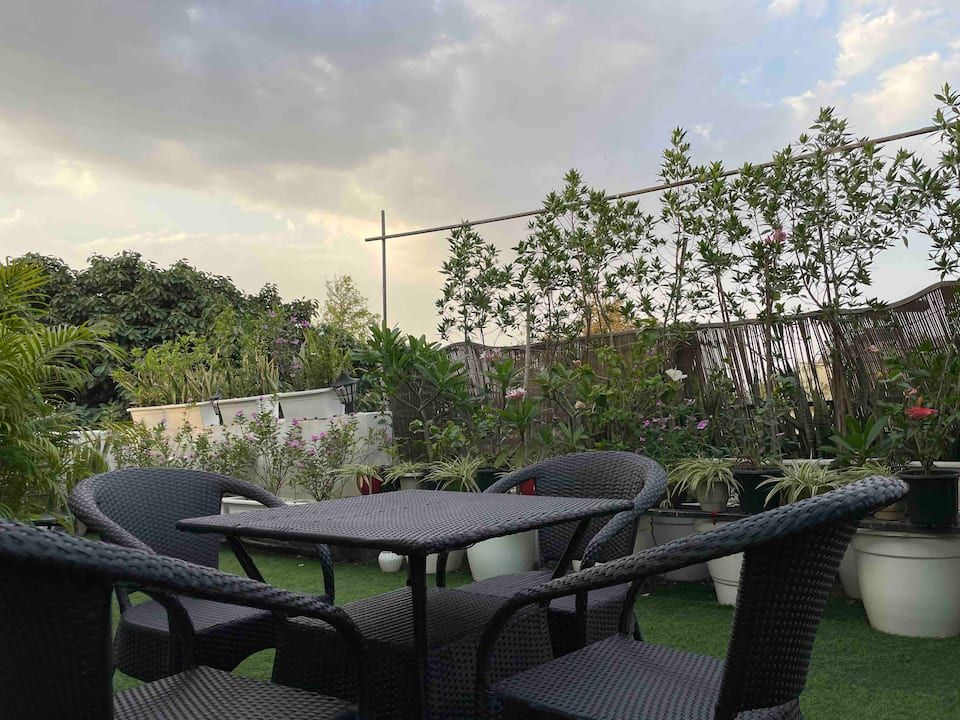
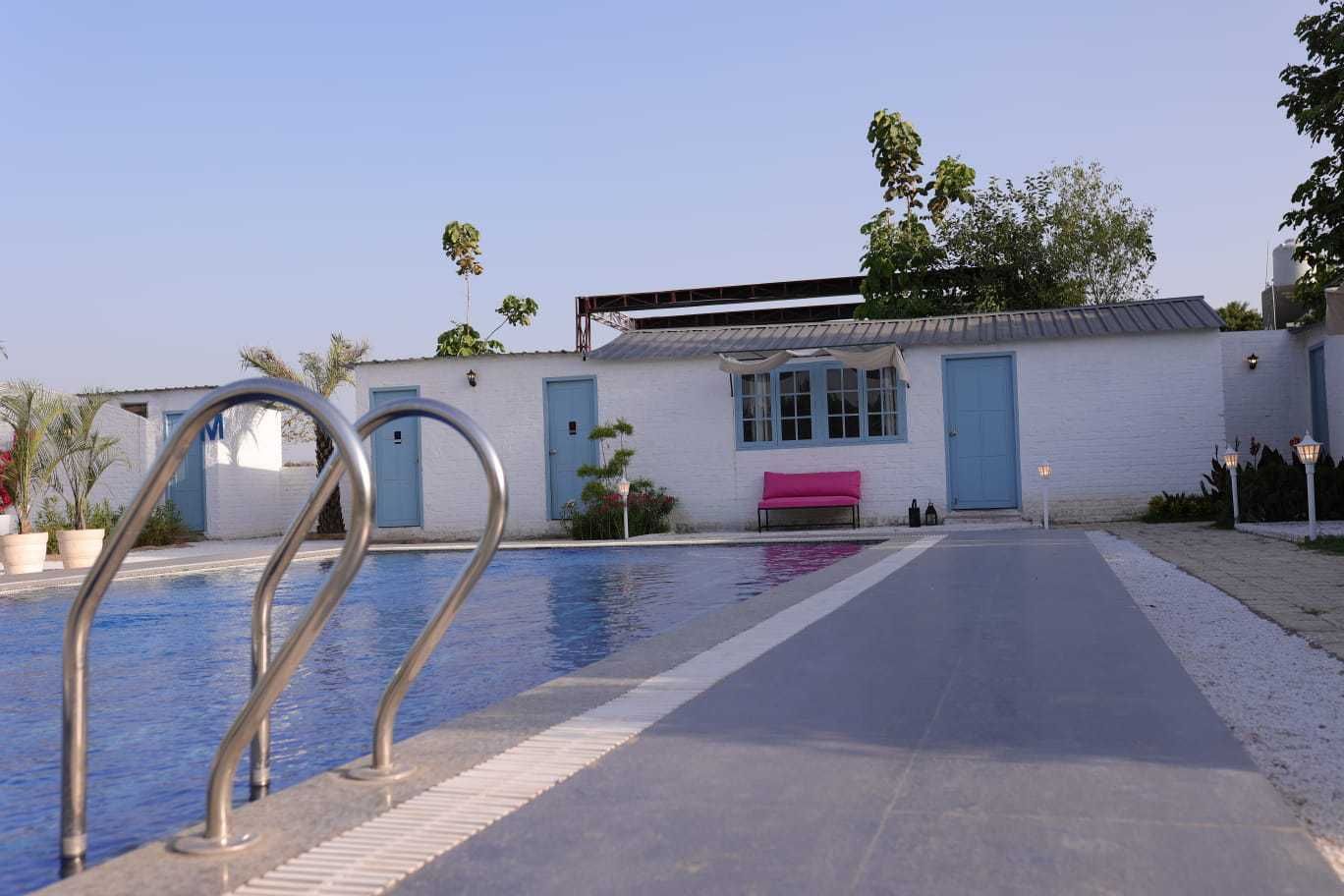
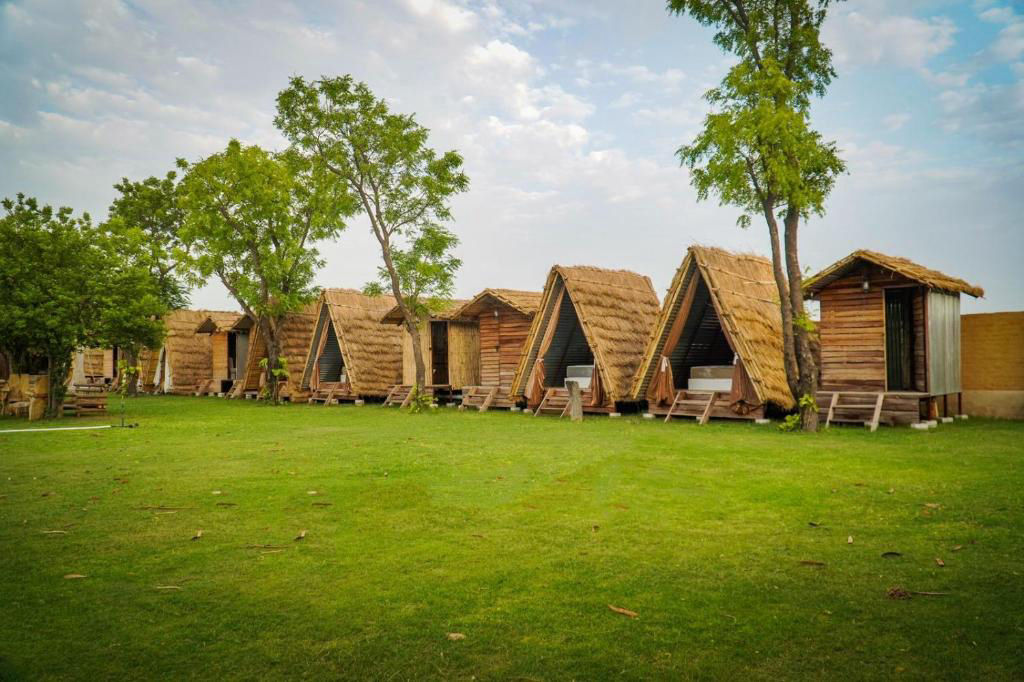
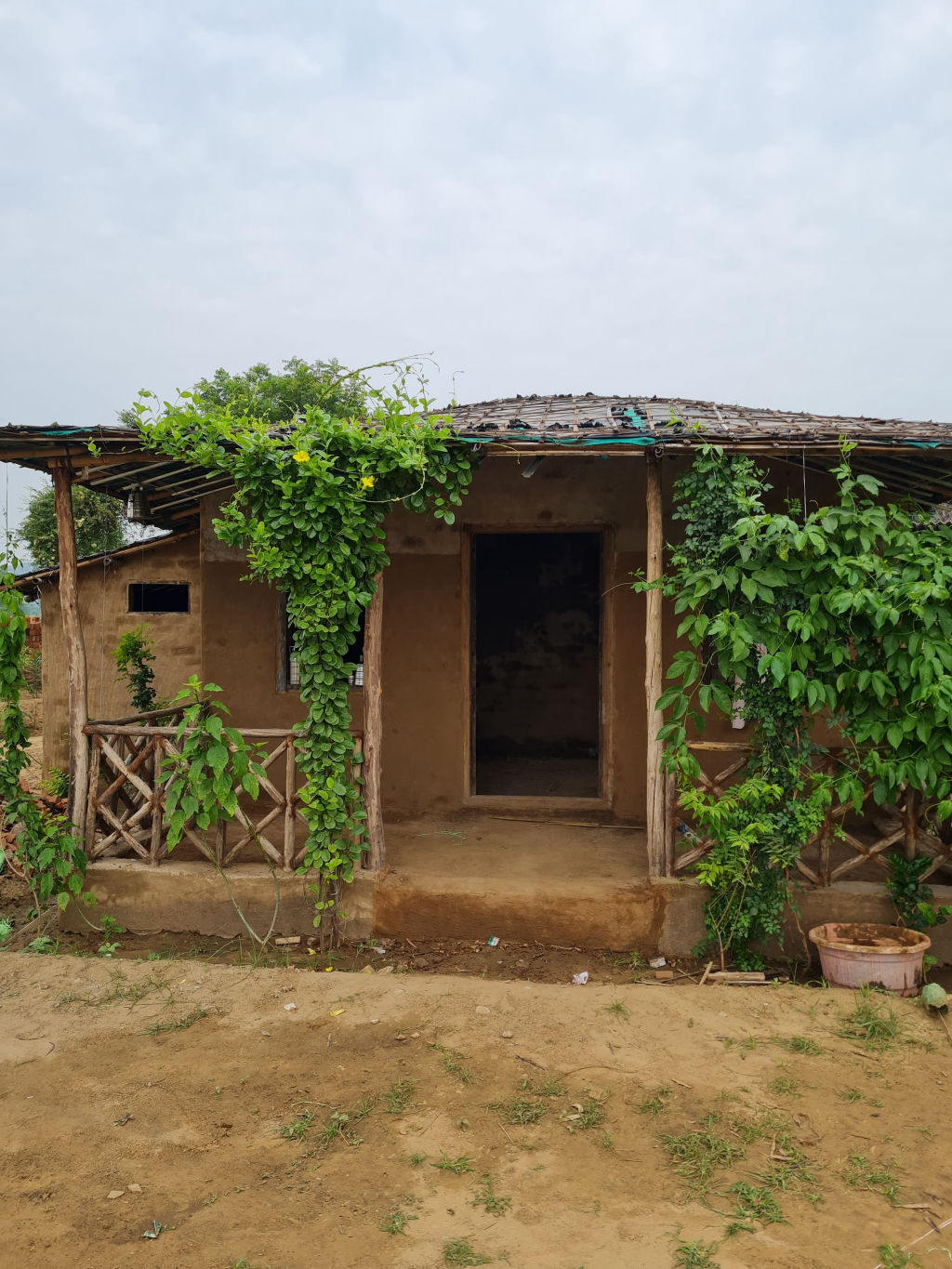
For a peaceful retreat surrounded by trees and residential charm, consider checking HireACamp to find local homestays, nature retreats, and boutique lodging options across Delhi and neighbouring pastoral belts.
Frequently asked questions
What are the main exhibits at Sanskriti Museums?
The complex features three distinct collections: the Museum of Everyday Art, the Museum of Indian Terracotta, and the Museum of Indian Textiles, focusing on functional household objects, earthen craft, and regional weaving traditions.
Which is the nearest metro station to Sanskriti Museums?
The nearest metro station is Arjangarh Metro Station on the Yellow Line of the Delhi Metro, located along Mehrauli-Gurgaon Road near Anandagram.
What is the best time of year to visit Sanskriti Kendra and its museums?
The winter months from October to March are the most pleasant, offering cool and sunny weather ideal for strolling between the indoor galleries and outdoor gardens.
How much time is required to tour the museums?
Most visitors spend around two to three hours to thoroughly explore all three collections and enjoy the calm outdoor courtyards and greenery.
Are there other historic places to visit close to the museum?
Yes, nearby heritage destinations include the Qutab Minar, Mehrauli Archaeological Park, and The Garden of Five Senses, all located within a short drive.
Where you'll be
Sanskriti Kendra / Sanskriti Museums, Anandagram, Mehrauli Gurgaon Road, New Delhi - 110047, Opposite Metro Pillar No. 165, Nearest Metro Station Arjangarh, Delhi, DL · 4 stays nearby shown with prices
Stays near Sanskriti Museums
Book a place to stay close by
More places near Sanskriti Museums
Within 20 km


Lists for this area
Ranked by how many creators recommend each place


Built from 0 Instagram posts by 0 creators. Every tip links back to the post it came from, and where creators disagree we show both sides.






