
Yumthang
Destination in Sikkim
Yumthang Valley, set in the rugged highlands of North Sikkim, is an alpine river basin celebrated for its rolling meadows, natural hot springs, and dense rhododendron forests. Flanked by glaciated peaks and traversed by the meandering Yumthang Chu river, the valley draws nature enthusiasts, road-trippers, and photographers. Travellers visit to witness the vibrant riot of wildflowers in spring and the dramatic snowfields that blanket the valley floor through late autumn and winter.
Getting there
About Yumthang
Written with AI from map data and general knowledge. Check prices and timings locally before you go.
The Alpine Landscape of Yumthang
Sitting at an elevation exceeding 3,500 metres above sea level, Yumthang Valley represents one of the most distinctive landscapes in the Eastern Himalayas. The valley floor opens out into a broad, flat expanse through which the Yumthang Chu flows, framed on either side by steep, pine-studded cliffs that rise sharply toward bare rock and snowbound summits.
The area is renowned as the Sikkim Valley of Flowers due to the Shingba Rhododendron Sanctuary, which occupies the lower stretches of the valley. Here, dozens of native rhododendron species thrive in dense clusters alongside alpine shrubs, primulas, and Himalayan herbs. During the warmer months, nomadic herders bring yaks and horses up to graze on the lush green meadows, lending the valley a quiet, pastoral atmosphere that changes dramatically as the cold sets in.
Things to Do in Yumthang Valley
Spending time in Yumthang is primarily about immersing yourself in high-altitude nature. Taking long, relaxed walks across the riverbed and along the banks of the Yumthang Chu is one of the most rewarding pursuits. The expansive terrain allows you to wander off the roadway into pine glades, where bird species such as blood pheasants, alpine accentors, and snow pigeons can frequently be spotted.
Another significant feature within the valley is the natural hot spring located across a pedestrian suspension bridge. The spring waters, naturally rich in sulphur, are channelled into outdoor stone baths where visitors can dip their feet while taking in panoramic views of the surrounding peaks. Photography is exceptional throughout the valley, whether you are capturing macro shots of wild alpine flora or wide-angle frames of winding mountain roads.
Read more
High-Altitude Getaways Around Yumthang
A journey to Yumthang is often combined with an excursion further up the mountain to Yumesamdong, commonly known as Zero Point. Located well beyond the tree line at an elevation surpassing 4,500 metres, Zero Point marks the end of civilian motorable roads near the international border. The landscape here is stark, rocky, and almost perpetually covered in snow, offering sweeping vistas of barren alpine passes and jagged ridgelines.
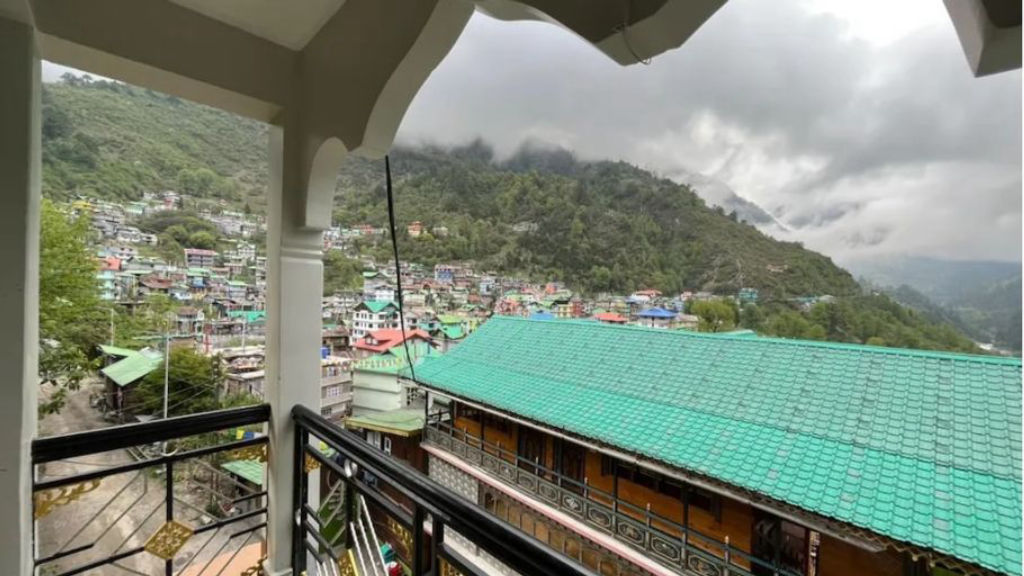
Travellers also spend considerable time exploring Lachung, the historic village that serves as the gateway to the valley. Built on both sides of the river, Lachung is filled with traditional wooden homes, handloom centres, and terraced apple and peach orchards. Further south, the confluence at Chungthang and the mountain hamlet of Katao offer additional scenic day excursions for those with extra time in the district.
Best Time to Visit Yumthang
The valley transforms dramatically across the seasons, making the timing of your journey essential depending on what you wish to see. Spring, which spans from late March through May, is the ideal window for viewing floral blooms. During these months, the rhododendrons and alpine wildflowers burst into flower, covering the valley hillsides in deep shades of red, pink, and purple under mostly comfortable daytime conditions.
Autumn, running from late September through November, brings crystal-clear blue skies, crisp mountain air, and unmatched visibility of the Himalayan peaks. It is a favoured window for landscape photography and smooth road journeys. Winter, from December through February, turns Yumthang into a snow-covered wonderland. However, temperatures routinely drop far below freezing, and sudden heavy snowfall can lead to temporary road closures, so winter journeys demand flexibility.
How to Reach Yumthang
Accessing Yumthang requires a multi-leg overland journey through the mountains of Sikkim. The nearest major transport hubs in the plains are Bagdogra Airport and the New Jalpaiguri railway station in West Bengal. From either hub, travellers typically take a private or shared vehicle to Gangtok, the capital of Sikkim, a drive that typically takes around four to five hours depending on mountain traffic and road conditions.
From Gangtok, reaching Yumthang is generally conducted as an overnight excursion. The first leg involves a scenic drive northward through Mangan and Chungthang to reach the base village of Lachung, which usually takes around six to eight hours. After an overnight stay in Lachung, you make the early morning drive of about an hour and a half up to the valley floor. Because Yumthang lies in a sensitive border region, Indian and foreign travellers must obtain Protected Area Permits before travelling northward from Gangtok, which are arranged locally through administrative checkposts or registered transport agents.
Tips for High-Altitude Travel
Because of the rapid change in elevation between Gangtok and Yumthang, altitude sickness is a common consideration for visitors. Taking adequate time to acclimatise in Gangtok or Lachung before ascending into the higher passes is strongly advised. Drinking plenty of water, avoiding overexertion, and packing basic mountain sickness remedies will help keep you comfortable.
Weather conditions in North Sikkim change rapidly, meaning layers of thermal clothing, windbreakers, and sturdy footwear are essential regardless of the season. Facilities in this remote corridor are limited. ATMs and reliable mobile network connections disappear beyond the towns of Mangan and Chungthang, so carrying sufficient cash for meals, local transport, and unforeseen delays is critical. Finally, keep multiple hard copies of government-issued identity cards and passport-sized photographs ready for checkpost permits.
Where to Stay Around Yumthang
Due to its protected environmental status and sensitive high-altitude ecosystem, Yumthang Valley itself does not offer permanent civilian hotels or commercial lodging. Visitors base themselves in the village of Lachung, situated roughly twenty-five kilometres down the valley, where a wide variety of accommodations can be found.
Staying in Lachung allows you to experience warm mountain hospitality in family-run homestays, small valley lodges, or riverside guesthouses. For travellers looking to connect closely with the Himalayan countryside, diverse options including eco-stays, mountain cabins, and scenic campsites across North Sikkim can be discovered on HireACamp. Booking in advance is recommended during the peak bloom months of spring and the festive autumn holiday season.
Frequently asked questions
Can I stay overnight in Yumthang Valley?
No, overnight stays directly inside Yumthang Valley are not permitted as it is a protected nature sanctuary. Travellers stay in the nearby settlement of Lachung and visit Yumthang on a morning excursion.
Do I need a special permit to visit Yumthang?
Yes, Yumthang lies within a protected border region of North Sikkim, so all visitors require a Protected Area Permit. These permits are arranged in Gangtok or Mangan before setting out on the journey.
When can you see snow in Yumthang?
Snowfall is common in Yumthang between December and March, when the entire valley floor and surrounding peaks are blanketed in white. Lingering snow can also often be found at nearby Zero Point well into late spring.
What is the best month to see rhododendrons in bloom?
The peak blooming season for rhododendrons and wild alpine flowers in Yumthang runs from mid-April through May, when dozens of varieties flower simultaneously across the sanctuary.
How far is Yumthang from Lachung?
Yumthang Valley is located roughly twenty-five kilometres uphill from Lachung. The scenic drive along the river road typically takes around an hour to an hour and a half by car.
Where you'll be
1 stay nearby shown with prices
Stays near Yumthang
Book a place to stay close by
Things to do in Yumthang
21 places creators recommend within 30 km
Built from 0 Instagram posts by 0 creators. Every tip links back to the post it came from, and where creators disagree we show both sides.






