
Jarokha Bagh
Garden near Kondabal, Jammu and Kashmir
1000 m from Kondabal
The nearest town, for stays, food and fuel.
Jarokha Bagh is an ancient Mughal-era terraced garden situated on the northern bank of Manasbal Lake near the town of Lar in Jammu and Kashmir. Commissioned during the seventeenth century and traditionally attributed to Empress Nur Jahan, the site was built as a lakeside royal retreat. Today, visitors travel here to explore its weathered stone ruins, relax under the shade of massive chinar trees, and enjoy panoramic views across the calm waters of Kashmir's deepest lake.
Getting there
By road
- From KondabalNearest town11 min · 4.1 km
Typical drive times without traffic. Stations and airports from OLA Maps; distances and typical drive times from OpenStreetMap (© OpenStreetMap contributors); notes from creators' Reels.
About Jarokha Bagh
Written with AI from map data and general knowledge. Check prices and timings locally before you go.
The Mughal heritage of Jarokha Bagh
Jarokha Bagh, also known locally as Darogha Bagh, stands as a quiet reminder of the Mughal court's enduring architectural legacy in Kashmir. Built during the height of Mughal rule in the seventeenth century, the garden is widely believed to have been laid out under the patronage of Empress Nur Jahan. The word jharokha refers to an ornamental balcony or viewing window, reflecting the imperial intention to create a scenic vantage point from which royalty could observe the shimmering expanse of Manasbal Lake without disturbance.
While centuries of exposure have reduced the original pavilions to atmospheric ruins, the foundational stonework, arched niches, and terraced levels remain clearly defined. Unlike the more extensively restored and crowded Mughal gardens found around Dal Lake in Srinagar, Jarokha Bagh retains a weathered and unadorned charm. Walking along its surviving stone walls allows visitors to appreciate historical stone masonry while enjoying a quiet, contemplative atmosphere shaped by centuries of Kashmiri history.
Landscape and lake views at Jarokha Bagh
The primary appeal of Jarokha Bagh lies in its exceptional setting directly above Manasbal Lake. The garden rises in natural and built terraces from the shoreline toward the base of the surrounding limestone hills. These dry, dramatic ridges form a striking backdrop against the deep blue waters of the lake, giving the entire garden an elevated, amphitheatre-like perspective.
Towering chinar trees dominate the upper terraces, spreading vast canopies that provide deep shade even during the brightest midday hours. Below the garden terraces, the water is remarkably transparent, revealing dense patches of aquatic vegetation and submerged water plants. During the warmer months, wild lotus plants flourish along the lake edges near the garden, covering the water in broad green pads and pale blossoms that contrast beautifully with the grey stone ruins.
Read more
Things to do at Jarokha Bagh
Spending time at Jarokha Bagh is primarily about slowing down and soaking in the tranquil surroundings. Visitors often begin by wandering through the terrace levels to examine the ancient stone arches and foundations that once supported the royal pavilion. The open grass beneath the chinar trees makes an ideal setting for an unhurried afternoon picnic, reading, or quiet reflection away from busy highway routes.
Because the garden sits directly on the banks of Manasbal Lake, it serves as an excellent starting point for exploring the water. Traditional wooden boats known as shikaras can be boarded along the shoreline for leisurely rides across the lake. Boating from the garden lets you view the historic arches from the water and glide through the flowering lotus beds. The shoreline around the garden is also productive for birdwatching, as local waterfowl, herons, and kingfishers frequently feed among the quiet reed banks.
Best time to visit Jarokha Bagh
Jarokha Bagh can be visited across multiple seasons, each offering a distinct mood and visual character. Spring, extending from April through May, brings mild weather, clear blue skies, and fresh green shoots across the lawns and surrounding fruit orchards. It is one of the most comfortable times of the year for walking along the terraces and exploring the surrounding countryside.
Summer, between June and August, is the warmest period and marks the height of the lotus blooming season on Manasbal Lake. Autumn, which arrives in late September and continues through November, is widely regarded as the most picturesque time to visit. During these weeks, the leaves of the ancient chinar trees turn vivid shades of amber, copper, and gold, carpeting the historic stonework in autumn foliage. Winter brings cold temperatures and occasional dustings of snow, giving the stone arches a solitary and dramatic presence against the icy, still lake.
How to reach Jarokha Bagh
Jarokha Bagh is situated near the small town of Lar in the Ganderbal district of Jammu and Kashmir, along the northeastern perimeter of Manasbal Lake. Srinagar is the primary base and travel hub for reaching the garden. By road, the distance from central Srinagar to the garden is roughly thirty kilometres, typically taking about an hour by private vehicle or hired taxi depending on traffic conditions.
Taxis and rental cars can be arranged in Srinagar for a direct day trip through Ganderbal and Safapora. For travellers using public transit, shared cabs and passenger buses run frequently between Srinagar and Ganderbal or Lar. From these local hubs, short rides in auto-rickshaws or shared jeeps will bring you to the lakeside road adjacent to the garden. The nearest commercial airport is Sheikh Ul-Alam International Airport in Srinagar, where private cabs are readily available for transport directly into Ganderbal district.
Places to visit nearby
A visit to Jarokha Bagh easily connects with several other historic and natural landmarks in the valley. Manasbal Lake itself offers pleasant walking trails and boating opportunities right outside the garden boundary. Just six kilometres away lies the sacred Mata Kheer Bhawani Temple in Tulmulla, a deeply revered Hindu shrine famous for its sacred natural spring and tranquil chinar-shaded courtyard.
A short drive further east takes you toward the Sindh River and the Sind Valley, renowned for riverside meadows, mountain vistas, and angling spots. History enthusiasts can explore the eighth-century stone ruins of the Wangath Temple complex nestled in the forested hills higher up the valley, or the expansive plateau of Parihaspore, which holds the remnants of an ancient Kashmiri capital. Bird lovers can also make an easy excursion to the Hokersar Wetland sanctuary, situated roughly sixteen kilometres from the lake area.
Where to stay near Jarokha Bagh
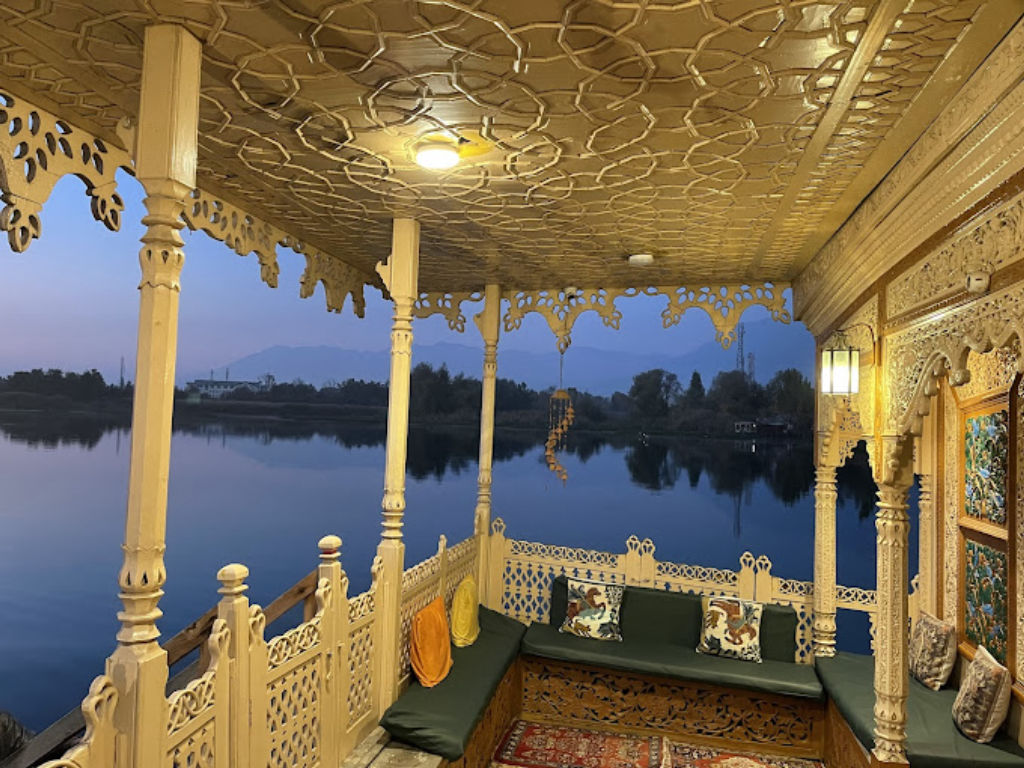
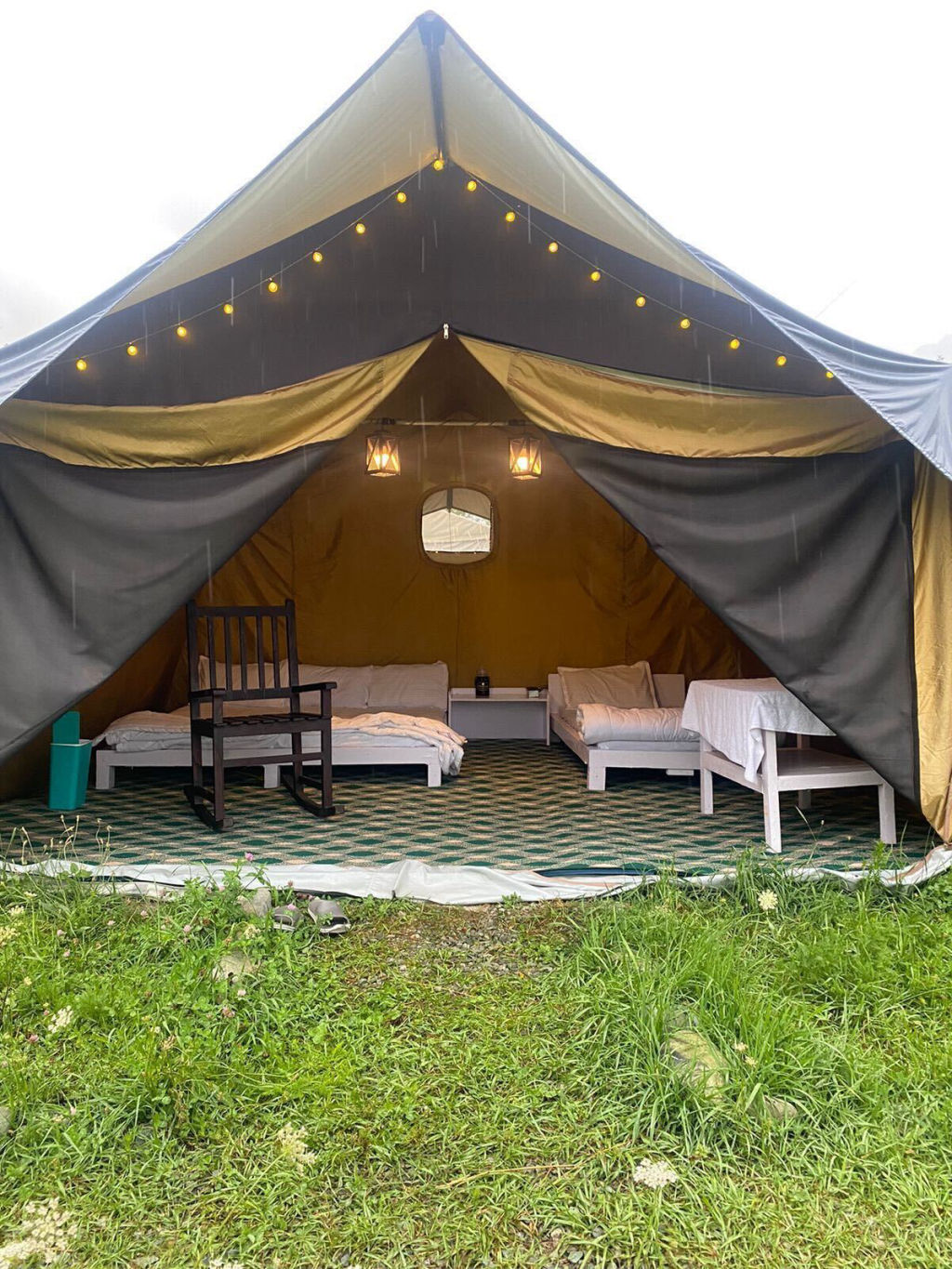
Travellers wishing to stay close to Manasbal Lake and the surrounding countryside have several peaceful choices in Ganderbal district. Base locations around the lake allow you to enjoy quiet early mornings before day-trippers arrive, accompanied by crisp mountain air and unobstructed views of the water.
A variety of scenic riverside camps, welcoming rural homestays, and boutique village cottages throughout this region can be found and booked on HireACamp. Staying at a local homestay or campsite gives visitors a wonderful opportunity to experience traditional Kashmiri hospitality, taste authentic home-cooked meals, and explore the rustic landscape around Lar at their own pace.
Frequently asked questions
Where is Jarokha Bagh located?
Jarokha Bagh is situated on the northern bank of Manasbal Lake near the town of Lar in the Ganderbal district of Jammu and Kashmir, approximately thirty kilometres from Srinagar.
What is the history behind Jarokha Bagh?
The garden was established during the seventeenth century under the Mughal empire and is traditionally attributed to Empress Nur Jahan, who used the terraced site as an imperial lakeside retreat.
Can you take a boat ride near the garden?
Yes, traditional shikara boat rides are available on Manasbal Lake along the shore near the garden, allowing visitors to see the ruins from the water and glide past seasonal lotus beds.
When is the best time to see the chinar leaves change color here?
Autumn, running from mid-October through late November, is the best time to see the chinar trees at Jarokha Bagh turn brilliant shades of red, orange, and gold.
Are there accommodations available near Jarokha Bagh?
Yes, travellers can find a range of experiential camps, homestays, and rural retreats in the surrounding Ganderbal and Manasbal area on HireACamp.
Where you'll be
Lar · 2 stays nearby shown with prices
Stays near Jarokha Bagh
Book a place to stay close by
More places near Jarokha Bagh
Within 20 km
Built from 0 Instagram posts by 0 creators. Every tip links back to the post it came from, and where creators disagree we show both sides.






