
Wangath Temple complex
Ruins near Ganderbal, Jammu and Kashmir
600 m from Ganderbal
The nearest town, for stays, food and fuel.
The Wangath Temple complex is an ancient group of stone ruins situated among the forested foothills of Ganderbal in Jammu and Kashmir. Historically associated with classical Kashmiri stone architecture and Shaivite traditions, the site served as an influential spiritual center for centuries. Today, travellers and hikers visit to marvel at its weathered stone structures, soak in the tranquil mountain setting, and access the alpine trails of the surrounding ranges.
Getting there
By road
- From GanderbalNearest town2 min · 900 m
Typical drive times without traffic. Stations and airports from OLA Maps; distances and typical drive times from OpenStreetMap (© OpenStreetMap contributors); notes from creators' Reels.
About Wangath Temple complex
Written with AI from map data and general knowledge. Check prices and timings locally before you go.
History and architecture of the Wangath Temple complex
The Wangath Temple complex, also closely associated with nearby Naranag, stands as one of the most intriguing archaeological landmarks in Jammu and Kashmir. Dating back to the classical era of Kashmiri temple building, the complex was patronized by regional rulers such as those of the Karkota dynasty. Dedicated principally to Shiva under the names of Bhuteshwara and Jyesthesa, the site was once a prominent center of pilgrimage and scholarship, drawing ascetics and devotees from across northern India.
Architecturally, the temples showcase the distinctive stone masonry of early medieval Kashmir. Massive granite blocks were carved and fitted together without mortar, forming pyramidal roofs, pedimented gables, and trefoil arches that reveal influences from classical Hellenistic, Gandharan, and indigenous architectural traditions. Although centuries of earthquakes, weathering, and abandonment have reduced many of the shrines to ruins, the substantial pedestals, stone tanks, and ornate entrance portals continue to convey the scale and craftsmanship of the original sanctuary.
The mountain landscape and valley setting
Surrounded by dense deodar and pine forests, the Wangath Temple complex rests along the course of a clear mountain stream that tumbles down from the higher glaciated massifs of the Haramukh mountain range. The natural setting creates a striking contrast between the dark, time-worn granite of the ruins and the vibrant greenery of the valley floor.
The rushing sounds of mountain water and the gentle rustle of conifers dominate the environment, giving the temple grounds an atmosphere of stillness. The surrounding slopes are home to mixed temperate vegetation and varied bird species characteristic of the western Himalayan mid-hills. For visitors who appreciate quiet wilderness, the landscape offers ample room to wander, rest beside the stream, and observe the interplay between ancient human heritage and wild mountain nature.
Read more
Best time to visit Wangath
The most comfortable time to visit the Wangath Temple complex is from late spring through early autumn, typically between May and October. During these months, the snow has largely melted from the valley floor, days are clear and pleasant, and the dirt trails around the ruins are dry and easy to walk on. Summer temperatures in this mountain pocket remain temperate compared to the lower plains, making it an appealing summer getaway.
Autumn brings crisp air and brilliant gold and rust tones to the surrounding deciduous foliage, creating picturesque conditions for photography. Winter, from December through March, brings heavy snowfall to Ganderbal and the higher valleys. While the snow-draped ruins possess a quiet, stark beauty in winter, road accessibility can be challenging, and sub-zero temperatures require serious winter gear and careful planning.
Trekking and outdoor trails around Wangath
Beyond its historical significance, the valley around Wangath is renowned as a primary gateway to some of Kashmir's most celebrated high-altitude trails. The trail leading up past these temples serves as the starting or ending point for the trek toward Gangabal Lake, a sacred alpine tarn resting beneath the rugged northeast face of Mount Haramukh. It also connects into routes linked to the broader Kashmir Great Lakes circuit.
Even for those not embarking on a multi-day wilderness expedition, the area around the temple complex offers rewarding day hikes. Walking along the riverbank path, exploring the higher terraces of the Wangath valley, or venturing toward nearby pastoral settlements gives travellers a memorable taste of rural Himalayan life and dramatic mountain scenery.
How to reach the Wangath Temple complex
The Wangath Temple complex is situated within the Ganderbal district of Jammu and Kashmir. Travellers generally reach the site by road from Srinagar or Ganderbal town. The journey follows the scenic highway toward Sonamarg before branching off along the Wangath stream into the narrower mountain valley.
Taxis and private vehicles can be hired from Srinagar or Ganderbal to make the journey. The final stretch winds through mountain terrain and rural hamlets, so road conditions can vary depending on the season and recent rainfall. Visitors should plan for a relaxed drive and check local road updates before departing, especially after heavy rains or snow.
Tips for your visit to the ruins
Exploring the Wangath Temple complex requires walking on unpaved ground, loose river stones, and ancient carved masonry. Sturdy walking shoes or hiking boots with good traction are strongly recommended to navigate the terrain comfortably. Because the site is an open archaeological ruin in a semi-remote valley, on-site commercial facilities are minimal, so carry sufficient drinking water and simple snacks for your visit.
Weather conditions in the valley can shift quickly, with mountain breezes turning chilly even on bright days. Carrying a windbreaker or a light warm layer is wise throughout the year. Visitors should also practice responsible tourism by refraining from climbing on fragile stone carvings, leaving all artefacts undisturbed, and carrying back all personal waste.
Places to visit nearby in Ganderbal
A trip to Wangath can easily be combined with exploring the natural and cultural highlights of the broader Ganderbal and Srinagar areas. Further down the valley, the expansive waters of Anchar Lake and Hokersar Wetland offer serene spots for bird watching and experiencing traditional wetland ecosystems. Both sites attract migratory waterbirds during the transitional migration seasons.
Closer to the regional hub, travellers can tour the historic terraced gardens of Srinagar, including Shalamar Bagh, Nishat Bagh, and Harwan Garden, which reflect royal landscape planning from the Mughal period. The hill of Hari Parbat, crowned by its fort, and the shores of Nigeen Lake and Dal Lake provide additional cultural depth, traditional watercraft rides, and panoramic views of the Kashmir Valley.
Where to stay near Wangath
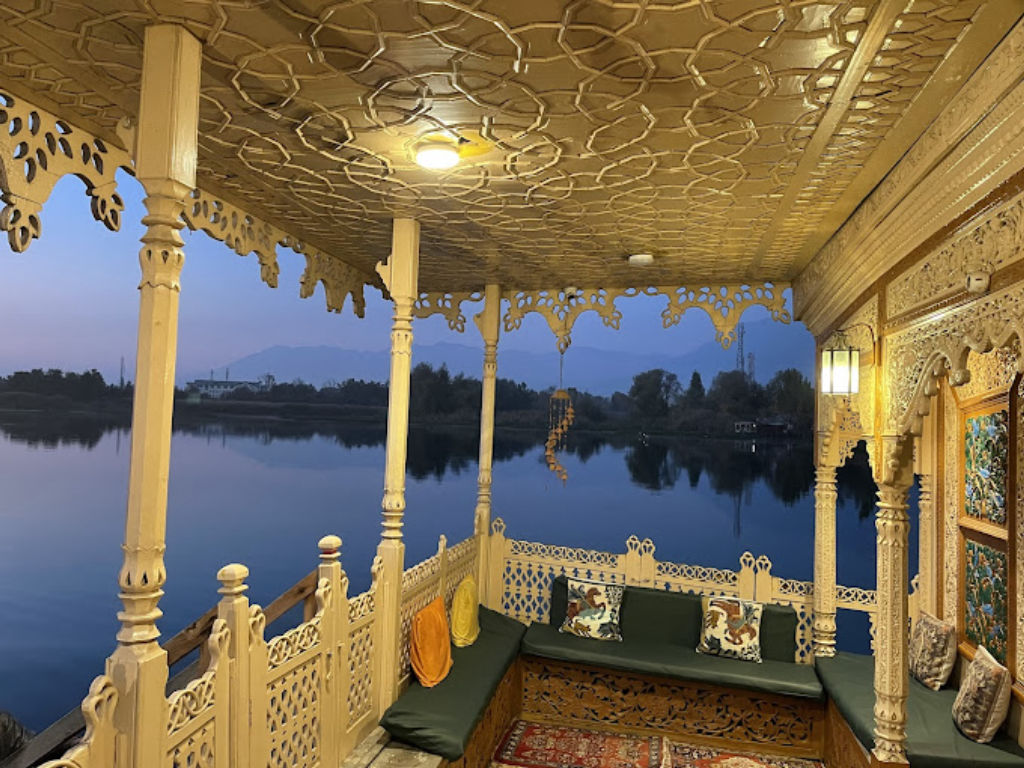
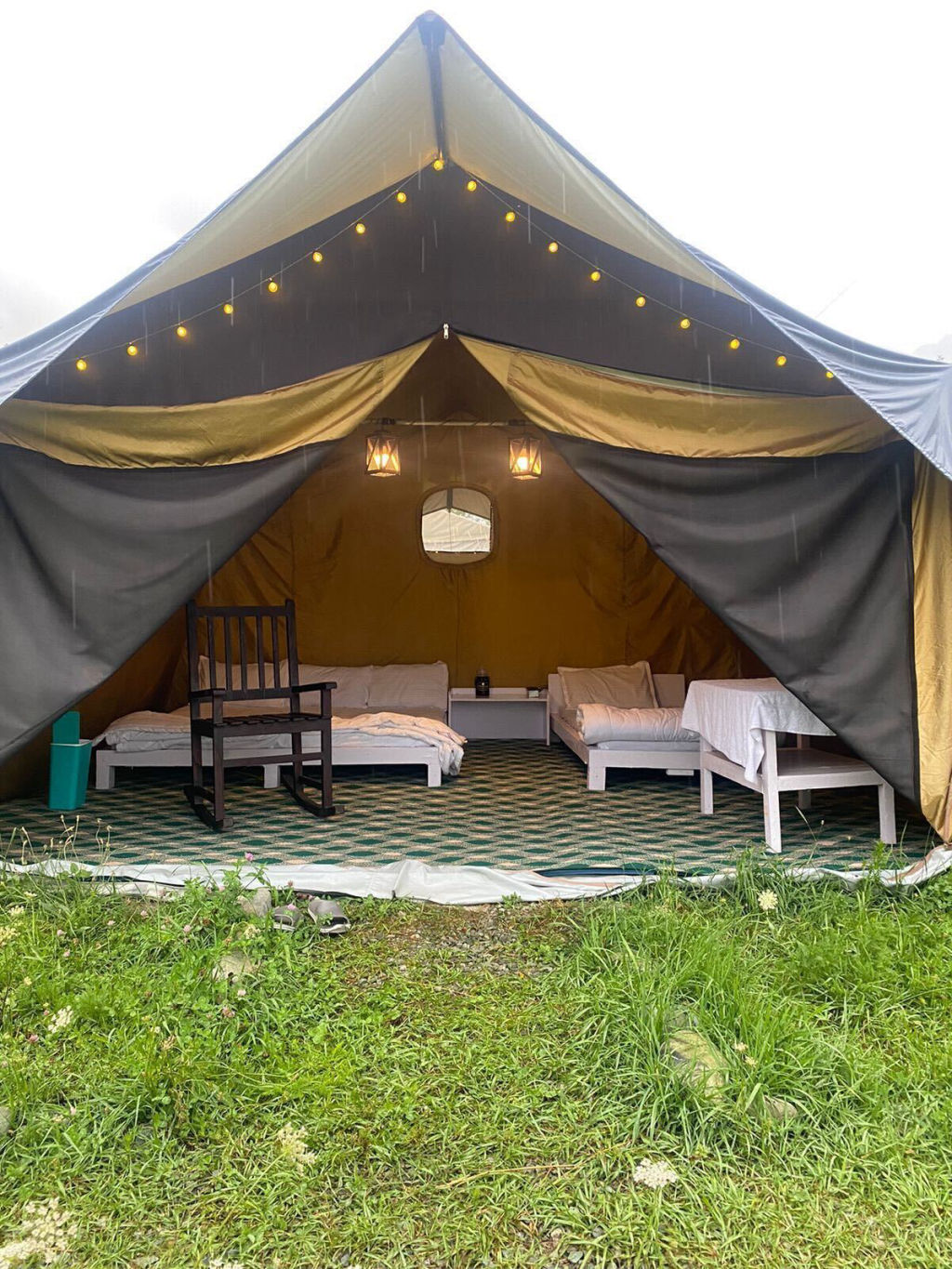
Accommodation options in the immediate vicinity of Wangath are simple and oriented toward nature enthusiasts, trekkers, and those seeking an escape from urban hustle. Modest homestays and seasonal outdoor camps in the valley provide an authentic taste of Kashmiri hospitality, home-cooked regional meals, and immediate access to trailheads.
For travellers seeking a broader choice of stays, the nearby towns in Ganderbal district and the city of Srinagar offer a full spectrum of options. You can explore and book outdoor camps, mountain cabins, and independent homestays situated throughout the Ganderbal area on HireACamp to suit your travel schedule.
Frequently asked questions
What is the Wangath Temple complex famous for?
The complex is known for its ancient, dry-stone temple ruins dating back to early medieval Kashmir. Built from heavy granite blocks with classical Kashmiri and Gandharan architectural influences, it was once a sacred Shaivite pilgrimage destination.
Is the Wangath Temple complex the starting point for treks?
Yes, the area around Wangath and Naranag serves as a primary base for high-altitude treks into the Haramukh range, including routes to Gangabal Lake and connections to the Kashmir Great Lakes trail.
Can the Wangath Temple complex be visited in a day trip from Srinagar?
Yes, the site can be visited as a comfortable day trip by road from Srinagar or Ganderbal, allowing several hours to explore the ruins and the surrounding valley stream before returning.
What should I wear when visiting the ruins?
Wear comfortable outdoor clothing and supportive footwear suitable for rocky, uneven ground. Bringing a light jacket or windbreaker is advisable, as mountain weather in the valley can change rapidly.
Where you'll be
Ganderbal · 2 stays nearby shown with prices
Stays near Wangath Temple complex
Book a place to stay close by
More places near Wangath Temple complex
Within 20 km
Built from 0 Instagram posts by 0 creators. Every tip links back to the post it came from, and where creators disagree we show both sides.






