
Siri Fort
Fort near Shahpur Jat, Delhi
1000 m from Shahpur Jat
The nearest town, for stays, food and fuel.
Siri Fort is an early fourteenth-century fortress complex located in South Delhi, originally built during the reign of Alauddin Khalji as the second historic city of Delhi. The ruins of its thick rubble-built ramparts and bastions now stand interspersed among green urban parks and residential neighbourhoods. Visitors come to explore the remnants of medieval military architecture, enjoy peaceful walking trails, and discover centuries of layered Delhi history.
Getting there
By road
- From Shahpur JatNearest town5 min · 1.5 km
- From New Delhi29 min · 9 km
- From Dehradun3 hr 30 min · 235 km
- From Jaipur4 hr 25 min · 297 km
Typical drive times without traffic. Stations and airports from OLA Maps; distances and typical drive times from OpenStreetMap (© OpenStreetMap contributors); notes from creators' Reels.
About Siri Fort
Written with AI from map data and general knowledge. Check prices and timings locally before you go.
History of Siri Fort
Siri Fort was founded around 1303 CE by Sultan Alauddin Khalji of the Delhi Sultanate. At the time, the Delhi Sultanate was facing repeated and aggressive incursions by the Mongol armies. Khalji chose the site of Siri, then a military encampment just north of the initial settlement at Qila Rai Pithora, to establish a secure fortified capital capable of withstanding prolonged sieges.
According to historical chronicles of the era, the construction incorporated rubble masonry and lime plaster, creating exceptionally thick walls designed to endure artillery and assault. A large reservoir, known as Hauz-i-Alai and later as Hauz Khas, was excavated nearby to supply the enclosed city with adequate fresh water. Although the grand palaces and audience halls of the Khalji court have largely disappeared over seven centuries, prominent stretches of the defensive ramparts, arched openings, and bastions continue to survive amidst modern urban development.
Exploring the ruins and landscape
A visit to Siri Fort offers a contrasting experience of medieval Delhi surviving within a busy metropolis. Portions of the ruined fortifications weave through modern South Delhi neighbourhoods, with notable sections preserved in public parks, forested strips, and adjacent to the sports complex. Strolling along the remnants lets you observe the defensive engineering of the Delhi Sultanate, including sloping stone battlements, arched gateways, and circular bastions that once protected thousands of residents.
Today, the areas around the surviving walls are largely peaceful, characterized by mature neem, babool, and semal trees. Morning and evening walkers, heritage enthusiasts, and birdwatchers frequent the green corridors surrounding the ruins. It is a rewarding destination for anyone who enjoys low-key historic walks without the heavy crowds typical of Delhi's more mainstream monuments.
Read more
Best time to visit Siri Fort
The ideal time to visit Siri Fort and South Delhi is during the cooler months from October to March. During this period, daytime temperatures are generally comfortable and pleasant, making outdoor walking and open-air exploration enjoyable. The early mornings can be cool and slightly misty, lending the ancient stone ramparts an atmospheric quality.
Summer in Delhi, spanning April through June, brings intense heat and dry conditions, with midday temperatures often exceeding forty degrees Celsius. If visiting during these months, it is best to visit shortly after sunrise to avoid the midday sun. The monsoon season between July and September brings intermittent rainfall, which turns the surrounding parks lush and green, though humidity levels can be high.
How to reach Siri Fort
Siri Fort is conveniently located in South Delhi and is well connected to the rest of the National Capital Region. If travelling by the Delhi Metro, several stations on the Yellow and Magenta lines provide easy access, from which you can hire an autorickshaw or electric rickshaw to reach the preserved sections of the fort walls.
The site is readily accessible by road from major transit points. It lies roughly fifteen to twenty kilometres from New Delhi Railway Station and Hazrat Nizamuddin Railway Station, depending on your route, and is around fifteen kilometres from the international airport. Taxis, app-based cabs, and public city buses all run regularly through the surrounding arterial roads.
Tips for your visit
The surviving sections of Siri Fort are spread out rather than concentrated in a single enclosed ticketed monument, so wearing sturdy walking shoes is recommended. Much of the exploring involves walking on unpaved earthen paths, grass, and broken masonry trails through public parks.
Carry a reusable water bottle, especially if you plan to walk around during the late morning or early afternoon. While some stretches are well-maintained public greens, other parts of the ramparts can have overgrown vegetation, so keeping to established footpaths is sensible. Respect the heritage fabric by refraining from climbing fragile masonry or leaving litter behind.
Places to visit nearby
Siri Fort makes an excellent base for a broader historical and cultural itinerary across South Delhi. Just two kilometres away lies the historic Hauz Khas complex, featuring medieval madrasas, pavilions, and a picturesque reservoir originally built to serve Siri. To the north, within four to five kilometres, travellers can visit the tranquil Lodhi Garden, the imposing Safdarjung Tomb, and the grand garden tomb of Humayun.
A short drive south leads to the Mehrauli area, home to the iconic Qutab Minar and the sprawling Mehrauli Archaeological Park. Those looking for peaceful green spaces can also explore Sunder Nursery or the Garden of Five Senses, both located within five kilometres of Siri Fort.
Where to stay
Visitors travelling to Delhi will find a wide variety of accommodations in and around the southern districts of the city. Staying in South Delhi offers the benefit of quiet residential surroundings, leafy streets, and easy transit to historic landmarks.
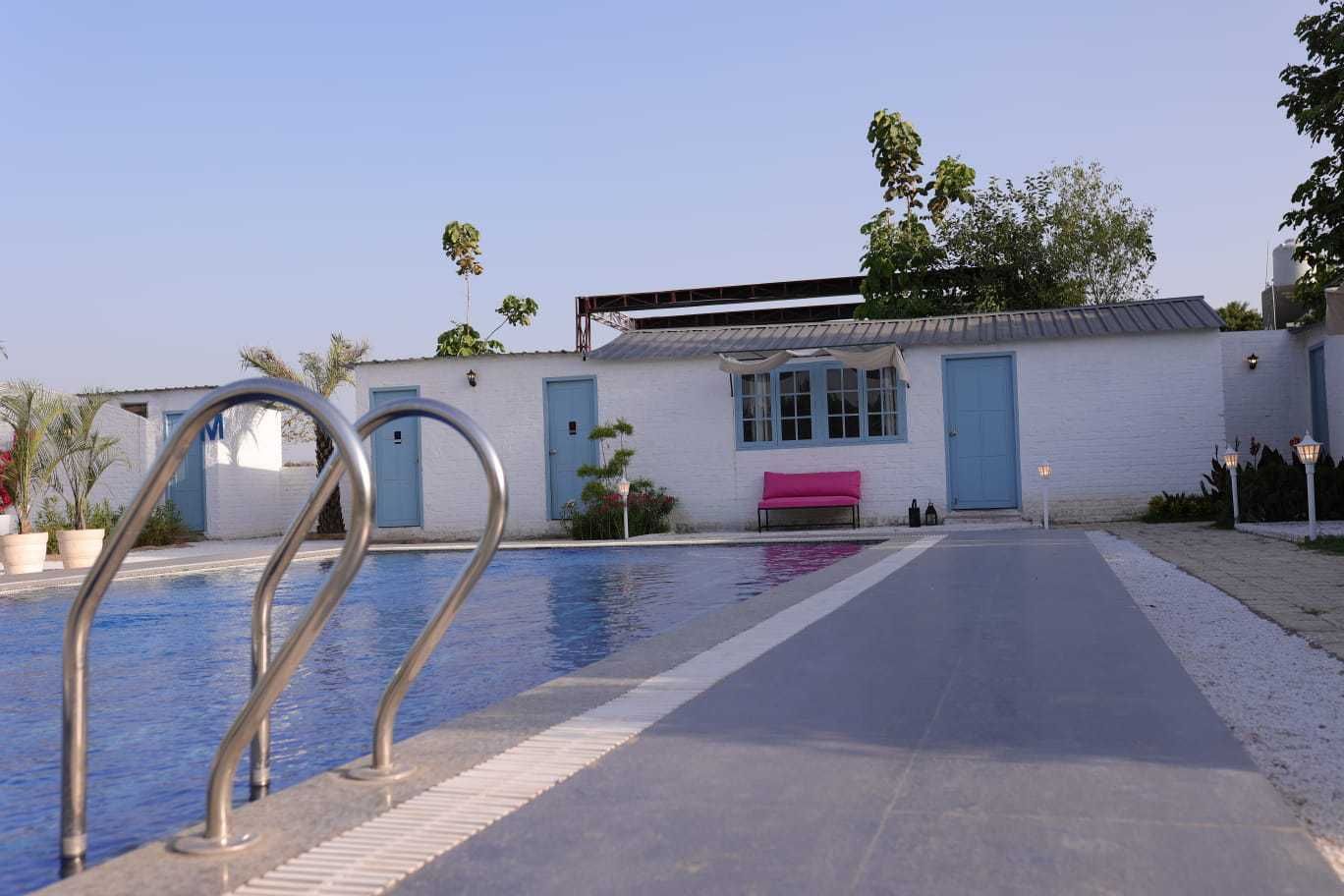
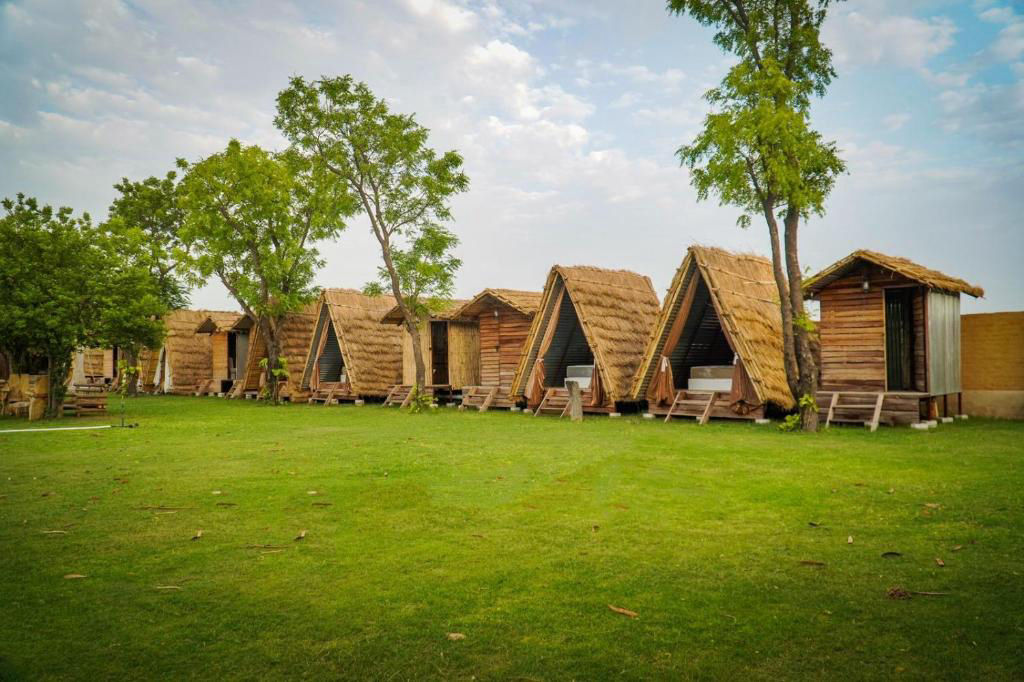
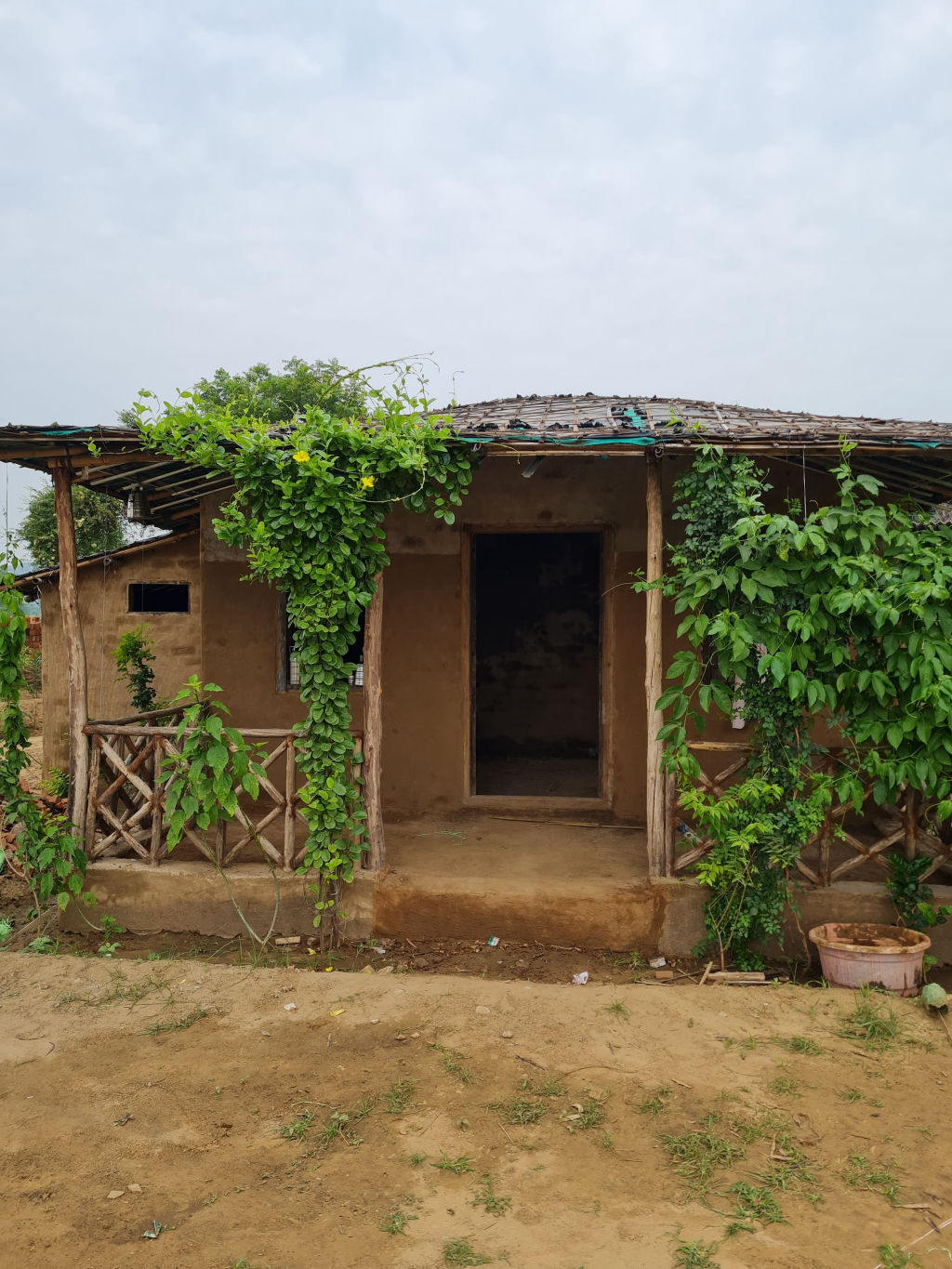
For comfortable homestays, boutique lodgings, and nature-focused getaways across Delhi and the neighbouring countryside, you can explore available listings on HireACamp to suit your travel style and preferences.
Frequently asked questions
Who built Siri Fort and why?
Siri Fort was built around 1303 CE by Sultan Alauddin Khalji to serve as a fortified capital city and defend the Delhi Sultanate against repeated Mongol invasions.
Is Siri Fort easily accessible by Delhi Metro?
Yes, several stations on the Delhi Metro network, particularly along the Yellow and Magenta lines, are situated within a short auto-rickshaw ride of the fort ruins.
What should I wear when visiting Siri Fort?
Wear comfortable walking shoes with good grip and breathable clothing suitable for outdoor walking on grass, dirt trails, and uneven historic masonry.
Are there other historic sites near Siri Fort?
Yes, nearby heritage destinations include Hauz Khas Fort, Safdarjung Tomb, Lodhi Garden, Humayun's Tomb, and the Qutab Minar complex, all within a few kilometres.
Where you'll be
Delhi · 4 stays nearby shown with prices
Stays near Siri Fort
Book a place to stay close by

More places near Siri Fort
Within 20 km


Lists for this area
Ranked by how many creators recommend each place


Built from 0 Instagram posts by 0 creators. Every tip links back to the post it came from, and where creators disagree we show both sides.






