
Sukeram Glacier
Nature near Dwali, Uttarakhand
11 km from Dwali
The nearest town, for stays, food and fuel.
Sukeram Glacier is a remote high-altitude glacier situated in the rugged mountain wilderness of Uttarakhand, India. Surrounded by colossal peaks including Panwali Dwar, Trisul, and Nanda Devi, it attracts seasoned mountaineers, high-altitude trekkers, and wilderness explorers. Travellers venture into this dramatic glacial expanse to experience untouched Himalayan terrain, vast lateral moraines, and staggering views of the Garhwal and Kumaon ranges.
Getting there
By road
- From DwaliNearest town2 hr 5 min · 54 km
- From Dehradun8 hr 20 min · 380 km
- From New Delhi11 hr · 486 km
- From Chandigarh11 hr 55 min · 549 km
Typical drive times without traffic. Stations and airports from OLA Maps; distances and typical drive times from OpenStreetMap (© OpenStreetMap contributors); notes from creators' Reels.
About Sukeram Glacier
Written with AI from map data and general knowledge. Check prices and timings locally before you go.
About Sukeram Glacier and its landscape
Sukeram Glacier sits tucked deep within the high-elevation ridges of Uttarakhand, forming an integral part of the dramatic watershed of the upper Himalayas. Positioned amidst towering giants such as Panwali Dwar, Trisul, and Nanda Devi, the glacier is characterized by sprawling fields of moraine, ancient compacted ice, and steep rock gullies shaped by glacial movement over millennia. The terrain here is intensely alpine, standing far above the tree line where vegetation gives way to bare rock, seasonal scree, and permanent snowfields.
The environment around Sukeram Glacier remains wild and undisturbed, showcasing the raw geological forces that continue to shape the Himalayas. Crevasses, meltwater streams carving through ice, and massive boulders carried down by glacial retreat define the landscape. For visitors who make the strenuous journey toward its snout and upper reaches, the glacier provides an unforgettable encounter with the grandeur and silence of the high mountains, where unpredictable weather and shifting ice govern daily life.
Best time to visit Sukeram Glacier
Due to its high altitude and severe alpine climate, travel toward Sukeram Glacier is strictly seasonal. The primary window for expeditions and high-altitude trekking occurs during pre-monsoon summer, typically from late May to late June, and again during the post-monsoon autumn months of September and October. In the summer weeks, snow cover thins enough to reveal established trails and boulder routes, while daytime temperatures remain relatively manageable under clear mountain skies.
The post-monsoon window brings crisp, stable atmospheric conditions with exceptional visibility across surrounding peaks such as Trisul and Panwali Dwar. Mountain valleys are dry, and the risk of rain-induced landslides along approach roads is minimized. By contrast, the monsoon months of July and August bring heavy rain, flash floods, and loose scree that make travel along mountain tracks perilous. Winter, stretching from November to April, brings heavy blizzards and sub-zero temperatures, rendering the glacial basin inaccessible to all but specialized winter expeditions.
Read more
Trekking route and high-altitude terrain
Reaching the vicinity of Sukeram Glacier requires navigating demanding high-altitude trekking terrain. Common approach paths across this region of Uttarakhand originate from roadheads in the lower valleys, often passing through remote settlements and grazing meadows before climbing into rugged moraine valleys. Trailheads such as Lohajung serve as base hubs for several high-altitude routes in this sector, from which trails progressively ascend through rhododendron forests, alpine bugyals, and eventually steep rocky landscapes.
As you approach the glacier, well-defined walking tracks disappear entirely, replaced by loose moraine, unstable boulders, and icy slopes that demand careful route-finding. Glacial walking involves negotiating slippery scree, crossing cold glacial streams, and constantly watching for rockfall from flanking ridges. The high elevation significantly reduces oxygen levels, which makes every ascent physically taxing and requires steady, measured pacing alongside proper acclimatization pauses along the route.
Preparation and mountain safety
An expedition toward Sukeram Glacier demands thorough mental and physical preparation. Because the area lies deep in remote wilderness, help is distant, and cell phone networks do not operate. Proper acclimatization is the single most important safety measure; ascending too quickly without scheduled rest days exposes trekkers to acute mountain sickness and severe high-altitude complications. Anyone planning a visit should build aerobic stamina and lower-body strength well before departing.
Equipping yourself with dependable gear is vital. Essential equipment includes sturdy trekking boots with ankle support, crampons or microspikes for icy sections, trekking poles for balance over loose moraines, and technical thermal layers to endure sub-zero night temperatures. A robust, wind-resistant four-season tent, a cold-rated sleeping bag, personal medical kits, and reliable water purification methods are equally indispensable. Visitors must also verify any required local trail permissions, environmental clearances, and inner-line permits with local administrative or forest offices before setting out.
Places to explore around Sukeram Glacier
The geographical sector enclosing Sukeram Glacier is home to some of the most famous alpine landmarks in the Indian Himalayas. Looming close by are the legendary peaks of Trisul and Panwali Dwar, as well as the majestic profile of Nanda Devi. The boundary of Nanda Devi National Park lies within the broader region, protecting unique high-altitude habitats and endangered wildlife such as snow leopards, bharal, and Himalayan monals. Adjacent glacial systems, including Sili Samudra Glacier, add to the expansive frozen topography of the upper valleys.
Lower down along popular trekking approaches are famous destinations like the mysterious high-altitude lake of Roopkund and the scenic tarn of Bekaltal. Cultural landmarks dot the inhabited valleys below, including Latu Devta Temple and Bhavishya Badri Temple, which reflect the deep spiritual reverence mountain communities hold for their surrounding landscapes. The settlement of Lohajung serves as a well-known viewpoint and meeting point for trekkers venturing deeper into the Chamoli and Garhwal backcountry.
Where to stay near Sukeram Glacier
Given the uninhabited and extreme nature of Sukeram Glacier, there are no built lodges, permanent hotels, or mountain huts in the glacial basin itself. Accommodation during an expedition to the glacier is strictly self-supported camping, where travellers pitch alpine tents at designated wilderness campsites along the approach route. Campsites must be chosen with care, ensuring they are protected from falling rocks, strong winds, and sudden flash floods from meltwater channels.
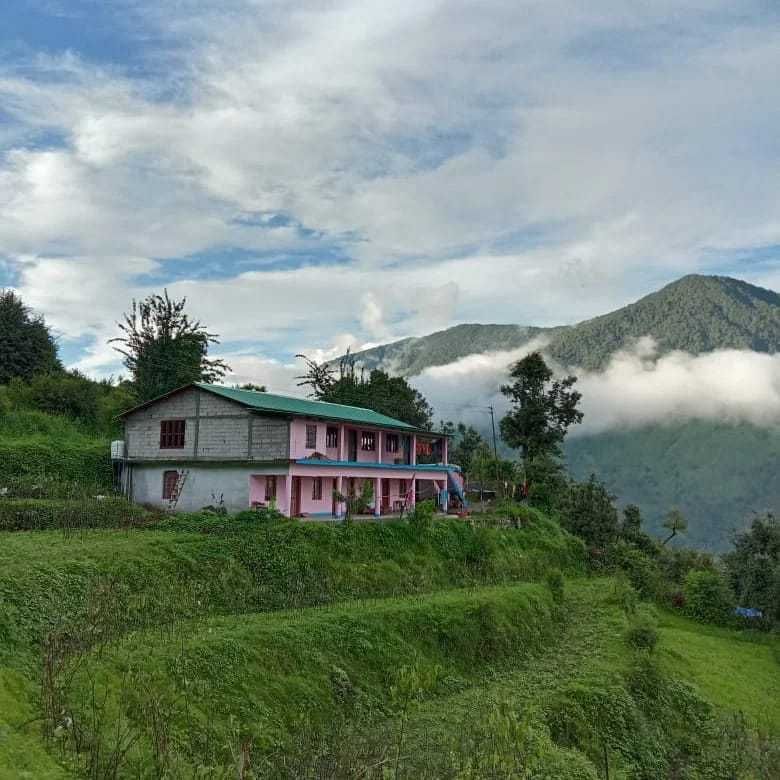
In the lower staging villages and transit towns such as Lohajung and adjacent foothill hamlets, accommodation is far more accessible. You will find simple village homestays, traditional mountain lodges, and established seasonal campsites run by welcoming local hosts. These base stays offer nourishing home-cooked meals, hot water, and a comfortable bed before you venture into the wild. Travellers looking to reserve homestays, rural retreats, and curated base camps in the region can find verified listings on HireACamp.
Frequently asked questions
Where is Sukeram Glacier located?
Sukeram Glacier is situated at high altitude in the mountainous wilderness of Uttarakhand, India, near prominent Himalayan peaks such as Panwali Dwar, Trisul, and Nanda Devi.
What is the best time of year to visit Sukeram Glacier?
The best times to plan a visit are the pre-monsoon summer season from late May to June and the post-monsoon autumn period from September to October, when weather conditions are most stable.
Is a visit to Sukeram Glacier suitable for beginners?
No, reaching Sukeram Glacier involves strenuous high-altitude trekking across loose moraines, steep scree, and unpredictable glacial ice, making it suitable only for experienced, physically fit trekkers and mountaineers.
Do I need permits to trek toward Sukeram Glacier?
Permits and environmental clearances may be required by forest authorities and local administrative departments because the region lies near protected mountain zones, so travellers should check regulations locally before travel.
Where can travellers stay while exploring the area around Sukeram Glacier?
In the upper valleys around the glacier, visitors must stay in self-pitched expedition tents, while base hamlets and valley towns offer homestays and camping options that can be booked on HireACamp.
Where you'll be
Uttarakhand · 2 stays nearby shown with prices
Stays near Sukeram Glacier
Book a place to stay close by
More places near Sukeram Glacier
Within 20 km
Built from 0 Instagram posts by 0 creators. Every tip links back to the post it came from, and where creators disagree we show both sides.






