
Sili Samudra Glacier
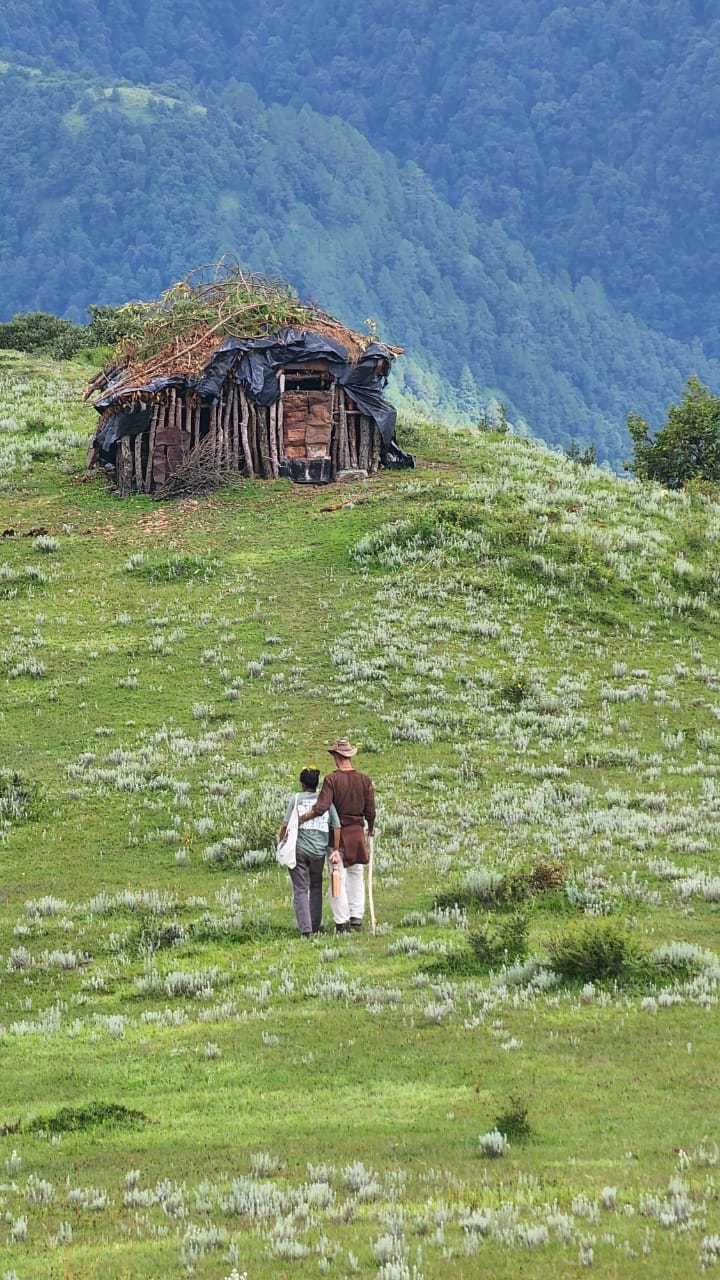
Nature near Wan, Uttarakhand
12 km from Wan
The nearest town, for stays, food and fuel.
Sili Samudra Glacier is an expansive high-altitude glacial field located in the Chamoli region of Uttarakhand, set deep within the Garhwal Himalayas. True to its name, which translates to an ocean of stones, the glacier is characterized by immense boulder fields, lateral moraines, and glacial ice lying under the towering shadows of Mount Trishul and Nanda Ghunti. Adventure seekers and mountaineers journey to this remote expanse to witness one of the most rugged, untouched alpine wilderness terrains in northern India.
Getting there
By road
- From WanNearest town2 hr 55 min · 72 km
- From Dehradun7 hr 20 min · 306 km
- From New Delhi10 hr 35 min · 519 km
- From Chandigarh11 hr · 476 km
Typical drive times without traffic. Stations and airports from OLA Maps; distances and typical drive times from OpenStreetMap (© OpenStreetMap contributors); notes from creators' Reels.
About Sili Samudra Glacier
Written with AI from map data and general knowledge. Check prices and timings locally before you go.
The Landscape of Sili Samudra Glacier
Sili Samudra Glacier sits in an amphitheatre formed by some of the most formidable peaks in the Indian Himalayas. Unlike smooth sheets of white ice, this glacier is predominantly covered by extensive deposits of scree, grey rock, and massive boulders carried down by glacial movements over millennia. The name Sili Samudra, or Shila Samudra, translates directly to a sea of rocks, accurately describing the surreal, almost lunar topography that stretches across the valley.
The environment here is stark, severe, and untamed. Towering above the glacial floor are sheer rock faces and snow-draped ridges, with the Trishul massif commanding the horizon. Small meltwater streams and glacial tarns form transient patterns among the moraine rubble during warmer periods, while cold katabatic winds regularly sweep through the basin, making it a dramatic realm of ice, stone, and silence.
Trekking and High-Altitude Routes
Reaching Sili Samudra Glacier is an arduous multi-day expedition that demands genuine mountain discipline and physical endurance. The glacier is most famously traversed on the traditional pilgrim trail of the historic Nanda Devi Raj Jat Yatra, lying beyond the high ridgelines of Junargali and Roopkund, as the route pushes forward toward Homkund.
Navigating the glacier involves scrambling over unstable moraine, negotiating steep scree gullies, and crossing loose boulder fields where established footpaths rarely exist. Because of shifting ice and changing weather patterns, the terrain is dynamic and demands the presence of experienced mountain guides. The reward for this demanding journey is an overwhelming sense of isolation and unparalleled views of hanging glaciers and icefalls plunging down the northern flanks of Trishul.
Read more
Flora and Fauna of the Alpine Wilderness
Due to its extreme altitude and permafrost conditions, the immediate vicinity of Sili Samudra Glacier supports almost no conventional vegetation. As you transition above the tree line and upper alpine meadows, known locally as bugyals, the grassy slopes give way entirely to bare rock, lichen, and cold-resistant mosses clinging to boulders.
Despite the harsh conditions, the broader region forms part of an interconnected high-mountain ecosystem. Elusive wildlife such as the Himalayan bharal, or blue sheep, can occasionally be spotted navigating sheer cliff faces at lower perimeter ridges. Birdlife includes high-altitude specialists like the Himalayan monal, snow partridge, and grand raptors such as the golden eagle and lammergeier circling overhead against the mountain thermals.
Best Time to Visit Sili Samudra Glacier
The window for venturing into the high terrain around Sili Samudra Glacier is very narrow, limited primarily to pre-monsoon and post-monsoon months. The summer window opens from late May to June, when winter snowpacks begin to melt sufficiently to allow safe navigation through the high passes, though sections of hard snow and cold conditions remain persistent.
Autumn, from September to early October, provides the clearest weather and the crispest mountain vistas. Post-monsoon days tend to feature deep blue skies and stable atmospheric conditions before bitter winter cold and heavy snowfall seal off access entirely by late October. Trekkers should completely avoid the peak monsoon months of July and August, when heavy cloud cover, landslides in lower valleys, and rain-slicked rock make high-altitude glacier travel hazardous.
How to Reach Sili Samudra Glacier
Accessing Sili Samudra Glacier requires a combination of long overland travel across Uttarakhand followed by several days of remote self-supported trekking. The overland journey typically begins from major transit hubs such as Rishikesh, Haridwar, or Dehradun, which are well-connected by road, railway, and air services. From these plains hubs, the road route follows the Alaknanda and Pindar river valleys toward mountain roadheads like Wan or Lohajung in the Chamoli district.
From the trekking base villages, travellers hike upward through oak and rhododendron woodlands, across expansive high-altitude alpine meadows such as Bedni Bugyal and Ali Bugyal, and past Roopkund before crossing over the high Junargali pass into the boulder-strewn basin of Sili Samudra. Because there are no roads, mechanical transport, or permanent settlements anywhere near the glacier, thorough planning for logistics, porters, and rations is vital.
Tips for Trekking to Sili Samudra Glacier
Because of the remote setting and elevation, thorough preparation is mandatory for anyone attempting to approach Sili Samudra Glacier. Acclimatization must be built into your itinerary, with scheduled rest days at intermediate elevations to prevent the onset of Acute Mountain Sickness. Travellers should carry layered technical clothing, including thermal base layers, a down jacket, a sturdy windproof outer shell, and waterproof mountaineering boots with firm ankle support.
Self-sufficiency is paramount. Trekkers must carry reliable four-season expedition tents, sub-zero sleeping bags, camp stoves, and adequate food rations, as there are no tea stalls or rest shelters on the glacier. Always travel with an experienced mountain guide who is familiar with moraine navigation and rope craft. Ensure all necessary forest and local administration clearances are secured before your departure, and follow strict Leave No Trace principles to preserve this pristine alpine environment.
Places to Visit Nearby
The Chamoli region surrounding the glacier is rich in natural grandeur and ancient pilgrimage geography. In the broader area rises the sacred Nanda Devi Peak, the second-highest mountain in India, visible from several high ridgelines throughout the region. Further west, the trail toward the Rudranath Trek offers a contrasting landscape of mystical rhododendron forests, granite cliffs, and high alpine meadows leading to one of the revered Panch Kedar temples.
For mountaineers seeking training climbs and panoramic vantage points, Pangarchula Peak Base Camp provides access to sweeping panoramas of the Greater Himalayas. Down in the cultural heartlands of the district, historic shrines like the Nanda Devi Siddhpeeth at Kurur anchor the living heritage and rituals of the local hill communities.
Where to Stay
There are no permanent hotels, guesthouses, or built accommodations of any kind at or immediately adjacent to Sili Samudra Glacier. All nights spent near the glacier require self-contained wilderness camping in sturdy tents pitched on relatively flat patches of moraine or alpine ground.
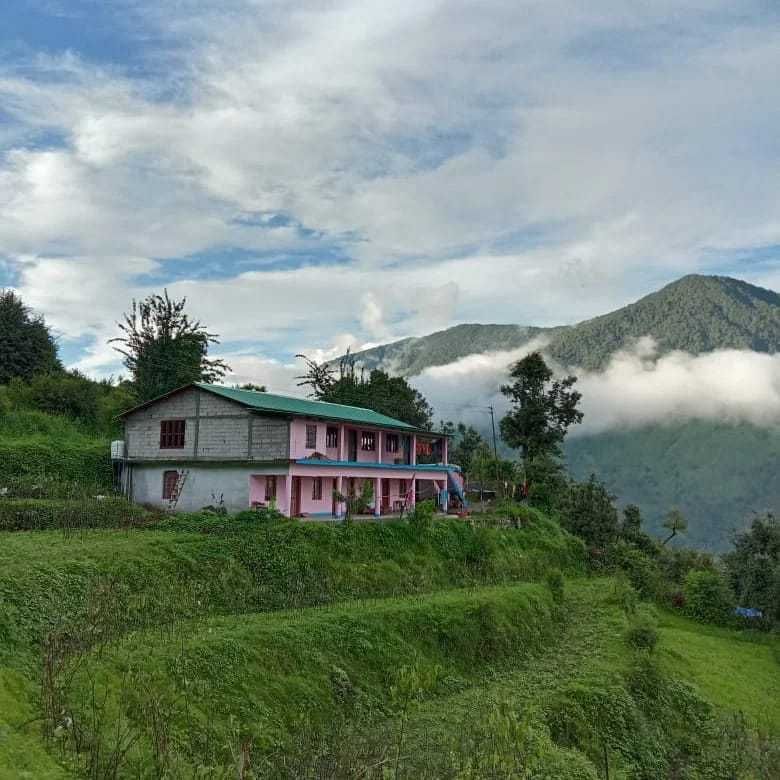
Before embarking on the wilderness section of the journey, travellers base themselves in gateway villages and nearby hill towns such as Wan, Lohajung, or Tharali. You can find traditional homestays, riverside camps, and local guesthouses across these lower staging areas listed on HireACamp. Staying with local families in these villages gives you an opportunity to experience Garhwali hospitality while finalizing supplies and logistics for your trek.
Frequently asked questions
What does the name Sili Samudra mean?
Sili Samudra, also referred to as Shila Samudra, translates to 'Ocean of Stones' or 'Sea of Rocks' in the local dialect, referring to the massive expanse of boulders and moraine debris that covers the glacial floor.
Where is Sili Samudra Glacier located?
It is located in the Chamoli district of Uttarakhand in the Garhwal Himalayas, sitting beyond the Junargali ridge and Roopkund under the northern aspect of Mount Trishul.
Can beginners trek to Sili Samudra Glacier?
No, this is a demanding high-altitude route suitable only for experienced trekkers who have high physical fitness, prior high-altitude experience, and proper alpine guidance.
Are permits required to visit Sili Samudra Glacier?
Yes, high-altitude trekking in this region generally requires clearances and fees managed by the local forest department and administration; you should confirm current permit protocols locally prior to departing.
Is accommodation available at Sili Samudra Glacier?
There are no built structures or commercial accommodations at the glacier, meaning travellers must be fully self-reliant with expedition-grade camping gear. Staging stays in nearby villages can be found on HireACamp.
Where you'll be
Uttarakhand · 2 stays nearby shown with prices
Stays near Sili Samudra Glacier
Book a place to stay close by
More places near Sili Samudra Glacier
Within 20 km
Built from 0 Instagram posts by 0 creators. Every tip links back to the post it came from, and where creators disagree we show both sides.






