
Sukhiapokhri
Destination in West Bengal
Sukhiapokhri is a peaceful hillside settlement situated in the Darjeeling district of West Bengal, close to the border between India and Nepal. Perched at an elevation of over two thousand metres, it is known for its cool climate, dense pine and hemlock forests, and swirling mountain mists. Travellers visit Sukhiapokhri to escape the busier hubs of northern Bengal, enjoy scenic forest walks, and explore the tranquil trails that thread through the eastern Himalayas.
Getting there
About Sukhiapokhri
Written with AI from map data and general knowledge. Check prices and timings locally before you go.
Understanding Sukhiapokhri
Sukhiapokhri, often spelt Sukhia Pokhari, sits on an undulating mountain ridge that connects the bustling tea country of Darjeeling with the tranquil lakeside slopes of Mirik. For generations, the settlement has served as a quiet trading crossroads for local mountain communities and villages situated across the nearby international border with Nepal.
The landscape around Sukhiapokhri is characterised by tall conifers, deep valleys, and damp cloud forests that create a moody, atmospheric setting throughout much of the year. Unlike the larger hill stations nearby, life here moves at a gentler, unhurried pace. Visitors will find small wooden homes perched on green slopes, terraced potato patches, and winding roads that are frequently wrapped in thick fog, offering a glimpse into everyday Eastern Himalayan hill culture.
Things to do in and around Sukhiapokhri
One of the most rewarding ways to experience Sukhiapokhri is on foot. The town is flanked by towering stands of pine, dhupi, and oak trees laced with moss. Walking along the quiet roads leading out of the settlement allows you to take in the clean mountain air, listen to birdsong, and watch mist roll silently through the forest canopy.
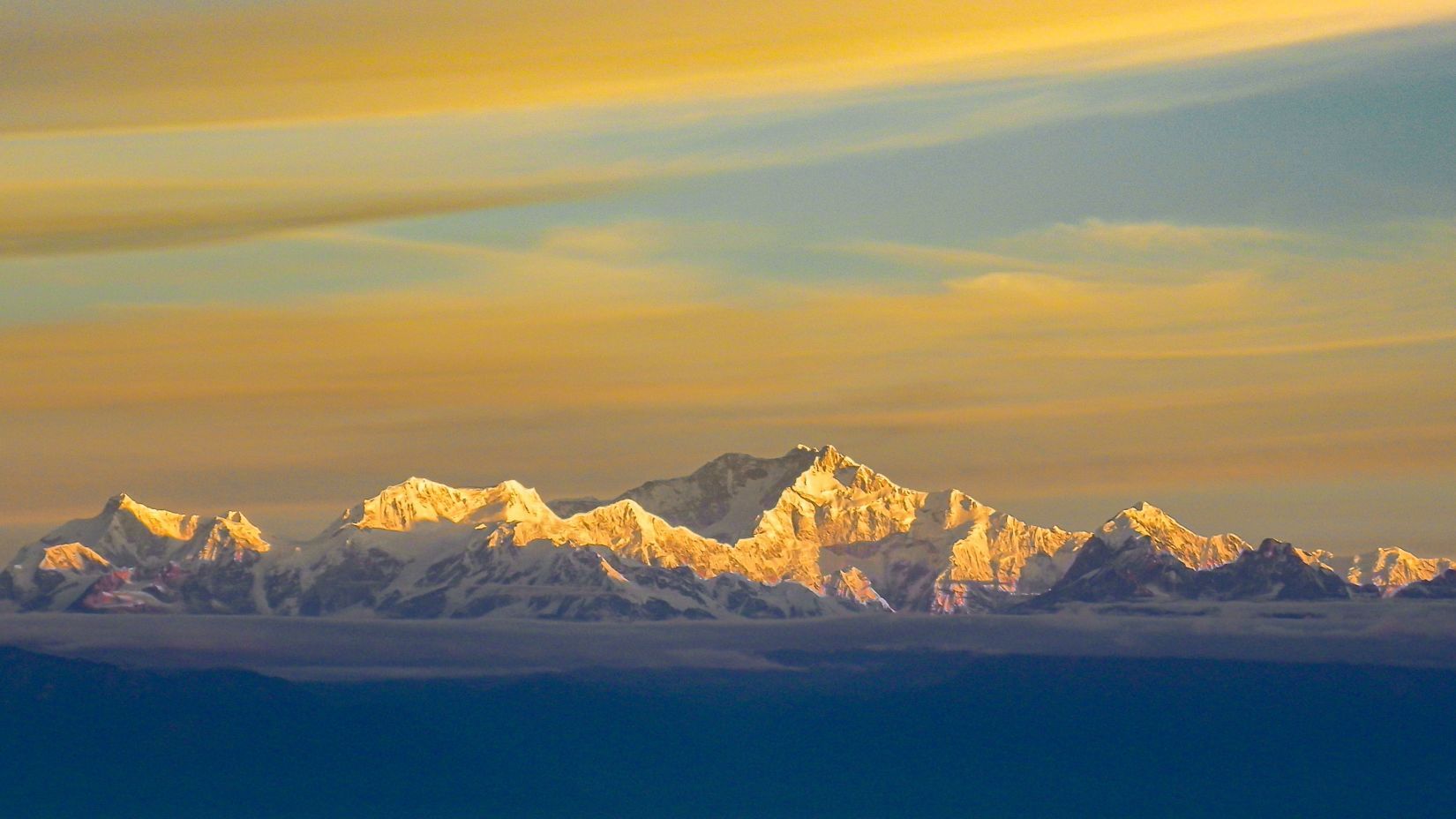
A short distance from the main junction lies Jorpokhri, famous for its twin water bodies and sweeping panoramas of the Kanchenjunga range on clear mornings. The ponds here are culturally revered and are known as a protected habitat for the rare Himalayan salamander, a relict amphibian species found in high-altitude wetlands. The surrounding landscaped park and forested promenades make it a wonderful spot for a relaxed morning stroll.
Exploring the local bazaar gives travellers an authentic taste of community life in the hills. The weekly markets see villagers bringing fresh local produce, seasonal wild greens, and handmade mountain snacks. It is an ideal setting to sip freshly brewed hill tea and observe the warm, welcoming pace of life that defines this border region.
Read more
Places to explore nearby
Sukhiapokhri makes a convenient staging ground for exploring the wider Darjeeling region without staying in crowded town centres. Just down the road lies Ghum, famous for its heritage railway station on the Darjeeling Himalayan Railway network and the historic Ghum Monastery, one of the oldest Tibetan Buddhist monasteries in the area.
Heading slightly further towards Darjeeling opens access to iconic sights like Batasia Loop, where the toy train makes an engineered spiral against panoramic mountain views, and the Peace Pagoda and Japanese Buddhist Temple nestled amidst quiet cedar groves. Wildlife enthusiasts can visit the Padmaja Naidu Himalayan Zoological Park to learn about regional conservation programmes for high-altitude species such as the red panda and snow leopard.
For outdoor day trips, the pine groves and landscaped slopes of Lamahatta provide quiet nature walks and viewpoints. Further south along the scenic ridge highway, the placid waters of Sumendu Lake in Mirik offer boating and walking trails fringed by cardamom gardens and tea estates.
Best time to visit Sukhiapokhri
Spring, which runs from March through May, is one of the best times to visit Sukhiapokhri. During these months, the daytime temperatures are mild and pleasant, and the hillsides come alive with blossoming rhododendrons, magnolias, and wild orchids. The skies are generally clearer, offering good chances of spotting distant snow-capped peaks in the early mornings.
Autumn, from October to late November, brings crisp mountain breezes, exceptionally clear visibility, and deep blue skies following the monsoon rains. This period is favoured by photographers and landscape lovers seeking panoramic mountain vistas across the valley ridges.
Monsoon season brings intense rainfall from late June to September, turning the forests lush and vivid green while bringing near-constant mist. While beautiful for travellers who enjoy dramatic weather and isolation, landslides can occasionally disrupt mountain transit. Winter lasts from December through February and can be biting cold, with temperatures dipping near freezing at night, requiring heavy thermal layers.
How to reach Sukhiapokhri
The nearest railway junction is New Jalpaiguri, while the closest domestic airport is Bagdogra, both situated on the plains near Siliguri. From either transit hub, visitors can hire private or shared vehicles heading up into the hills toward Darjeeling or Mirik.
The drive ascends through tea gardens and forested foothills before reaching the ridge roads of the district. Travel times vary depending on weather conditions and mountain traffic, so it is advisable to start journeys early in the day. Sukhiapokhri is also well linked by local shared jeeps that operate regularly between Ghum, Mirik, Darjeeling town, and nearby border crossings.
Where to stay in Sukhiapokhri
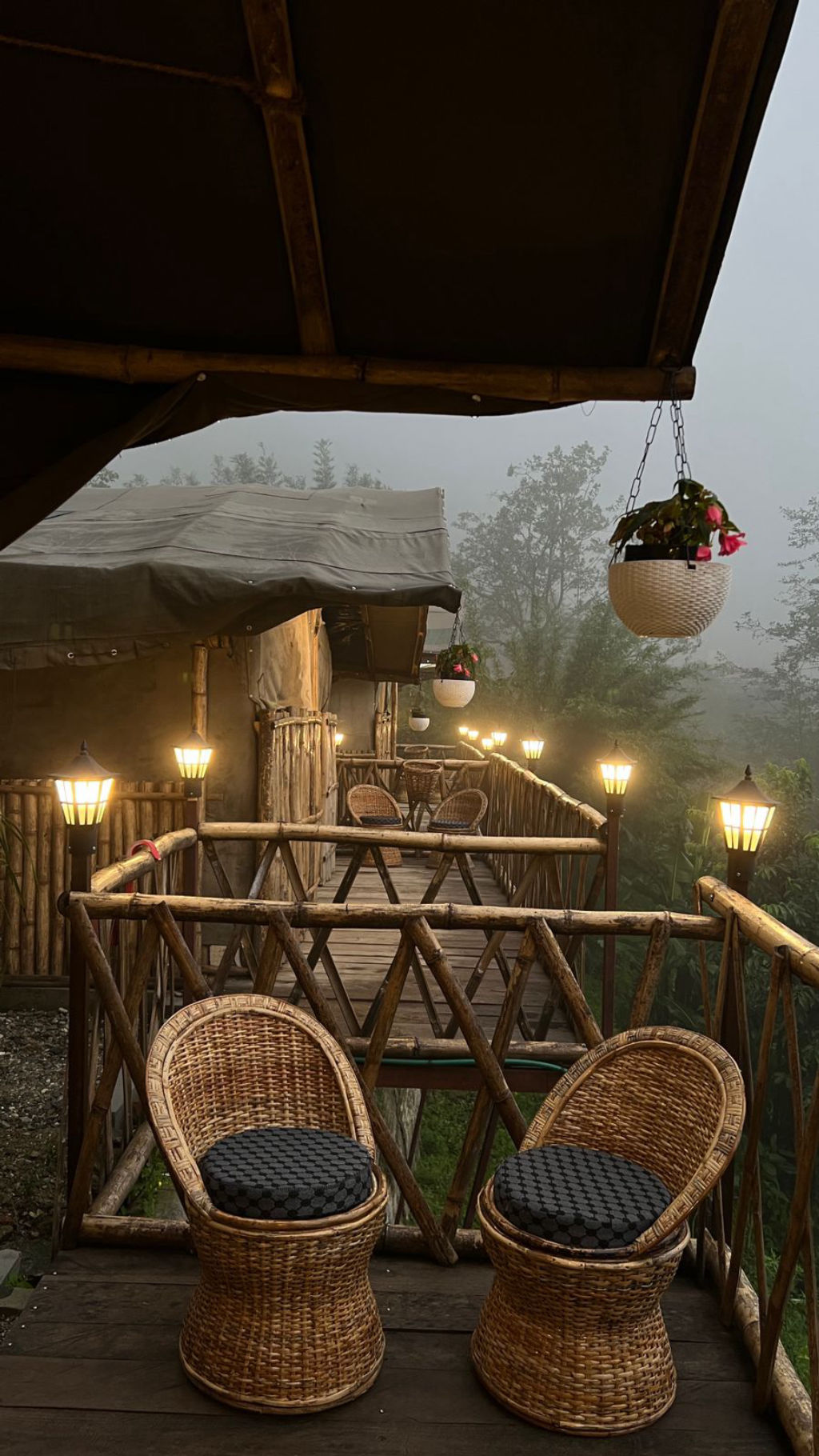
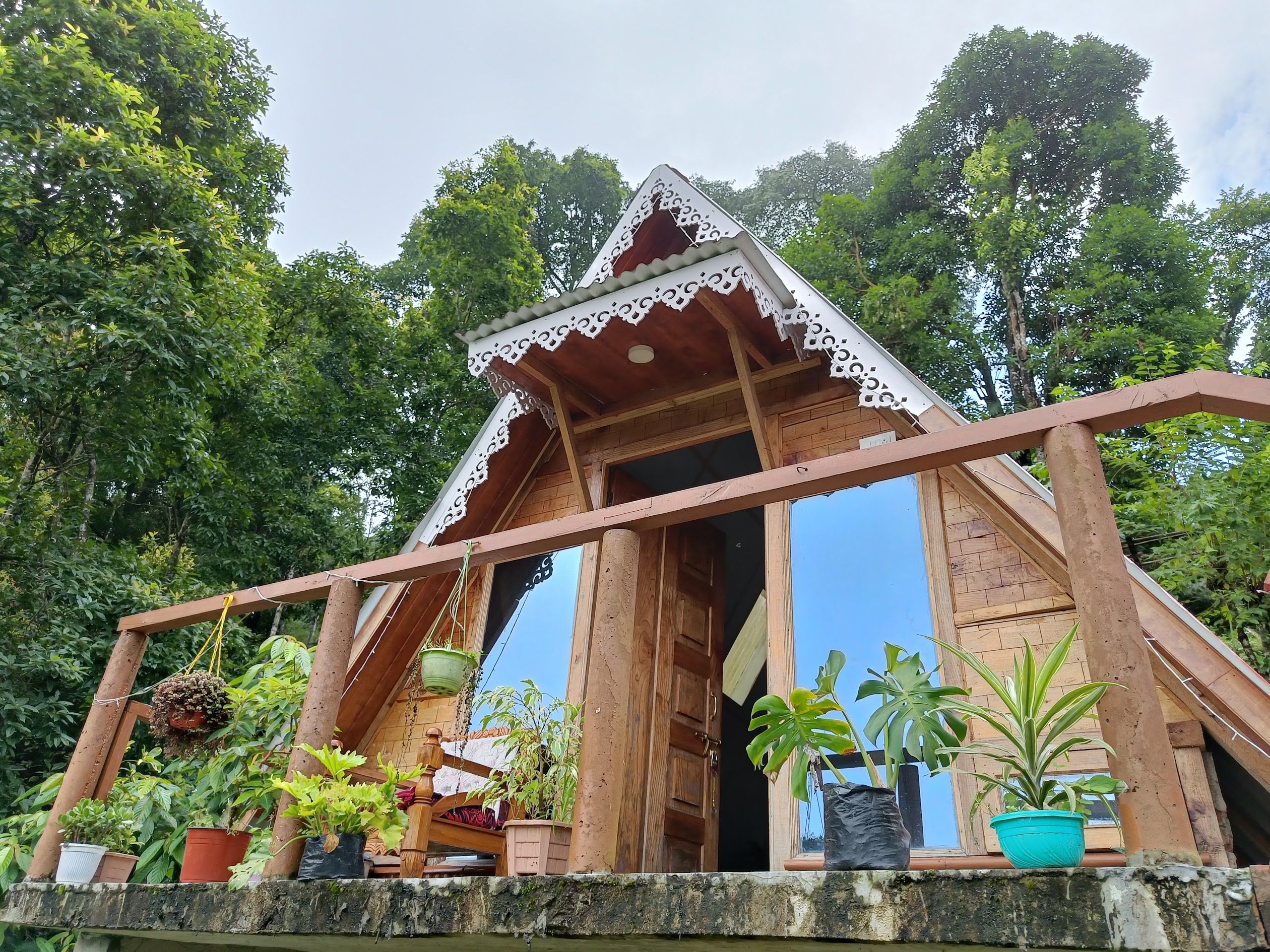
Accommodation around Sukhiapokhri largely consists of warm, family-run homestays, hillside retreats, and rustic village stays scattered through the neighbouring settlements and forests. Staying with a local host offers deep insight into local cuisine, traditions, and hill farming.
If you prefer falling asleep to the rustle of pine needles and waking up to misty valleys, you can find quiet campsites, charming nature homestays, and outdoor stays around Sukhiapokhri on HireACamp. Booking in advance is recommended during peak spring and autumn holiday seasons.
Tips for your visit
Weather in Sukhiapokhri can change quickly, shifting from sunshine to dense mist or brief showers within minutes. Carrying windproof jackets, an umbrella, and warm fleece layers is recommended regardless of the season you choose to travel in.
ATMs and card payment terminals can sometimes experience connectivity dropouts in smaller hill towns, so carrying adequate cash for local transit, small eateries, and daily purchases is wise. Finally, respect the fragile high-altitude ecology by staying on designated paths, packing out your plastic waste, and avoiding disturbing wildlife in the forests and ponds.
Frequently asked questions
What is Sukhiapokhri known for?
Sukhiapokhri is known for its cool hill climate, mist-covered pine forests, peaceful atmosphere, and proximity to Jorpokhri, home to the rare Himalayan salamander.
How far is Sukhiapokhri from Darjeeling?
Sukhiapokhri is situated approximately eleven kilometres southwest of Darjeeling town, making it easy to visit as a quiet day excursion or peaceful base.
Does it get very cold in Sukhiapokhri?
Yes, because Sukhiapokhri sits at an elevation of more than two thousand metres, winter temperatures can drop near freezing, and even summer evenings can feel quite chilly.
What should I pack for a trip to Sukhiapokhri?
Pack sturdy walking shoes, warm clothing such as fleeces and woollens, a windbreaker or rain jacket, and sufficient cash for local transport and small shops.
Where can I book stays near Sukhiapokhri?
You can find and book authentic village homestays, nature retreats, and outdoor campsites around Sukhiapokhri on HireACamp.
Where you'll be
4 stays nearby shown with prices
Stays near Sukhiapokhri
Book a place to stay close by

Things to do in Sukhiapokhri
40 places creators recommend within 30 km


Lists for this area
Ranked by how many creators recommend each place


Built from 0 Instagram posts by 0 creators. Every tip links back to the post it came from, and where creators disagree we show both sides.






