
Surajkund
Lake near Pul Pehlad, Delhi
1.9 km from Pul Pehlad
The nearest town, for stays, food and fuel.
Surajkund is an ancient stepped reservoir set against the rocky terrain of the Aravalli hills near the Delhi-Haryana border. Built in the tenth century by the Tomar dynasty, it was created as a water-harvesting basin and a dedicated sun pond. Visitors come here to explore its impressive semi-circular stone masonry, enjoy peaceful walks, and discover one of the oldest surviving medieval structures in the National Capital Region.
Getting there
By road
- From Pul PehladNearest town10 min · 2.1 km
- From New Delhi1 hr 5 min · 28 km
- From Dehradun3 hr 45 min · 245 km
- From Jaipur4 hr 30 min · 275 km
Typical drive times without traffic. Stations and airports from OLA Maps; distances and typical drive times from OpenStreetMap (© OpenStreetMap contributors); notes from creators' Reels.
About Surajkund
Written with AI from map data and general knowledge. Check prices and timings locally before you go.
The history and architecture of Surajkund
Surajkund, which translates to Lake of the Sun, is widely attributed to the Tomar chieftain King Suraj Pal, who ruled this region during the tenth century before the rise of the Delhi Sultanates. The site was conceived both as a practical hydraulic intervention designed to harvest rainwater streaming down from the surrounding Aravalli hills and as a sacred reservoir dedicated to the sun god Surya.
The layout of the reservoir is distinct from conventional stepwells found in northern India. Constructed with local quartzite stone, the embankment forms a massive semi-circular amphitheatre that descends toward the central basin in stepped concentric tiers. Intermittent flights of stairs, stone ramps, and raised terraces define the perimeter. While the sun temple that historically crowned the western side has weathered into ruin, the surviving masonry showcases the sophisticated water-engineering capabilities of early medieval communities in the region.
The landscape and natural setting of Surajkund
Surajkund is situated within the Northern Aravalli ridge, which represents one of the world's most ancient mountain chains. The environment surrounding the stone reservoir is characterized by rolling quartzite ridges, thorn-scrub woodlands, and dry deciduous vegetation that thrives in rocky soil.
Historically, natural channels guided monsoon runoff from the higher hills directly into the reservoir basin. Although seasonal rainfall determines the water level inside the tank today, the surrounding terrain offers a remarkably rugged contrast to the built-up urban centers of Delhi and Faridabad. During and immediately following the monsoon, the dry hills turn lush and green, drawing resident and migratory birds such as peacocks, parakeets, and spotted owlets, making the area appealing for quiet outdoor walks.
Read more
Best time to visit Surajkund
The most comfortable time to visit Surajkund is during the cooler months from October to March. Throughout the northern winter, daytime temperatures remain moderate and pleasant, providing ideal conditions for climbing the stone terraces and exploring the surrounding open landscapes. Morning hours often carry a cool breeze, while late afternoons offer soft golden light that accentuates the stone architecture.
February is a particularly lively month in the area, as traditional craft and cultural celebrations take place nearby, drawing artisans and visitors from across the country. In contrast, the summer period from April through June can be intensely hot and arid, with midday temperatures regularly climbing past forty degrees Celsius. The monsoon months from July to September bring relief from the summer heat and revitalise the local vegetation, though travelers should expect occasional humidity and muddy paths around the outer ridge.
How to reach Surajkund
Surajkund sits close to the southern boundary of Delhi, near the town of Pul Pehlad in Haryana, making it easily reachable from various points across the National Capital Region. The monument connects smoothly to South Delhi through Mehrauli-Badarpur Road and the dedicated Surajkund Road corridor, allowing straightforward transit by personal vehicle or cab from neighbourhoods like Saket and Greater Kailash.
Travelers arriving from Indira Gandhi International Airport can reach Surajkund by road in approximately forty to sixty minutes under typical traffic conditions. For those relying on public transport, the Delhi Metro network provides access via stations on the Violet Line situated along the Delhi-Faridabad border. From the nearest metro halts, local auto-rickshaws and app-based taxis provide quick connections directly to the site.
Tips for your visit to Surajkund
Because Surajkund features wide stone tiers and uneven masonry steps, wearing sturdy walking shoes with reliable grip is essential for safely navigating the reservoir. The open grounds offer minimal tree shade near the water basin, so carrying drinking water, a wide-brimmed hat, and sun protection is advisable, especially during sunny afternoons.
Ticketing requirements, opening hours, and photography regulations can change periodically, so visitors are encouraged to check current guidelines on the ground upon arrival. For the most tranquil experience and unobstructed views of the ancient stepped architecture, consider arriving during early morning hours on weekdays before larger groups arrive.
Places to visit around Surajkund
Thanks to its location on the edge of South Delhi, Surajkund makes an excellent starting point for exploring prominent cultural and natural landmarks in the area. Just eight kilometers away stands the Bahá’í Lotus Temple, world-renowned for its petal-inspired marble design and peaceful grounds. Nearby, The Garden of Five Senses offers themed landscapes, sculptures, and garden walks across roughly twenty acres.
Those interested in architecture and heritage can easily venture into the historic enclaves of Mehrauli and Hauz Khas, both located ten to twelve kilometers away. Key sites include the Qutab Minar complex, the expansive Mehrauli Archaeological Park, and the lakeside ruins of Hauz Khas Fort. Moving slightly north, travelers can also reach the grand garden pavilions of Humayun’s Tomb and Sunder Nursery within an easy drive.
Where to stay near Surajkund
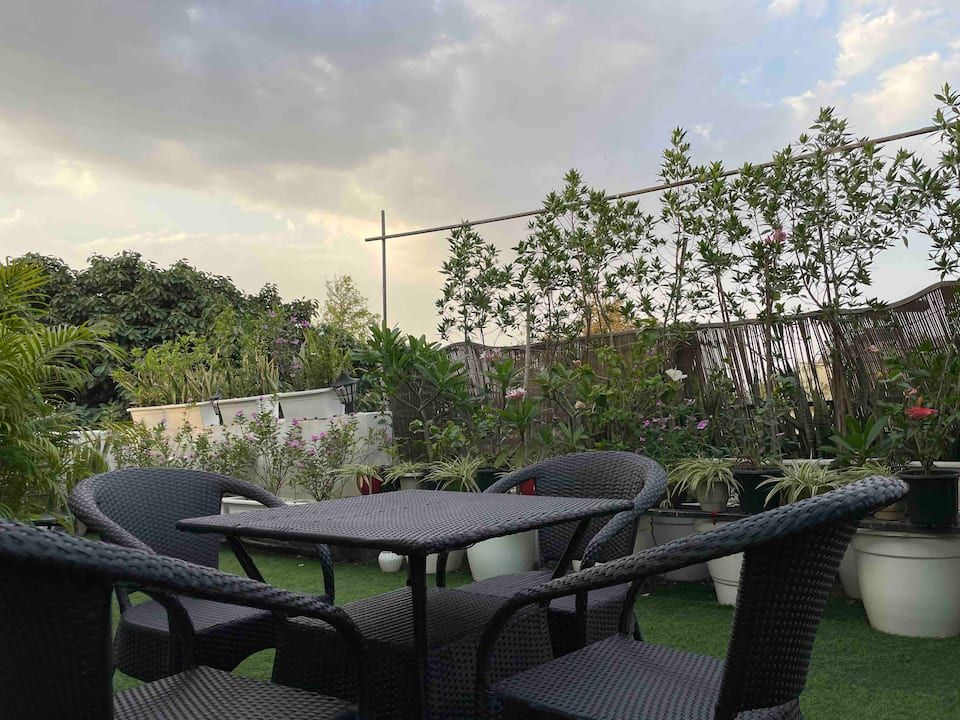
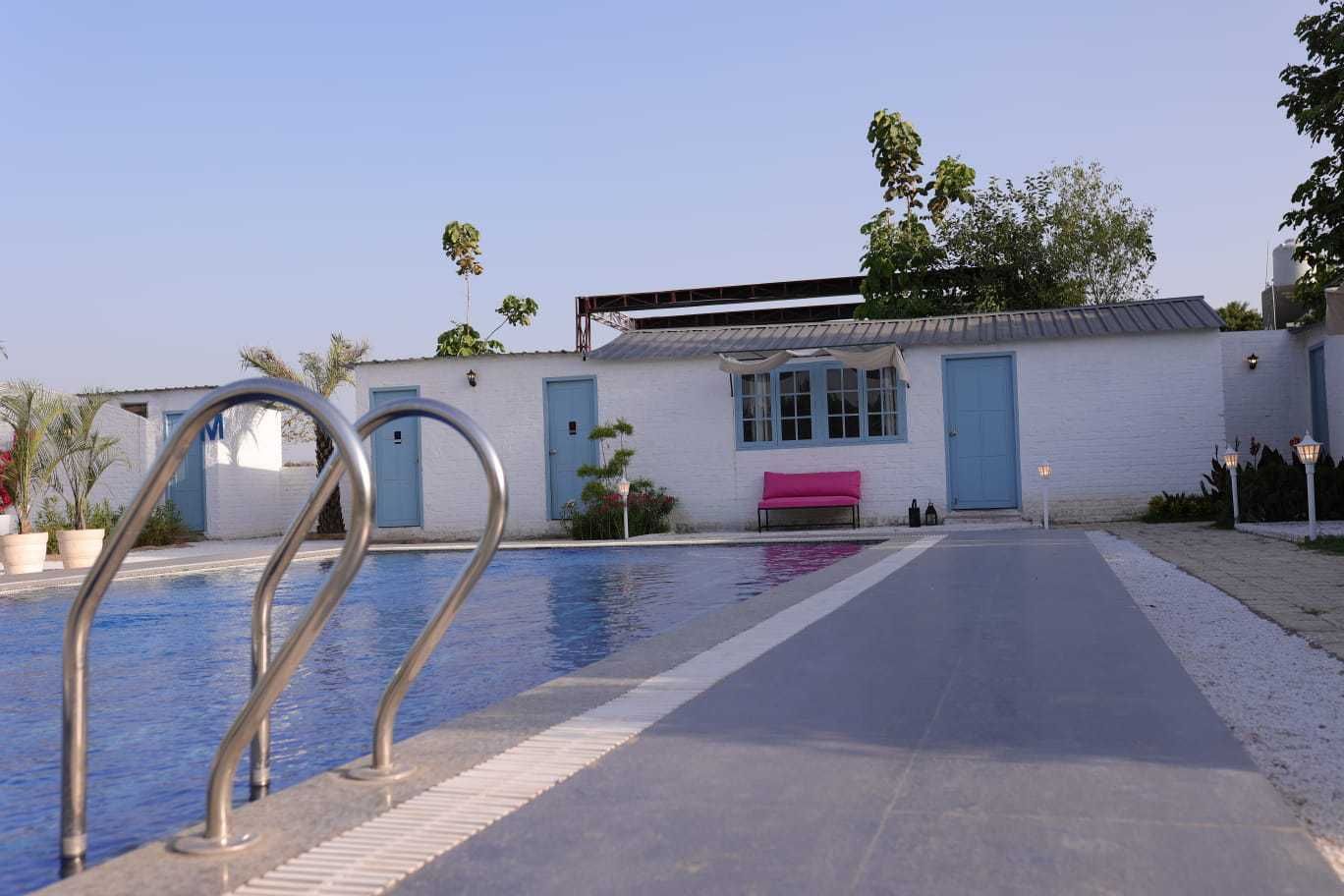
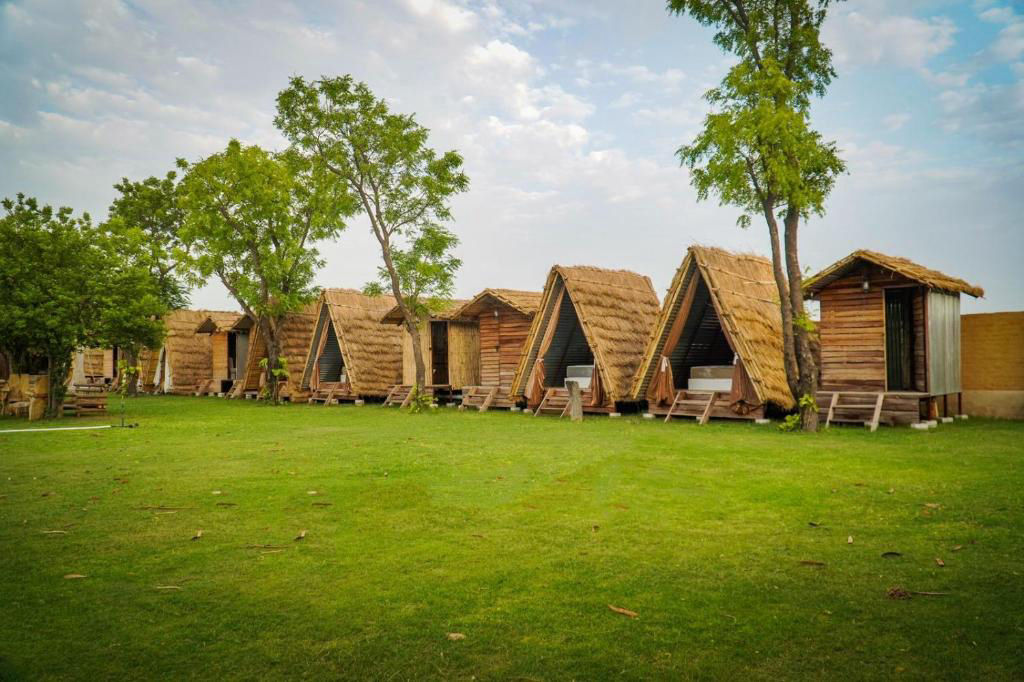
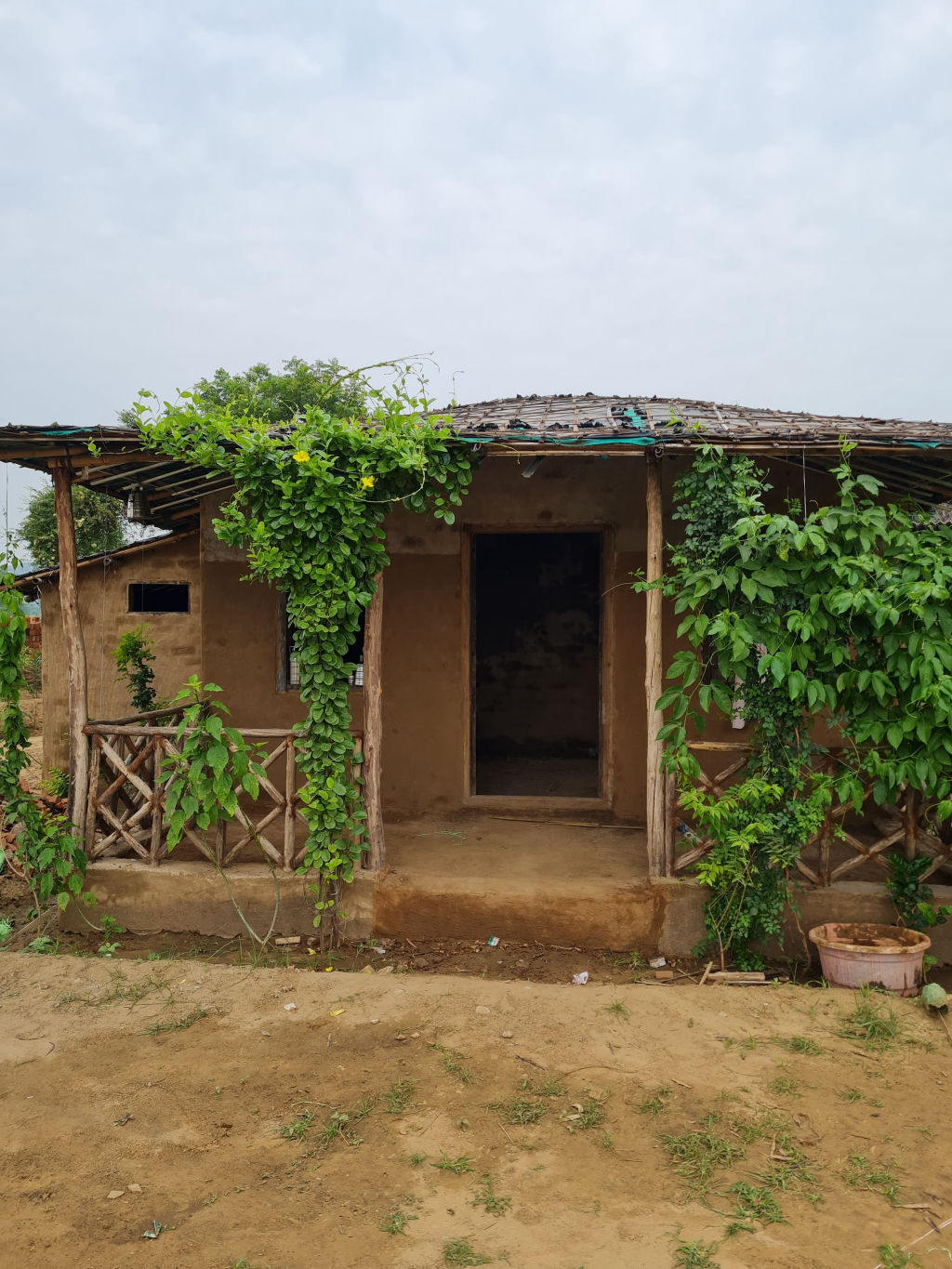
Travelers planning an overnight escape or a weekend retreat around Surajkund have a diverse selection of stays within the surrounding green belt. Choosing accommodation along the Aravalli fringe allows you to escape dense city noise while remaining within easy reach of regional sights.
Whether you are looking for peaceful campsites close to the scrub forests, nature-oriented weekend getaways, or cozy homestays, you can explore and book suitable options on HireACamp. Staying nearby provides an unhurried start to your morning exploration and lets you unwind amidst open skies.
Frequently asked questions
What is Surajkund famous for?
Surajkund is famous as an ancient tenth-century stepped reservoir built by the Tomar rulers, renowned for its amphitheatre-like design and its historical role in regional water harvesting.
Where is Surajkund located?
Surajkund is located in the Aravalli hill belt of Haryana near Pul Pehlad, right along the southern border of Delhi.
When is the best time of year to visit Surajkund?
The best time to visit is between October and March, when the weather is pleasantly cool and suitable for walking around the stone terraces.
How do I reach Surajkund by public transport?
You can take the Delhi Metro Violet Line toward the Delhi-Faridabad border stations, and then complete the remaining short distance using an auto-rickshaw or taxi.
Are there other historic sites near Surajkund?
Yes, historic attractions such as Qutab Minar, Mehrauli Archaeological Park, the Lotus Temple, and Hauz Khas Fort are all located within eight to twelve kilometers of Surajkund.
Where you'll be
Haryana · 4 stays nearby shown with prices
Stays near Surajkund
Book a place to stay close by
More places near Surajkund
Within 20 km


Lists for this area
Ranked by how many creators recommend each place


Built from 0 Instagram posts by 0 creators. Every tip links back to the post it came from, and where creators disagree we show both sides.






