
Taragarh Hill
Peak near Taragarh, Rajasthan
4.4 km from Taragarh
The nearest town, for stays, food and fuel.
Taragarh Hill rises prominently above the rugged Aravalli landscape in central Rajasthan, offering commanding vantage points over the plains and historical settlements below. Renowned for its imposing hill fortress and panoramic vistas, the summit draws hikers, history buffs, and pilgrims seeking quiet horizons and sweeping views. Its strategic perch and windswept slopes make it a rewarding destination for exploring the dramatic topography of Rajasthan.
Getting there
By road
- From TaragarhNearest town34 min · 9 km
- From Jaipur3 hr 30 min · 151 km
- From Jodhpur4 hr 15 min · 195 km
- From New Delhi7 hr 40 min · 465 km
Typical drive times without traffic. Stations and airports from OLA Maps; distances and typical drive times from OpenStreetMap (© OpenStreetMap contributors); notes from creators' Reels.
About Taragarh Hill
Written with AI from map data and general knowledge. Check prices and timings locally before you go.
About Taragarh Hill
Taragarh Hill stands as one of the most prominent natural landmarks in this pocket of Rajasthan, crowning the arid ridges of the ancient Aravalli range. Towering over the low-lying settlements including Boraj and nearby heritage hubs, the summit has held immense military and cultural value for centuries. The high crest is crowned by the remnants of medieval battlements, stone ramparts, and historic bastions that have weathered centuries of conflicts and political shifts across central Rajasthan.
Today, travellers visit the hill not only to trace the contours of historic fort architecture but also to absorb the expansive geographical perspectives it affords. On clear mornings, you can watch the sunrise break across the rugged hills and cast long shadows over the sandy plains and distant water bodies. The windswept elevation provides a brisk respite from the dry warmth of the lower plains, making it an evocative spot to linger and take in the natural contours of the desert terrain.
Landscape and Nature along the Trail
The slopes of Taragarh Hill showcase the distinctive semi-arid ecosystem characteristic of the Aravalli belt. The vegetation consists predominantly of scrub forest, thorny acacia bushes, rugged desert shrubs, and seasonal wildflowers that shoot up following monsoonal showers. The rocky outcrops are composed of weathered metamorphic stone, worn smooth by dry gusts and baking sunlight over millennia.
Wildlife sightings along the higher ridges often include common desert and scrub bird species such as grey francolins, babblers, peafowl, and raptors riding the thermals generated along the hill's sheer faces. Langurs and macaques frequently roam the upper ruins and steps, foraging among the rocky crevices. The quiet paths away from vehicular roads offer a calm natural environment where the rustle of dry grass and the calls of native birds dominate the air.
Read more
Things to Do at Taragarh Hill
Reaching the crest of Taragarh Hill is an activity in itself, whether you choose to hike along stone steps and winding pathways or navigate the winding mountain road. Exploring the crumbling parapets, massive gate arches, and old rainwater reservoirs offers a hands-on glimpse into the military engineering of past eras. The ramparts provide remarkable photographic vantage points, particularly during late afternoons when warm golden light bathes the stone architecture.
Sunset watching is a quintessential experience atop the hill. As dusk falls, visitors gather along the western edges to see the desert landscape shift in colour before the lights of surrounding towns begin to twinkle in the darkness. Many travellers also use their time on the hill for quiet contemplation, sketching, or birdwatching along the less-frequented paths around the ridgeline.
Best Time to Visit Taragarh Hill
The ideal period to explore Taragarh Hill extends from October to March, when central Rajasthan experiences comfortable daytime weather and cool, pleasant evenings. Winter mornings can be brisk and atmospheric, offering clear skies and low haze that maximise long-distance visibility across the surrounding plains and hillocks.
The monsoon months, typically running from July to September, bring a striking transformation to the hillside. Rainfall coats the rocky ridges in soft greenery, seasonal streams appear in the gullies, and temperatures dip noticeably. Summer, which lasts from April through June, brings extreme heat with midday temperatures frequently soaring, making daytime ascents physically draining. If you visit in early summer, it is best to plan your ascent for daybreak to avoid the harshest sunlight.
How to Reach Taragarh Hill
Taragarh Hill is accessible from nearby transport nodes across Rajasthan, with the town of Boraj sitting in close proximity. The major regional hubs of Ajmer and Kishangarh provide easy connectivity by rail and air. Kishangarh Airport serves regional flights, while the Ajmer railway junction connects directly to major cities across northern and western India including Jaipur, Delhi, and Ahmedabad.
From the base settlements, travellers can access the hill via local taxis, auto-rickshaws, or private vehicles along winding paved roads. Those looking for an active experience can ascend via historic walking paths and stone stairways that wind up from the foothills. Check local transit options upon arrival to choose the best route matching your physical comfort and itinerary.
Places to Visit Nearby
A visit to Taragarh Hill can easily be paired with other prominent cultural and natural stops within the region. Around nine kilometres away lies the sacred town of Pushkar, famous for its ancient holy lake and the prominent Jagatpita Shri Brahma Mandir. The town's vibrant streets, lakeside ghats, and bohemian cafes offer a distinct contrast to the quiet solitude found atop the high fort ridges.
Approximately thirty-six kilometres away, the Dumping Yard in Kishangarh provides a starkly unique visual experience. Formed by settled marble slurry, the vast flat terrain resembles an Arctic snowfield and has become an iconic location for creative photography. Exploring both the historic elevations of Taragarh and these distinct regional landmarks offers a comprehensive look at central Rajasthan's rich diversity.
Tips for Your Visit
Wear supportive walking shoes with decent traction, as the stone pathways, ancient masonry, and hillside gravel can be uneven and slippery in places. Carry an ample supply of drinking water and light refreshments, as facilities atop the ridge may be sparse depending on the season and time of day.
Keep personal belongings and loose snacks securely tucked inside a backpack, as troops of monkeys are common near the summit ruins and will readily snatch accessible food items. To experience optimal temperatures and softer light for photography, plan to make the journey during early morning or late afternoon, allowing enough daylight to descend safely if you are walking.
Where to Stay around Taragarh Hill
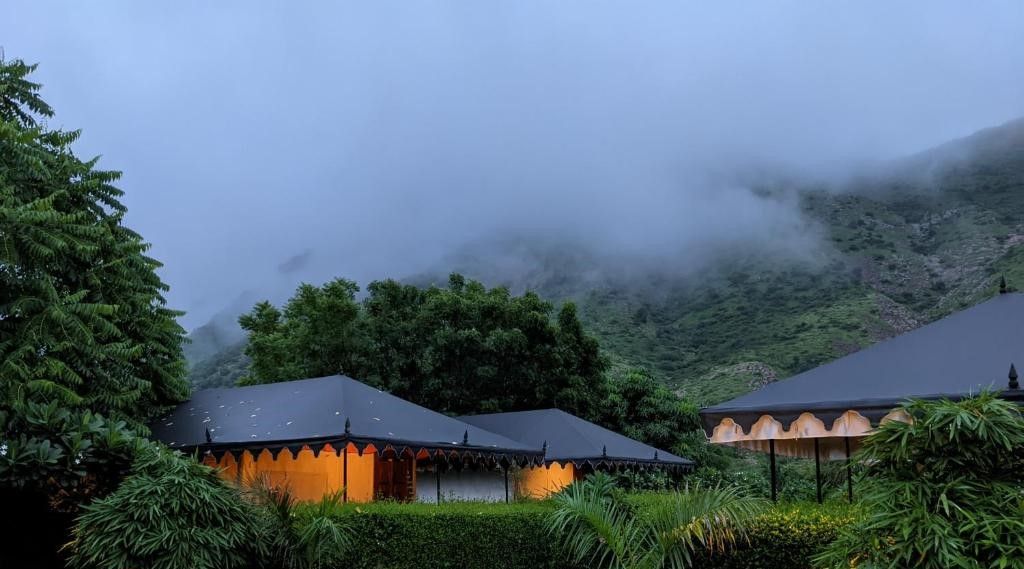
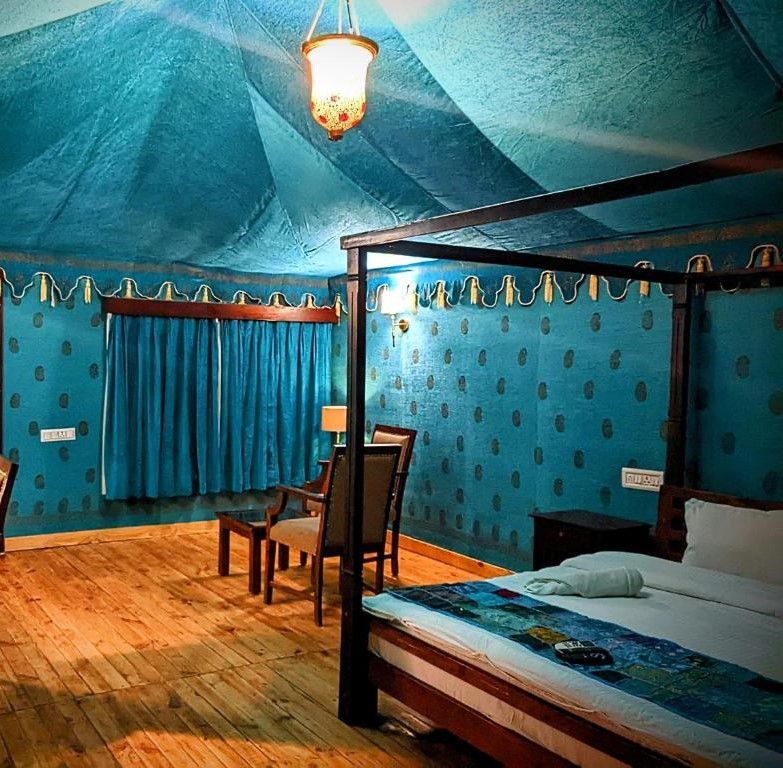
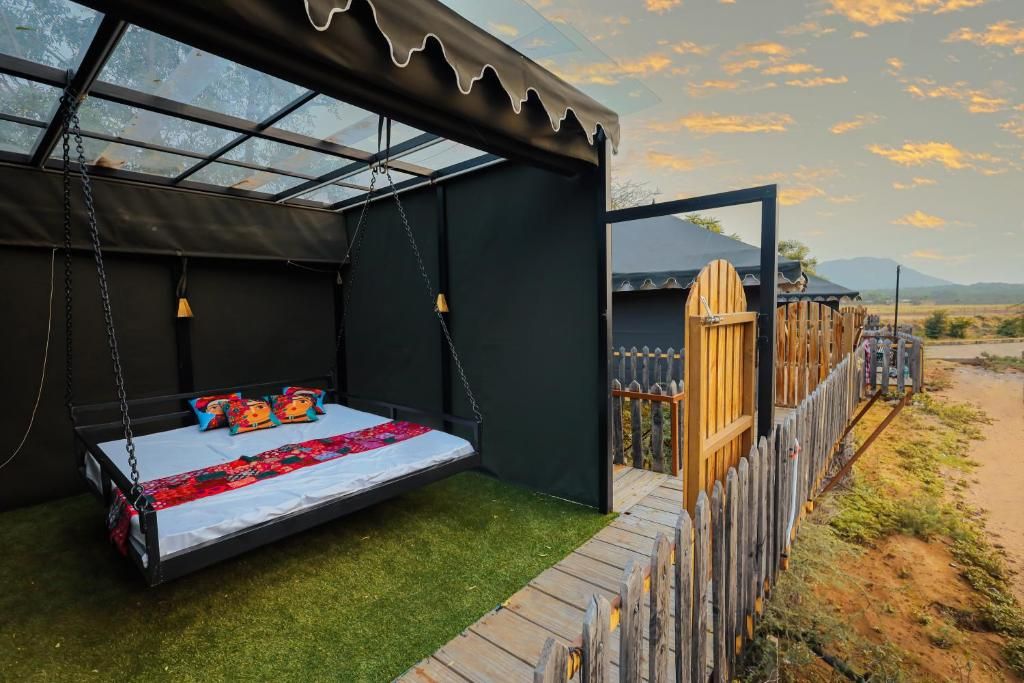
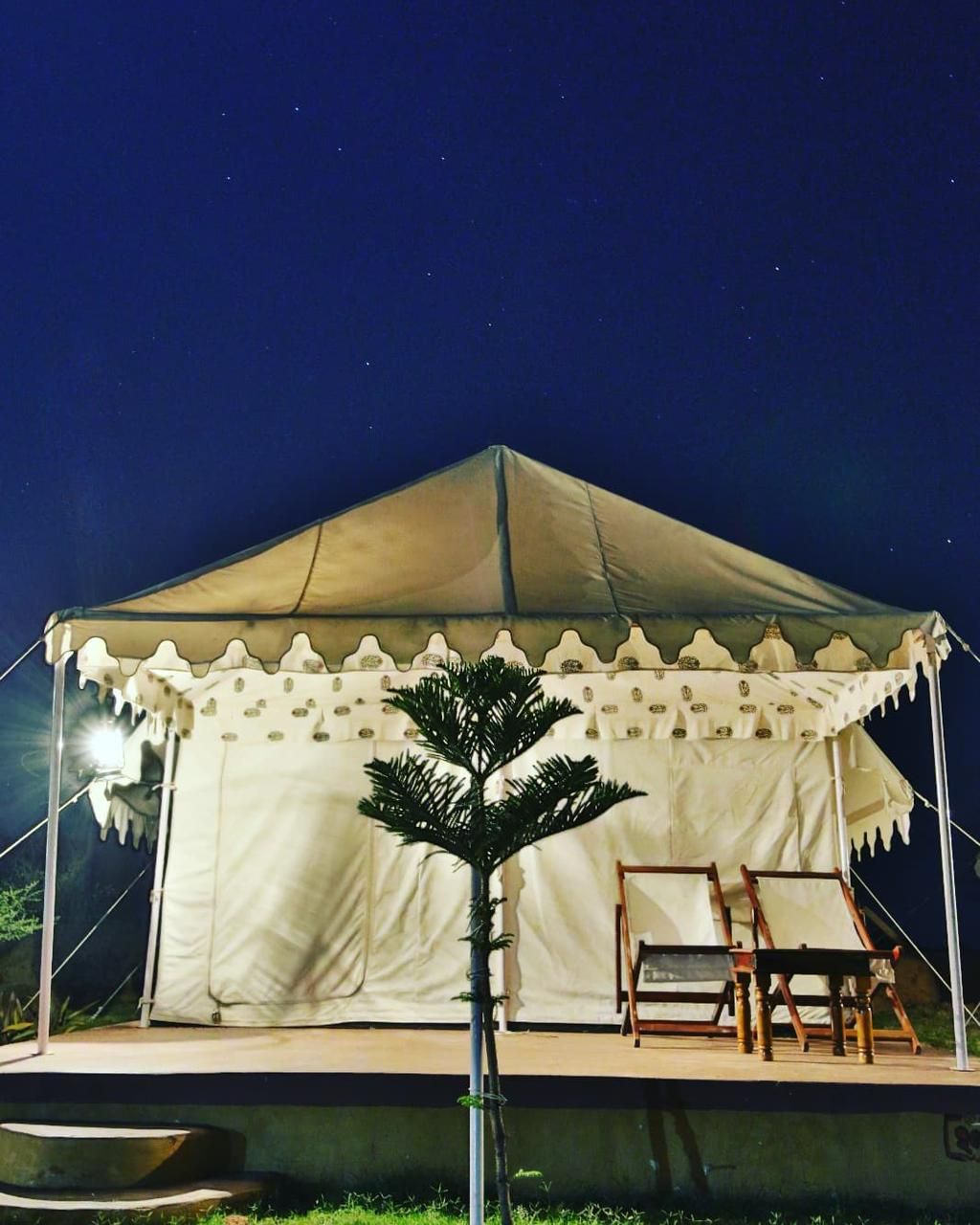
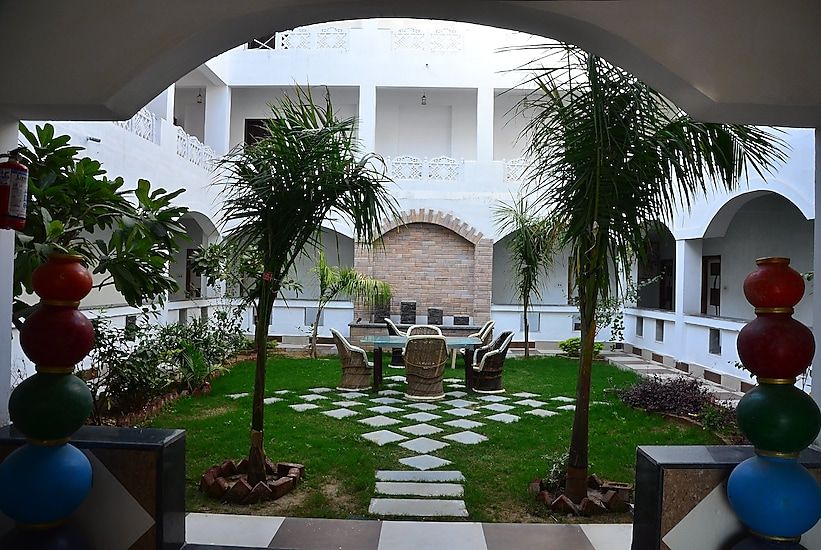
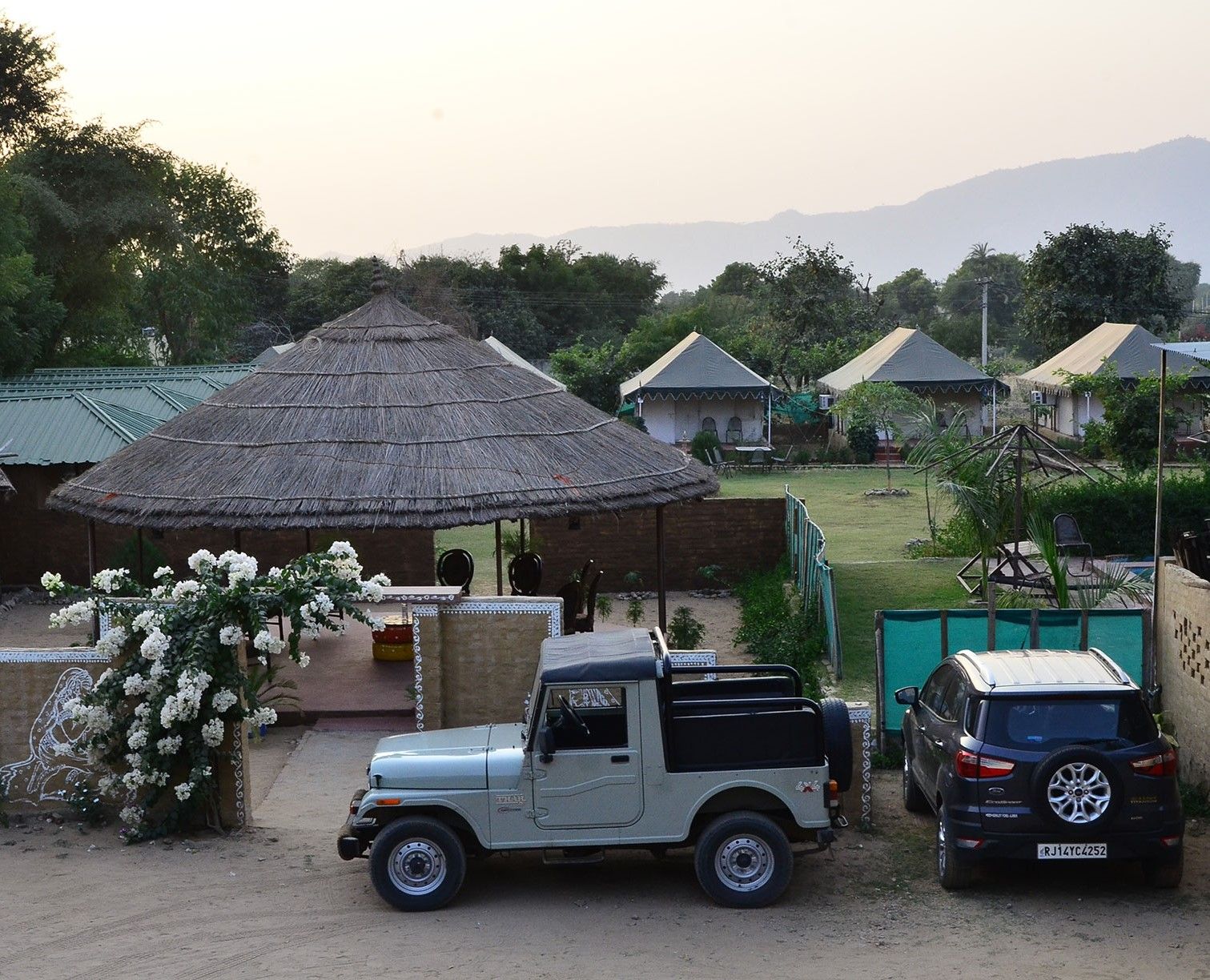
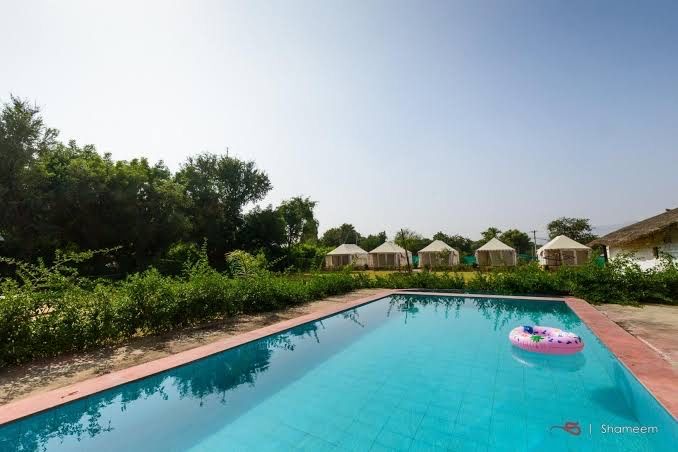
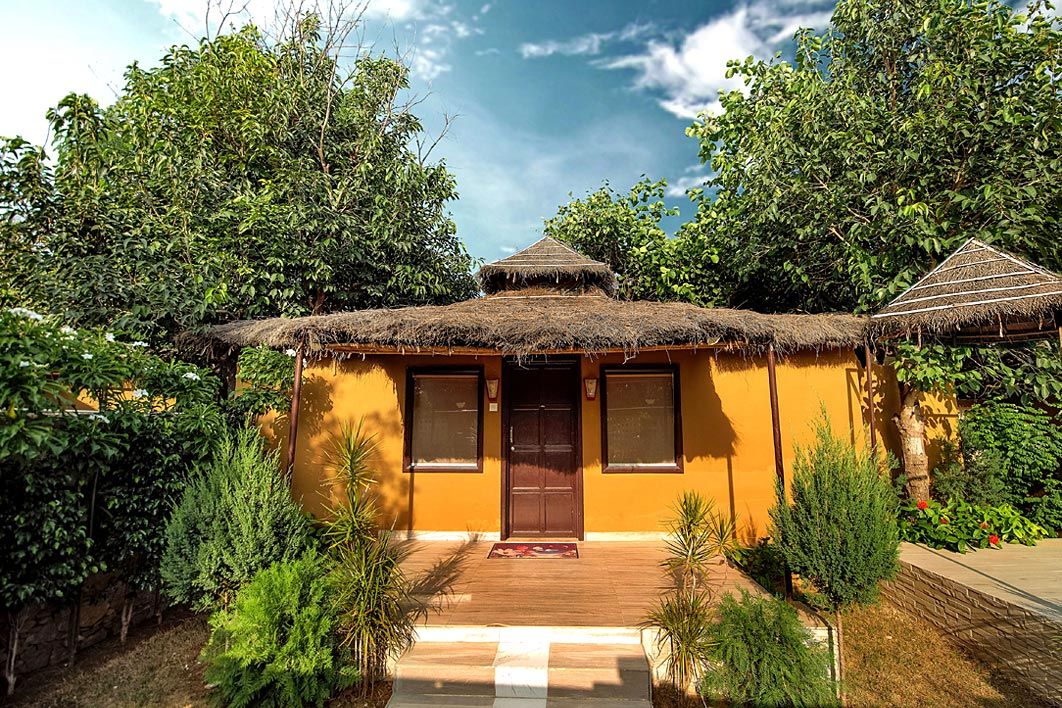
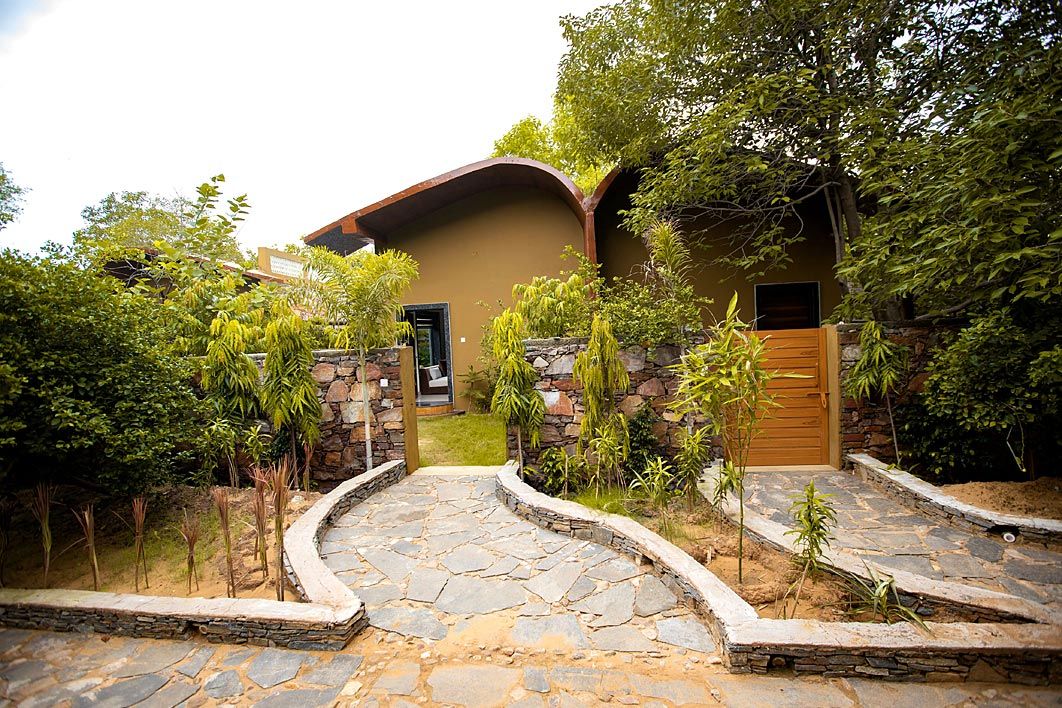
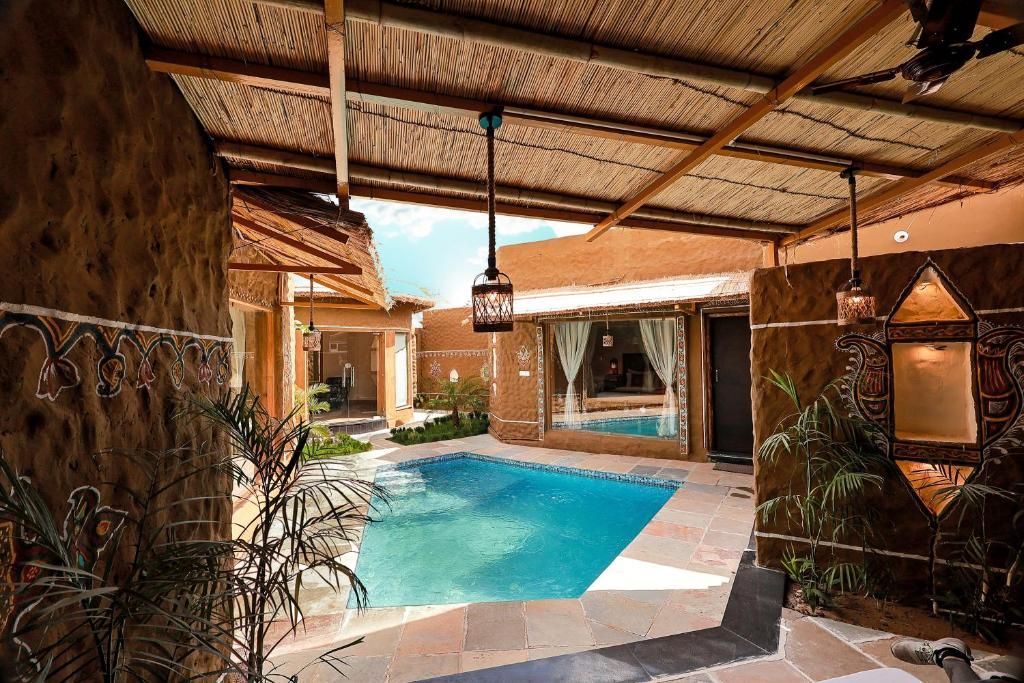
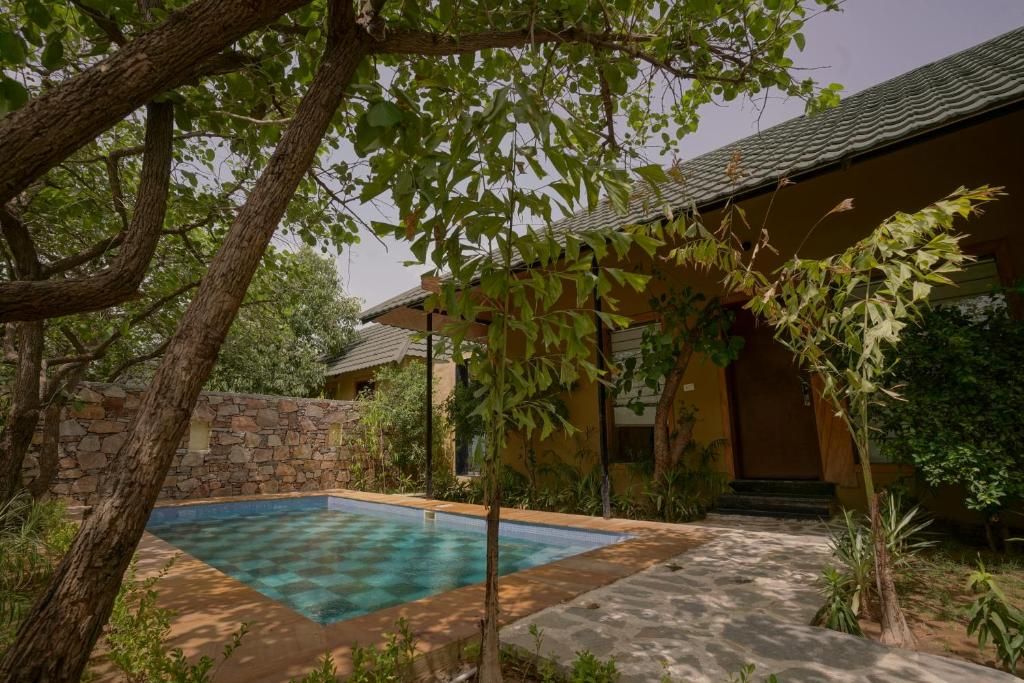
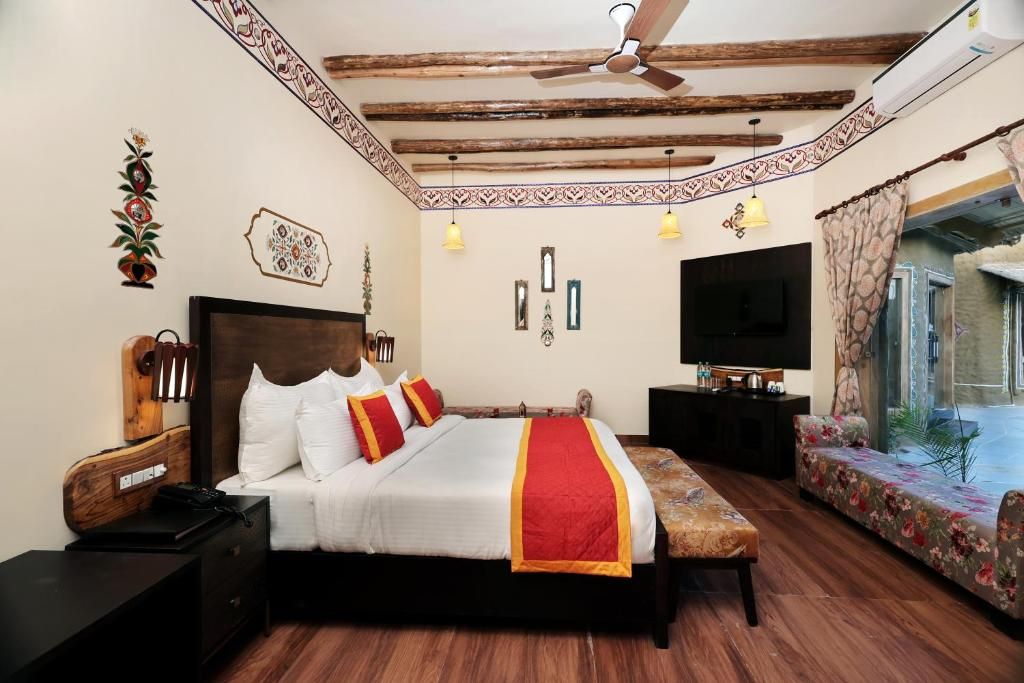
Staying near the base of the hill or in neighboring settlements allows you to explore the area at an unhurried pace, catching both sunrise and sunset across the ridges. You can find rustic farm stays, heritage properties, scenic outdoor camps, and welcoming homestays in the area by exploring the listings available on HireACamp. Booking a stay close to the foothills provides quick access to hiking trails and morning views of the Aravalli landscape.
Frequently asked questions
Where is Taragarh Hill located?
Taragarh Hill is situated in the Aravalli range of central Rajasthan, towering over the rural plains near Boraj and adjacent to regional hubs such as Ajmer and Pushkar.
Can I drive to the top of Taragarh Hill?
Yes, winding roads allow vehicular access near the top of the hill, while traditional walking tracks and stairs exist for hikers wishing to climb on foot.
What is the best season to climb Taragarh Hill?
The winter months from October to March offer the most pleasant weather for exploring the summit, with mild daytime temperatures and cool breezes.
Is Taragarh Hill suitable for beginner hikers?
The walking routes up the hill feature established paths and steps, making it accessible for people of moderate fitness, though care should be taken with uneven surfaces.
What should I carry when visiting Taragarh Hill?
Bring plenty of drinking water, sturdy walking shoes, sun protection, and a secure bag to keep your belongings protected from local wildlife.
Where you'll be
Rajasthan · 12 stays nearby shown with prices
Stays near Taragarh Hill
Book a place to stay close by
More places near Taragarh Hill
Within 20 km
Built from 0 Instagram posts by 0 creators. Every tip links back to the post it came from, and where creators disagree we show both sides.






