
Tral
Destination in Jammu and Kashmir
Tral is a picturesque sub-district and valley town located in the Pulwama district of Jammu and Kashmir. Tucked against the backdrop of pine-covered foothills and natural springs, the region is known for its sprawling apple orchards, traditional pastoral charm, and dense woodlands. Travellers head here to explore tranquil alpine scenery, discover historical remnants, and enjoy a quiet alternative to the valley's more crowded resort hubs.
Getting there
By road
- From Amritsar7 hr 40 min · 386 km
Typical drive times without traffic. Stations and airports from OLA Maps; distances and typical drive times from OpenStreetMap (© OpenStreetMap contributors); notes from creators' Reels.
About Tral
Written with AI from map data and general knowledge. Check prices and timings locally before you go.
Understanding Tral and its surroundings
Set at the foot of mountain ridges in southern Kashmir, Tral occupies a bowl-shaped valley bordered by dense pine forests and expansive agricultural fields. The area has long served as a quiet rural heartland famous for walnut groves, saffron cultivation along its perimeter, and vast apple orchards that burst into bloom every spring.
Unlike urban commercial centres, Tral moves at an unhurried pastoral pace. Wooden houses, meandering streams, and terraced farmlands characterize the outlying hamlets. It also serves as a gateway to natural reserves and forested tracts such as Shikargah, which historically served as royal hunting grounds and now protect rich temperate biodiversity including native deer, pheasants, and brown trout in the gushing highland waters.
Things to do in and around Tral
Taking long walks through the orchard villages is one of the most rewarding ways to experience Tral. In late summer and early autumn, the trees bend under the weight of ripening apples, and visiting local harvest setups provides a genuine window into daily agricultural life in the valley.
Outdoor enthusiasts can venture into the adjacent forest fringes for day hikes and stream-side walks. The woods around the town climb steadily toward alpine meadows, offering trails under towering deodars and blue pines. Angling enthusiasts often head to nearby cold-water streams to try their hand at trout fishing, though local permits should always be verified before heading out with gear.
Birdwatching and nature photography are equally rewarding, especially during migration windows when various Himalayan and central Asian bird species pass through the surrounding mountain gaps and riverbanks.
Read more
Historical and cultural getaways nearby
Tral is well positioned for day excursions to some of south Kashmir's most significant heritage and spiritual landmarks. A short drive southward leads to the historic district of Anantnag and its neighboring valleys.
Roughly 22 kilometres from Tral stand the magnificent ruins of the Martand Sun Temple. Built in the eighth century, this stone complex remains one of the finest surviving examples of classical Kashmiri stone architecture, set high on a plateau overlooking the surrounding valley floor. Nearby, the hillside shrine of Aishmuqam Dargah draws pilgrims and travellers who climb the stone stairways to take in the spiritual atmosphere and panoramic views over the Lidder Valley.
For a glimpse of regional history and historic civic architecture, Anantnag features the revered Jamia Masjid Anantnag and Gurdwara Guru Nanak Dev Ji. Both sites showcase centuries of shared communal heritage in the region.
Gardens and riverside escapes nearby
The landscapes surrounding Tral are famous for freshwater springs and classic Mughal garden architecture. Achabal Garden, situated approximately 27 kilometres away, was designed during the Mughal era around an energetic natural spring that gushes through ornate stone canals, cascades, and pavilions shaded by enormous chinar trees.
Closer to the town of Anantnag lies Sherbagh Garden, another historic garden created around natural springs that bubble up from the limestone rock. For those seeking running water in a wilder setting, the Bringhi River flows about 21 kilometres from Tral, offering pebble-strewn riverbanks that are popular for quiet afternoons, riverside strolls, and watching local trout fishers navigate the cold currents.
Best time to visit Tral
The best time to visit Tral largely depends on whether you prefer blossom-filled orchards, warm summer weather, or crisp autumn colors. Spring from April to early June brings pleasant temperatures, melting snowcaps on the ridges above, and vibrant white and pink blossoms throughout the fruit orchards.
Summer from June to August provides a comfortable retreat from the heat of the plains. Daytime temperatures are generally mild, making it an excellent season for wandering the forests, hiking along upland brooks, and exploring regional gardens. By September and October, the autumn season sets in; orchard foliage turns golden amber, apple harvesting is in full swing, and clear blue skies offer crisp visibility across the valley.
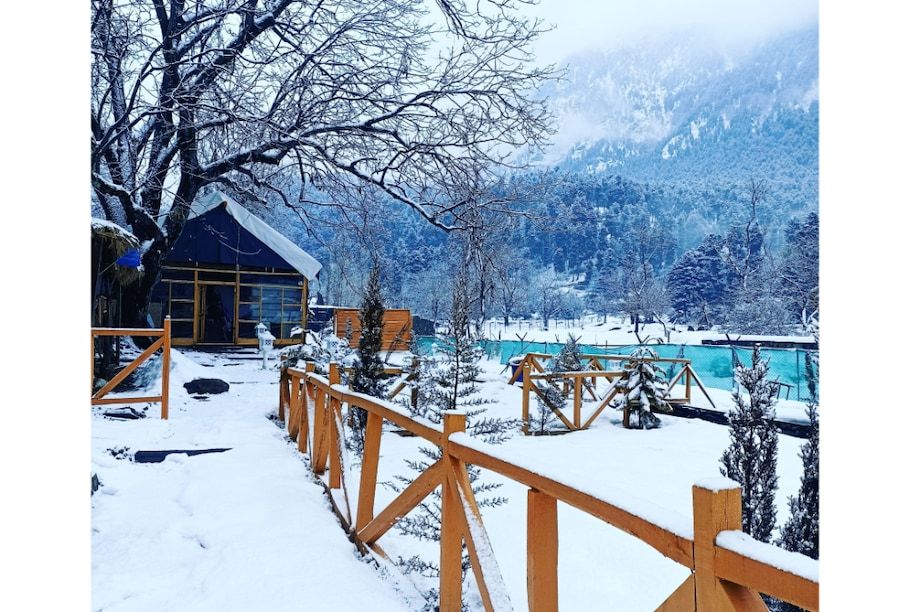
Winter brings substantial snowfall and freezing conditions. While scenic, road connectivity can become difficult, and rural access may require extra preparation, warm winter gear, and flexible schedules.
How to reach Tral
Tral is located in the Kashmir Valley and is easily accessed by road from the National Highway 44 corridor connecting Srinagar and Jammu. The nearest major airport is Sheikh ul-Alam International Airport in Srinagar, situated approximately 45 to 55 kilometres away depending on the route chosen. Taxis and shared transport are readily available outside the airport for the road trip through Awantipora and into the Tral valley.
If arriving by rail, the nearest major rail terminals in the plains are Jammu Tawi and Udhampur, from where one can travel by road or catch the regional valley railway services. Local railway stations on the Kashmir rail line such as Awantipora offer rail connectivity to Srinagar, Banihal, and Baramulla. Local shared cabs and buses frequently run between the highway junction at Awantipora and Tral town.
Tips for visiting Tral
When traveling in Tral and the surrounding countryside, carry adequate Indian currency notes, as automated teller machines can occasionally be out of service or experience network outages in smaller towns. Dress modestly and respect regional traditions, particularly when passing through residential villages, shrines, and places of worship.
Even in late spring or summer, mountain weather can change suddenly. Packing a light rain jacket, sturdy walking shoes, and an extra layer for chilly evenings is strongly recommended. During the harvest months of late summer, remember to ask for permission from local landowners before wandering into private orchards or sampling fruit.
Where to stay in Tral
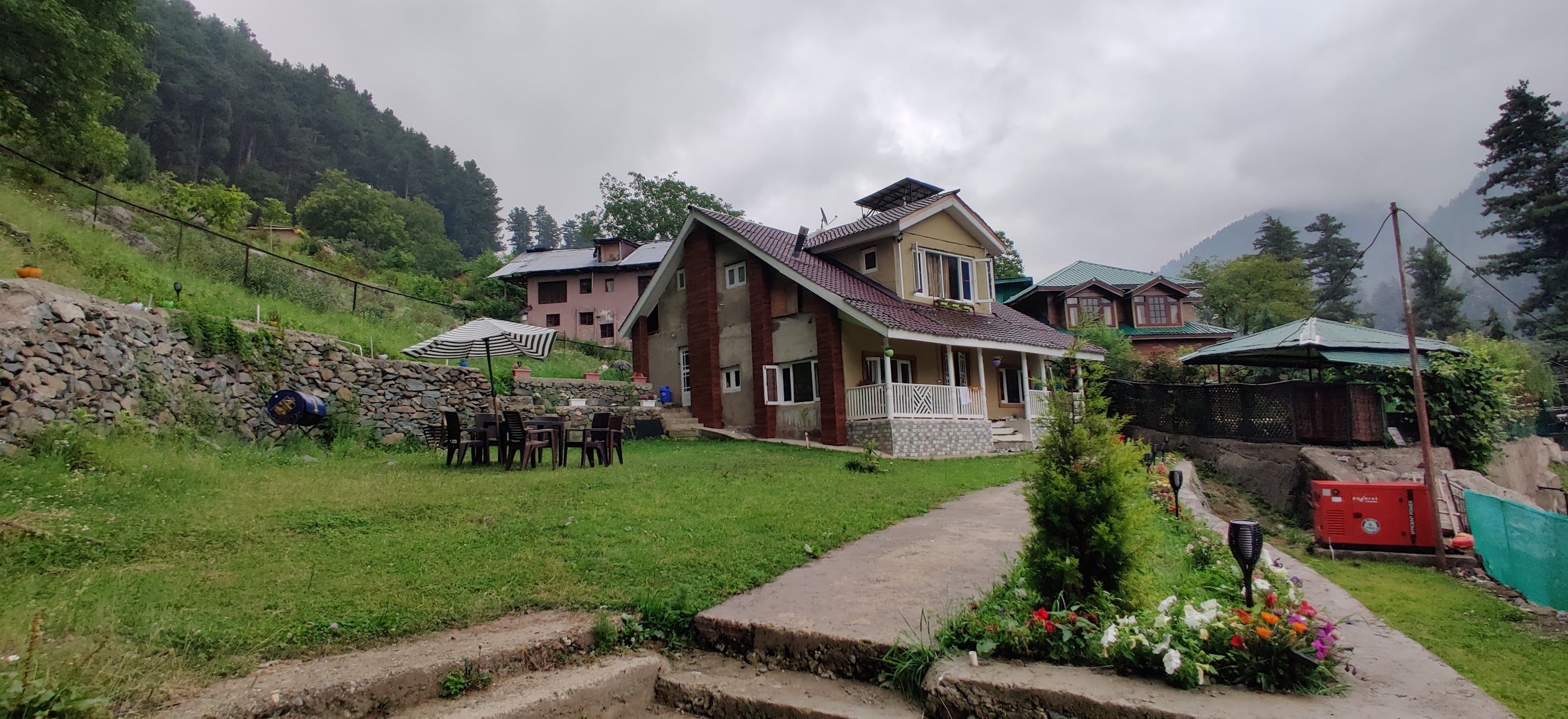
Accommodation within Tral town itself tends to be modest, focusing on traditional homestays and regional guesthouses run by local families. Staying in a homestay allows travellers to experience genuine Kashmiri hospitality, home-cooked regional meals, and firsthand insight into rural customs.
For those looking for riverside campsites, eco-retreats, or characterful homestays spread across the surrounding valleys and neighboring towns, a variety of handpicked stays can be discovered and reserved on HireACamp. Booking in advance is recommended during peak blossom season in spring and the busy summer vacation window.
Frequently asked questions
What is Tral known for?
Tral is widely known for its scenic pastoral countryside, extensive apple and walnut orchards, natural freshwater streams, and quiet forest landscapes that border the Pir Panjal and Greater Himalayan ridges.
How far is Tral from Srinagar?
Tral is situated roughly 45 to 55 kilometres southeast of Srinagar, and the journey by road typically takes between one and two hours depending on local traffic conditions.
What heritage sites can be visited near Tral?
Nearby heritage highlights include the ancient stone ruins of the eighth-century Martand Sun Temple, the hillside Aishmuqam Dargah, and the historic Achabal Mughal Garden.
Is Tral accessible throughout the year?
Yes, Tral remains connected by road throughout the year, although heavy snowfall in mid-winter can occasionally cause temporary road delays or cold-weather travel challenges.
Where can travellers find stays near Tral?
Travellers can find and book regional homestays, nature campsites, and boutique outdoor retreats in and around Tral directly on HireACamp.
Where you'll be
2 stays nearby shown with prices
Stays near Tral
Book a place to stay close by
Things to do in Tral
48 places creators recommend within 30 km
Built from 0 Instagram posts by 0 creators. Every tip links back to the post it came from, and where creators disagree we show both sides.






