
Tripura Sundari Temple
Temple near Naggar, Himachal Pradesh
200 m from Naggar
The nearest town, for stays, food and fuel.
Tripura Sundari Temple is an ancient, multi-tiered wooden shrine situated in the historic settlement of Naggar in Himachal Pradesh's Kullu Valley. Dedicated to Goddess Tripura Sundari, the temple is famed for its traditional pagoda-style architecture, intricate wood carvings, and calm courtyard framed by towering deodar trees. Travellers visit to experience indigenous Himalayan craftsmanship, explore local spiritual heritage, and take in quiet views of the surrounding mountains.
Getting there
By road
- From NaggarNearest town5 min · 1 km
- From Chandigarh5 hr 20 min · 251 km
- From Ludhiana5 hr 50 min · 280 km
- From Amritsar7 hr 50 min · 391 km
Typical drive times without traffic. Stations and airports from OLA Maps; distances and typical drive times from OpenStreetMap (© OpenStreetMap contributors); notes from creators' Reels.
About Tripura Sundari Temple
Written with AI from map data and general knowledge. Check prices and timings locally before you go.
About Tripura Sundari Temple
Tripura Sundari Temple stands in the upper reaches of Naggar, the erstwhile capital of the Kullu kingdom. Built entirely of deodar wood, stone, and slate, the temple honours Goddess Tripura Sundari, one of the primary presiding deities of the village and the broader valley. The temple compound serves not only as a place of regular daily worship for villagers but also as a cultural centrepiece where community festivals, traditional music, and village council gatherings have taken place for generations.
The shrine is set within a stone-paved courtyard that opens up toward the forested slopes of the Kullu Valley. Unlike larger urban temples, this complex feels intimate and deeply connected to rural mountain life. Walking around the perimeter gives visitors an immediate appreciation of the enduring faith and community-led preservation that have kept the structure intact through centuries of harsh Himalayan winters.
Architecture and woodcraft
The most striking element of Tripura Sundari Temple is its distinct pagoda-style roof. The structure rises in three distinct tiers, with the lower levels covered in hand-cut timber shingles and the uppermost canopy crowned by a carved wooden urn known as a kalasha. This style of roof design was traditionally used in higher-elevation areas of Himachal Pradesh to allow heavy snowfall to slide off easily during the peak winter months without compromising structural integrity.
Closer inspection of the sanctum walls reveals magnificent woodwork that reflects centuries of local wood-carving traditions. Beams, door frames, and brackets are engraved with delicate motifs depicting regional deities, floral patterns, sacred geometry, and mythical creatures such as garudas and lions. The interlocked timber joints, built using traditional dry-stone and timber-framing principles without the use of cement, give the temple remarkable flexibility, which has helped it withstand past seismic tremors in the region.
Read more
Best time to visit Tripura Sundari Temple
Naggar and the Tripura Sundari Temple can be visited throughout the year, with each season offering a contrasting atmosphere. The summer months from April to June are particularly pleasant, with daytime temperatures hovering comfortably in the low twenties, clear blue skies, and blooming orchards across the village. This is the ideal period for leisurely walking tours through Naggar's heritage trails.
Monsoons typically arrive by July and last through August. While the surrounding hills turn a vivid green, roads along the Beas Valley can experience landslides, so travellers during this time should keep track of local weather bulletins. Autumn, covering September through November, brings crisp weather, golden foliage, and exceptional mountain clarity. For those who want to see the temple under a blanket of snow, the winter months from late December to February offer a cold, scenic landscape, though you will need heavy woollens and thermal wear.
How to reach Tripura Sundari Temple
The temple is located within Naggar village, positioned roughly midway between Kullu and Manali on the eastern bank of the Beas River. Naggar is approximately twenty kilometres north of Kullu town and roughly twenty-two kilometres south of Manali, easily accessible by local buses, shared cabs, and private taxis navigating the left bank road.
For travellers arriving from farther away, the closest regional airport is Bhuntar Airport near Kullu, situated roughly thirty to thirty-five kilometres to the south. The nearest major railway stations are at Chandigarh and Kalka, both connected to Naggar via overnight state transport buses and private vehicles travelling along National Highway 3. Once you arrive in Naggar, the temple is situated a short walking distance from the main village road and can be easily reached on foot.
Tips for visiting the temple
As with most operational shrines in Himachal Pradesh, visitors to Tripura Sundari Temple are requested to follow local customs and rules of sanctity. Dress modestly, with shoulders and knees covered, and remove all footwear before stepping onto the wooden threshold of the sanctum. Leather belts and wallets may need to be deposited outside the inner temple room; check local signages or ask resident caretakers before entering.
Photography is generally permitted in the open courtyard, but taking photographs of the deity inside the inner sanctum is often restricted. Always seek permission before photographing resident priests or ongoing rituals. Because Naggar's cobbled lanes can be steep and uneven, wearing a pair of comfortable walking shoes with good grip makes exploring the temple precinct and adjacent village alleys far more comfortable.
Where to stay in Naggar
Naggar offers a far more peaceful and authentic base compared to the busier commercial centres of Kullu and Manali. Staying here allows you to wake up to views of terraced apple orchards, walk along historic pine-shaded village paths, and experience the slow pace of life in the valley.
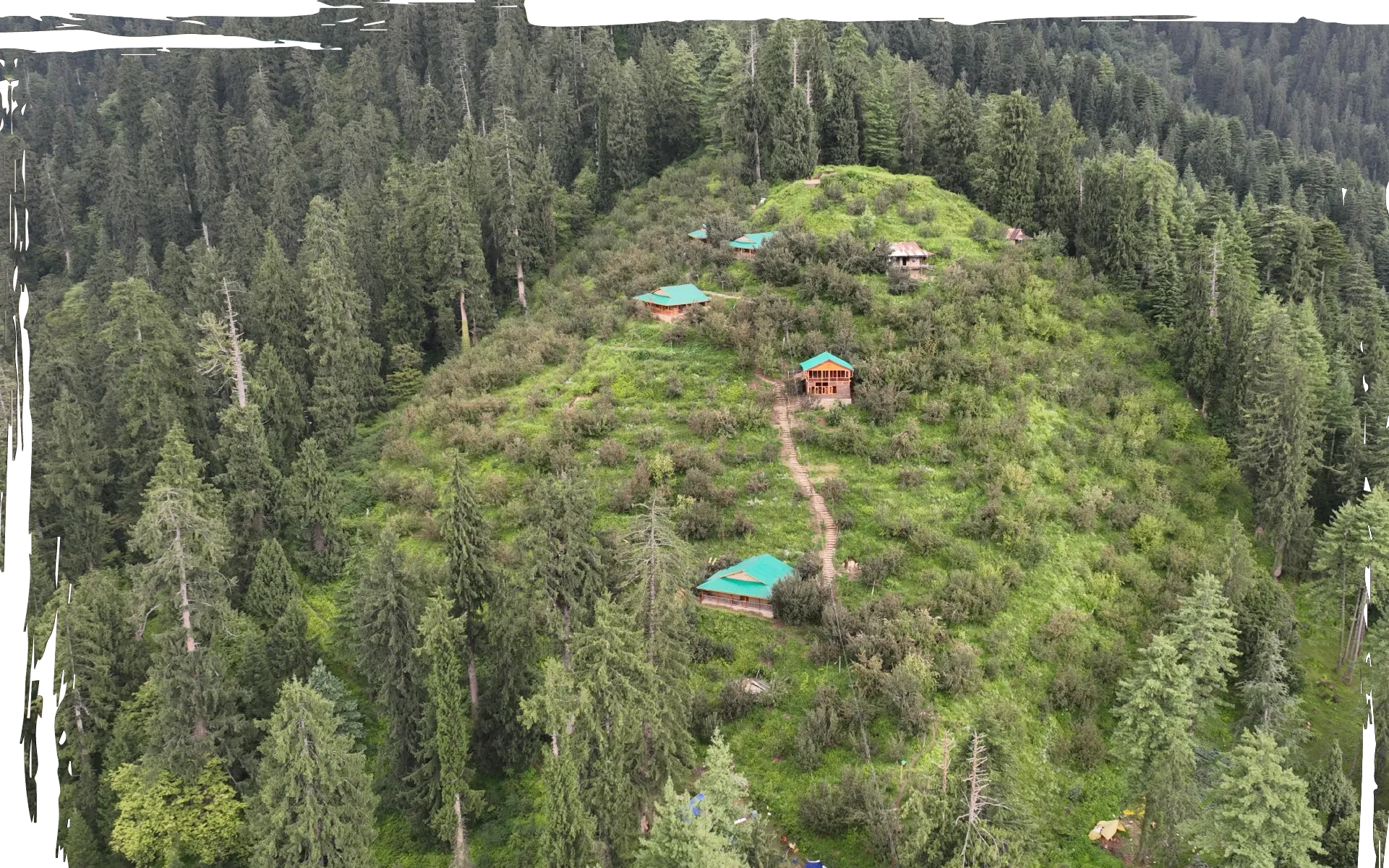
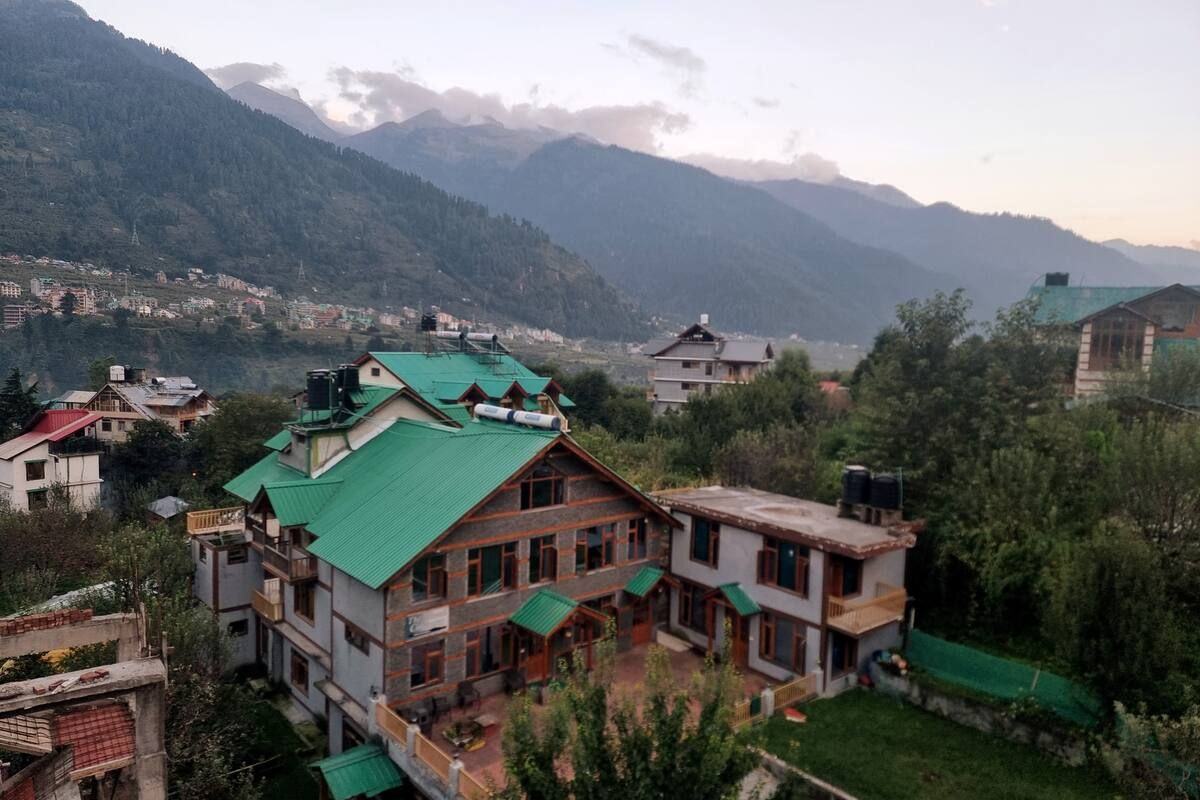
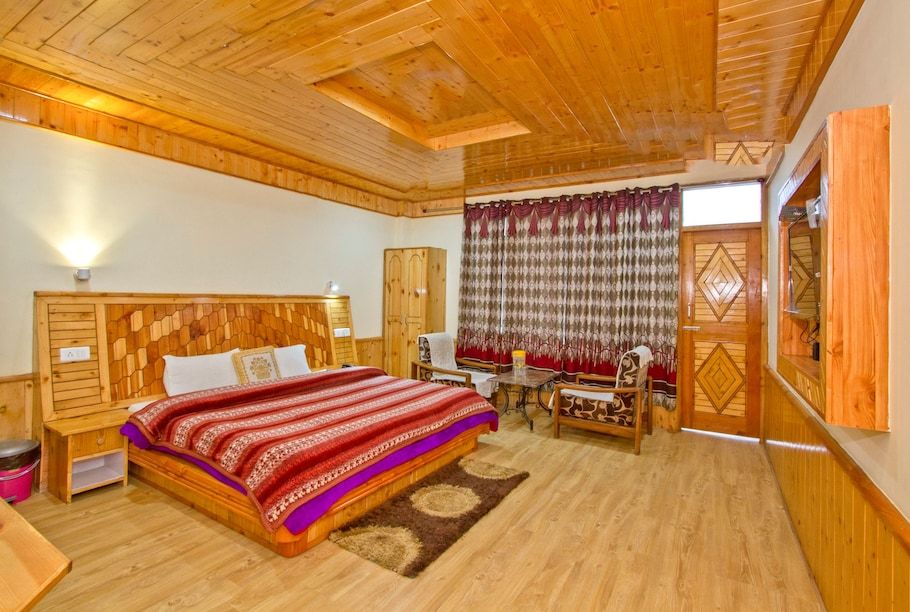
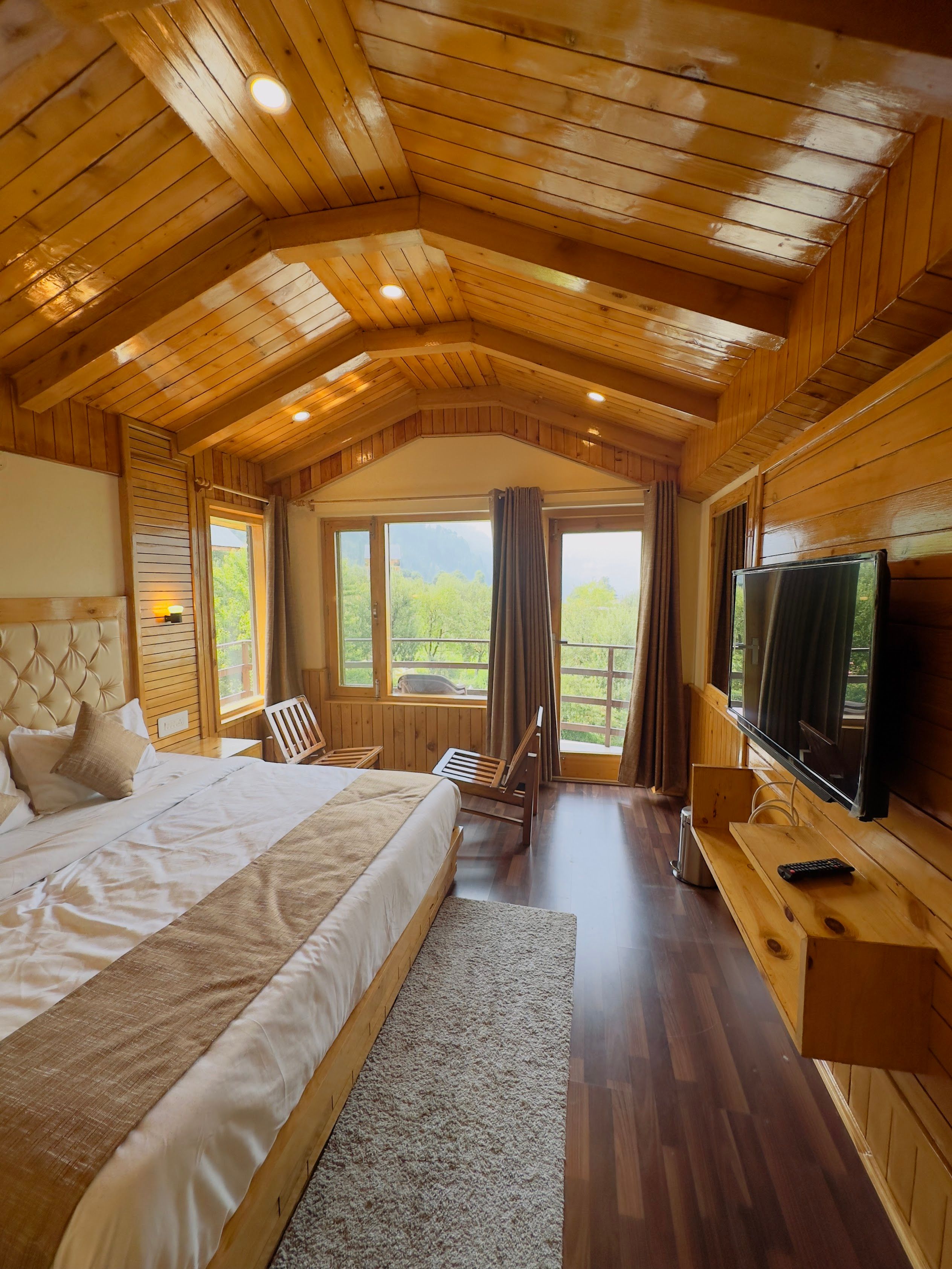
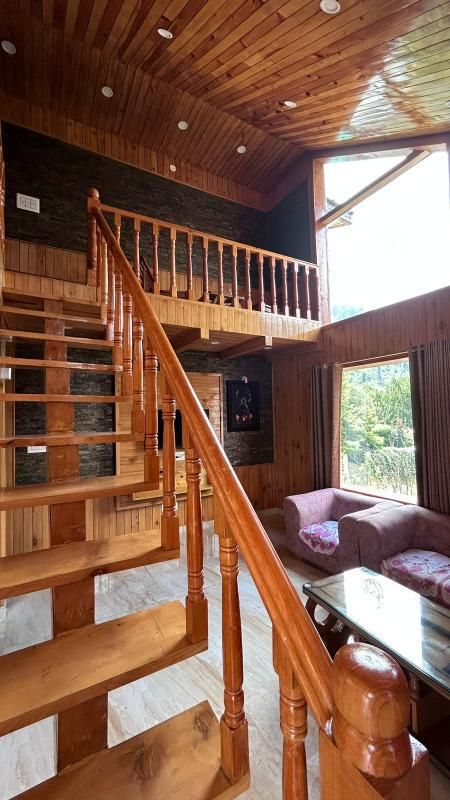
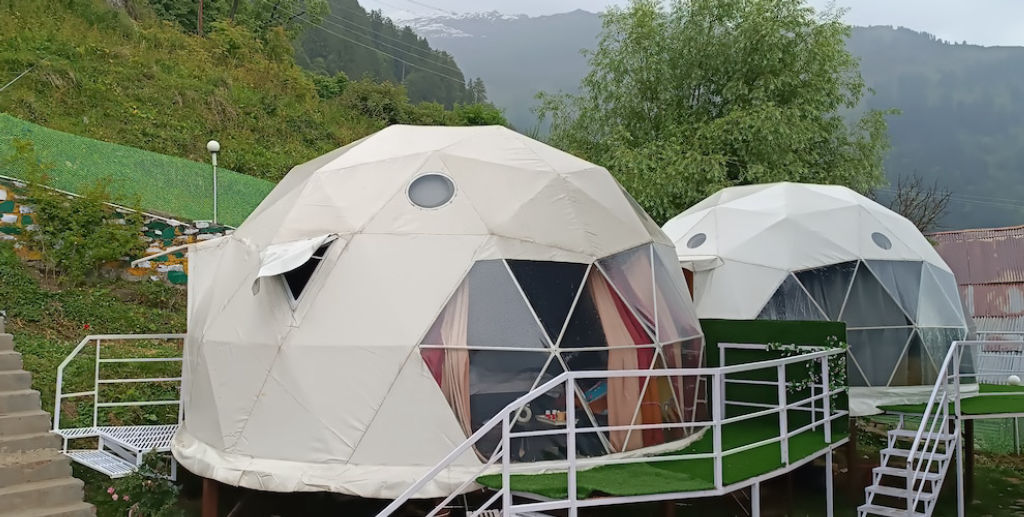
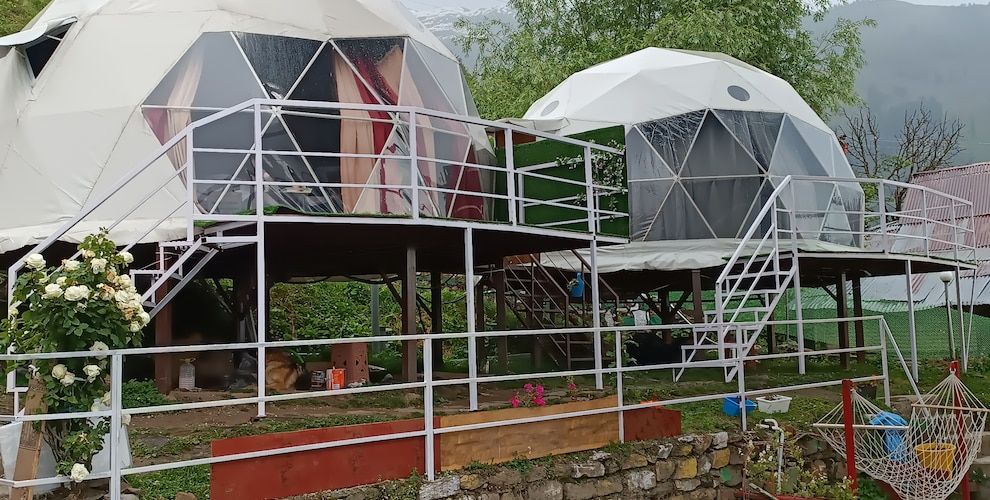
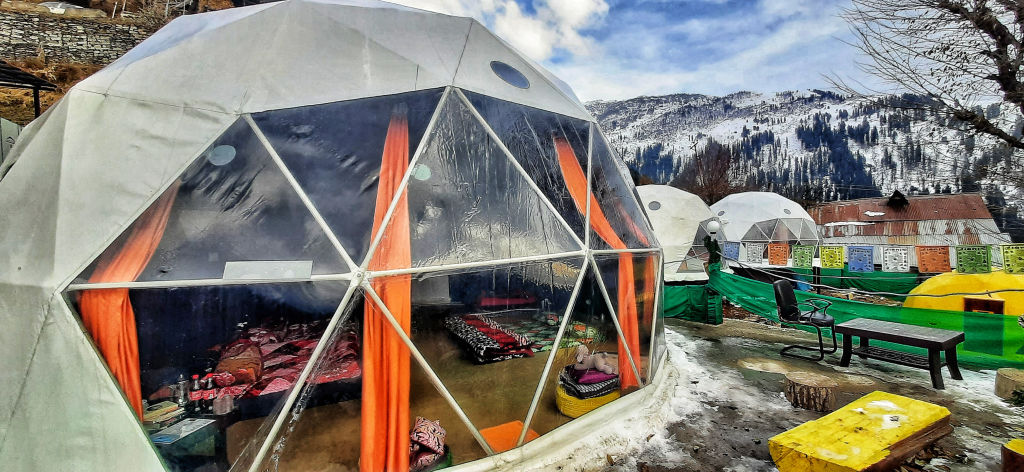
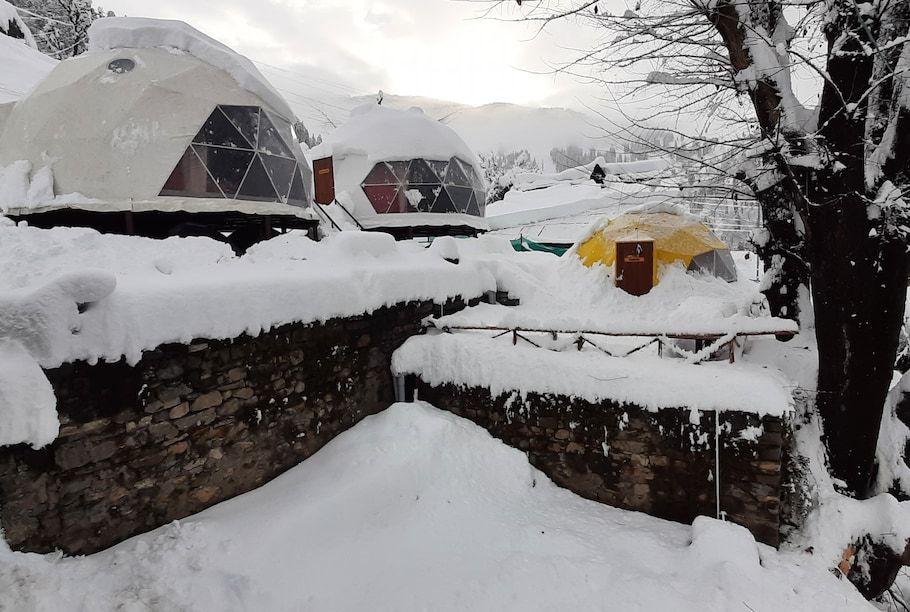
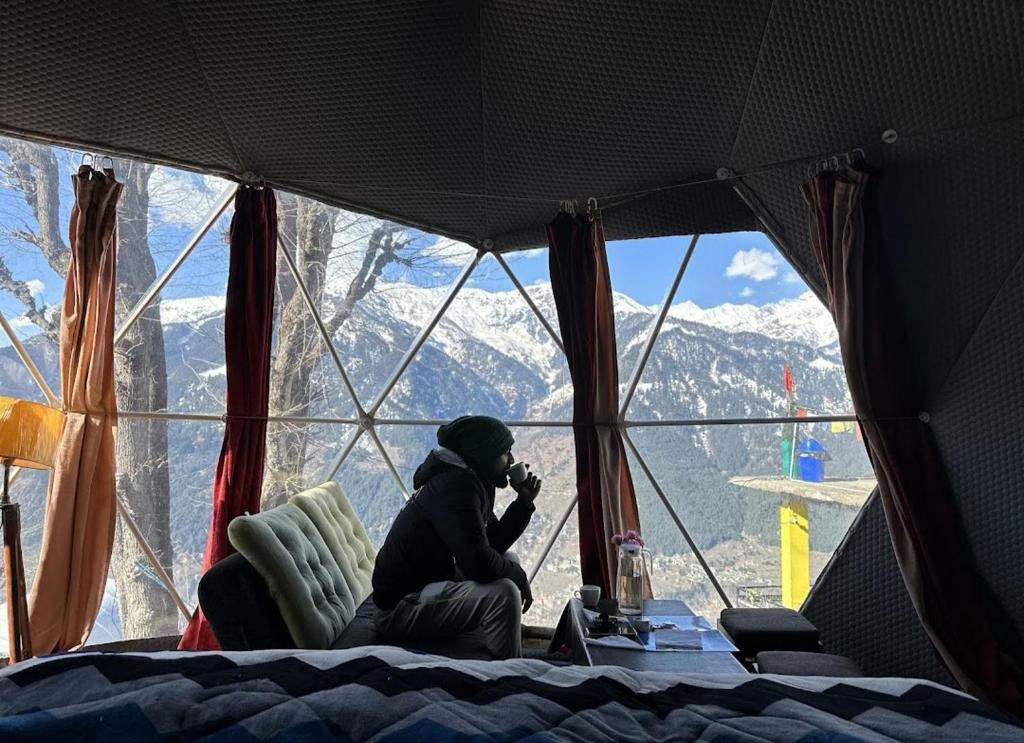
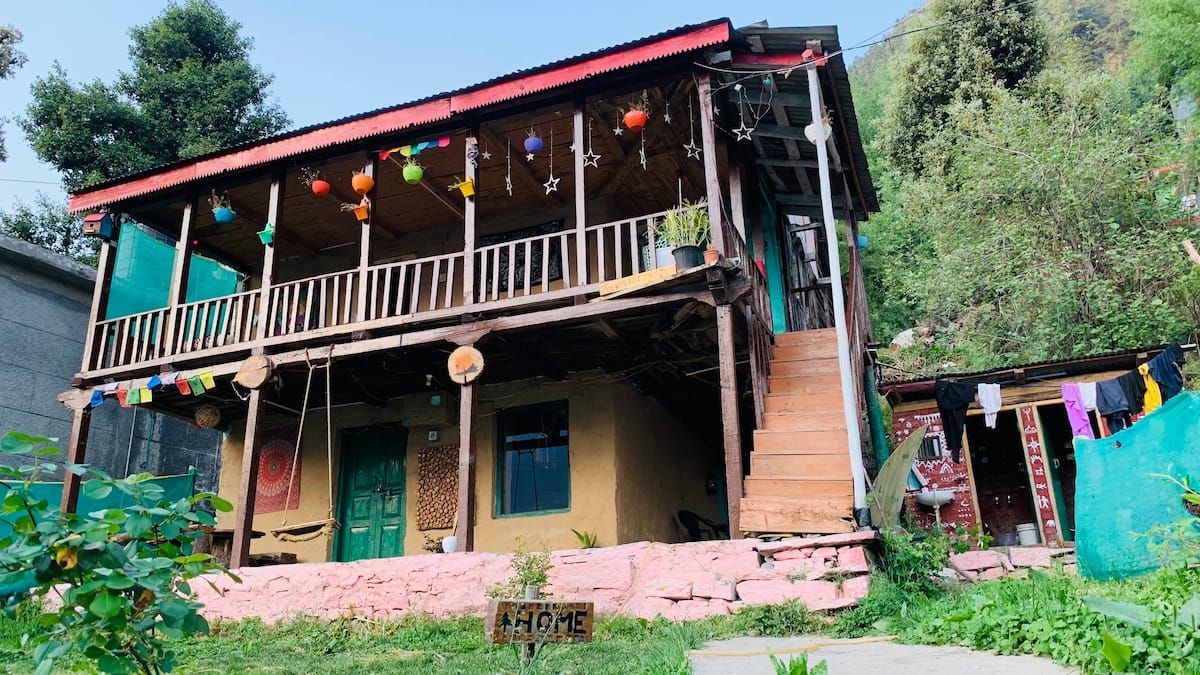
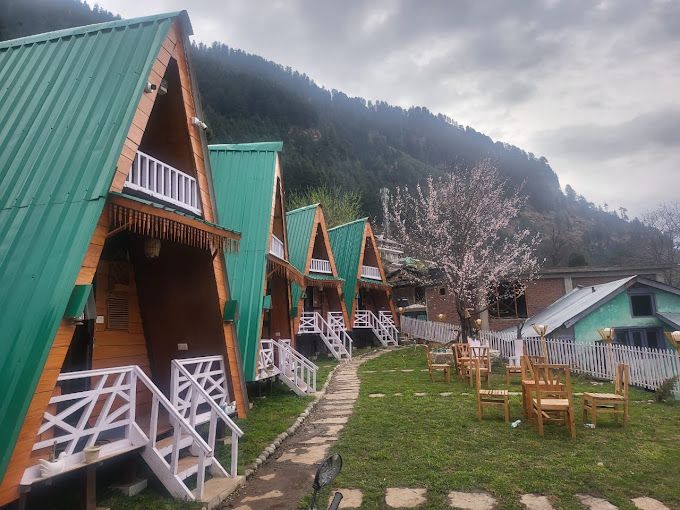
A wide selection of stays can be found on HireACamp, ranging from restored traditional homestays made with local wood and stone to quiet campsites and eco-cottages tucked into the deodar forests nearby. Choosing a homestay or camp in Naggar gives you easy walking access to the Tripura Sundari Temple while keeping you close to trails leading into the surrounding wilderness.
Frequently asked questions
Where is Tripura Sundari Temple located?
Tripura Sundari Temple is located in the heritage village of Naggar in the Kullu district of Himachal Pradesh, situated on the eastern bank of the Beas River between Kullu and Manali.
What is the architectural style of Tripura Sundari Temple?
The temple is built in the indigenous Himachali pagoda style, featuring a three-tiered wooden and slate roof, intricate wood carvings of deities and animals, and traditional interlocking timber joints.
Is there an entry fee to visit Tripura Sundari Temple?
Entry to the temple compound is free for pilgrims and visitors, though you should check locally for any specific guidelines regarding offerings or photography permissions.
How much time is needed to explore the temple?
Most visitors spend between thirty and forty-five minutes admiring the wooden architecture, exploring the courtyard, and taking in views of the valley.
Can I visit Tripura Sundari Temple in the winter?
Yes, the temple remains open during the winter, though heavy snowfall in January and February may require careful walking on village pathways.
Where you'll be
Kullu Sub-District · 12 stays nearby shown with prices
Stays near Tripura Sundari Temple
Book a place to stay close by
More places near Tripura Sundari Temple
Within 20 km


Built from 0 Instagram posts by 0 creators. Every tip links back to the post it came from, and where creators disagree we show both sides.






