
Sar Pass
Peak near Naggar, Himachal Pradesh
200 m from Naggar
The nearest town, for stays, food and fuel.
Sar Pass is a renowned high-altitude mountain pass in the Kullu district of Himachal Pradesh, offering dramatic vistas of snow-capped peaks and verdant alpine meadows. Situated in the mountains above the Parvati and Kullu valleys, it attracts trekkers seeking an exhilarating mix of pine forests, steep glacial climbs, and sweeping Himalayan ridges. Visitors traverse through contrasting landscapes ranging from dense woodland to barren snowfields, making it one of the region's most iconic alpine journeys.
Getting there
By road
- From NaggarNearest town3 min · 300 m
- From Chandigarh5 hr 25 min · 251 km
- From Ludhiana5 hr 50 min · 280 km
- From Amritsar7 hr 50 min · 391 km
Typical drive times without traffic. Stations and airports from OLA Maps; distances and typical drive times from OpenStreetMap (© OpenStreetMap contributors); notes from creators' Reels.
About Sar Pass
Written with AI from map data and general knowledge. Check prices and timings locally before you go.
About Sar Pass
Sar Pass takes its name from 'Sar', a local term for a small pond or lake, referencing a frozen tarn that trekkers cross along the high-altitude route. Perched amidst the dramatic ridges of the Pir Panjal and Greater Himalayan ranges in the Kullu district, the pass serves as a corridor connecting pastoral valleys with glacial terrain. The geographic character of the landscape shifts distinctly as elevation increases, transitioning from deep river gorges lined with deodar and silver fir into sprawling bugyals or alpine grasslands, before yielding to barren rocky moraines and perennial snow.
The region holds deep cultural and ecological significance within the Kullu Valley. Shepherds from surrounding villages have historically navigated these highland trails during the warm summer months to graze their flocks of sheep and goats on the nutrient-rich meadows. Today, the trail remains a quintessential Himalayan route, giving outdoor enthusiasts a comprehensive glimpse of Himachal Pradesh's raw mountain biodiversity, dramatic weather patterns, and pristine natural vistas.
The Sar Pass Trail and Landscape
The journey across Sar Pass is widely celebrated for its varied topography, where every stage of trekking reveals a strikingly different environment. Starting from lower river valleys sheltered by towering conifers, the trail steadily ascends through dense woodlands of birch, rhododendron, and oak. Birdsong fills the air at lower altitudes, while small streams and mountain rills carve through the forest floor.
As the altitude climbs higher, the forest canopy gives way to vast undulating meadows such as Min Thach and Biskeri Thach. In the warmer months, these meadows are carpeted with wild mountain flora, framed by rugged granite spires. The higher camps approach the snowline, where the landscape turns stark, rocky, and glacial. Crossing the actual pass involves navigating steep snowfields and sharp ridges, rewarding trekkers with panoramic vantage points overlooking the towering peaks of the Tosh and Parvati valleys before a steep descent into vibrant green pasturelands.
Read more
Best Time to Visit Sar Pass
The ideal window to explore Sar Pass typically spans from May to early July, and again from late September through October. During May and June, the higher elevations retain significant amounts of snow, making it the premier season for those who wish to experience deep snowfields and exciting snow slides on the descent. Daytime temperatures during these late spring and early summer weeks are generally pleasant, though temperatures drop sharply once the sun sets.
By July, the monsoon arrives across Himachal Pradesh, bringing heavy rainfall, slippery slopes, and increased risks of landslides along mountain roads. Trekking is typically discouraged during peak monsoon months. As September arrives, the rains subside, leaving behind crystalline skies, clean air, and lush green meadows. Late autumn brings crisp weather and dramatic contrasts between golden slopes and freshly dusted peaks, although early winter freezes begin creeping into the higher elevations by November, closing off the pass to standard trekking routes.
How to Reach Sar Pass
Sar Pass is approached through the Kullu district of Himachal Pradesh, with the historic town of Naggar and the nearby valleys of Kullu and Parvati serving as convenient transit points. The nearest air connectivity is via the domestic airport at Bhuntar, situated in the district's central valley. Regular regional flights connect Bhuntar with larger transit cities, while travellers arriving by rail often disembark at Chandigarh or Pathankot before completing the mountain leg by road.
Extensive road networks connect Himachal Pradesh with Delhi and Chandigarh, with long-distance overnight buses running regularly toward Kullu and Manali. From Kullu or the transit hub at Bhuntar, regional buses and local private taxis run toward Naggar as well as trailheads in the Parvati basin. The drive through the valley follows winding mountain routes flanking the Beas and Parvati rivers, offering scenic panoramas long before you begin the uphill foot journey.
Essential Tips for Visiting Sar Pass
Trekking to an elevation like Sar Pass requires deliberate physical preparation and careful attention to mountain safety. Because the route traverses high altitudes, adequate acclimatization is vital to avoid altitude sickness. Walk at a measured, consistent pace, drink ample water to maintain hydration, and avoid rapid elevation gains without scheduled rest intervals along the way. Consulting with medical professionals prior to the trip is advisable for anyone unaccustomed to prolonged exertion at high altitudes.
Packing well is crucial in the unpredictable Himalayan environment. A layered clothing system is necessary to adapt to rapid weather shifts: moisture-wicking base layers, insulating fleece or down jackets, and a windproof, waterproof outer shell. Sturdy, waterproof trekking boots with reliable ankle support and deep tread are mandatory for negotiating snow, wet mud, and jagged scree. In addition, pack UV-protective sunglasses to guard against snow glare, high-SPF sunscreen, a reliable headlamp, personal medical supplies, and trekking poles to assist your knees on steep descents.
Places to Visit Around Sar Pass and Naggar
The trailheads and transition towns near Sar Pass are surrounded by cultural landmarks and mountain hamlets well worth visiting before or after your climb. The heritage settlement of Naggar, located along the Beas River, is home to the architectural wonder of Naggar Castle, an ancient wooden and stone palace offering expansive vistas across the Kullu Valley. Nearby, the Nicholas Roerich Art Gallery showcases the life and paintings of the renowned artist who spent decades capturing the spiritual beauty of the Himalayas.
For travellers interested in local wood-and-stone pagoda architecture, the ancient Tripura Sundari Temple in Naggar offers a serene glimpse into local temple craftsmanship. Further along the mountain routes, rustic settlements such as Pulga in the Parvati Valley present quiet cedar forests and authentic Himachali village life. Outdoor lovers can also explore the cascading waters of Lapas Waterfalls or plan side excursions toward spiritual hot springs and mountain trails in surrounding tributary valleys, creating a rich itinerary that blends strenuous adventure with regional heritage.
Where to Stay Near Sar Pass
Accommodation options vary depending on whether you are at the base towns or deep on the mountain trail. While navigating the pass itself, accommodation is strictly wilderness camping in pitched tents at designated alpine campsites, requiring appropriate cold-weather sleeping gear.
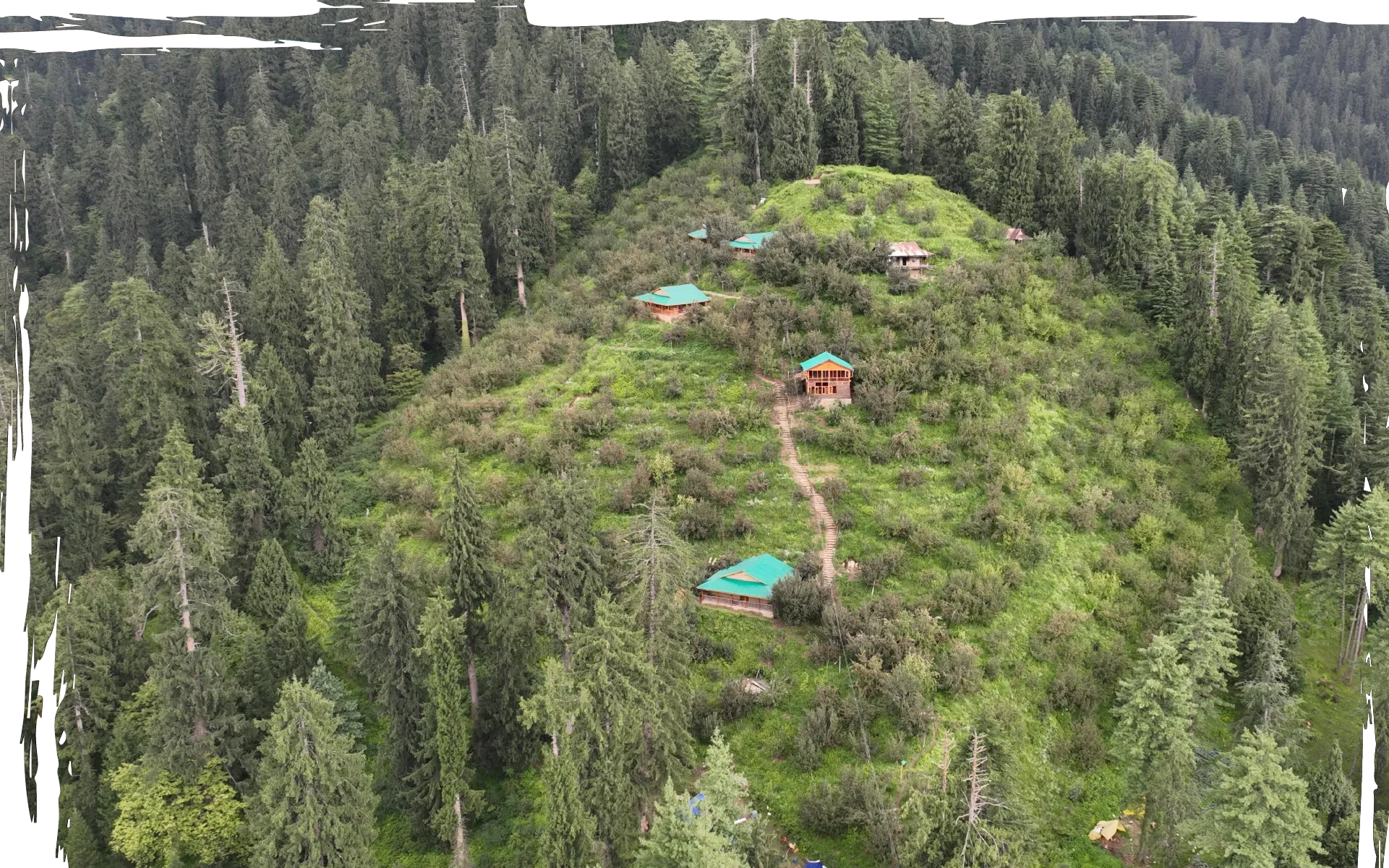
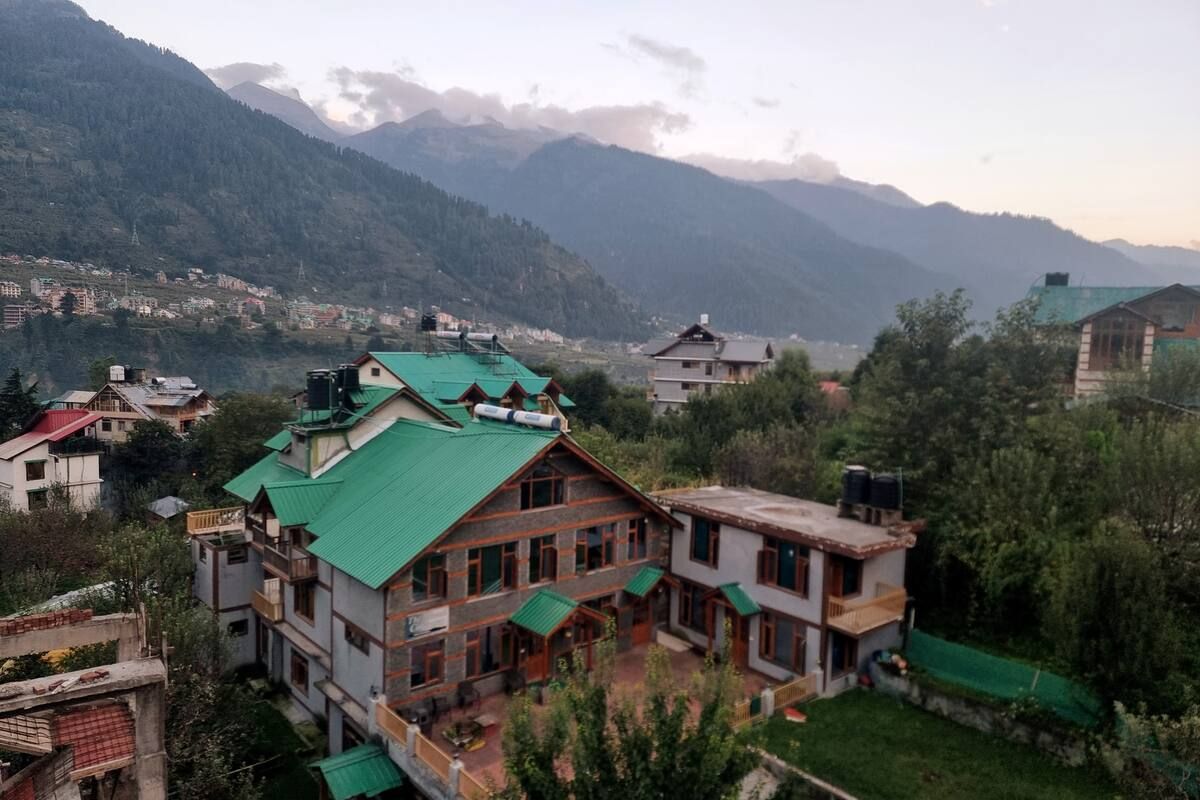
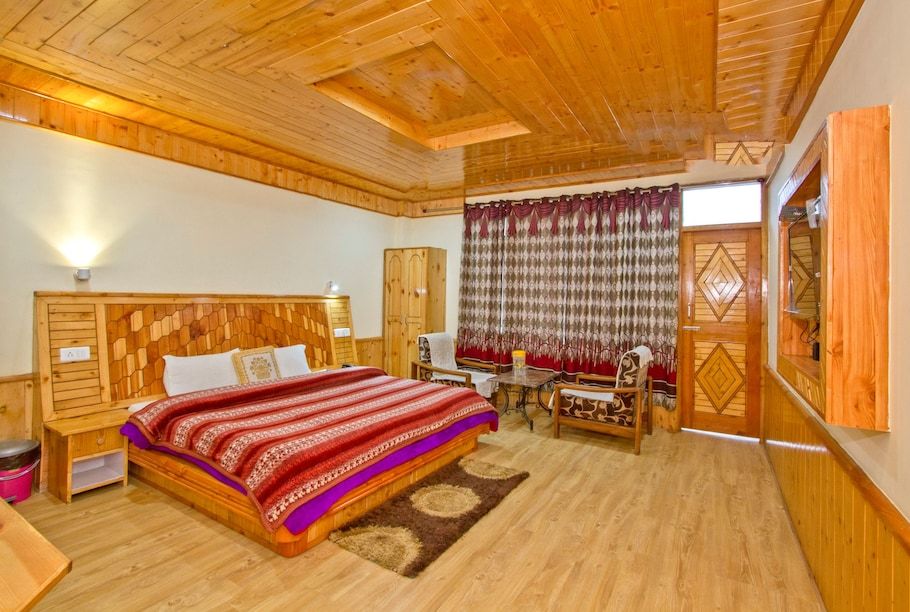
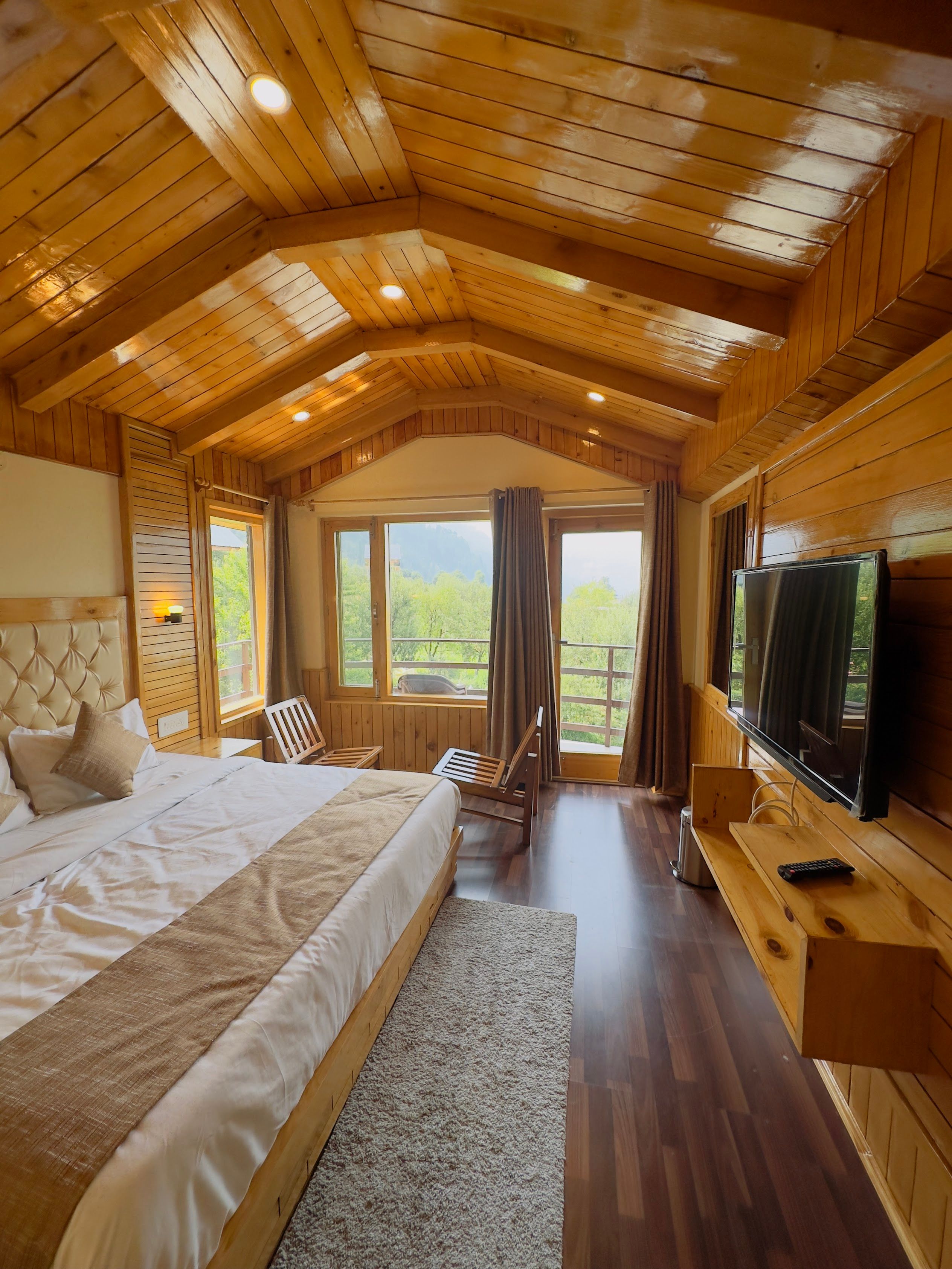
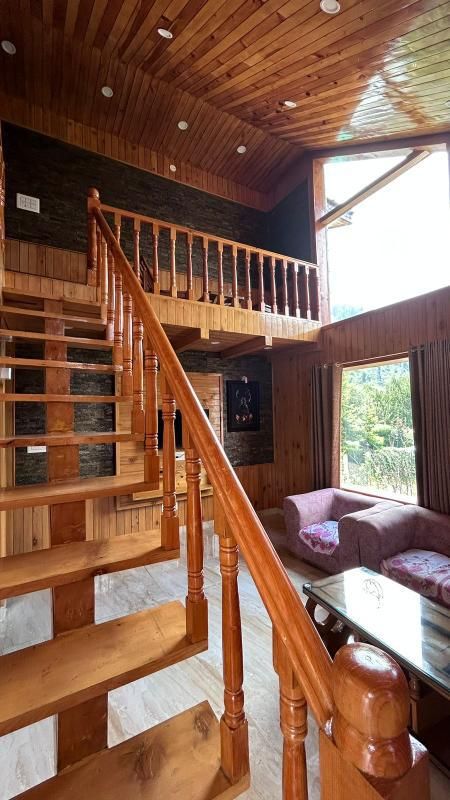
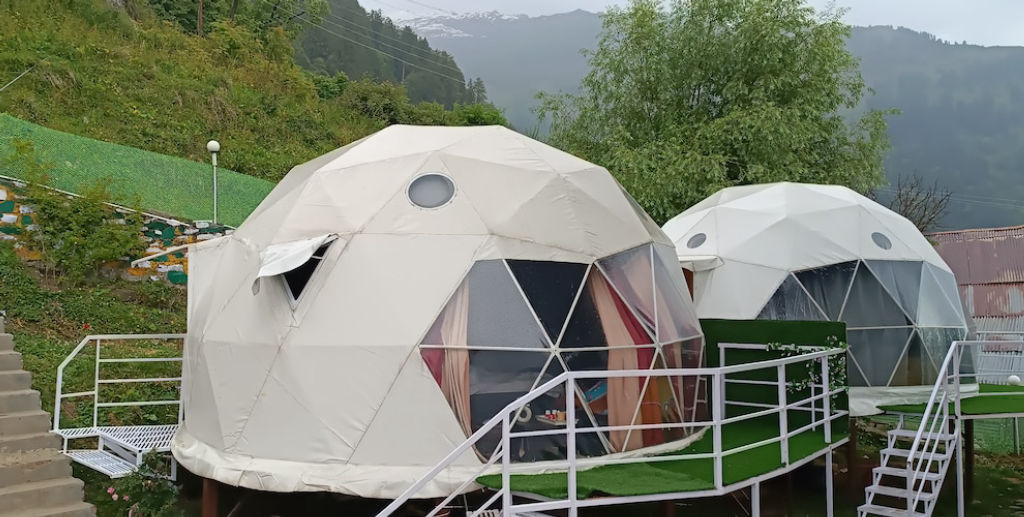
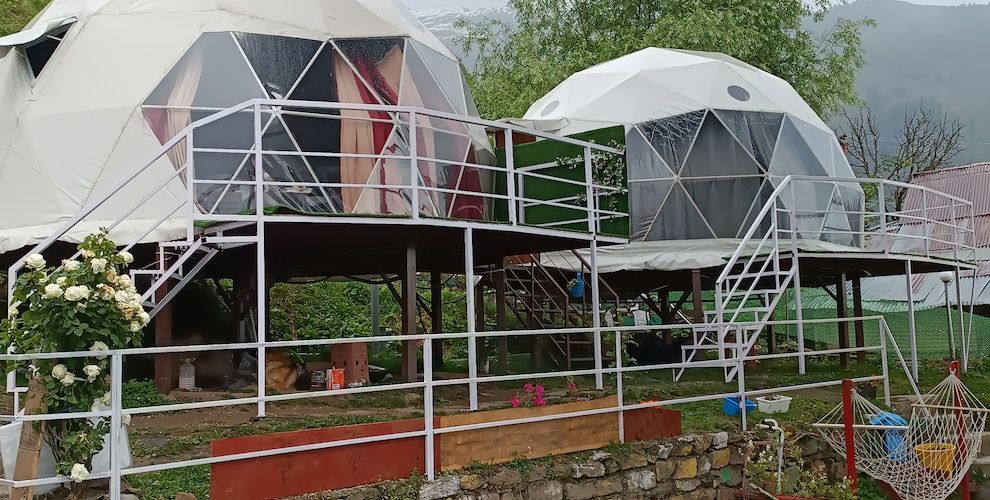
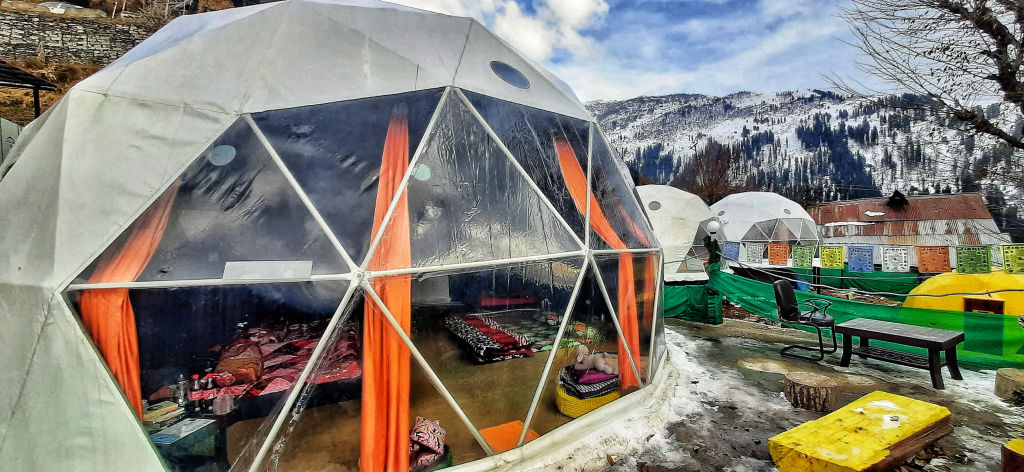
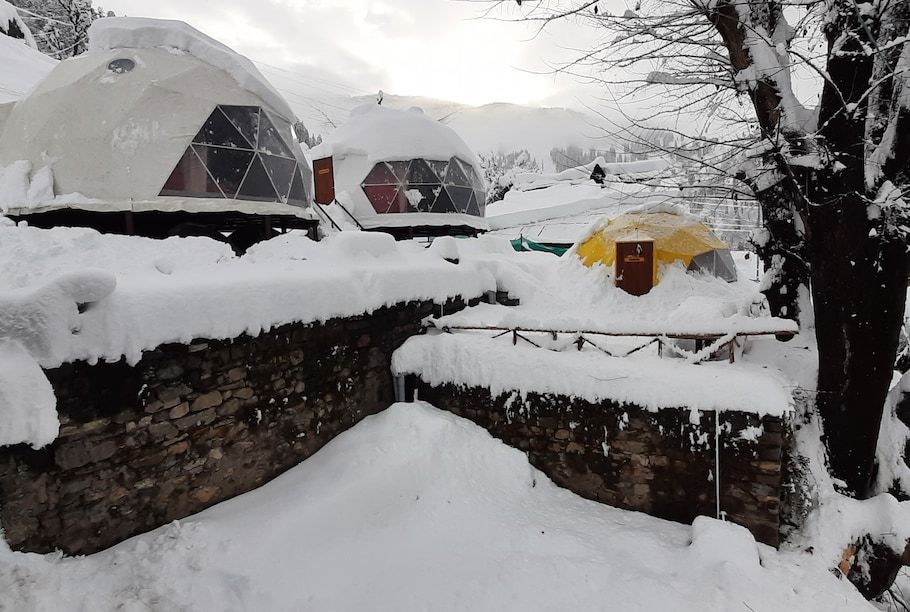
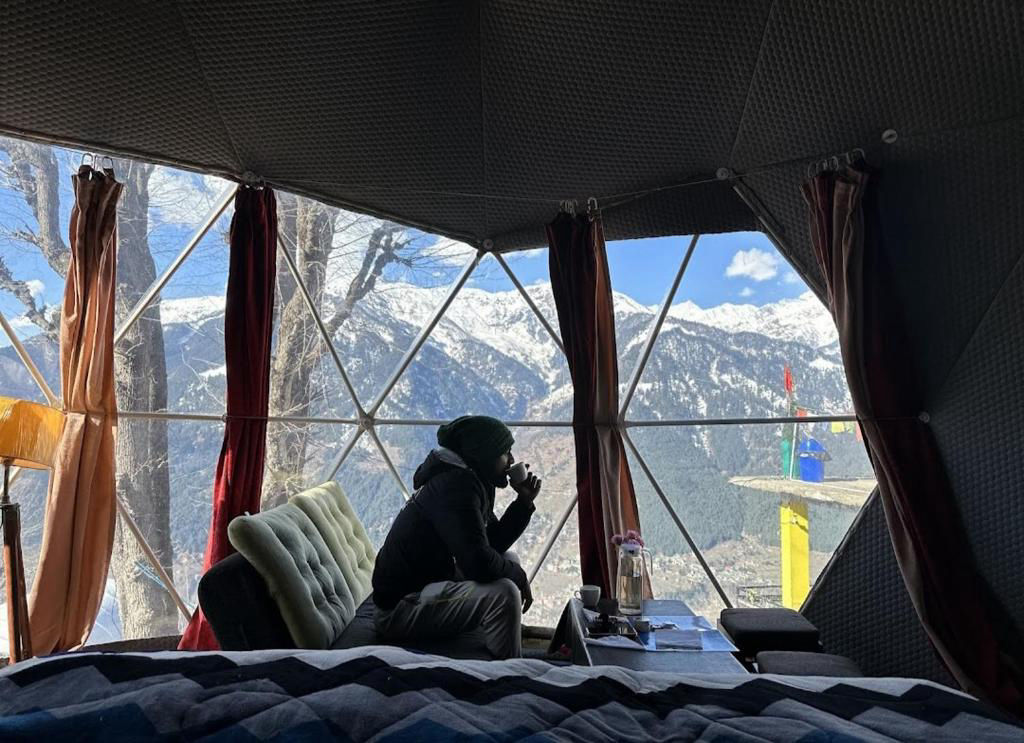
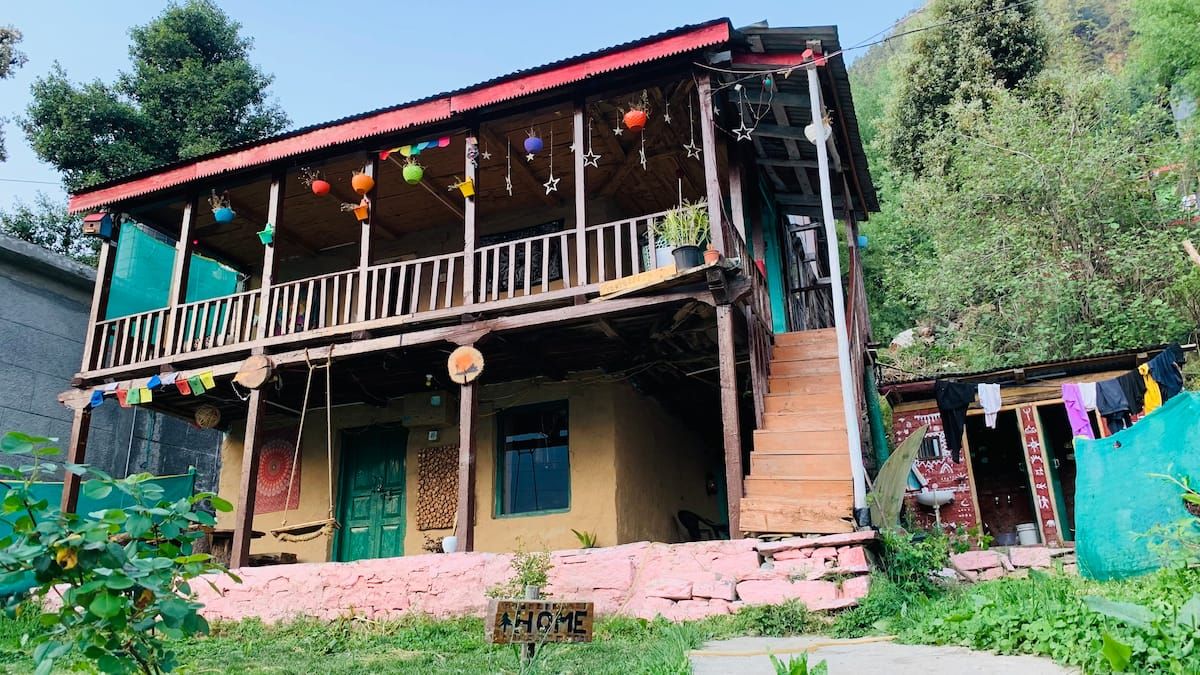
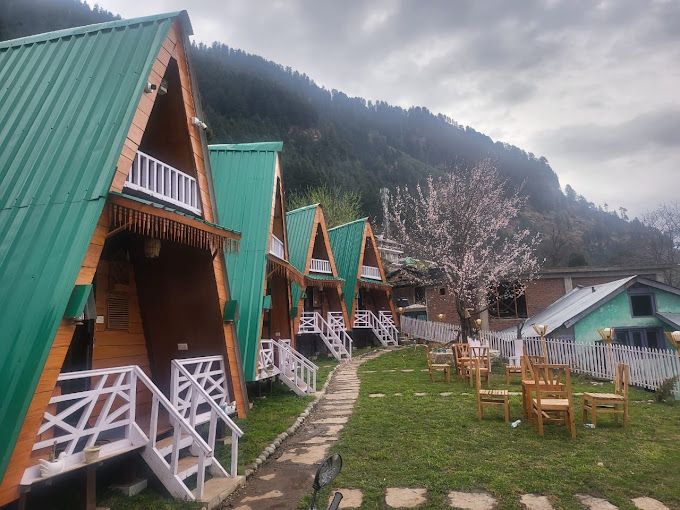
Base towns like Naggar, Kullu, and nearby valley settlements offer a broad range of options, from rustic riverside camps and converted village cottages to tranquil mountain homestays surrounded by apple orchards. For travellers seeking verified, scenic, and authentic stays before and after their high-altitude expedition, a wide selection of camps and homestays nearby can be found on HireACamp.
Frequently asked questions
Where is Sar Pass located?
Sar Pass is situated in the Kullu district of Himachal Pradesh, amidst the high mountain ranges separating the Parvati and Tosh valleys, with the historic town of Naggar nearby.
How difficult is the Sar Pass trek?
The trail across Sar Pass is generally graded as moderate, featuring steady forest climbs, high meadows, and steep snowy ascents near the pass. Trekkers should maintain good cardiovascular fitness and prepare for long walking hours on uneven mountain terrain.
What is the best season to trek Sar Pass?
The most suitable months to cross Sar Pass are May through June for snowfields, and September to October for clear skies and lush alpine scenery. The monsoon months of July and August should be avoided due to heavy rains and landslides.
What should I pack for the Sar Pass trail?
Essential items include sturdy waterproof trekking shoes with good ankle support, multi-layered warm clothing, a waterproof jacket, UV-protective sunglasses for snow reflection, trekking poles, and personal medical supplies.
Where can I stay during my trip to Sar Pass?
On the trail, accommodation consists of alpine camping in tents at designated camp meadows. For pre-trek and post-trek stays in Naggar and surrounding towns, a variety of homestays, cottages, and riverside camps can be found on HireACamp.
Where you'll be
Kullu Sub-District · 12 stays nearby shown with prices
Stays near Sar Pass
Book a place to stay close by
More places near Sar Pass
Within 20 km


Built from 0 Instagram posts by 0 creators. Every tip links back to the post it came from, and where creators disagree we show both sides.






