
Tughlakabad
Destination in Delhi
Tughlakabad is a historic locality in South Delhi renowned for the imposing stone ruins of its fourteenth-century citadel, built by Sultan Ghiyas-ud-din Tughlaq. Set against the rugged, thorny terrain of the Delhi Ridge, it marks the remnants of the third historic city of Delhi. Travellers and heritage enthusiasts visit to explore its massive medieval fortifications, royal mausoleum, and quieter trails away from the central urban rush.
Getting there
By road
- From New Delhi56 min · 21 km
- From Dehradun3 hr 40 min · 240 km
- From Jaipur4 hr 25 min · 289 km
- From Chandigarh5 hr 35 min · 337 km
Typical drive times without traffic. Stations and airports from OLA Maps; distances and typical drive times from OpenStreetMap (© OpenStreetMap contributors); notes from creators' Reels.
Itinerary for Tughlakabad and Surrounds
A practical exploration of historic monuments, Mughal architecture, landscaped gardens, and urban cultural hubs in and around South and Central Delhi, accessible from Tughlakabad.
One-Day Heritage and Gardens Tour
Best for travellers wanting to see major historic tombs and heritage gardens in a single day
Day 1
Mughal Architecture and Green Spaces
early_morning
Humayun’s TombAbout 2 hr
Arrive early to avoid the harsh heat between 12:00 PM and 3:00 PM as well as weekend crowds. Wear flat shoes or sneakers and carry water for the extensive grounds. Outside food is strictly prohibited.
morning
Sunder NurseryAbout 1 hr 30 min · 600 m from the last stop
Take a walk through the landscaped heritage gardens and historic monuments adjacent to Humayun's Tomb.
afternoon
Safdarjung TombAbout 1 hr · 3.4 km from the last stop
Visit during the golden hour before sunset for the best lighting and photography.
evening
Lodhi GardenAbout 1 hr · 1 km from the last stop
Take an evening walk along the paths featuring illuminated historical tombs and murals.
- Outside food is strictly prohibited inside Humayun's Tomb. Visitors should eat beforehand, wear flat shoes or sneakers, and carry water for walking the grounds.
- Avoid visiting Humayun's Tomb between 12:00 PM and 3:00 PM to skip harsh heat and poor photo lighting, and avoid late mornings on weekends to bypass heavy crowds.
- When visiting Red Fort, do not rush past the entrance area; explore Chatta Chowk, Naubat Khana, and the on-site military museums.
- Venues in Connaught Place lean upscale, so budget accordingly or consider nearby street markets for lower-cost shopping and food.
Visit lengths are suggestions; distances are straight-line between stops.
About Tughlakabad
Written with AI from map data and general knowledge. Check prices and timings locally before you go.
Understanding Tughlakabad
Tughlakabad occupies a rugged, elevated stretch of South Delhi that was chosen in the early fourteenth century to serve as the defensive bastion of the Delhi Sultanate. Founded in 1321 by Ghiyas-ud-din Tughlaq, the first ruler of the Tughlaq dynasty, the area was planned as both a heavily fortified capital and an impregnable stronghold against Mongol incursions. It stands as the third of the seven historic cities of Delhi, defined by stern, sloping rubble-masonry walls that merge organically with the thorny scrubland of the ancient Aravalli hills.
Unlike the ornate red sandstone and marble monuments erected by later dynasties, Tughlakabad is striking for its utilitarian and martial architecture. Massive bastions, narrow arrow slits, and subterranean passages reflect the turbulent era in which the city was raised. Legend surrounds its rapid decline, often attributed to the curse of the Sufi mystic Hazrat Nizamuddin Auliya, whose construction of a stepwell was halted by the Sultan's demands for labourers. Whether due to water scarcity or political instability, the grand fortress was abandoned only a few years after completion, leaving behind an evocative expanse of ruins that survives to this day.
The Fort and the Royal Tomb
The focal point of Tughlakabad is the sprawling complex of Tughlaqabad Fort, which spreads across undulating terrain. The fortress was originally divided into three distinct zones: the wider township for the civilian population, the high-walled citadel containing the imperial palace and audience halls, and the adjacent palace area. Although much of the domestic architecture has crumbled over centuries, the outer circuit of walls, rising up to fifteen metres high in places, remains an extraordinary sight. Visitors can climb along surviving ramparts to take in panoramic views of the surrounding southern ridge.
Directly across from the main entrance of the fort, connected historically by a stone causeway across what was once a defensive reservoir, sits the mausoleum of Ghiyas-ud-din Tughlaq. Built of red sandstone trimmed with white marble, the tomb is a fortress in miniature, enclosed within an irregular pentagonal courtyard with defensive bastions. Inside lie the graves of the Sultan, his wife, and his successor, Muhammad bin Tughlaq. The sloping batter of its exterior walls and modest decorative arches represent a transitional phase in Indo-Islamic architecture, blending raw defensive utility with geometric balance.
Read more
Things to Do in and Around Tughlakabad
Exploring the ruins requires time and curiosity, as the sprawling enclosure offers ample scope for exploration on foot. Heritage walks along the perimeter walls let visitors trace the layout of medieval gates, vaulted storage granaries, and underground chambers. Photography is particularly rewarding during the early morning and late afternoon hours, when long shadows accentuate the texture of the grey quartzite stone against the wild thorny vegetation.
Nature lovers will appreciate the open character of the site. Because the fortress is integrated into the Delhi Ridge ecosystem, it serves as a natural haven for resident and migratory birds. Visitors often spot peacocks, babblers, parakeets, and various raptors perching on crumbling parapets. Just south of the primary fort, the smaller, companion ruins of Adilabad fort can also be explored, offering a quieter perspective on Tughlaq-era fortifications amidst open scrub forest.
Best Time to Visit Tughlakabad
The most pleasant period to visit Tughlakabad is during the winter season, extending from October through March. During these months, daytime temperatures in Delhi are mild and comfortable, making extensive walking through open ruins and unshaded stone courtyards enjoyable. The mornings can occasionally be misty, lending an atmospheric aura to the towering walls, while clear winter afternoons provide great visibility.
In contrast, summer across Delhi, which lasts from April through June, brings intense dry heat with temperatures frequently climbing above forty degrees Celsius. The bare stone walls retain radiant heat, making daytime exploration physically demanding. If travelling during the warmer months or the monsoon season from July to September, plan outings for early morning before the sun reaches its peak, and carry adequate water and sun protection.
Places to Visit Nearby
Tughlakabad is well-positioned for exploring a wealth of historical, religious, and natural landmarks across South and Central Delhi. Roughly five kilometres to the north stands the Bahá’í Lotus Temple, world-renowned for its marble petal architecture and serene meditation hall. A short drive to the west leads to the historic district of Mehrauli, home to the UNESCO World Heritage Site of Qutab Minar and the expansive Mehrauli Archaeological Park, where centuries of Delhi Sultanate and Mughal history overlap among old tombs and stepwells.
Other nearby destinations include Hauz Khas Fort, situated nine kilometres away along the banks of an ancient royal reservoir, and the landscaped grounds of The Garden of Five Senses. Further north along the arterial routes lie iconic heritage parks such as Sunder Nursery, Safdarjung Tomb, and Humayun’s Tomb, along with the scenic pathways of Baansera Park along the Yamuna floodplain. For shopping and dining, the central hub of Connaught Place is located approximately fourteen kilometres away.
How to Reach Tughlakabad
Tughlakabad is located in South Delhi and is conveniently connected to the rest of the National Capital Region by road and public transit. Travellers relying on the Delhi Metro can reach the area via nearby stations on the Violet Line or Magenta Line, followed by a short auto-rickshaw or taxi ride to the fort entrance. App-based cabs and local autorickshaws operate throughout the city and provide a direct and uncomplicated way to reach the site.
For those arriving from outside Delhi, the area is accessible from major transit hubs. Indira Gandhi International Airport is situated to the west, with typical road journeys varying depending on city traffic. The major railway terminals, including New Delhi, Old Delhi, and Hazrat Nizamuddin, are all within driving distance. Local bus routes also run along Mehrauli-Badarpur Road, connecting Tughlakabad to neighbouring South Delhi localities.
Tips for Visiting Tughlakabad
Given the rugged, unpaved nature of the terrain inside the fort ruins, wearing sturdy walking shoes with good grip is essential. Many of the tracks are uneven, strewn with loose stones, and lined with thorny vegetation typical of the Aravalli scrub. There is minimal shaded cover across the wide interior of the fort, so bringing a wide-brimmed hat, sunglasses, and personal drinking water is strongly recommended.
Visitors should also be mindful of the local wildlife. Troops of rhesus macaque monkeys inhabit the ramparts and surrounding scrub, so keep food items safely tucked inside bags and avoid disturbing them. Since standard facilities inside the historical complex are limited, it is wise to make use of amenities at the entry points and verify local timings before your visit.
Where to Stay Near Tughlakabad
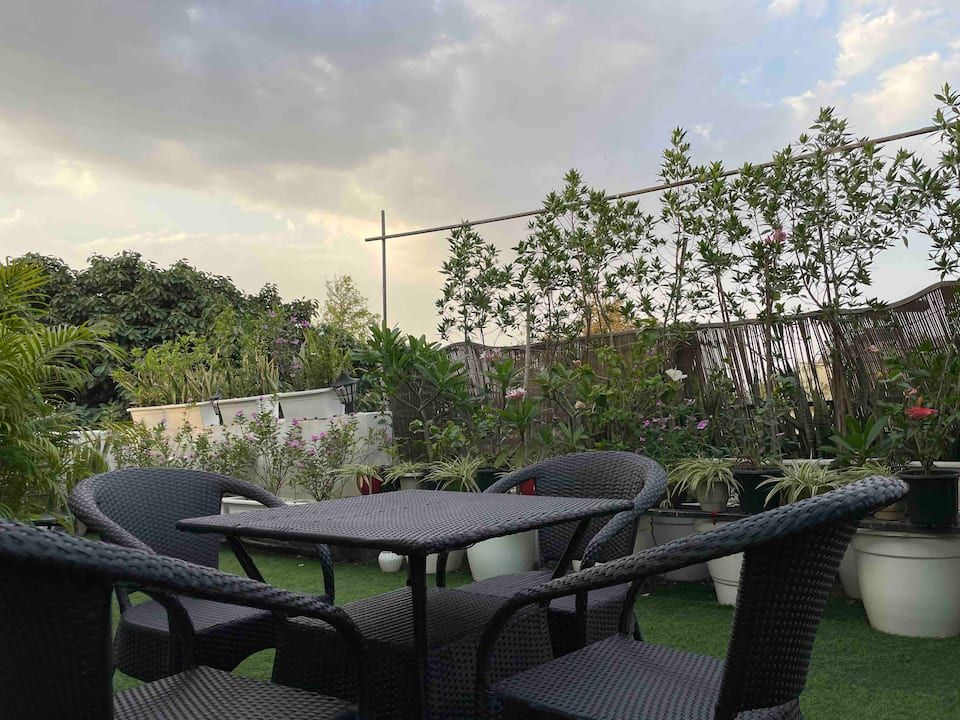
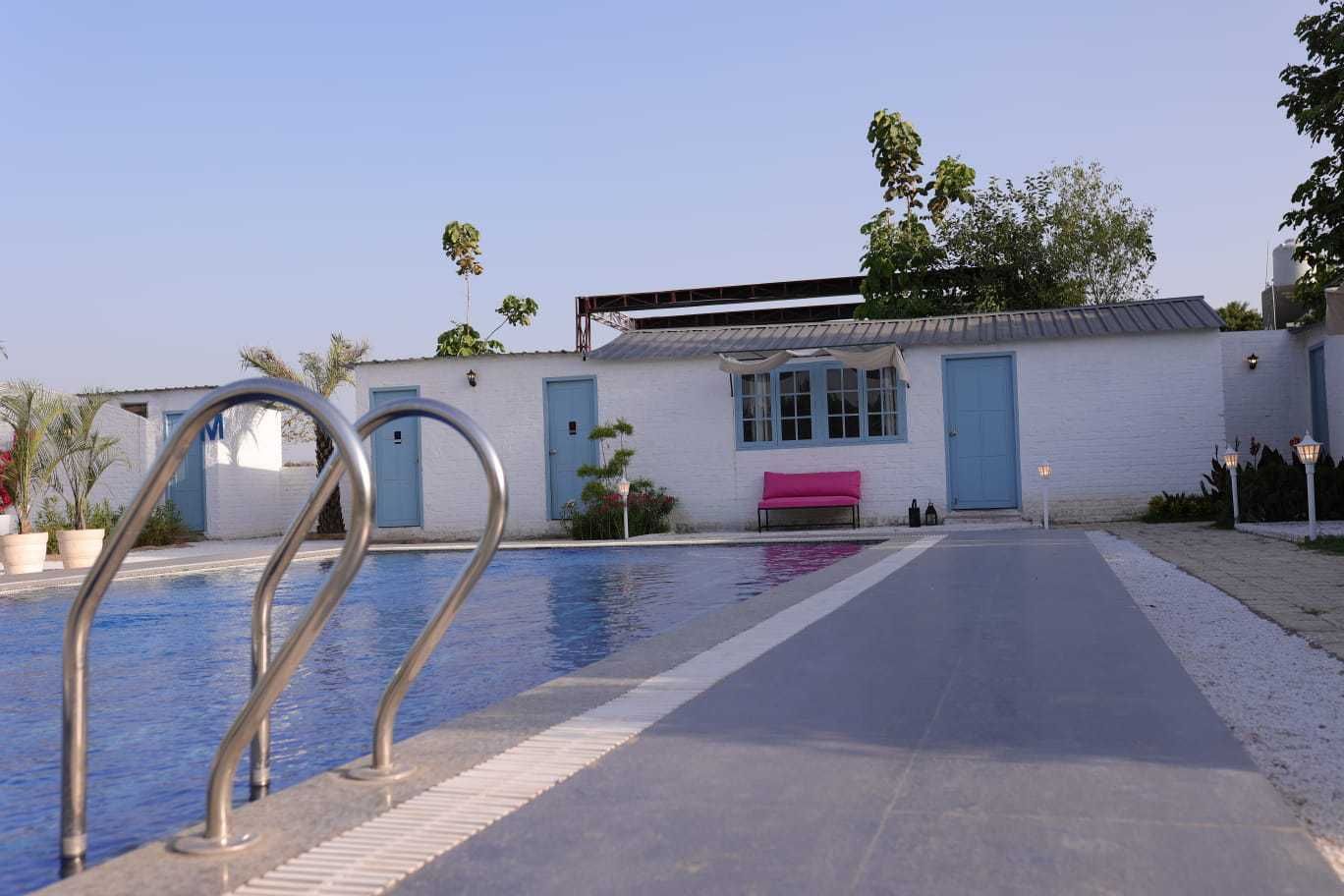
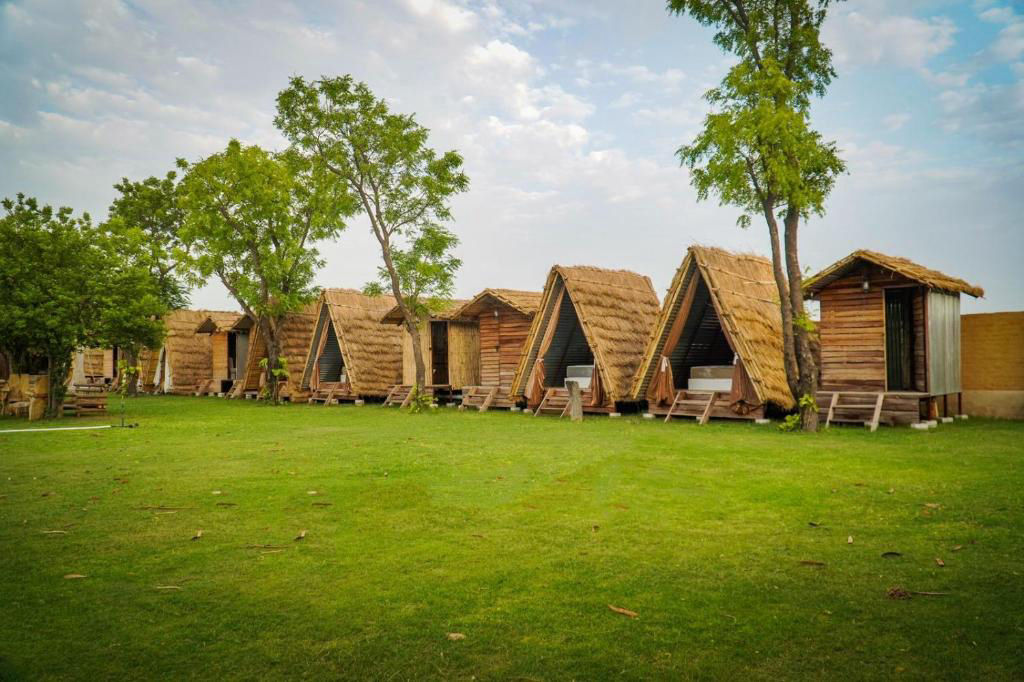
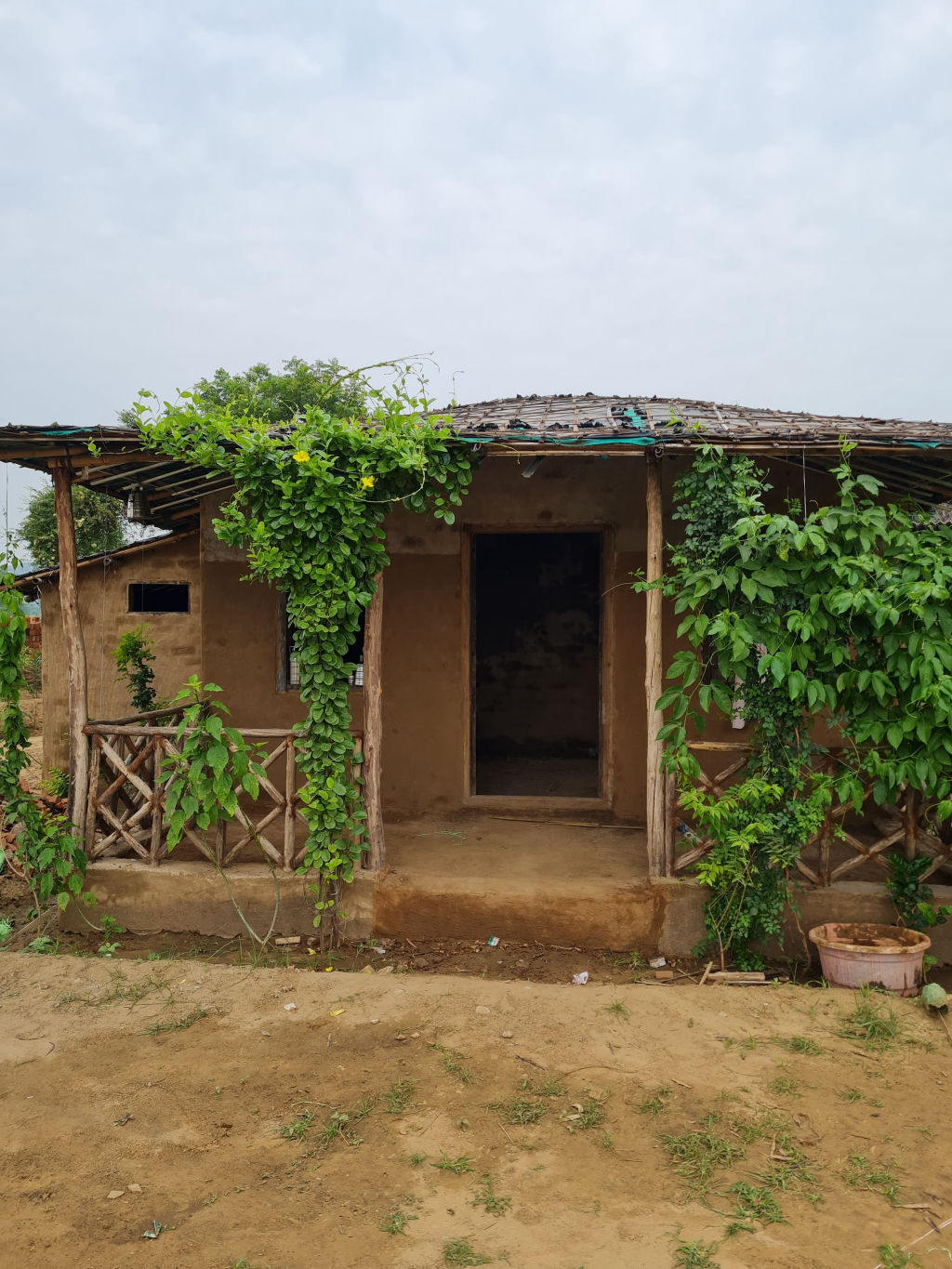
Tughlakabad's position in South Delhi allows travellers to choose from a diverse range of accommodations suited to different travel styles. Quiet residential neighbourhoods and leafy enclaves nearby offer relaxed bases away from the congestion of central railway and commercial hubs, while remaining close to the historical sites of South Delhi.
Whether you are searching for experiential homestays, nature retreats, or peaceful stays across the wider Delhi and National Capital Region, suitable options can be found on HireACamp. Staying in this quarter of the city provides an easy jumping-off point for early-morning monument walks, heritage tours, and day trips into the surrounding region.
Frequently asked questions
What is Tughlakabad famous for?
Tughlakabad is famous for the expansive ruins of Tughlaqabad Fort, the third historic city of Delhi, as well as the fortified tomb of Sultan Ghiyas-ud-din Tughlaq, who founded the dynasty in 1321.
Who built Tughlaqabad Fort?
The fort was constructed by Sultan Ghiyas-ud-din Tughlaq, the founder of the Tughlaq dynasty, to protect the Delhi Sultanate against frequent Mongol invasions.
How can I reach Tughlakabad using public transport?
You can reach Tughlakabad by taking the Delhi Metro to stations on the Violet Line or Magenta Line, followed by a short auto-rickshaw or cab ride to the monument entrance.
What attractions can I visit close to Tughlakabad?
Nearby sites include the Bahá’í Lotus Temple, The Garden of Five Senses, Qutab Minar, Mehrauli Archaeological Park, and the ruins of Adilabad fort.
Is the area suitable for walking and birdwatching?
Yes, the open, rocky terrain and wild ridge vegetation within the fort grounds provide a great environment for scenic walks, architectural photography, and spotting resident birds such as peacocks and parakeets.
Where you'll be
4 stays nearby shown with prices
Stays near Tughlakabad
Book a place to stay close by
Things to do in Tughlakabad
48 places creators recommend within 30 km


Lists for this area
Ranked by how many creators recommend each place


Built from 0 Instagram posts by 0 creators. Every tip links back to the post it came from, and where creators disagree we show both sides.






