
Vaibhavwadi
Destination in Maharashtra
Vaibhavwadi is a quiet rural town nestled at the base of the Western Ghats in Maharashtra's Sindhudurg district. Positioned where the rugged Sahyadri mountains descend into the fertile Konkan plains, the region is known for its seasonal waterfalls, dense cashew groves, and ancient hilltop forts. Travellers visit Vaibhavwadi to explore tranquil mountain passes, sacred regional temples, and refreshing monsoon scenery away from crowded tourist trails.
Getting there
By road
- From Pune6 hr 15 min · 305 km
- From Mumbai 8 hr 5 min · 417 km
Typical drive times without traffic. Stations and airports from OLA Maps; distances and typical drive times from OpenStreetMap (© OpenStreetMap contributors); notes from creators' Reels.
About Vaibhavwadi
Written with AI from map data and general knowledge. Check prices and timings locally before you go.
About Vaibhavwadi
Tucked away in the undulating foothills of the Sahyadri mountain range, Vaibhavwadi is a quiet taluka headquarters in the Sindhudurg district of southern Maharashtra. The town occupies a distinctive geographical transition point, where the steep, misty ridges of the Western Ghats descend into the fertile laterite plains of the Konkan belt. Characterized by expansive cashew groves, betel nut wadis, and dense native forests, Vaibhavwadi retains an unhurried, pastoral rhythm that contrasts sharply with the busier coastal towns located further west.
The identity of the town is closely tied to its rural setting and surrounding topography. Life here revolves around agriculture and seasonal harvests, with small hamlets dispersed among forested hills and winding river valleys. While many travelers pass through Vaibhavwadi when commuting between the Deccan plateau and the Arabian Sea coast, the region itself holds deep appeal for those who appreciate quiet nature trails, quiet waterways, and scenic drives through the Sahyadris.
Natural attractions and waterfalls around Vaibhavwadi
The landscape surrounding Vaibhavwadi turns into an amphitheater of greenery and cascading water during the rainy season. Just a short journey from the town lies Napne Waterfall, a striking natural cascade fed by seasonal streams that plunge over dark basalt rock faces surrounded by thick vegetation. Unlike heavily commercialized tourist spots, the area around Napne offers an untouched setting where visitors can listen to the roar of water echoing through the woodland canopy.
Further afield, travelers can explore the picturesque Barki Waterfall, another seasonal spectacle hidden among the dense foliage of the Western Ghats. In addition to waterfalls, the region is blessed with tranquil river courses such as the Tulsi River, which flows gently through quiet valleys bordered by thick riverine trees and boulder-strewn banks. For expansive panoramic views, a journey up towards Gaganbawda Ghat reveals breathtaking vistas of the Konkan plains stretching out beneath dramatic cliffs, often veiled in shifting banks of white monsoon mist.
Read more
Forts and hill viewpoints
The highlands rising immediately above Vaibhavwadi are rich with Maratha history, guarded by formidable fortifications that once watched over vital trade routes crossing the mountain passes. Perched on a steep rocky hill near the crest of the ghats stands Gagangad Fort, historically associated with the sage Gagangiri Maharaj. Reaching the fort involves a scenic climb that rewards hikers with commanding 360-degree panoramas of the surrounding mountain ridges, deep ravines, and endless green valleys.
Another prominent historical outpost in the wider area is Mudagad Fort. Tucked into rugged hill terrain, this fortress offers an immersive look into the strategic military architecture utilized by mountain garrisons in centuries past. Walking along the remnant ramparts, weathered stone steps, and natural rock perches of these forts provides a tangible link to Maharashtra's medieval history, while offering hiking enthusiasts quiet trails away from crowded tourist circuits.
Sacred temples and cultural heritage
Vaibhavwadi and its surrounding talukas are home to several venerable religious shrines that hold deep significance for local communities. In nearby Kharepatan, the ancient Kalbhairav Mandir stands as a revered cultural center, drawing devotees from across the Konkan region. The temple showcases traditional Konkani temple architecture, characterized by sloping tiled roofs, carved pillars, and a tranquil inner sanctum that invites quiet reflection.
Equally fascinating is the cave temple of Palsambe Ramling, located within a scenic forest ravine. Here, ancient stone-hewn Shiva lingams sit within natural rock shelters, where clear natural springs trickle through the rock faces. Further north, the holy town of Rajapur features the unique geological phenomenon of Rajapur Ganga, where subterranean springs periodically emerge in a series of stone bathing tanks. Nearby, the Shree Aaryadurga Devi Mandir in Devihasol represents another celebrated pilgrimage site, set within a serene countryside environment that reflects the devotional warmth of regional traditions.
Best time to visit Vaibhavwadi
The climate of Vaibhavwadi is tropical and follows three distinct seasonal cycles, each offering a completely different experience for travellers. The monsoon season, extending from June through September, is without doubt the most dramatic time to visit. Heavy southwesterly rains transform the entire countryside into a vivid green sanctuary, recharging seasonal waterfalls like Napne and Barki, and wrapping the mountain passes in rolling clouds and cool breezes.
The winter months, from October to February, present the most comfortable weather for general sightseeing, outdoor exploration, and fort hiking. During this period, the intense rains recede, leaving behind crisp mornings, clear blue skies, and mild afternoon temperatures that make walking along mountain trails enjoyable. The summer months, spanning March to May, are warm and humid, typical of the Konkan hinterland. While daytime heat can be intense, early summer brings the flowering of wild plants and the ripening of famous Konkan mangoes and cashews across regional orchards.
How to reach Vaibhavwadi
Vaibhavwadi is well-connected by rail and road networks, making it easily accessible from major cities across Maharashtra and neighboring Goa. The town has its own railway station, Vaibhavwadi Road, situated along the scenic Konkan Railway line. Several passenger and express trains operating between Mumbai, Pune, and Goa halt at this station, offering a scenic rail journey through tunnels and over river viaducts.
For road travelers, Vaibhavwadi can be reached from Mumbai or Pune by following National Highway 66 down through the Konkan or by driving via Kolhapur and descending through the picturesque Gaganbawda Ghat pass. Regular state transport buses and private taxis ply these routes, connecting the town with regional hubs such as Kolhapur, Kankavli, and Rajapur. The nearest commercial airports are located at Kolhapur, North Goa (Mopa), and Dabolim, from where visitors can arrange road transfers to reach the town.
Where to stay in and around Vaibhavwadi
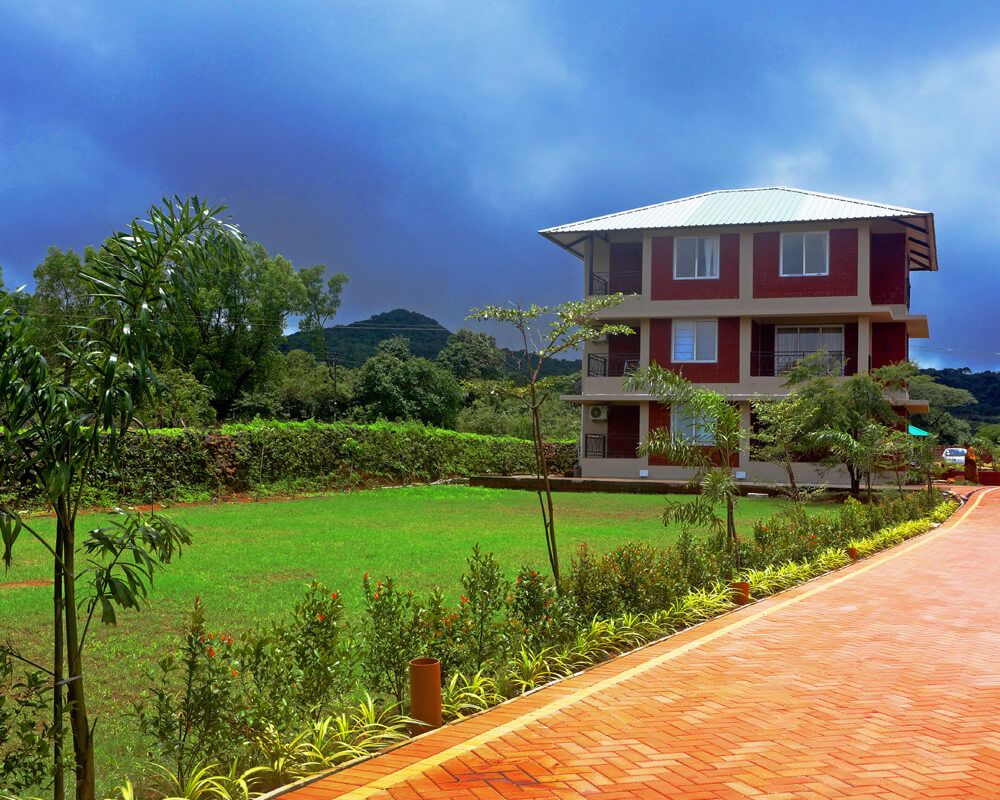
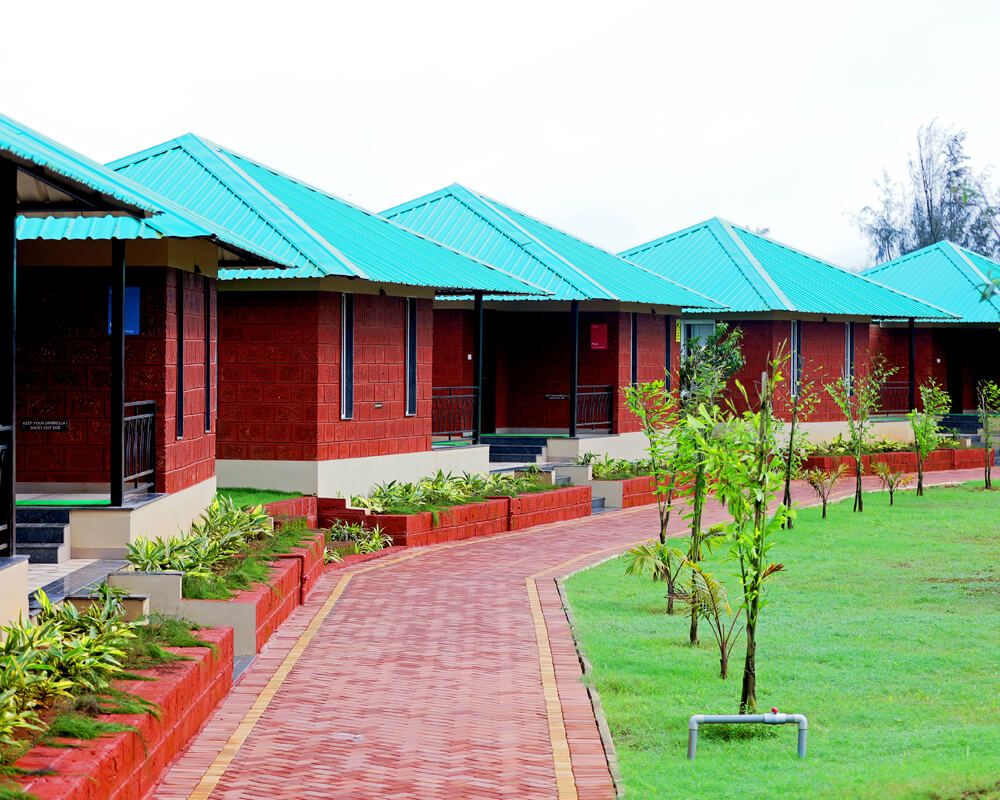
Finding the right place to stay in the Vaibhavwadi region allows visitors to fully absorb the calm pace of life in the Konkan hills. While the town center offers basic commercial lodges, the surrounding countryside is ideal for experiential stays that bring you closer to nature. Travelers can choose from rustic farm stays nestled amidst cashew plantations, private eco-lodges along riverbanks, and scenic outdoor camping setups situated near the base of the Sahyadri mountains.
To find vetted camping grounds, homestays, and unique rural retreats in and around Vaibhavwadi, you can explore the listings on HireACamp. Staying at an authentic local homestay or well-equipped campsite provides not only comfortable amenities and home-cooked regional cuisine but also first-hand insights into the traditions and natural treasures of the Sindhudurg district.
Frequently asked questions
What is Vaibhavwadi known for?
Vaibhavwadi is known for its lush Western Ghats foothills, rich cashew and betel nut plantations, seasonal waterfalls such as Napne, and historic vantage points like Gagangad Fort.
Which waterfalls can I visit near Vaibhavwadi?
The most prominent waterfall near the town is Napne Waterfall, located just a short drive away. Travelers willing to venture a bit further can also explore the picturesque Barki Waterfall during the monsoon season.
Does Vaibhavwadi have its own railway station?
Yes, Vaibhavwadi Road railway station is situated along the Konkan Railway network and is serviced by regular passenger and express trains running between Mumbai, Pune, Mangaluru, and Goa.
When is the best time to visit Vaibhavwadi?
The monsoon season from June to September is ideal for enjoying lush greenery and flowing waterfalls, while the winter months from October to February provide mild, pleasant weather suited for trekking and visiting local forts.
Where can I book nature stays and campsites near Vaibhavwadi?
You can find and book campsites, farm stays, and traditional homestays in and around Vaibhavwadi directly through HireACamp.
Where you'll be
2 stays nearby shown with prices
Stays near Vaibhavwadi
Book a place to stay close by
Things to do in Vaibhavwadi
22 places creators recommend within 30 km
Built from 0 Instagram posts by 0 creators. Every tip links back to the post it came from, and where creators disagree we show both sides.






