
Radhanagari Backwaters
Lake near Radhanagari, Maharashtra
14 km from Radhanagari
The nearest town, for stays, food and fuel.
The Radhanagari Backwaters form a vast and tranquil reservoir created along the Bhogawati River in the Kolhapur district of Maharashtra. Framed by the forested ridges of the Western Ghats and adjoining dense nature reserves, the waterbody attracts travellers looking for open landscapes, peaceful natural surroundings, and scenic countryside drives. It offers a calm retreat away from bustling urban centres, with opportunities for quiet birdwatching, photography, and experiencing rural Sahyadri life.
Getting there
By road
- From RadhanagariNearest town43 min · 28 km
- From Pune6 hr 50 min · 318 km
- From Mumbai 8 hr 35 min · 444 km
Typical drive times without traffic. Stations and airports from OLA Maps; distances and typical drive times from OpenStreetMap (© OpenStreetMap contributors); notes from creators' Reels.
About Radhanagari Backwaters
Written with AI from map data and general knowledge. Check prices and timings locally before you go.
The landscape of Radhanagari Backwaters
The Radhanagari Backwaters are set against the rolling backdrop of the southern Sahyadri hills in Maharashtra. The water catchment is historically linked to the Radhanagari Dam, an engineering landmark commissioned under the vision of Chhatrapati Shahu Maharaj of Kolhapur in the early twentieth century. Built across the Bhogawati River, the reservoir was intended to support agriculture, generate hydroelectric power, and provide water security to the surrounding plains. Over the decades, the resulting reservoir has developed into an expansive ecological basin where calm blue waters meet dense semi-evergreen and moist deciduous forests.
The shoreline varies from gently sloping mudflats and grassy banks to dramatic edges where the jungle slopes directly down into the water. Because the reservoir sits adjacent to protected wilderness zones, the shoreline remains largely undeveloped and free of urban clutter. During different times of the day, the shifting light transforms the surface of the lake, reflecting misty mornings and warm golden sunsets across the vast expanse of water.
Things to do at Radhanagari Backwaters
Spending time at Radhanagari Backwaters is primarily about slowing down and absorbing the quiet atmosphere of the Sahyadri countryside. The open banks offer unhurried spots for nature walks, where visitors can stroll along the water's edge, listen to forest sounds, and watch fishermen navigate the calmer stretches in traditional rowing boats. Photographers will find compelling compositions here, from fishermen silhouetted against the morning mist to dramatic cloud formations reflecting on the water surface.
Birdwatching is another rewarding activity around the backwaters. The transition zone between deep water, reed beds, and heavy forest cover creates rich habitats for resident and migratory bird species. Visitors who bring a pair of binoculars can scan the trees and water margins for kingfishers, herons, egrets, cormorants, and birds of prey gliding along the thermal drafts generated by the neighboring hills. Evenings are particularly quiet, making the lakeside an ideal location to watch the daylight fade over the water.
Read more
Wildlife and forest surroundings
The backwaters lie adjacent to the Radhanagari Wildlife Sanctuary, one of the oldest protected nature reserves in Maharashtra. This sanctuary is internationally recognized as a major habitat for the Indian bison, locally known as the gaur. The dense canopy surrounding the reservoir is part of an important wildlife corridor that connects various ridges across the Western Ghats, supporting diverse mammals such as barking deer, sambar, wild boars, leopards, and giant squirrels.
Because of the proximity to pristine forest reserves, wildlife occasionally moves near the quieter edges of the backwaters to drink, especially in the early mornings and late afternoons during dry spells. The region is also celebrated for its remarkable diversity of butterflies, amphibians, and endemic plant species. Travellers visiting the backwater region are reminded that this is an active wildlife ecosystem, and maintaining quiet respect along the edges is essential for personal safety and animal conservation.
Best time to visit Radhanagari Backwaters
The experience at Radhanagari Backwaters changes dramatically with the changing seasons of the Western Ghats. The post-monsoon and winter months, spanning from October through February, are widely considered the most pleasant time to visit. During this period, the reservoir is full, the surrounding hills are draped in rich greenery, and daytime temperatures remain comfortably mild. Crisp morning air and clear winter skies make this timeframe ideal for outdoor exploration, bird spotting, and photography.
The monsoon season, extending from June to September, brings intense and continuous rainfall to this part of Maharashtra. The backwaters swell and the entire landscape turns intensely green, with streams and seasonal waterfalls feeding into the reservoir from every nearby slope. While driving conditions can be challenging and trails can be slippery, monsoon enthusiasts appreciate the raw, mist-shrouded beauty of the region. Summer, from March to May, brings hotter and drier conditions. While water levels recede and the midday heat can be strong, mornings and late evenings remain breezy by the water, and wildlife sightings near watering points often increase.
Places to explore around Radhanagari
A trip to the backwaters can easily be combined with exploring several interesting viewpoints, historic forts, and natural landmarks situated within driving range across the Kolhapur and Konkan borderlands. Roughly 18 kilometres away sits Gaganbawda Ghat, a high mountain pass known for panoramic vistas overlooking the Konkan coastal plains below and rolling fog during the rainy months. Nearby at 19 kilometres is Gagangad Fort, perched atop a steep rocky hill and home to quiet viewpoints and ashram caves.
Travellers interested in cultural and historic stops can head toward Palsambe Ramling, about 24 kilometres away, known for its ancient rock-cut cave temple set in a scenic grove. For waterfall lovers traveling in the rainy season, Napne Waterfall is situated about 25 kilometres away, offering an impressive natural cascade. Further afield lie historic high points such as Mudagad Fort, roughly 32 kilometres away, the ancient Kalbhairav Mandir in Kharepatan at 33 kilometres, and the scenic banks of the Tulsi River about 34 kilometres away, making the area rich in day-trip possibilities.
How to reach Radhanagari Backwaters
Radhanagari Backwaters are located in southern Maharashtra and are most conveniently accessed via Kolhapur, which serves as the primary travel hub for the region. The city of Kolhapur has well-connected rail services linking it to major destinations such as Mumbai, Pune, and Bengaluru, alongside a regional domestic airport. From Kolhapur, state highways and district roads wind southwest toward Radhanagari, passing through sugarcane fields, rural hamlets, and gently rising forested hills.
For those travelling by road from Pune or Mumbai, the route follows National Highway 48 toward Kolhapur before branching onto the regional roads leading into the Radhanagari basin. The drive involves scenic country stretches that are best navigated during daylight hours. Local state transport buses connect Kolhapur with Radhanagari town, after which regional auto-rickshaws or private taxis can be hired to reach specific vantage points around the backwater perimeter.
Tips for your visit
When planning an excursion to Radhanagari Backwaters, wearing sturdy footwear is recommended, as the paths along the banks can be uneven, rocky, or muddy depending on the season. Carrying sufficient drinking water, sun protection, and a light windcheater is practical, especially during transitions between open waterbanks and shaded forest paths. Mobile network reception can be intermittent in pockets near the reservoir and forest reserves, so downloading offline navigation maps beforehand is advisable.
Travellers should remember that there are no lifeguards on duty along the shoreline, and sudden drop-offs or deep mud deposits can make swimming risky. Water currents and submerged vegetation near dam basins can be unpredictable, so it is safest to enjoy the water from the dry shoreline. Visitors should also practice strict leave-no-trace ethics by packing out all plastic waste and food containers to avoid disturbing the local wildlife habitat.
Where to stay near Radhanagari
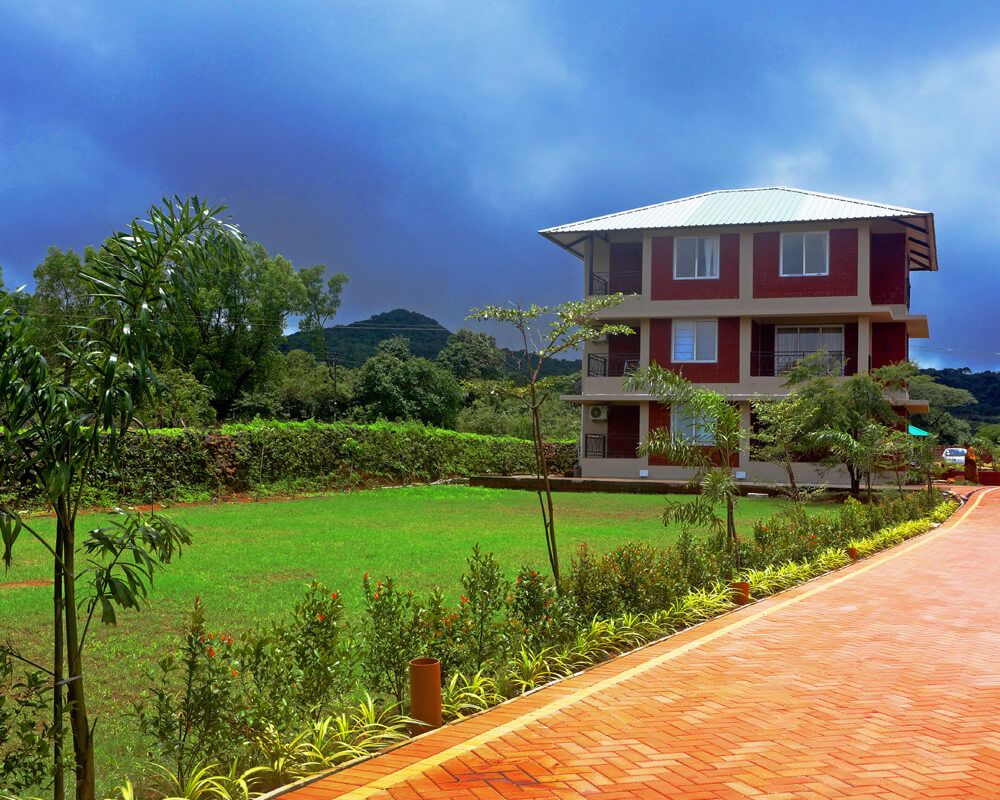
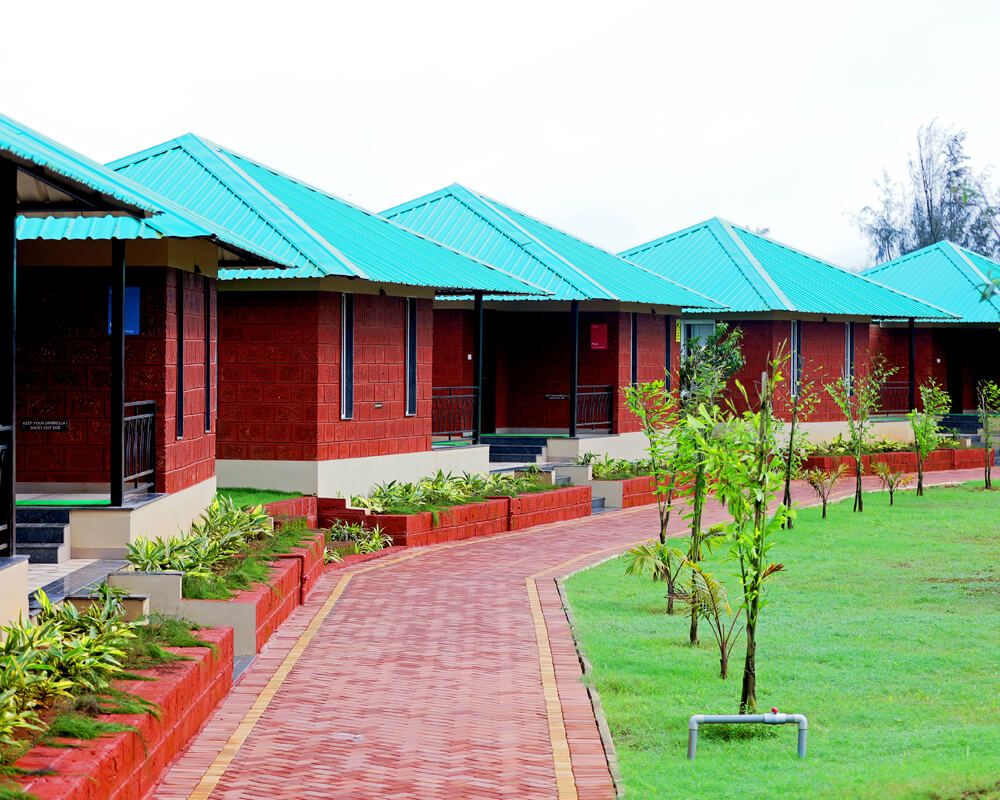
Accommodations directly at the water's edge are limited due to the protected forest zones surrounding the reservoir, which helps preserve the pristine character of the area. Travellers wishing to spend a few days exploring the countryside can find private campsites, eco-friendly homestays, and rustic rural cottages in the surrounding villages and along the approaches from Kolhapur.
Staying at a local homestay or countryside retreat allows guests to experience traditional Maharashtrian hospitality, regional Kolhapuri cuisine, and quiet starry nights. You can browse and book verified outdoor camps, forest-edge cottages, and local homestays in and around the Radhanagari region on HireACamp.
Frequently asked questions
Where are the Radhanagari Backwaters located?
The Radhanagari Backwaters are located in the Kolhapur district of Maharashtra, India, formed by the dam across the Bhogawati River adjacent to the Western Ghats.
What is the best time of year to visit Radhanagari Backwaters?
The best time to visit is between October and February, when the weather is cool and clear, the reservoir is full, and the surrounding Sahyadri hills are lush and green.
Can you see wildlife near the backwaters?
Because the backwaters lie beside the Radhanagari Wildlife Sanctuary, visitors can frequently spot diverse bird species, butterflies, and occasionally larger mammals like the Indian bison (gaur) coming to water at quiet hours.
Are there historical places to see near Radhanagari Backwaters?
Yes, nearby historical attractions include Gagangad Fort, the rock-cut cave shrines at Palsambe Ramling, and Mudagad Fort, all located within driving distance in the surrounding hills.
Is swimming permitted in the Radhanagari Backwaters?
Swimming is generally unsafe and discouraged due to submerged vegetation, varying water depths, and the absence of lifeguards; it is best to enjoy the views from the dry banks.
Where you'll be
2 stays nearby shown with prices
Stays near Radhanagari Backwaters
Book a place to stay close by
More places near Radhanagari Backwaters
Within 20 km
Built from 0 Instagram posts by 0 creators. Every tip links back to the post it came from, and where creators disagree we show both sides.






