
Radhanagari Wildlife Sanctuary
Wildlife sanctuary near Radhanagari, Maharashtra
5.1 km from Radhanagari
The nearest town, for stays, food and fuel.
Radhanagari Wildlife Sanctuary is a protected reserve located near the town of Radhanagari in the southern Western Ghats of Maharashtra. Known widely as the first wildlife sanctuary declared in Maharashtra and a stronghold for the Indian bison or gaur, the sanctuary encompasses dense semi-evergreen forests, moist deciduous patches, and rolling plateaus. Travellers visit to experience pristine wilderness, observe diverse bird species, and catch glimpses of native wildlife in its natural habitat.
Getting there
By road
- From RadhanagariNearest town13 min · 6.9 km
- From Pune6 hr 20 min · 297 km
- From Mumbai 9 hr 5 min · 465 km
Typical drive times without traffic. Stations and airports from OLA Maps; distances and typical drive times from OpenStreetMap (© OpenStreetMap contributors); notes from creators' Reels.
About Radhanagari Wildlife Sanctuary
Written with AI from map data and general knowledge. Check prices and timings locally before you go.
About Radhanagari Wildlife Sanctuary
Radhanagari Wildlife Sanctuary lies nestled within the Sahyadri hill ranges of the Western Ghats, an internationally recognized biodiversity hotspot. Established primarily to protect the habitat of the Indian bison, locally known as the gaur, the sanctuary covers rugged hills, deep valleys, and perennial streams fed by local reservoirs including Radhanagari and Kalammawadi. The thick canopy creates a vibrant ecosystem that supports a rich collection of flora and fauna unique to southern Maharashtra.
The terrain alternates between dense evergreen forest canopies in sheltered valleys and expansive lateritic plateaus known locally as sadas. These grasslands and plateaus provide crucial grazing grounds for herbivores during various times of the year. The sanctuary serves as a vital wildlife corridor, ensuring connectivity between neighboring forest reserves in Maharashtra, Goa, and Karnataka, which makes it an ecological treasure for conservationists and nature enthusiasts alike.
Wildlife and biodiversity
The primary highlight of Radhanagari Wildlife Sanctuary is its thriving population of the Indian gaur, one of the largest bovine species in the world. Visitors frequently spot herds grazing along meadow clearings or resting in the shade of dense thickets. Alongside the gaur, the reserve is home to several other mammals, including leopards, sambar deer, barking deer, mouse deer, wild boars, and Indian giant squirrels that leap among high tree canopies.
Birdlife in Radhanagari is equally impressive, drawing birdwatchers from across the country. The forest provides nesting grounds and forage for species such as the Malabar pied hornbill, Nilgiri wood pigeon, Ceylon frogmouth, crested serpent eagle, and various endemic flycatchers and sunbirds. The dense vegetation and humid environment also foster an array of amphibians, reptiles, and vibrant butterfly species, which become especially active during and immediately following the monsoon season.
Read more
Best time to visit
The post-monsoon and winter months, spanning from October to February, offer the most pleasant weather to visit Radhanagari Wildlife Sanctuary. During this time, the forest retains its lush green character from the heavy rains, water bodies are full, and temperatures are comfortably cool, creating ideal conditions for forest trails and wildlife spotting.
From March to May, the weather becomes warm and dry. While temperatures rise noticeably during the day, the summer months are considered advantageous for viewing wildlife as foliage thins and animals congregate near remaining waterholes and riverbanks. The monsoon season from June to September brings torrential rainfall to the Western Ghats, resulting in gushing streams, misty hills, and lush rejuvenation, though some forest tracks may become difficult to navigate or temporarily restricted due to heavy downpours.
Things to do in and around the sanctuary
Exploring the designated routes and trails is the primary activity at Radhanagari Wildlife Sanctuary. Guided forest drives and safaris provide opportunities to scan the undergrowth for wildlife and observe gaurs grazing on open sadas. Early mornings and late afternoons are the best times to venture out, as animal activity peaks and the forest comes alive with birdsong.
Nature photography and birdwatching are exceptionally rewarding throughout the sanctuary. Spending quiet time along forest paths or near watchpoints allows visitors to capture rare bird species and undisturbed views of the Sahyadri landscape. Walking along allowed buffer zones and village fringes also gives insight into the rural culture and lifestyle of the communities living harmoniously alongside the forest.
Places to visit nearby
The surrounding landscape of southern Maharashtra features several historical, cultural, and scenic attractions that pair well with a visit to the sanctuary. Gaganbawda Ghat and Gagangad Fort, both situated roughly twenty kilometers away, offer sweeping views over the Konkan coastal plains and mist-covered mountain passes. The historical fort of Mudagad is another nearby vantage point that appeals to trekkers and heritage enthusiasts.
For those who appreciate sacred places in natural settings, the ancient rock-cut temple of Palsambe Ramling and the revered Katyani Devi Temple are located within a short drive. Water lovers can spend relaxing hours by the quiet waters of the Tulsi River or take an excursion towards Napne Waterfall, which cascades dramatically during and after the rainy season.
How to reach Radhanagari
The sanctuary is well connected by road to major towns in the region, with the town of Radhanagari serving as the immediate gateway. Kolhapur is the nearest major city, located approximately fifty to fifty-five kilometers away, and features a well-served railway station with direct train connections to Mumbai, Pune, Bengaluru, and other major hubs.
Travelers driving from Pune or Mumbai can follow the national highway towards Kolhapur before taking state highways leading into Radhanagari. Regular state transport buses and private taxis ply the route between Kolhapur and Radhanagari. For air travelers, regional connectivity is available via Kolhapur Airport, while international and larger domestic airports can be accessed in Goa or Pune.
Tips for your visit
Because Radhanagari is an ecologically sensitive protected area, visitors should adhere strictly to forest guidelines and maintain silence while traversing forest roads. Wearing neutral-colored clothing such as earthy greens, browns, and khakis helps you blend into the surroundings and minimizes disturbance to wild animals. Avoid using strong perfumes or bright lights after dark.
Carry basic field essentials including a good pair of binoculars, a camera with adequate zoom, sturdy walking shoes, and insect repellent. Mobile network coverage can be patchy or nonexistent within interior pockets of the sanctuary, so download offline maps and inform someone of your itinerary beforehand. Always verify local safari timings and trail access with local forest department officials upon arrival.
Where to stay around Radhanagari
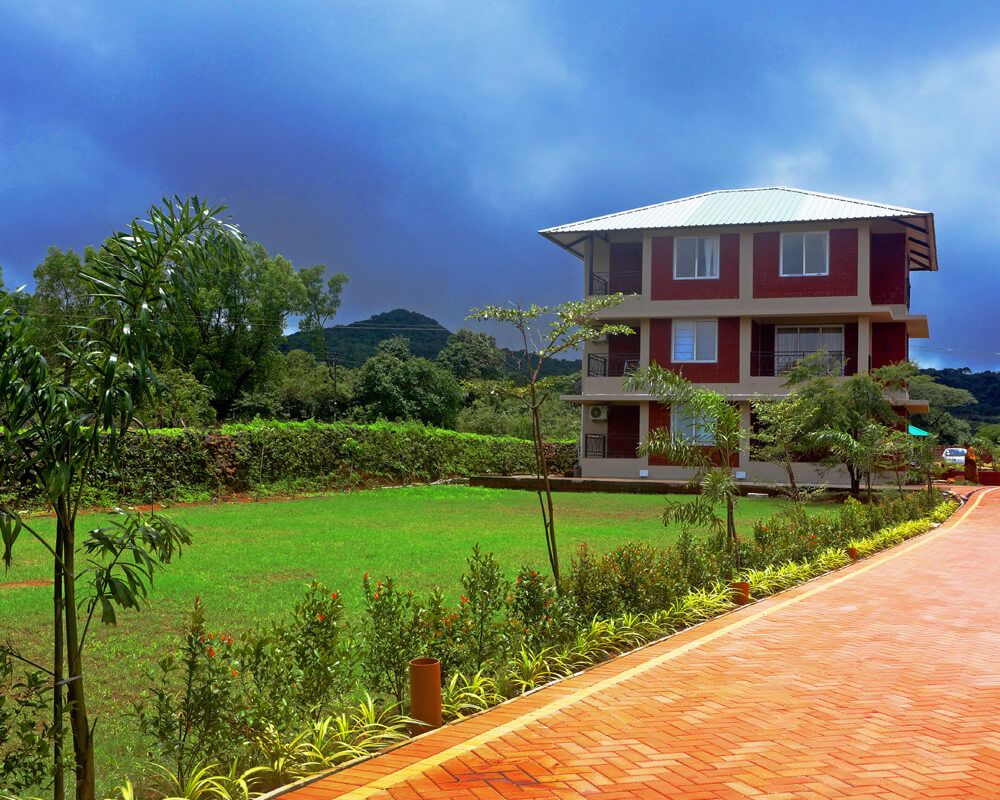
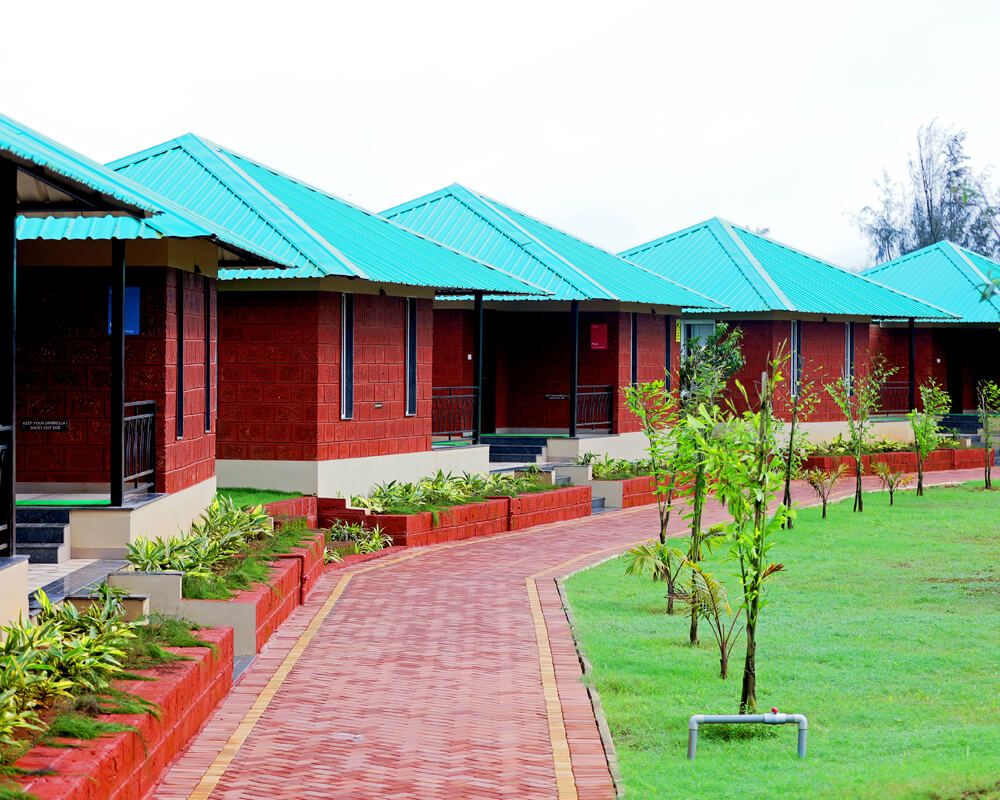
Accommodation options around Radhanagari Wildlife Sanctuary cater to nature lovers who prefer peaceful, uncommercialized settings. You can find rural homestays, nature retreats, and eco-friendly campsites set on countryside plots, farms, and hillsides bordering the reserve.
Staying close to the sanctuary allows you to start your mornings early and experience the tranquil dawn chorus of the forest. To discover verified campsites, rustic cottages, and authentic homestays in and around Radhanagari, check the listings available on HireACamp to suit your travel style.
Frequently asked questions
What is Radhanagari Wildlife Sanctuary famous for?
Radhanagari Wildlife Sanctuary is most famous for its thriving population of the Indian bison, also known as the gaur, as well as its rich Western Ghats biodiversity and scenic plateau landscapes.
Which is the nearest major town to Radhanagari Wildlife Sanctuary?
The town of Radhanagari is the immediate gateway to the sanctuary, while the historic city of Kolhapur is the nearest major urban center and railhead.
Can I visit Radhanagari Wildlife Sanctuary during the monsoon?
Yes, the sanctuary transforms into a lush green wonderland during the monsoon with misty viewpoints and roaring waterfalls, though heavy rain can sometimes affect forest road accessibility.
Are private vehicles allowed inside the sanctuary?
Vehicle entry and safari regulations are governed by the local forest department, so check current vehicle permissions and guidelines locally at the entry checkposts.
Where can I book stays near Radhanagari Wildlife Sanctuary?
You can explore and book outdoor camps, nature stays, and local homestays around the sanctuary directly on HireACamp.
Where you'll be
Radhanagari · 2 stays nearby shown with prices
Stays near Radhanagari Wildlife Sanctuary
Book a place to stay close by
More places near Radhanagari Wildlife Sanctuary
Within 20 km
Built from 0 Instagram posts by 0 creators. Every tip links back to the post it came from, and where creators disagree we show both sides.






